Ear piercing has been around for a very long time. But when did women actually start piercing their ears? That question has a fascinating answer rooted in ancient history.
This article covers everything you need to know, from the earliest records to modern trends. You will learn how ear piercing shifted from a cultural ritual to a global fashion statement.
Here is what we cover: the oldest evidence of ear piercing, how different cultures shaped the tradition, when it became mainstream for women, and tips for safe piercing today.
What Is Ear Piercing?
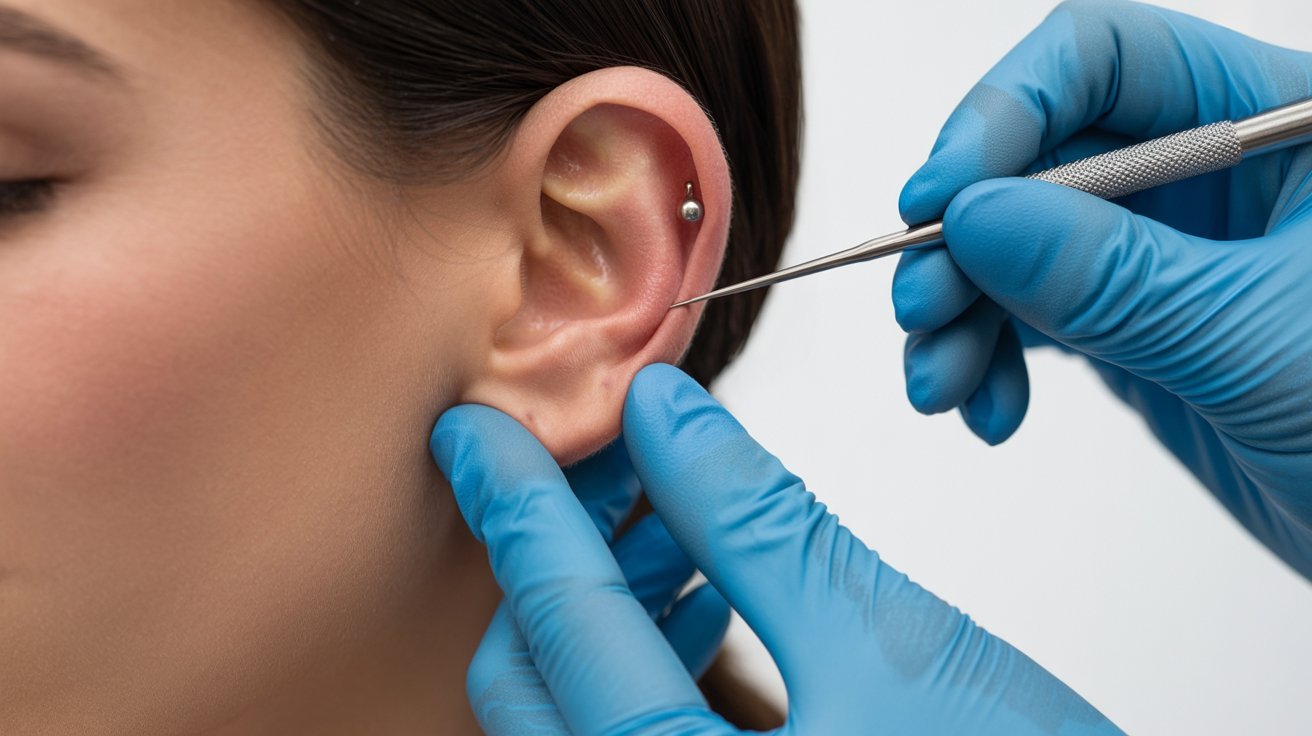
Ear piercing is the process of creating a small hole in the earlobe or cartilage to wear jewelry.
It is one of the oldest forms of body modification known to humans.
There are two main types: lobe piercing, which targets the soft lower part of the ear, and cartilage piercing, which involves the harder upper area.
Ear piercing has stayed popular for thousands of years because it is simple, visible, and deeply meaningful.
When Did Women Start Piercing Their Ears?
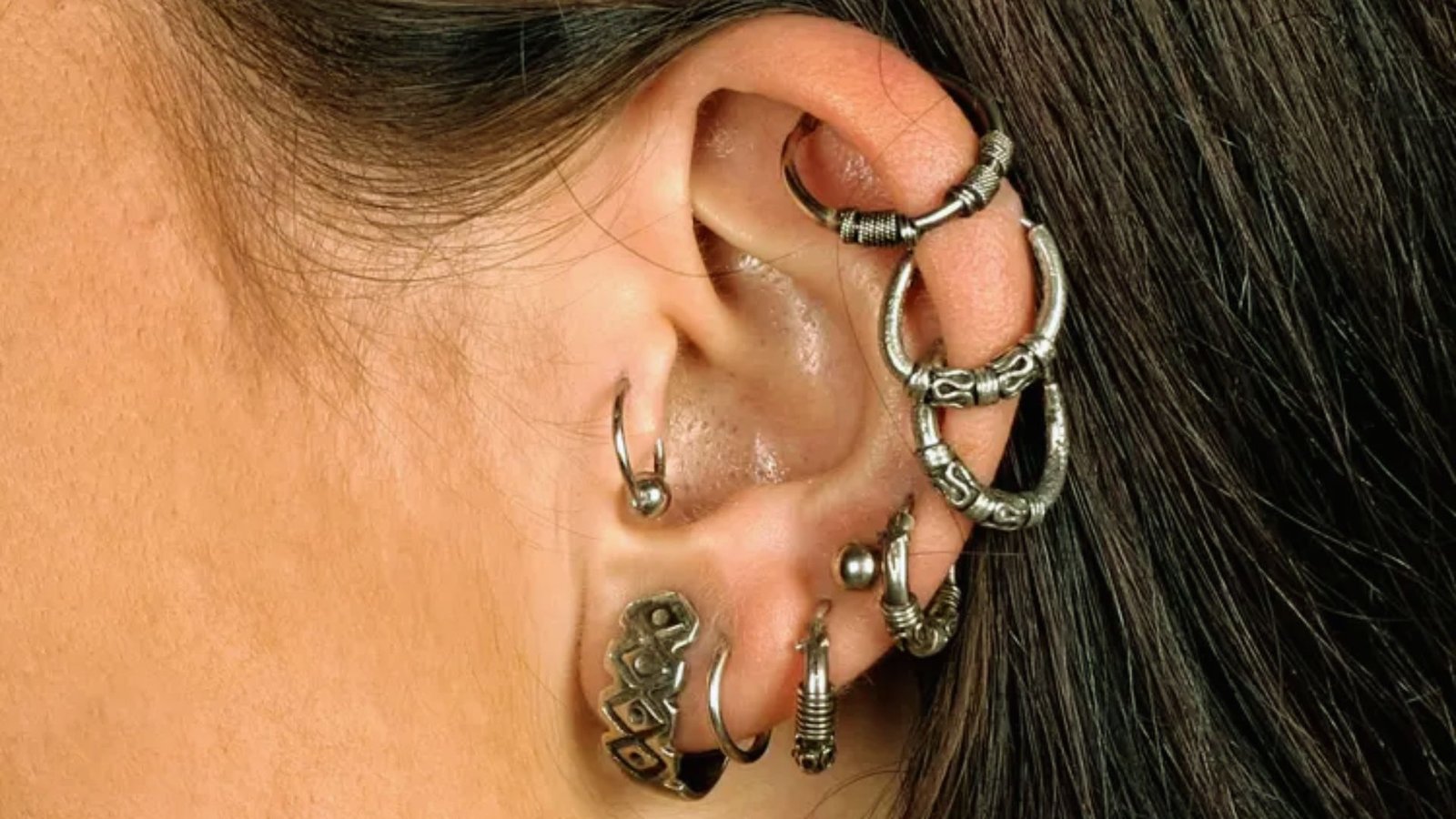
Women have been piercing their ears for over 5,000 years, with evidence found across multiple ancient civilizations.
Evidence from Ancient Civilizations
Ancient Egypt is one of the earliest examples, with royal women wearing heavy gold earrings dating back to around 3,000 BCE.
Otzi the Iceman and carvings from the Persian Empire also confirm that both men and women wore earrings as signs of rank centuries ago.
Early Role of Women in Ear Piercing
For women in ancient societies, pierced ears carried meaning beyond appearance. Earrings signaled social status, beauty, and cultural identity, telling others who she was and what role she held in her community.
When Did Ear Piercing Become Common Among Women?
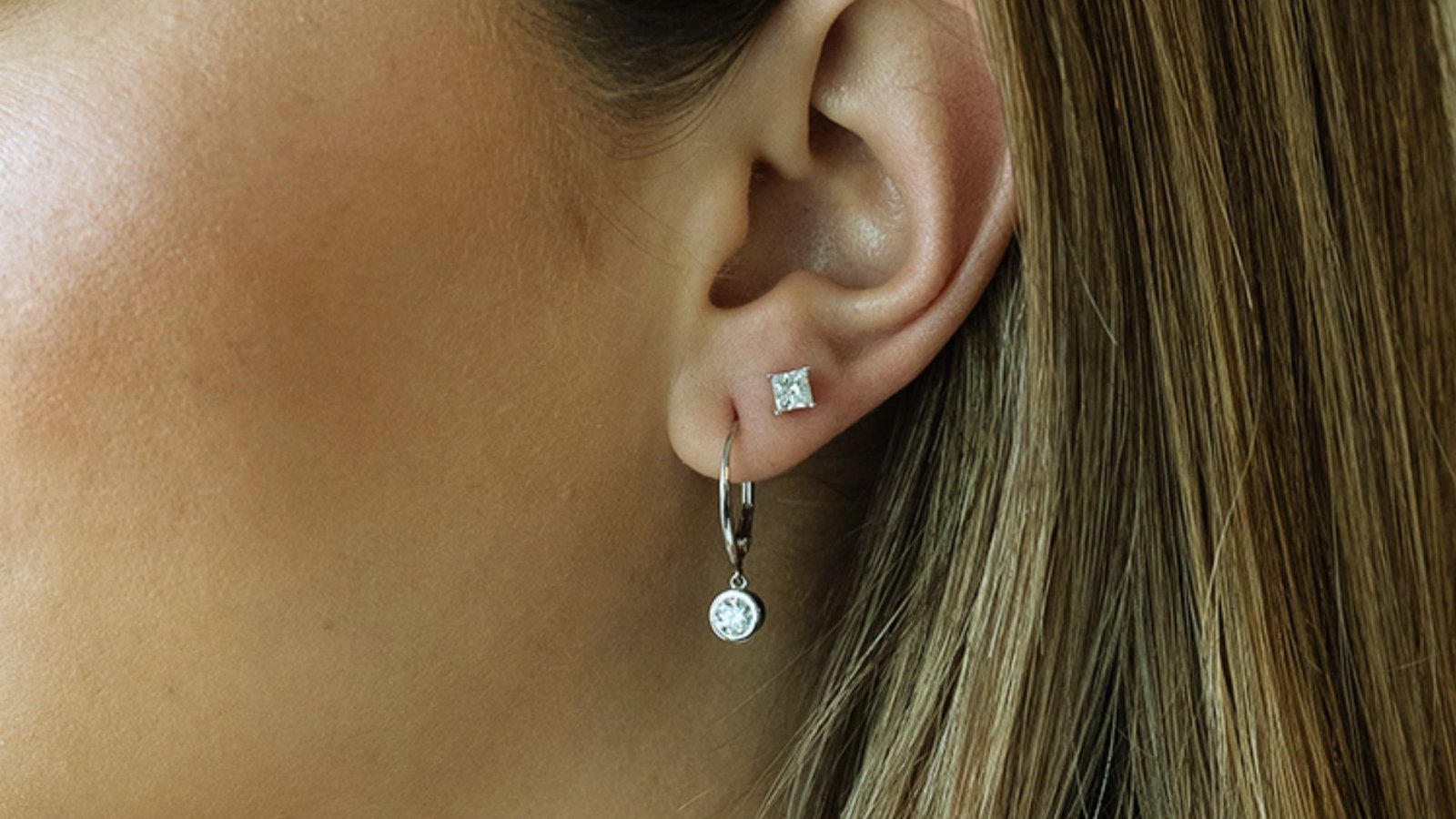
Ear piercing became widely common during ancient times, dipped during certain historical periods, and returned strongly in the 20th century.
Early Popularity in Ancient Cultures
In ancient Egypt, Rome, and many tribal societies, pierced ears were a normal part of life for women. Across Africa, Asia, and the Americas, ear piercing also marked important coming-of-age rituals.
Decline in Western Societies
By the 1800s, ear piercing fell out of fashion in many Western countries as modesty became more valued. Clip-on earrings grew popular as a more conservative alternative during this time.
Mainstream Popularity in the 20th Century
The 1950s brought renewed interest in personal style, with women returning to pierced earrings. By the 1980s and 1990s, professional piercing services were widely available and fully mainstream.
Cultural Significance of Ear Piercing for Women
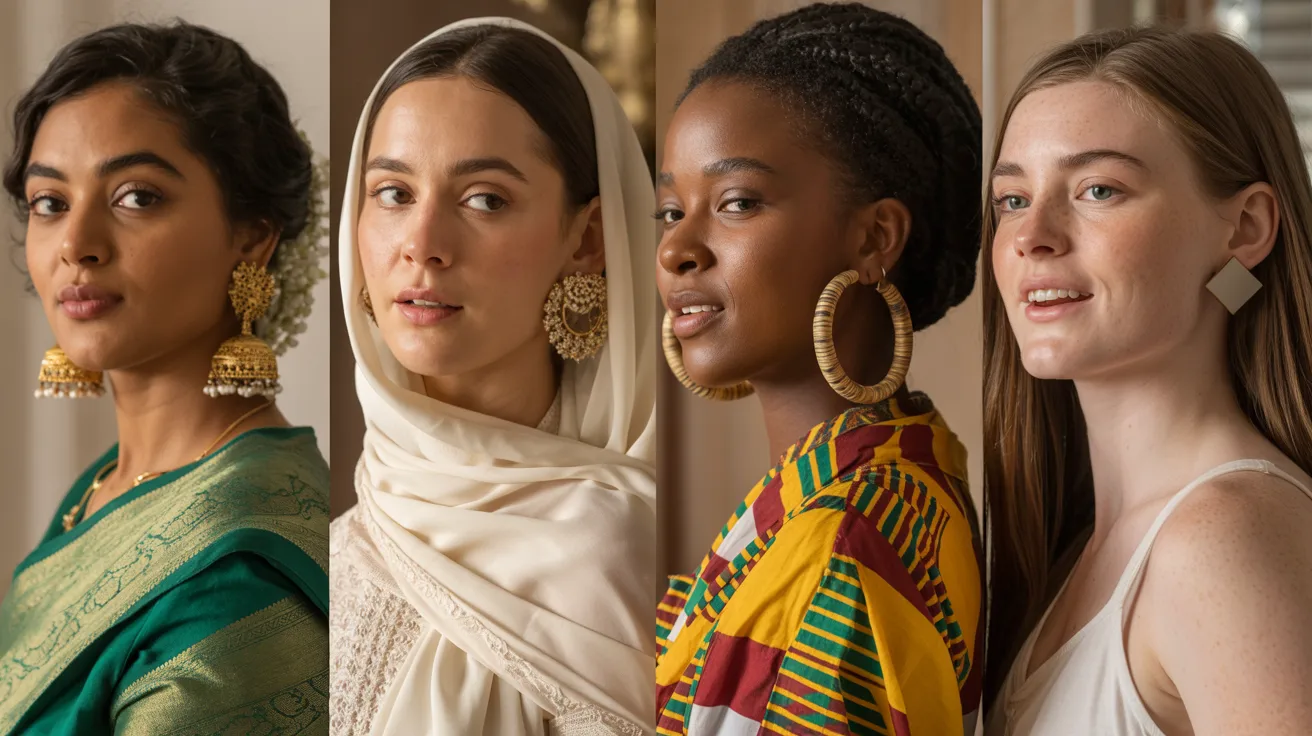
Across cultures and centuries, ear piercing has carried meaning far beyond fashion and personal style.
Rituals and Rites of Passage
In South Asian traditions, the Karnavedha ceremony involves piercing a child’s ears as a sacred rite.
In Latin American and Mediterranean cultures, baby girls often have their ears pierced shortly after birth to mark important cultural milestones.
Spiritual and Protective Beliefs
Some ancient cultures believed earrings offered protection against evil spirits and negative energy.
Over time these beliefs faded, but the practice continued across many regions around the world.
Ear Piercing Trends in Europe and the Renaissance
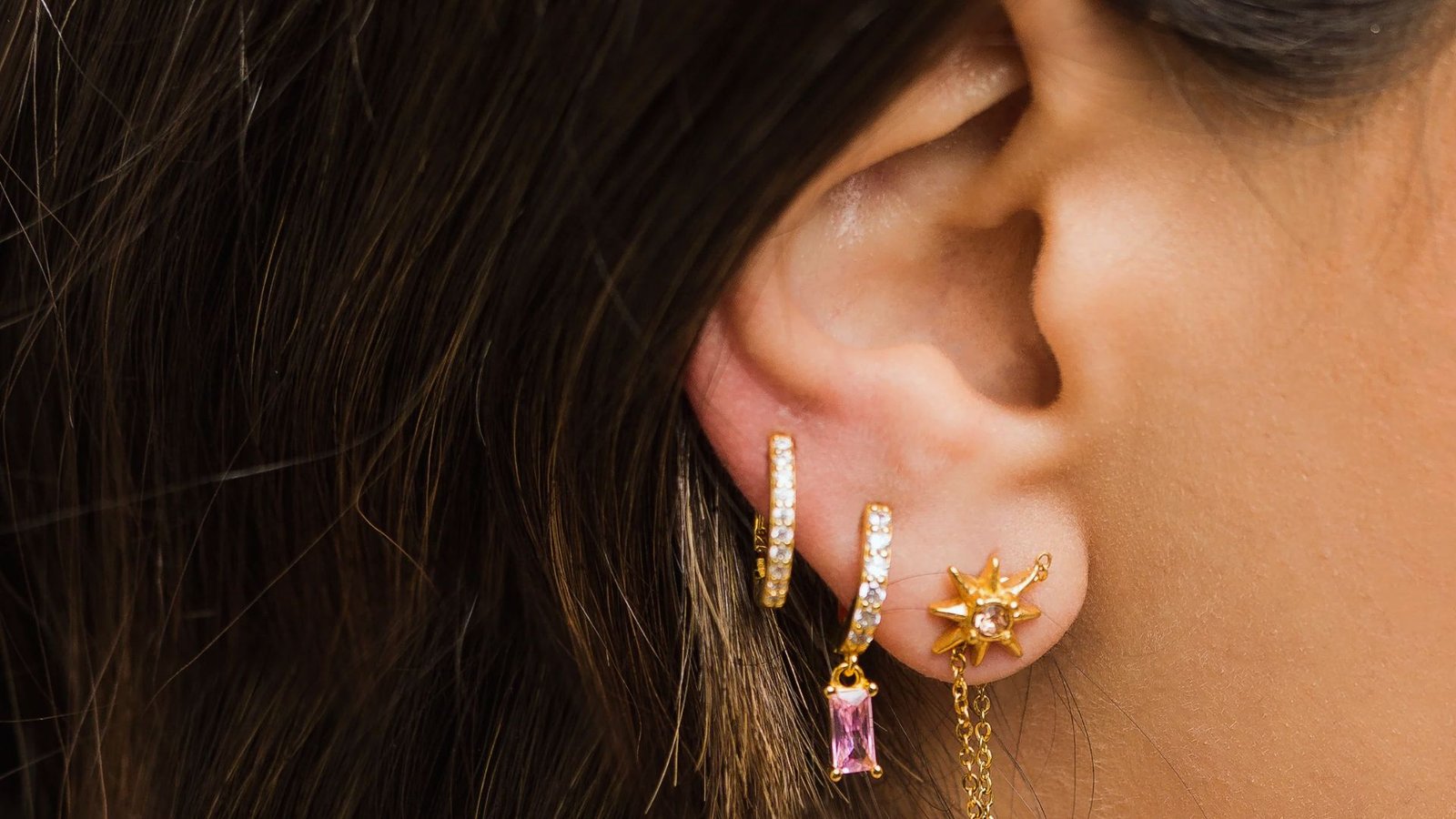
The Renaissance period brought ear piercing back into the spotlight for European women as a sign of status and refinement.
Women’s Fashion in the 16th Century
During the 16th century, hairstyles shifted upward, making earrings more visible and desirable. Drop earrings and pearl studs became common among noblewomen as symbols of social standing.
Influence of Wealth and Social Status
Jewelry in the Renaissance was a public statement of power rather than just decoration. Gold, rubies, and pearls were reserved for the wealthy, while common women had little access to fine jewelry.
Decline and Revival of Ear Piercing Among Women
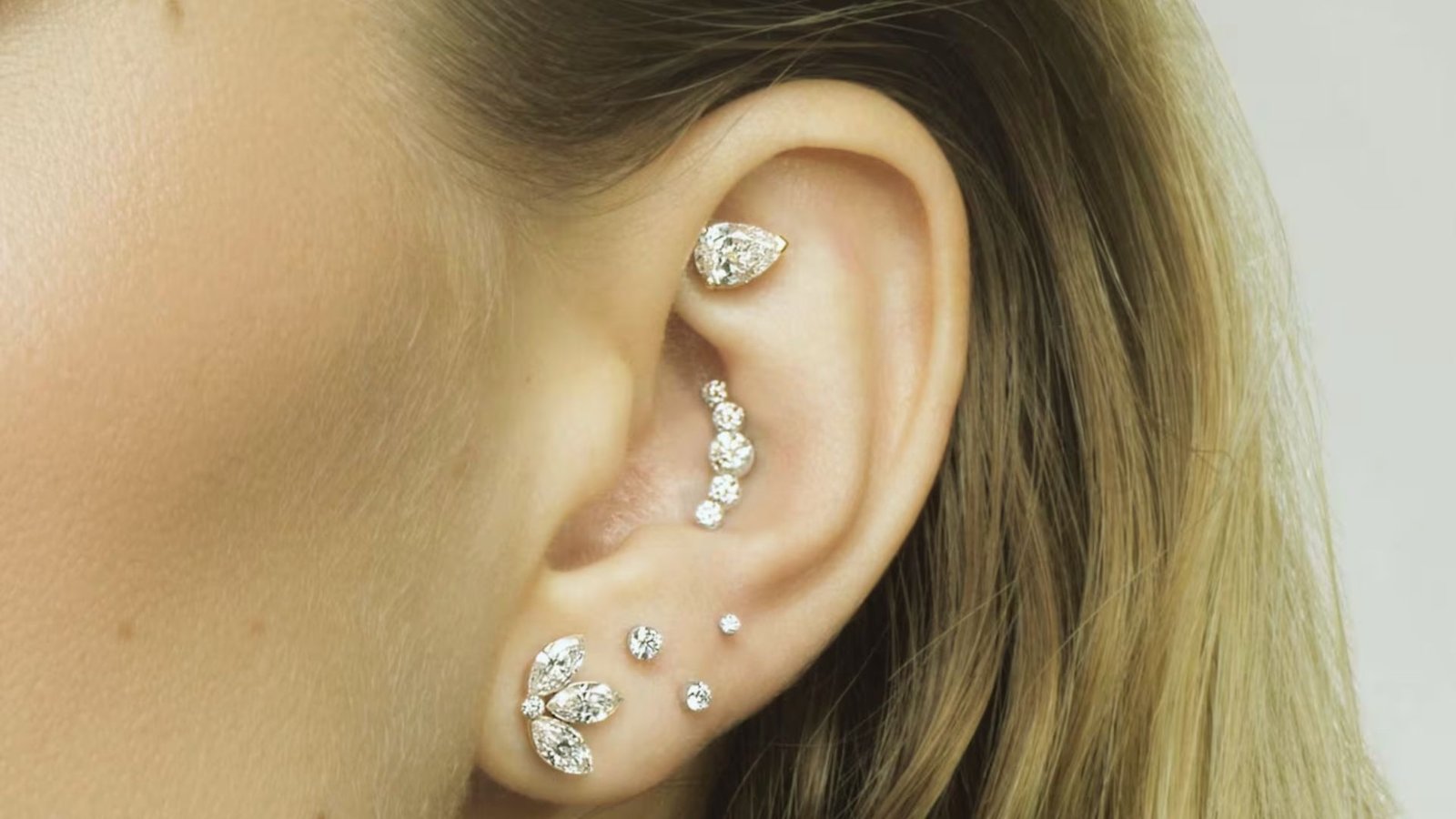
What goes out of style often comes back, and ear piercing is a clear example of that pattern throughout history.
Reasons for Decline
During the 18th and 19th centuries, ear piercing declined across parts of Europe and North America. Some religious groups linked body modification with vanity, and visible jewelry was often frowned upon in formal settings.
Comeback in Modern Fashion
After World War II, fashion opened up as women stepped into new social roles. By the 1980s, ear piercing had fully moved into the mainstream and was no longer seen as rebellious.
Modern Ear Piercing Trends for Women
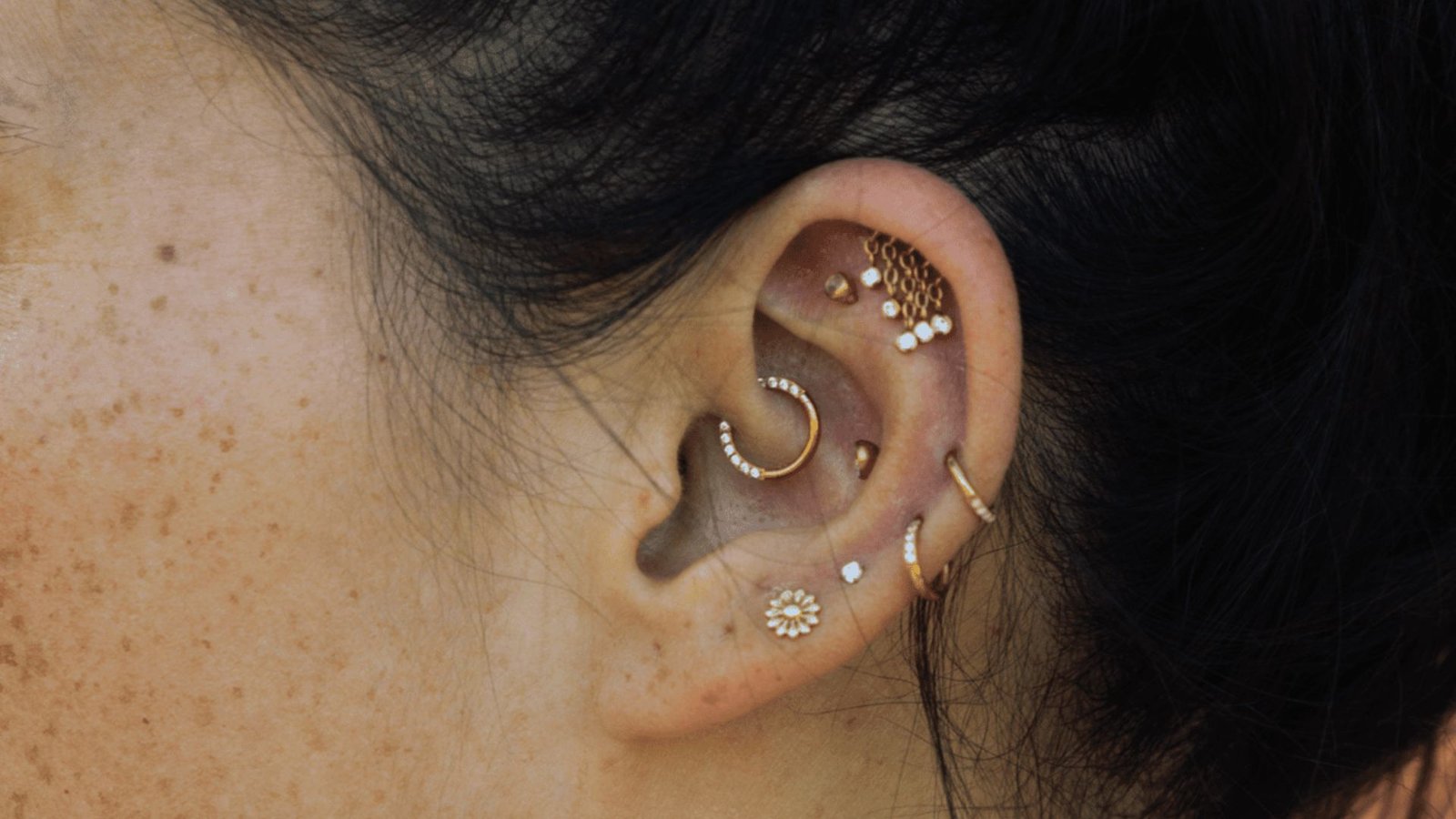
Today, ear piercing is more varied and personal than it has ever been before.
Popular Types of Ear Piercings
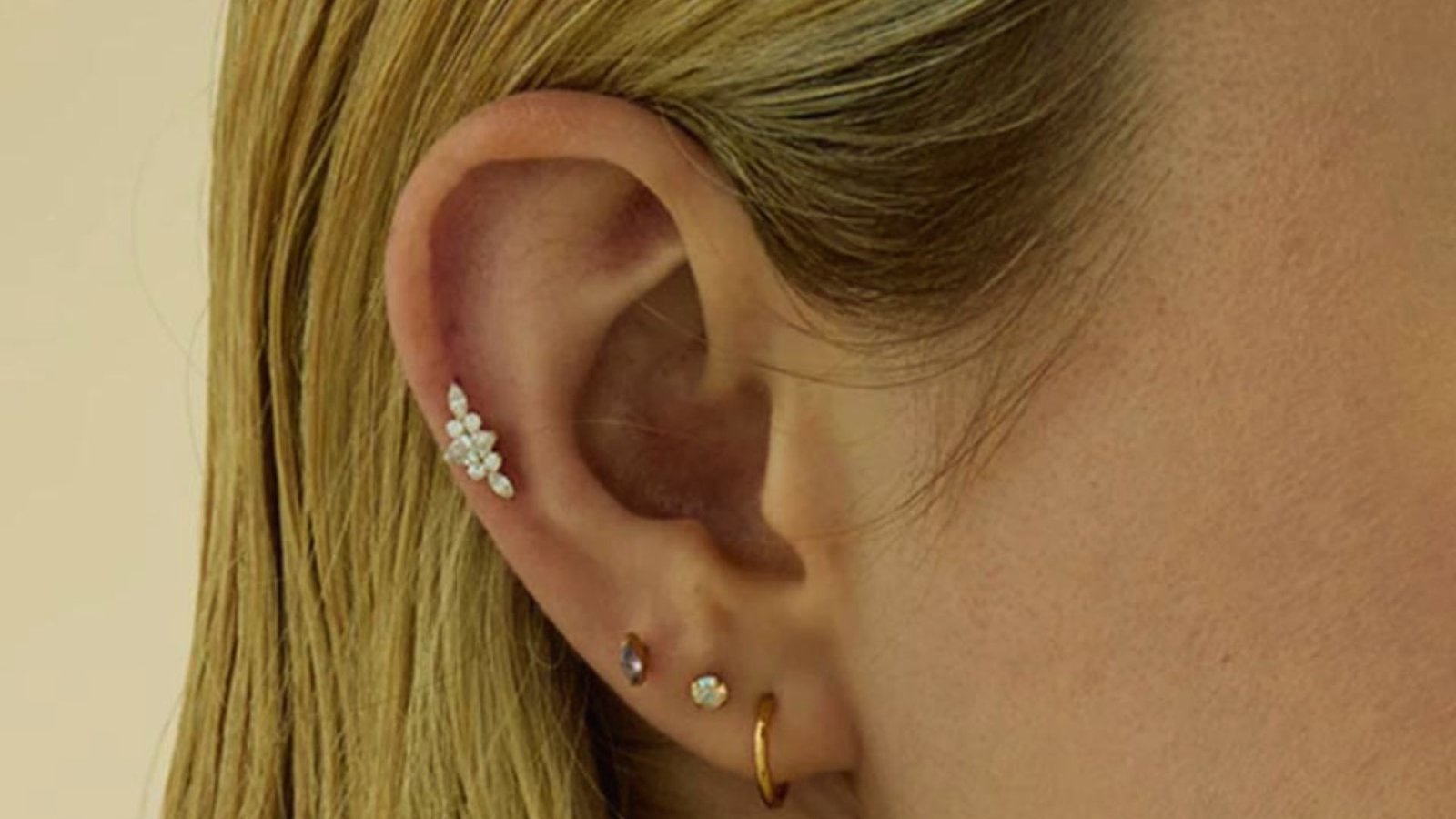
Women today can choose from lobe, helix, tragus, daith, and industrial piercings among others. The wide variety available allows women to mix styles and create a look that feels personal to them.
Ear Piercing as Self-Expression
Women today use ear piercings to express identity through mixed metals, multiple piercings, and layered jewelry. Some prefer a single stud while others stack rings from the lobe to the cartilage.
What Influenced Women to Start Piercing Their Ears?
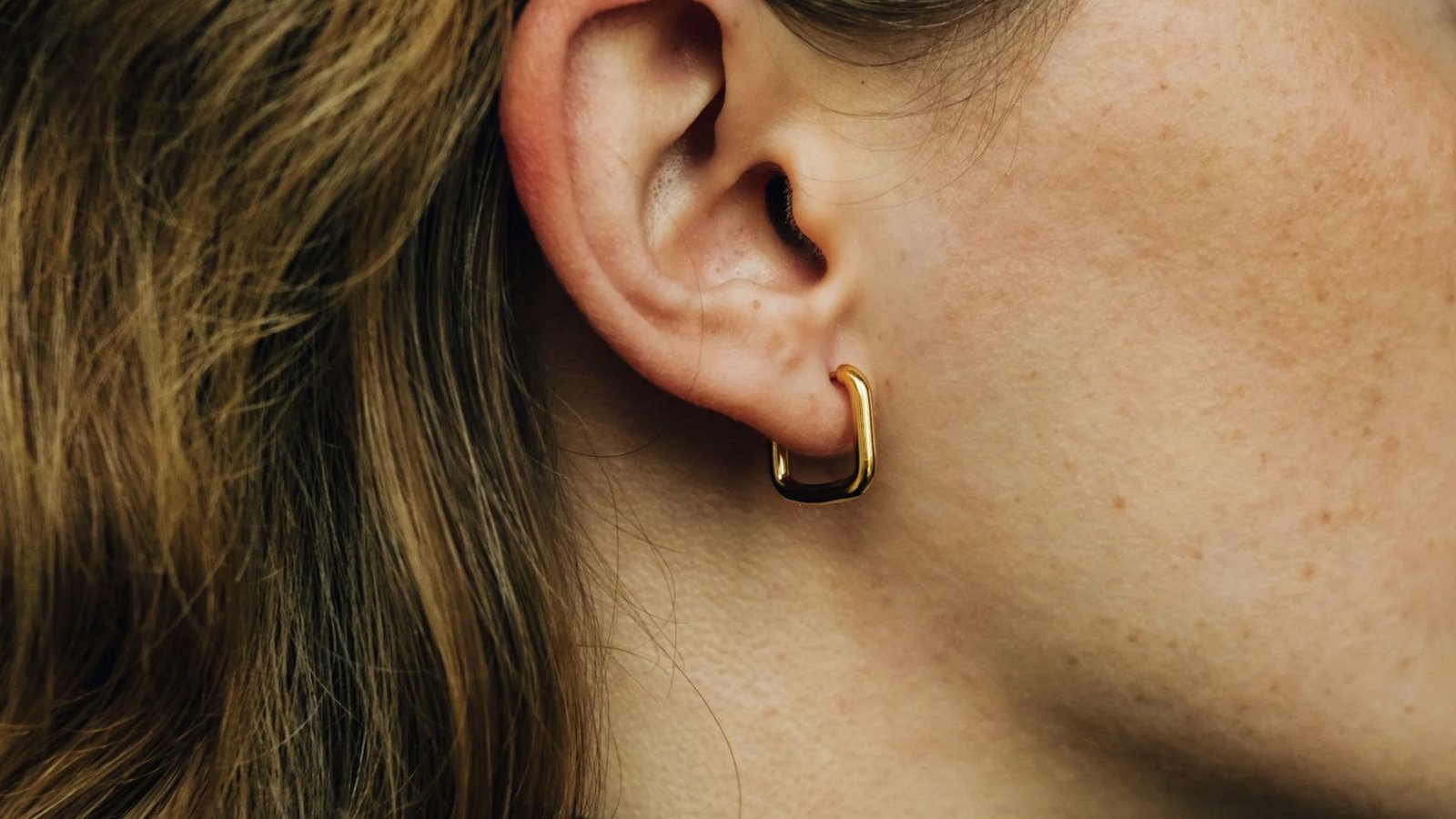
Ear piercing did not spread on its own, as several strong forces pushed it forward across generations.
Cultural and Traditional Influences
Family and community practices kept ear piercing alive across generations naturally. When piercing was the norm, it passed down from mothers to daughters without question.
Fashion and Beauty Trends
As fashion changed over time, earring styles shifted right along with it. Jewelry designers and fashion houses helped define what was considered worth wearing each era.
Celebrity and Media Influence
Celebrities have had a massive impact on piercing trends in the modern era. Social media made this effect even stronger, with trends now capable of spreading globally within days.
Tips Before Getting Your Ears Pierced
Simple advice to help you choose safe methods and care for your ears properly before and after piercing.
- Choose a professional piercer who uses sterile needles instead of a gun for safer and cleaner results.
- Avoid piercing guns for cartilage areas as they can damage the skin and slow healing.
- Clean your piercing daily with a recommended solution and always use clean hands.
- Do not change your earrings too early as this can irritate the area and delay healing.
- Be patient with healing time, as lobes heal faster while cartilage takes longer.
Conclusion
From ancient traditions to modern style, the answer to when did women start piercing their ears shows how deeply rooted this practice is.
Something so old still feels so relevant today, and it is fascinating how a simple piercing can carry so much meaning across time.
If you are thinking about getting your ears pierced, consider how it might reflect your own story and sense of self.
Share your thoughts in the comments or pass this along to someone curious about its history.
Frequently Asked Questions
When did women first start piercing their ears?
Women began piercing their ears over 5,000 years ago in ancient civilizations like Egypt. It was linked to status, culture, and identity in early societies.
When did ear piercing become common among women?
It became widely common again in the mid-20th century, especially after the 1950s. Fashion trends and easier access to services helped increase its popularity.
Why did ear piercing decline in history?
It declined in some Western societies during the 1800s due to changing social norms. Clip-on earrings became a preferred alternative that did not require piercing.
Is ear piercing cultural or fashion-driven?
Ear piercing has both cultural and fashion-related significance. It started as a tradition and later became a common style choice.
What is the safest way to get ears pierced?
The safest method is using sterile needles by a trained professional. Proper aftercare is also important to avoid infections and ensure healing.