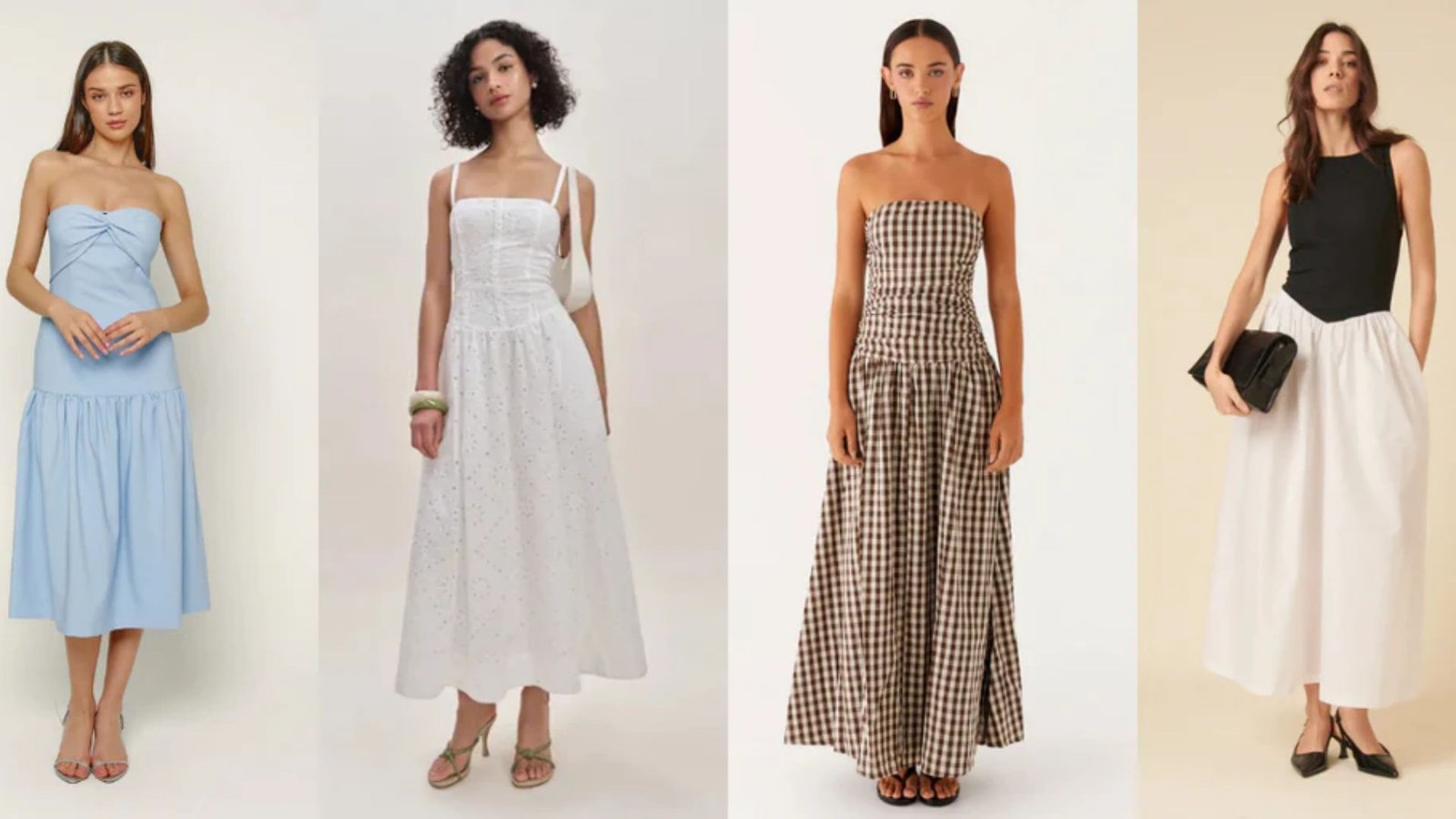
Drop waist dresses are back, and they look better than ever.
If you’ve seen this style online and wondered “Is this right for me?”, you’re in the right place.
In this guide, you’ll learn what a drop waist dress is, how it fits different body types, and how to style it without overthinking it. We’ll also cover the best fabrics, lengths, common mistakes, and whether this silhouette is actually flattering.
I’ve spent years studying fashion silhouettes, and I can tell you this: The right drop waist dress works for almost everyone.
Let’s get into it.
What Is a Drop Waist Dress?
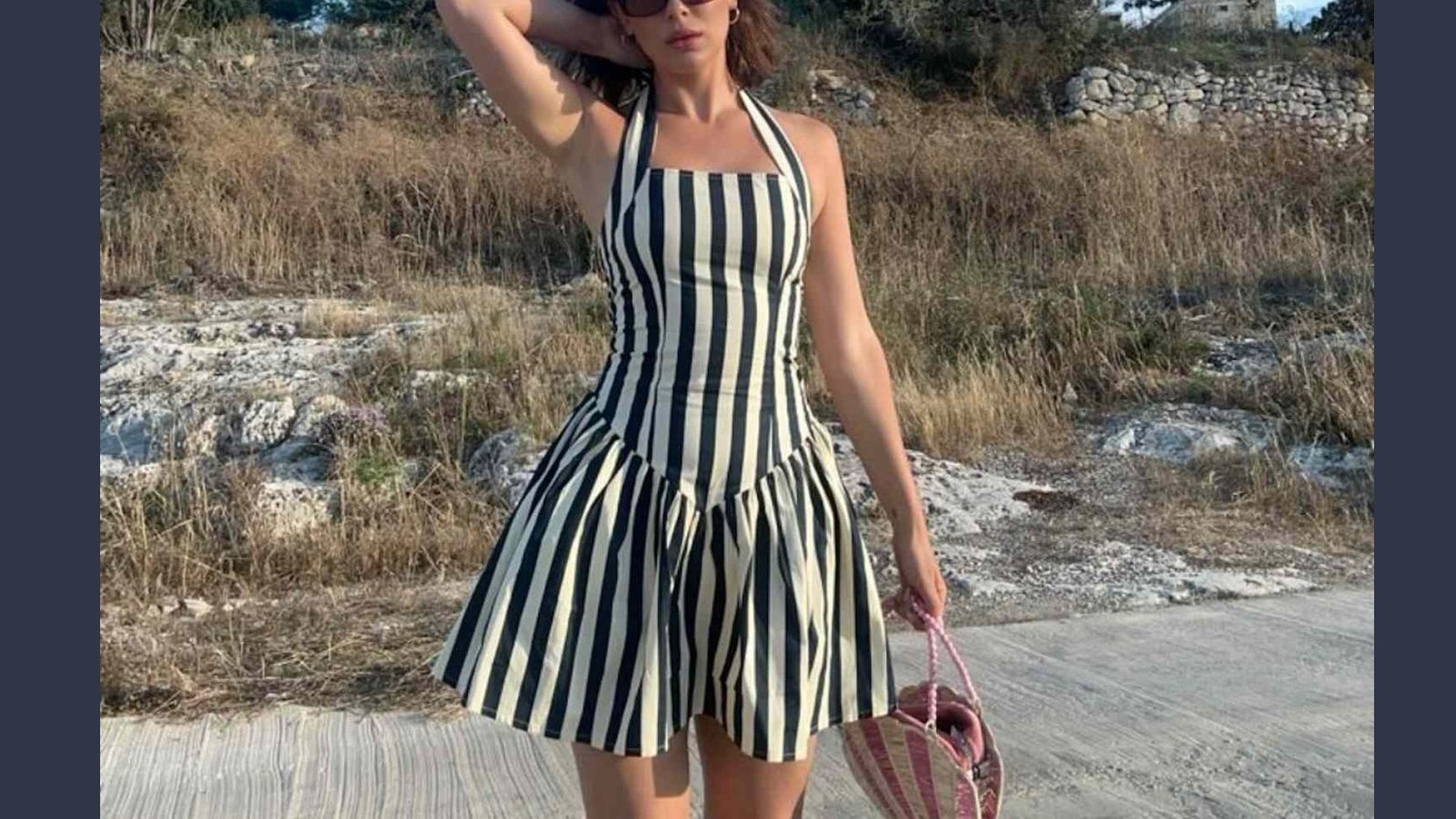
A drop waist dress sits lower than your natural waist, usually at the hip. It creates a long, lean look on top with a flared or straight skirt below.
The bodice is relaxed and doesn’t cling to your waist. The skirt can be pleated, flared, or straight. It feels free and easy to wear.
It’s different from a natural waist dress, which pulls in at your narrowest point and creates an hourglass shape. A drop waist skips that entirely and creates a clean, straight line through the midsection instead.
Types of Drop Waist Dresses You Should Know
Not all drop waist dresses look the same. Length, fabric, and occasion all change the feel completely.
Mini, Midi, and Maxi Styles
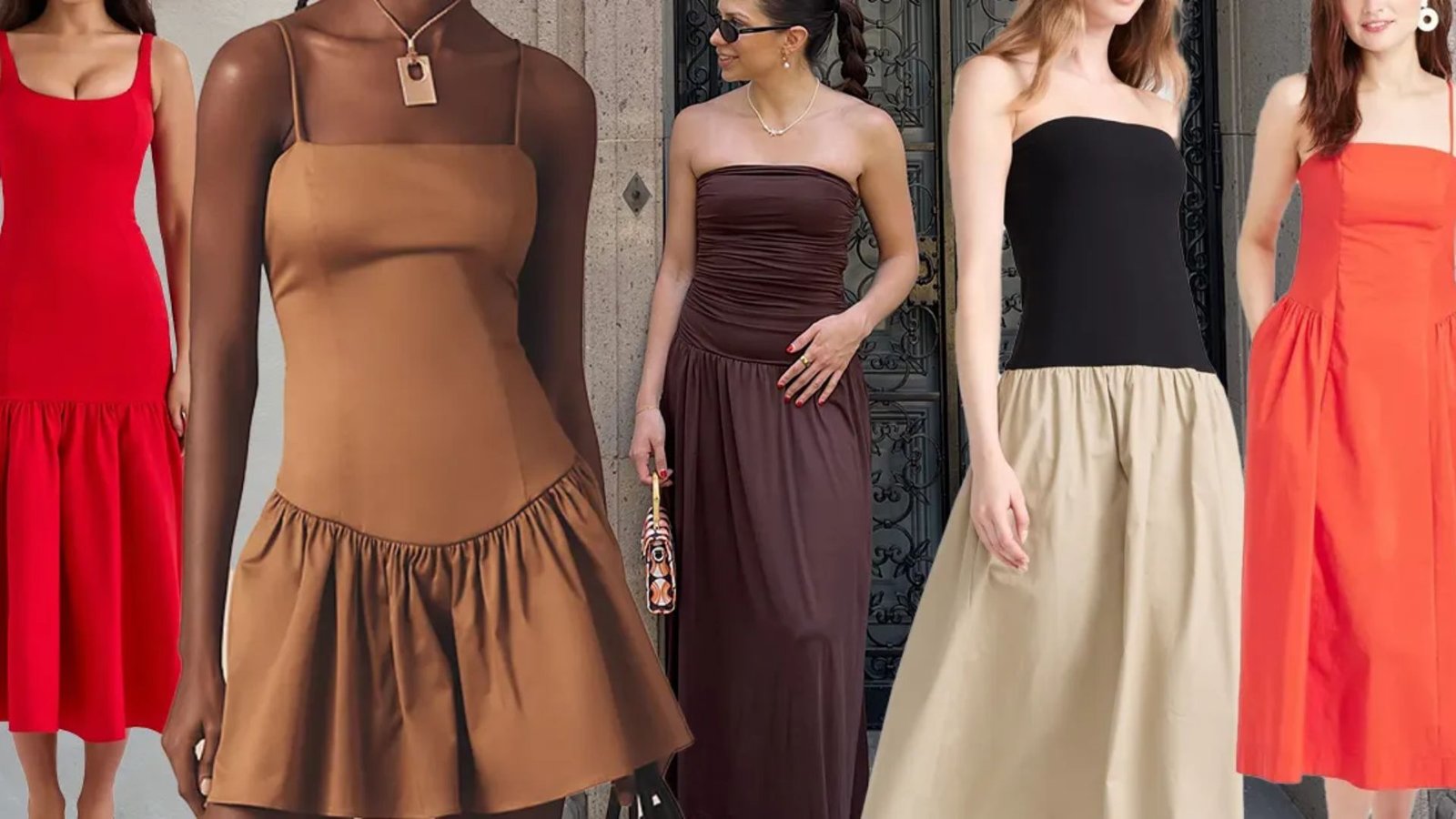
Mini drop waist dresses hit above the knee. They feel playful and work well for casual outings or warm-weather events.
Midi drop waist dresses fall between the knee and ankle. This is the most popular length right now. It feels balanced and works across many occasions.
Maxi drop waist dresses reach the ankle or floor. They have a dramatic, flowing look and work well for evening events or relaxed resort wear.
Casual vs Formal Drop Waist Dresses

Casual drop waist dresses usually come in soft fabrics like cotton, linen, or jersey. They often have simple details like patch pockets or relaxed collars.
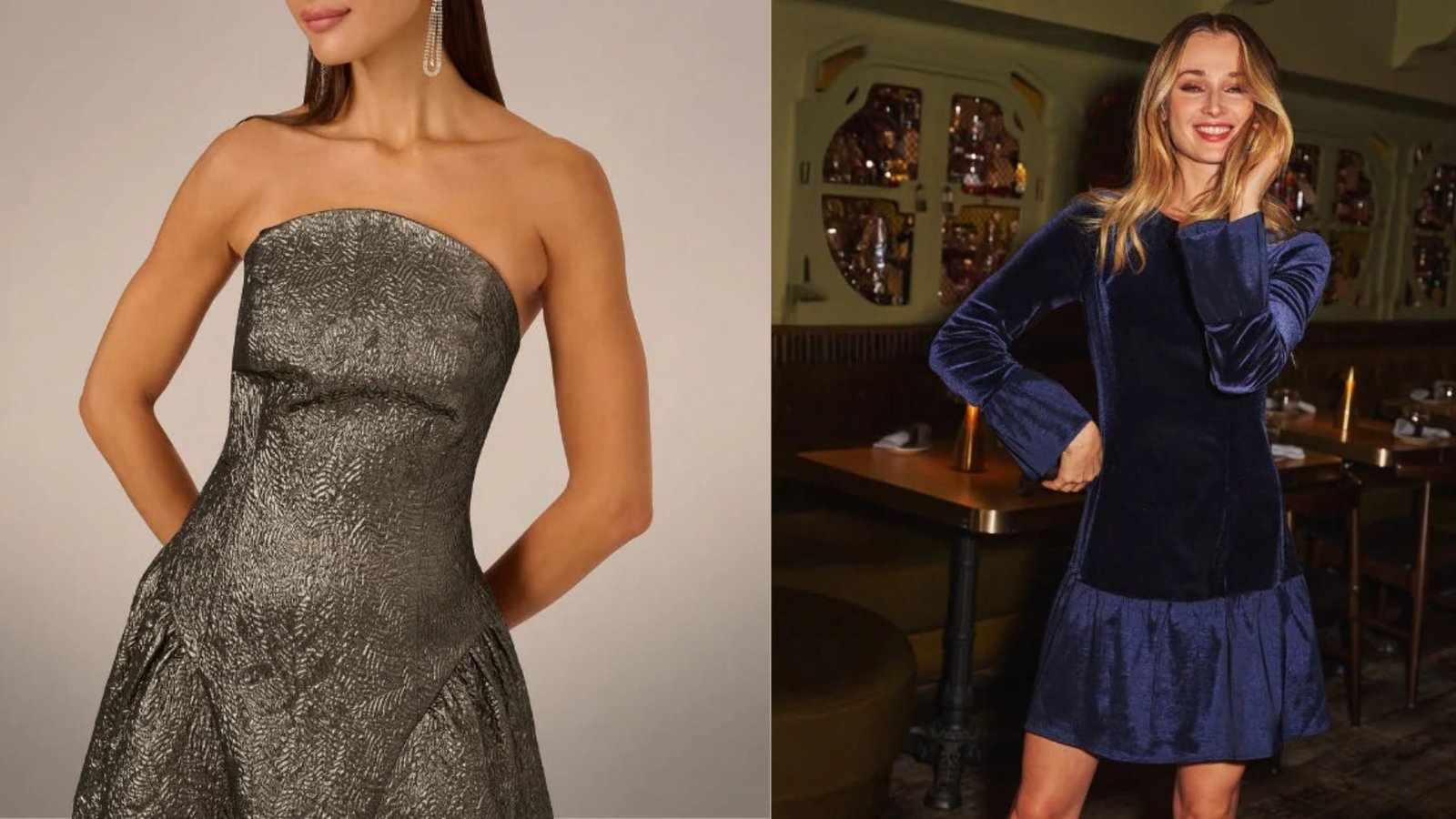
Formal versions use heavier or more structured fabrics. Think satin, crepe, or velvet. They may have embellishments or structured pleating in the skirt.
The shape is the same. The details and fabric make the difference.
Structured vs Flowing Designs
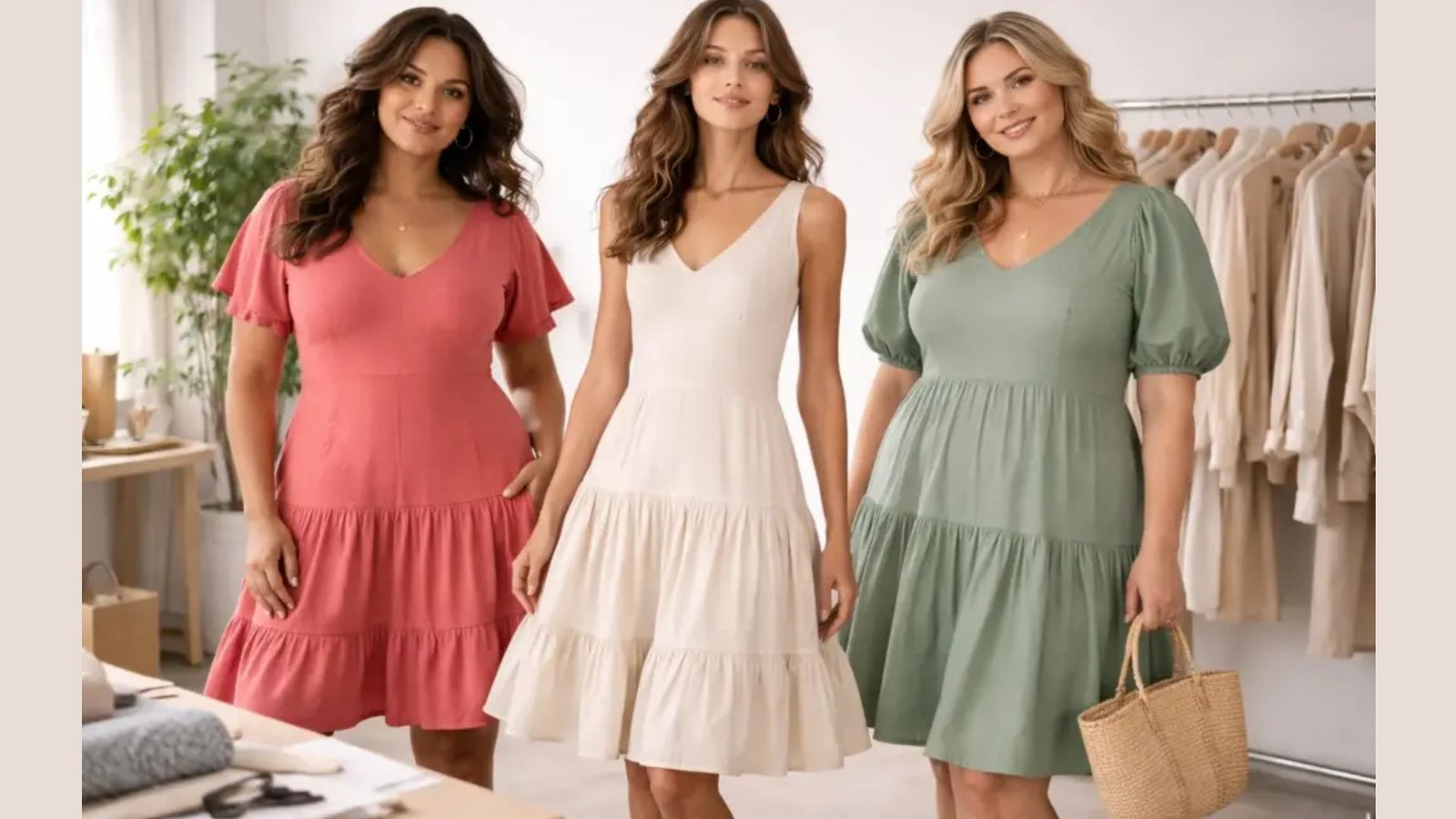
A structured drop waist dress holds its shape. It has a defined silhouette even when you’re not wearing it. These dresses work well for work settings or events where you want a polished look.
A flowing drop waist dress drapes softly. It moves with your body and feels light. These are great for casual days, beach trips, or warm-weather events.
Both are great options. It just depends on the occasion.
How a Drop Waist Dress Fits (And Why It Matters)
Fit is everything with this style. Getting it wrong throws off the whole look.
Check where the seam falls on your body. On a longer torso, it lands at the hip and looks clean. On a shorter torso, it can fall too low and make the skirt look shorter than it is.
The skirt shape matters too. A fuller skirt adds volume. A straight skirt keeps the line long and narrow.
Watch for these common fit issues:
The seam sits too low. Proportions feel off if it lands near the thigh.
Bodice is too long. It can swallow a shorter torso. Look for petite sizing.
Skirt pulls or bunches. The hips are likely too tight. Size up and alter the bodice if needed.
Fit issues are fixable. Knowing what to look for saves time.
Who Should Wear a Drop Waist Dress?
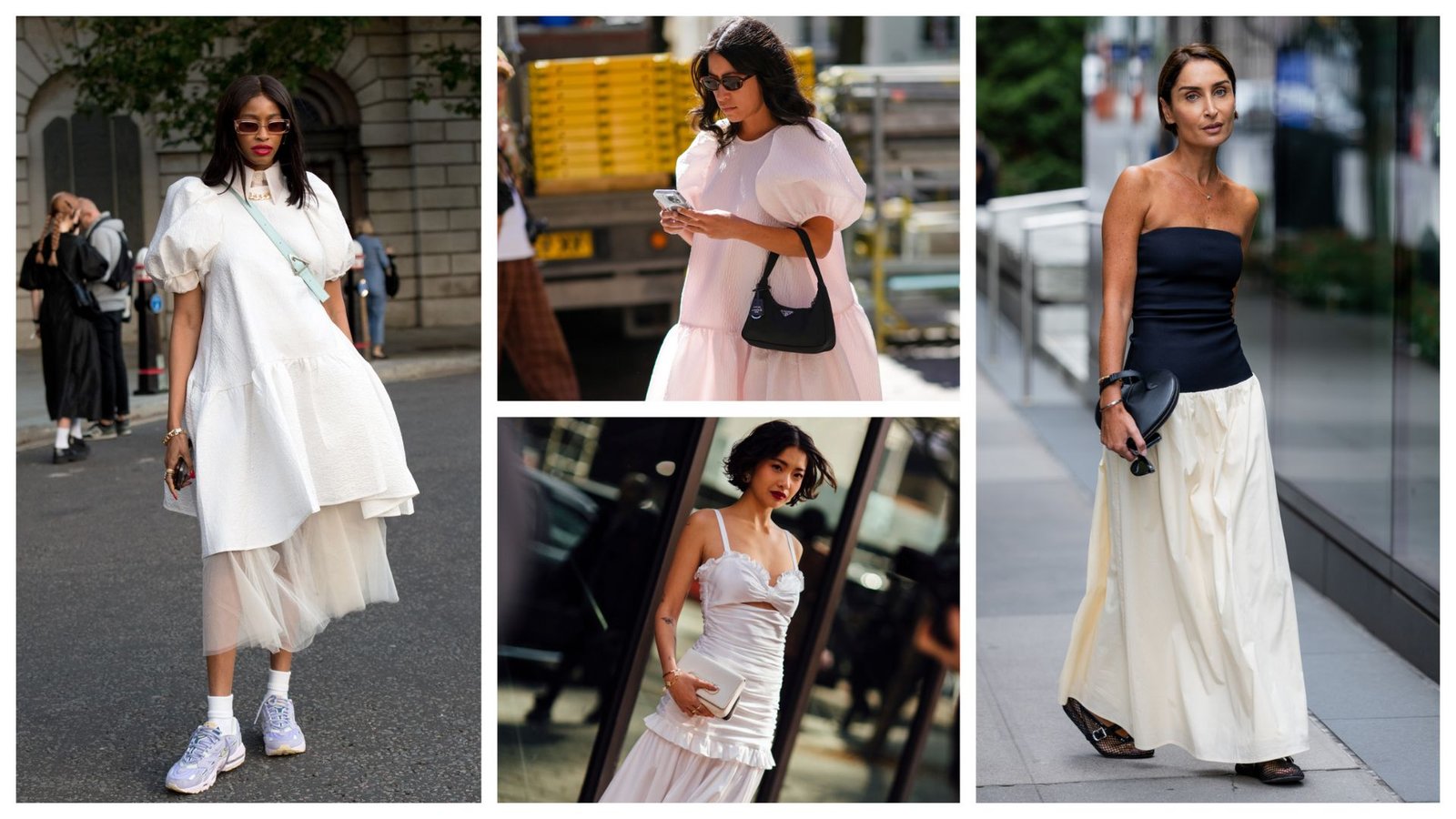
Almost anyone can wear this style. Knowing your body type just helps you pick the right fit.
Rectangle and athletic types benefit the most. The drop waist adds shape and creates the look of curves.
Pear types do well too. The bodice draws the eye upward while the skirt flows over the hips.
Hourglass types can wear it, but it won’t show off your waist the way a fitted dress would.
Petite women should stick to midi or mini lengths. Tall women can carry any length well.
If something feels off, add a belt, wear heels, or go monochromatic. Small changes help a lot.
How to Style a Drop Waist Dress
Styling a drop waist dress is easier than it looks. Here are ideas for every occasion.
Casual Everyday Looks
Keep it simple. Wear a drop waist linen dress with flat sandals and a tote bag. Add a denim jacket if the weather calls for it.
A cotton drop waist dress with sneakers and a clean white tee underneath works well for errands or a casual lunch.
The goal here is comfort that still looks intentional.
Work and Daytime Styling
For work, choose a structured drop waist dress in a solid neutral like navy, black, or camel. Pair it with block-heeled mules or loafers.
Add a blazer to sharpen the look. Keep accessories simple. A small structured bag finishes it off.
This combination reads professional without feeling stiff.
Evening and Occasion Outfits
For evening events, go with a satin or crepe drop waist dress in a richer color. Deep green, burgundy, or black all work well.
Add strappy heels and simple gold jewelry. A small clutch keeps the look clean.
The drop waist silhouette has a natural formality to it. You don’t need to add much to make it feel occasion-ready.
Footwear and Layering Tips
For footwear, sandals work well for casual looks. Loafers or mules suit a work setting. Strappy heels are great for evening. Ankle boots are a solid choice in cooler months.
For layering, a fitted turtleneck under a sleeveless drop waist dress works well in fall. A long cardigan over a midi style keeps things cozy without losing the silhouette.
Layer thoughtfully. You want to add warmth, not bulk.
Common Mistakes to Avoid
Even a great dress can miss the mark. Here’s what to watch for.
- Wrong length. Maxi styles can overwhelm a petite frame. Mini styles can feel underdressed at formal events.
- Stiff fabric. It makes the dress look boxy. Go for fabrics that hold shape without being rigid.
- Wrong size at the hips. Always size to your hips. The bodice can be altered. The seam cannot.
- Thin fabric. It won’t hold the silhouette. Make sure the fabric has enough weight.
- Over-styling. Too many accessories or bold prints make the look cluttered. Keep it simple and let the shape do the work.
How to Choose the Right Drop Waist Dress
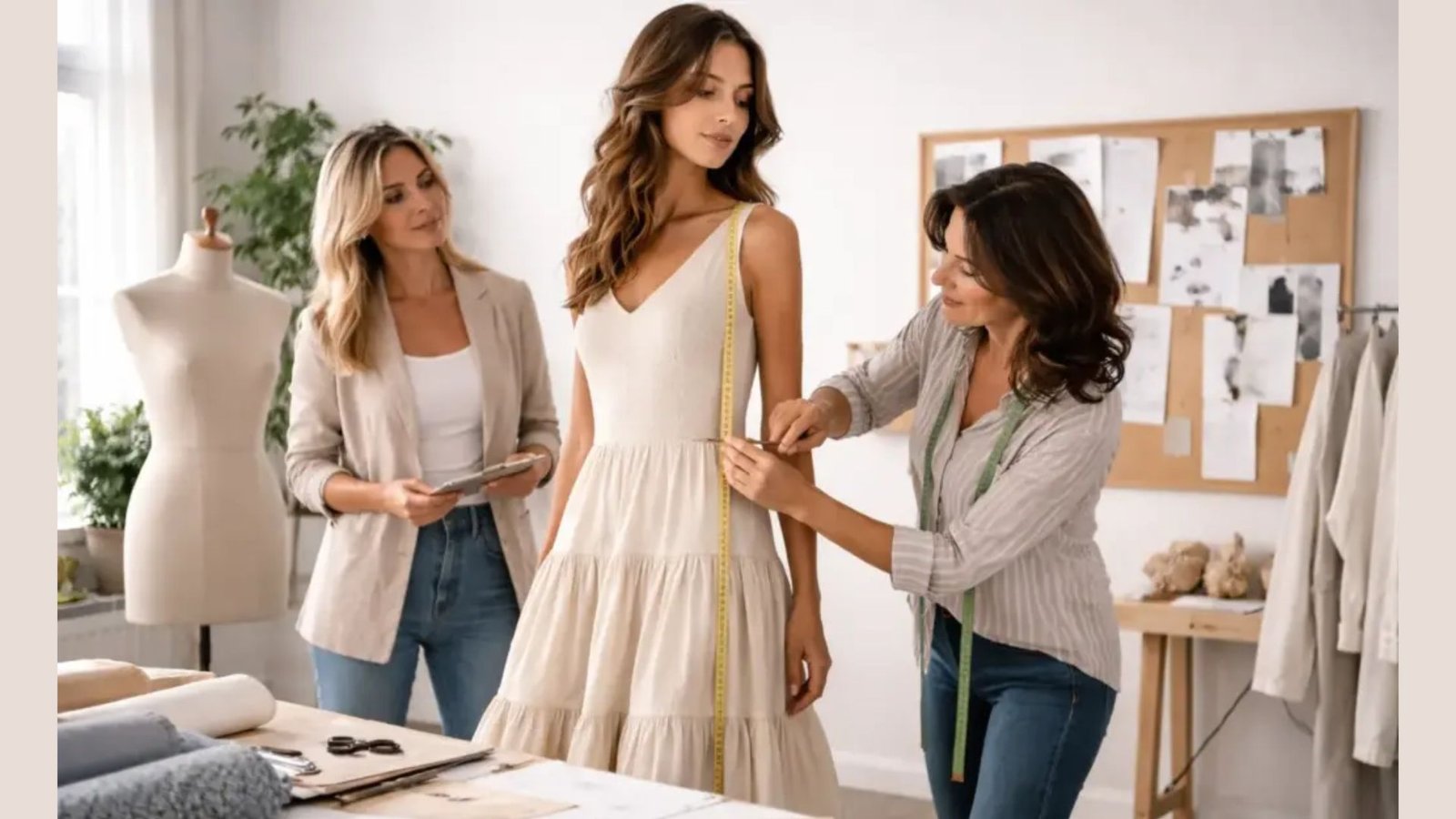
Shopping for this style is easier when you know what to look for.
Fabric makes a big difference. For structure, go with crepe, ponte, or heavy cotton. For a softer look, choose linen, chiffon, or jersey. Avoid anything that wrinkles badly or loses shape after washing.
Length depends on your height. Under 5’4″, stick to midi or mini. Between 5’4″ and 5’7″, all lengths work. Above 5’7″, midi and maxi styles look the most proportional.
For color, solid neutrals are the safest starting point. If you want a print, keep it small. Large bold prints compete with the silhouette. Clean, simple designs always work best.
Are Drop Waist Dresses Flattering?
Like any style, the drop waist silhouette has real strengths and a few things to keep in mind.
On the plus side, it’s comfortable. No tight waistband, no pulling at the midsection. It also elongates the upper body and works well for rectangle and athletic shapes. It’s easy to dress up or down too.
On the other hand, the low seam can visually shorten the legs. It won’t highlight an hourglass figure the way a fitted dress would. Short torsos may also find the proportions tricky.
Sizing can vary a lot between brands. Always check the measurements, not just the size label.
Conclusion
Honestly? Yes. I think you should.
I tried my first drop waist midi dress last summer, and I was surprised by how comfortable and put-together I felt in it. No fussing with a tight waist. No readjusting throughout the day.
If you’ve been curious about this style, just start with a simple solid-color midi. Pair it with what you already own.
Comment below with your favorite way to style it, or share this post with a friend who loves fashion. You might help them find their next favorite dress.
Frequently asked questions
What body type looks best in a drop waist dress?
Rectangle and athletic body types tend to do well in this style. The silhouette adds shape and creates the illusion of curves without clinging.
Can petite women wear drop waist dresses?
Yes. Stick to midi or mini lengths and look for styles with a higher hip seam. This keeps proportions balanced and legs looking longer.
Is a drop waist dress good for a formal event?
It can be. Choose a heavier fabric like satin or crepe, pick a midi or maxi length, and keep accessories simple. The result feels polished and occasion-ready.
How do I know if a drop waist dress fits correctly?
The seam should sit at the hip, not mid-thigh. The bodice should lay flat, and the skirt should hang evenly without pulling or bunching.
What shoes go best with a drop waist dress?
Sandals or sneakers for casual days, loafers or block heels for work, and strappy heels for evening. Ankle boots work well in cooler months.