If you’ve ever spotted a suit with a light, crinkled texture and thought, “What is seersucker?” you’re in the right place.
I’ve worn seersucker through some of the hottest summers, and it genuinely changed how I dress in warm weather.
In this guide, I’ll cover what seersucker fabric is, where it comes from, how it’s made, and the best ways to style it.
You’ll also find care tips and outfit ideas. By the end, you’ll know exactly how to wear it with confidence.
What Is Seersucker?
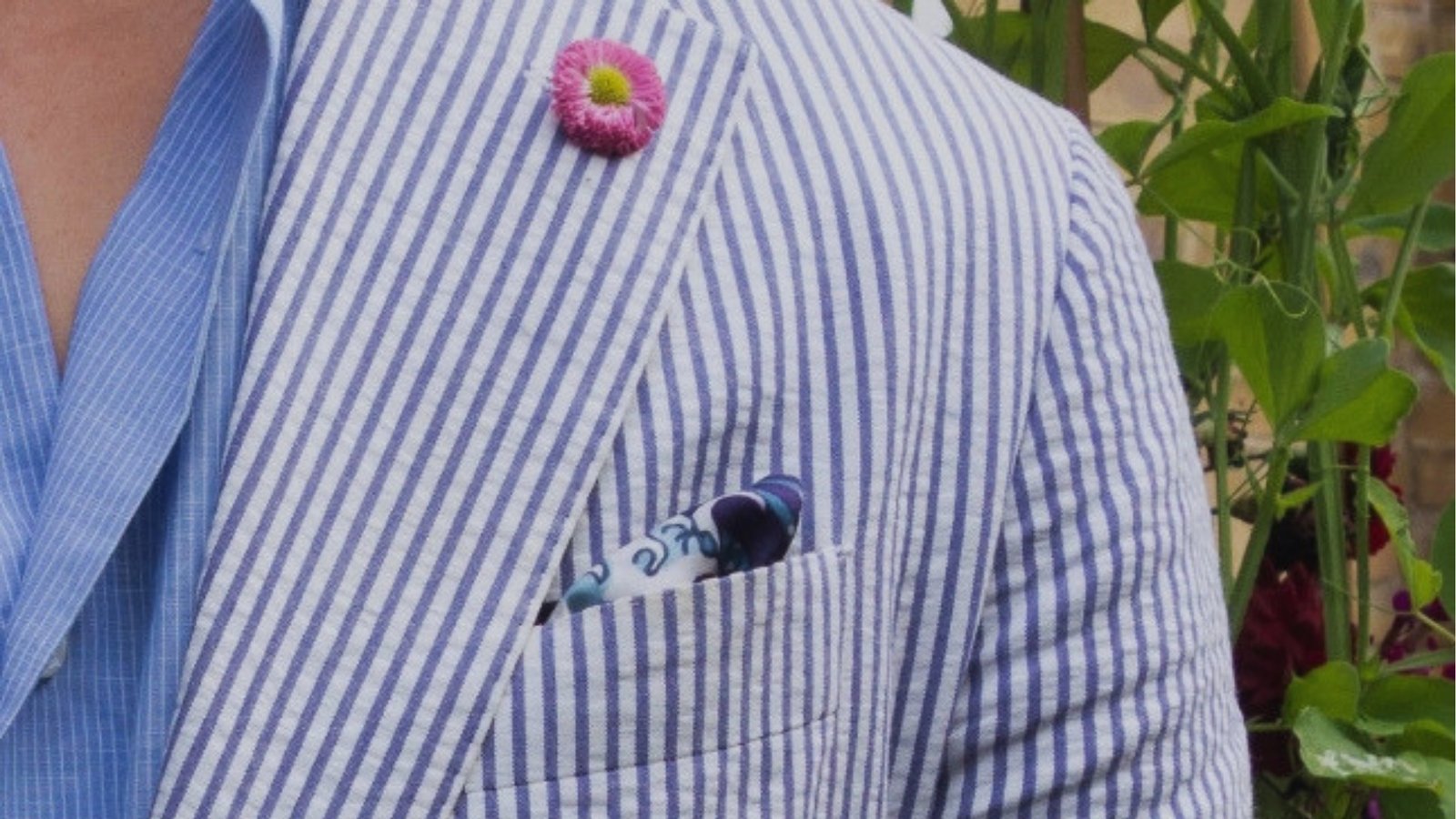
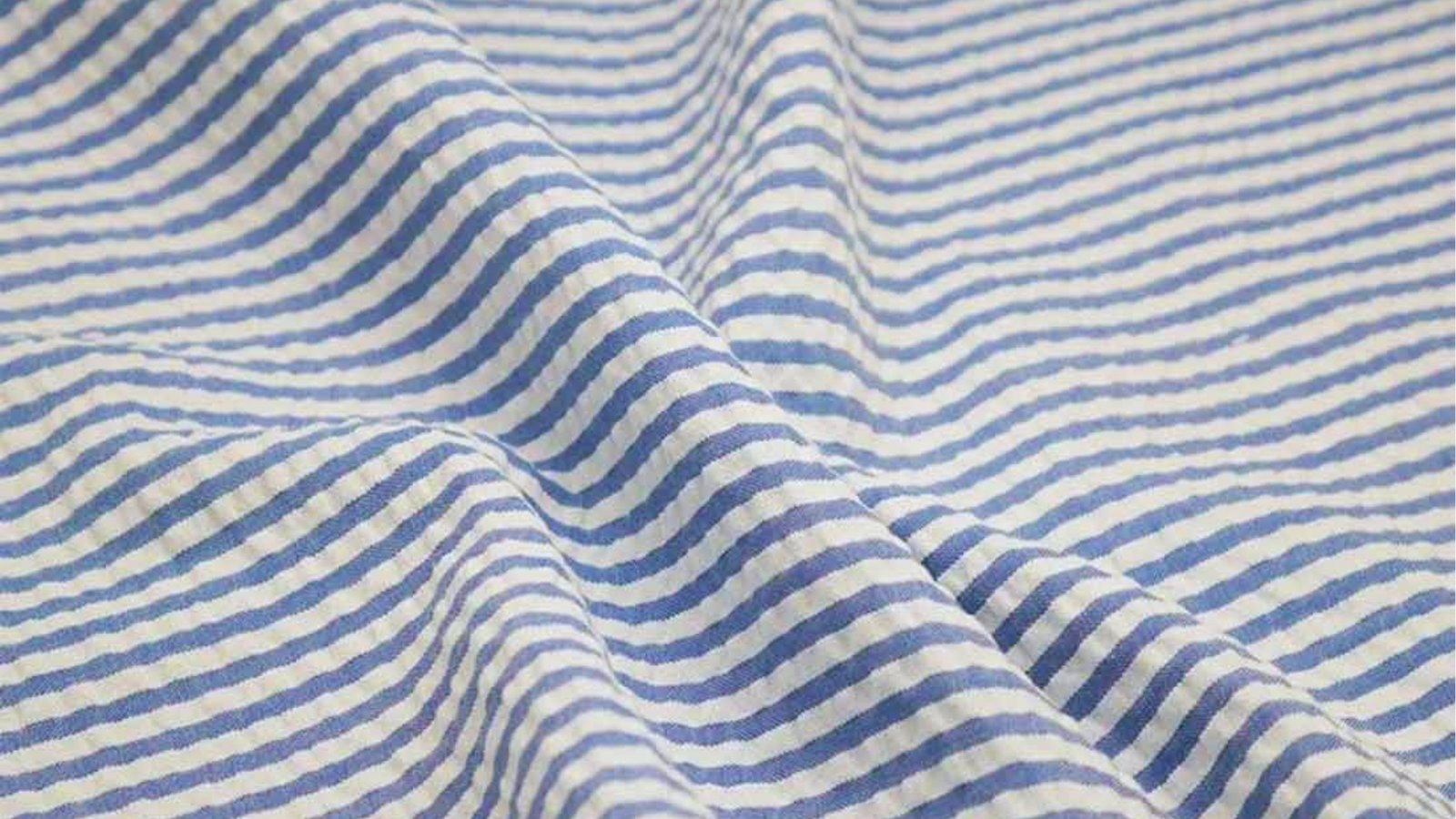
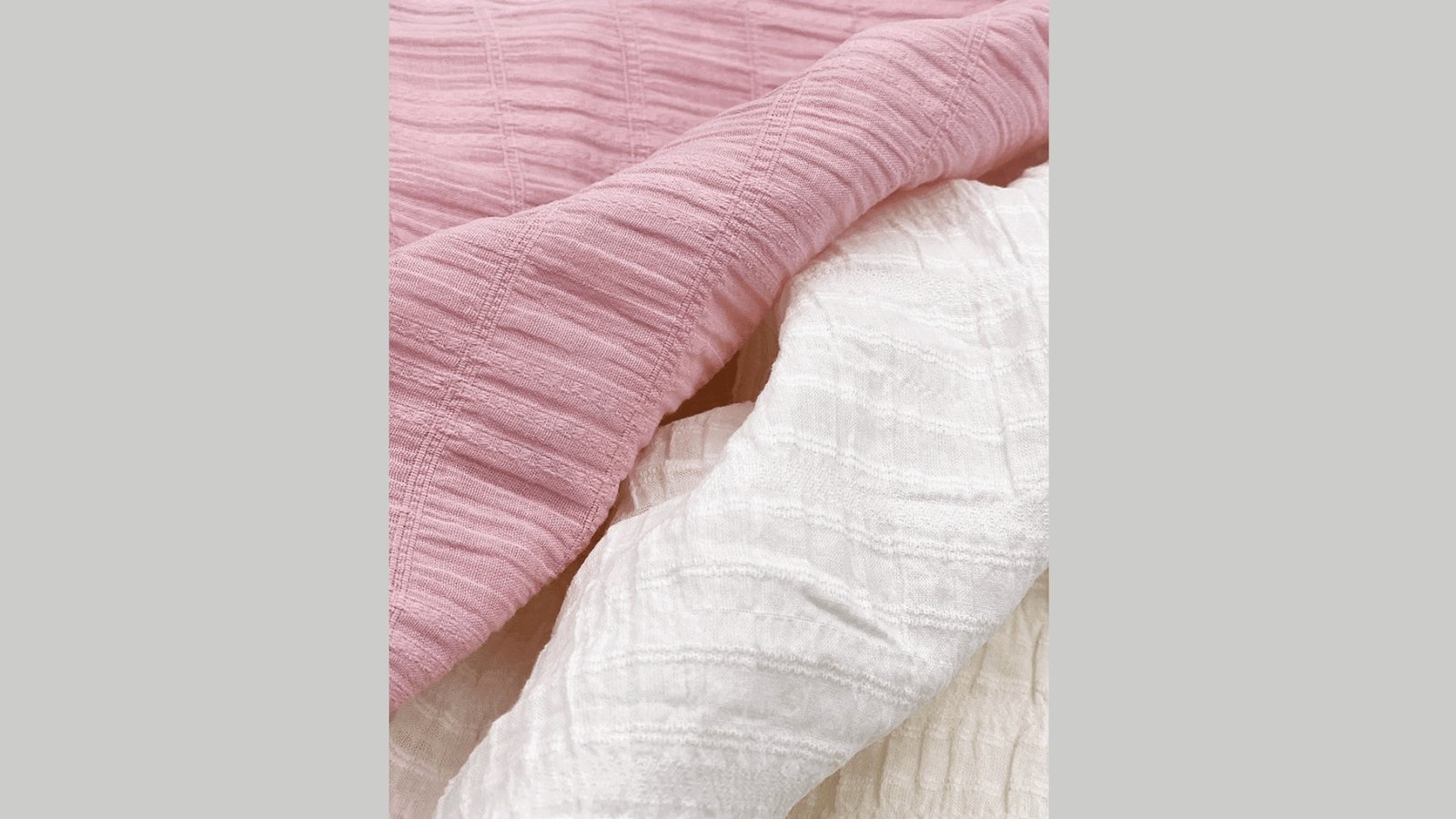
Seersucker is a lightweight, puckered fabric with a bumpy, crinkled surface that sets it apart from flat fabrics.
Most seersucker is made from cotton, and the raised texture keeps the fabric off your skin, which helps air move around your body.
Many people also confuse whether seersucker is a fabric or a pattern; it is actually both. The fabric has a built-in texture created during the weaving process.
The classic look features thin stripes, usually blue and white. But seersucker also comes in checks, solids, and other colors, giving you plenty of options to work with.
What Does Seersucker Mean?

The name has an interesting history tied to its texture and origin.
Origin of the Term
The word “seersucker” comes from a Persian phrase “shir-o-shakhar,” which means “milk and sugar.” The phrase was adopted into Hindi and then into English during the British colonial period in India.
How the Name Reflects the Fabric
The name makes sense when you look at the fabric up close. One part of the surface is smooth (like milk). The other part is bumpy (like the rough texture of sugar). That contrast is the core of what seersucker is.
How Is Seersucker Fabric Made?
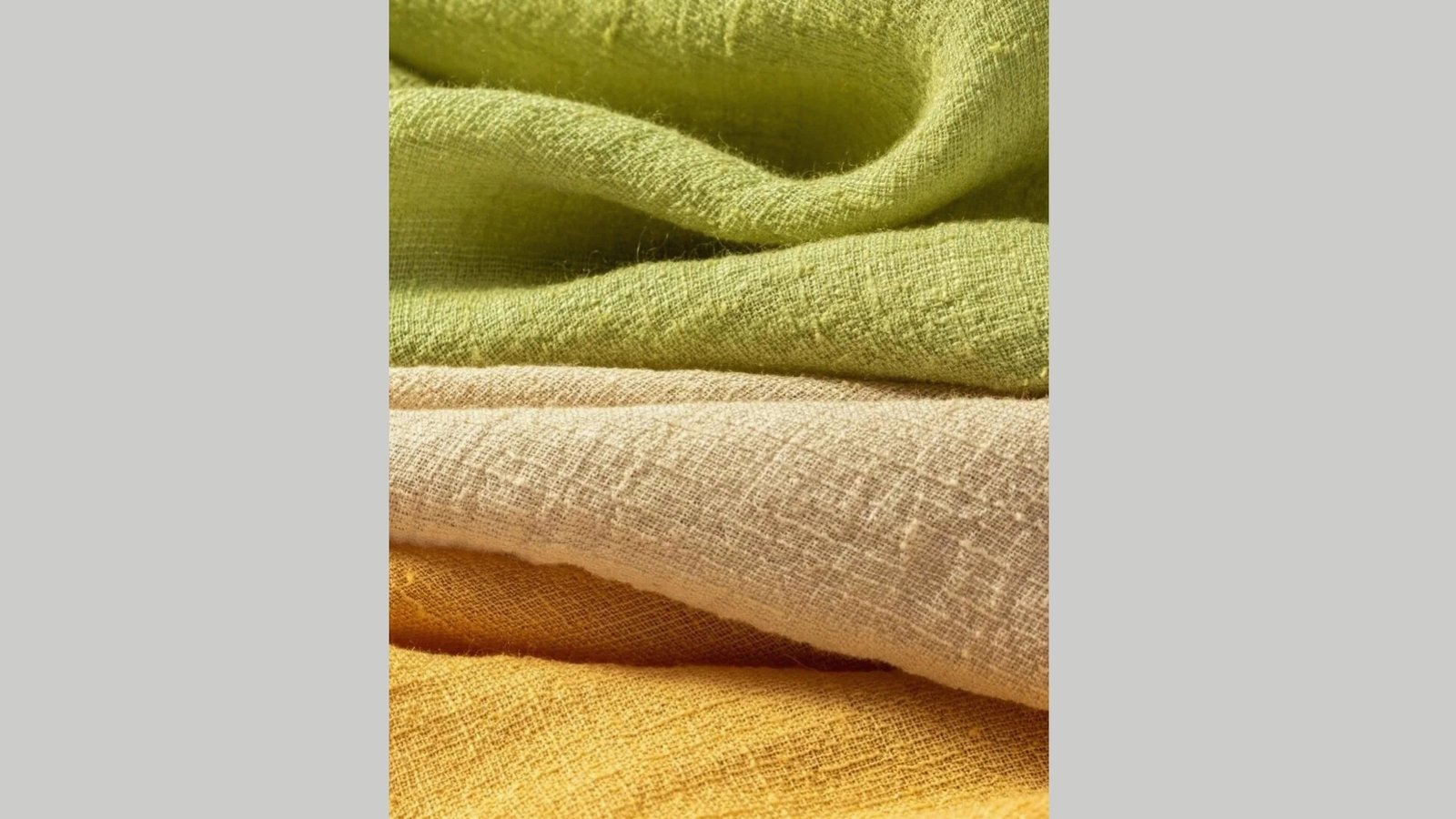
The weaving method is what gives seersucker its signature texture.
Traditional Production Method
Originally, seersucker was made from a mix of cotton and silk. The two fibers were woven together. Cotton shrinks more than silk when washed.
This difference in shrinkage created the natural puckered texture. No special tools were needed. The fabric did the work on its own.
Modern Manufacturing Process
Today, the process is different. Manufacturers use a slack and tight tension weaving technique.
Some threads are held tight while others are left loose. This creates the same puckered effect without mixing fabrics. Most seersucker today is 100% cotton.
Is Seersucker 100% Cotton?
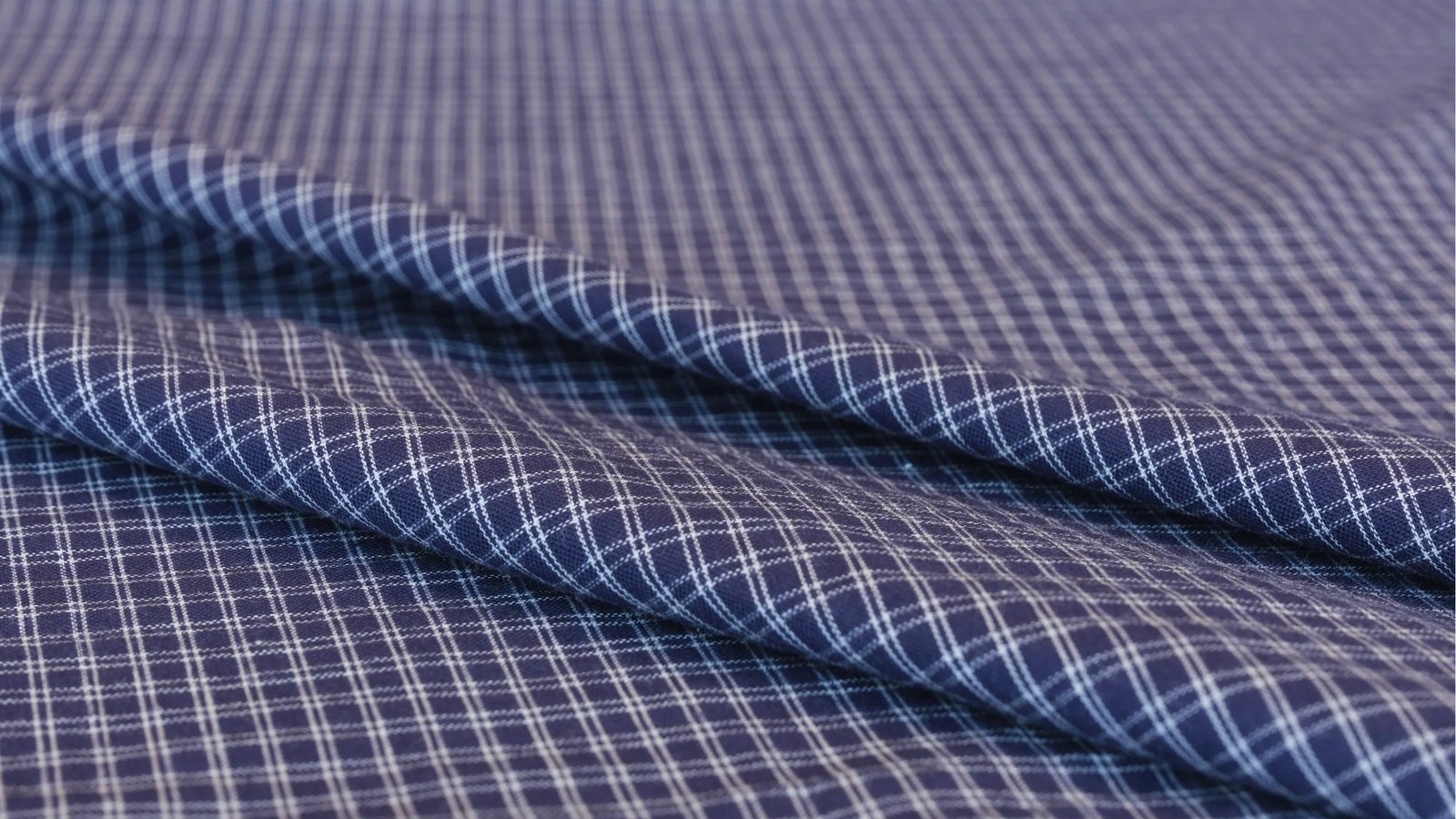
Most seersucker you’ll find today is 100% cotton. But blends are also available, and each one feels a little different.
Linen blends add a rougher texture and extra breathability, making them great for very hot days. Silk versions give a shinier, more formal look that works well for dressed-up occasions.
Polyester blends exist too, but they don’t breathe as well, so they’re not the best pick for summer heat.
If you want the most comfortable warm-weather experience, stick with cotton or a cotton-linen blend you won’t regret it.
When and Where to Wear Seersucker
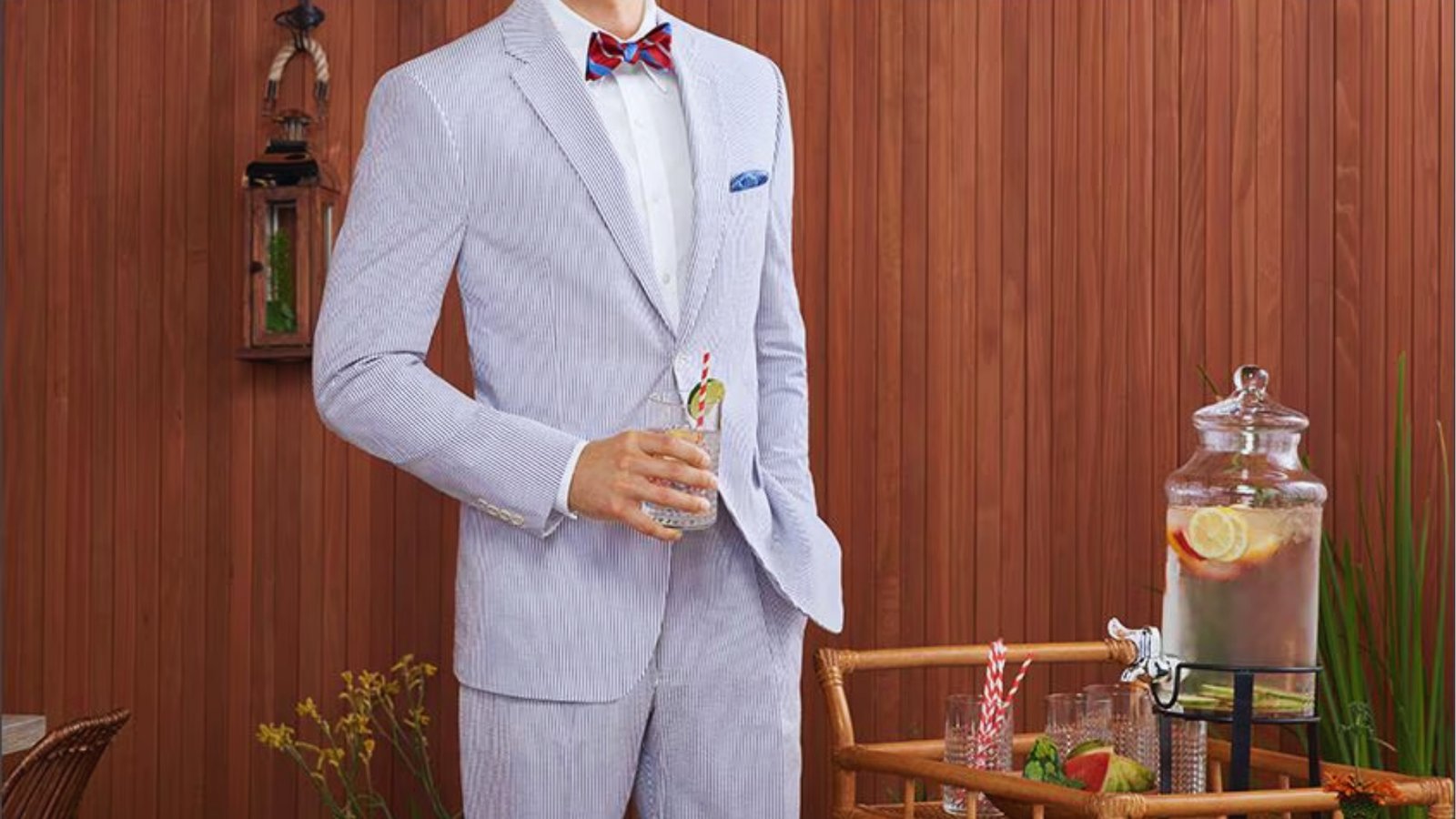
Seersucker works for more occasions than most people think.
Casual Occasions
Seersucker is great for relaxed settings. Think barbecues, holiday gatherings, beach trips, or a day out with friends.
A seersucker shirt with chinos or shorts keeps things easy and comfortable.
Formal and Semi-Formal Events
Seersucker suits work well at summer weddings, outdoor parties, and garden events. Pair yours with a light dress shirt and loafers.
Skip the heavy tie. A linen pocket square adds a clean finishing touch.
Popular Seersucker Clothing Pieces
From suits to shirts, seersucker shows up in many wardrobe staples.
Seersucker Suits
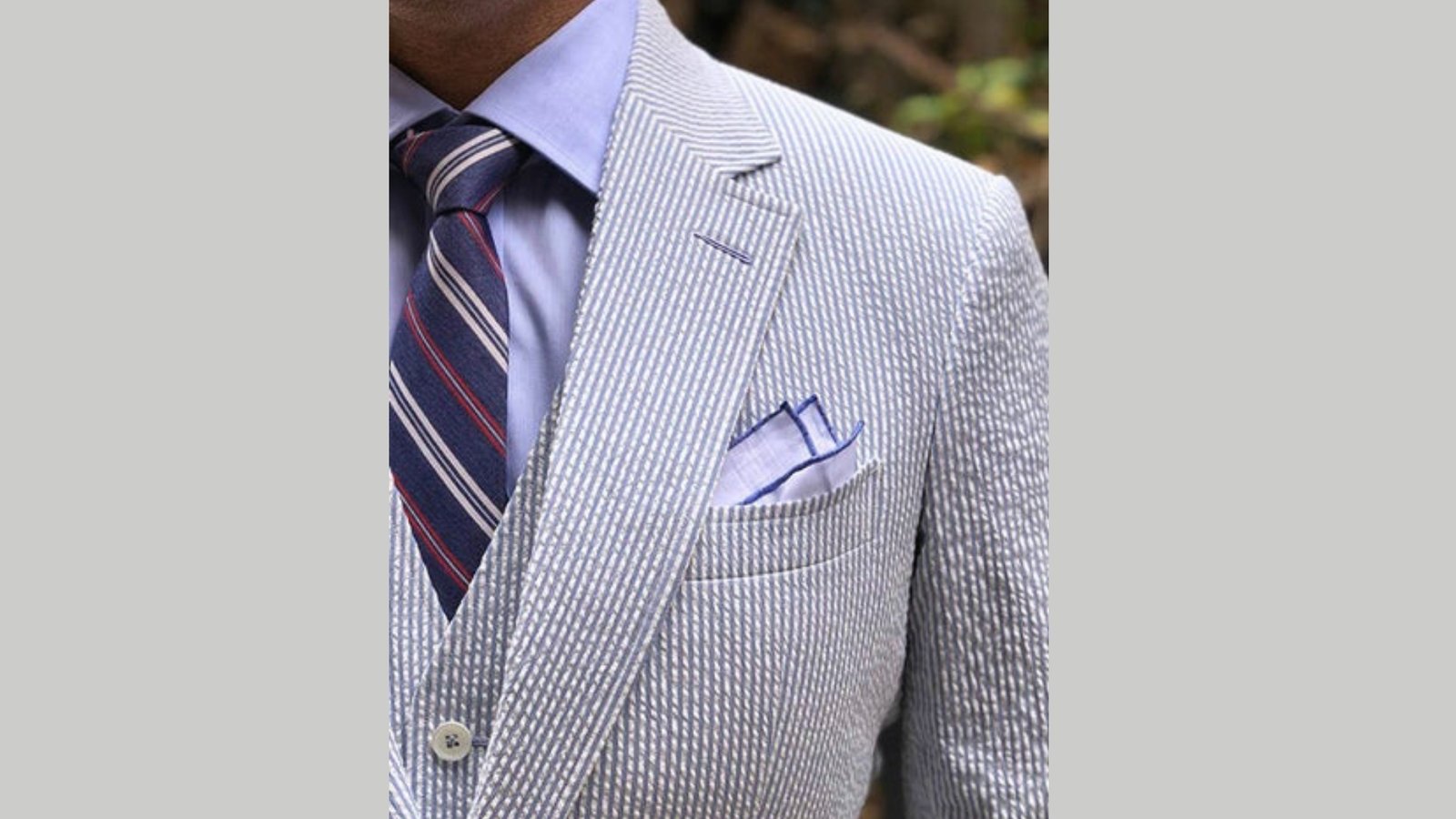
A seersucker suit is the most well-known version of this fabric. It’s a summer classic in the American South and has been worn since the early 1900s. The suit looks polished without feeling stiff.
Seersucker Shirts
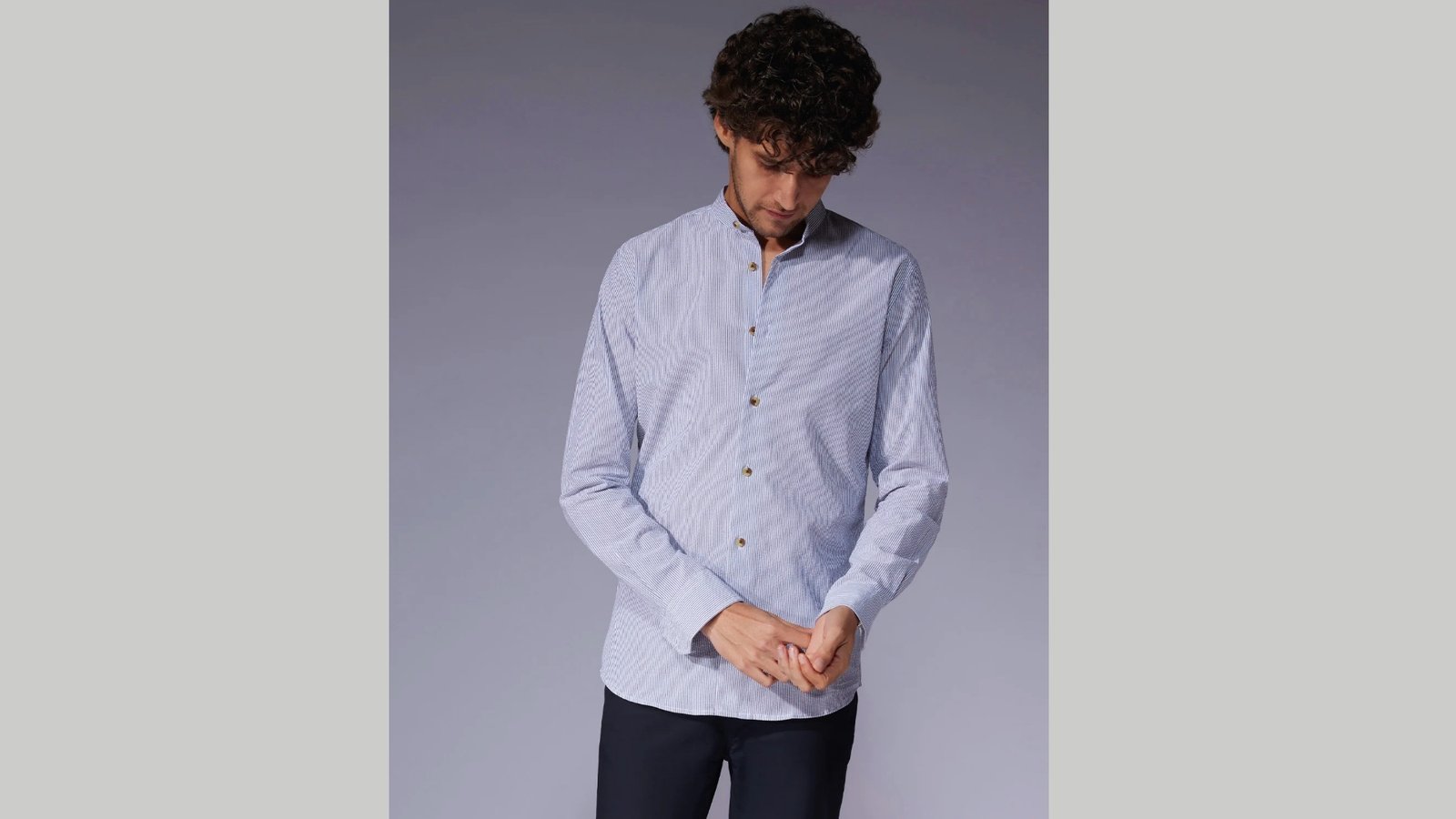
Seersucker shirts are a versatile option. You can wear them tucked or untucked, casually or dressed up. They’re especially popular in striped or checked patterns.
Seersucker Shorts and Trousers
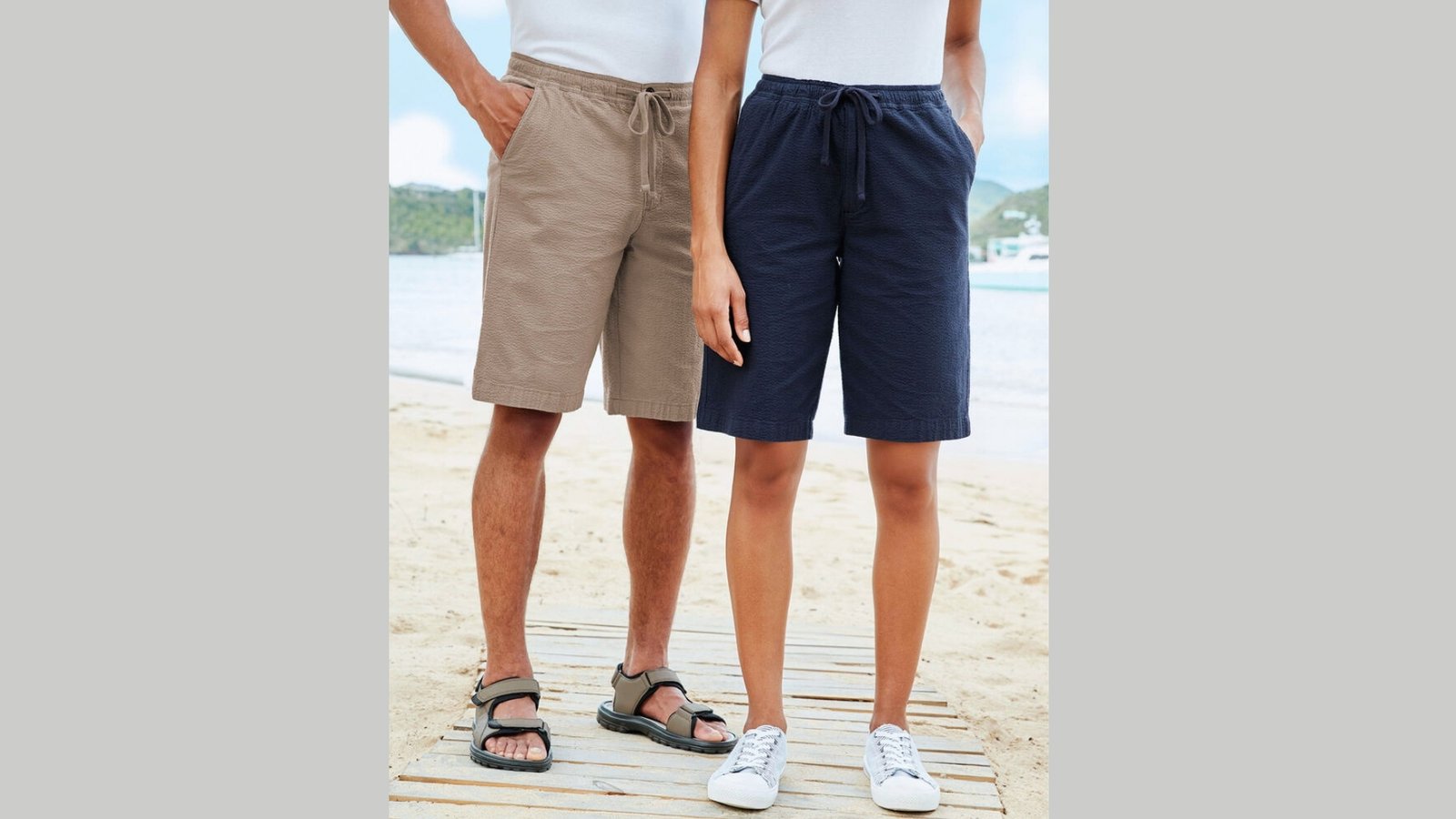
Seersucker shorts are perfect for hot days. Trousers work for semi-formal settings. Both are lightweight and easy to move in.
They’re a solid option when you want comfort without looking too casual.
How to Care for Seersucker Fabric
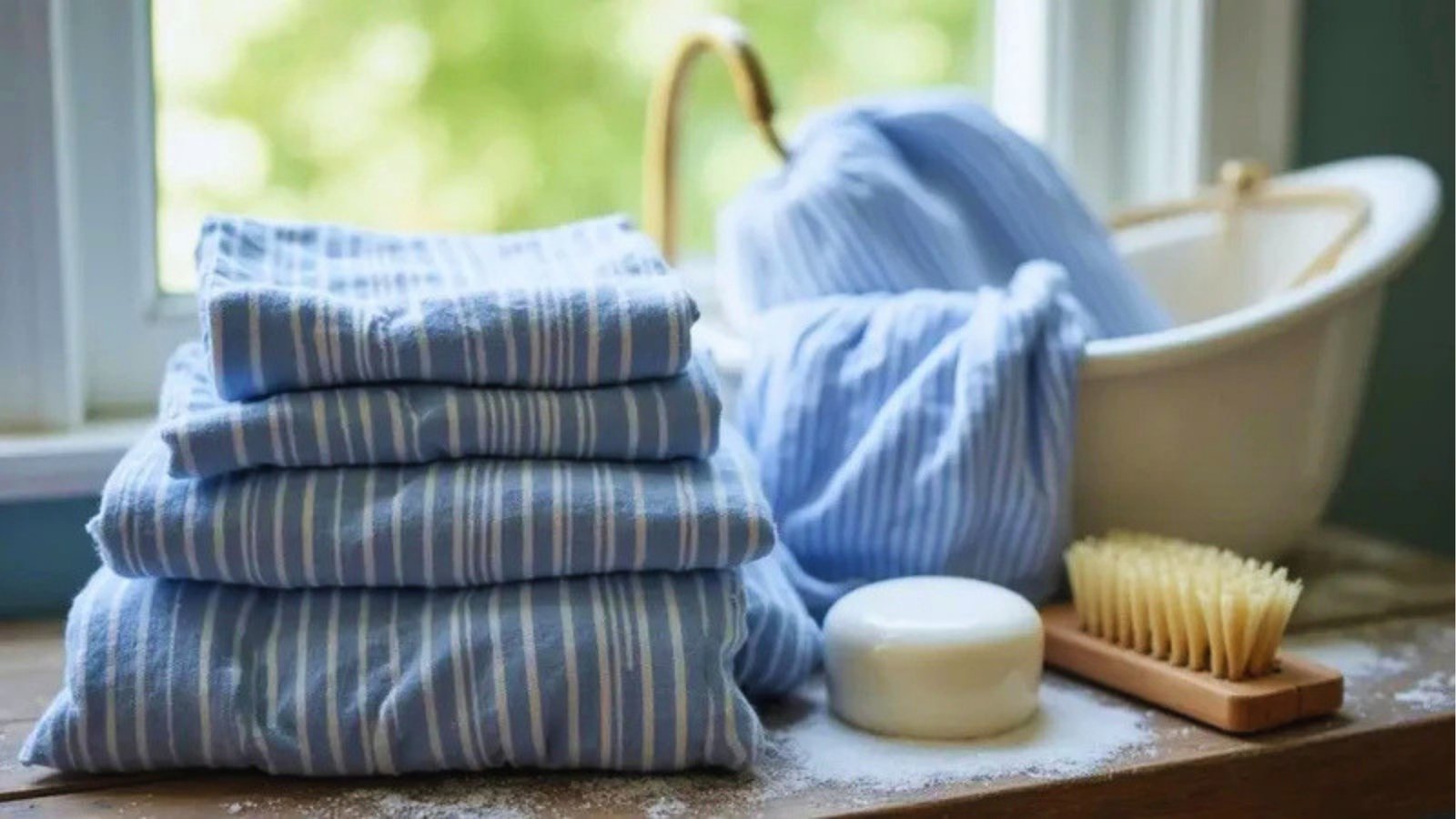
Caring for seersucker is simple just follow a few basic steps.
Washing and Drying Tips
Wash seersucker in cold or lukewarm water on a gentle cycle. Hot water can shrink it or damage the texture. Air drying is the best option. Lay it flat or hang it up. Avoid the dryer when possible.
Does Seersucker Shrink or Wrinkle?
New seersucker may shrink slightly the first time you wash it. After that, it holds its shape well. As for wrinkles they’re part of the look. The puckered texture hides most wrinkles naturally.
Can You Iron Seersucker?
It’s best not to iron seersucker. The heat can flatten the puckered texture, which removes the look the fabric is known for. If you must, use a low heat setting and iron lightly on the inside of the fabric.
Benefits of Seersucker Fabric
Here’s why so many people reach for seersucker when the heat kicks in.
Breathability and Cooling Effect
The puckered texture creates small gaps between the fabric and your skin. Air flows through these gaps.
This keeps you cooler than flat fabrics like poplin or twill. If you’ve struggled with sweating through clothes in summer, seersucker is worth trying.
Lightweight and Comfortable
Seersucker is thin and light. It doesn’t feel heavy on your shoulders or legs. That makes it a good choice for hot and humid climates.
I’ve worn a seersucker suit on a 95-degree day and felt far more comfortable than I expected.
Wrinkle-Friendly Texture
The crinkled look is built into the fabric. So when it wrinkles, it just looks like part of the design. You don’t need to iron it much. That’s a real win when you’re traveling or in a rush.
Seersucker Style Tips
A few simple rules that go a long way when dressing in seersucker.
- Fit comes first. A seersucker suit should be slim but not skinny, and relaxed but not baggy. A poor fit ruins the whole look no matter how good the fabric is.
- Keep your shirt simple. A white or light blue dress shirt works best under a seersucker suit. Skip heavy patterns and let the fabric speak for itself.
- Pair jackets with neutral trousers. Cotton or linen pants in beige, white, or navy balance a seersucker jacket well without making the outfit feel too heavy.
- Seersucker pants are easy to style. A plain white tee, a Cuban collar shirt, or a relaxed linen top all work. Keep the upper half simple so the pants do the talking.
- Stick to light footwear. Penny loafers, tassel loafers, and light brogues are all solid picks. White leather sneakers work for casual days. Leave the heavy boots in the closet.
- Colors matter. Cream, sky blue, and pale yellow pair naturally with classic seersucker stripes. When in doubt, go lighter rather than darker.
Conclusion
Seersucker is one of those fabrics that just makes sense in summer. I started wearing it a few years ago and haven’t looked back.
It’s cool, low-maintenance, and works for almost any warm-weather setting. Now that you know what seersucker is, how it’s made, and how to style it you’re ready to give it a real try.
Start with a shirt or a pair of trousers. See how it feels. Drop a comment below and let me know how you plan to wear it this season.
Frequently Asked Questions
Is seersucker good for hot weather?
Yes. The puckered texture lifts the fabric off your skin, which allows air to flow. This makes it one of the best fabric choices for hot and humid conditions.
Can you wear seersucker to a wedding?
Yes, a seersucker suit is a great option for summer or outdoor weddings. Pair it with a light shirt and loafers for a clean, relaxed look that still feels put together.
Does seersucker fabric shrink in the wash?
It can shrink slightly on the first wash. After that, it holds its size well. Always wash in cold water and air dry to keep the fabric in good shape.
What colors does seersucker come in?
Blue and white stripes are the most classic. But seersucker also comes in gray, green, pink, yellow, and multi-color checks. Solid versions are available too.
How is seersucker different from linen?
Both are lightweight summer fabrics. Seersucker has a puckered, striped texture and is usually cotton. Linen is flat and made from flax fibers. Seersucker wrinkles less visibly than linen.