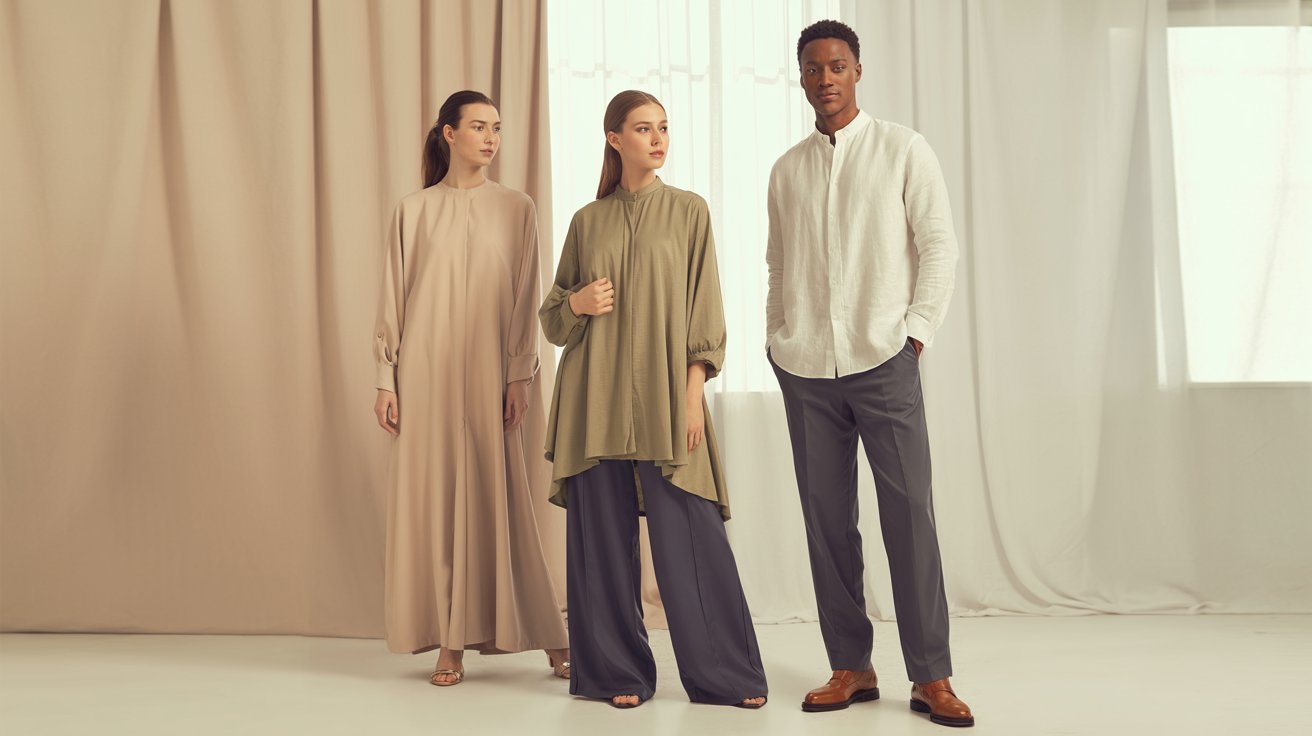
I’ve spent a lot of time thinking about what it means to dress with intention, and modest clothing kept coming up.
This guide covers everything you need to know, from what it actually means to how to build a wardrobe around it.
I’ll walk you through styles for men and women, cultural and religious context, common myths, and practical tips to get started.
I’ve researched this closely so you don’t have to piece it together from different places. By the end, you’ll have a clear picture of modest fashion and how it fits into real life.
What Is Modest Clothing
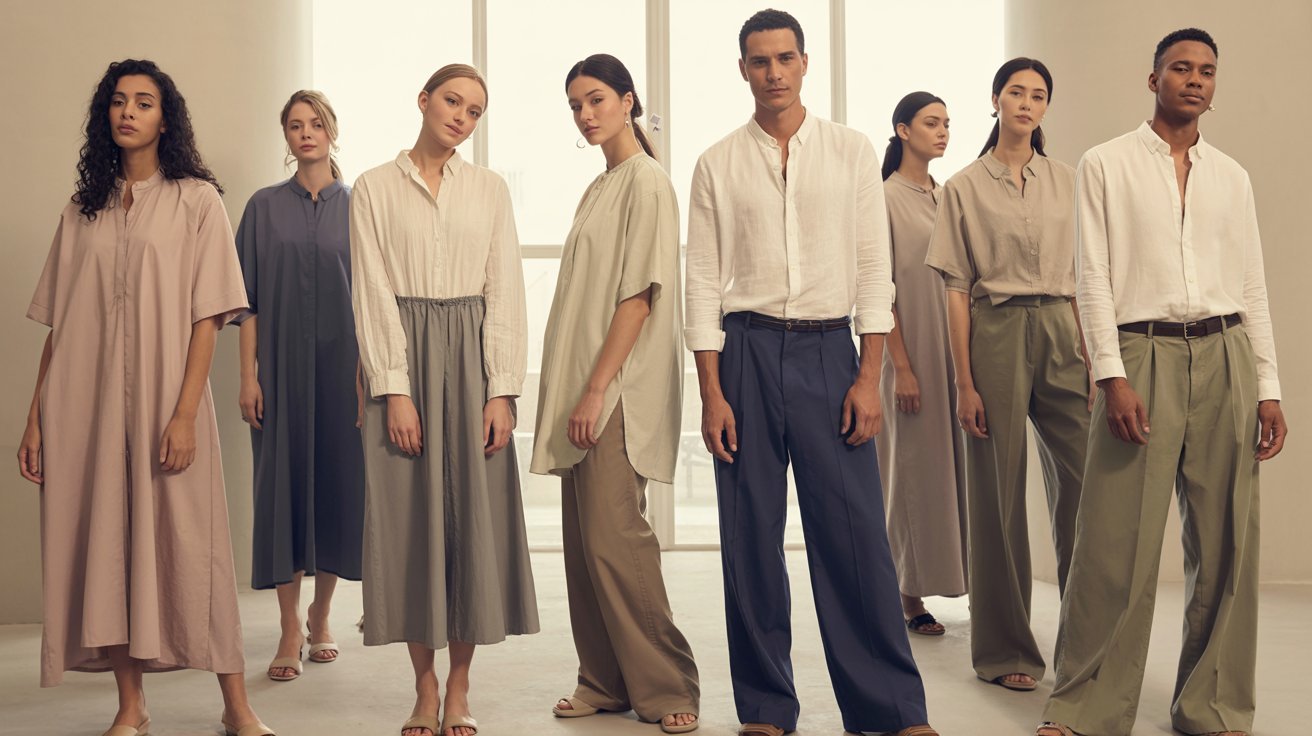
Modest clothing refers to styles that provide more coverage and avoid overly tight or revealing fits.
It focuses on comfort, balance, and intentional dressing rather than following fast-changing trends.
While definitions vary across cultures, religions, and personal preferences, the core idea remains the same: dressing in a way that feels respectful, comfortable, and aligned with your values.
More people are stepping back from fast fashion and dressing with purpose. A broader shift toward mindful living has made intentional dressing more appealing across all walks of life.
What Is Modest Clothing for Women
Modest fashion for women is about feeling comfortable, confident, and true to yourself.
Maxi Skirts
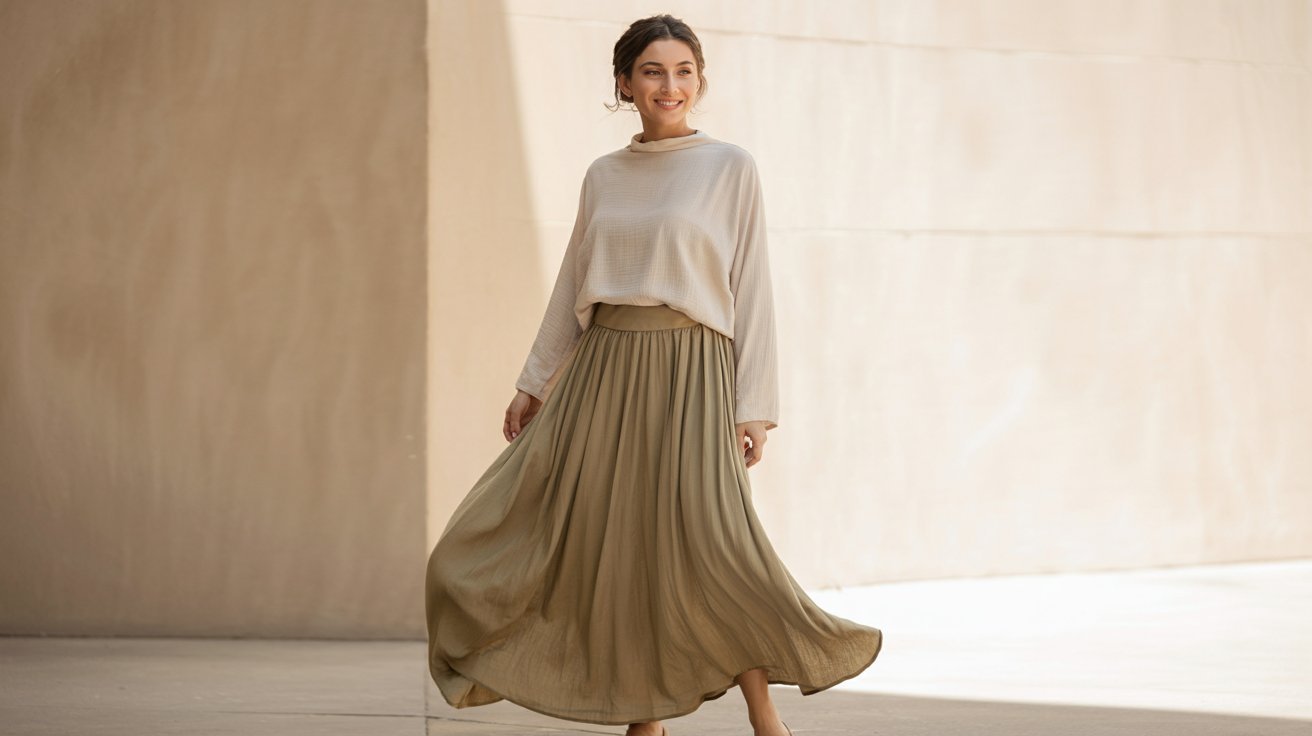
Maxi skirts are a staple in modest wardrobes thanks to their full-length coverage and elegant flow.
They pair easily with blouses, tunics, or sweaters. Their ease of movement makes them a practical everyday choice.
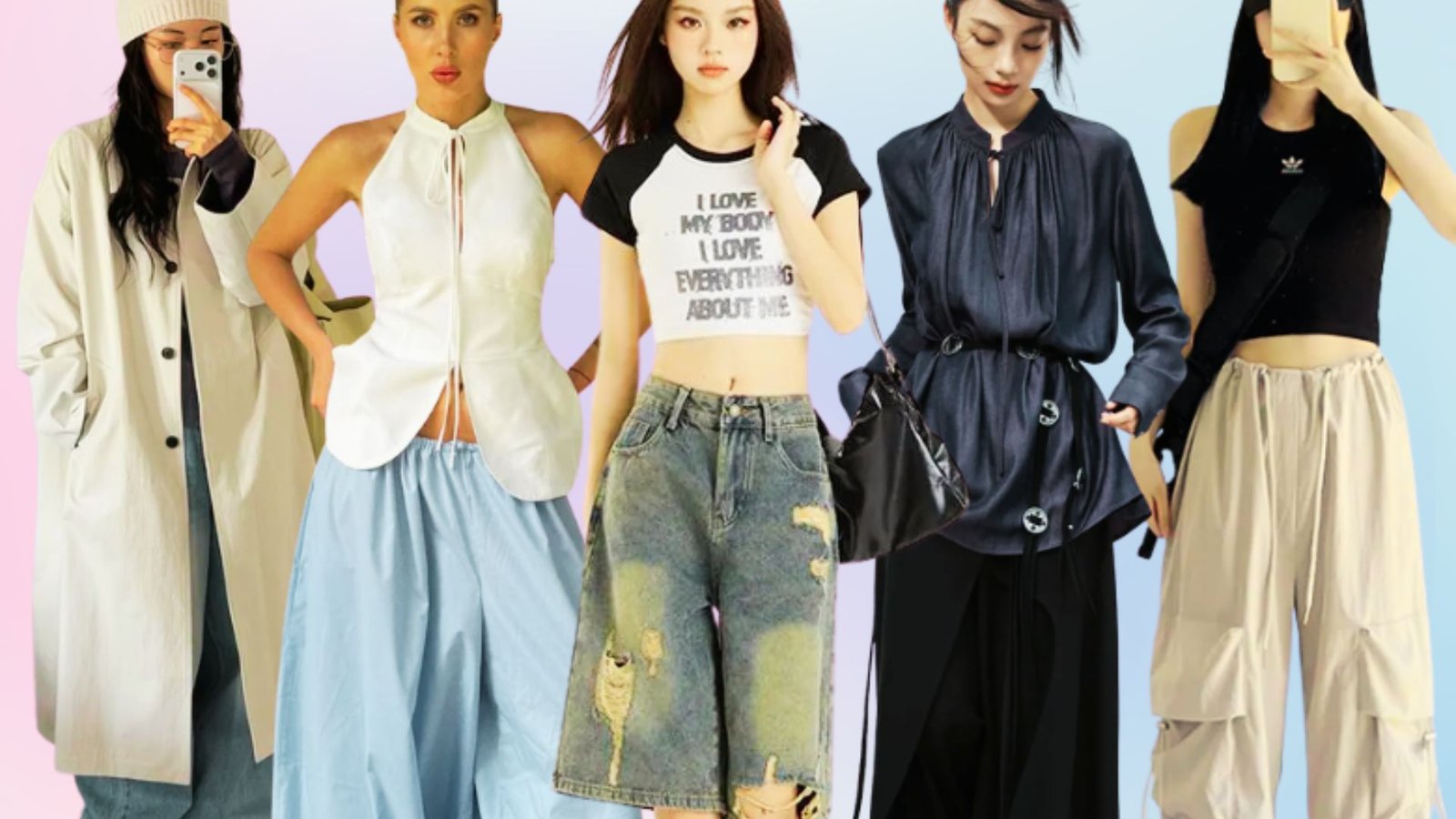
Wide-Leg Trousers
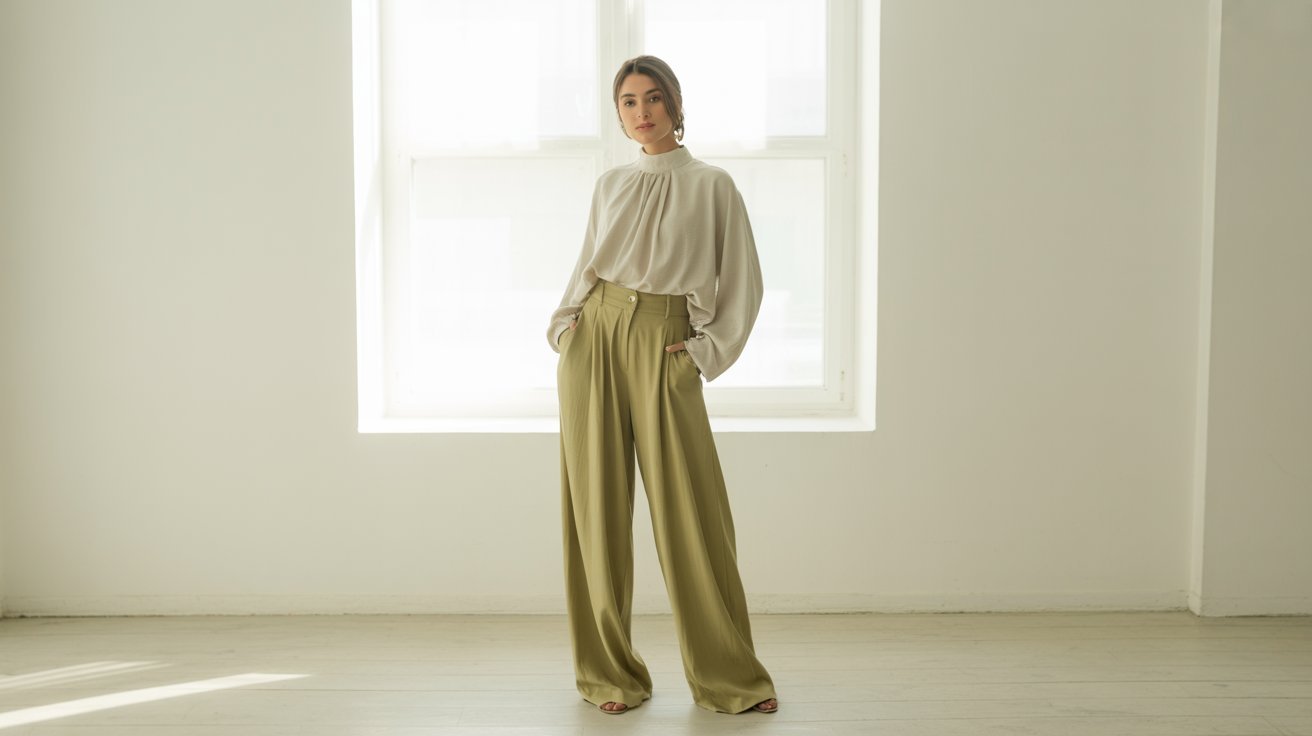
Wide-leg trousers offer comfort without compromising coverage.
Their relaxed fit keeps the silhouette modest while looking polished and modern. A reliable option for both casual and professional settings.
Loose Tunics
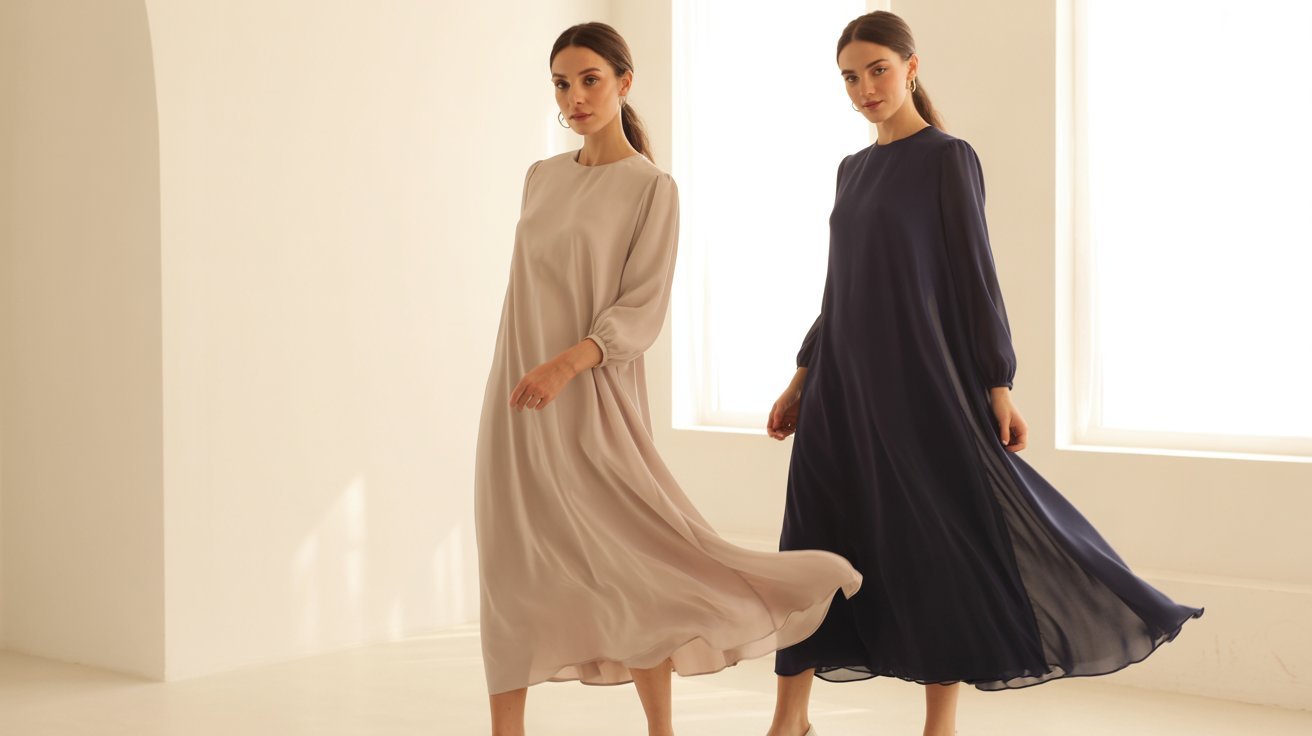
Loose tunics provide extra coverage, especially when paired with leggings or straight pants.
They work well for both casual and semi-formal looks. Their versatility makes them a wardrobe essential.
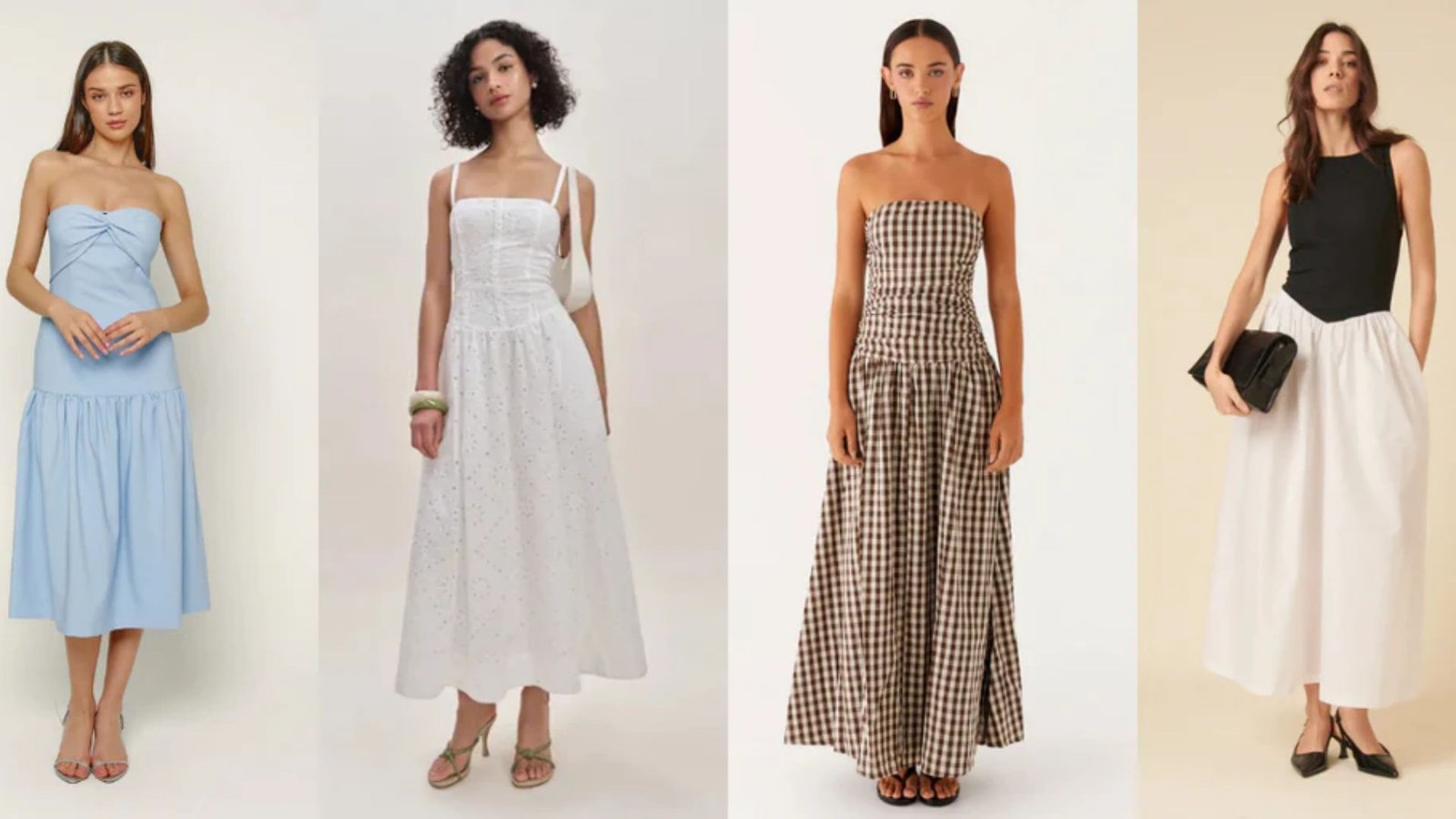
Midi and Maxi Dresses
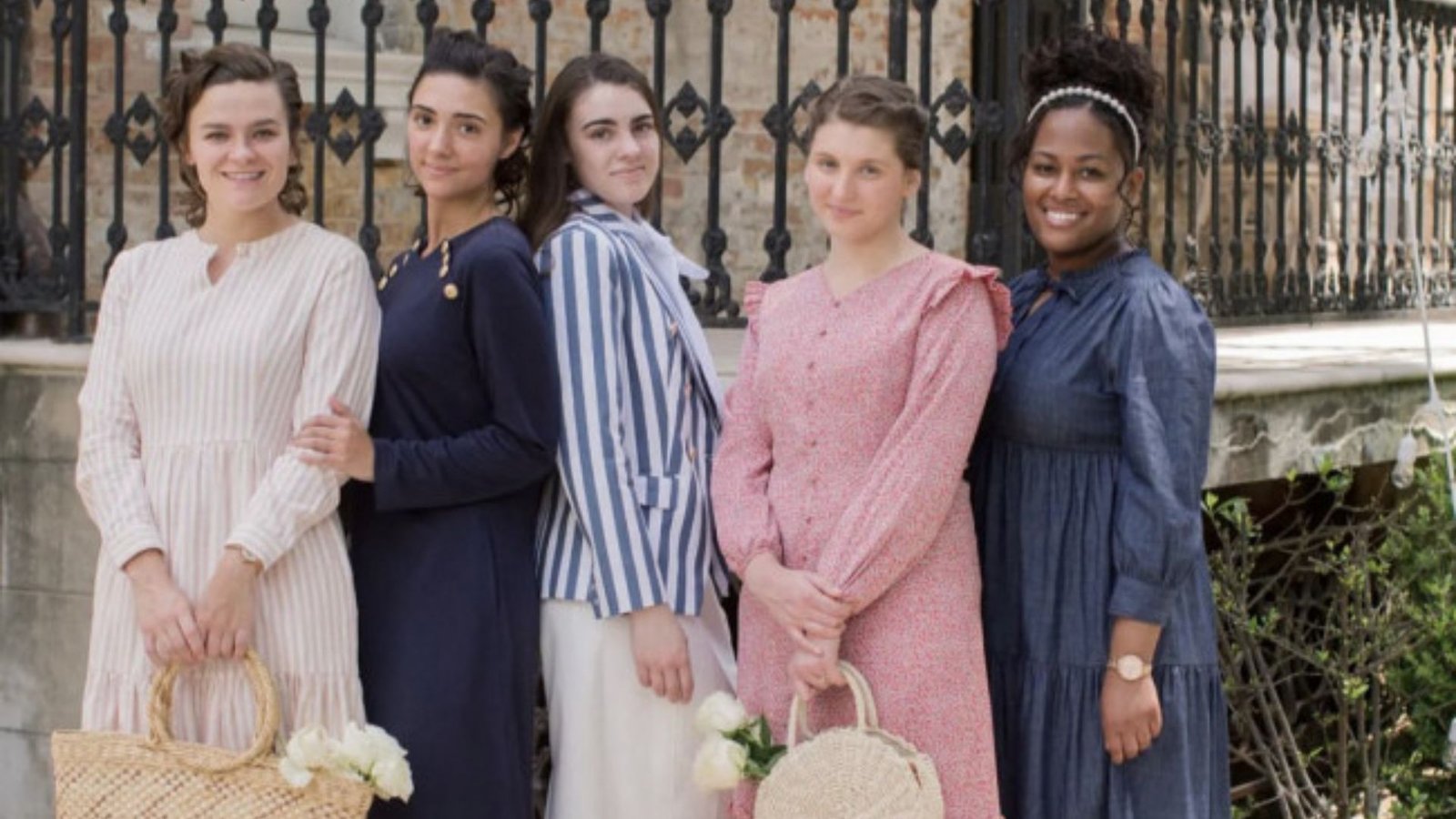
Midi and maxi dresses are effortless modest outfit choices.
Longer hemlines and higher necklines balance style and coverage beautifully. They transition easily from everyday wear to more formal occasions.
Full-Coverage Swimwear (Burkini)
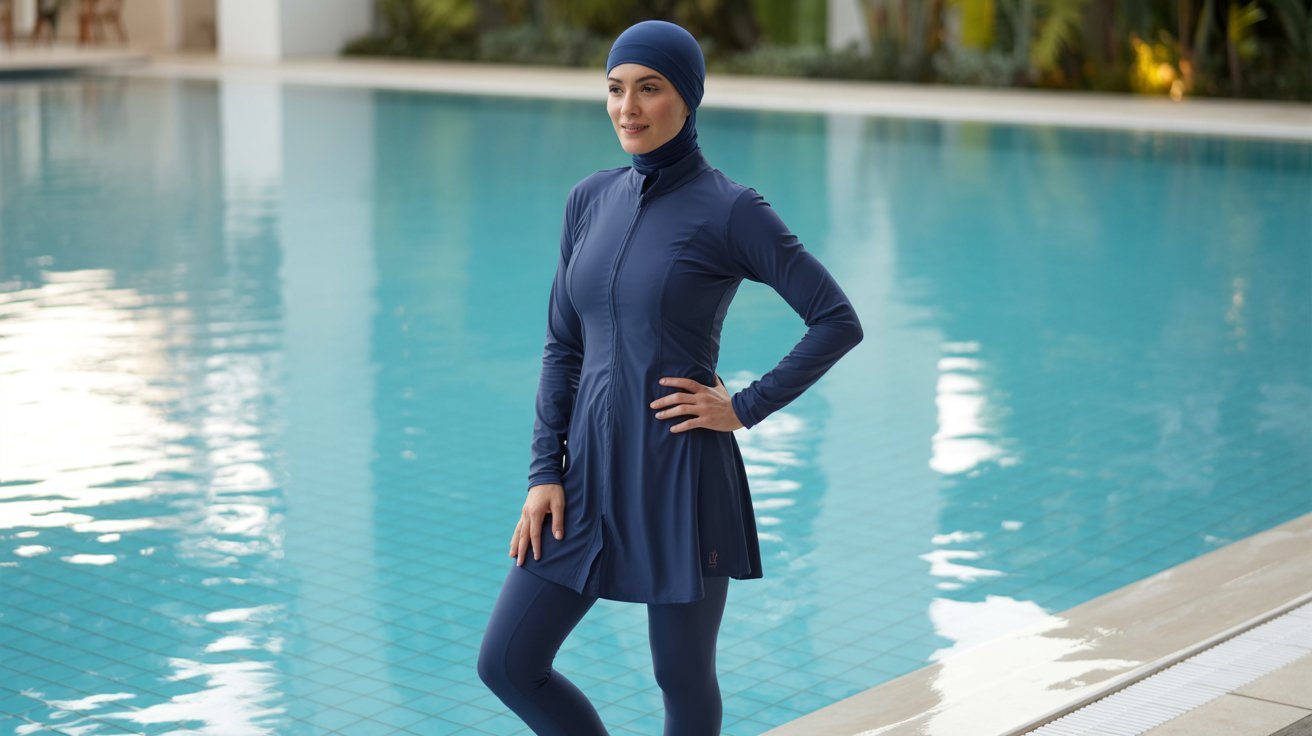
Full-coverage swimwear offers a practical option for staying modest at the beach or pool.
It combines comfort and style without sacrificing personal values. A growing range of designs makes it easier to find flattering fits.
What Is Modest Clothing for Men
Modest dressing for men is often overlooked, but it has its own clear style worth knowing.
Straight-Cut Trousers
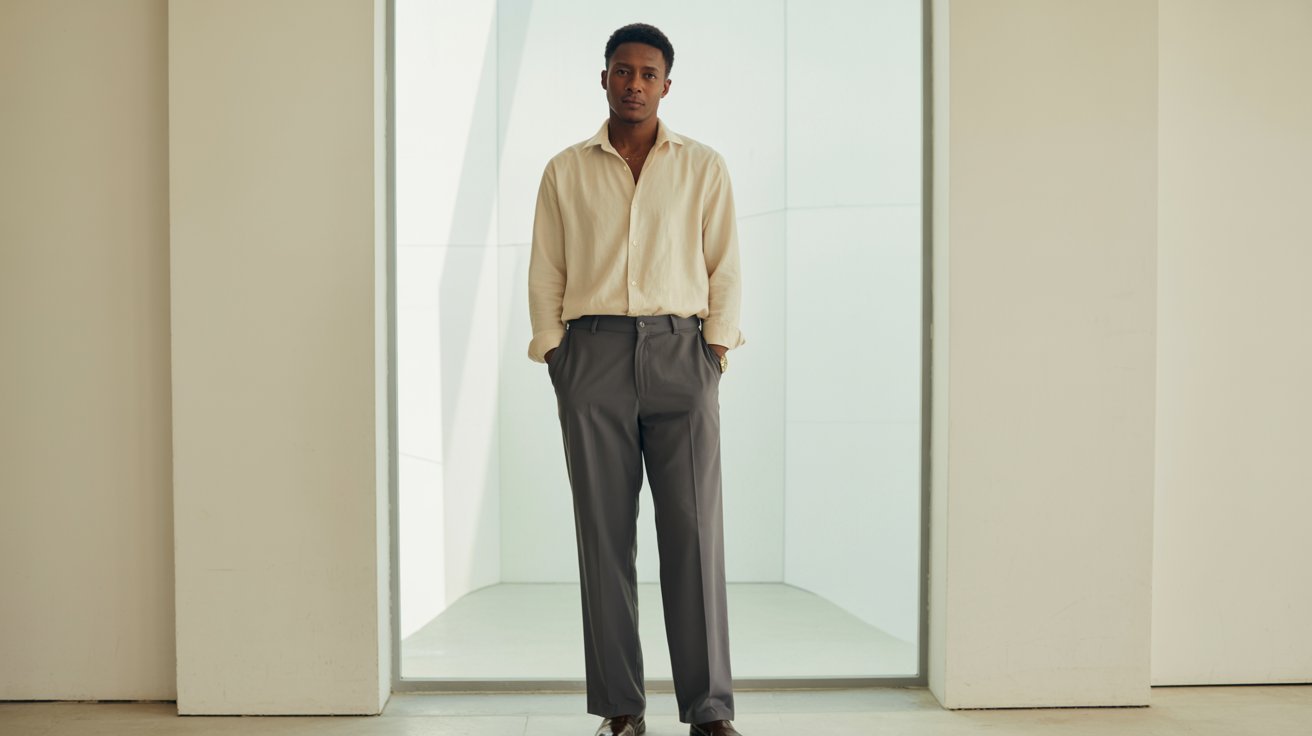
Straight-cut trousers provide full coverage with a clean, structured look.
They suit both casual and formal settings with ease. A foundational piece in any modest men’s wardrobe.
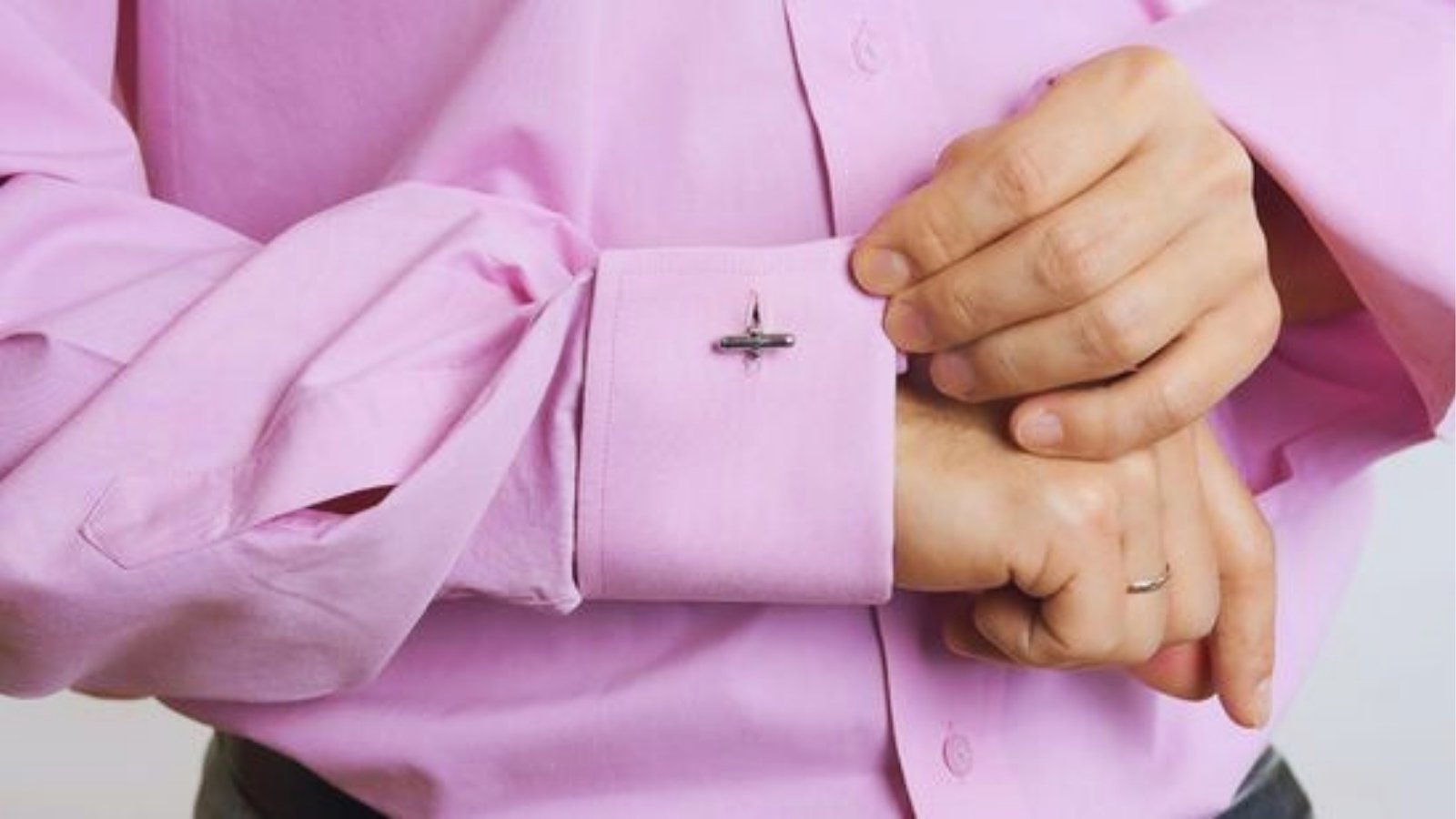
Long-Sleeve Shirts
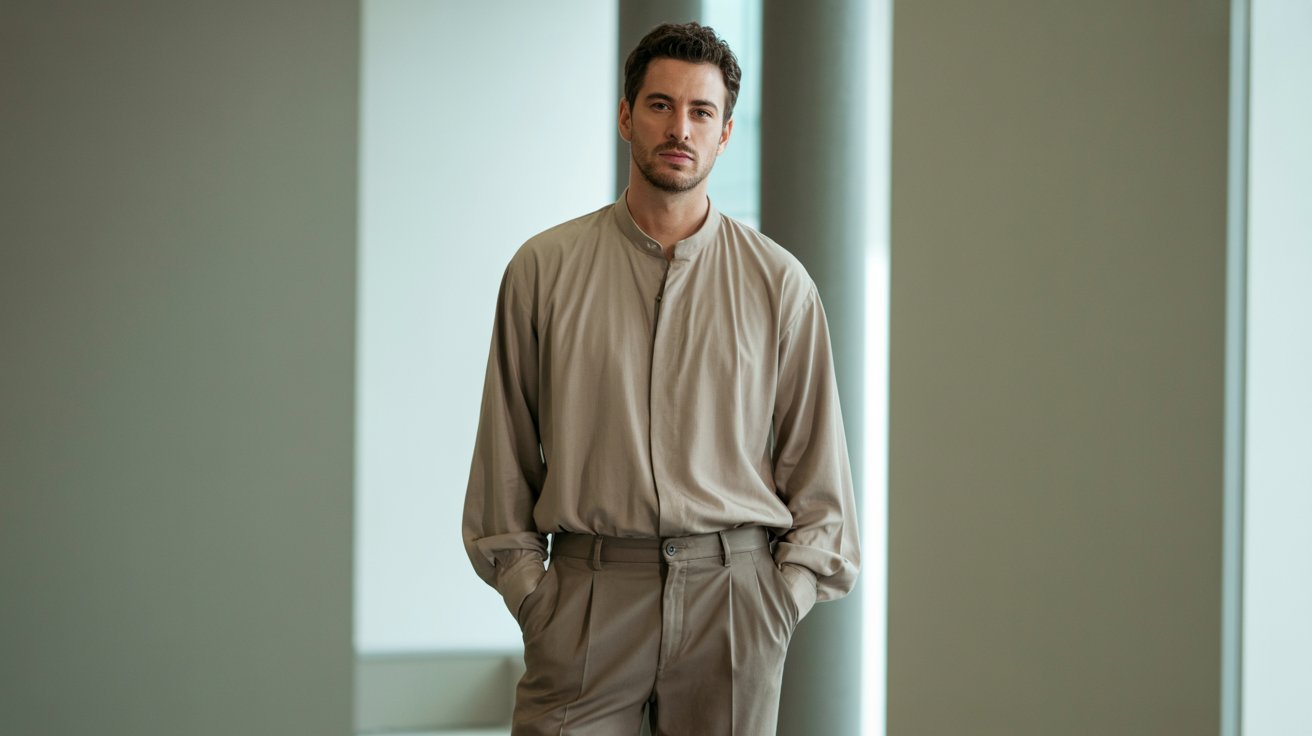
Long-sleeve shirts are a key part of modest menswear, offering coverage while looking sharp.
They work across seasons and dress codes without much effort. Easy to layer or wear on their own depending on the occasion.
Linen Shirts
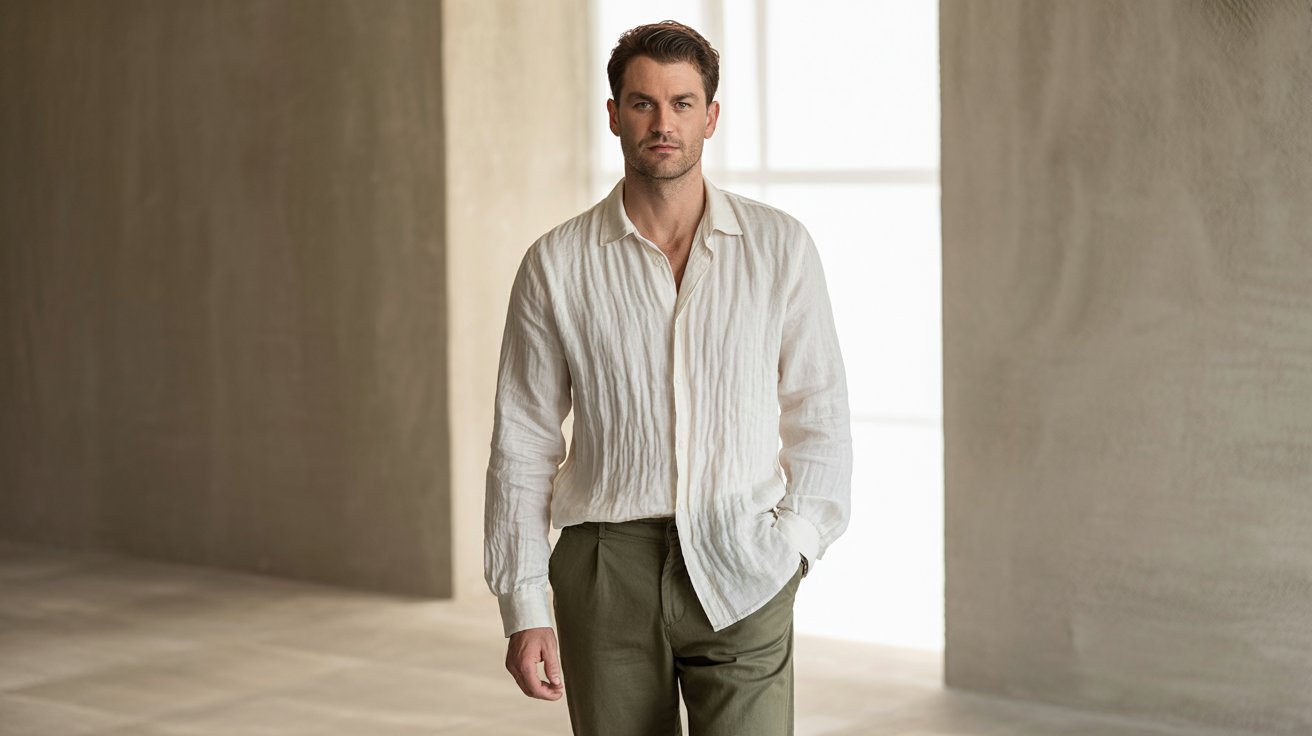
Linen shirts are breathable and comfortable, making them ideal for warm weather.
They maintain a relaxed, modest look without feeling heavy or stiff. A go-to option for staying cool while remaining well-dressed.
Button-Down Shirts
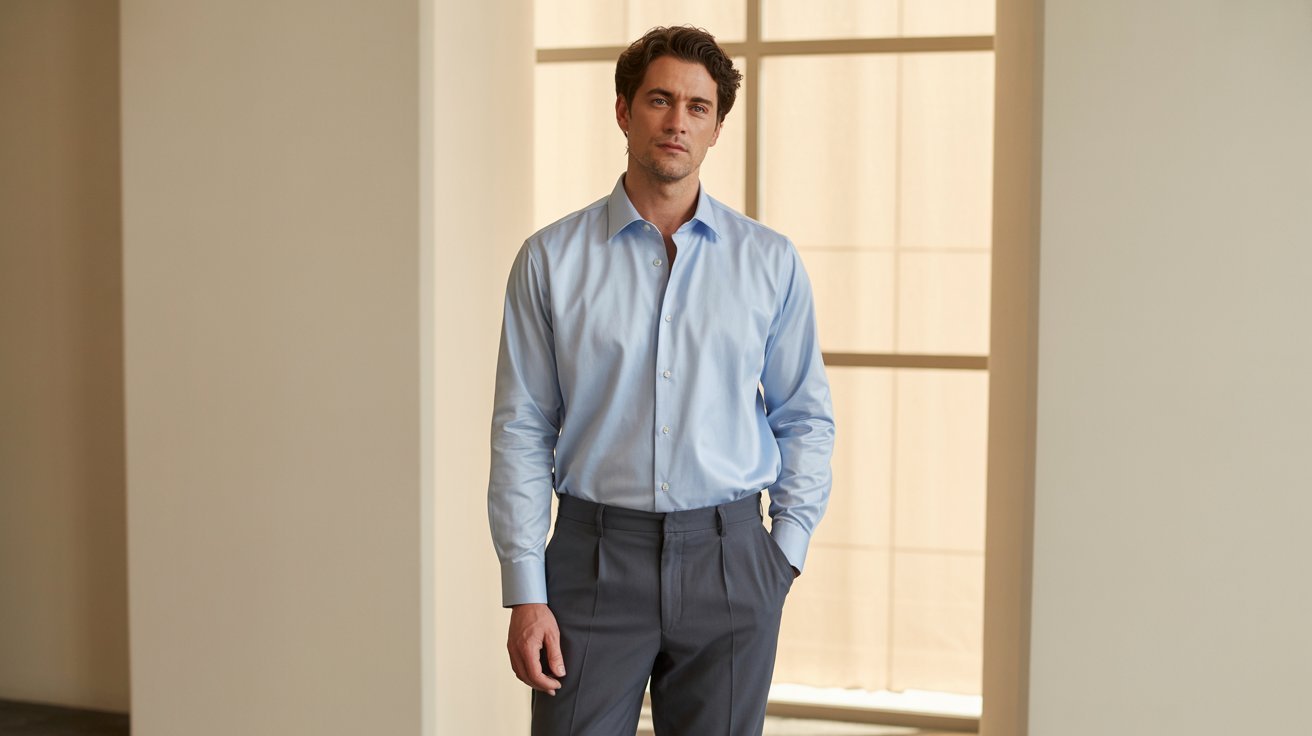
Button-down shirts work well in both casual and professional settings.
They offer a polished appearance without being overly fitted or restrictive. Versatile enough to pair with trousers, chinos, or dark denim.
Leather Dress Shoes
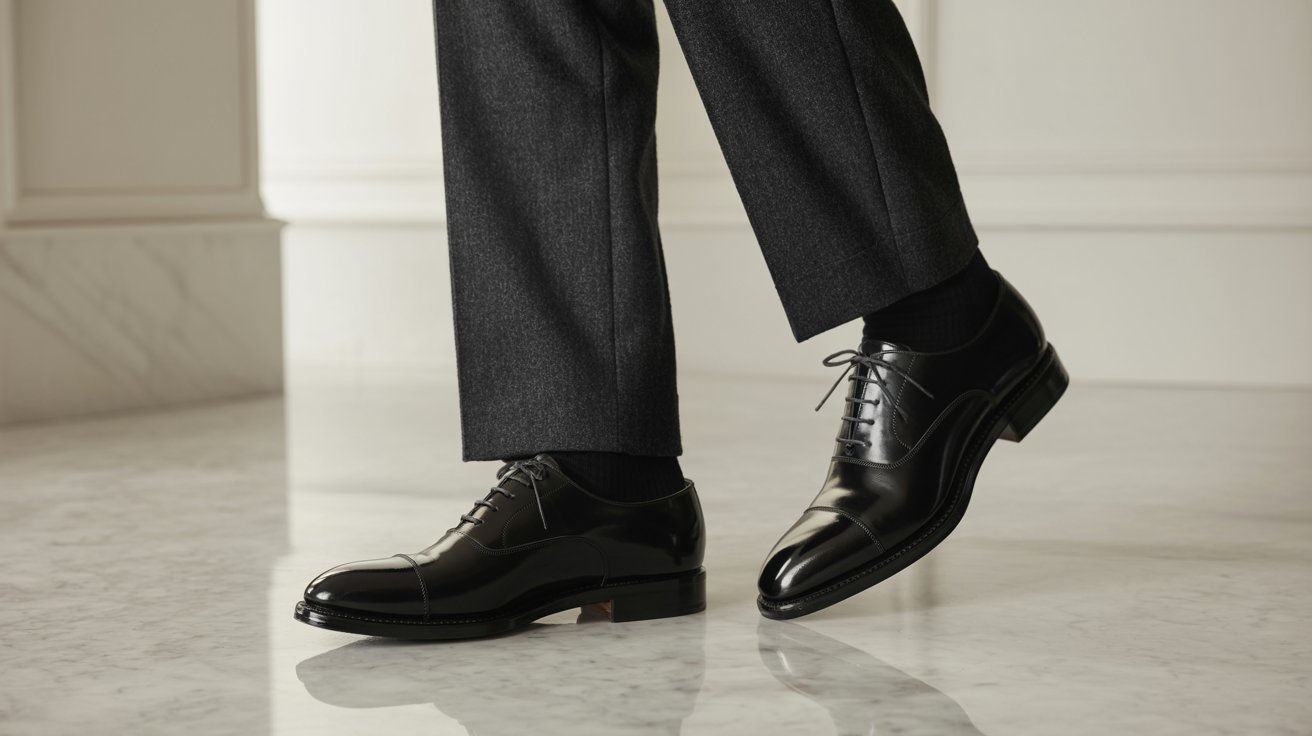
Clean leather shoes complete a modest outfit, especially in professional environments. They add a sense of neatness and respect to any look.
Well-maintained shoes are one of the simplest ways to uplift an outfit.
Modest Clothing in Different Cultures and Religions
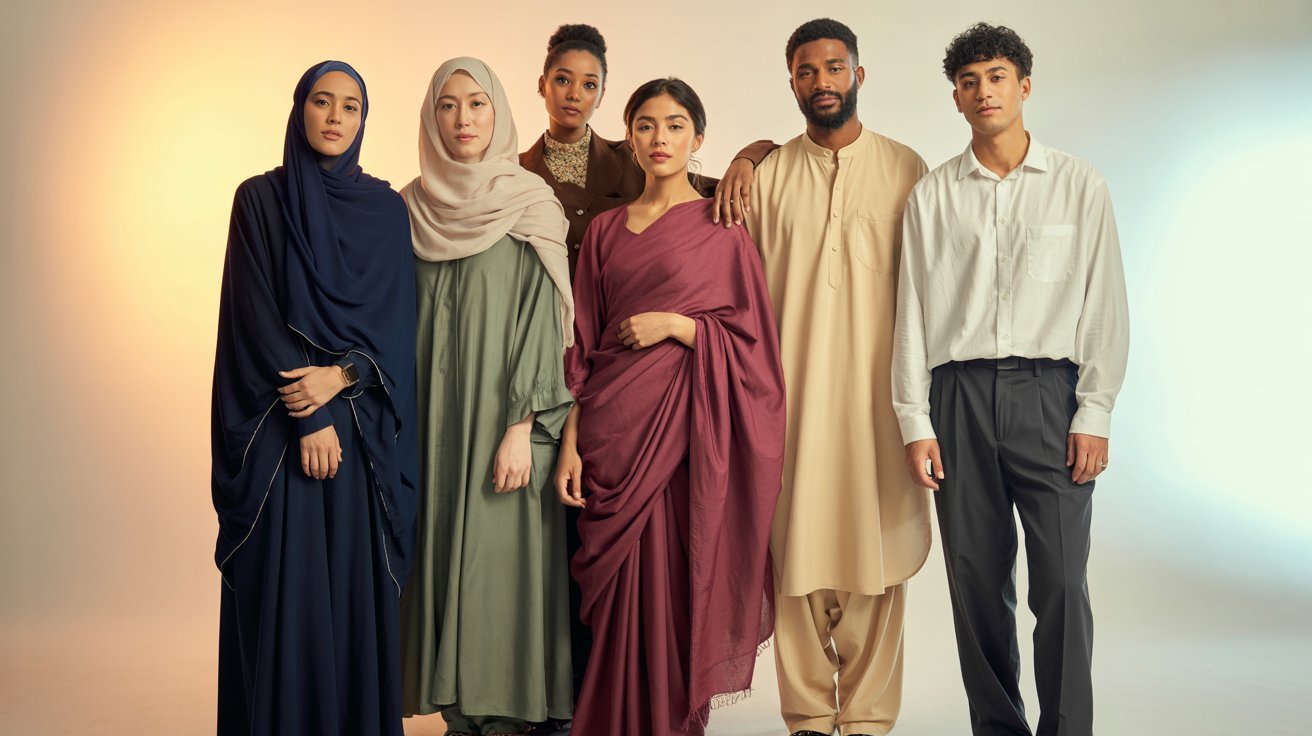
Modesty in dress shows up across cultures and faiths, each with its own style and guidelines.
In Islam
In Islam, modest dress is tied to covering the body as an act of faith and respect. For women, this often includes the hijab, the abaya, and loose tunics paired with wide-leg trousers.
For men, it involves covering from the navel to the knee at minimum, with loose clothing preferred.
In the Bible
The Bible doesn’t outline a specific dress code, but it speaks clearly to dressing with modesty and humility.
The core ideas include avoiding clothing that draws attention in a boastful way and dressing to reflect inner character.
Both men and women are addressed, though views vary across denominations.
Other Cultures
Modest clothing shows up in many non-religious traditions too. Jewish Tzniut guides dress in Orthodox communities, while saris from South Asia and the Hanbok from Korea offer full coverage as part of cultural identity.
The values behind modest dress often overlap across traditions.
Key Features of Modest Clothing
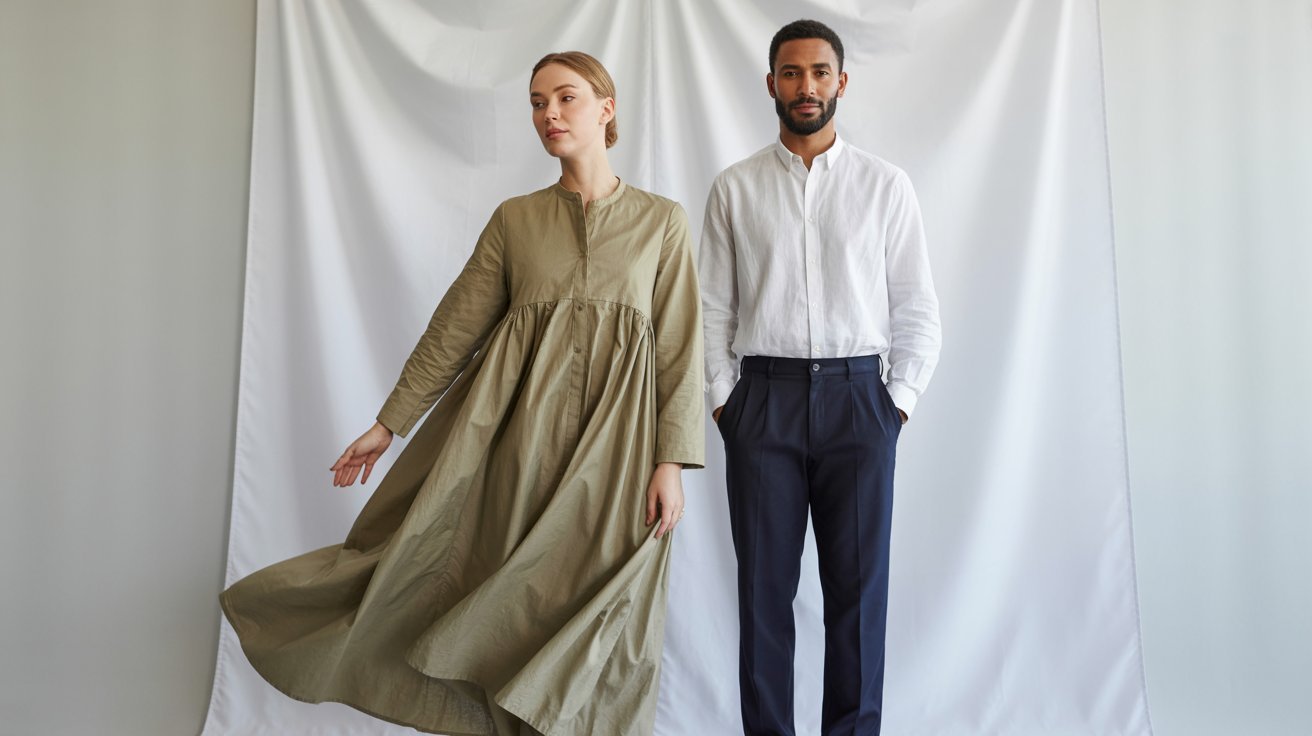
Modest clothing follows a few consistent design principles no matter the culture or faith behind it.
Coverage
The most obvious feature is coverage across the shoulders, chest, midriff, and legs. Silhouettes lean toward loose and relaxed rather than form-fitting.
Fitted clothing can still be modest as long as it doesn’t hug the body too tightly.
Fabric and Comfort
Thin, clingy fabrics work against modesty, while heavier or layered fabrics offer more coverage.
Cotton, linen, medium-weight jersey knit, and woven fabrics like poplin are all solid choices. Comfort matters just as much as coverage.
Colors and Patterns
There’s no rule that modest clothing has to be plain. Many modest dressers love bold prints, florals, and rich solid colors.
Choose colors that feel right and reflect your personal style.
Layering and Accessories
Layering adds depth to any outfit and solves coverage issues at the same time. Cardigans, longline blazers, undershirts, and lightweight jackets all help.
Accessories like long necklaces and wide belts over tunics complete the look without revealing more skin.
Tips for Dressing Modestly
These practical tips make modest dressing easier and more effective in everyday life.
- If your top is loose, go for a structured bottom. If your skirt is voluminous, keep the top simple.
- Layer a long-sleeve shirt under a shorter dress or add a slip skirt underneath to extend the hemline.
- In warm months, go for linen and cotton. In cooler months, try wool, layered knits, and fleece-lined leggings.
- Long necklaces, wide-brimmed hats, belts over tunics, and loafers or boots complete the look without losing coverage.
- Warm weather calls for loose midi dresses and linen trousers. Cold weather works well with turtlenecks, long coats, and wool trousers.
Conclusion
Modest clothing is more than a dress code. It’s a personal choice that looks different for everyone.
I started paying attention to modest fashion because I wanted to feel comfortable in what I wear, not just covered.
And honestly, it changed how I shop entirely. If you’re just starting out, take it slow. Pick one or two staples and build from there.
Drop a comment below and share what modest clothing means to you. And if this helped, share it with someone who might find it useful too.
Frequently asked questions
Can Anyone Wear Modest Fashion ?
Yes, absolutely. Modest fashion isn’t limited to any religion, culture, or body type. Anyone who wants to dress with more coverage and intention can do so.
How to Make Trendy Outfits Modest ?
Layer a long-sleeve shirt under a trendy crop top, or pair a short dress with wide-leg trousers underneath. Small additions go a long way in adapting current trends to a modest style.
Best Fabrics for Modesty ?
Cotton, linen, jersey knit, and woven fabrics like poplin work well. They hold their shape, offer good coverage, and breathe comfortably throughout the day.
Modest Outfit Ideas for Hot or Cold Weather ?
In hot weather, go for loose linen sets or breathable cotton maxi dresses. In cold weather, layer turtlenecks under dresses, add thick tights, and wear long coats or oversized knit cardigans.
Professional Settings and Modest Fashion ?
Modest dressing fits professional settings very well. Wide-leg trousers, longline blazers, modest blouses, and midi skirts are all workplace-appropriate and keep coverage intact without looking out of place.