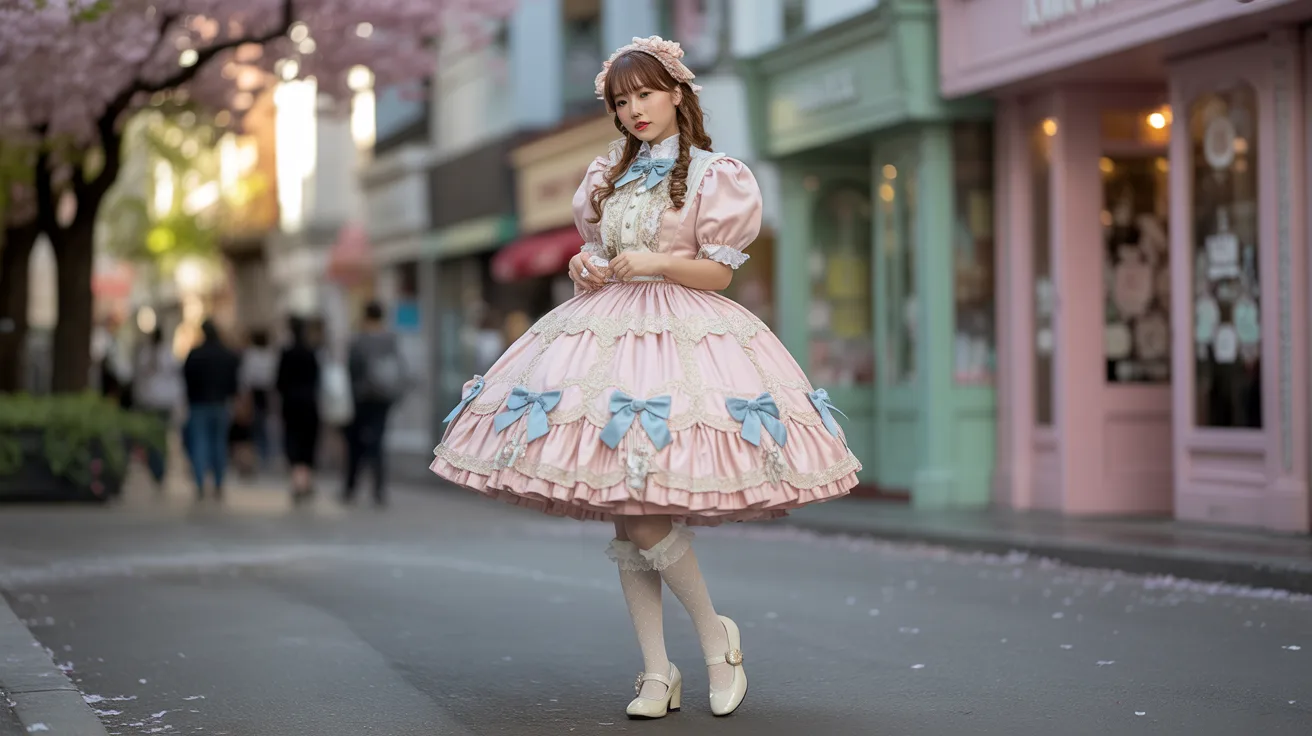
I remember the first time I saw someone wearing Lolita fashion. The full skirt, the lace, the bows had me full of questions.
What is Lolita fashion, exactly? Where did it come from? And what does it mean to the people who wear it?
In this blog, I’ll answer all of that. You’ll learn about its origins, its meaning, its styles, and what it looks like today.
I’ve spent time researching this subculture closely so you don’t have to dig through dozens of sources.
We’ll cover what Lolita fashion is and what it means, where it came from, the main styles worn today, and the most common questions people ask.
Let’s get started.
What Is Lolita Fashion?
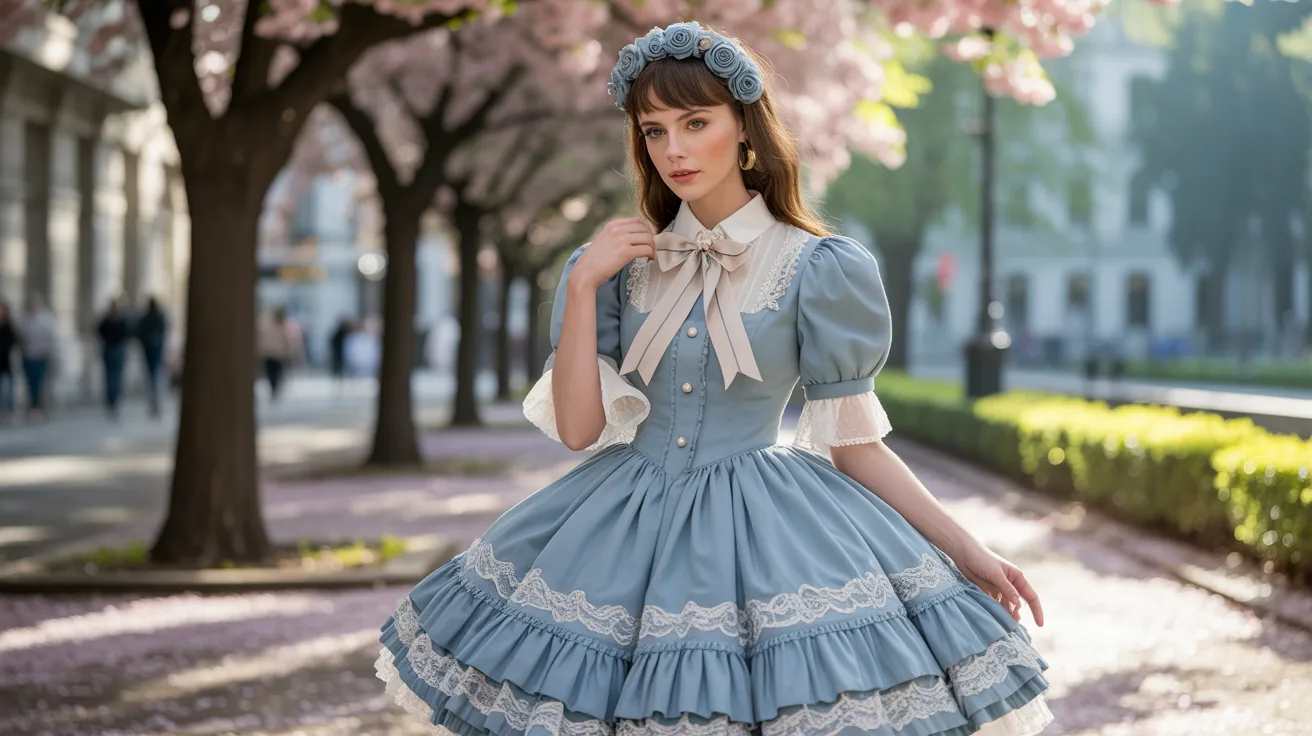
Lolita fashion is a clothing style that started in Japan. It features full skirts, layers of fabric, and detailed accessories like bows and lace.
It draws from Victorian and Rococo clothing but mixes in a doll-like, playful look. People who wear it often do so as a form of self-expression.
It is not about looking sexy. It is about creativity, craft, and dressing in a way that feels meaningful to the wearer.
What Is Lolita Fashion About?
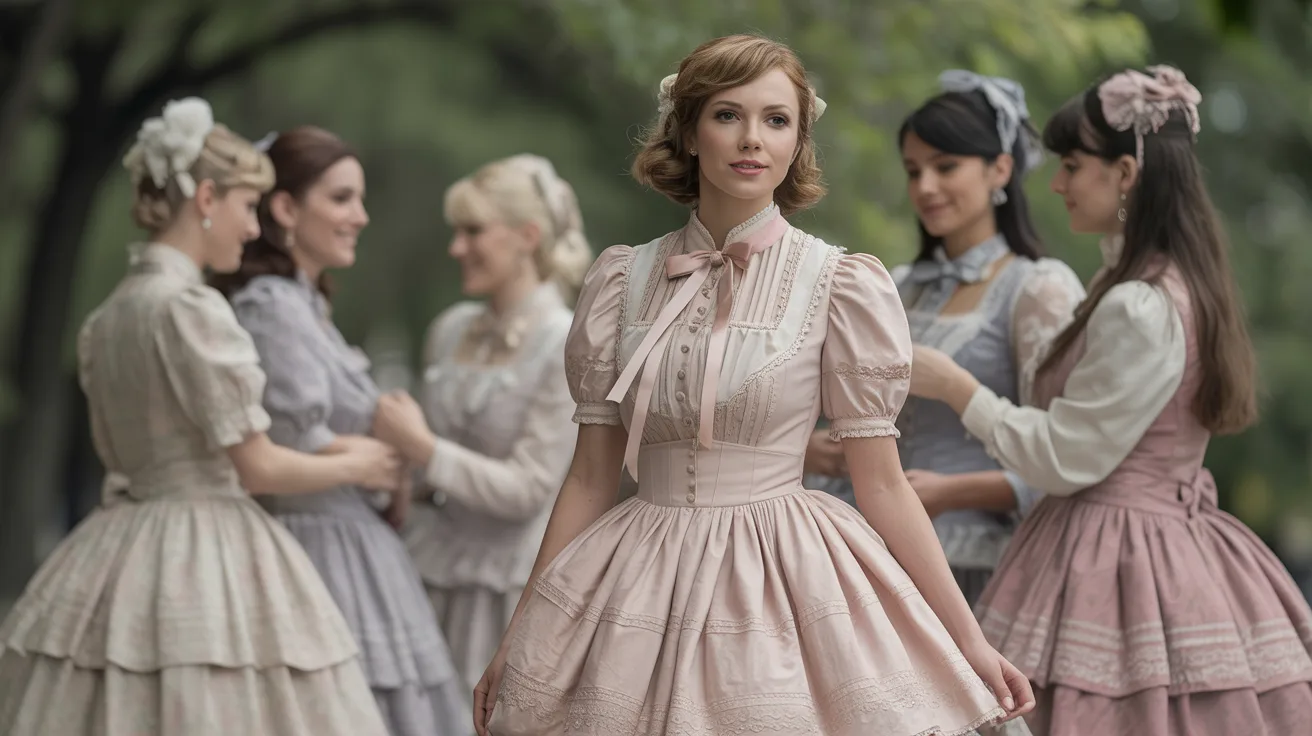
Lolita fashion goes deeper than clothing. It’s about identity, confidence, and community.
Dressing for Yourself, Not for Trends
Lolita fashion is personal. People who wear it are not trying to follow what’s popular. They wear what makes them feel good.
The focus is on your own comfort and creative choices, not on what others think. That mindset sets it apart from most mainstream fashion.
Modesty and Feminine Style
The silhouettes in Lolita fashion are covered and structured. Skirts fall below the knee. Blouses cover the arms.
The craftsmanship matters a lot. Stitching, fabric choice, and small details like buttons or ribbon trims are taken seriously. It’s clothing made with care and worn with intention.
Community and Subculture
Lolita fashion has a global following. There are meetups, online groups, and events around the world. It brings people together through shared creativity.
Many who wear it describe it as finding a group where they truly belong. It’s part fashion, part sisterhood, part shared passion.
What Is Lolita Fashion Style?
The style has a clear visual identity built around shape, layers, and carefully chosen pieces.
Signature Silhouette
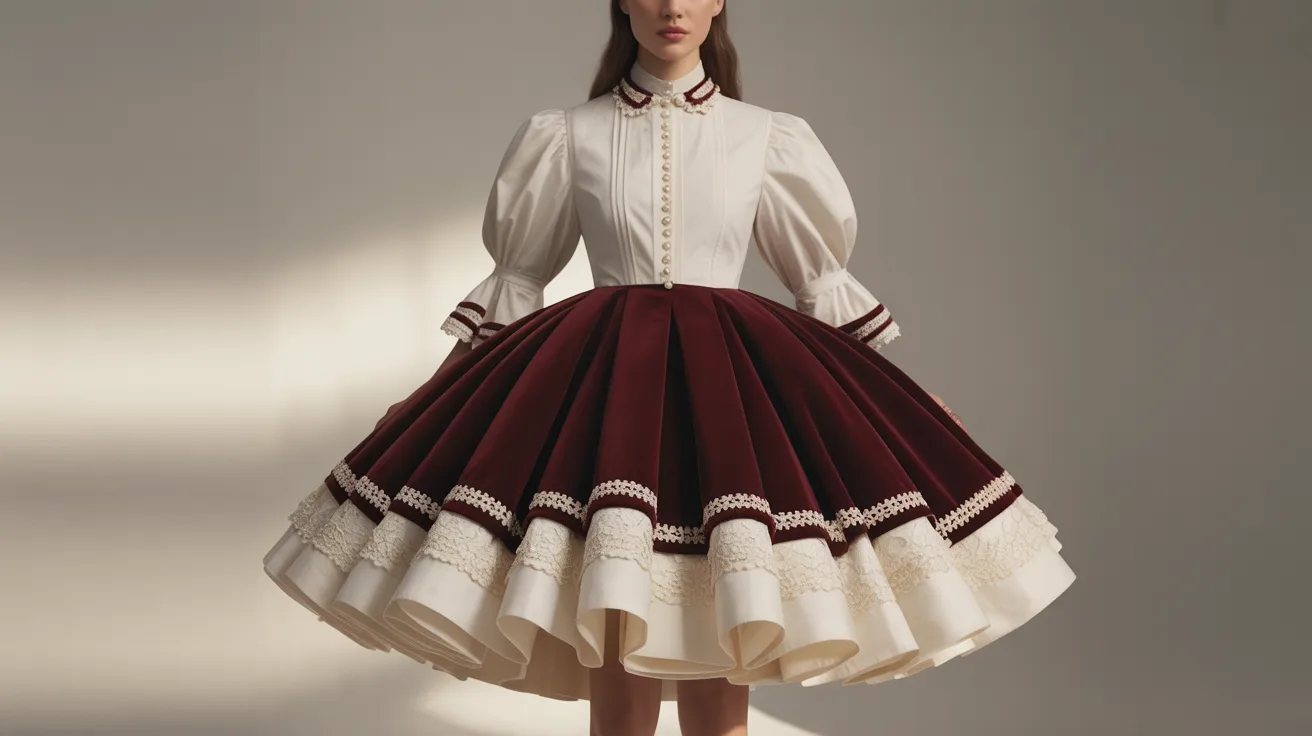
The most recognizable part of Lolita fashion is the skirt. It is either bell-shaped or A-line, and it stands out because of the petticoat worn underneath.
The petticoat adds volume and gives the skirt its full, rounded shape. Without it, the look doesn’t work the same way.
Key Clothing Pieces
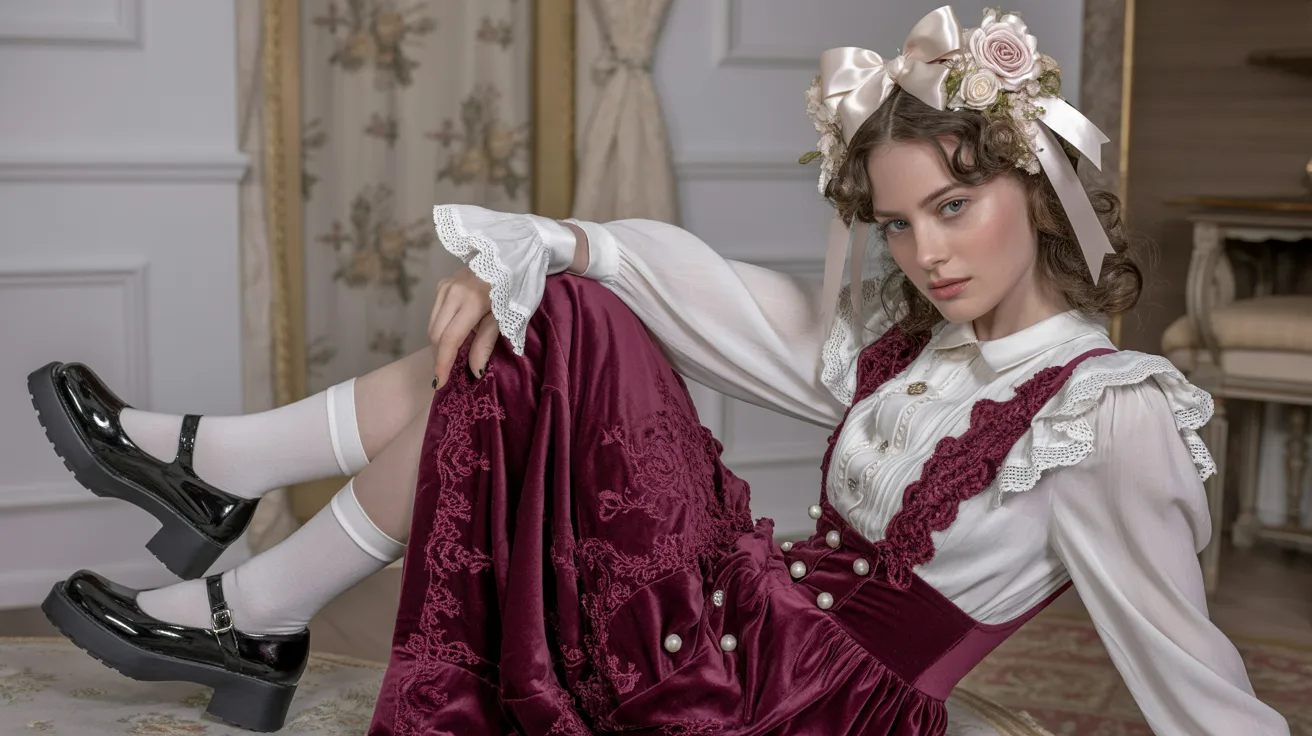
A standard Lolita outfit includes several specific items. A blouse with lace or ruffles is worn on top. The main piece is usually a jumper skirt or a one-piece dress.
Over-the-knee socks or tights are common on the bottom. Shoes are rounded at the toe, often with a small heel or platform.
Hair accessories like bows or headdresses complete the look.
What Is Lolita Fashion Based On?
Lolita fashion pulls from history, storytelling, and the streets of Tokyo.
Rococo and Victorian Fashion
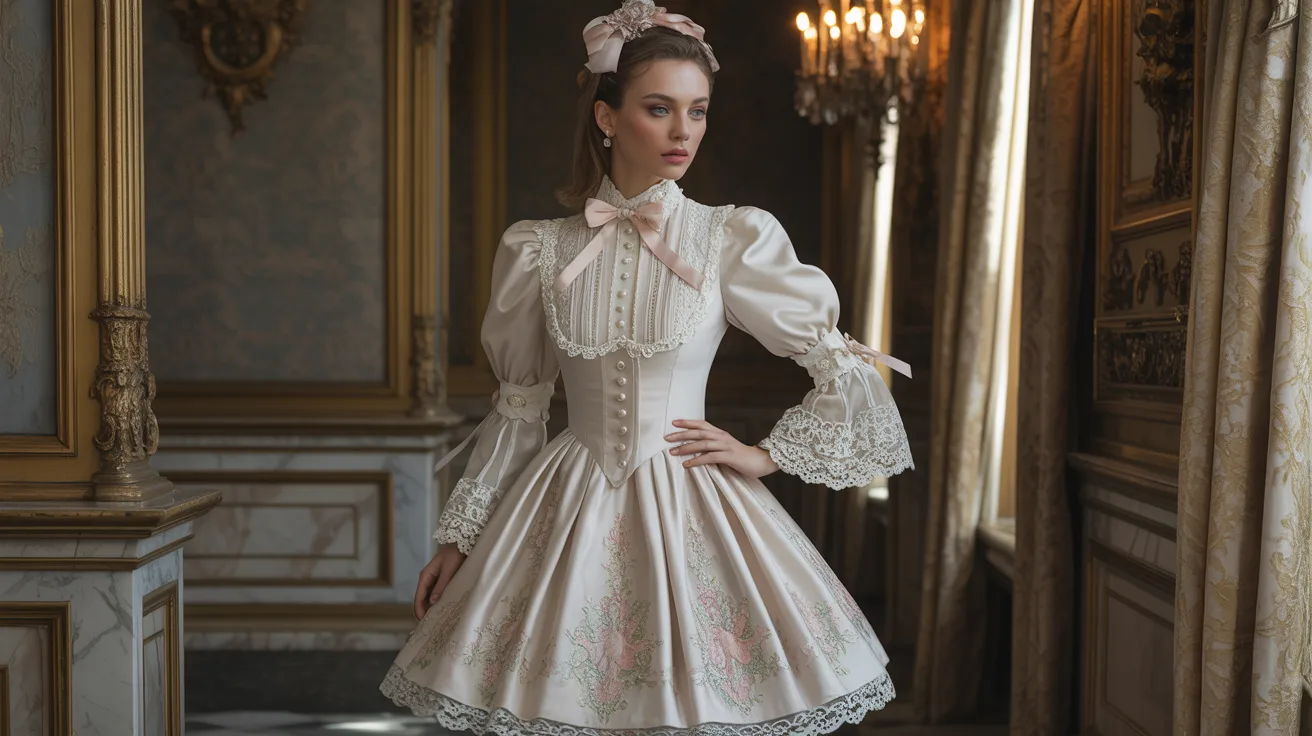
The biggest historical influence is European aristocratic clothing. Rococo and Victorian styles are known for their structured shapes, layered garments, and ornate decoration.
Lolita fashion takes those ideas and builds something new from them. The connection is visible in the full skirts, high necklines, and attention to fabric and trim.
Fairy Tales and Children’s Literature
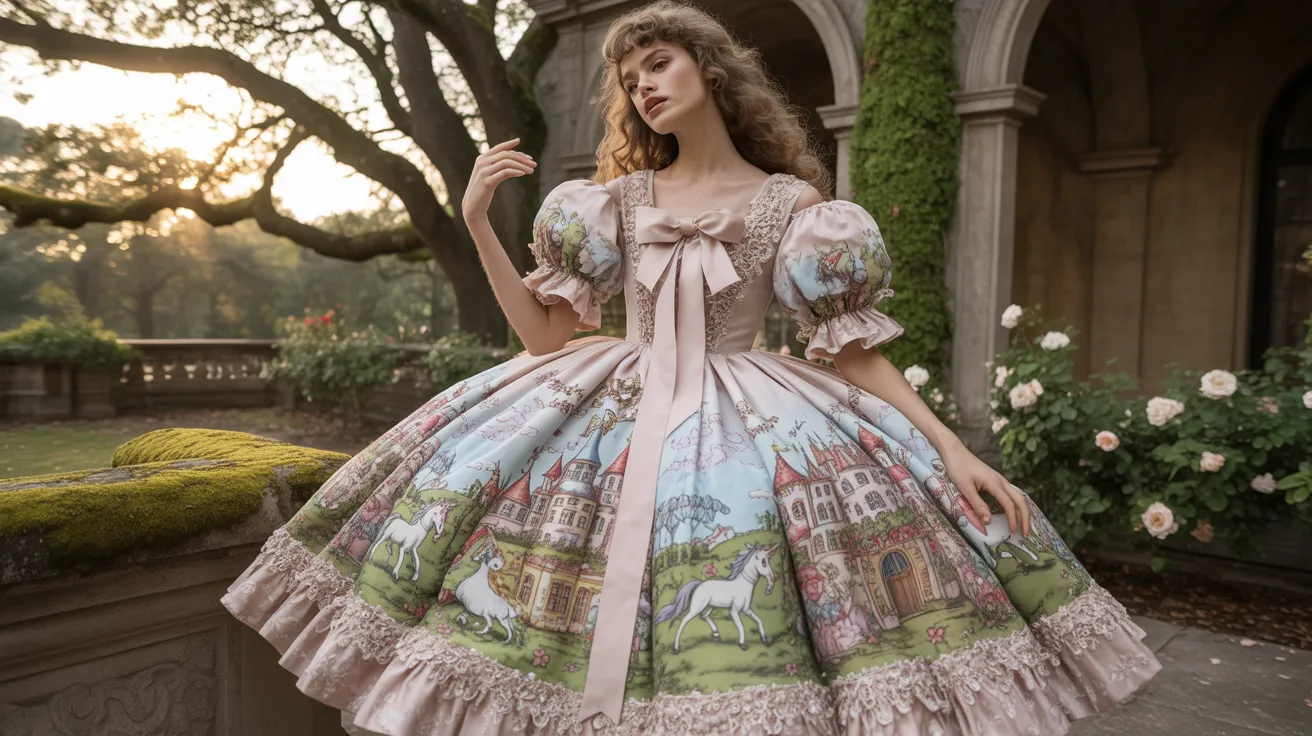
There’s a doll-like quality to many Lolita outfits. Prints often feature storybook themes — castles, animals, sweets, and fantasy scenes.
This isn’t about being childish. It’s about holding onto imagination and using clothing to tell a visual story.
Japanese Street Culture
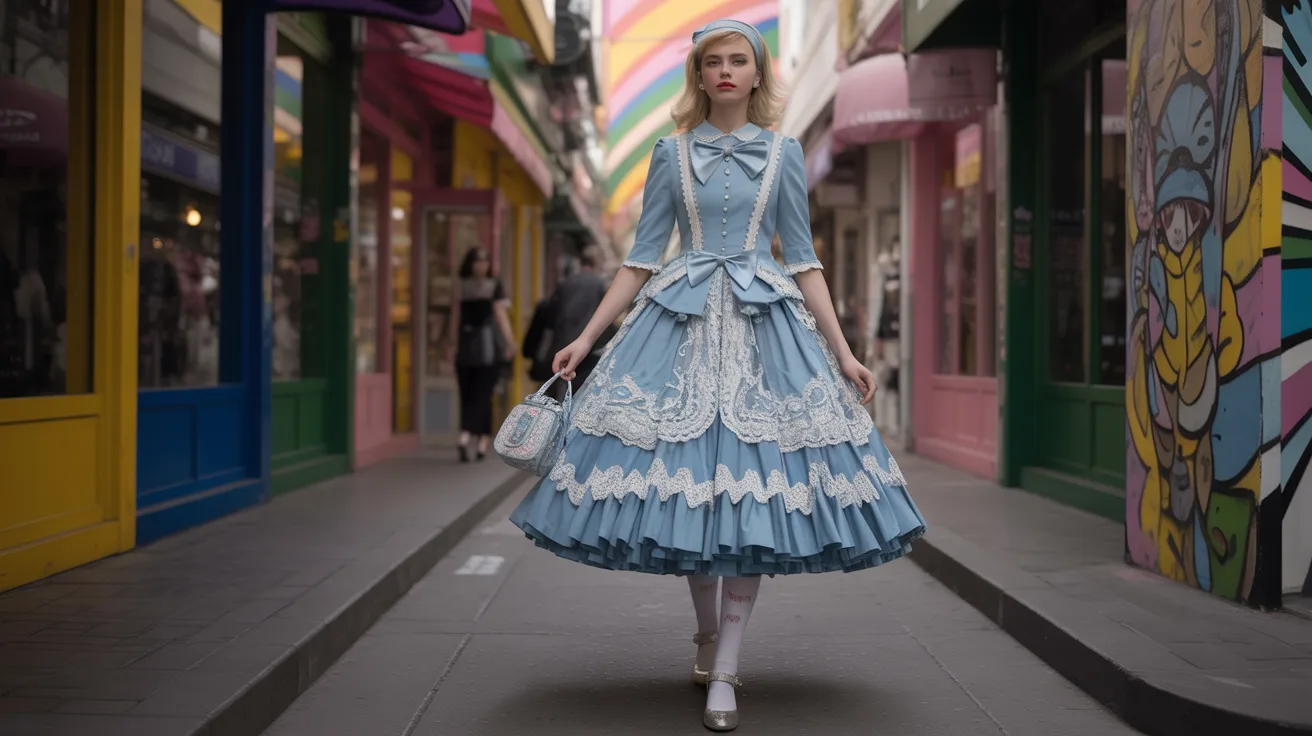
Lolita fashion grew out of Tokyo’s Harajuku district. It developed from the 1970s onward as young people in Japan started experimenting with personal style outside of mainstream fashion.
Harajuku became a space where people could wear almost anything without judgment. Lolita fashion found its roots there.
What Is Lolita Fashion Inspired By?
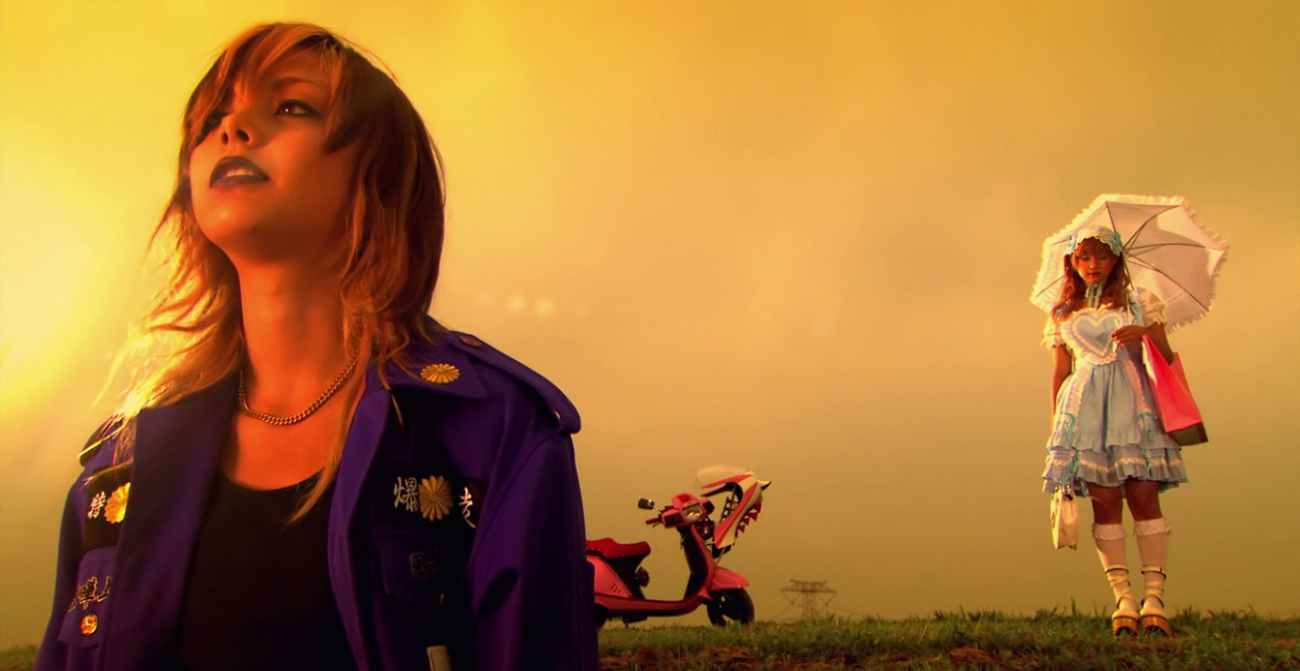
Two major forces shaped the look and spread of Lolita fashion.
Historical European Art and Design
Romanticism heavily influenced Lolita fashion. The decorative detail, soft colors, and structured forms found in European art from the 1700s and 1800s fed directly into the visual style.
Designers looked back at history and brought pieces of it into a modern, wearable form.
Japanese Designers and Brands
One brand stands above the rest in Lolita fashion history. Baby, The Stars Shine Bright helped define what Lolita fashion looked and felt like.
The 2004 film Kamikaze Girls introduced it to a much wider audience. After that, the subculture grew quickly both in Japan and internationally.
What Is Lolita Fashion Dress to Impress?
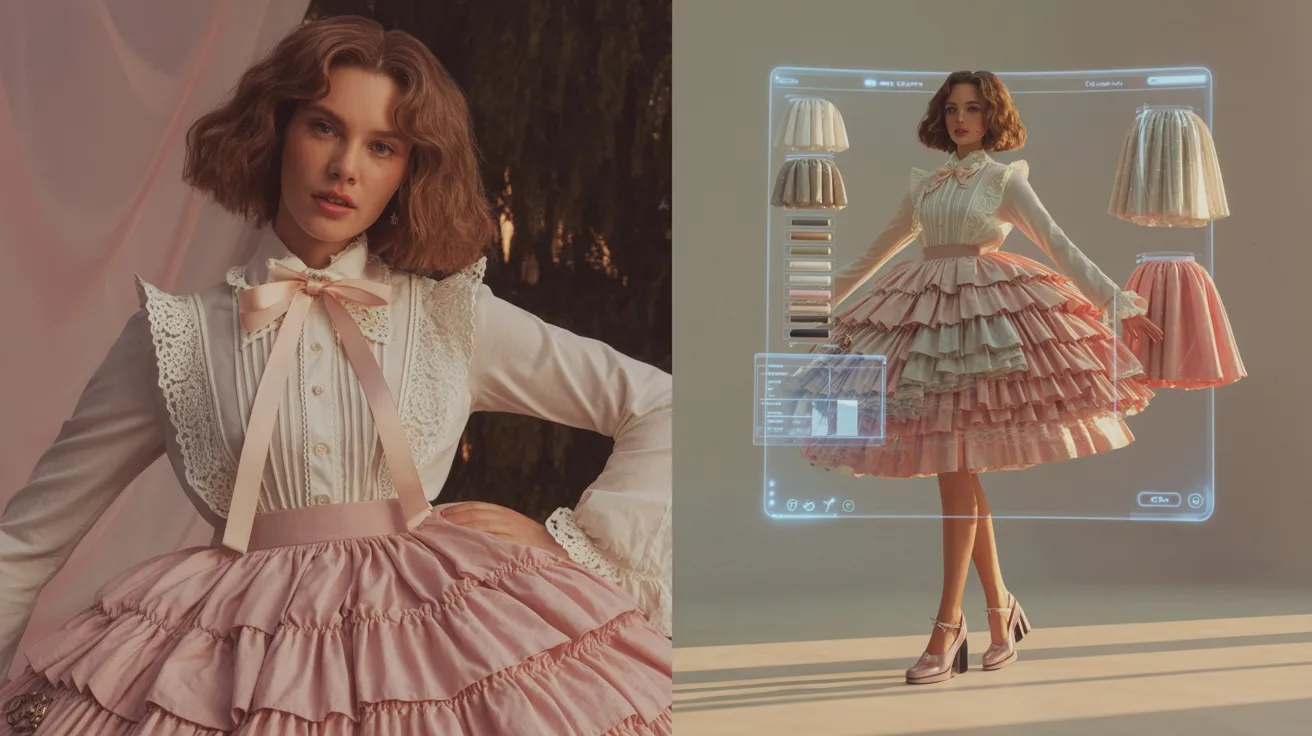
“Dress to impress” takes on a different meaning in Lolita fashion.
Dressing for Personal Satisfaction
In most fashion spaces, “dress to impress” means dressing for other people. In Lolita fashion, it’s the opposite. The goal is to impress yourself.
Confidence comes from wearing something you built with intention. It’s about how the clothes make you feel, not how they make you look to strangers.
Lolita Fashion in Styling Games
In games like Dress to Impress, players recreate Lolita-inspired looks digitally. The key markers are easy to spot: a puffy, layered skirt, bows, lace accents, and rounded shoes.
Even in game form, the style holds its visual identity. It shows how recognizable and consistent the look has become across different spaces.
Is Lolita Fashion Related to the Novel Lolita?
This is one of the most common questions. The answer is no.
Clearing the Confusion
Lolita fashion has no connection to Vladimir Nabokov’s novel. The novel deals with deeply troubling themes. The fashion subculture does not.
The two share a name and nothing else. Many people within the Lolita fashion community are aware of the confusion and actively work to separate the two.
The fashion came out of Japan’s street culture, not from Western literature.
What Is Lolita Fashion Today?
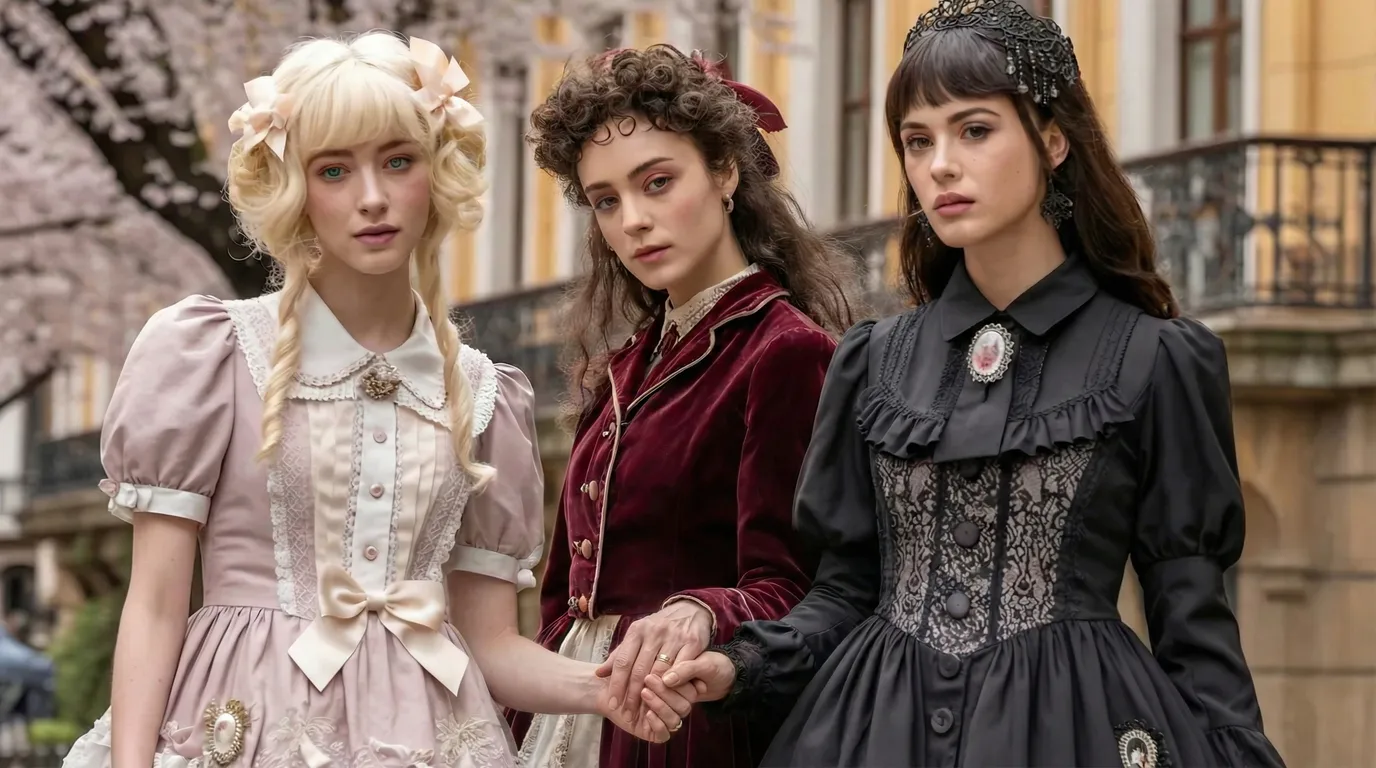
The subculture is alive, active, and growing in many parts of the world.
Popular Substyles
Lolita fashion has several substyles that people wear today.
Sweet Lolita uses pastel colors, playful prints, and lots of bows. It has the most doll-like look.
Classic Lolita leans into the historical side. Colors are more muted. The look is more structured and refined.
Gothic Lolita uses dark colors like black and deep purple. It mixes the Lolita silhouette with gothic details. Each substyle has its own community and visual rules.
Global Influence
Lolita fashion is no longer just Japanese. Designers in North America, Europe, and across Asia now create Lolita-inspired clothing.
Online communities connect wearers across time zones. Conventions, photoshoots, and local meetups happen regularly.
What started in one neighborhood in Tokyo now has a global home.
Conclusion
I think what I find most interesting about Lolita fashion is how intentional it is. Every piece has a reason. Every outfit tells something about the person wearing it.
If this post helped you understand it better, I’d love to hear your thoughts. Drop a comment below and let me know what you think.
Have you ever seen someone wearing Lolita fashion in person? Or maybe you wear it yourself?
Share this post if someone you know has been curious about it. And check out our other style guides for more deep dives like this one.
Frequently Asked Questions
Is Lolita fashion only worn in Japan?
No, it is not. Lolita fashion has spread across the world. Active communities exist in the United States, Europe, South America, and beyond.
Can anyone wear Lolita fashion?
Yes. Lolita fashion is not limited by age, body type, or background. Anyone who connects with the style and respects its roots is welcome to wear it.
Is Lolita fashion expensive?
It can be. Brand pieces from well-known Japanese labels often cost a lot. However, many people find affordable options through secondhand markets or indie sellers.
How do you start wearing Lolita fashion?
Start by learning the basic silhouette and rules of the substyle you like most. Then build your wardrobe slowly. Online communities are a great place to get guidance from experienced wearers.
What is the difference between Sweet, Classic, and Gothic Lolita?
Sweet Lolita focuses on pastels and playful prints. Classic Lolita uses muted tones and historical details. Gothic Lolita uses dark colors and mixes the Lolita silhouette with darker design elements.