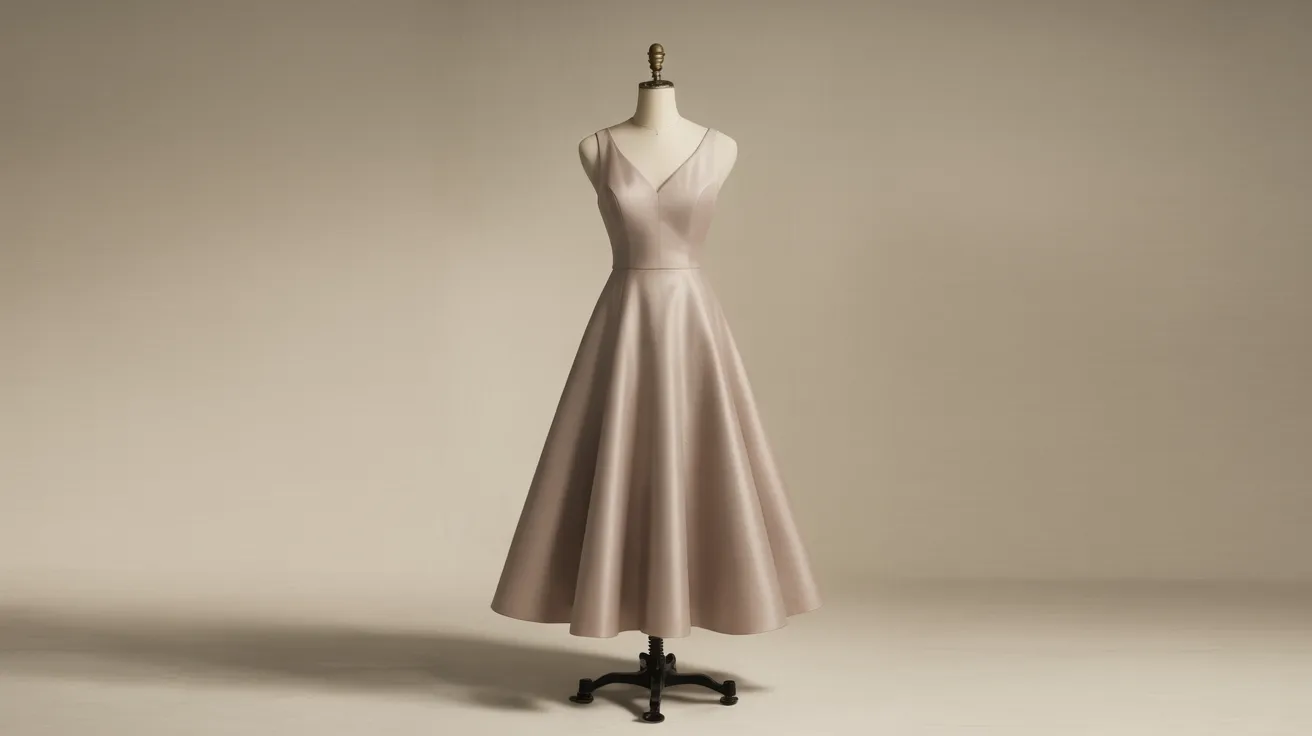
I have styled and written about fashion for years, and one question keeps coming up: what exactly is an A-line dress and how do you wear it well?
In this guide, I break it all down for you. We will cover what makes this silhouette work, the best fabrics and lengths to know, and how to style it for any occasion.
I will also share fit tips so you can shop smarter. By the end, you will know exactly what to look for.
What Is an A-Line Dress?
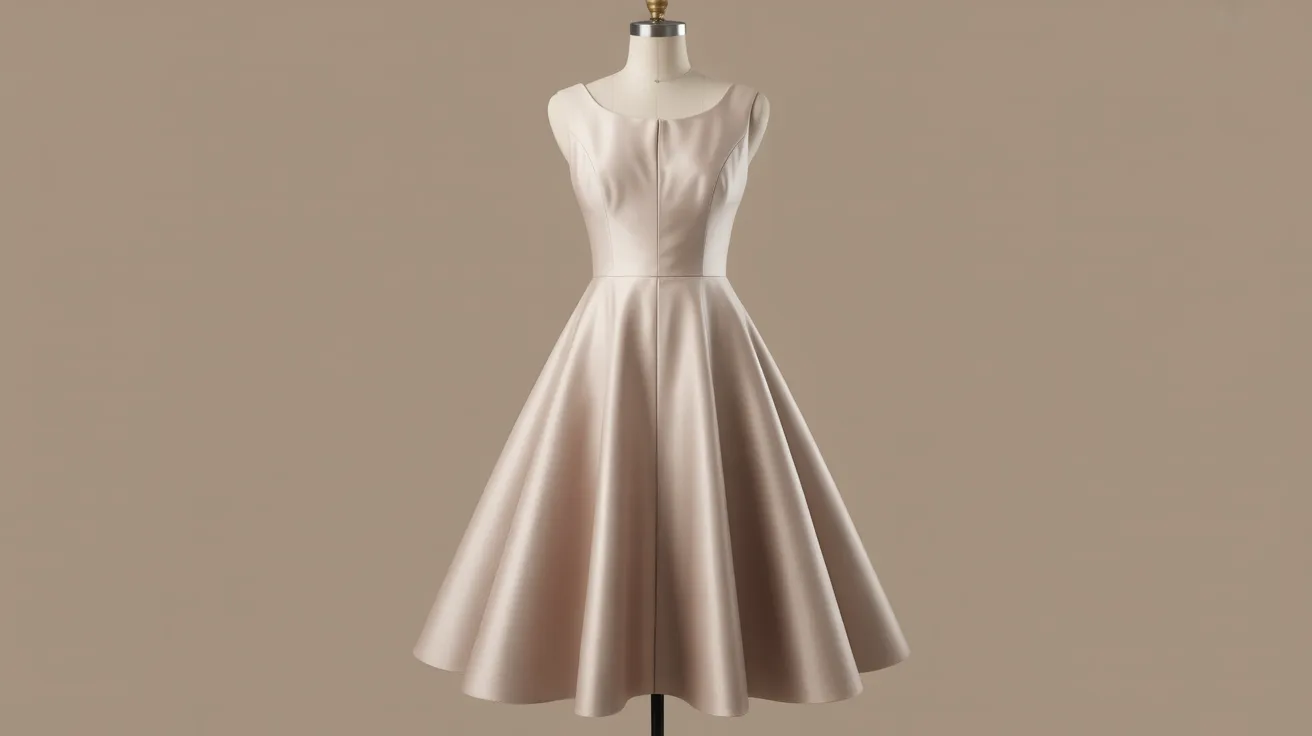
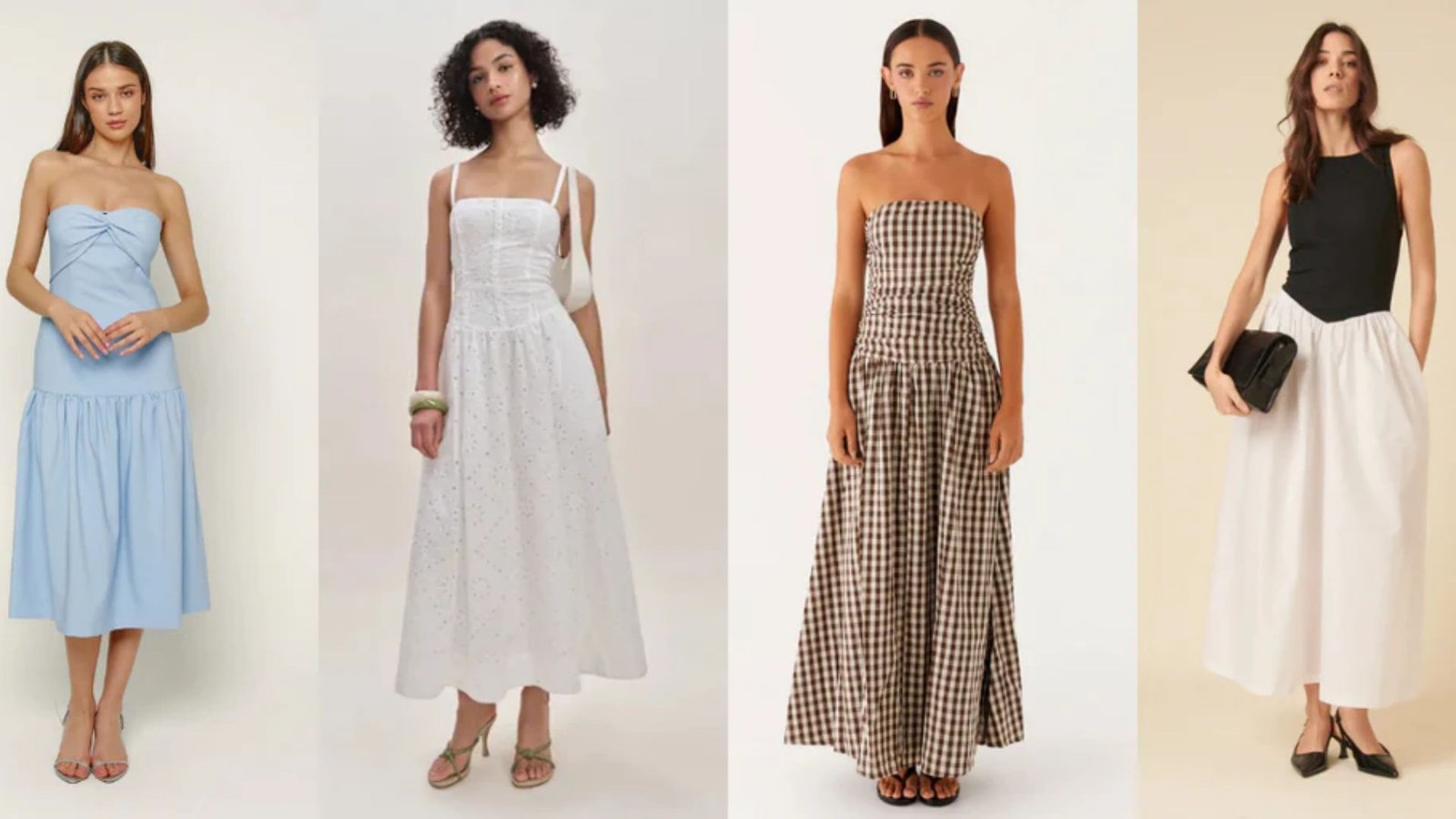
An A-line dress is fitted at the top and gradually flares out toward the hem, forming the shape of the letter “A.”
It sits snug at the waist and chest while widening at the hips and skirt. This cut works across casual and formal settings.
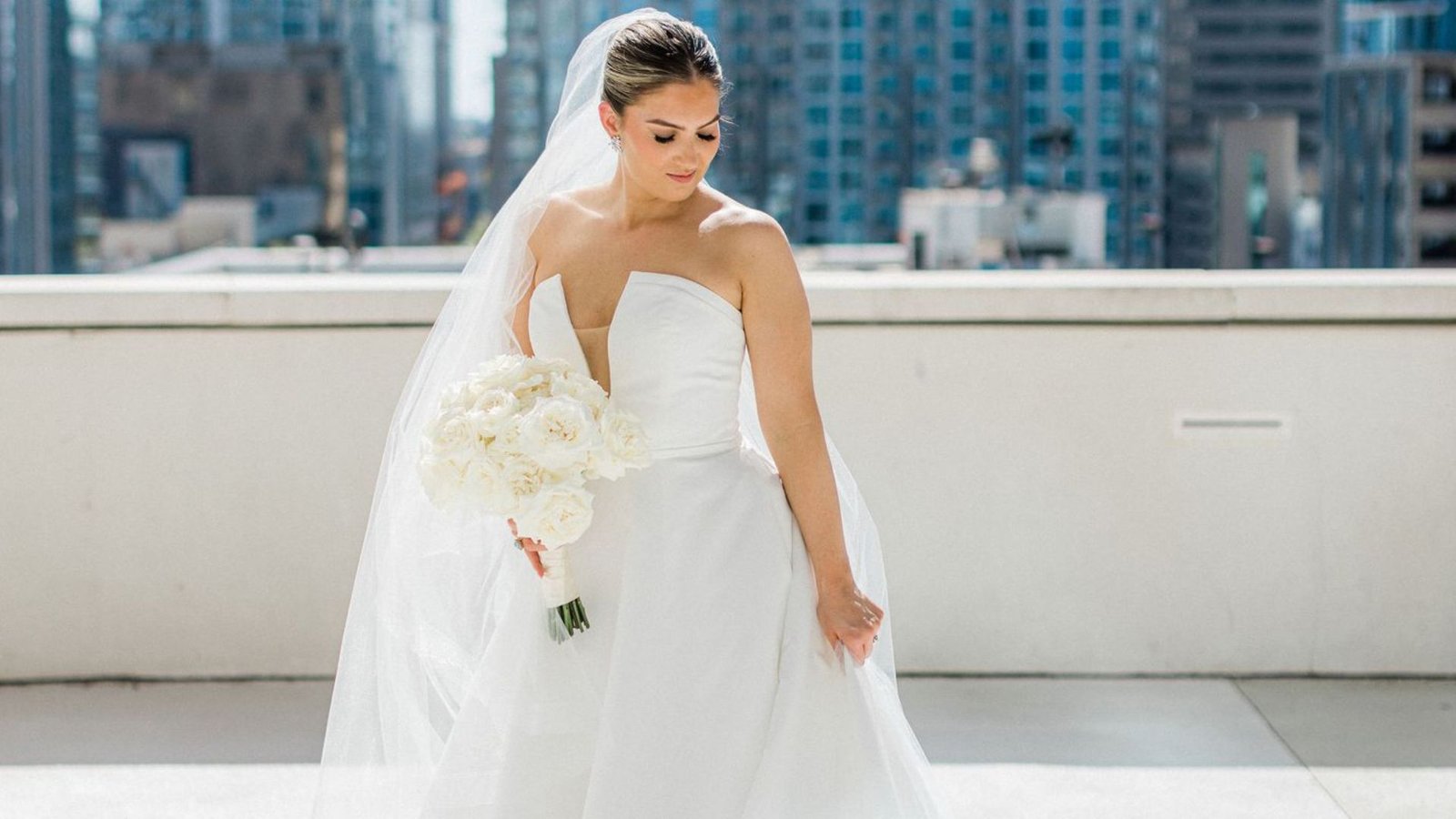
You can find it in everything from sundresses to bridal gowns. It is one of the most widely worn silhouettes in women’s fashion for good reason.
Why A-Line Dresses Are So Flattering
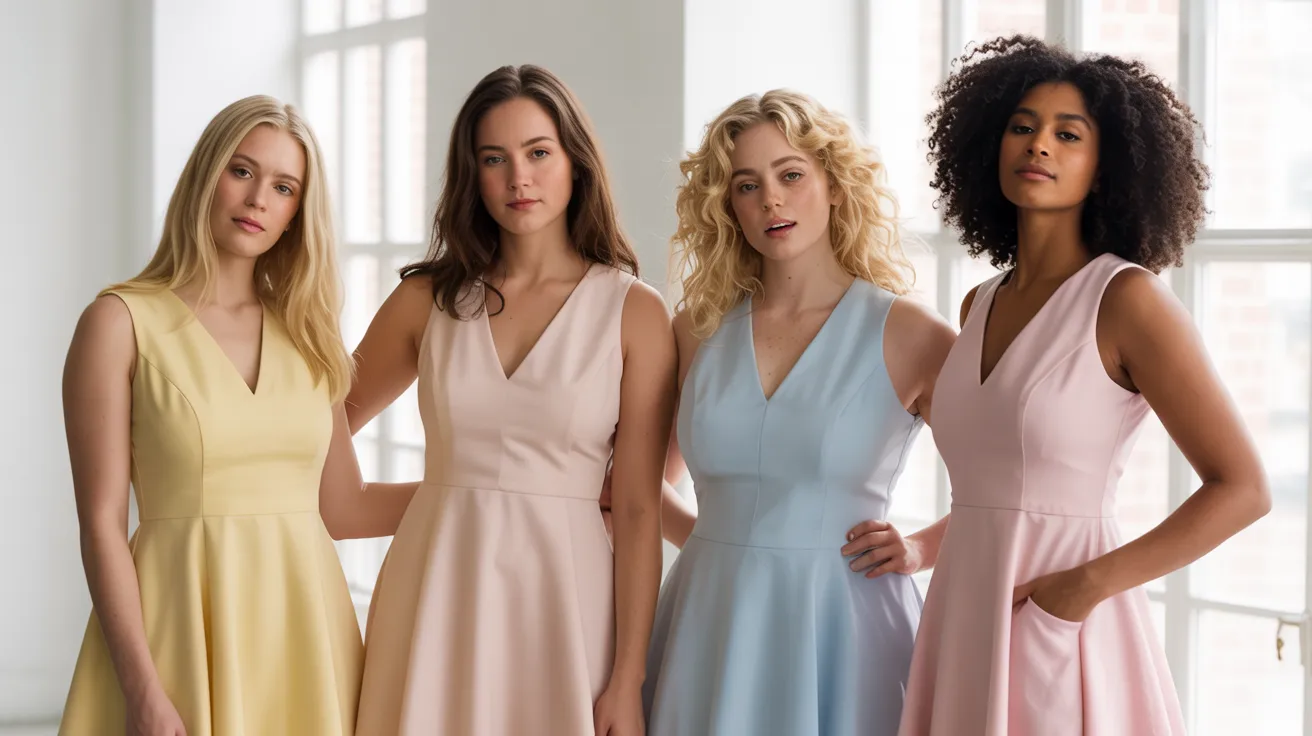
The A-line silhouette works hard so you don’t have to.
Works for Most Body Types
The A-line shape naturally balances proportions by drawing the eye upward while the flared skirt skims over the hips and thighs.
It does not cling or constrict. The result is a clean, balanced look that flatters a wide range of body shapes without much effort.
Comfort and Ease of Movement
This silhouette offers a structured yet relaxed fit that holds its shape without feeling stiff. You get enough room to move freely throughout the day.
It is a solid choice for long events, workdays, or any occasion where comfort matters just as much as the look.
Common Fabrics Used in A-Line Dresses
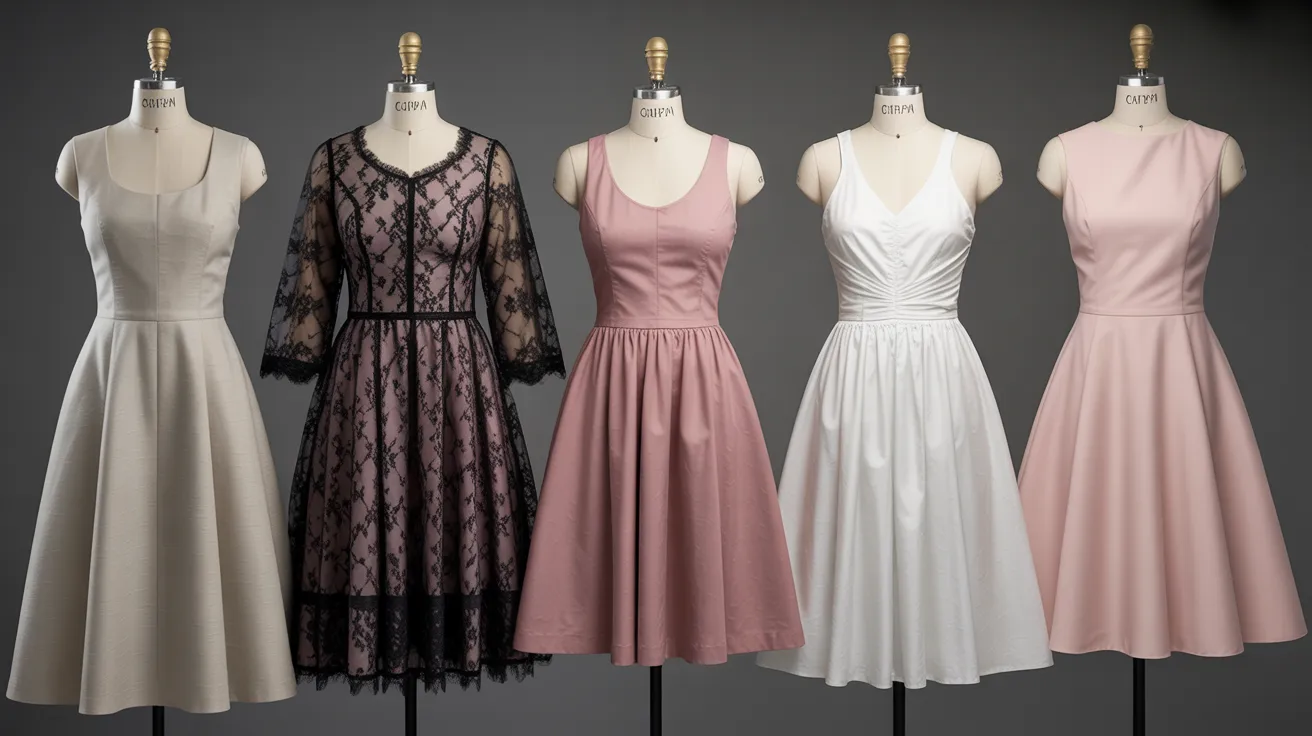
The fabric you pick changes how the dress looks, feels, and wears.
Casual Fabrics:
These are lightweight, breathable options that work well for everyday wear.
- Cotton
- Linen
- Jersey
Dressy Fabrics:
These fabrics add a polished, elevated feel perfect for special occasions.
- Chiffon
- Satin
- Lace
Structured Fabrics:
These hold their shape well and give the dress a more defined, put-together silhouette.
- Scuba
- Ponte
- Taffeta
A-Line Dress Lengths Explained
The length of your A-line dress changes the whole vibe of your outfit.
Mini

A mini A-line hits above the knee and gives off a fun, youthful energy. It works great for casual outings, summer days, or parties.
Pair it with sneakers for a relaxed feel or heels to dress it up. It is bold, breezy, and easy to style without overthinking.
Knee-Length
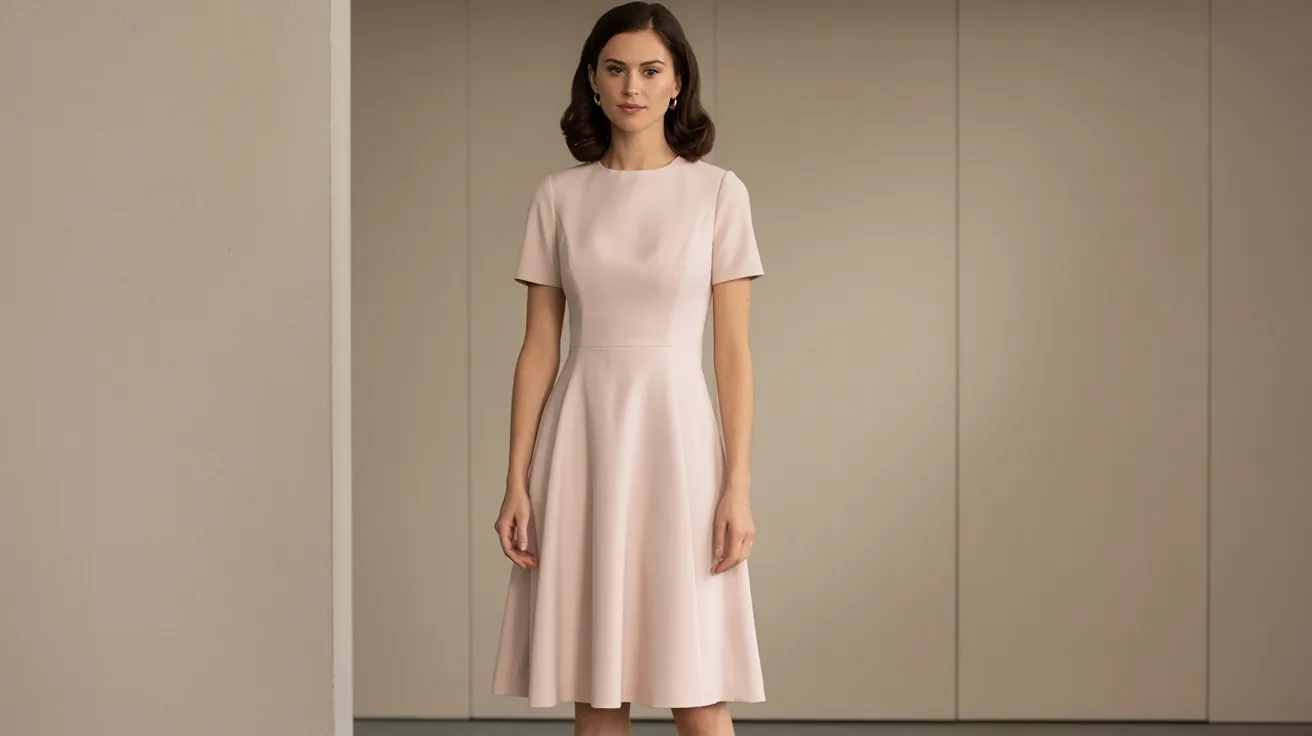
The knee-length A-line is the most classic option in this silhouette. It suits almost every occasion, from office wear to weekend plans.
This length is especially flattering because it cuts at a slimming point on the leg. It is versatile, polished, and always a safe pick.
Midi
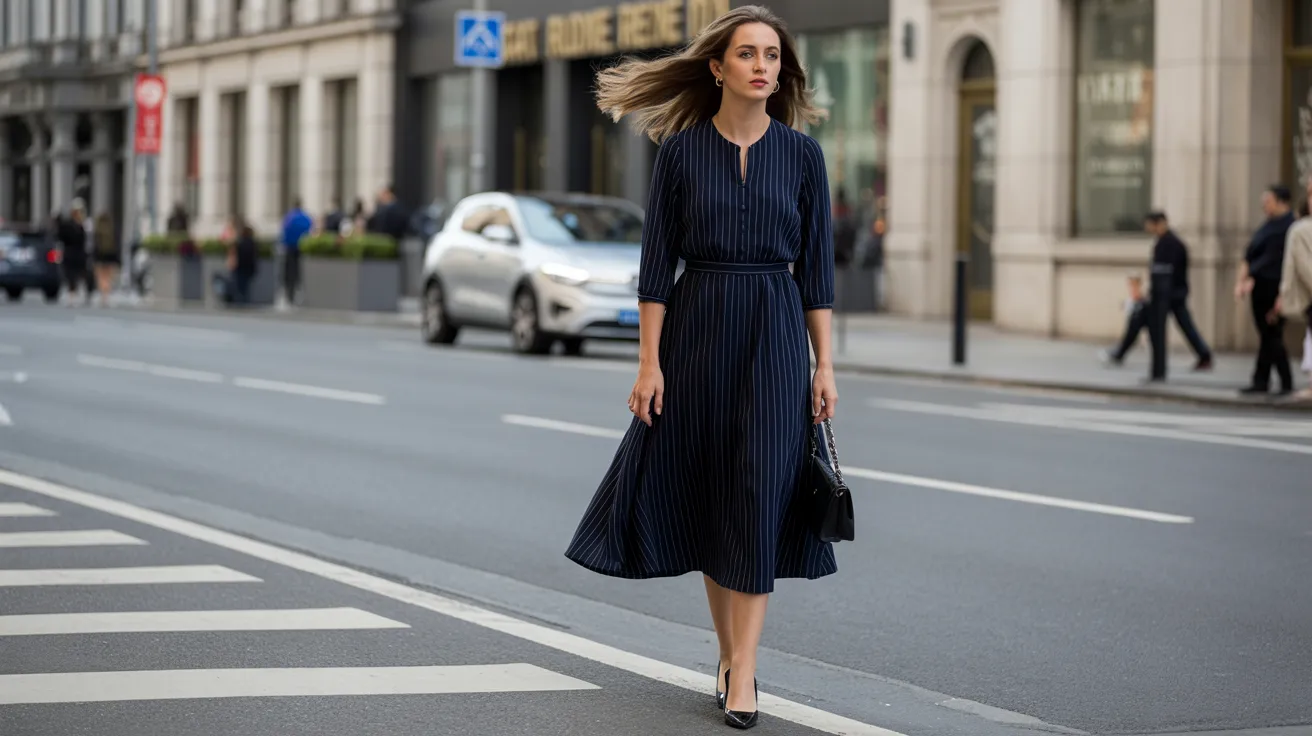
A midi A-line falls between the knee and ankle. It looks modern and put-together without trying too hard.
This length works well with ankle boots, block heels, or strappy sandals. It is a great choice when you want something that reads a little more grown-up and intentional.
Maxi
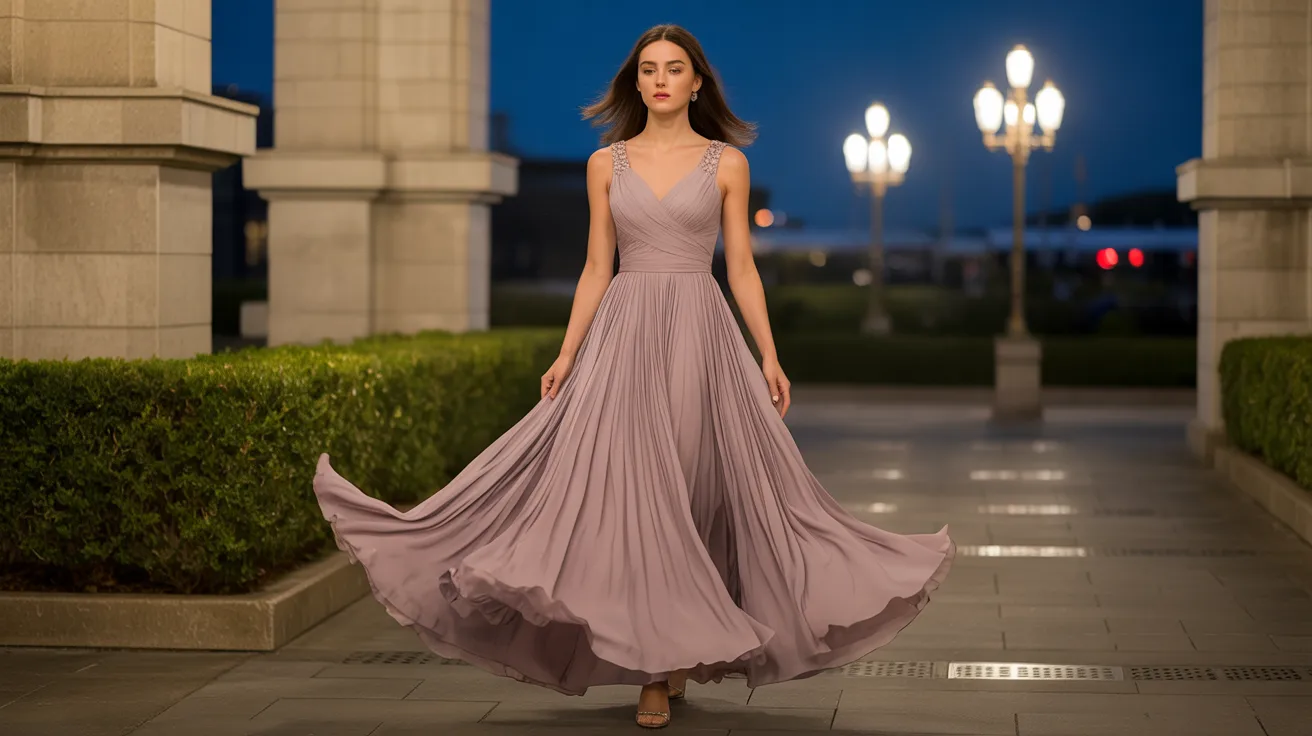
The maxi A-line is the most formal of the four lengths. It flows down to the floor and works beautifully for weddings, galas, or evening events.
The added length gives it a graceful, dramatic feel. Choose lighter fabrics for warmer seasons and heavier ones for cooler months.
How to Choose the Right A-Line Dress for Your Body Type

Picking the right cut for your shape makes a big difference in how the dress sits on you.
How to Style an A-Line Dress
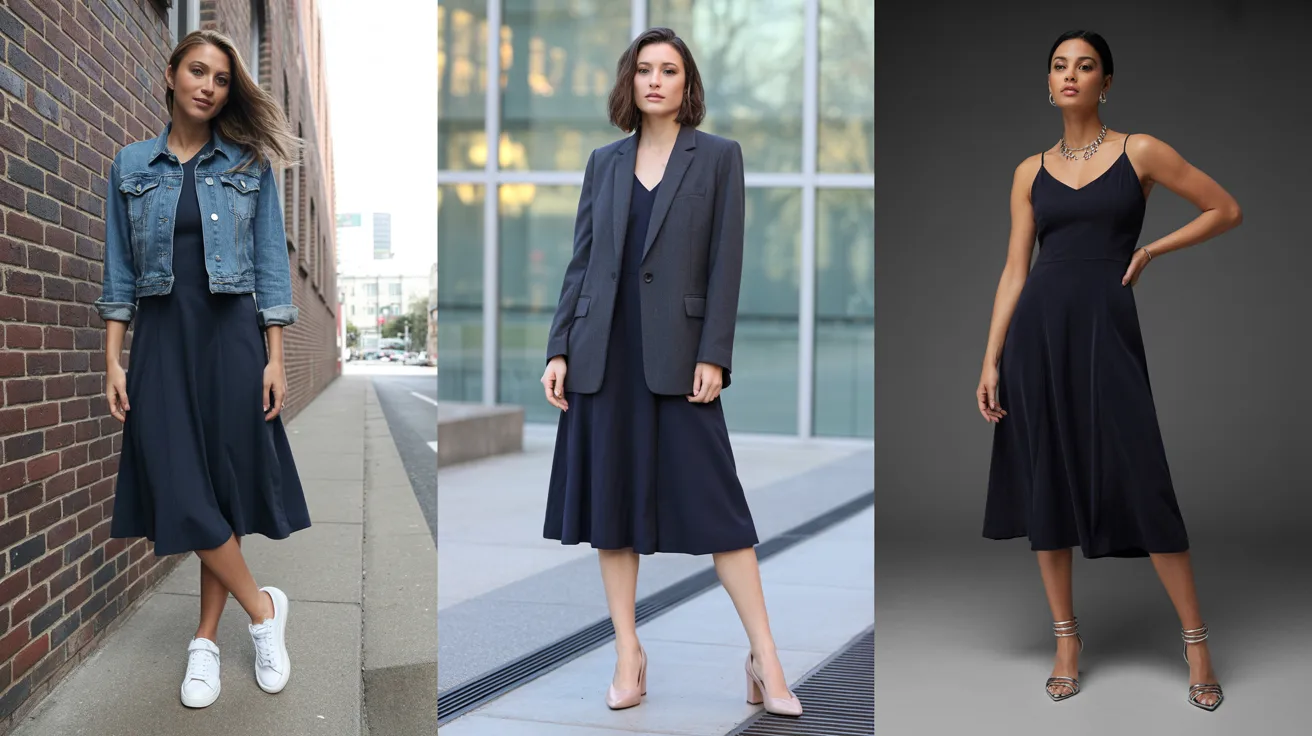
How you style your A-line dress can completely shift the mood of your outfit.
Casual Looks
Keep it light and easy. Pair your A-line dress with white sneakers or simple flats. Skip the heavy accessories.
A small crossbody bag and a denim jacket are all you need. This kind of outfit is low-effort but still looks put together for errands, brunch, or a day out.
Workwear Looks
Add a fitted blazer over your A-line dress for an instant office-ready outfit. Go with low block heels or pointed-toe flats.
A structured tote or shoulder bag pulls the look together. Stick to solid colors or subtle prints if you want it to read more professional.
Dressy and Formal Looks
Opt for a satin, lace, or chiffon A-line for evening events. Add heels and one bold accessory, like a statement necklace or embellished clutch.
Keep the rest of the look simple. Let the dress and one standout piece do the work.
Fit Tips for the Perfect A-Line Dress
These five checks will help you figure out if a dress truly fits before you buy it.
- Check the shoulder seams first. They should sit right at the edge of your shoulder, not drooping or pulling inward.
- The waist should feel comfortable, not tight. A-line dresses work best when the waist fits well without digging in.
- Look at how the skirt falls. It should flare out evenly from the hips without bunching or pulling at the sides.
- Pay attention to the bust fit. If it gaps or pulls, try sizing up and getting it taken in at the waist if needed.
- Move around before you commit. Sit down, walk a few steps, and make sure the hem stays in place and the silhouette holds.
Conclusion
I have always had a soft spot for A-line dresses. They are the kind of piece you reach for when you want to look good without much effort.
Once I found the right length and fabric for my shape, getting dressed became a lot less stressful.
I hope this guide helps you feel the same way. If you found it useful, drop a comment below and let me know your favorite way to wear an A-line dress.
Share this post with a friend who loves fashion too!
Frequently Asked Questions
What makes an A-line dress different from other silhouettes?
An A-line dress is fitted at the top and widens toward the hem. Unlike bodycon or straight-cut styles, it does not hug the lower body. This makes it a more relaxed and universally flattering option.
Can I wear an A-line dress to a formal event?
Yes, you can. A maxi or midi A-line in a dressy fabric like satin or chiffon works well for formal occasions. Pair it with heels and minimal jewelry for a polished look.
Is an A-line dress good for petite women?
It is a great option for petite frames. Shorter lengths like mini or knee-length work especially well. Avoid too much volume in the skirt, as it can overwhelm a smaller frame.
How do I know if an A-line dress fits correctly?
The bodice should fit smoothly without pulling or gaping. The skirt should flare evenly from the hips. If the waist feels tight or the hem is uneven, the fit needs adjusting.
What shoes go best with an A-line dress?
It depends on the occasion. Sneakers and flats work for casual looks. Block heels or pointed flats suit workwear. Strappy heels or wedges are ideal for dressy and evening outfits.