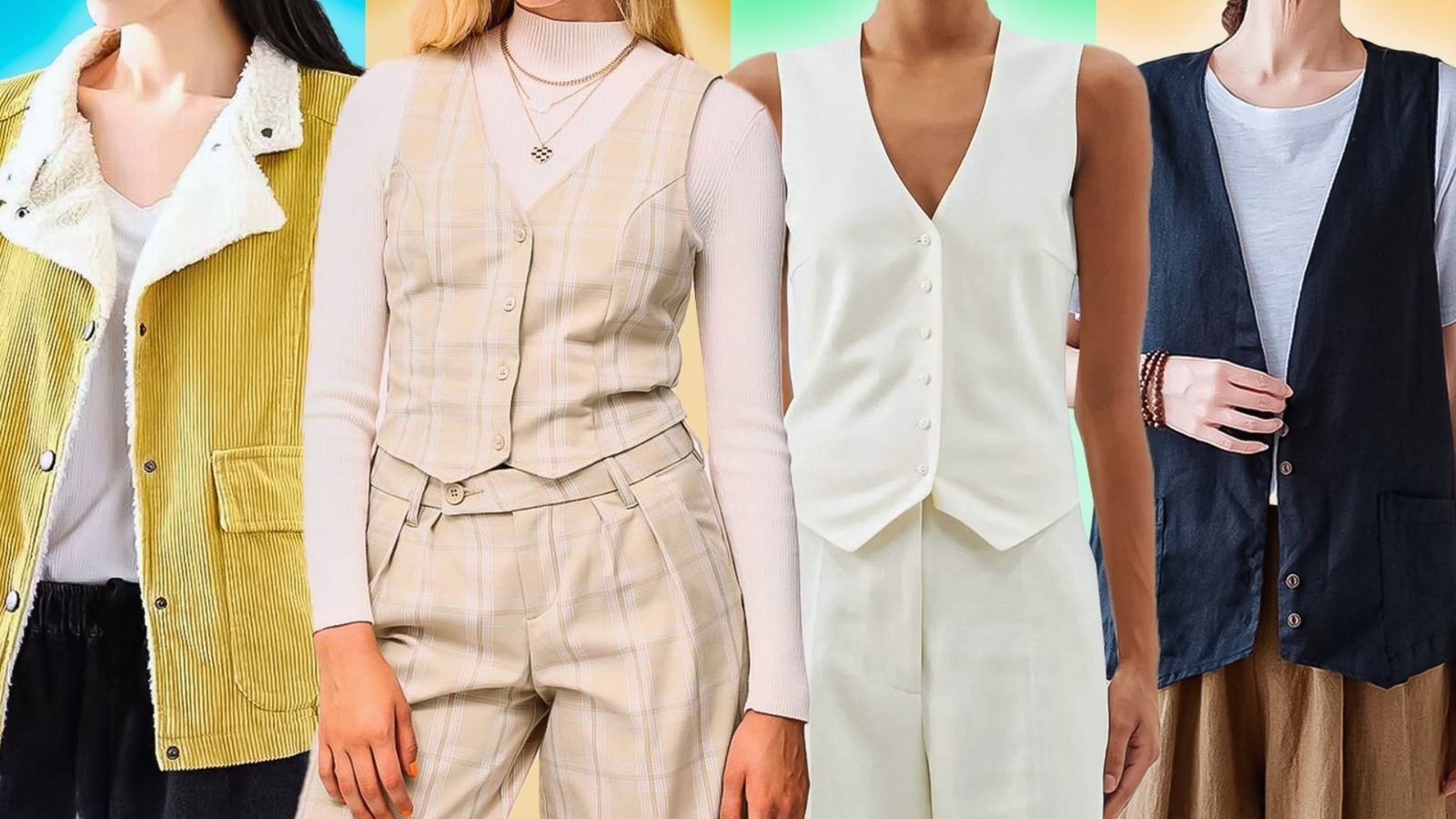
Honest confession. I once showed up to a formal event in the wrong piece because I mixed up my waistcoat vs vest.
It was awkward, and I wished someone had just explained the difference clearly.
If you’ve ever been unsure which one to reach for, this post is for you. I’ve covered fashion long enough to know this question trips up a lot of people.
Here I break down what each piece is, what it means across different cultures, and how to style both the right way.
By the end, you’ll never mix them up again.
What Is a Waistcoat?
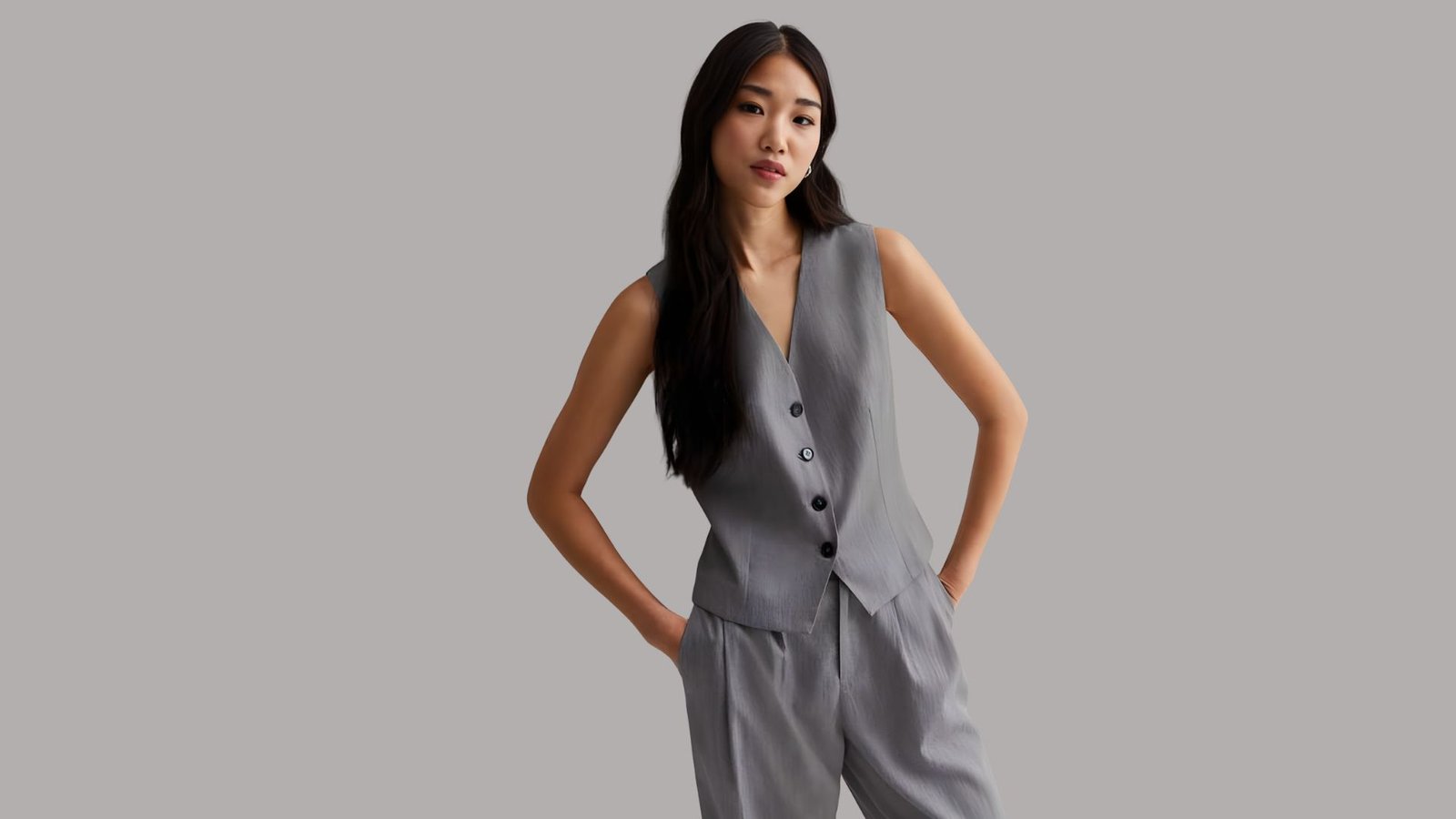
A waistcoat fits close to the body and gives any outfit a sharp, polished look. Most waistcoats have a V-neckline, front buttons, and small chest pockets.
They’re made from fabrics like wool, tweed, or silk. You’ll find them at weddings, formal dinners, and office settings.
I think of a waistcoat as the piece that quietly makes an outfit feel complete. It adds structure without being too loud or overdone.
What Does “Waistcoat” Mean in Different Cultures?
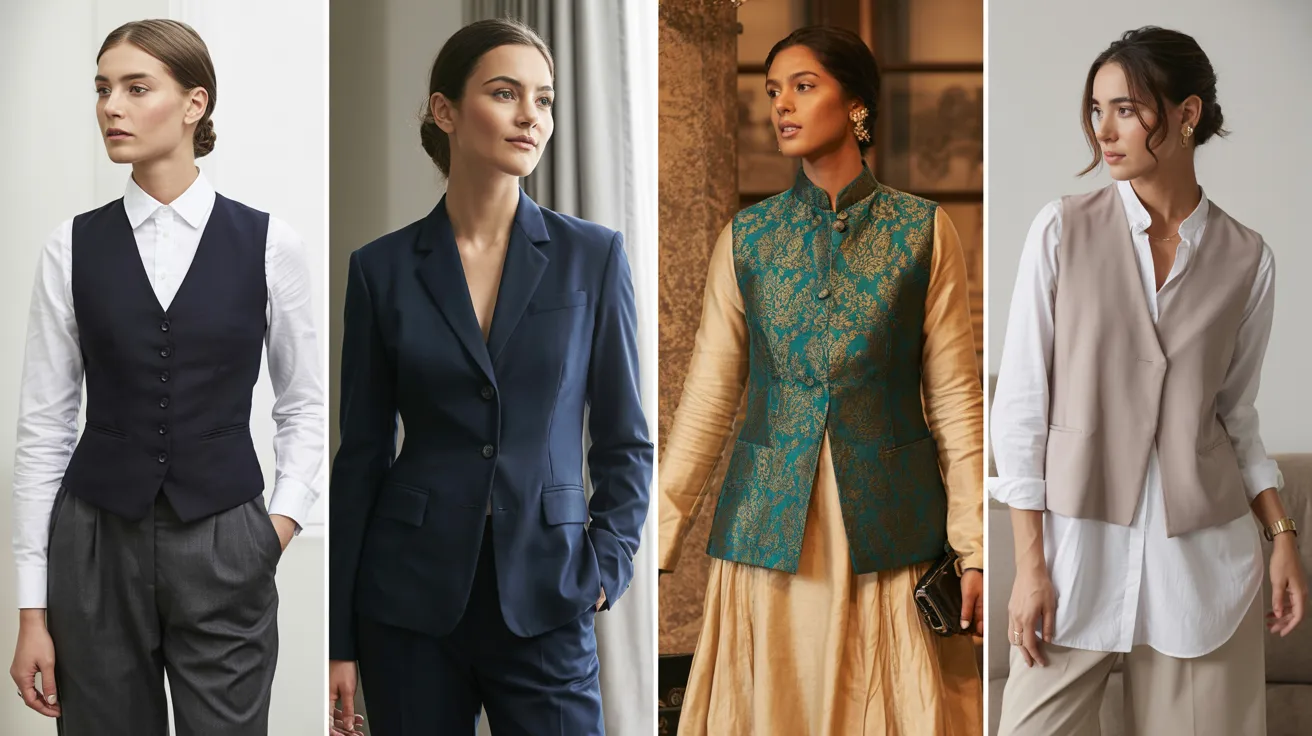
“Waistcoat” comes from British English. In the UK, India, and most Commonwealth countries, it always refers to a formal, structured sleeveless garment worn over a dress shirt.
It’s part of a suit set and signals a dressy occasion. In South Asian fashion, waistcoats have also been adopted into ethnic wear, often paired with kurtas at weddings and festivals.
The meaning stays consistent across regions. It signals structure and a clear level of formality that people recognize immediately, without any need for explanation.
5 Ways to Style a Waistcoat
Five outfit ideas, from a classic suit to ethnic fusion, to help you wear a waistcoat with full confidence.
1. Classic Three-Piece Suit Look
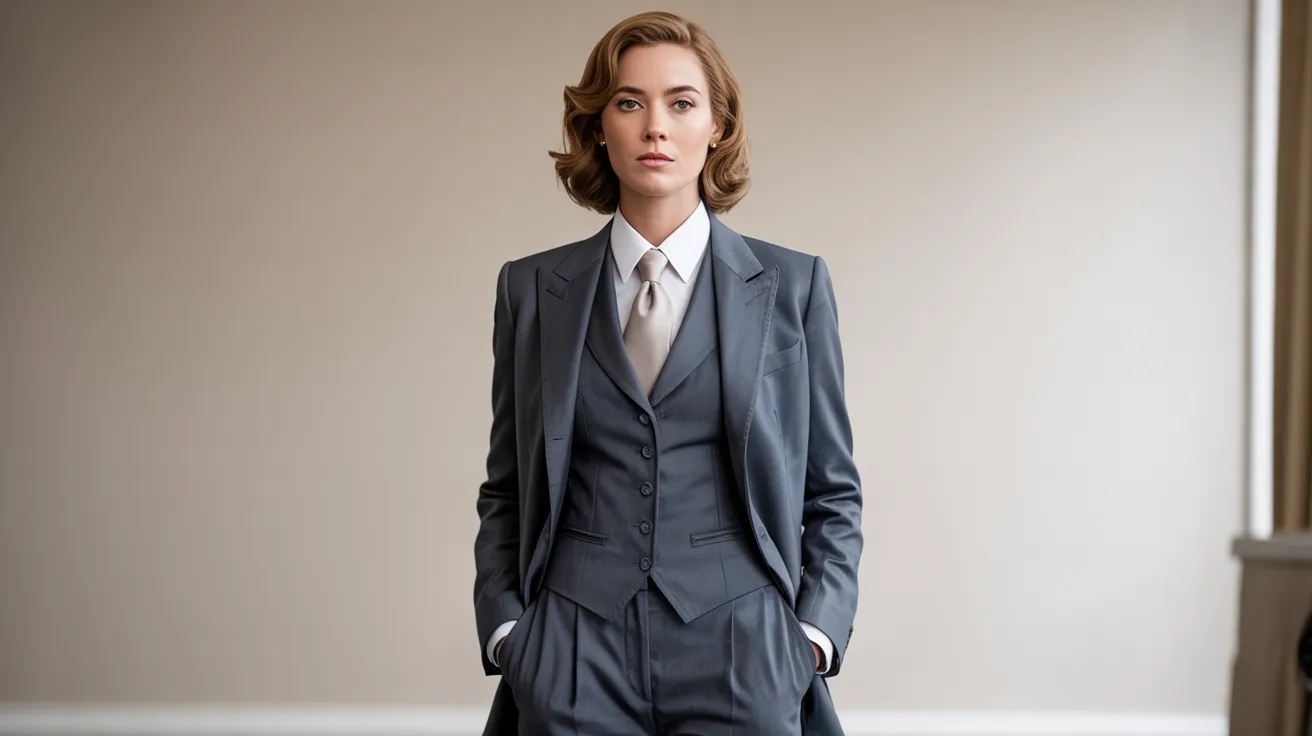
Pair your waistcoat with matching trousers and a suit jacket. Wear a white dress shirt and tie underneath.
Keep the fabric and color consistent throughout. This works for weddings, formal dinners, and interviews.
Button all but the last button for the right fit. Clean, classic, and always appropriate for any dressy event.
2. Waistcoat Without Jacket
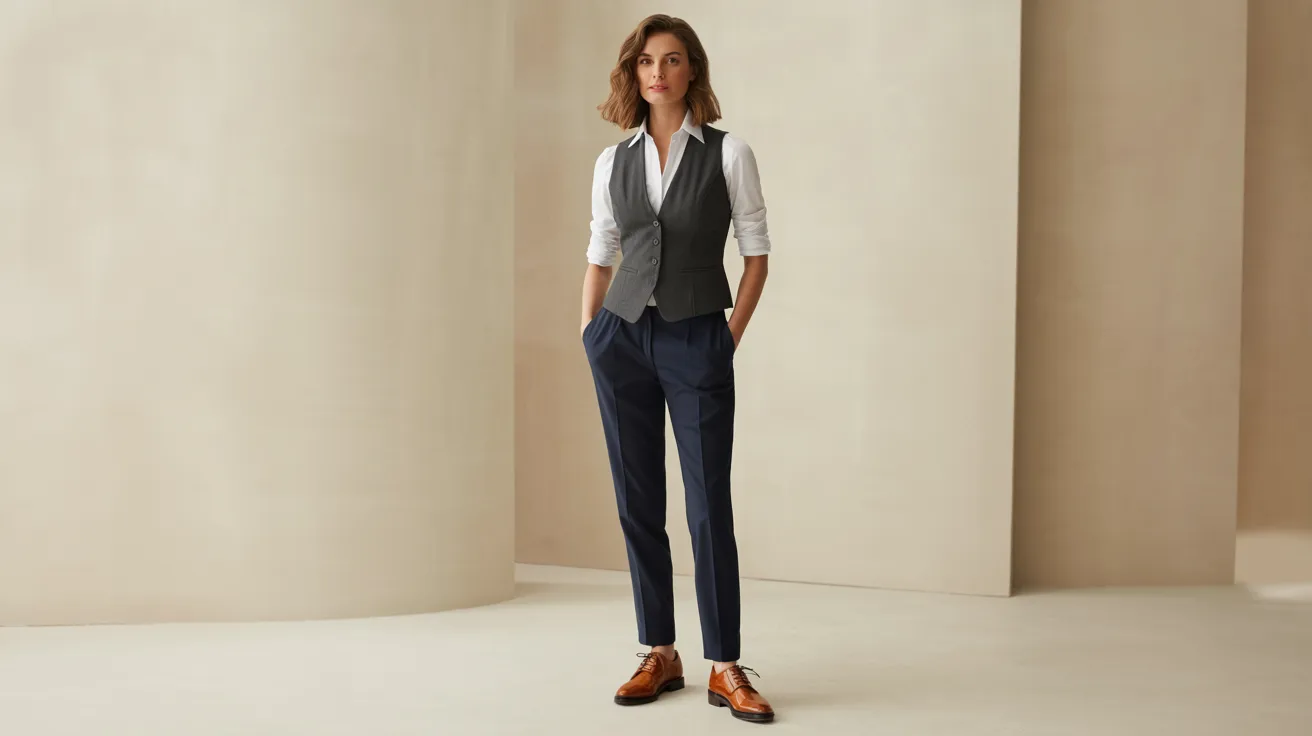
Skip the jacket and wear the waistcoat over a fitted dress shirt with trousers.
Roll your sleeves up slightly for a relaxed but polished look. Finish with leather shoes.
This works well in the office or at smart events where a full suit feels overdone. It’s one of my go-to weekday looks.
3. Smart-Casual with Jeans or Chinos
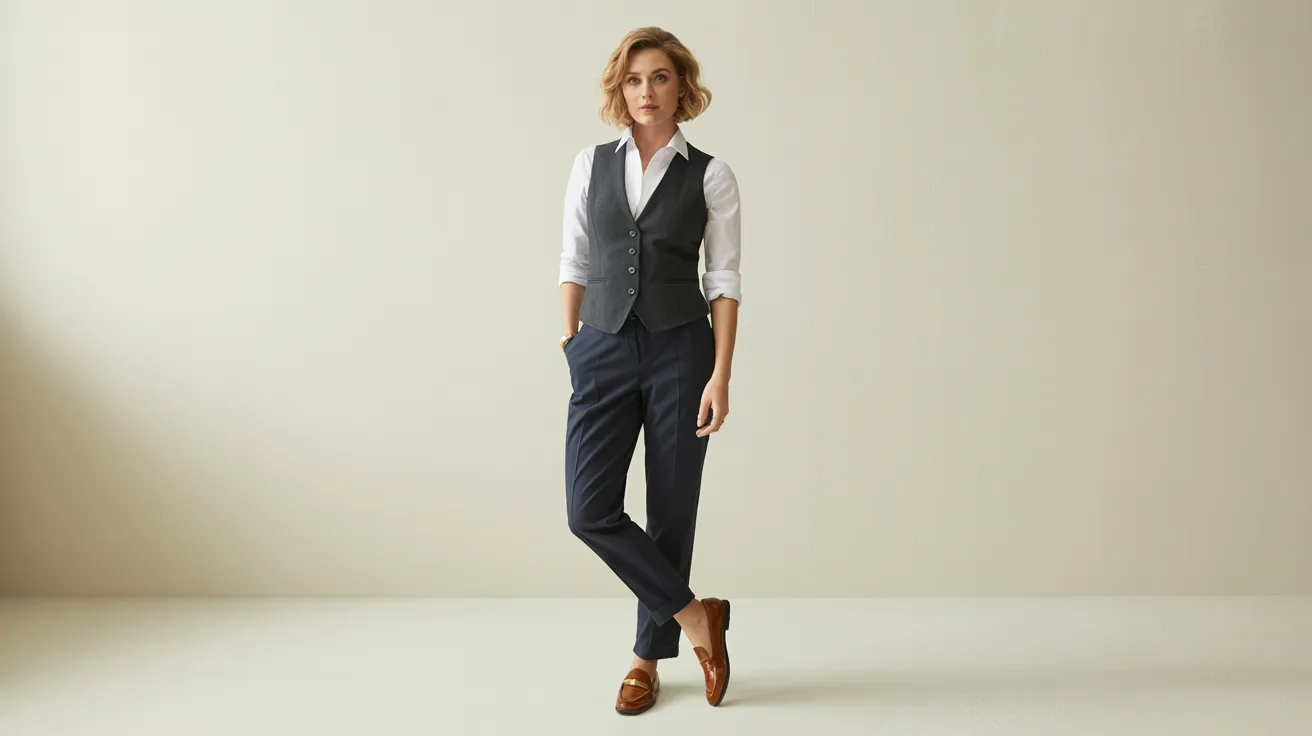
A waistcoat over a plain shirt with dark jeans or chinos is a solid smart-casual option.
Add clean leather sneakers or loafers. Skip the tie and leave the top button open. This works for casual dinners, dates, or relaxed work settings.
It looks put-together without feeling stiff or too formal.
4. Layered Winter Outfit
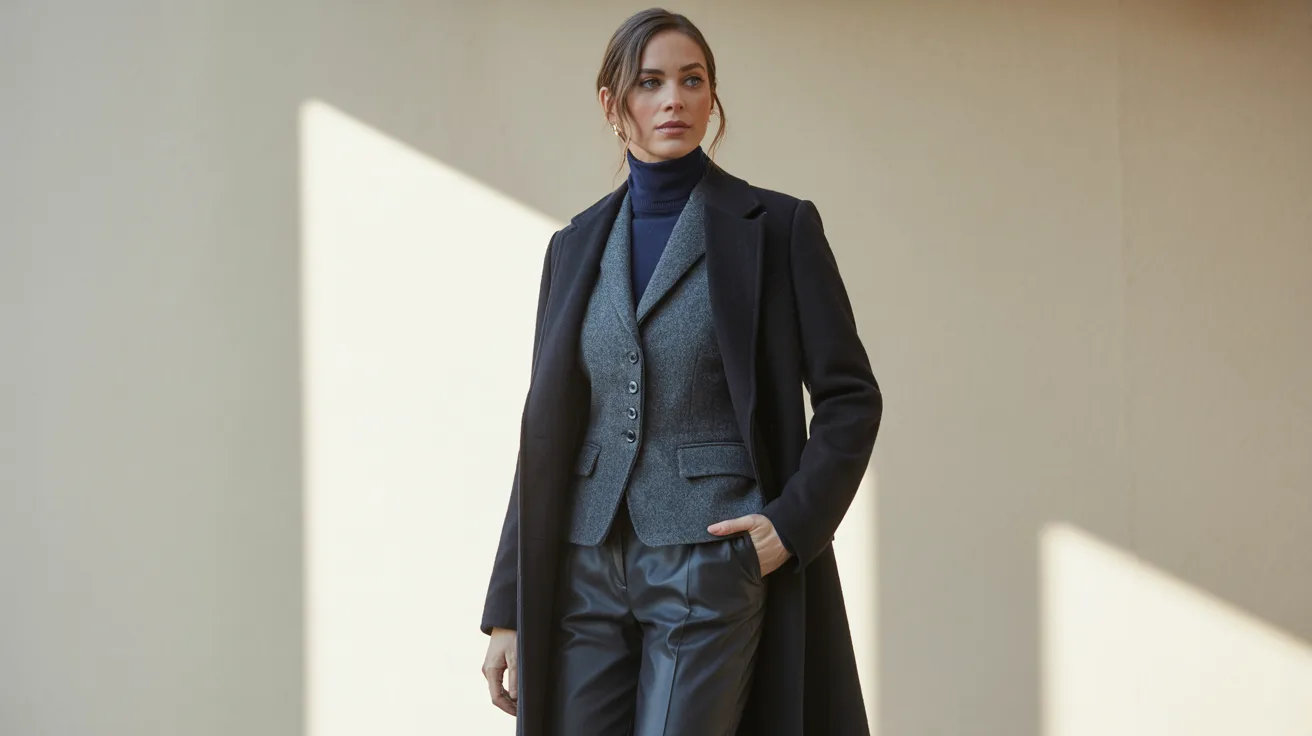
Layer a wool waistcoat over a fitted turtleneck or long-sleeve shirt. Add a heavy overcoat on top.
Stick to dark tones like navy or charcoal for a winter-ready look. This keeps you warm while still looking sharp.
I wear this combination all through the colder months without much thought.
5. Ethnic Fusion Styling
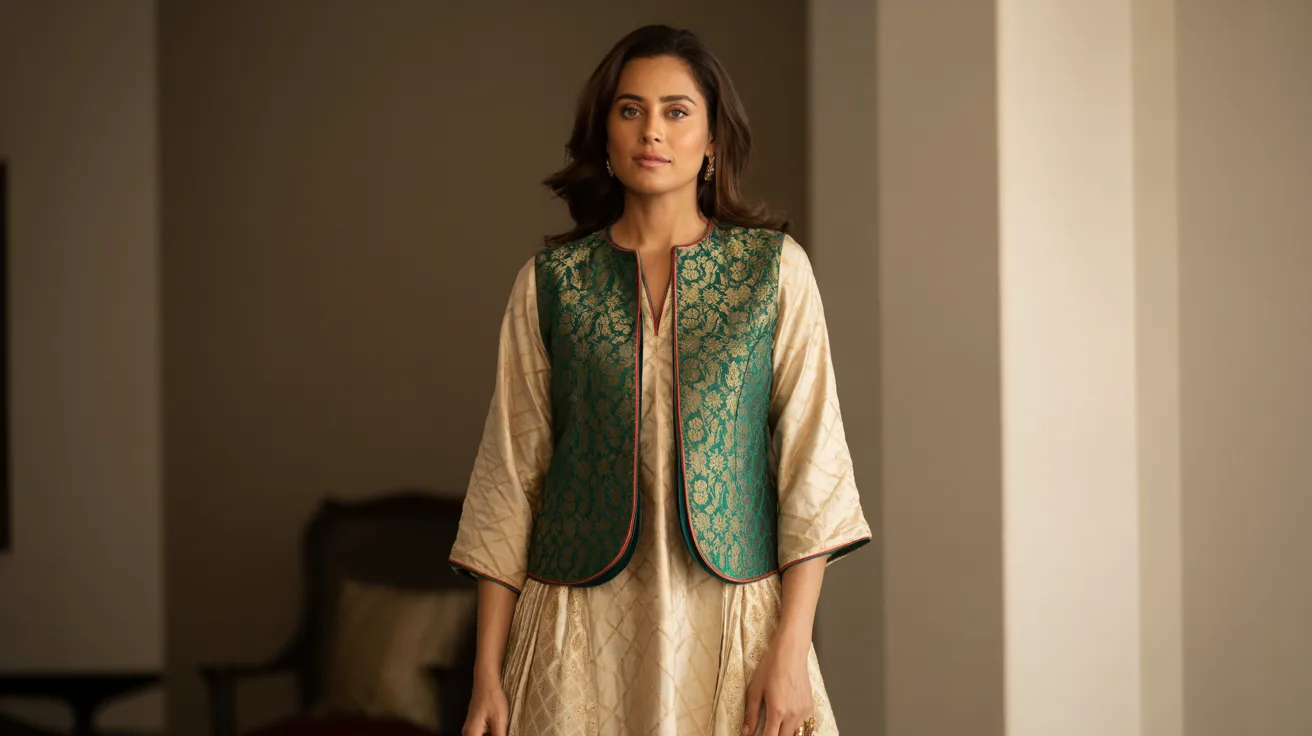
Pair a printed or embroidered waistcoat with a kurta or plain ethnic shirt. Choose brocade or velvet for festive occasions.
A neutral or contrast-colored waistcoat both work well here. This style is popular at South Asian weddings and festivals.
It blends traditional and modern fashion without much effort.
What Is a Vest?
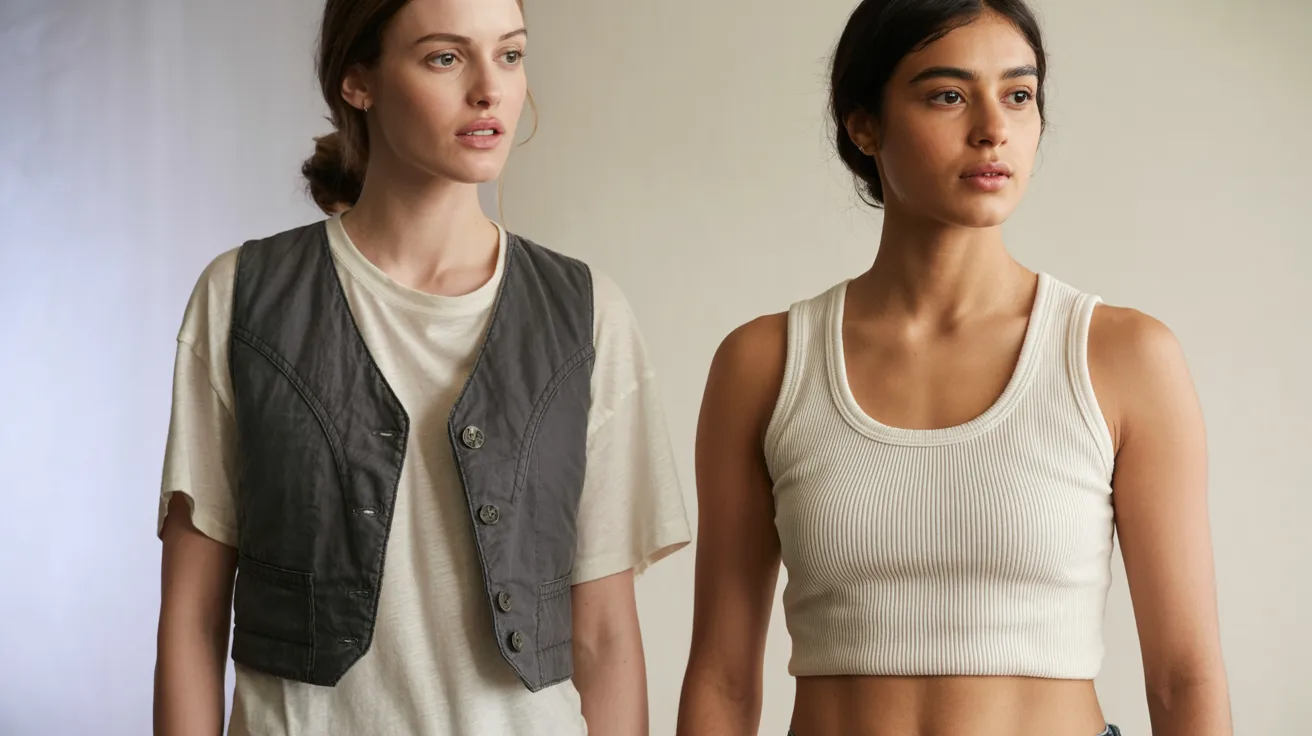
A vest is a sleeveless garment, but what it means depends on where you’re from.
In the United States, a vest often refers to an outer layer similar to a waistcoat. In the United Kingdom and India, a vest typically means an undershirt worn close to the skin.
It’s a simple, lightweight piece with no buttons.
Vests come in many styles, from basic cotton undershirts to athletic tank tops and casual layering pieces worn over a T-shirt or light jacket.
What Does “Vest” Mean in Different Cultures?
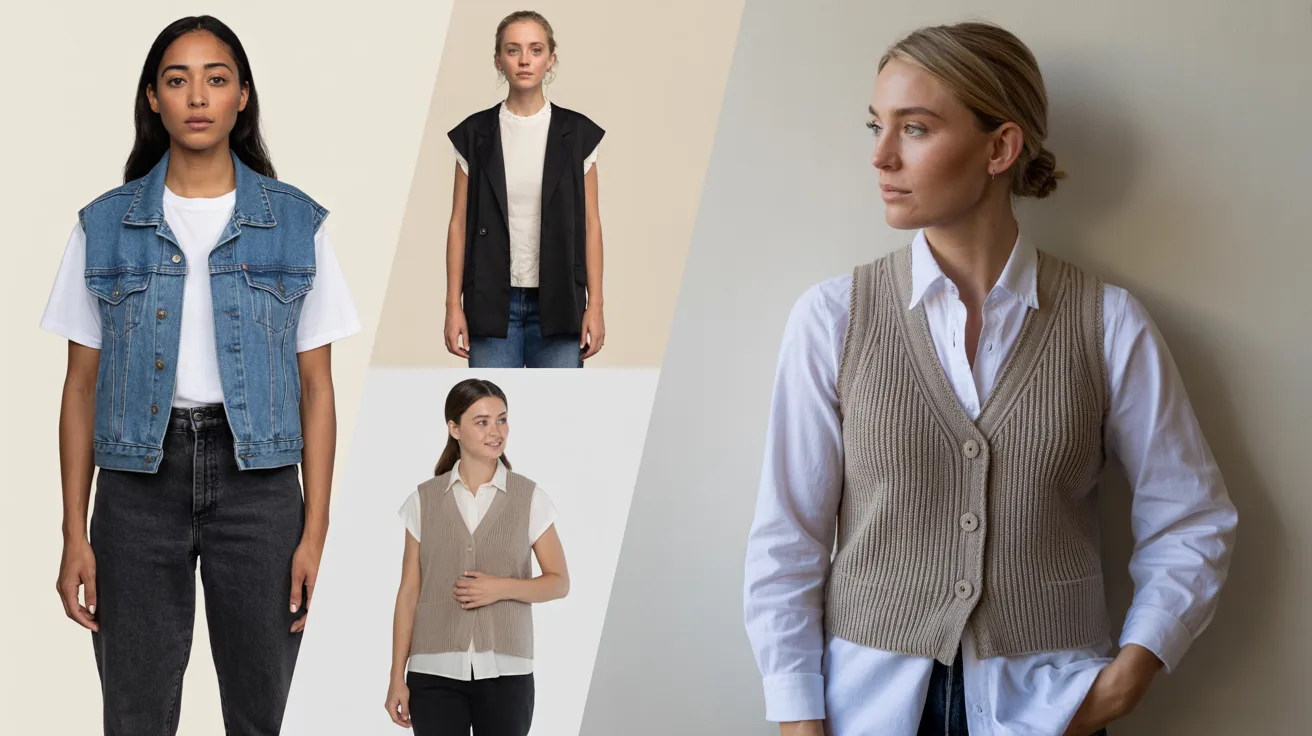
The word “vest” means very different things depending on the country.
In the US, a vest is usually a sleeveless outer garment worn over a shirt as part of a casual or outdoor outfit.
In the UK and India, a vest is an undershirt worn next to the skin. In Australia, it can go either way based on context.
This cultural gap causes a lot of confusion, especially when shopping online or following international fashion guides from different regions.
5 Ways to Style a Vest
Five practical ways to wear a vest, from gym-ready to summer-casual, based on what you actually need it for.
1. Basic Innerwear Layering (Under Shirts)
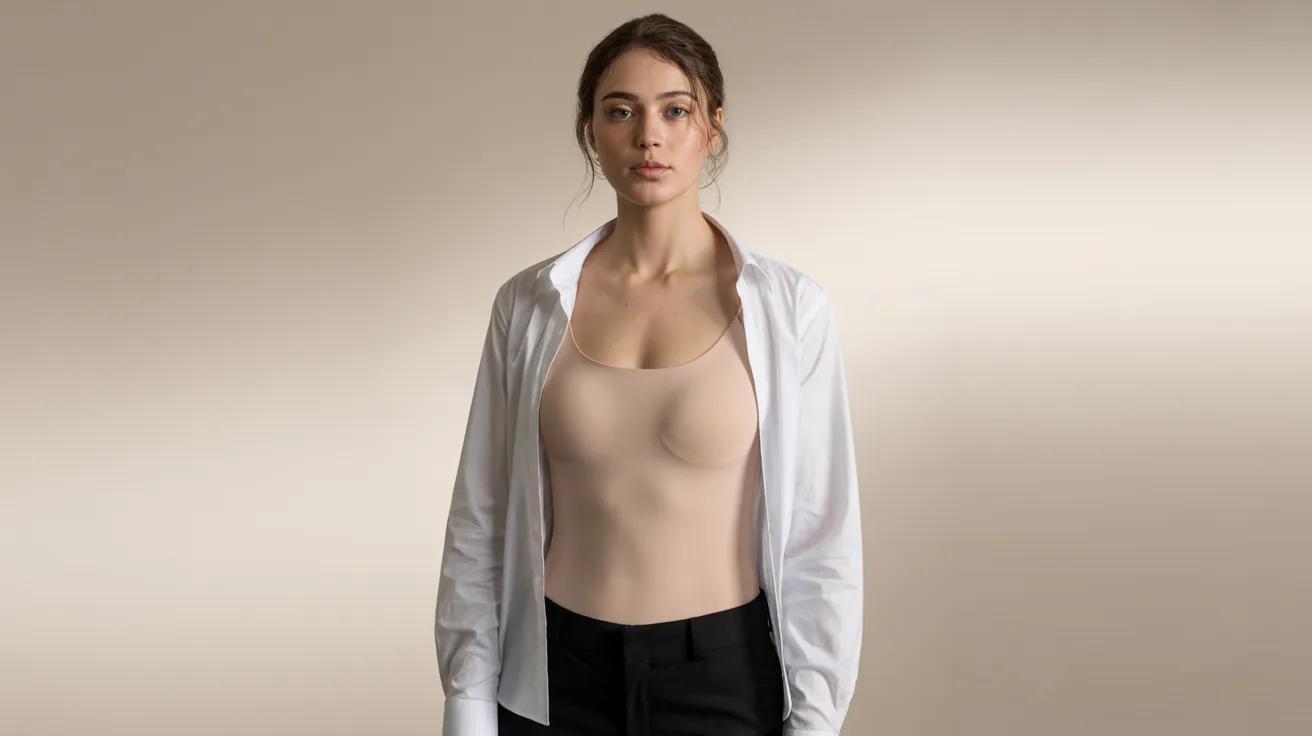
Wear a plain white or skin-tone vest under your shirt as a base layer. It adds warmth and absorbs sweat.
This works well under formal shirts to avoid visible skin through light fabric. Go for a snug fit so it stays flat and smooth.
Cotton is the best choice for everyday use.
2. Gym and Activewear Look
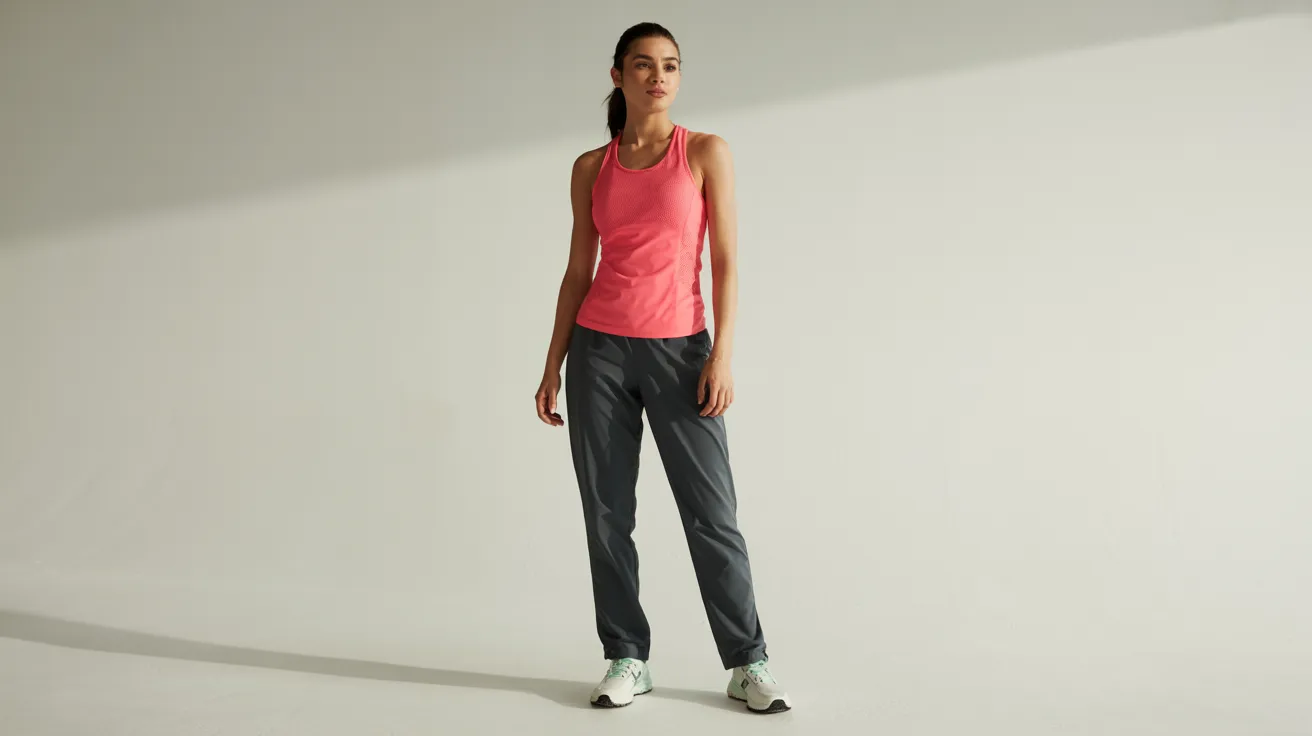
Pair a fitted athletic vest with gym shorts or track pants. Choose moisture-wicking fabric to stay dry during workouts.
Bright colors and simple designs work best here. Add training shoes and you’re set.
I prefer racerback styles for upper body days since they allow more movement and don’t restrict the shoulders.
3. Casual Tank Style with Jeans or Shorts

Wear a basic vest as a top with jeans or shorts on hot days. Keep the fit relaxed but not oversized.
Add a light overshirt or wear it alone. Finish with sneakers or sandals.
This is my go-to on the hottest summer days when I want to keep things simple.
4. Layered Streetwear Outfit (With Jacket or Hoodie)
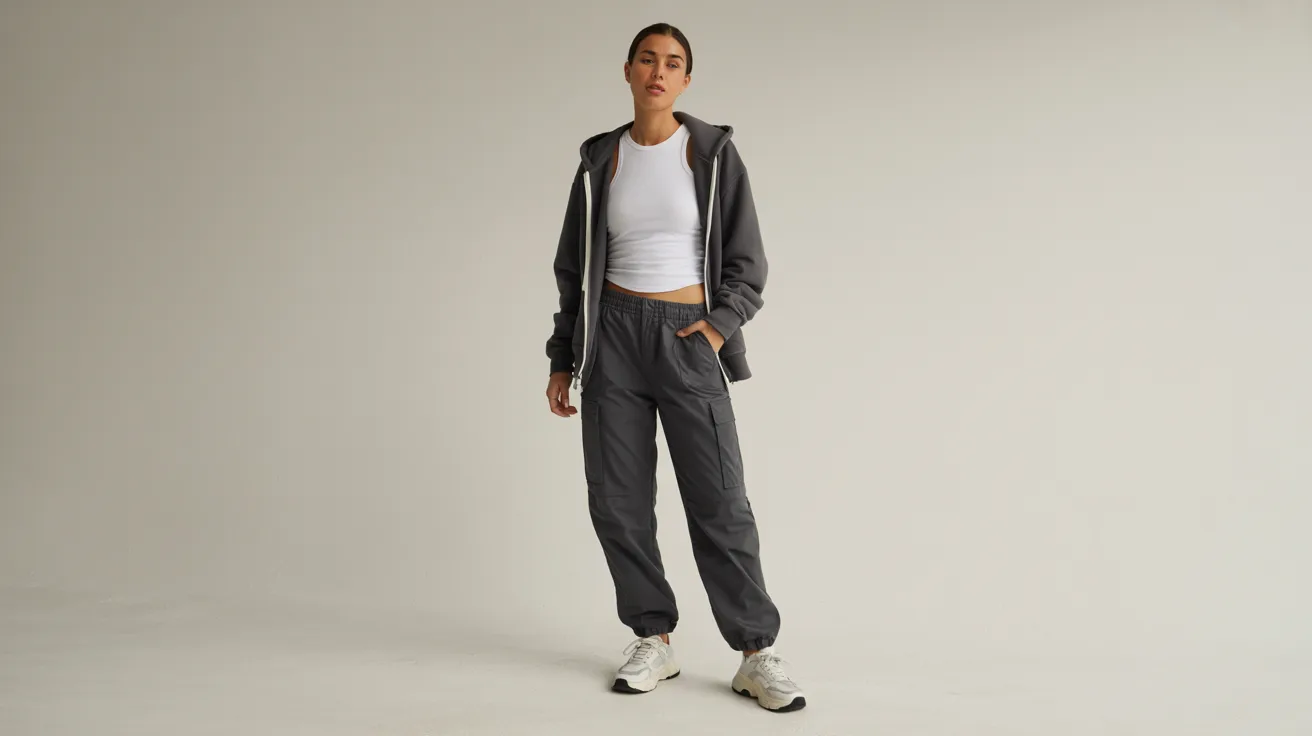
Layer a vest under an open jacket or zip-up hoodie. Let the vest peek through for a laid-back, layered look.
Pair with cargo trousers or straight-leg jeans. Stick to neutral colors like white, black, or grey.
Add chunky sneakers to finish. It’s a simple streetwear formula that works every time.
5. Minimal Summer Look (Lightweight Vest Styling)

Choose a lightweight linen or jersey vest for a clean summer look. Pair with loose trousers or linen shorts.
Keep accessories minimal. A watch and clean sneakers are enough.
Light colors like white, cream, or pale blue work best in hot weather. The less you add, the better this look lands.
Waistcoat vs Vest: Side-by-Side Comparison
Understanding waistcoat vs vest helps you choose the right style.
| Feature | Waistcoat | Vest |
|---|---|---|
| Formality | Formal / semi-formal | Casual / innerwear |
| Cultural Meaning | Same meaning globally (formal garment) | Varies (US = outerwear, UK/India = innerwear) |
| Design | Structured, fitted | Simple, relaxed |
| Buttons | Always buttoned front | May or may not have buttons |
| Fabric | Wool, tweed, silk | Cotton, jersey, blends |
| Occasion | Weddings, office, formal events | Daily wear, gym, casual outings |
Knowing when and how to wear each ensures you always look appropriate and confident.
Waistcoat vs Vest: Which One Should You Choose?
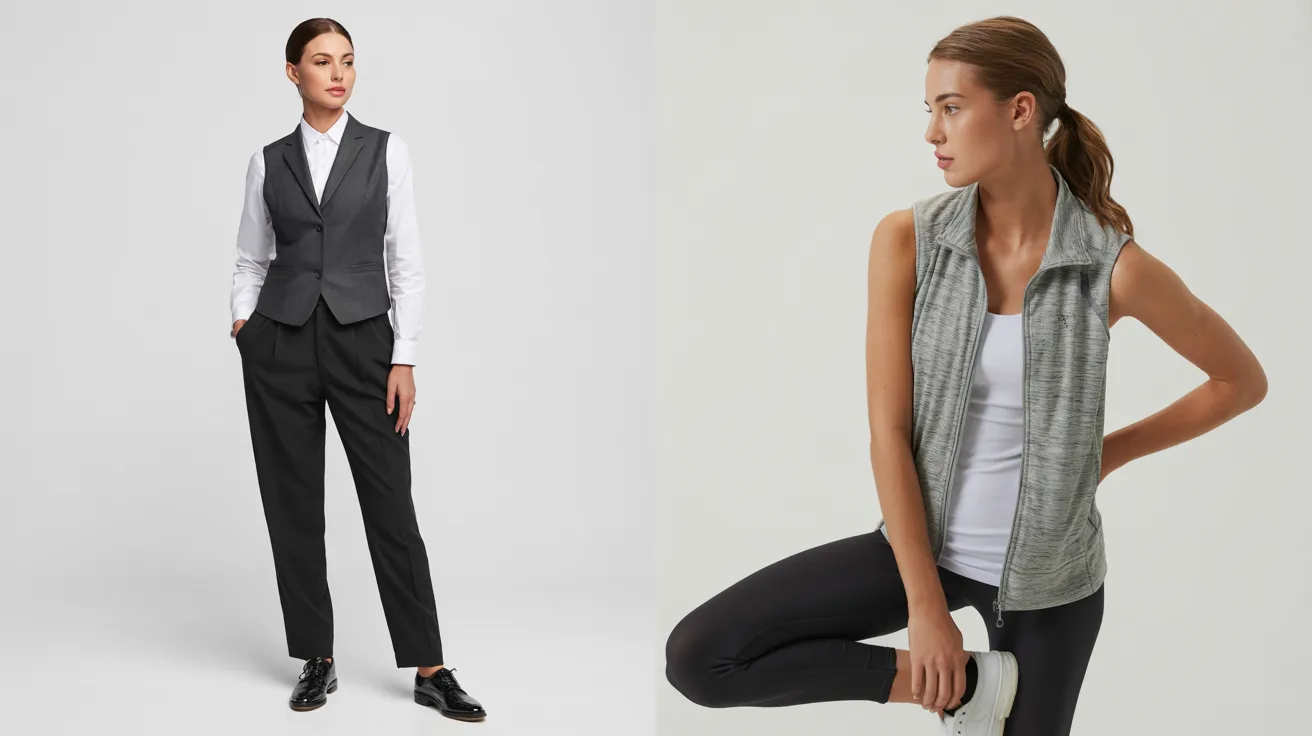
Choosing between a waistcoat and a vest comes down to the occasion and the look you’re going for.
If you’re heading to a formal event, a wedding, or the office, go with a waistcoat. It signals dress code awareness and puts your outfit in the right category right away.
If you need something casual, functional, or gym-ready, a vest is the better pick. I keep both in my wardrobe because they serve completely different purposes.
Knowing the difference helps you shop smarter and dress more intentionally every single day.
Common Mistakes to Avoid
Small styling mistakes can throw off even a well-planned outfit. Here’s what to watch out for.
- Wrong substitution: A vest is not a waistcoat. Never swap them at formal events.
- Wrong size: Check the fit at the buttons before you buy.
- Mismatched fabric: Your waistcoat must match the suit exactly.
- All buttons done up: Always leave the last button open.
- Vest confusion online: Check regional labels before ordering internationally.
Avoid these mistakes and you’ll always get the most out of both pieces in your wardrobe.
Conclusion
Knowing the difference between waistcoat vs vest changed how I shop and dress for good.
These two pieces serve different purposes, and once you understand that, getting dressed becomes a lot simpler.
I hope this post gave you the clarity you needed. Now it’s your turn. Try one of these looks and let me know how it goes in the comments.
Found this helpful? Share it with a friend who’s still confused between the two.
Frequently Asked Questions
Is a waistcoat the same as a vest?
Not always. In the US, yes. In the UK and India, they mean completely different things.
Can you wear a waistcoat without a jacket?
Yes. It looks great over a dress shirt with trousers.
What fabric is best for a waistcoat?
Wool or tweed for formal wear. Linen or cotton for warmer days.
Can a vest be worn as outerwear?
Yes. Puffer, fleece, and denim vests all work as casual outer layers.
How do I know what size waistcoat to buy?
It should lie flat with no pulling at the buttons and no loose fabric at the sides.