A trench coat is one of those pieces that just works. Rain or shine, casual or formal, it fits almost every situation.
But if you’ve ever stood in a store wondering what exactly makes a trench coat a trench coat, you’re not alone. I’ve been there too.
In this blog, I’ll walk you through what a trench coat is, what it’s made of, and how to pick the right one for your climate and lifestyle.
I’ve spent a lot of time researching and styling coats in real life, not just on a runway. You’re getting practical, no-fluff advice here.
What Is a Trench Coat?
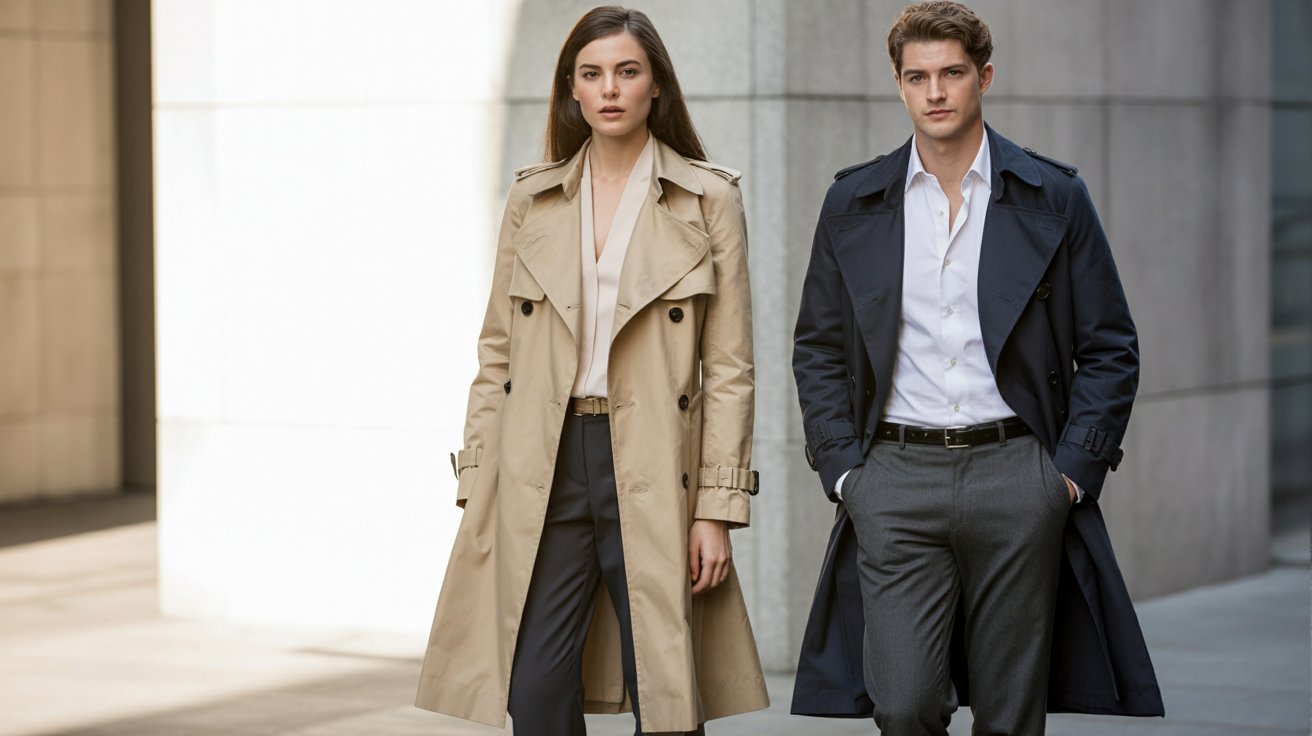
A trench coat is a long, structured outer coat built for function and style.
It started as military gear in World War I, when soldiers needed something to handle wet, muddy conditions in the trenches.
Over time, it moved from the battlefield to everyday wardrobes. Today, it’s one of the most recognized coat styles in the world.
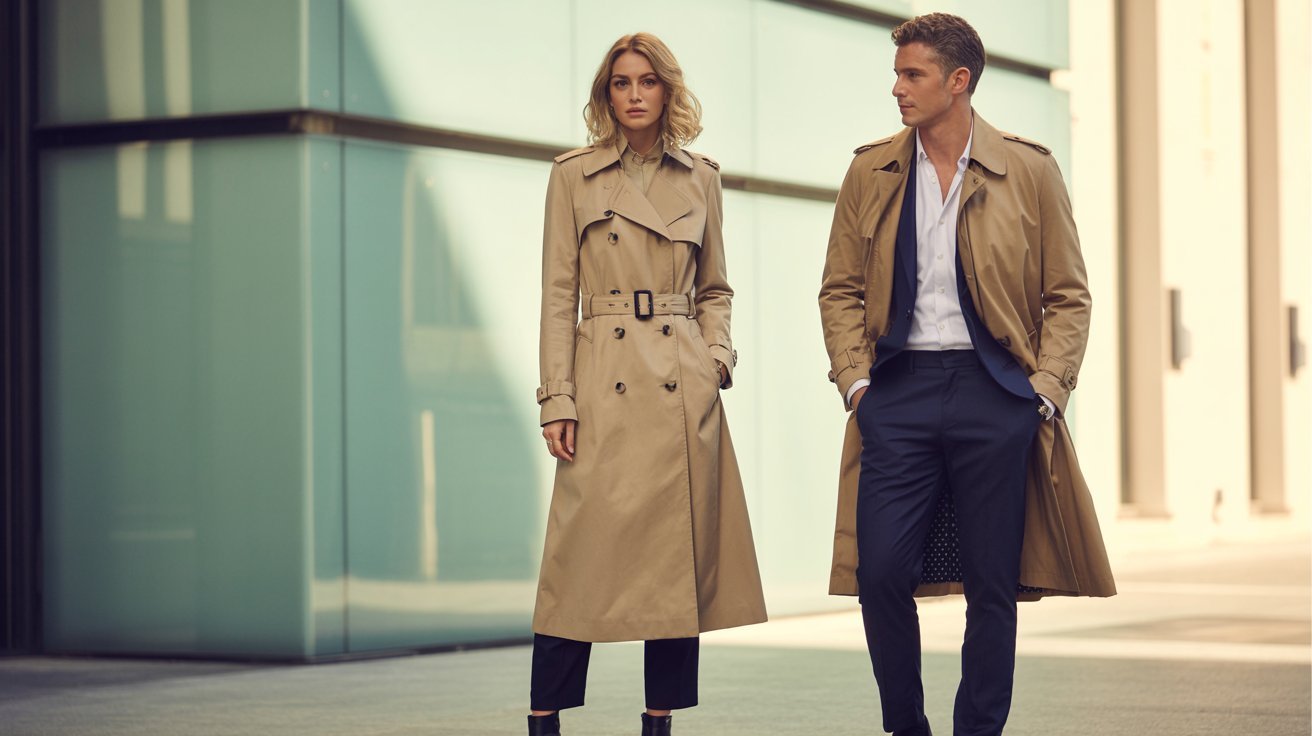
What makes it stand out are its double-breasted front, belted waist, wide lapels, epaulets, storm flap, and back vent. Each detail has a practical purpose rooted in its military origin.
What Is a Trench Coat Good For?
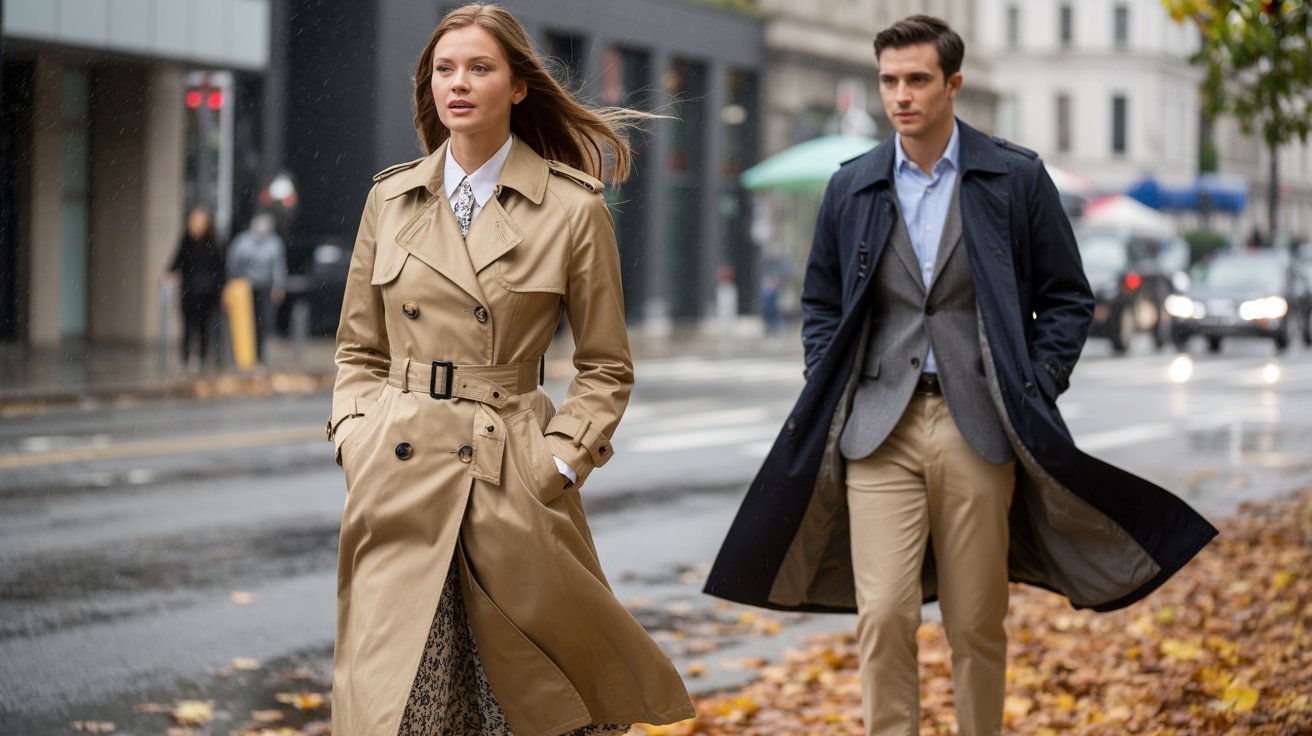
A trench coat is good for layering, mild weather, and pulling any outfit together without the bulk of a heavier coat.
What Is a Trench Coat for Men?
For men, it adds structure to casual outfits and looks sharp over formal wear.
It works belted for a cleaner look or left open for something more relaxed. It’s a solid everyday coat that doesn’t try too hard.
What Is a Trench Coat for Women?
For women, it works over everything from office wear to weekend outfits. Belted at the waist, it creates a clean and put-together look.
It’s slim enough to layer over a sweater or blazer without any bulk.
Layering and Comfort
A trench coat sits right between too heavy and too light. It layers easily over a sweater or blazer without feeling bulky.
On mild winter days, it’s a solid alternative to a full puffer coat.
Trench Coat vs Other Coats: Key Differences

Here’s how a trench coat compares to a wool coat and a raincoat across fit, fabric, and function.
| Feature | Trench Coat | Wool Coat | Raincoat |
|---|---|---|---|
|
Primary Use |
Mild rain, wind, fashion |
Insulation in cold weather |
Heavy rain protection |
|
Material |
Cotton gabardine, wool blends |
Wool, cashmere blends |
Nylon, polyester, PVC |
|
Weight |
Lightweight |
Medium to heavy |
Lightweight to medium |
|
Weather Suitability |
45–65°F / 7–18°C, mild rain |
Below 45°F / 7°C, snow, cold |
Any rainy day, stormy conditions |
|
Style |
Classic, formal and casual |
Classic, winter-focused |
Functional, casual |
|
Special Features |
Belted waist, epaulets, storm flap |
Insulating, structured cuts |
Hoods, waterproof coating |
|
Layering |
Easy over blazers and sweaters |
Possible but heavier |
Usually minimal |
|
Versatility |
Formal and casual outfits |
Mainly winter wear |
Mostly casual and outdoor |
The trench coat sits between a wool coat and a raincoat. It’s not built for extreme cold or heavy downpours. But for everyday use, it beats both in terms of flexibility.
How to Choose the Right Trench Coat
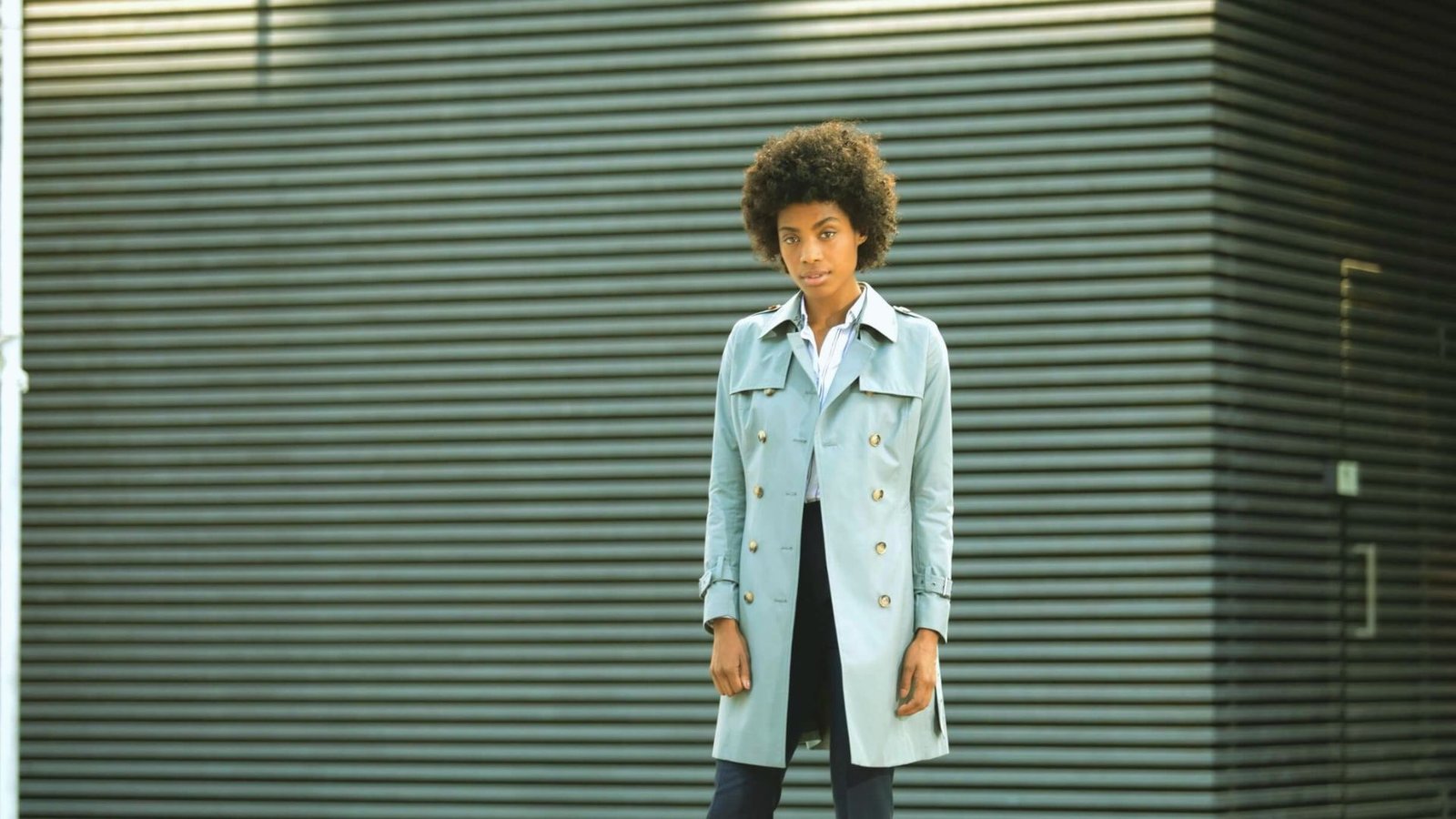
Choosing the right trench coat comes down to your climate, fit preference, fabric needs, and the occasions you’ll wear it for.
Consider Your Climate
Start with where you live and what weather you actually deal with. If winters are mild and rainy, a cotton gabardine trench coat works well.
If it gets colder, look for one with a detachable liner so you’re covered year-round.
Fit and Length
The shoulders should sit right at the edge and the waist should look clean when belted. Knee-length is the most versatile option for most people.
Shorter styles work better for casual wear and easier movement.
Material and Fabric Quality
Cotton gabardine is breathable and water-resistant, while wool blends add warmth for colder months.
Always check the lining and stitching along the seams. Loose threads early on are a bad sign.
Style and Occasion
For work, beige or camel is a safe and sharp choice. For casual wear, navy or black are easier to style. Match the coat to your life, not to a trend.
How to Style a Trench Coat
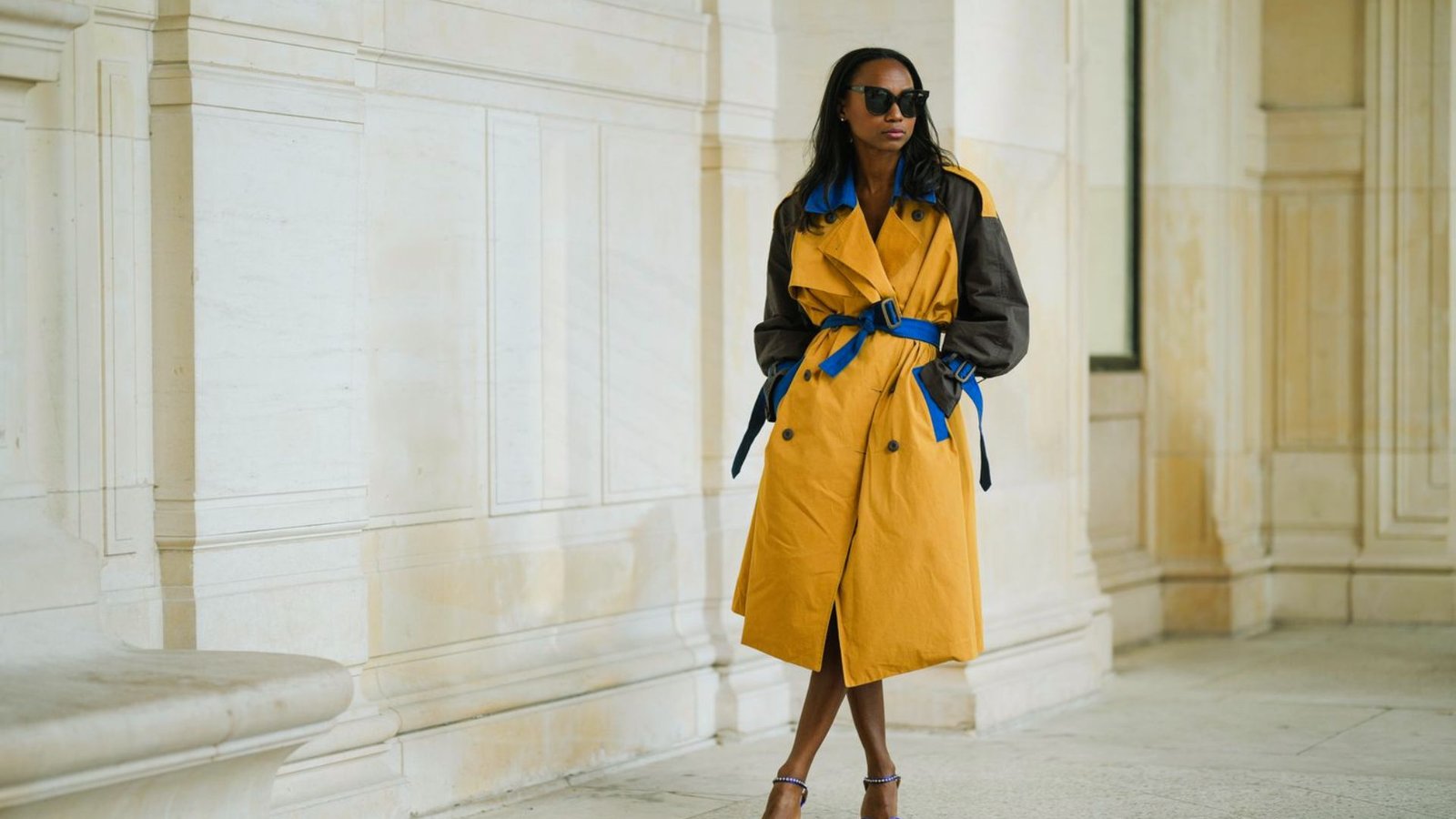
A trench coat does most of the work for you. Keep the rest of the outfit simple so the coat stays the focus.
Belted vs. Open
Belted gives a sharper, more defined shape and works best for work outfits or when you want a put-together look.
Pull the belt to a snug fit and tie it in a half-knot at the front rather than a full bow. Wearing it open feels more relaxed and works well for casual days or when you want the coat to frame an outfit rather than define it.
Styling by Color
Beige and camel are the most classic options and pair with almost every color in your wardrobe.
Black works well for evening outfits and city looks when you want something sleeker and more minimal. Navy sits in between and is easy to style casually with denim, white tees, and earthy tones.
What to Wear Underneath
A lightweight sweater, fitted blazer, or button-down shirt all sit well under a trench coat without adding bulk around the shoulders.
On warmer days, a plain tee is enough and keeps the coat as the main layer. Avoid thick hoodies or oversized knits underneath as they push against the collar and ruin the fit of the coat.
Expert Tips for Buying the Perfect Trench Coat
These practical tips will help you buy a trench coat that lasts longer, fits better, and works harder for you.
- Look for a detachable liner. It gives you two coats in one, warm in winter and light in spring.
- Check for a detachable hood. Not all trench coats have one, but it’s worth it for extra weather protection.
- Inspect the buttons and stitching. Tight, even seams and secure buttons mean better build quality.
- Balance style with function. A coat that looks great but soaks through in light rain isn’t worth it.
- Try it on with layers. Wear what you’d actually layer under it. If it feels tight, go up a size.
Conclusion
A trench coat has been my go-to for years. Rain or sun, casual or smart, it always feels like the right call. It’s one of those rare pieces that never really goes out of style.
Now you know what a trench coat is, what it’s good for, and how to pick the right one. Start with your climate and how you actually dress, then go from there.
Found this helpful? Drop a comment below or share it with someone who’s been thinking about getting their first trench coat!
Frequently Asked Questions
What is a trench coat used for?
A trench coat is used for protection against light rain and wind. It also works well as a stylish outer layer for both formal and casual outfits.
What is a trench coat made of?
Most classic trench coats are made from cotton gabardine, which is water-resistant and breathable. Modern versions may use wool blends or synthetic fabrics depending on the intended use.
Can men wear trench coats?
Absolutely. Trench coats work just as well for men as they do for women. They can be worn over suits for a formal look or with casual clothes on everyday outings.
Can kids wear trench coats?
Yes, there are trench coats made specifically for kids. They are great for spring and autumn weather and come with the same classic features in smaller, more durable versions.
How should I style a trench coat?
You can style a trench coat over a suit, a dress, jeans, or almost any outfit. Belting it at the waist gives a cleaner shape, while wearing it open has a more relaxed feel.