
This article answers that. You’ll learn what a sheath dress is, how it should fit your body, and what key features define it.
I’ll also cover how it compares to other dress styles and share simple styling tips you can use right away.
By the end, you’ll know exactly how to wear one with confidence.Trusted fashion knowledge. Simple, clear guidance. No fluff.
Let’s get started.
What Is a Sheath Dress Style?
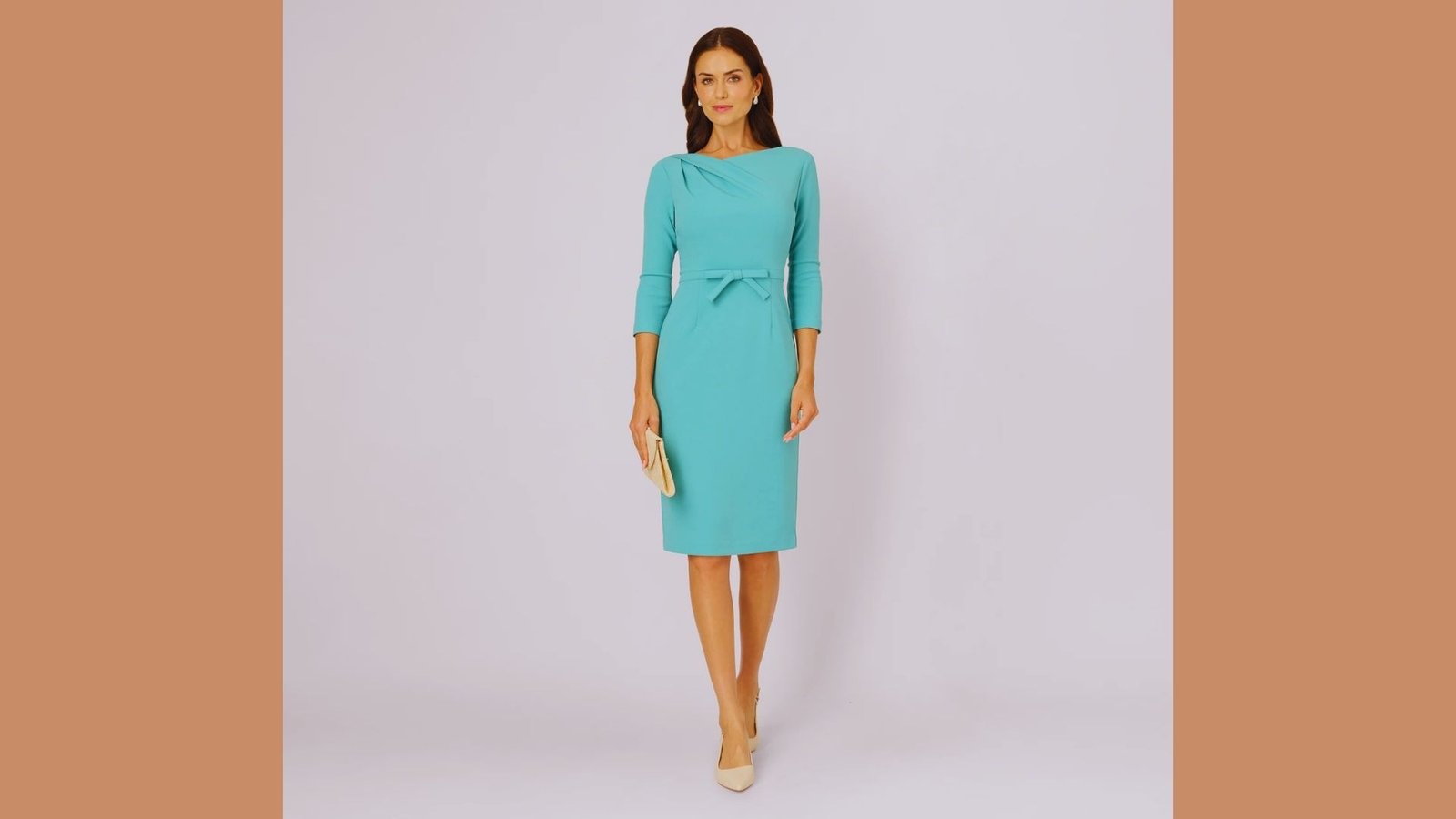
A sheath dress is a fitted, straight-cut dress that follows your body’s natural shape. It sits close to the body without feeling too tight.
There’s no flare, no volume, and no extra fabric getting in the way. The silhouette runs clean and smooth from shoulder to hem. It looks polished without trying too hard.
Most sheath dresses fall at or just below the knee, making them a reliable choice for both work settings and dressed-up occasions.
Understanding the Fit of a Sheath Dress
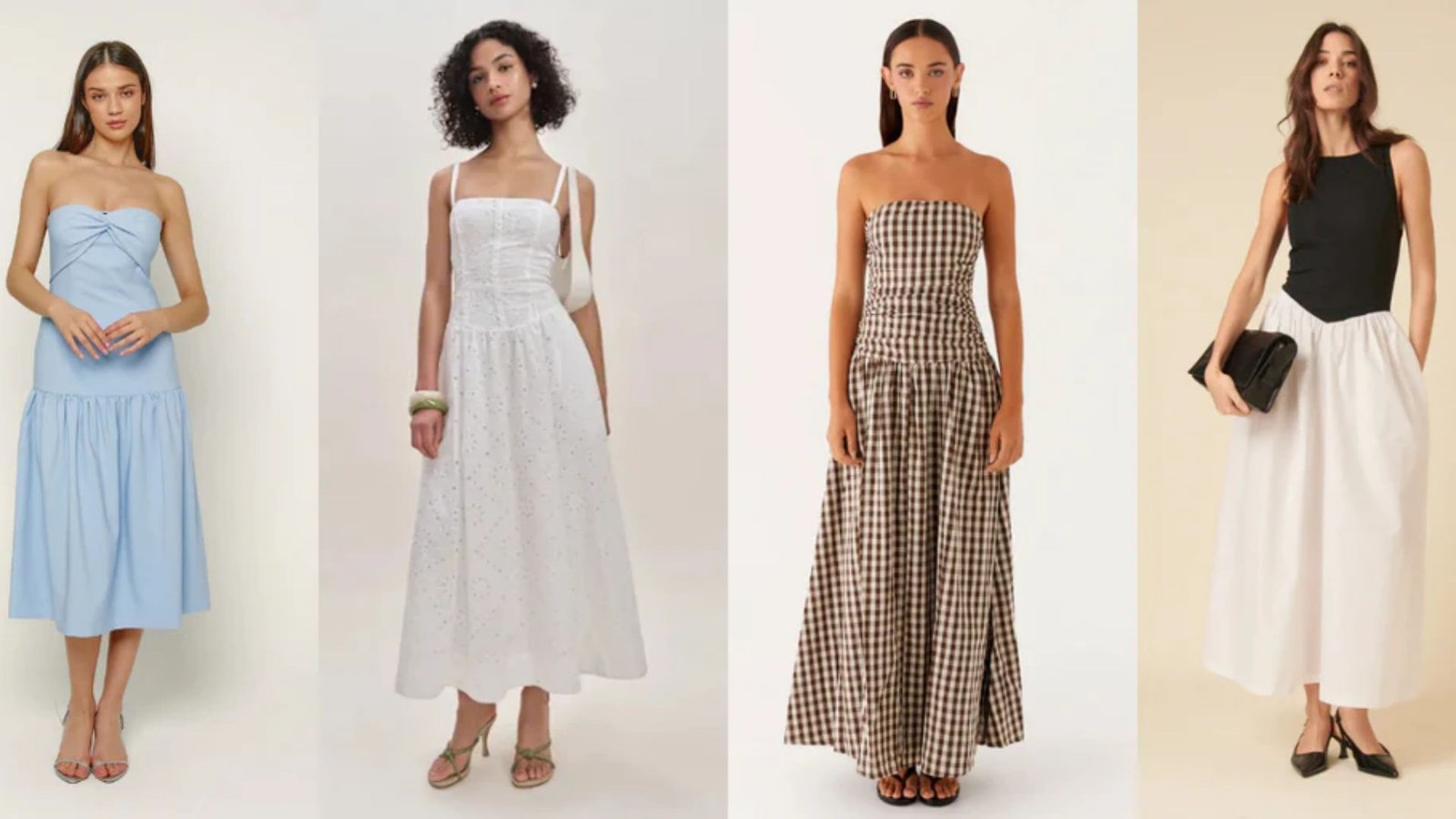
 Sheath Dress vs Other Dress StylesFive women in colorful dresses, showcasing various styles including sheath and shift, standing together in a bright setting.
Getting the fit right is what makes a sheath dress look sharp. Here’s what you need to know before buying or wearing one.
How a Sheath Dress Should Fit
A sheath dress should skim your body, not squeeze it. It follows your curves but leaves room to move. You should be able to sit, stand, and walk without pulling or bunching.
The fabric lies flat against your body. There’s structure without stiffness. Comfort and shape work together in a well-fitted sheath dress.
Key Fit Areas to Check (Shoulders, Bust, Waist, Hips)
Start at the shoulders. The seam should sit right at the edge. The bust should not pull or gap. At the waist, the dress should follow your natural curve without digging in.
At the hips, there should be just enough ease to move freely. If any of these areas feel off, the fit is not right.
Choosing the Right Length for Different Occasions
Length changes the whole look of a sheath dress. A mini sheath works well for casual or night-out wear. A knee-length cut is a classic office and event choice.
A midi-length sheath feels more formal and modern. Think about where you’re going. Then pick the length that fits the setting and your comfort level.
Key Features of a Sheath Dress
What makes a sheath dress look the way it does? These built-in design details are what set it apart from other styles.
Seamless Waist and Vertical Dart Construction: Darts are small folds sewn into fabric to shape it. In a sheath dress, vertical darts run along the bodice and waist. They create a smooth, fitted look without adding bulk. The result is a clean, continuous line from top to bottom.
Structured Tailoring and Sleek Silhouette: Sheath dresses are built with tailoring in mind. The seams are precise. The cut is intentional. No ruffles, no extra fabric, no added volume. This keeps the silhouette smooth and straight from top to hem.
Best Fabrics for Sheath Dresses: The right fabric changes everything. Structured fabrics like wool, crepe, and ponte hold shape well for work or formal wear. Stretch fabrics like jersey or scuba allow easy movement. Smooth fabrics like silk and satin add a dressy, polished feel. Pick based on the occasion and season.
Sheath Dress vs Other Dress Styles
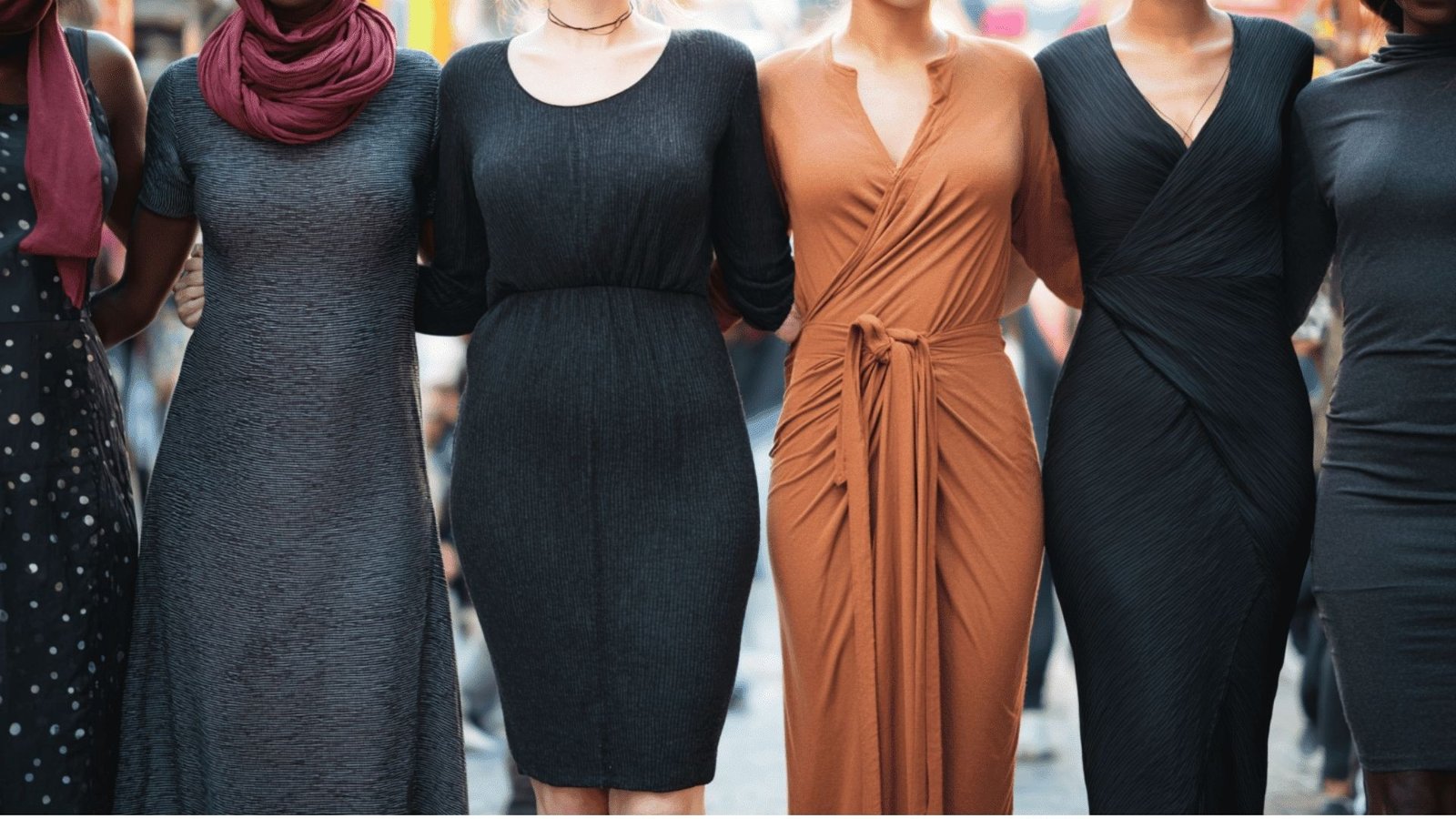
It’s easy to mix up a sheath dress with other styles. Here’s a quick breakdown to clear things up.
Sheath vs Shift Dress
A sheath dress fits close to the body and follows your shape. A shift dress hangs straight and loose from the shoulders. It doesn’t follow curves at all.
The shift is more relaxed and boxy. The sheath is more fitted and structured. Both are simple silhouettes, but they create very different looks on the body.
Sheath vs Bodycon Dress
A bodycon dress clings tightly to every curve using stretchy fabric. A sheath dress skims the body with structure, not stretch. The bodycon is meant to show off shape dramatically.
The sheath is more refined and controlled. If you want a polished, office-ready look, go with the sheath. For a bold, night-out style, the bodycon works better.
Sheath vs Column Dress
A column dress falls straight from shoulder to hem with very little shape. It doesn’t define the waist at all. A sheath dress, on the other hand, follows the waist and hips with subtle structure.
Both are sleek and minimal, but the sheath has more definition. The column is more relaxed. The sheath is more intentionally fitted.
Why the Sheath Dress Is a Timeless Wardrobe Staple

Decade after decade, the sheath dress keeps showing up. Here’s why it never goes out of style.
Versatility From Work to Evening Wear
A sheath dress can go from a morning meeting to an evening dinner without missing a beat. Pair it with a blazer for the office. Swap in heels and a clutch for evening.
The clean silhouette adapts to accessories and layers easily. It’s one of the few dress styles that truly works across many settings without looking out of place.
Flattering for Multiple Body Types
The sheath dress works for many body shapes because it follows the body’s natural line. It creates a long, smooth shape that looks balanced.
It doesn’t add volume or cut the body in unflattering ways. You can wear it with or without a belt depending on what you want to highlight. It’s a style that works with your shape, not against it.
Easy to Style for Any Occasion
A sheath dress is one of the easiest pieces to build an outfit around. It works as a clean base for statement jewelry, scarves, or bold shoes.
You can dress it up or keep it casual depending on what you add. Because the dress itself is simple and structured, the accessories do the talking.
That’s what makes it such a reliable go-to piece.
Sheath Dress Styling Tips
Here are five simple tips to help you wear a sheath dress with confidence:
- Choose the right undergarments. Smooth, seamless underwear prevents visible lines under fitted fabric.
- Add a belt to define the waist. A thin belt can create more shape if you want extra definition.
- Layer with a blazer or cardigan. This works well for cooler days or more formal settings.
- Pick shoes based on the occasion. Heels lengthen the look. Flats or loafers keep it relaxed and modern.
- Keep jewelry simple. Because the dress has structure, one statement piece is usually enough.
Conclusion
I hope this gave you a clear and helpful look at what a sheath dress is and how to wear it well.
Honestly, it’s one of those pieces I keep reaching for when I want to look pulled together without putting in too much effort.
There’s something about its clean, simple shape that just works. It never feels like too much or too little. If this was helpful, drop a comment below and let me know.
Share it with a friend who loves fashion. And check out our other style guides for more easy, practical tips you can use right away.
Frequently Asked Questions
What makes a sheath dress different from other dress styles?
A sheath dress is fitted and structured, skimming the body without clinging. Unlike shift or column dresses, it uses darts to follow the body’s natural shape closely.
Can a sheath dress be worn casually?
Yes, a sheath dress can work for casual settings. Pair it with flat shoes and a denim jacket to tone down the formality while keeping the clean, fitted look.
What body types look good in a sheath dress?
A sheath dress works well for many body types. Its straight, fitted cut creates a smooth, elongated line that flatters hourglass, pear, and athletic shapes alike.
How do I know if a sheath dress fits correctly?
It should skim your body without pulling or bunching. Check that the shoulders sit properly, the bust lies flat, and the hips have just enough room to move freely.
What fabrics are best for a sheath dress?
Crepe, ponte, and wool are great for structure and office wear. Jersey and scuba gear add stretch for comfort. Silk and satin work well for dressy or formal occasions.