What is a pareo? I asked myself the same thing on my first trip to a tropical island. I had no idea this simple piece of cloth could do so much.
In this blog, I’ll cover what a pareo is, where it comes from, what it’s made of, and the simplest ways to wear and style it. I’ve spent time learning from locals, and I’ll share everything I picked up along the way.
By the end, you’ll know exactly how to wear one with confidence. I’ve been helping people dress smarter for travel for years, and this one is close to my heart.
What Is A Pareo And Why Is It So Popular In The Islands Of Tahiti?
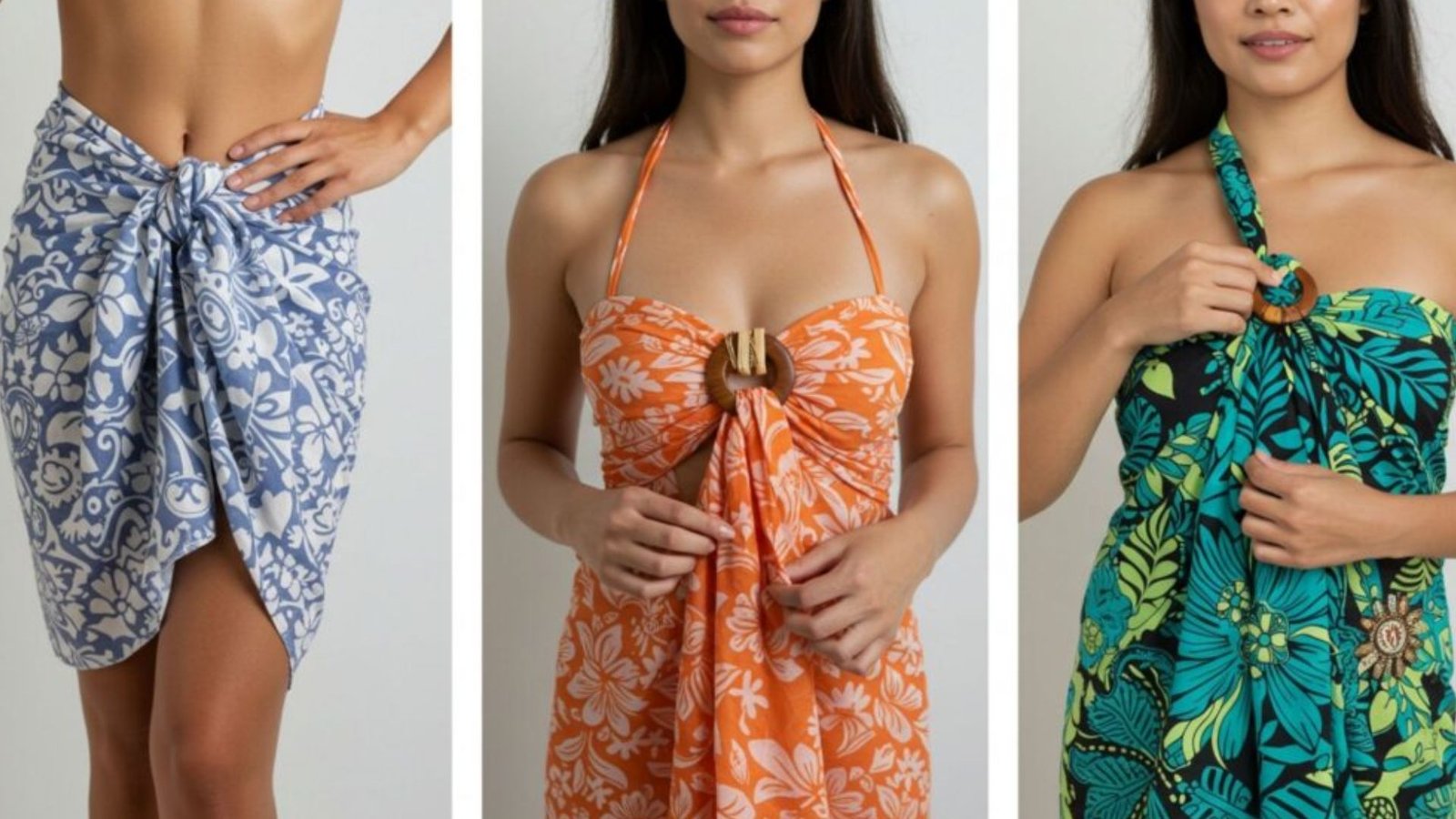
The word “pareu” comes from the Tahitian language. It means a wraparound cloth tied or draped around the body. It was worn long before outside contact reached the islands. The cloth was light, easy to wear, and simple to adjust all day long.
A pareo fits island life perfectly. No zippers. No buttons. Just a piece of cloth tied the way you like. It works as clothing in the morning, a beach cover in the afternoon, and a light wrap in the evening.
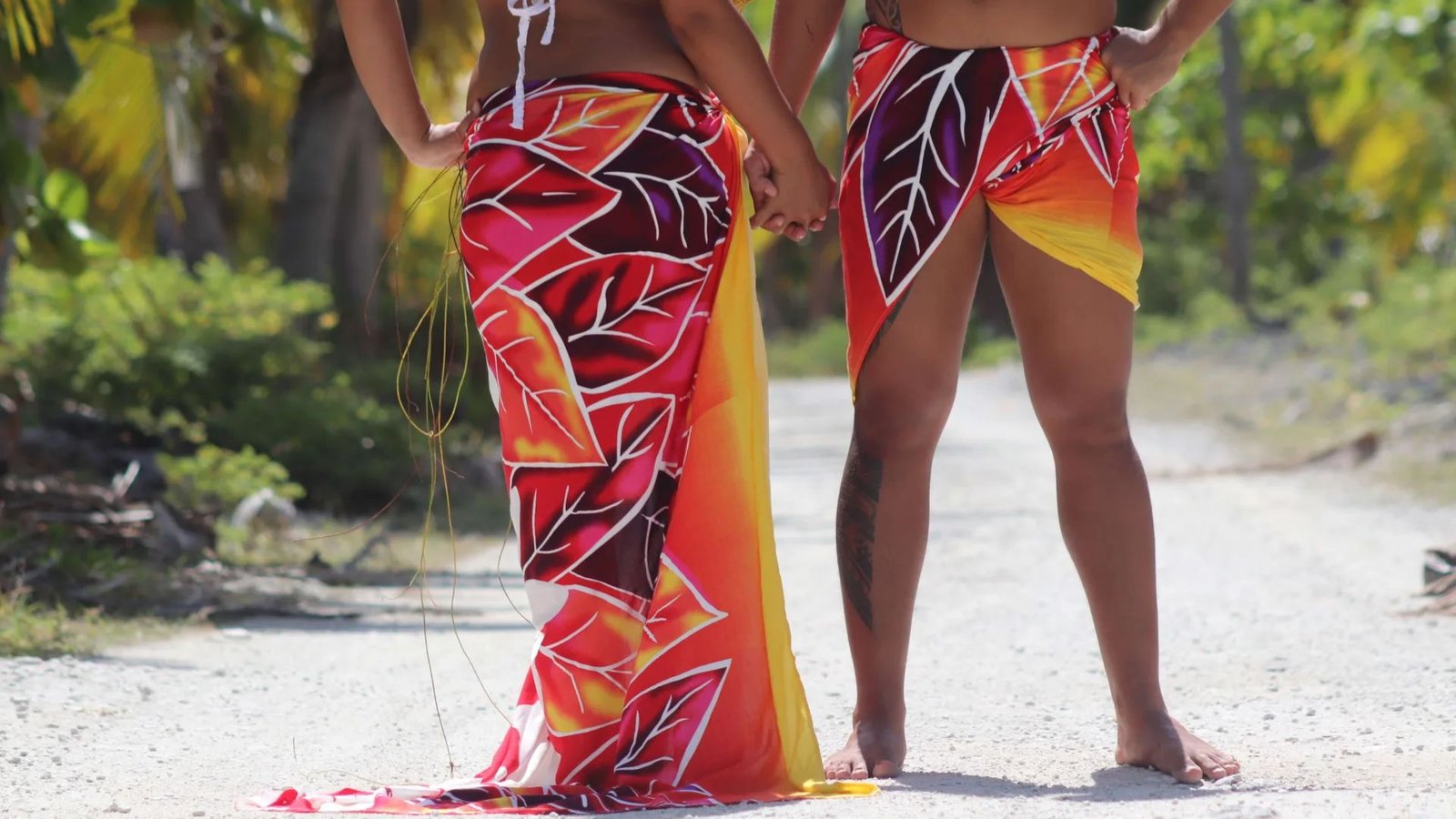
Both women and men wear pareos in Tahiti. Women style them as dresses, skirts, and shawls. Men wrap them around the waist at home or during cultural events. Children wear them too. The pareo belongs to everyone.
What Is A Pareo Made From Today?
The earliest pareos were made from tapa, a material produced by pounding tree bark flat and drying it. It was decorated with natural plant dyes and was a shared tradition across many Pacific island cultures.
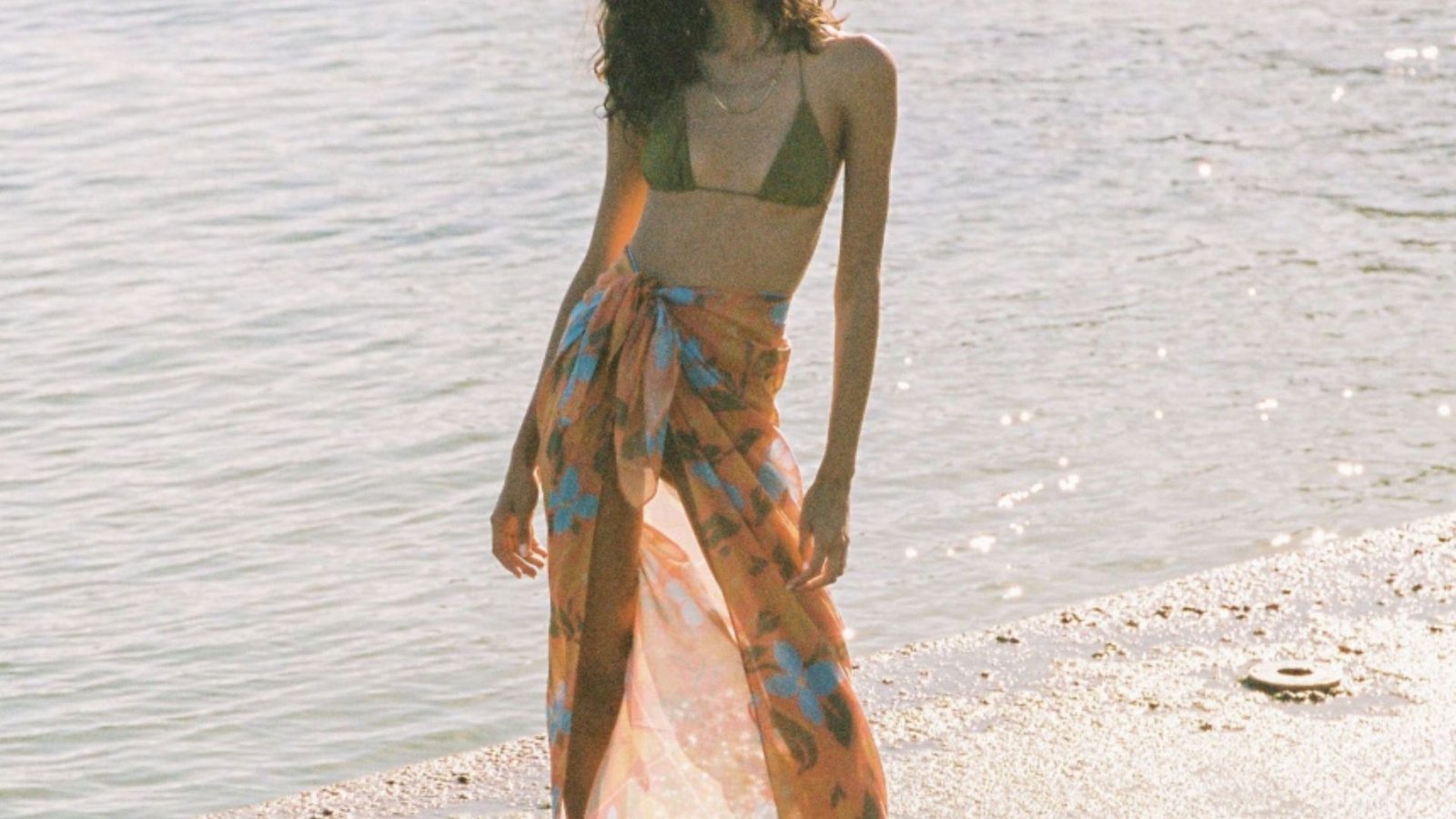
Today, most pareos are made from cotton or rayon. Cotton dries fast after a swim. Rayon drapes well as a dress or skirt. Silk pareos exist but are usually saved for special occasions.
Most pareos feature bold floral prints. Hibiscus, tiare flowers, and tropical leaves are the most common. Some show ocean scenes or geometric patterns drawn from traditional Polynesian art.
What Is A Pareo Used For In Daily Life?
Beyond clothing, the pareo serves many everyday purposes that make it a true all-in-one tool.
Wearing A Pareo As Clothing
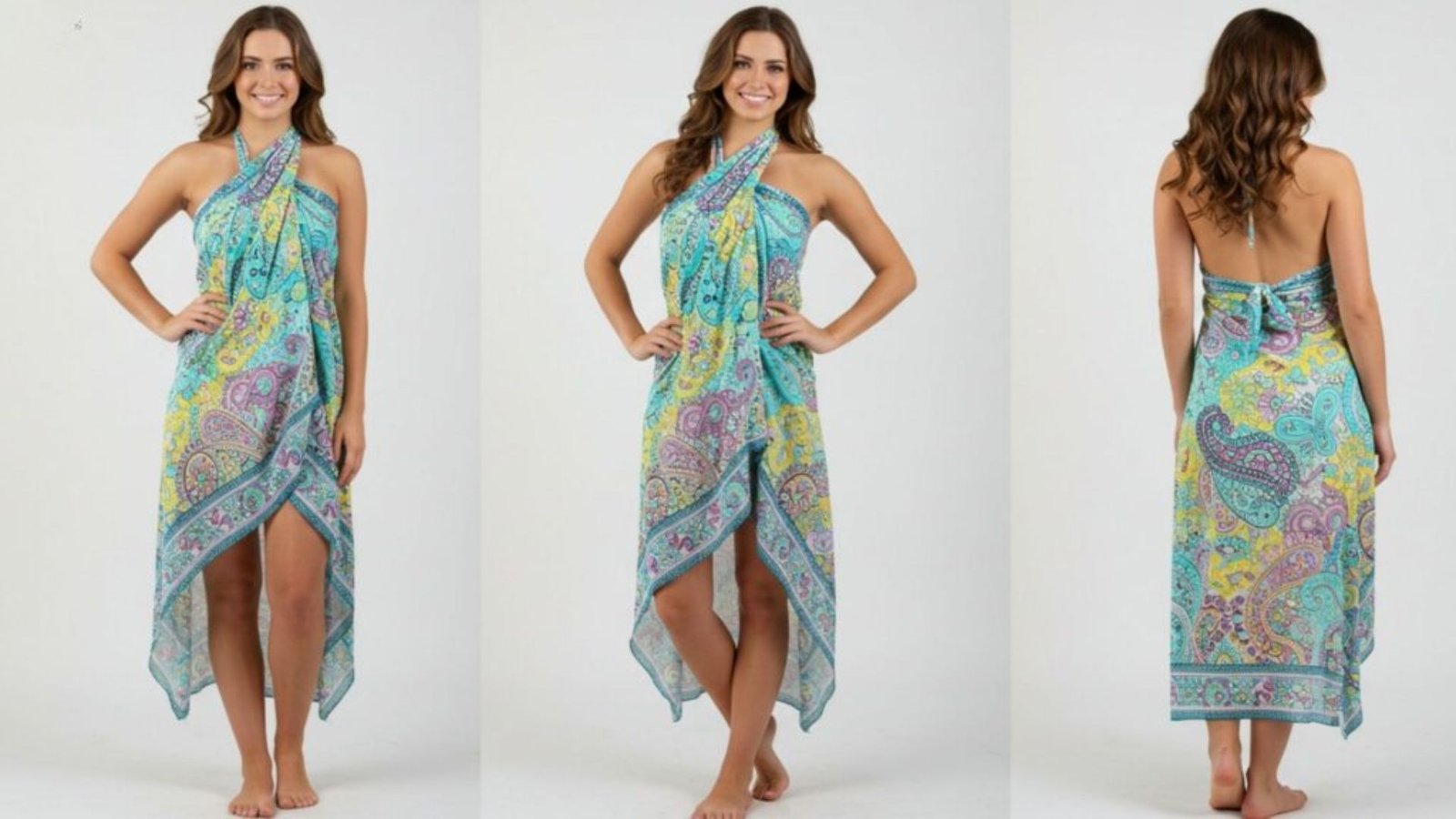
The most obvious use of a pareo is as clothing. It can be tied into a dress, wrapped as a skirt, or draped as a top. The same piece of cloth can be worn in many different ways depending on how it is tied or knotted.
This flexibility makes the pareo one of the most versatile pieces of clothing you can own. You do not need a wardrobe full of options when one piece can do the work of several.
Using A Pareo As A Beach Towel Or Light Cover
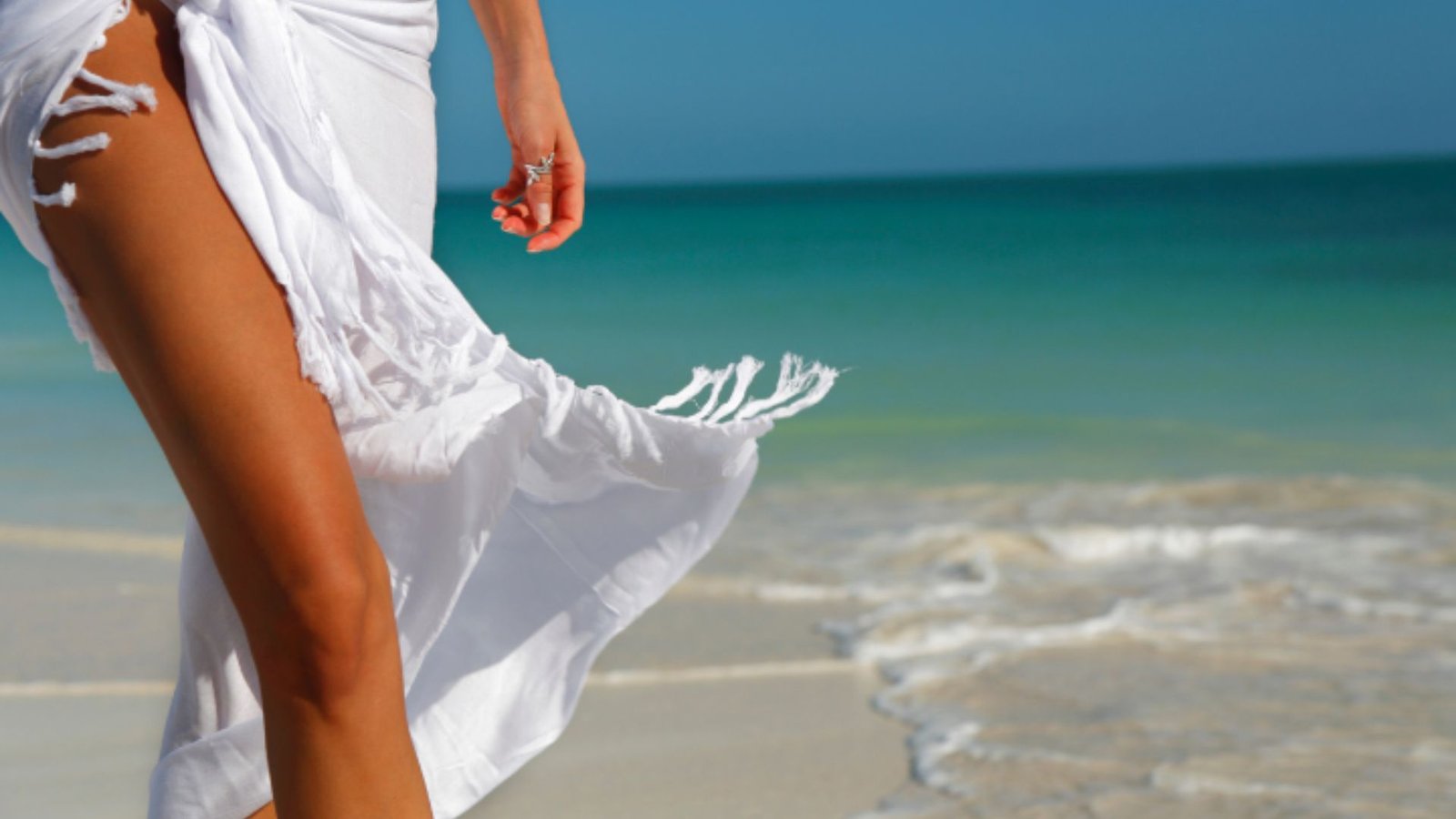
Many people bring a pareo to the beach instead of a towel. It is large enough to lie on and light enough to carry without extra weight in your bag.
After swimming, a pareo can be wrapped around the body as a quick cover. It dries fast and does not take up much space when folded. For beach trips, it is simply more practical than carrying both a towel and a change of clothes.
Using A Pareo As Home And Furniture Covering
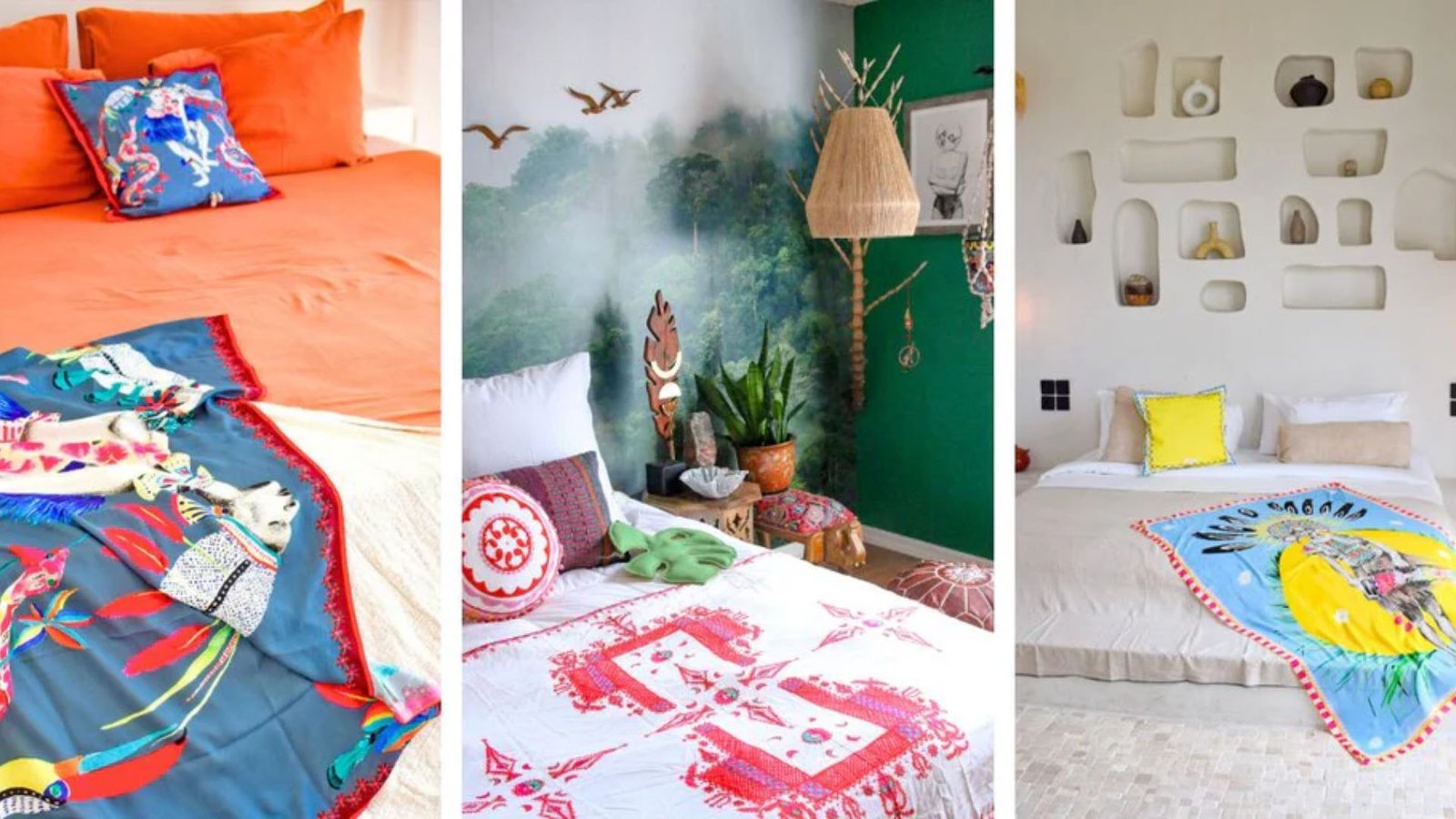
Some families in Tahiti use pareos inside the home as well. They are draped over chairs or used as light curtains.
In beach houses and open-air homes, a colorful pareo hanging in a window adds color and blocks out the sun without making the room feel closed in.
Old pareos that are too worn to wear often end up as tablecloths or decorative covers. Nothing goes to waste.
Simple Ways To Wear And Style A Pareo
Here are easy and practical ways to wear a pareo, no matter your body type or comfort level.
How To Wear A Pareo As A Dress
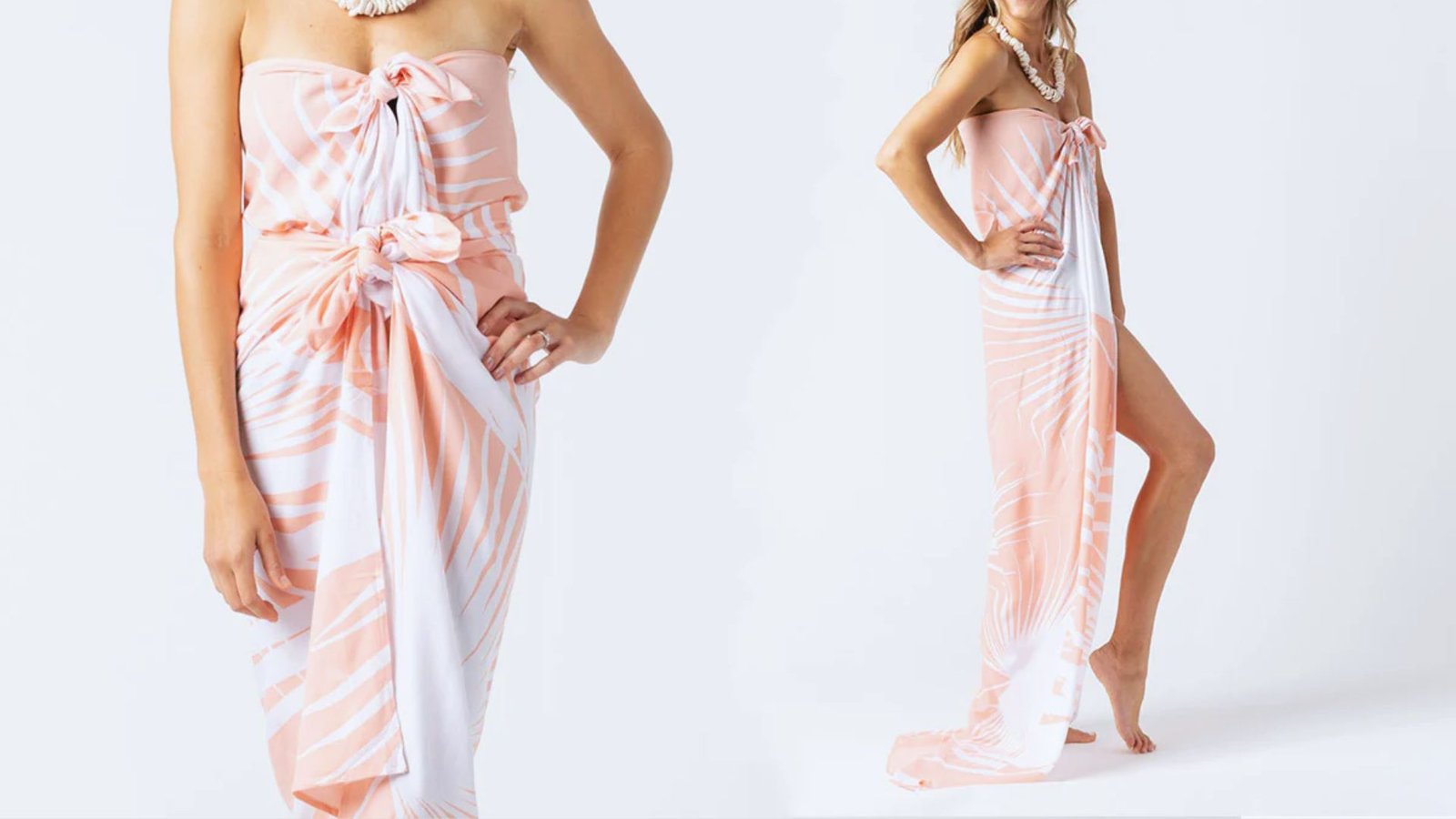
Hold the pareo open and bring both top corners over one shoulder. Tie them in a knot at the back. Let the fabric fall naturally. This works well for a casual beach walk or a visit to a local market.
To wear it around the bust, wrap the pareo across your chest and tie both ends at the back. This creates a strapless dress look that falls to mid-calf or lower. It is one of the most popular styles on the islands.
For a longer look, start with the pareo behind you. Bring both top corners over your shoulders and tie them in a halter knot at the back of your neck. This style gives more coverage and works for both beach and town.
How To Wear A Pareo As A Skirt
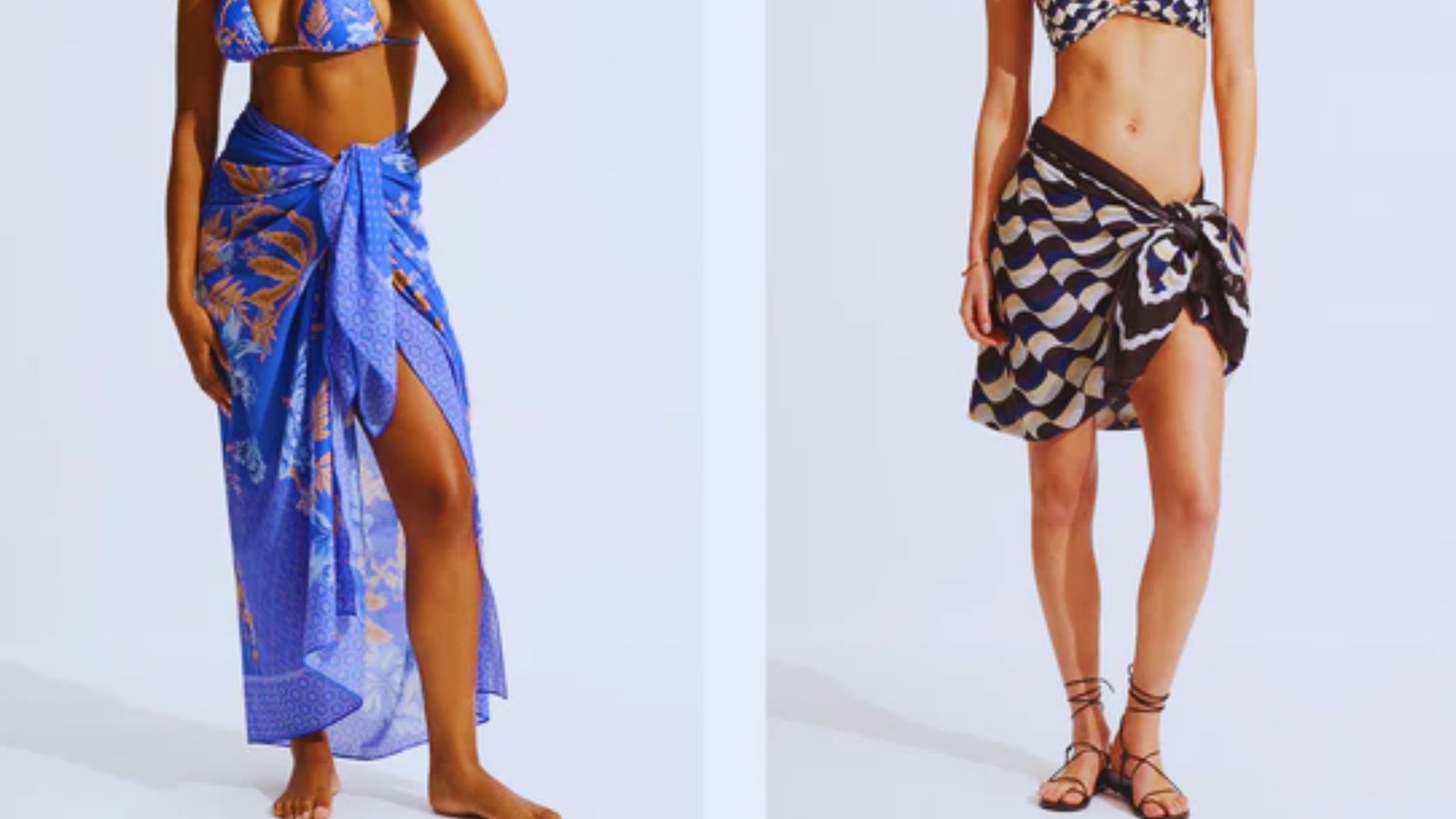
Fold the pareo in half lengthwise, wrap it around your waist, and tie the two top corners at the front or side. This gives you a short skirt just above the knee. Quick and easy for hot days.
For a long wrap skirt, use the full length of the pareo. Wrap it around your waist and knot the top corners at the hip. It falls to the ankle and works on most body types. Keep one piece bold and the other simple when mixing prints.
How To Wear A Pareo As A Shawl Or Wrap
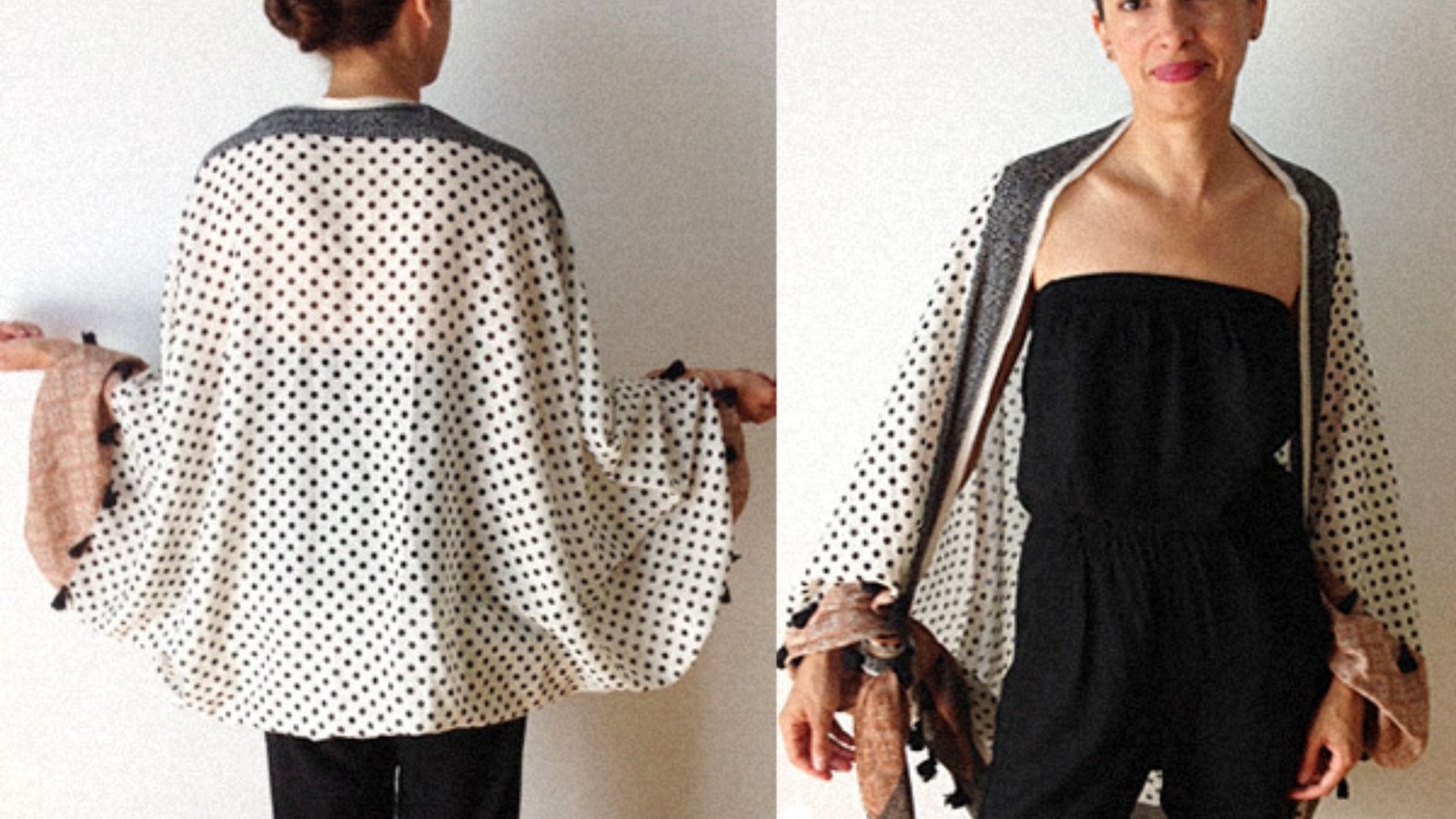
Drape the pareo loosely over your shoulders and let it hang down your arms and back. This gives shade without trapping heat during long beach walks or outdoor lunches.
In the evening, fold it into a triangle and drape it over your back and arms. Knot it at the front for a simple shoulder wrap. For a look that moves from beach to town, tie it as a skirt, add a fitted top, and wear sandals. No full outfit change needed.
How Men Wear And Style A Pareo
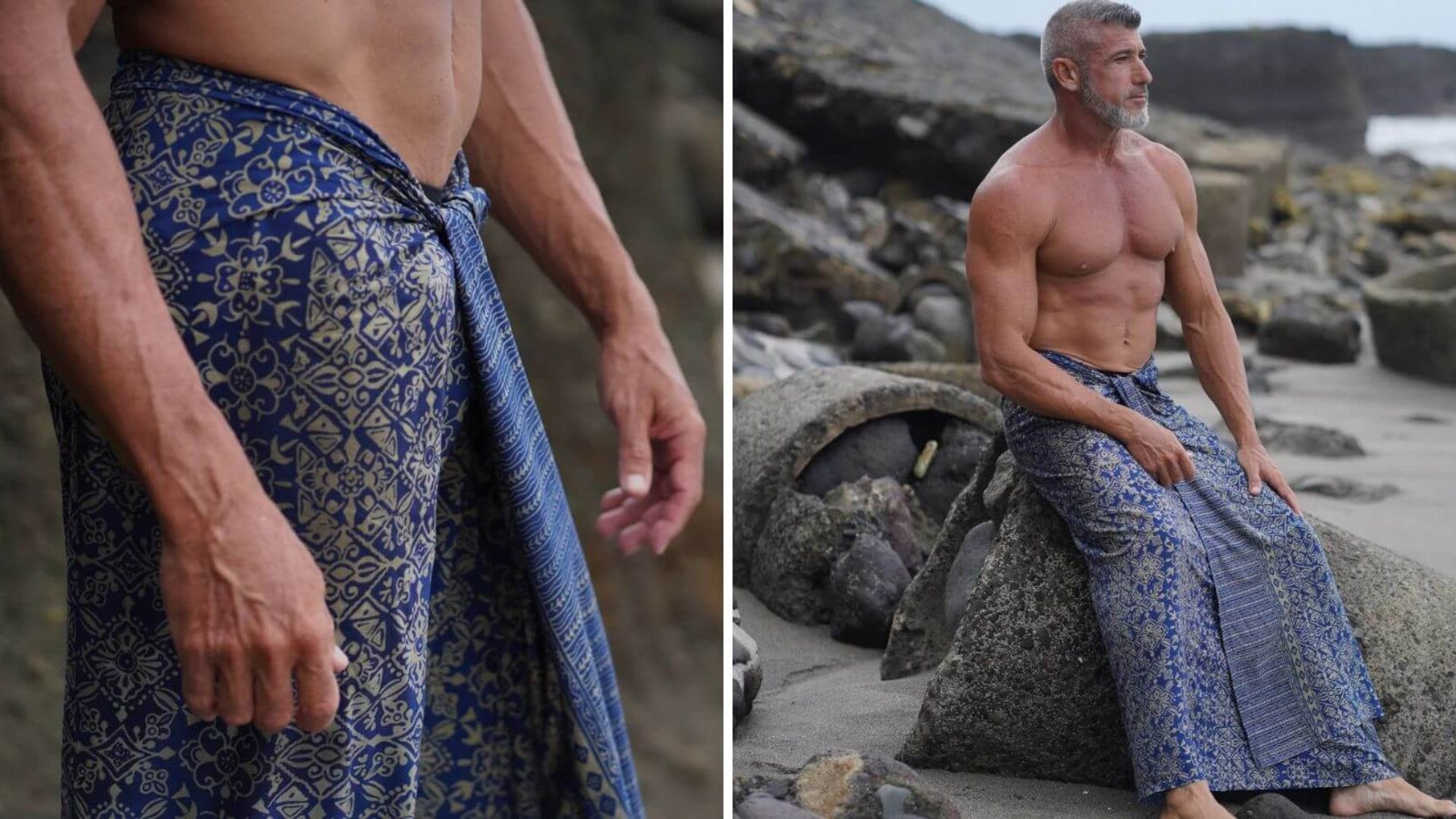
Men across French Polynesia wear pareos daily, and the styling is simple, comfortable, and practical.
Hold the pareo open behind you and bring both ends forward. Cross them once at the front and tuck the top end into the waistband. No knot needed. The fabric stays in place through tension alone. It takes a little practice but becomes second nature quickly.
Many men in Tahiti wear a pareo at home as casual wear. It is cool, light, and easy to move in. Some wear it all day. Others switch to different clothing when heading out. There is no single rule.
At events like Heiva i Tahiti and Tū’aro Mā’ohi, men wear pareos as a mark of cultural respect. The wrap is neater and more structured for these occasions.
It may be paired with a traditional top or worn alone to show off traditional tattoos. Sportsmen style it to allow full freedom of movement during competition.
What Is A Pareo’s Role In Tahitian Tradition?
The pareo shows up in art, ceremonies, and festivals that have shaped Tahitian identity for generations.
Pareos In Paintings By Paul Gauguin
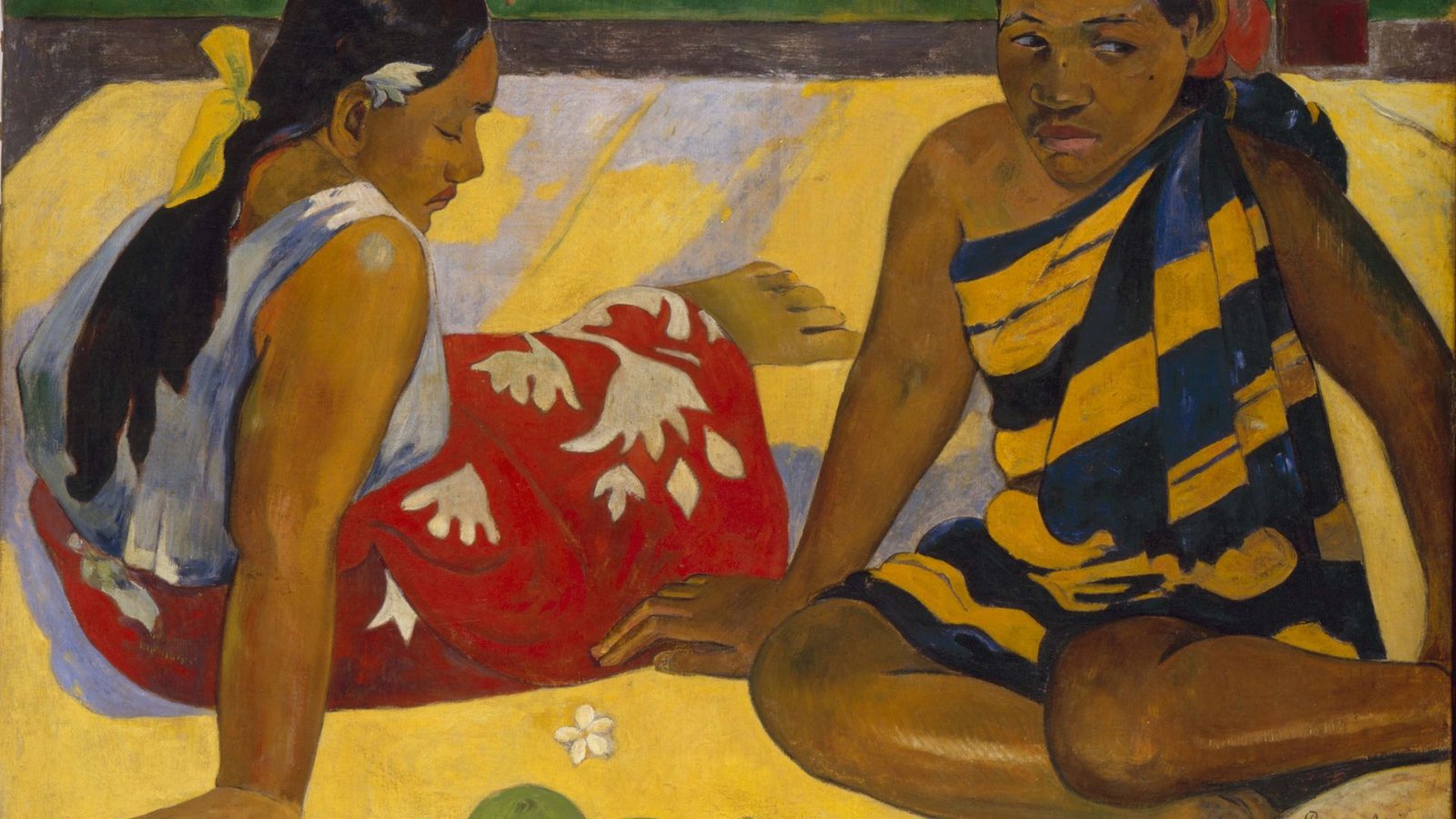
Paul Gauguin moved to Tahiti in the 1890s. His paintings became some of the most recognized images of Polynesian life. Many showed Tahitian women wearing pareos in vivid colors.
His work gave the pareo a kind of international recognition that few island garments ever received.
The Pareo In Cultural Shows And Ceremonies
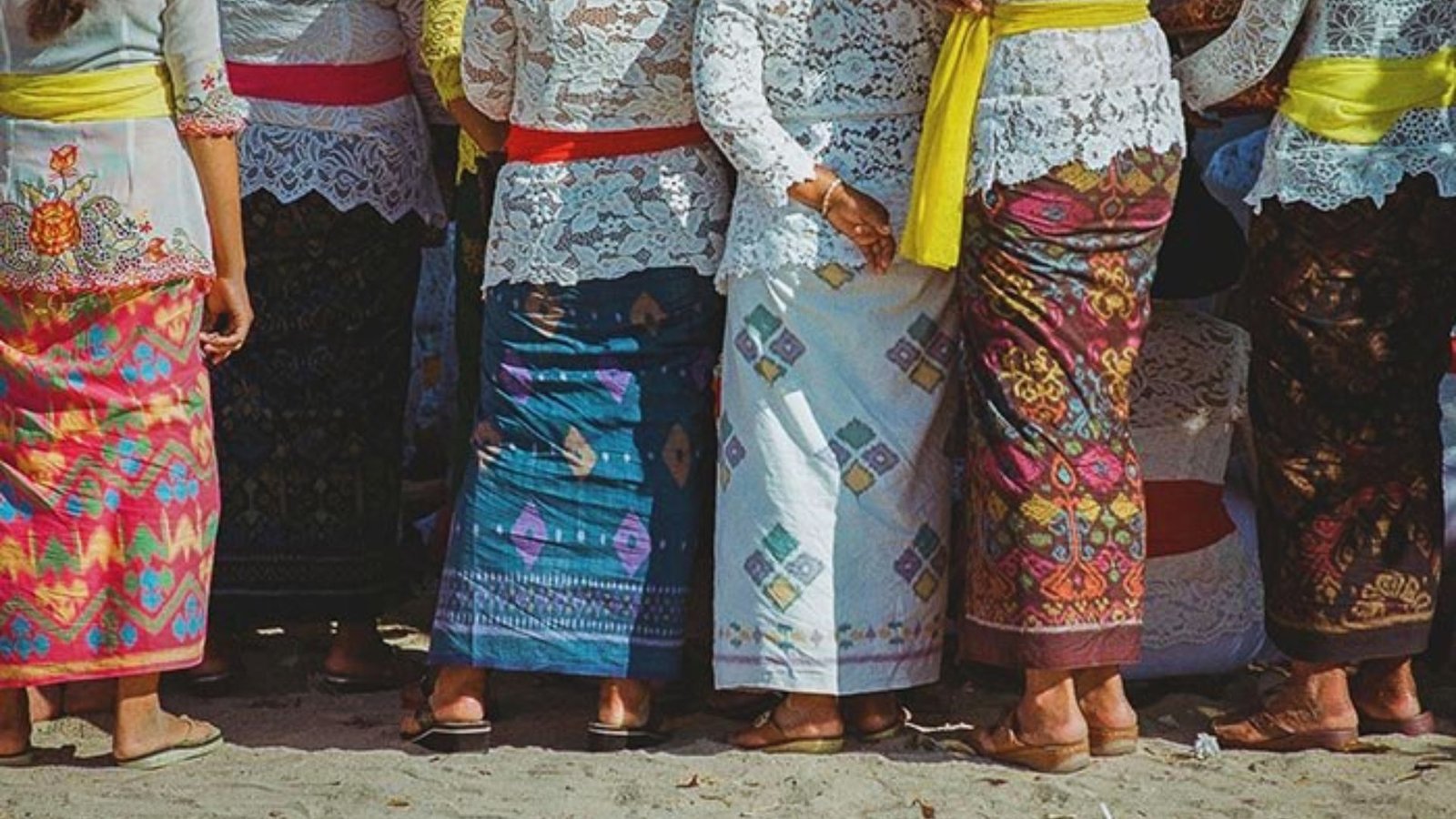
Pareos are worn during cultural performances across French Polynesia. Dancers wear them styled to reflect traditional dress.
At community gatherings and local ceremonies, wearing a pareo is a sign of respect. Visitors who wear one are often welcomed warmly.
The Pareo At Heiva i Tahiti And Tū’aro Mā’ohi
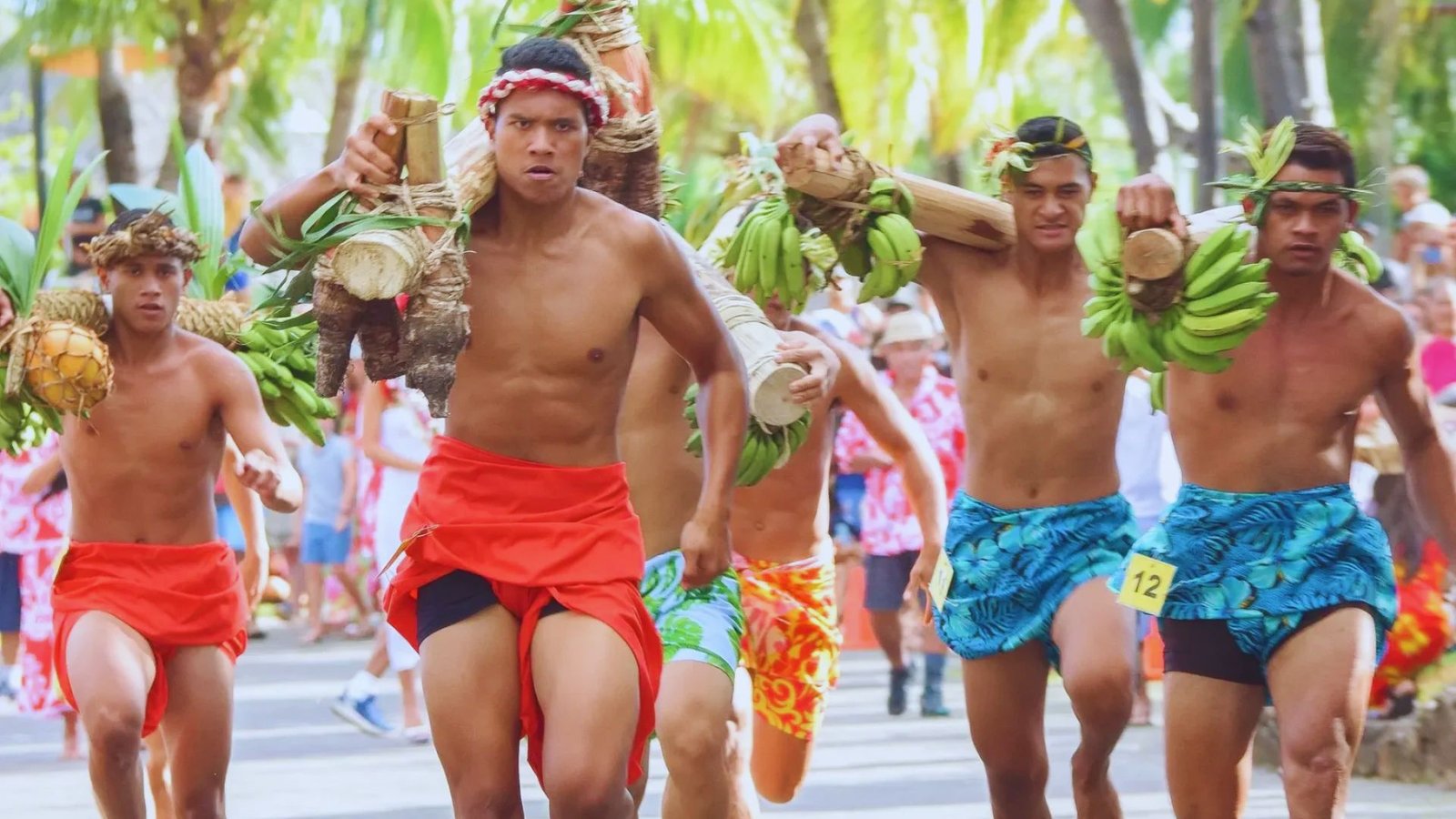
Heiva i Tahiti is one of the biggest cultural festivals in French Polynesia, held every July. It includes dance competitions, music, and sports. Pareos are a central part of the dress code throughout the event.
Tū’aro Mā’ohi is a traditional sports competition celebrating ancient Polynesian games. Participants wear pareos as a connection to their island heritage. Both events show how deeply the pareo is tied to cultural expression.
Where Visitors Can Learn How To Wear A Pareo
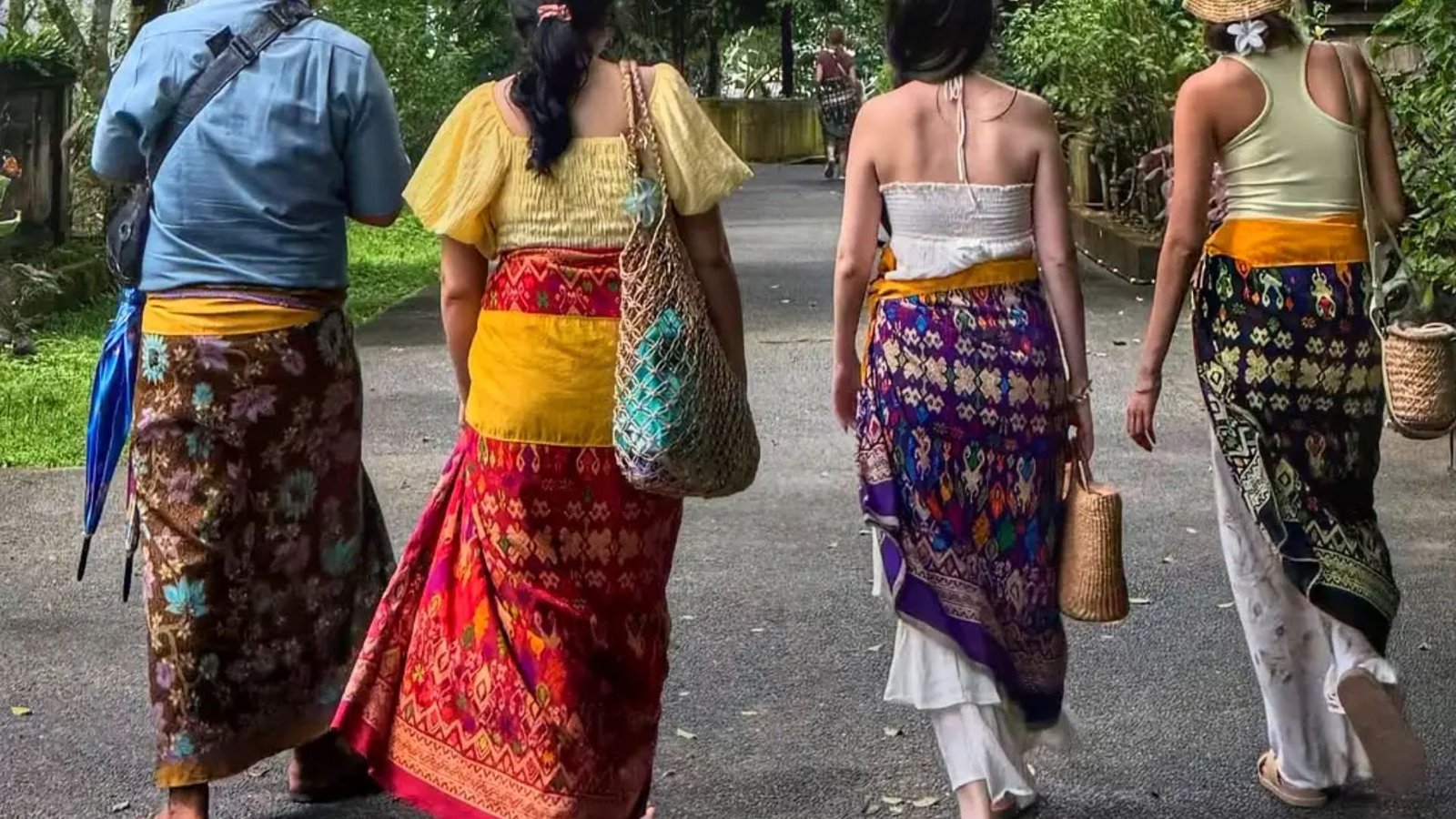
Many beach resorts and local hosts offer informal pareo tying sessions. These are usually free or part of a welcome activity. A local shows you several styles and helps you practice. No experience needed.
In Rangiroa, staying with local families or joining cultural tours often includes a hands-on introduction to pareo styling. These experiences go beyond tourism and show how people actually live day to day.
In Papeete, local markets are a great place to buy a pareo and learn how to wear it. Vendors know dozens of styles and are happy to show you a few right there at the stall.
Conclusion
I hope this gave you a clear and useful look at the pareo from every angle. When I first wrapped one around myself on a beach in Tahiti, I had no idea how much history was folded into that simple piece of cloth.
It changed how I saw island dressing completely. Now I own several and reach for them all the time, even back home. Once you try one, you will wonder why you waited so long.
Have you worn a pareo before? Drop a comment below and tell me your favorite way to style it. Share this post with a friend planning a trip!
Frequently Asked Questions
What Is A Pareo And How Is It Different From A Sarong?
A pareo is a wraparound cloth from French Polynesia, while a sarong comes from Southeast Asia. Both are worn similarly but differ in cultural origin and traditional tying styles.
Can Men Wear A Pareo Or Is It Only For Women?
Men absolutely wear pareos in Tahiti. They wrap it around the waist at home, during cultural events, and at traditional sports competitions. It is worn by all genders.
What Fabric Should I Look For When Buying A Pareo?
Cotton is the most practical choice as it is light and dries fast. Rayon drapes well for dress styles. Silk pareos exist but are less common for daily use.
How Big Should A Pareo Be For It To Work As A Dress?
A standard pareo measures about 150 cm by 110 cm. This is large enough to wrap as a dress, skirt, or shawl. Taller people may want a slightly larger size.
Where Is The Best Place To Buy A Pareo In French Polynesia?
The Papeete market in Tahiti is the best spot for a wide range at fair prices. Local vendors in Bora Bora and Moorea also sell them near the beach.