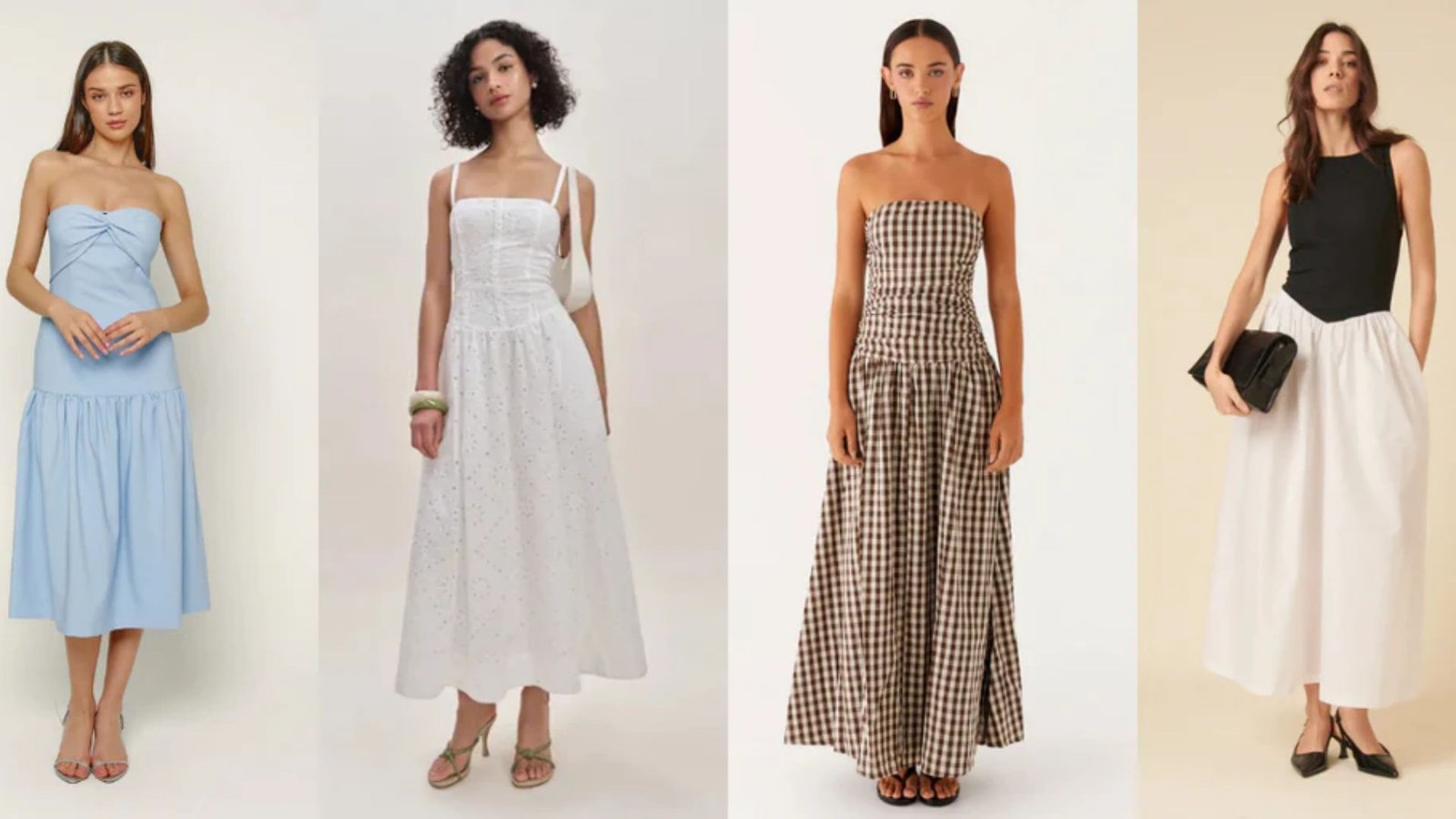
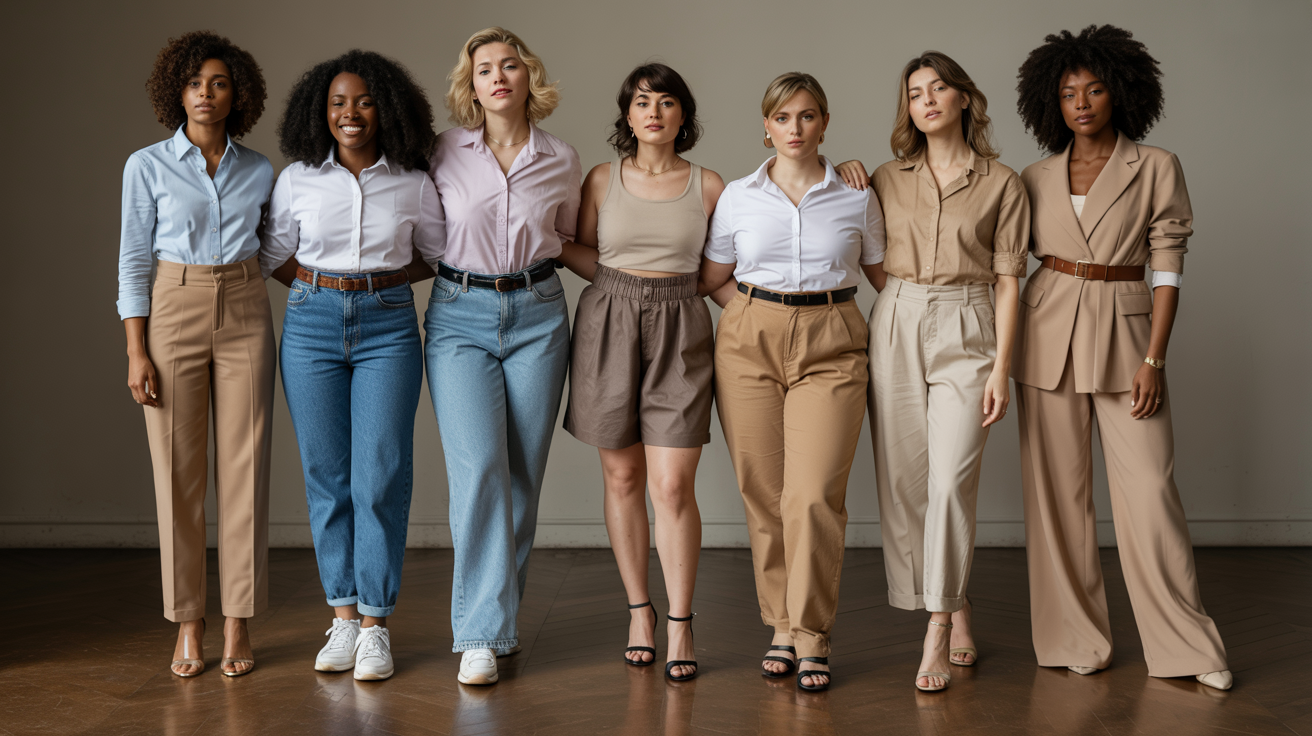
Have you ever bought a pair of pants or a dress that looked great on the hanger but just didn’t work on your body? The problem might not be the size. It could be the waist type.
The waist of your clothing affects how everything fits and how you look. Different waist types work better for different body shapes. Some make your legs look longer. Others help define your shape or keep you comfortable all day.
In this guide, you’ll learn about eight common waist types. You’ll find out which ones work best for your body shape. You’ll also get tips on how to wear each style. By the end, you’ll know how to pick clothes that fit you well and make you feel good. Understanding waist types is the first step to dressing better.
What Are the Different Waist Types?
Waist types refer to where the waistline sits on your body when you wear clothing. This small detail makes a big difference in how clothes fit and look.
Natural Waistline
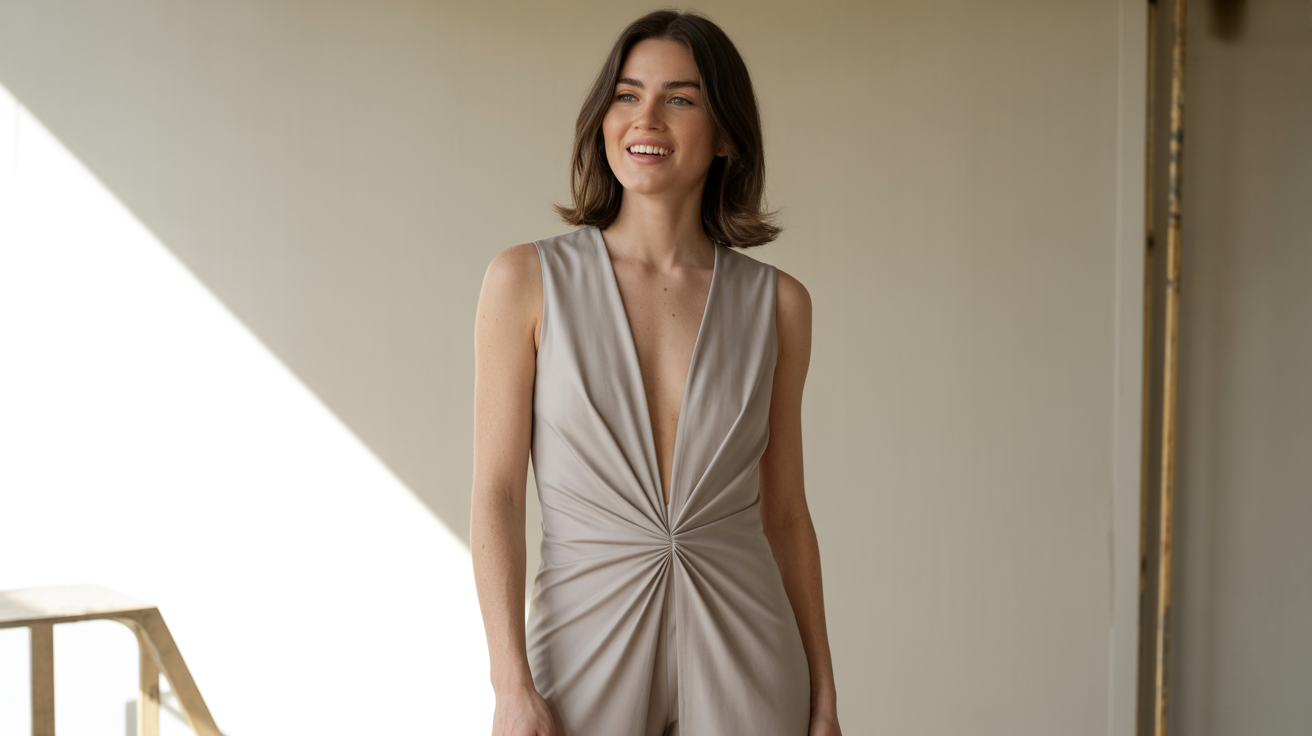
The natural waistline sits at the narrowest part of your torso. This is usually a couple of inches above your belly button. When you bend to the side, the crease that forms shows where your natural waist is.
This waist type appears in many dresses, pants, and skirts. It creates an hourglass shape by showing off the narrowest part of your body.
Most people find this waist type flattering because it follows the body’s natural curves.
Empire Waist
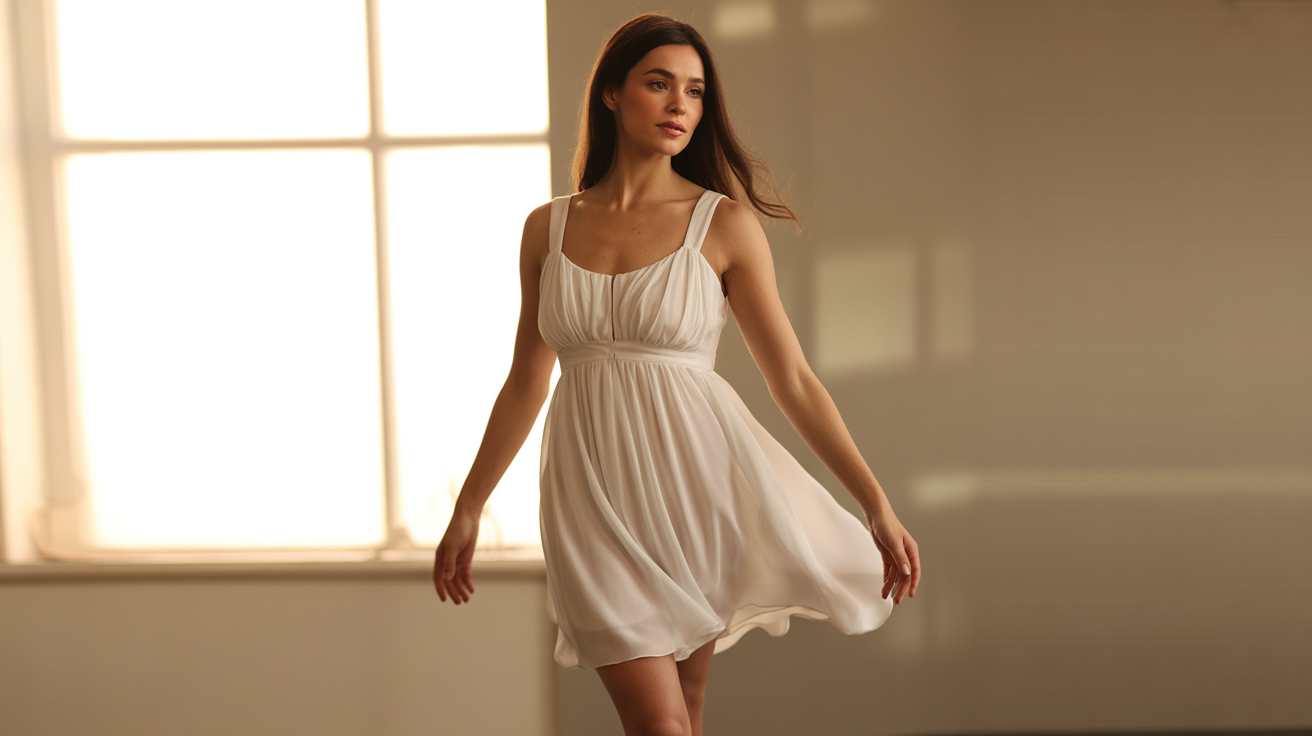
The empire waist sits just under the bust line. This means the waistband or seam falls right below your chest. The fabric then flows down loosely from that point.
You’ll see this waist type mostly in dresses and tops. It works well because it makes your legs look longer.
The eye starts measuring from a higher point, so everything below looks longer. This style also gives you room to move and breathe comfortably.
High Waist
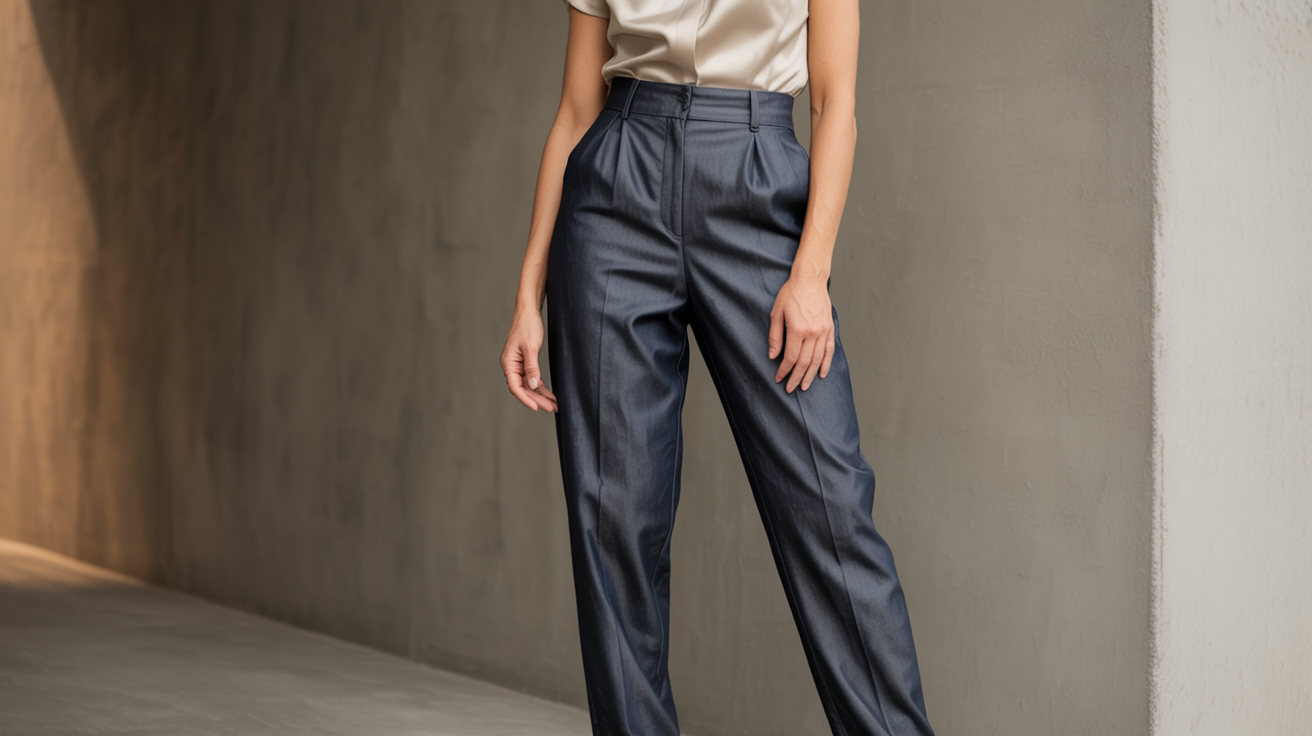
A high waist sits above your natural waistline. The waistband comes up to your belly button or even a bit higher. This creates more coverage for your stomach area.
High-waist pants, jeans, and skirts have become very popular. They make your legs appear longer by raising the starting point of your lower body.
They also help smooth your midsection and give you a put-together look.
Low Waist (Low Rise)
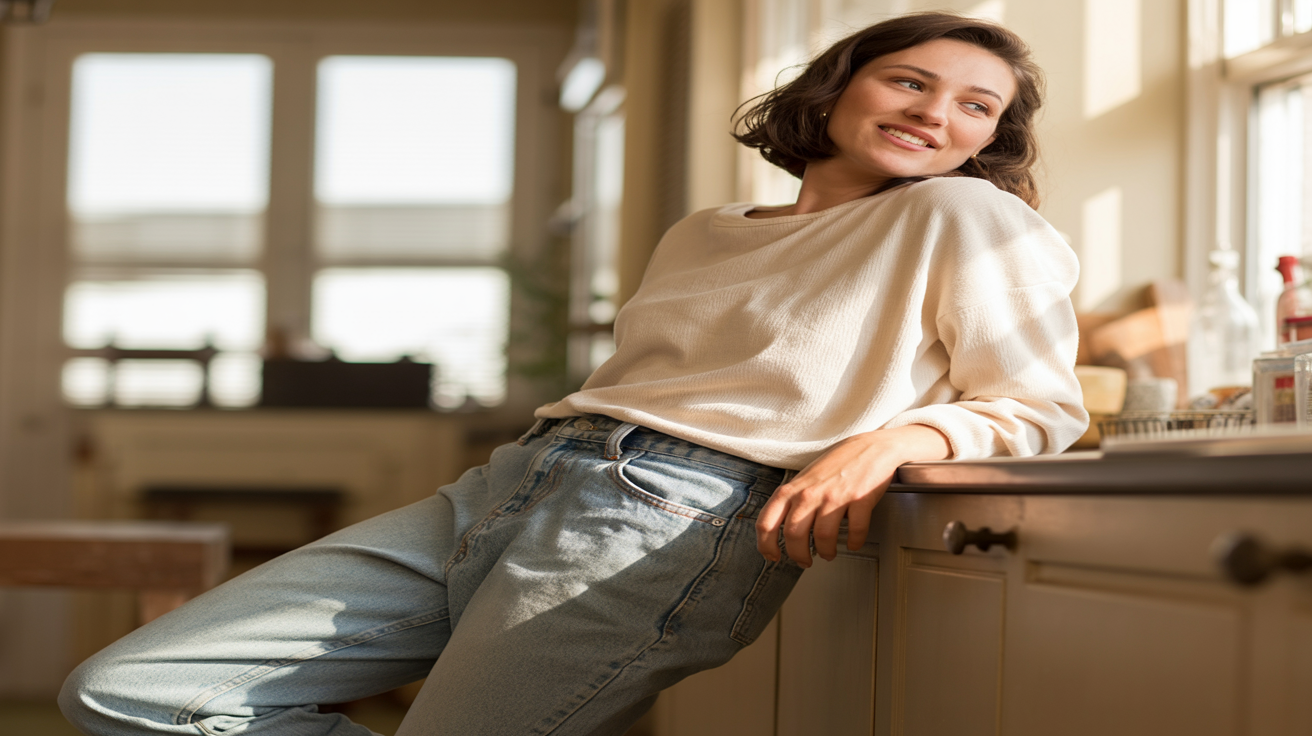
The low waist sits near your hips, well below your belly button. This waistline rests on your hip bones rather than at your actual waist. The rise (the distance from crotch to waistband) is much shorter.
You’ll find this waist type mainly in jeans and casual pants. Low waist styles give a relaxed, laid-back vibe. They work well when you want a casual look or when wearing longer tops and sweaters.
Drop Waist
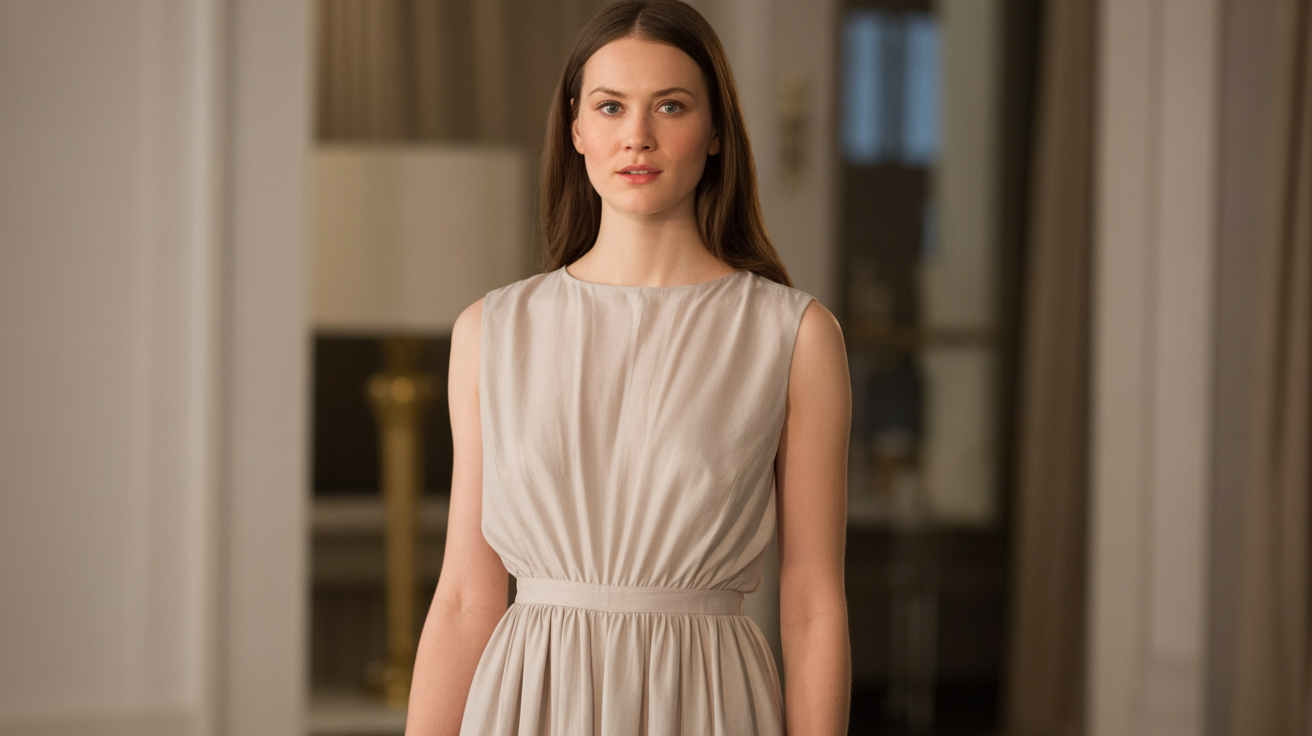
A drop waist falls below your natural waistline and closer to your hips. The waist seam or band sits lower than where your body naturally curves in. This creates a straight line from shoulders to hips.
Drop waist dresses were very popular in the 1920s and have come back in style regularly. They create the illusion of a longer torso.
This style can make you look taller overall by changing where your body appears to divide.
Cinched Waist
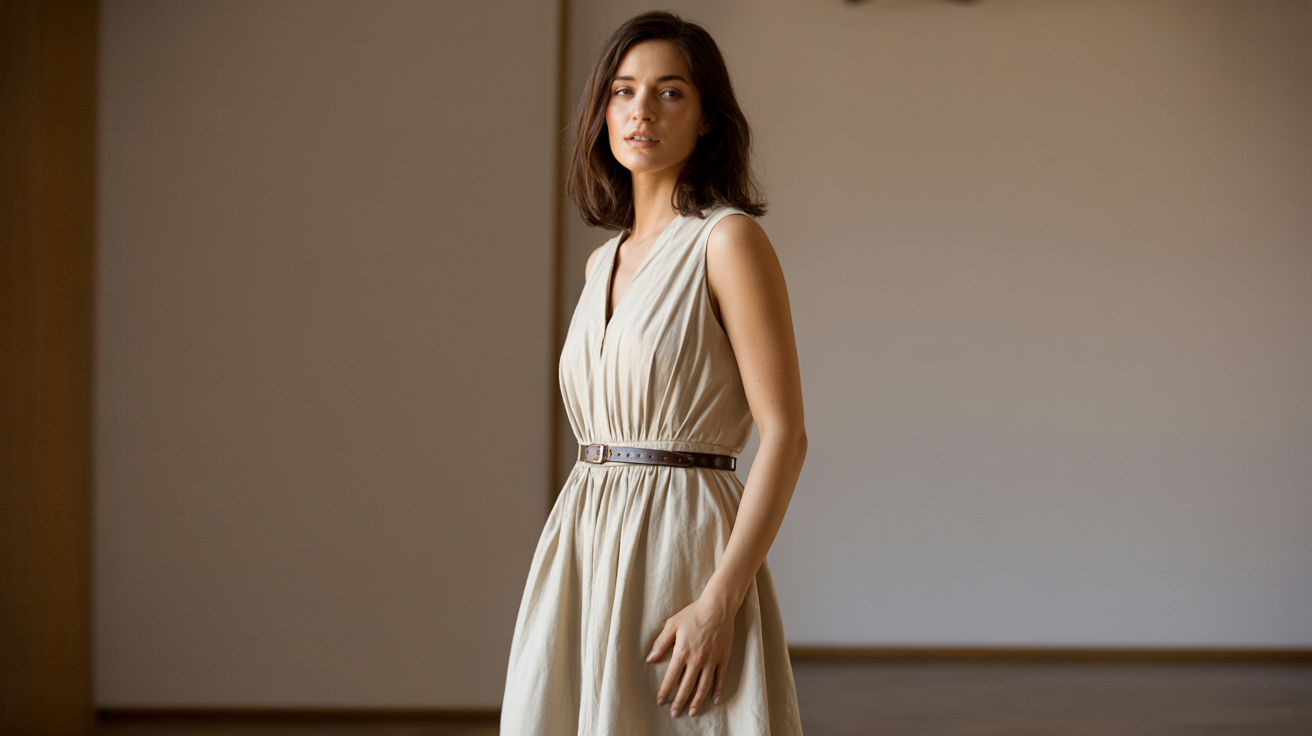
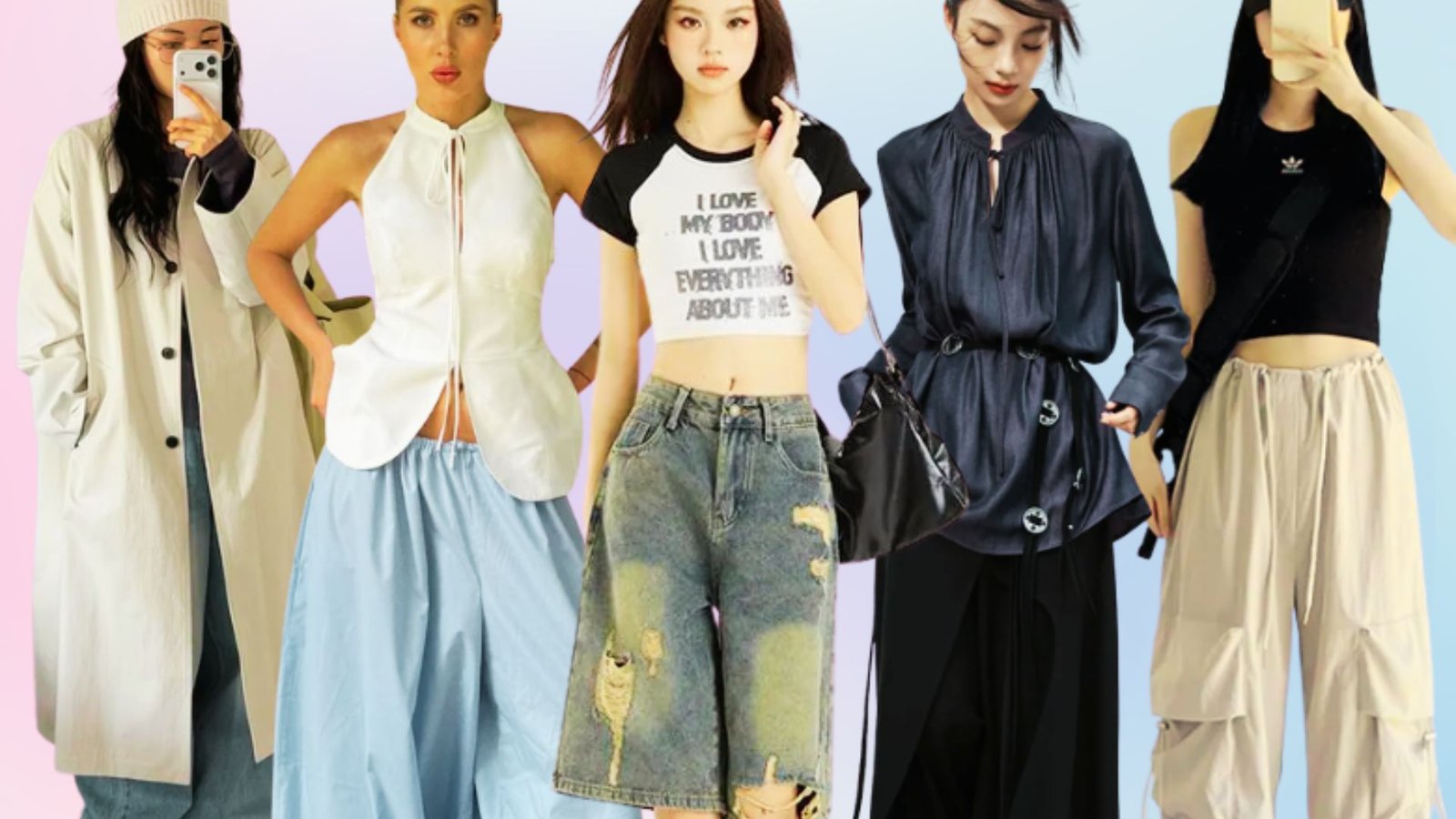
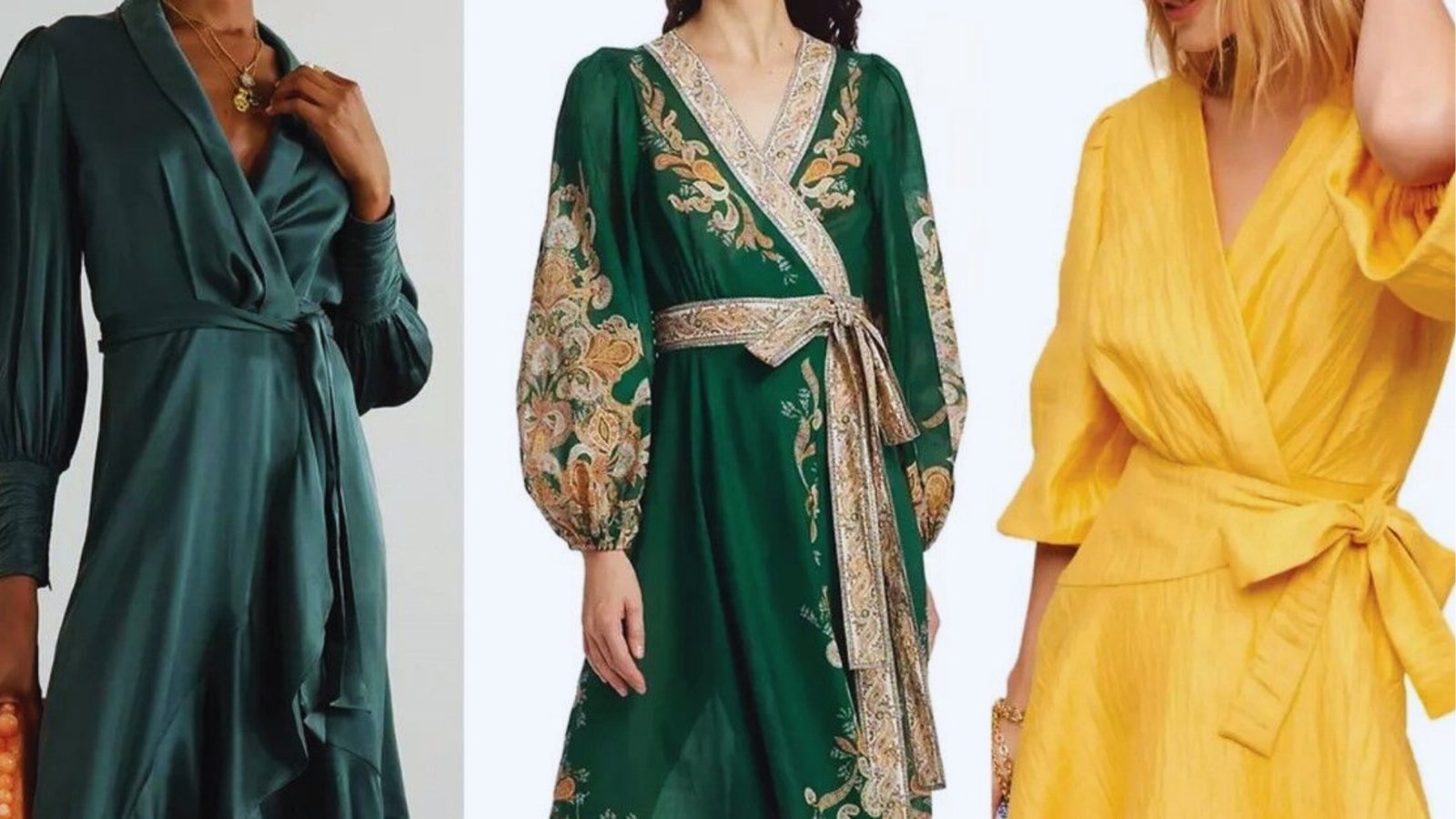
A cinched waist is pulled in tight with a belt, drawstring, or elastic. This creates definition at the waistline. The cinching can happen at your natural waist or wherever you choose to tie or buckle.
This waist type shows up in dresses, jackets, and pants. It lets you control how much definition you want at your waist.
You can adjust a cinched waist to be looser or tighter based on your comfort and the look you want.
Paperbag Waist
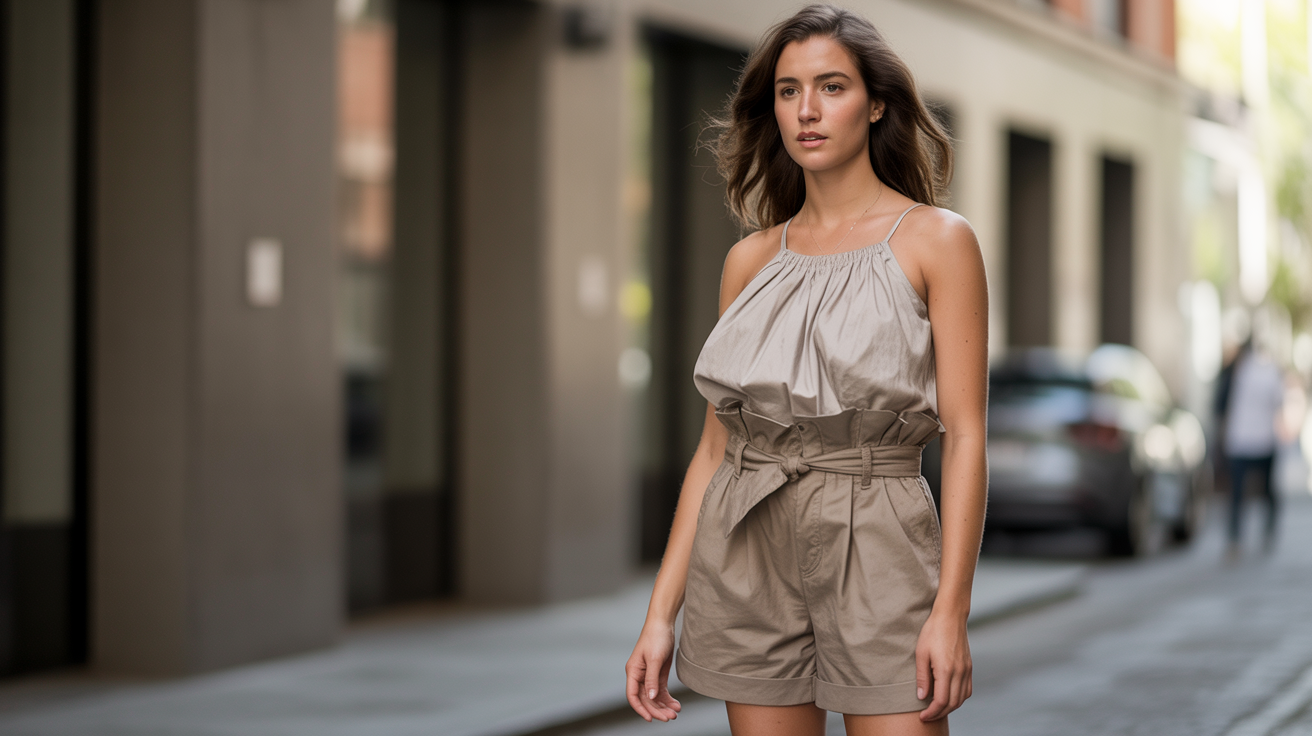
The paperbag waist features gathered or pleated fabric above the waistband. This creates a poufy, crumpled look like the top of a paper bag. A belt or tie usually goes around the outside to hold everything in place.
You’ll see paperbag waists on pants, skirts, and shorts. This style adds volume at the waist while still defining it. The gathered fabric gives you a relaxed fit that’s both trendy and comfortable.
Elastic Waistline
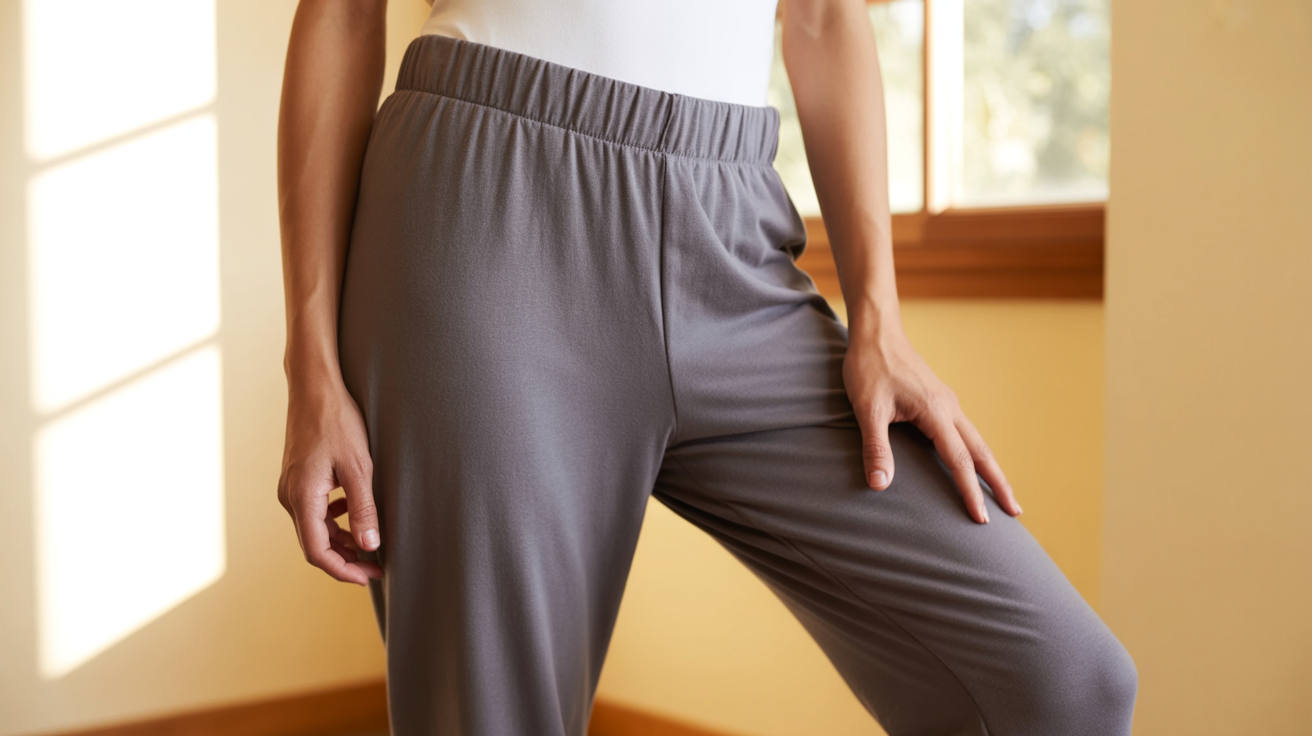
An elastic waistline uses a stretchy band that goes around your waist. The elastic can be exposed or hidden inside a fabric waistband. It stretches to fit your body and moves with you.
Elastic waists appear in pants, skirts, and shorts of all styles. They offer flexibility and comfort throughout the day. No matter what you eat or how much you move, elastic waistbands adjust to your body.
How to Choose the Right Waist Type for Your Body Shape?
Picking the right waist type for your body shape helps you look and feel your best. Here’s what works for different body shapes.
For Pear-Shaped Bodies
Pear-shaped bodies are smaller on top and fuller on the bottom. Your hips and thighs are wider than your shoulders and bust. The goal is to balance your proportions.
High waist, empire waist, and natural waist styles work great for pear shapes. High waist bottoms draw the eye up and balance out wider hips. Empire waists show off your smaller upper body. Natural waist styles define your narrowest point.
Try to avoid low-waist pants, as they can make your hips look wider and create an unbalanced look.
For Apple-Shaped Bodies
Apple-shaped bodies carry weight around the middle. Your shoulders and bust are about the same width as your hips, but your waist isn’t very defined. You want to draw attention away from your midsection.
Empire waist styles work really well for apple shapes. They sit above your stomach area and let fabric flow loosely below. Wrap styles that tie at your natural waist can also help create the appearance of curves.
Stay away from tight waistbands right at your stomach, as these can dig in and feel uncomfortable. Low waist styles also tend to create a muffin top effect.
For Rectangle-Shaped Bodies
Rectangle-shaped bodies have shoulders, waist, and hips that are all about the same width. Your body forms fairly straight lines from top to bottom. The goal is to create the illusion of curves.
Cinched waist, paperbag waist, and natural waist styles with belts are your best friends. These waist types create definition where your body doesn’t naturally curve in much. Paperbag waists add volume at the waist while still defining it.
Avoid elastic waists and completely straight styles, as these make your body look even more rectangular.
For Hourglass Shaped Bodies
Hourglass-shaped bodies have balanced shoulders and hips with a defined waist. Your waist curves in noticeably compared to your bust and hips. You want to show off your natural curves.
Natural waist, high waist, and cinched waist styles all work great for you. These waist types show off your natural shape.
Natural waist clothes highlight your curves without hiding them. High waist bottoms keep the focus on your defined waist. Skip empire waists and drop waists, as these hide your natural curves and can make you look wider than you are.
For Inverted Triangle Shaped Bodies
Inverted triangle bodies are broader on top with narrower hips. Your shoulders and bust are wider than your lower body. You want to balance your proportions by adding volume to your lower half.
High waist and natural waist styles work best for you. High waist bottoms with volume (like wide leg pants or full skirts) help balance broad shoulders.
Natural waist styles keep everything proportional. Avoid low waist styles, which make your hips look even narrower. An empire waist can also make your top half look larger in comparison.
Quick Tips for Wearing Different Waist Types
Learning to work with different waist types takes some practice. Here are some helpful tips to keep in mind.
- Add a belt to any natural waist dress or top to create more definition. Choose belts that are 1 to 2 inches wide for the best effect.
- Thicker fabrics work better for high waist and natural waist styles because they hold their shape. Flowy fabrics suit empire waist and drop waist styles better.
- Tuck in your top when wearing high-waist bottoms to show off the waistline. Leave tops untucked with low waist or drop waist bottoms for better proportions.
- Layer a fitted tank under loose empire waist tops for more coverage. Wear a belt over cardigans to create a cinched waist effect.
- Wear darker colors at your waist if you want to minimize that area. Choose brighter colors at your waist if you want to draw attention there.
These small changes can make a big difference in how your clothes look and feel. Try different combinations to see what works for you.
Conclusion
Understanding waist types helps you make better choices when shopping for clothes. Each waist type creates a different effect on your body. Some make you look taller, others define your shape, and some just keep you comfortable.
Remember that these are guidelines, not strict rules. Your body is different from everyone else’s. What works for someone else might not work for you, and that’s okay. Feel free to try different waist types to see what you like best.
The most important thing is choosing waist types that make you feel good. Try on different styles and see what you like. Pay attention to how clothes make you feel, not just how they look. When you feel comfortable and confident, that’s the right choice for you. Trust your instincts.
Frequently Asked Questions
Can I Wear High-Waisted Pants If I Have a Short Torso?
Yes, you can wear high-waisted pants with a short torso. The key is to pair them with cropped tops or to tuck in your shirt. This stops the high waist from making your torso look even shorter.
What’s the Difference Between Low Rise and Mid Rise Jeans?
Low-rise jeans sit at or below your hip bones, about 3 inches below your belly button. Mid-rise jeans sit between your hips and belly button. Mid-rise gives more coverage and feels more secure than low-rise.
How Do I Know Where My Natural Waistline Is?
Stand up straight and bend to one side. The crease that forms is your natural waistline. You can also put your hands on your sides and feel for the narrowest part of your torso, usually above your belly button.
Are Empire Waist Dresses Only for Pregnant Women?
No, empire waist dresses work for everyone. They became popular for pregnancy because they’re comfortable and don’t squeeze the belly. But anyone can wear them. They’re flattering on many body types and very comfortable for all-day wear.
What Should I Do If a Waist Type Feels Uncomfortable?
Try a different size first, as fit issues often come from sizing. If the style still doesn’t work, look for adjustable features like drawstrings or elastic. You can also have clothes altered by a tailor for a better fit.