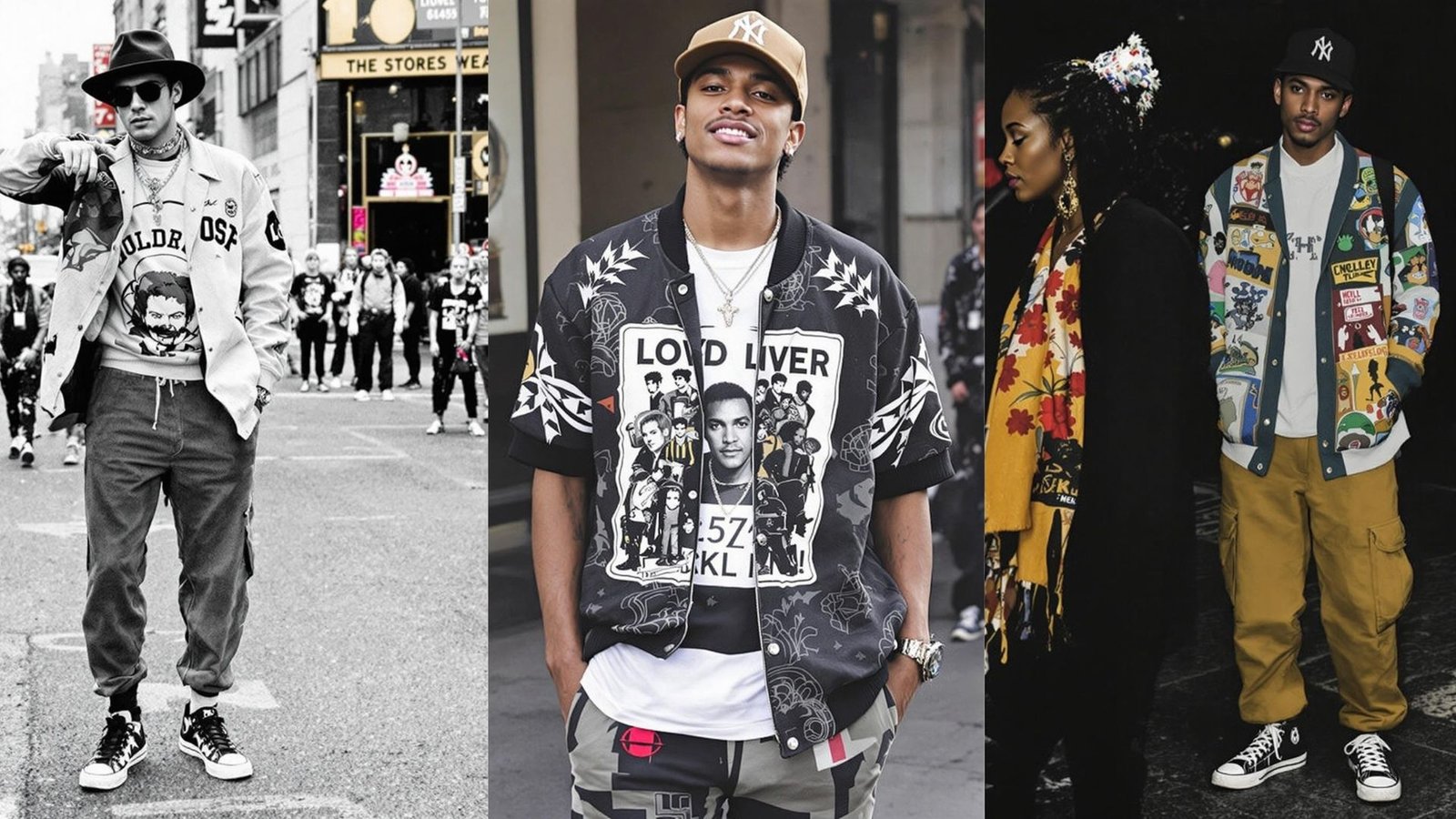
I’ve spent years obsessing over streetwear, and one thing I know for sure: most people don’t realize how many types of streetwear actually exist.
This blog breaks it all down for you. From original skate culture fits to high-end luxury collabs, I’ll cover every major category, key brands, and how to build your own style. No fluff, no confusion. Just clear, honest info you can actually use.
I’ve followed street fashion closely for over a decade, so you’re in good hands. By the end, you’ll shop smarter, dress with intention, and finally understand the culture behind the clothes.
What is Streetwear?
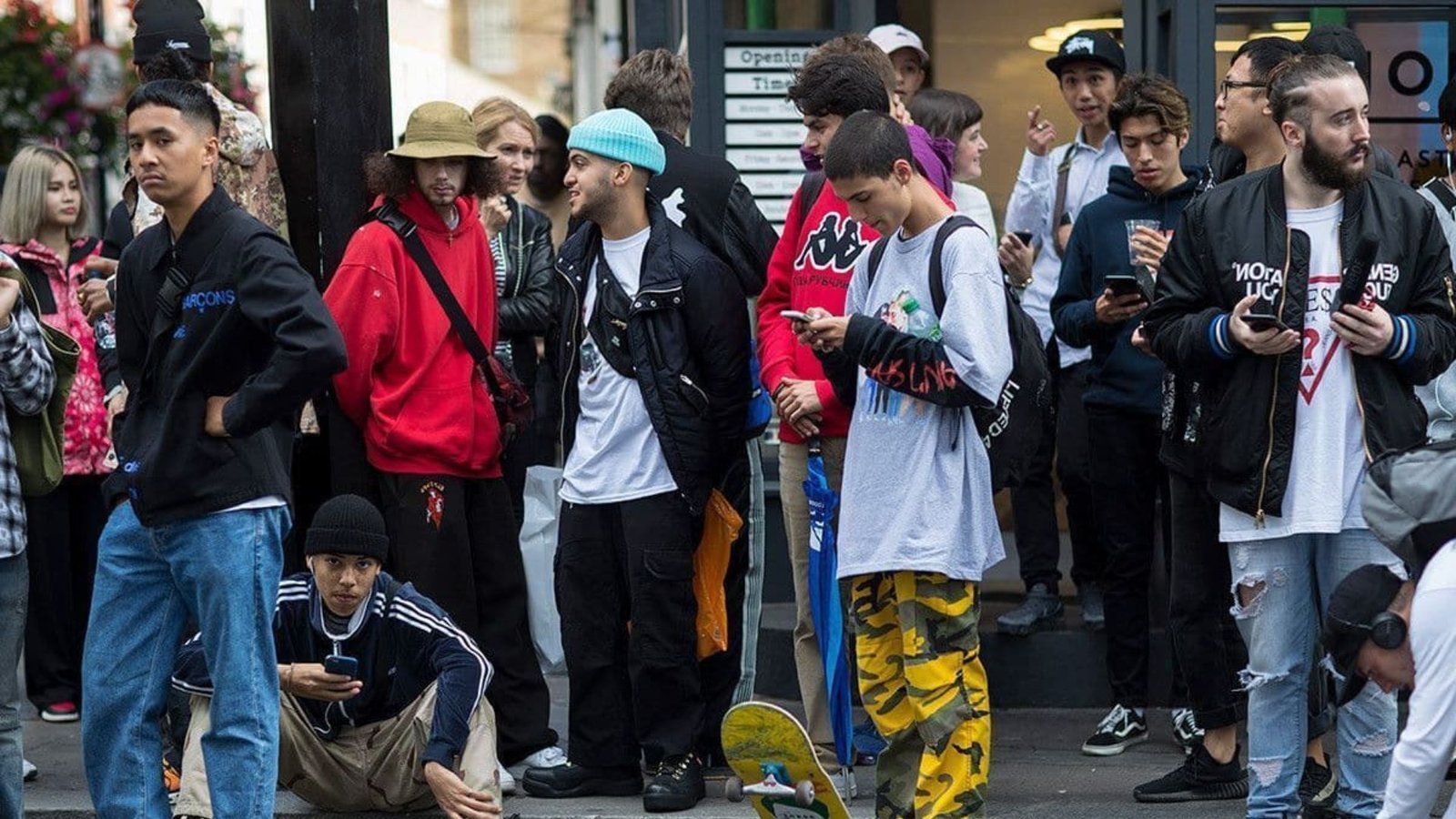
Streetwear is more than just clothing. It’s a way of expressing who you are through what you wear every day.
It started as casual, urban clothing for skaters, hip-hop fans, and youth subcultures. Bold graphics, relaxed fits, and limited pieces are all part of it.
It grew from several subcultures at once. Skateboarding brought baggy pants and a rebellious spirit. Hip-hop added oversized fits and designer names. P
unk and Goth introduced dark colors and anti-mainstream energy. Preppy culture added clean cuts, while K-pop brought bold colors and polished fits.
At its core, streetwear is not just fashion. It’s a lifestyle tied to music, art, and community. You don’t just wear it. You live it.
Origins of Streetwear
Understanding where streetwear came from helps you appreciate why it matters so much today.
Early Influences: 1980s Skate and Hip-Hop Culture
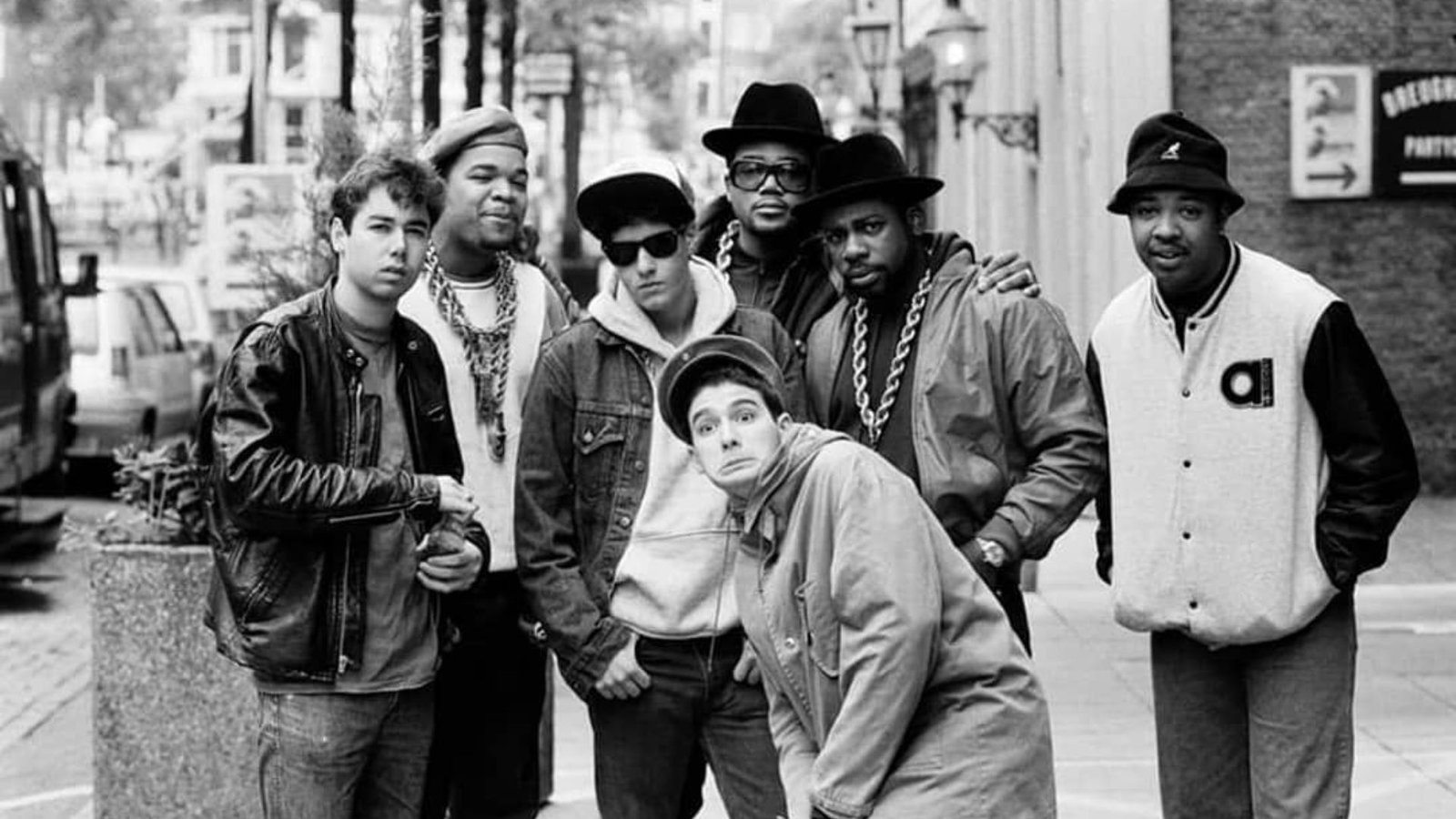
Streetwear started taking shape in the 1980s. Skaters in California needed clothes that could handle movement and looked cool at the same time. Baggy jeans, graphic tees, and sneakers became their uniform.
At the same time, hip-hop artists in New York were making bold statements with fashion. Adidas tracksuits, gold chains, and oversized jackets became symbols of the culture. Both scenes were building something new without even knowing it.
Global Impact: New York, London, Tokyo
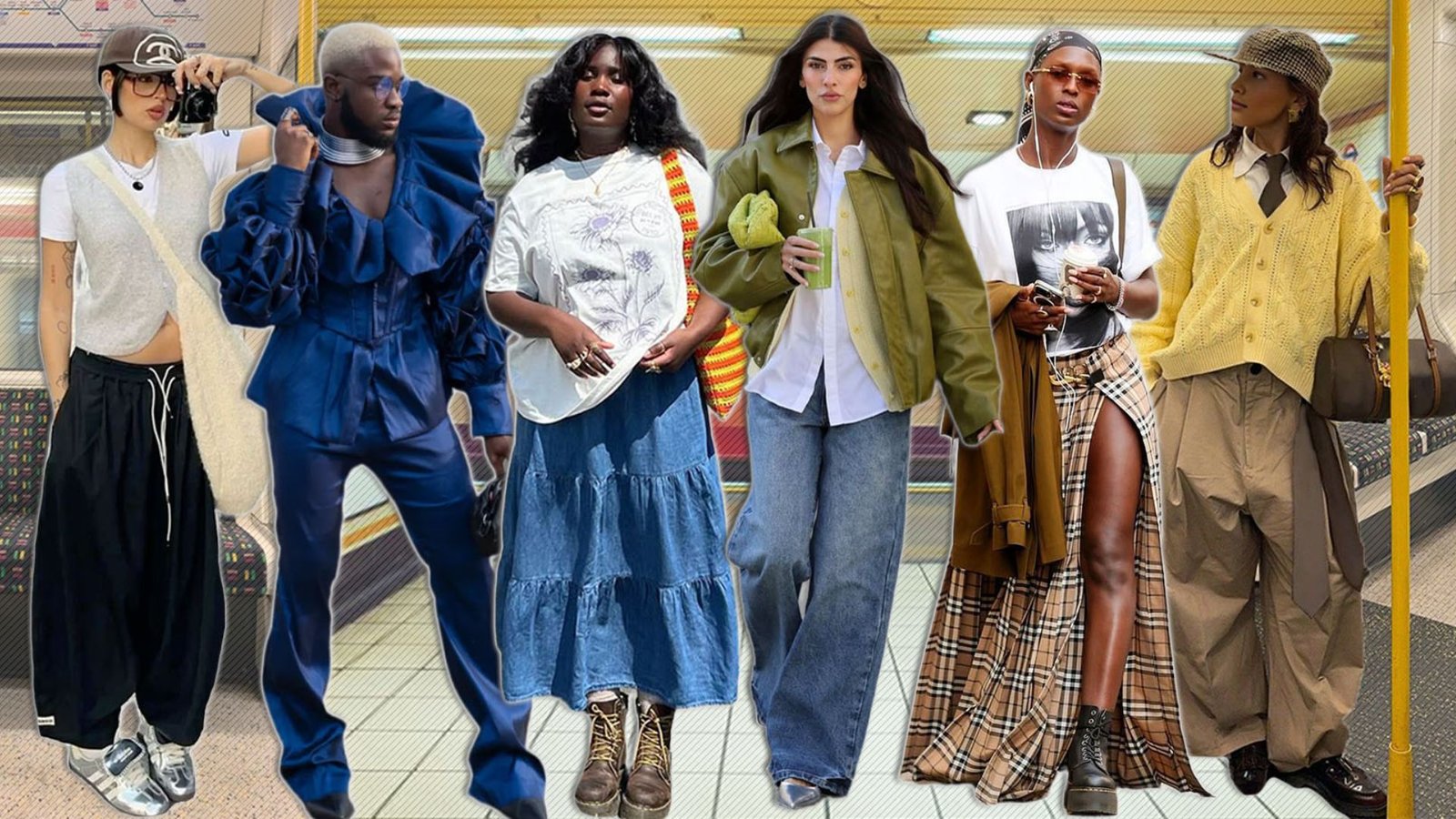
New York gave streetwear its hip-hop roots and hustle. London added punk rebellion and sharp tailoring. Tokyo took everything and made it more artistic, detailed, and experimental.
Japanese streetwear, in particular, changed the game. Tokyo’s Harajuku district became a global hub for fashion-forward street style. Brands from Japan started influencing kids worldwide.
Pioneers of Streetwear
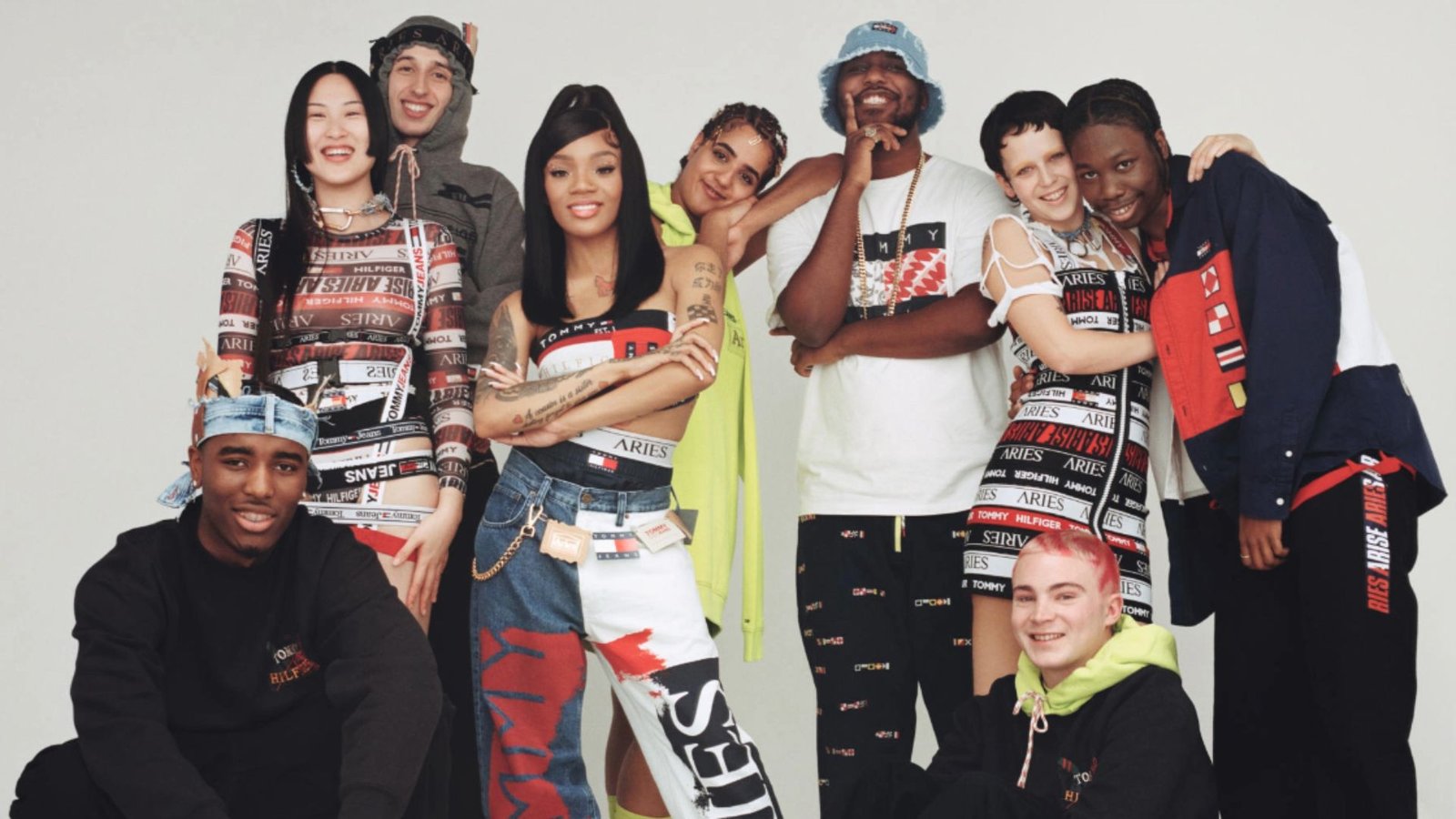
A few people shaped what we know today.
Shawn Stussy started selling boards and shirts in Laguna Beach. His logo became iconic almost overnight. James Jebbia launched Supreme in New York City in 1994, building a brand around skateboarding, art, and scarcity.
Dapper Dan in Harlem was repurposing luxury logos and creating custom pieces for hip-hop artists long before high-fashion brands took notice. Hiroshi Fujiwara in Tokyo became the godfather of Japanese streetwear, blending music and fashion in ways nobody had done before.
The Main Types of Streetwear
There are several distinct types of streetwear, each with its own vibe, brands, and community.
Original Streetwear
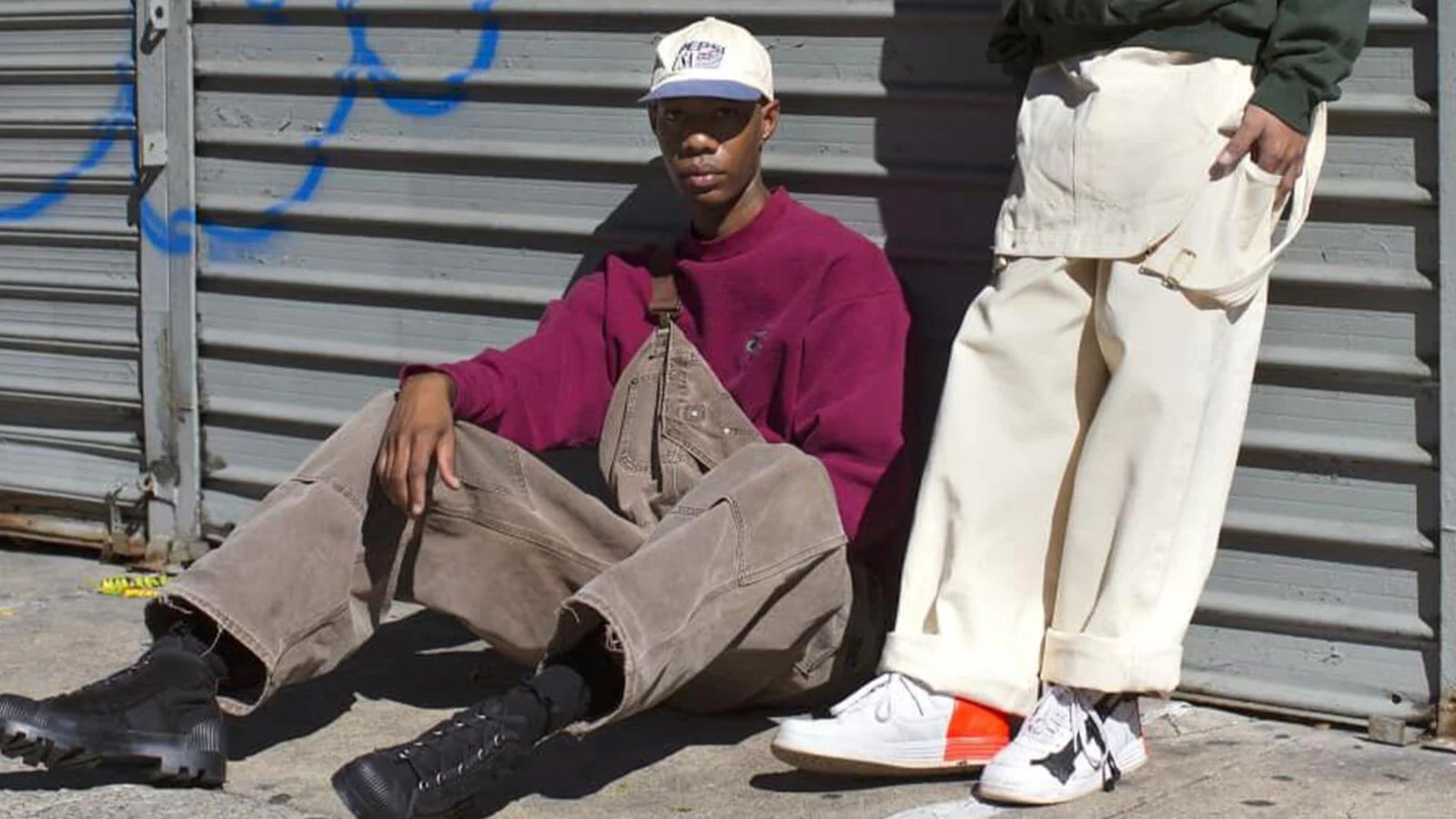
This is where it all began. Original streetwear stays close to its roots in skateboarding and hip-hop. It’s about authenticity, subculture, and community.
Signature brands: Supreme, Stussy, BAPE, Palace, Kith
These brands are known for limited drops, logo-heavy designs, and staying true to the culture they came from. You don’t wear these just for looks. You wear them because you know what they mean.
The drops are limited on purpose. Scarcity creates value. And the people who get the pieces feel like they’re part of something exclusive.
Athleisure Streetwear
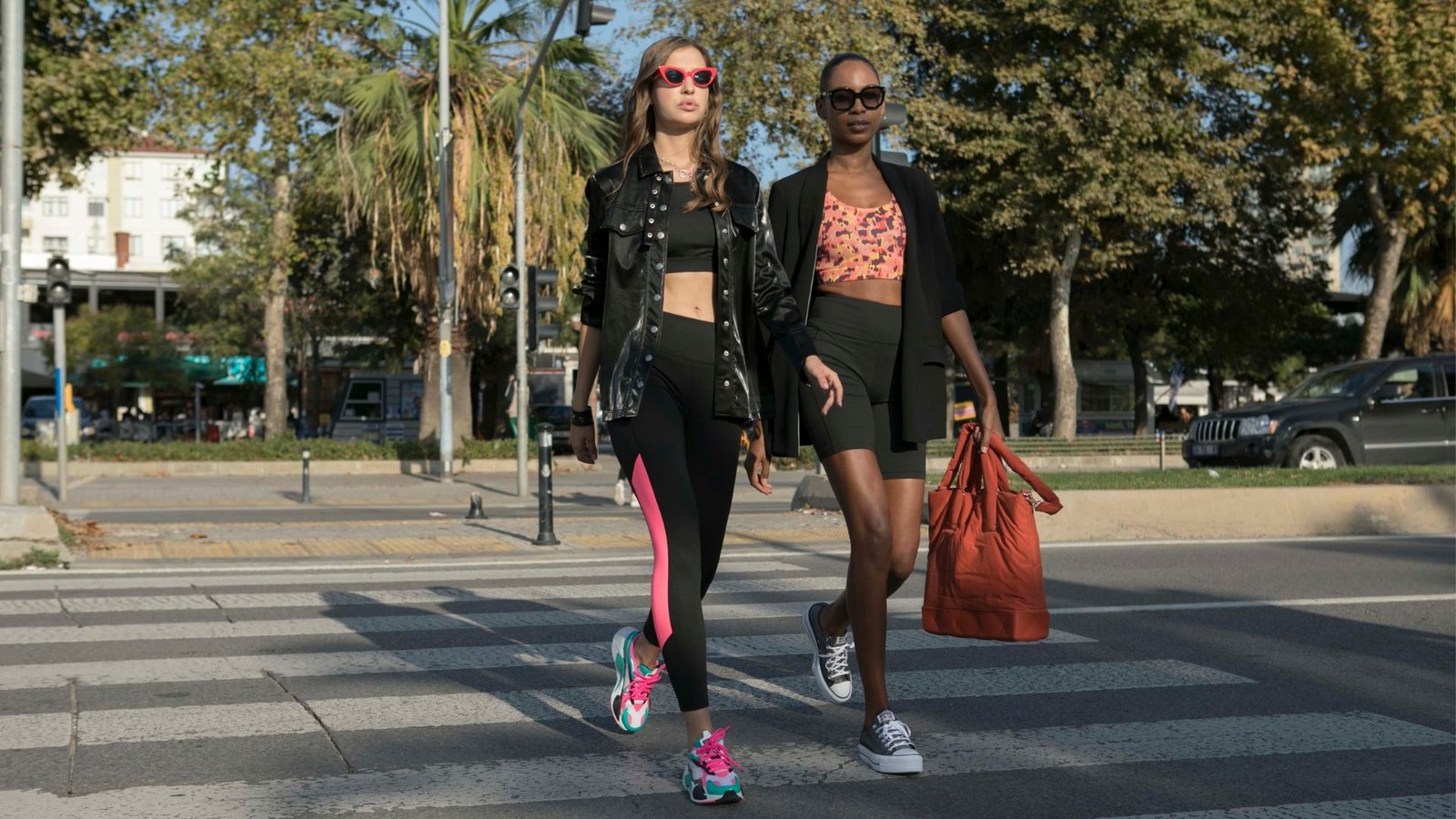
This style mixes sports performance with casual everyday wear. It’s comfortable, functional, and still looks sharp.
Signature brands: Nike, Adidas, Ivy Park, FILA
Think joggers, hoodies, track jackets, and clean sneakers. It works for the gym, the street, or just hanging out. The athletic influence is always visible, but it never looks like you just came from practice.
Beyoncé’s Ivy Park and Adidas collaborations pushed this style into mainstream fashion in a big way. Comfort and cool can coexist.
High-End Streetwear
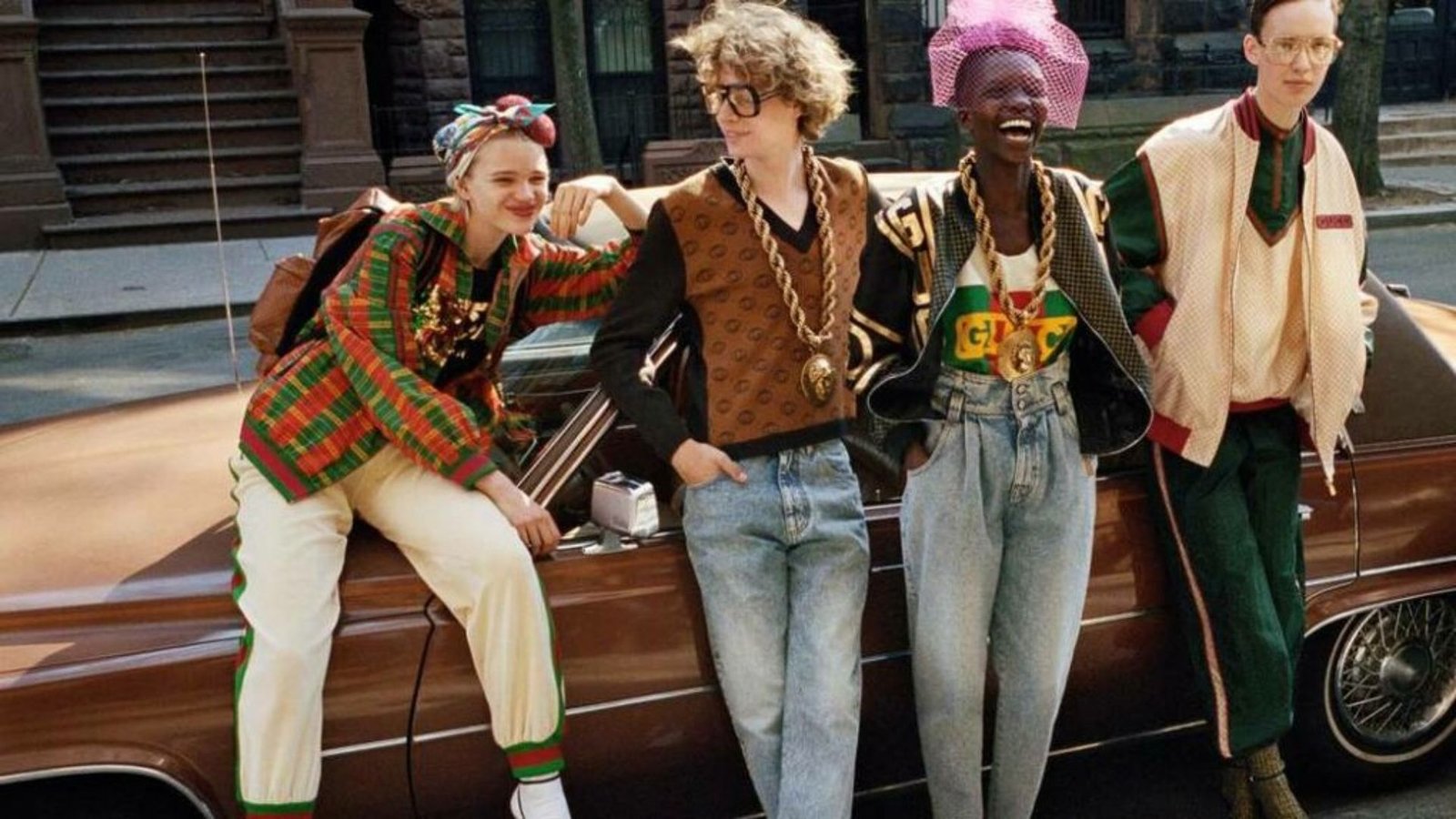
Luxury fashion met streetwear, and the result was high-end streetwear. Prices are high. Hype is higher.
Signature brands: Off-White, Supreme x Louis Vuitton, Versace x Kith
These pieces blend designer craftsmanship with street culture attitude. A hoodie can cost more than a suit. A pair of sneakers can go for thousands on the resale market.
This category thrives on collaboration. When two powerful names come together, the result is something that collectors and fashion lovers fight over.
Modern Streetwear
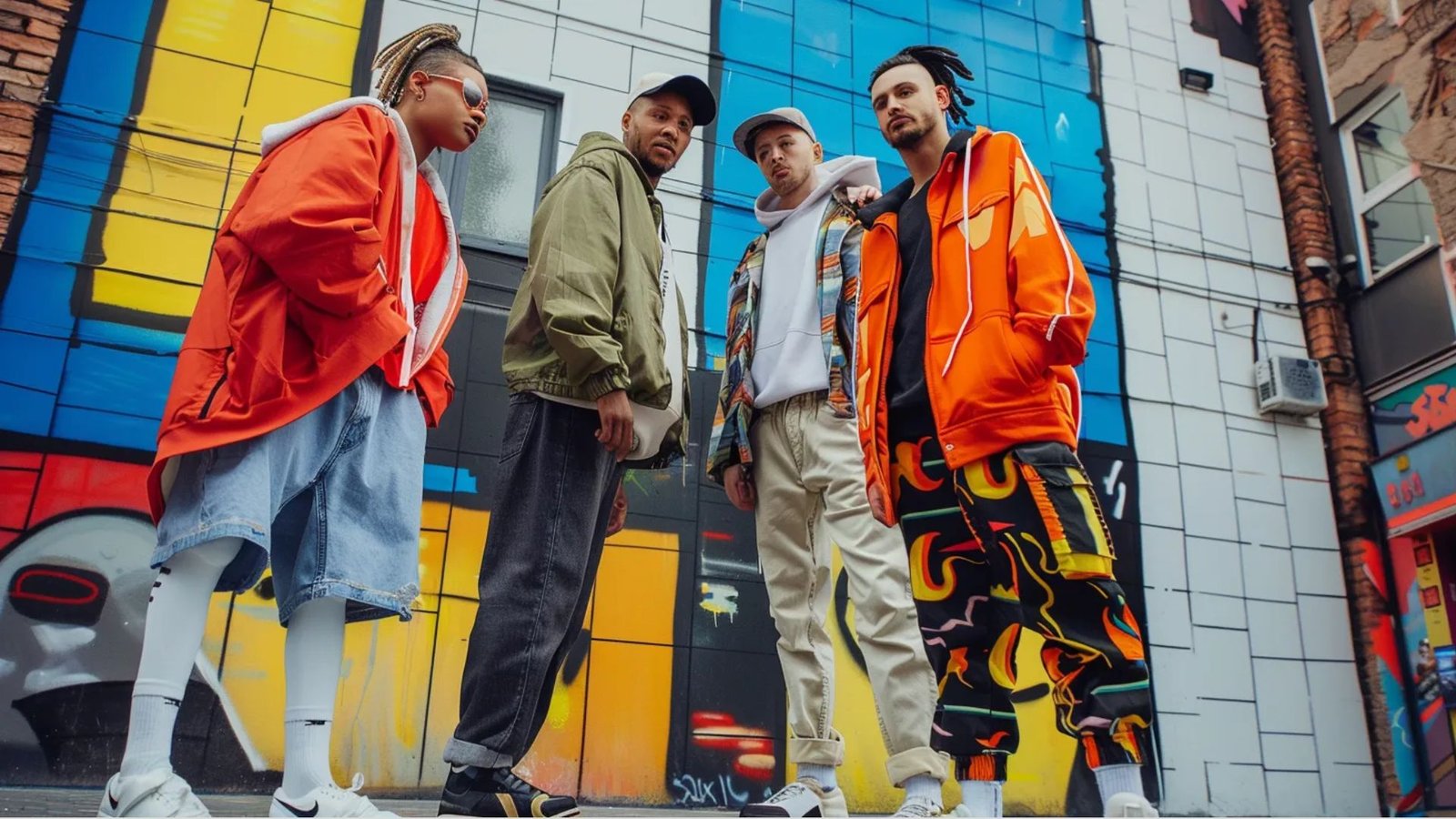
Modern streetwear is accessible, fast-moving, and trend-driven. It borrows from all the other types and makes them affordable.
Signature brands: Fashion Nova x Megan Thee Stallion, C.D.G. Play, Polo Ralph Lauren Streetwear
This is streetwear for people who want to stay current without spending a fortune. Trends move fast here. What’s hot today might be gone in a few months. But that’s part of the appeal.
Hypebeast Culture and Streetwear
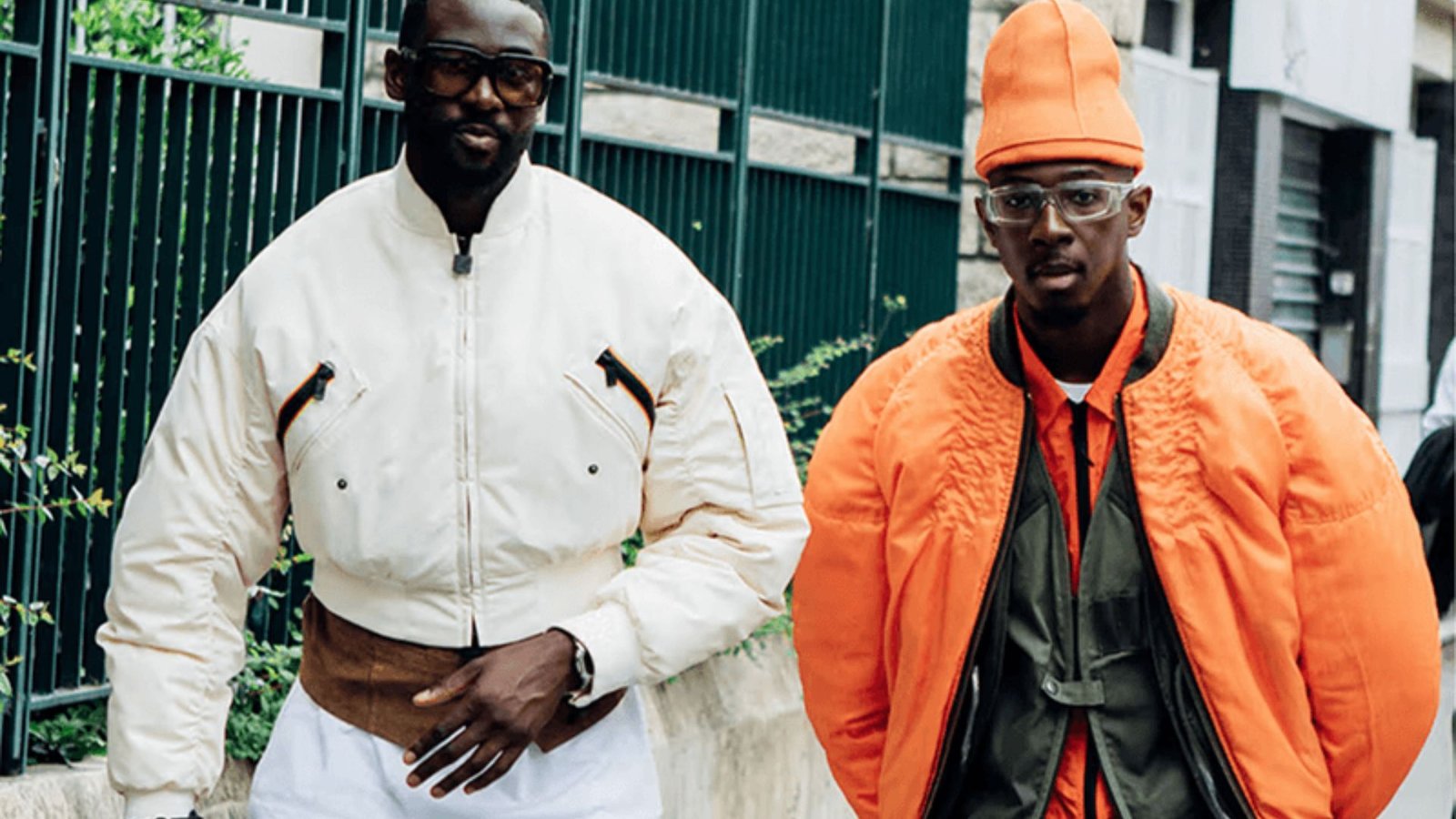
Hypebeast culture is a big part of modern streetwear. It’s built on hype, scarcity, and status.
A hypebeast brand isn’t just popular. It’s lined up for, talked about, and resold at crazy prices. Supreme, BAPE, and Off-White built their status by staying hard to get. Limited drops keep demand high on purpose. The less available something is, the more people want it.
Celebrities like Travis Scott and Kanye West push it even further. One fit can sell out a whole collection. Social media does the rest. A brand can blow up overnight on TikTok or Instagram. The conversation never stops.
Essential Streetwear Items and Accessories
Every streetwear wardrobe has a few core pieces that show up again and again.
Hoodies and Sweatshirts
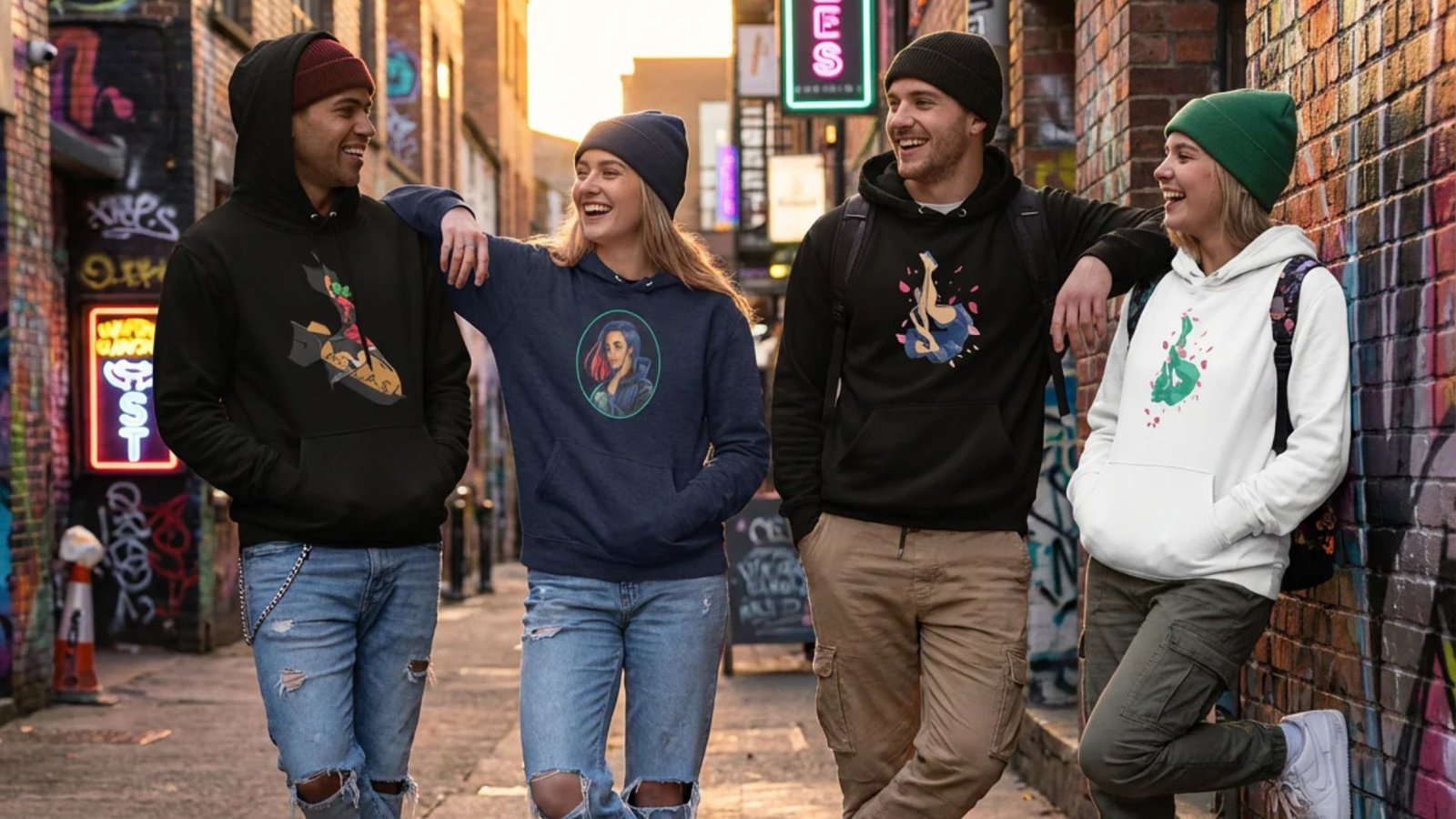
The hoodie is the backbone of streetwear. It’s comfortable, layerable, and carries branding well. A clean graphic hoodie can be the centerpiece of an entire outfit.
Oversized T-Shirts
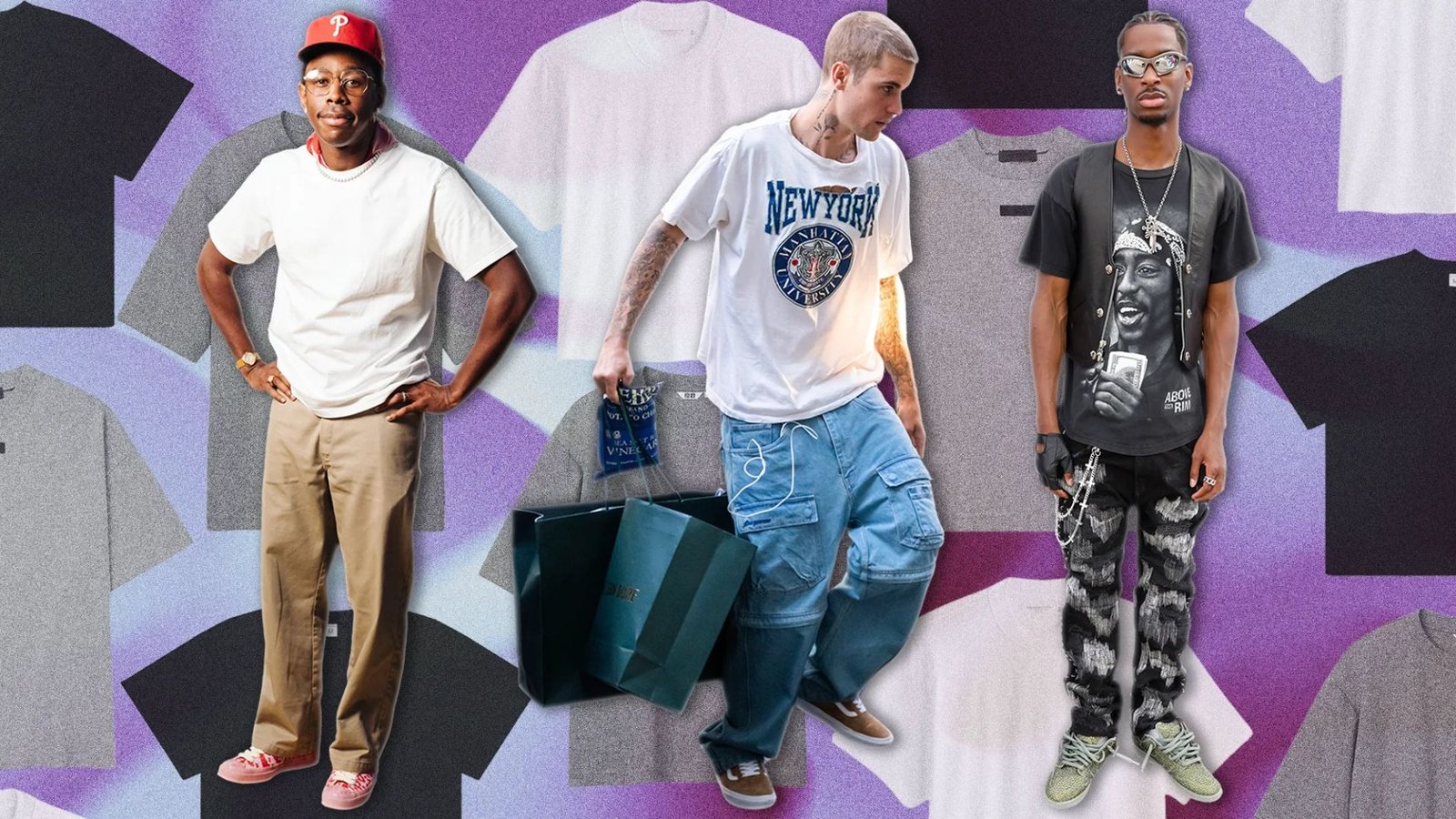
An oversized tee with a bold graphic or logo is a streetwear staple. Wear it alone or layer it under a jacket. It’s easy to style and works in almost every subgenre.
Baggy Jeans and Pants
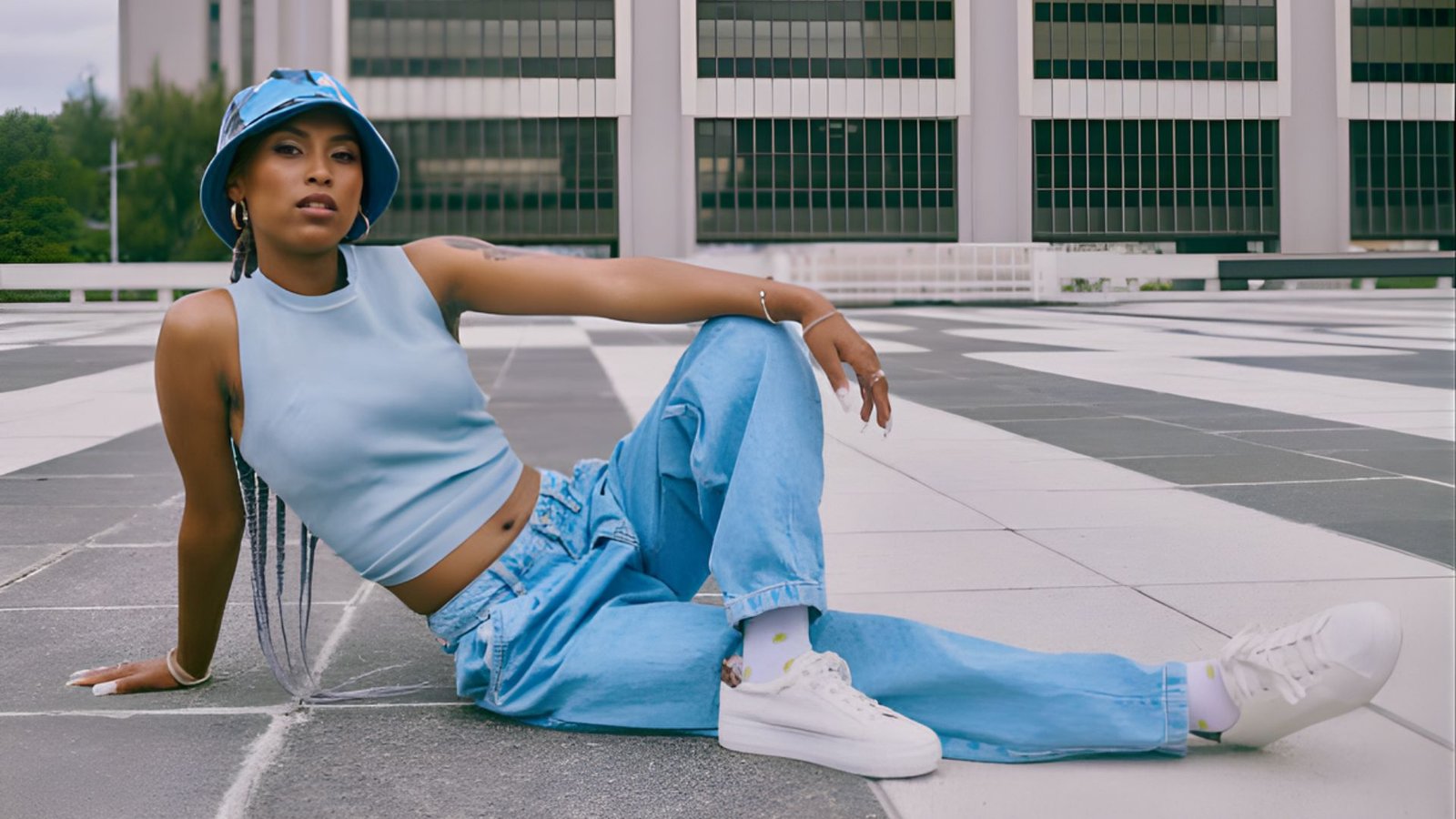
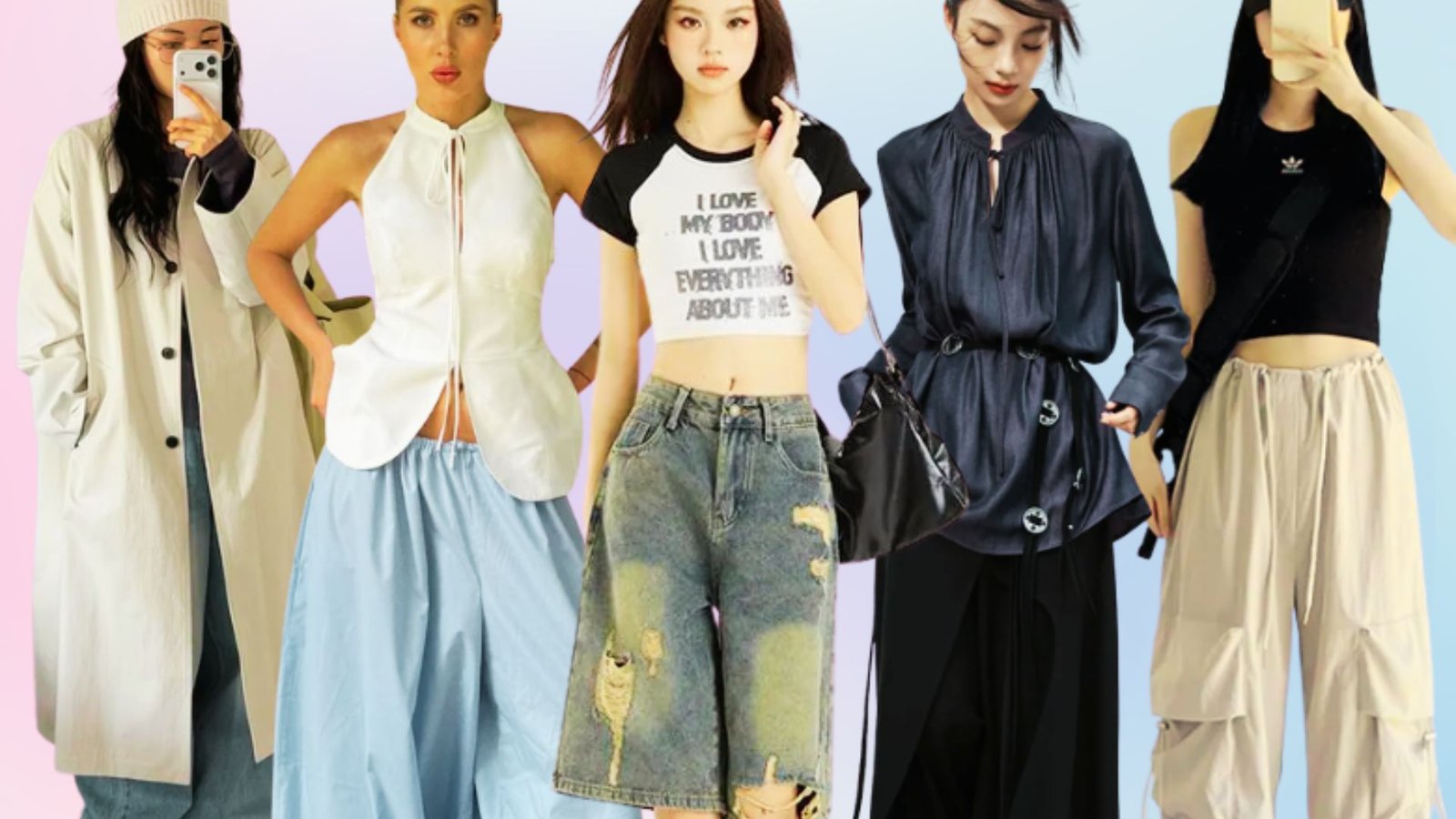
Baggy fits are back. Wide-leg jeans, cargo pants, and relaxed-fit trousers are all popular right now. They nod to 90s hip-hop and skate culture while feeling current.
Bomber Jackets
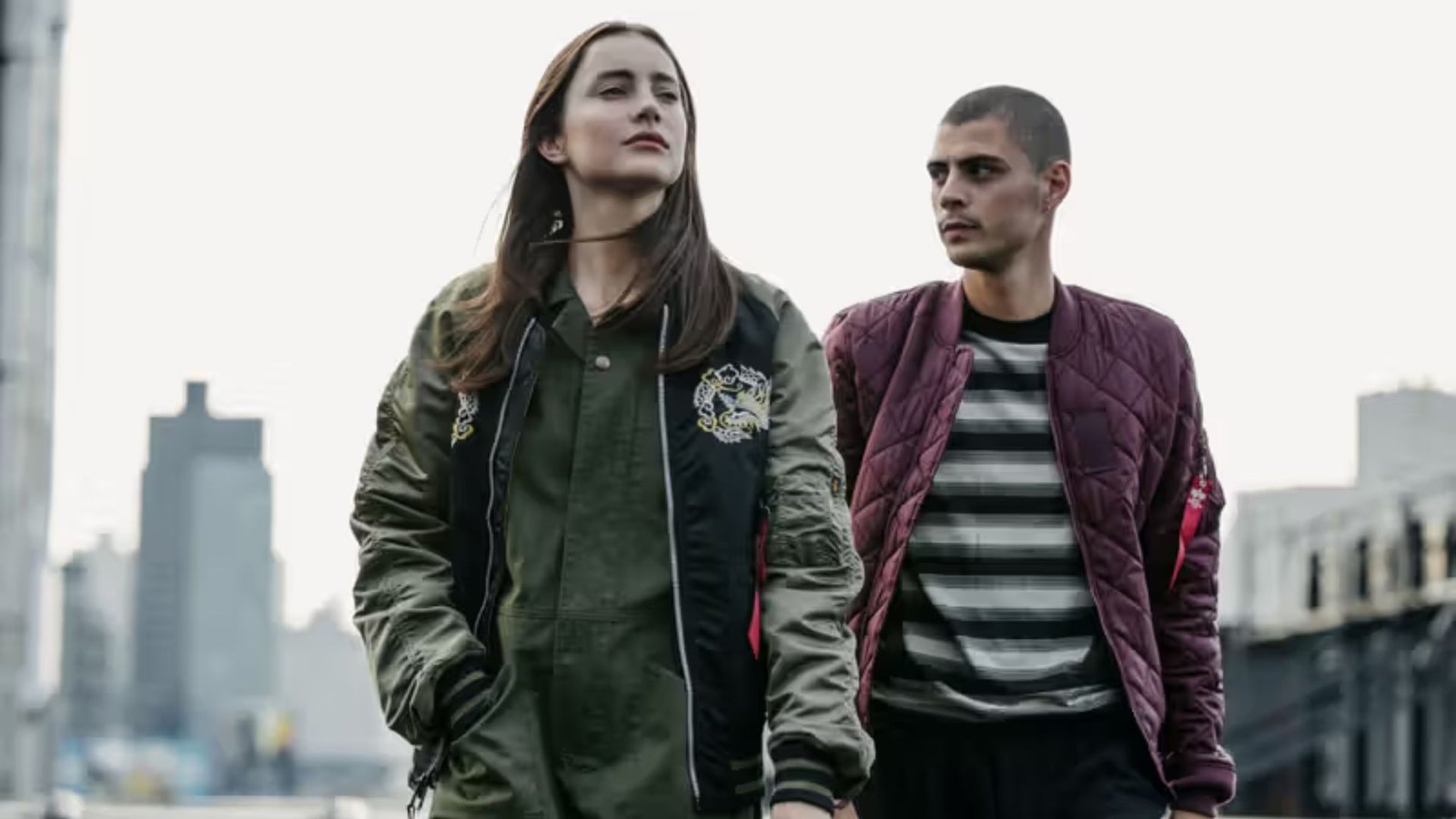
The bomber is a go-to outer layer in streetwear. It works across subgenres, from original skate style to high-end collabs. Patches, embroidery, and loud colorways make it stand out.
Sneakers and Limited Edition Collabs
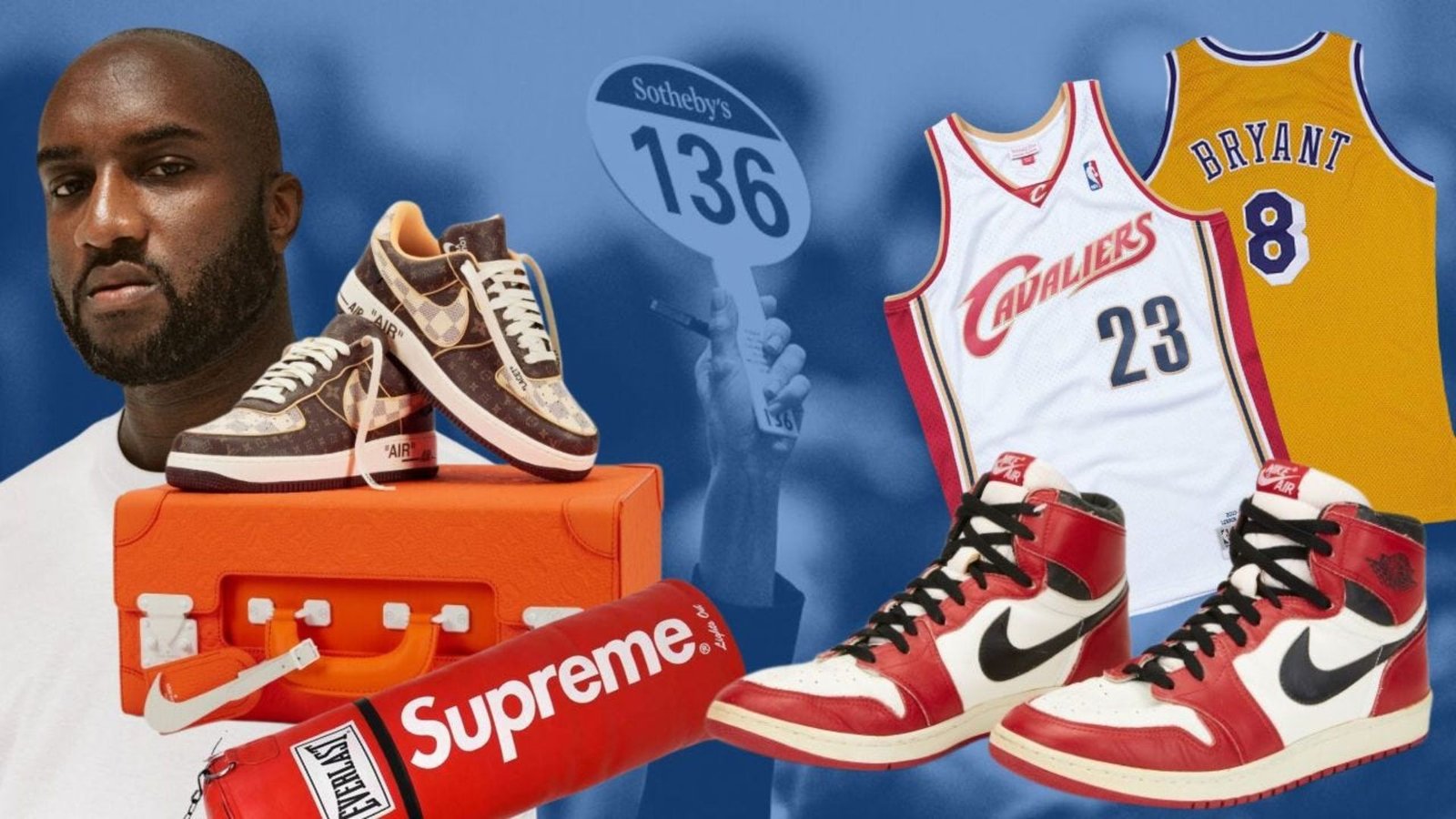
Sneakers are arguably the most important part of a streetwear fit. From Air Jordans to Yeezys to New Balance 550s, the right pair pulls everything together.
Limited edition collab sneakers are especially valued. They carry cultural weight and often appreciate in price.
Hats and Caps
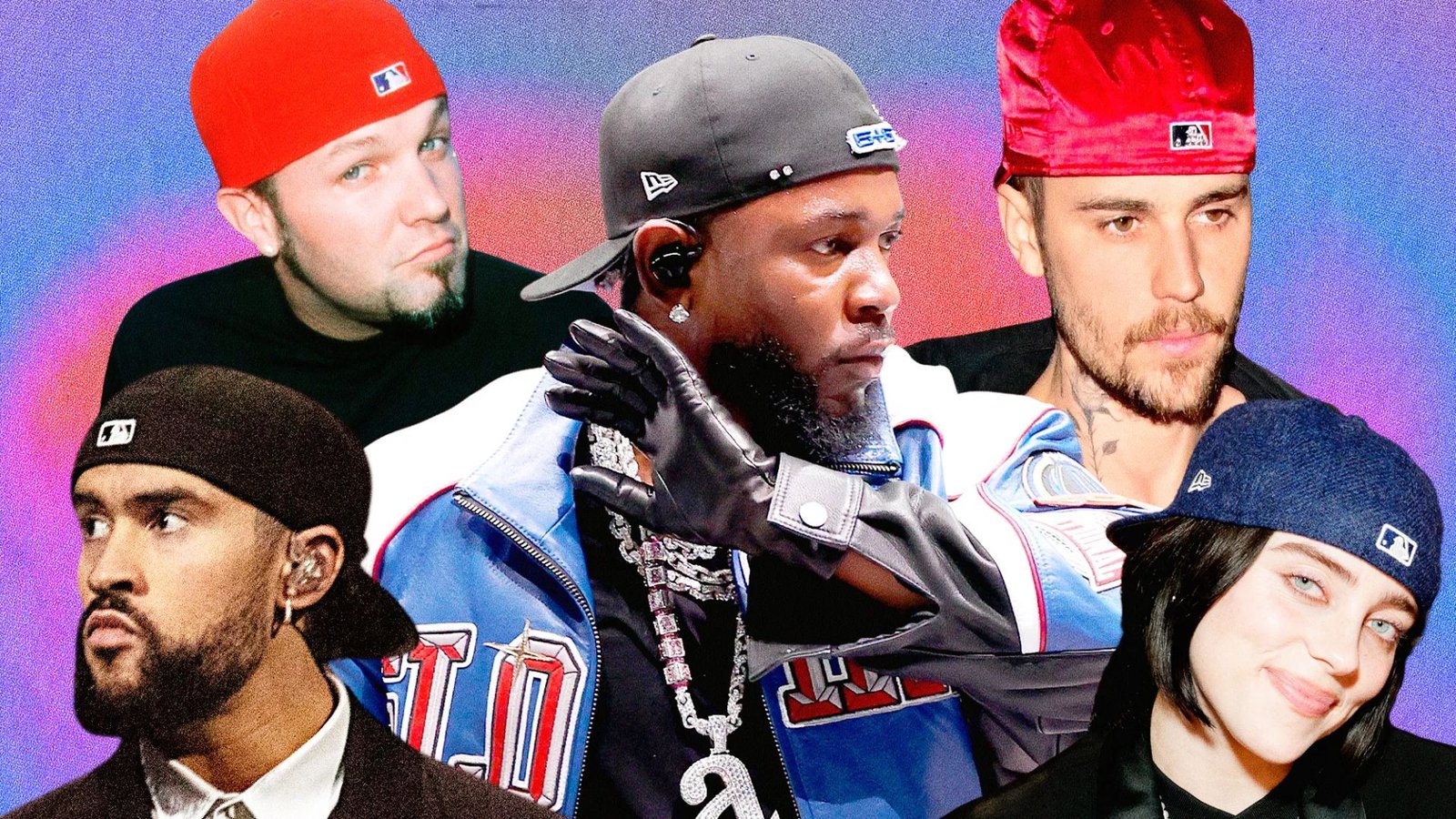
Snapbacks, dad hats, and beanies all play a role in streetwear. A branded cap adds another layer to your fit and can signal which subculture you align with.
Eyewear
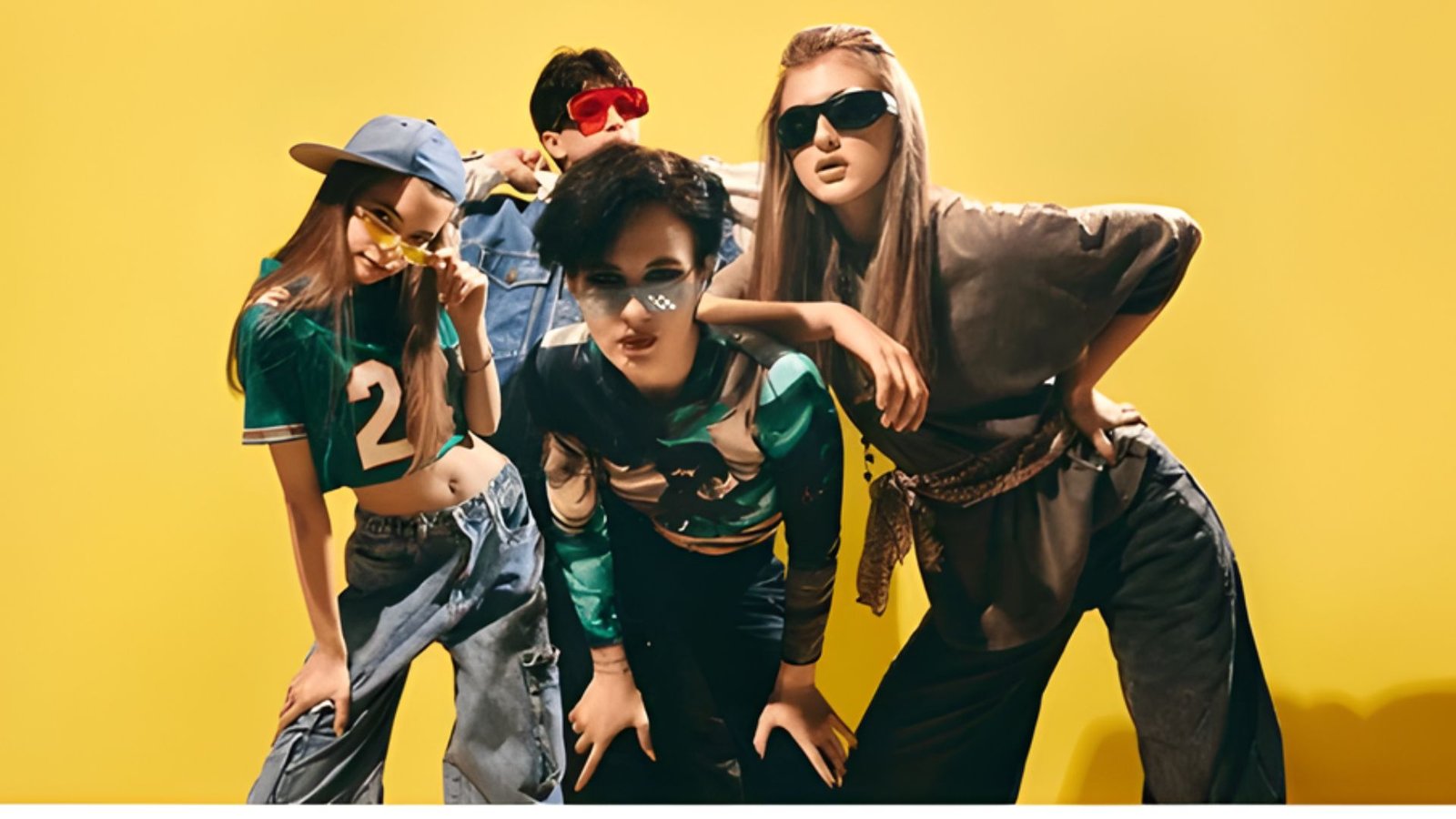
Sunglasses and fashion frames have become part of the streetwear look. From retro shields to wraparound styles, eyewear adds attitude and personality without saying a word.
How to Choose Your Streetwear Style
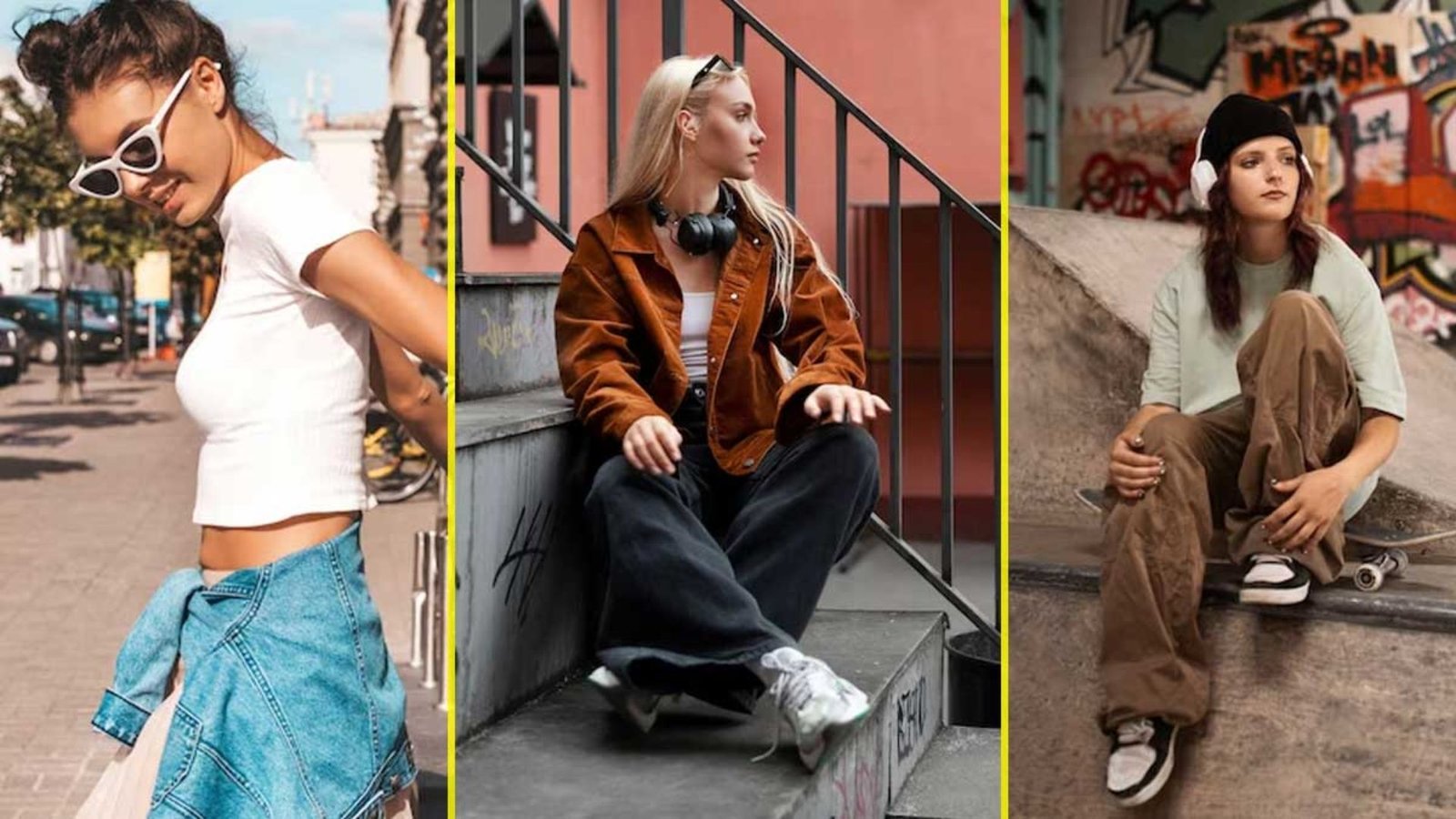
With so many types of streetwear out there, figuring out where to start can feel confusing. Here’s how to keep it simple.
Think about what music you listen to, what you do daily, and what looks catch your eye. Love hip-hop? Go original. Into fitness? Athleisure works. Want a bold look? Try high-end streetwear. Let your lifestyle guide you.
Don’t feel locked into one type either. Mix a luxury hoodie with cargo pants or a Supreme tee with a clean bomber. There are no hard rules. That’s the beauty of it.
Popular Streetwear Brands to Try
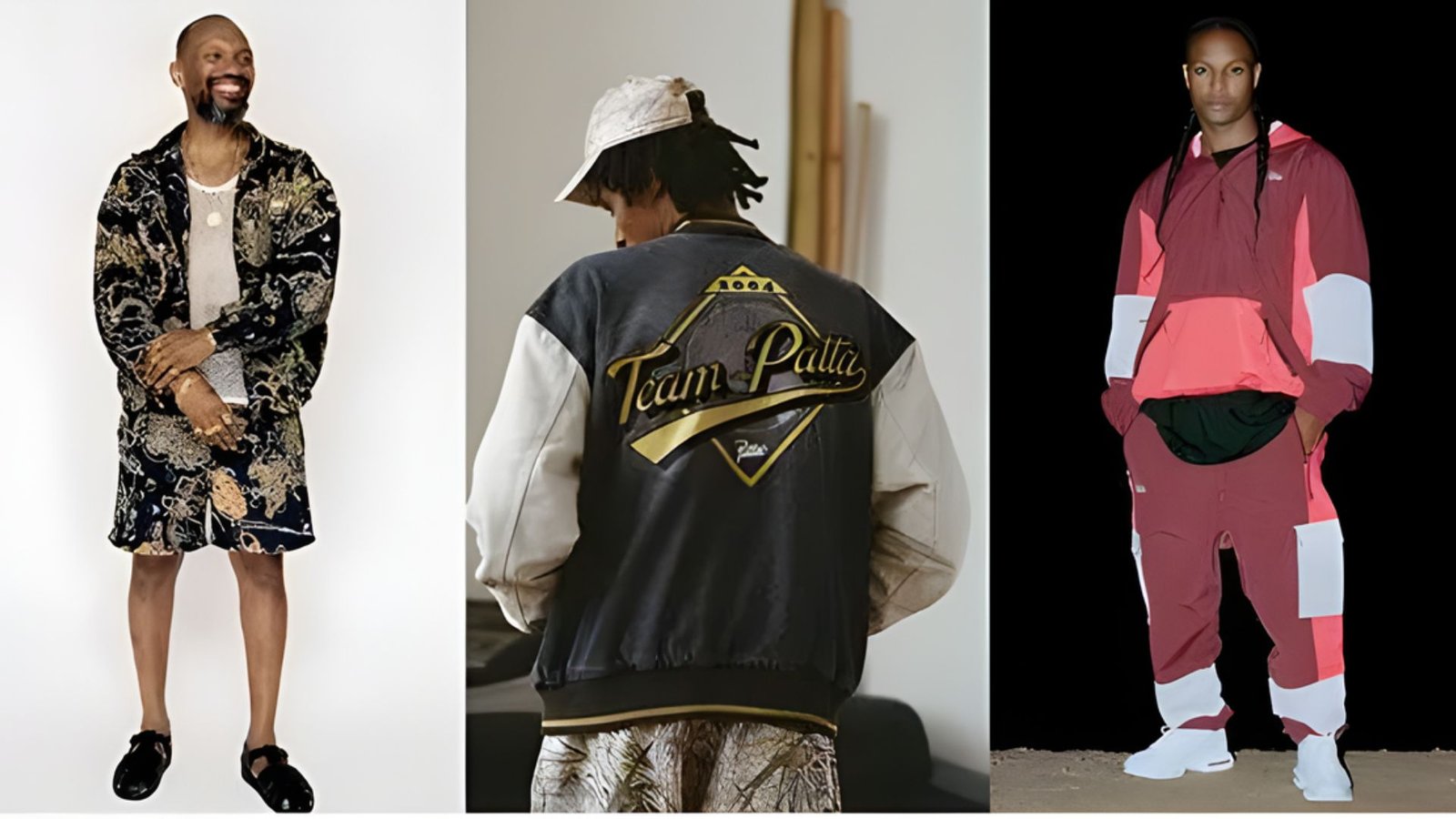
There are hundreds of streetwear brands out there. Here are the ones worth knowing.
Supreme, Stussy, and BAPE are the classics. They built the culture and still hold their ground today. For something more accessible, Essentials, Drew House, and RipNDip are solid picks that won’t break the bank.
On the luxury side, Off-White, Balenciaga, and the iconic Louis Vuitton x Supreme collab sit at the top. These pieces are collectible, cultural, and hard to find at retail price.
Whatever your budget, there’s a brand that fits where you are right now.
Conclusion
I hope this guide helped you see just how wide the world of types of streetwear really is. From skate roots to luxury collabs, there’s a lane for everyone.
Personally, I love mixing classic pieces with modern ones. It keeps things fresh without losing that cultural edge. The best part? There are no hard rules. You wear what feels true to you and build from there.
Streetwear is always moving, and so should your style. Got a favorite type of streetwear? Drop a comment below and let me know. Share this post if it helped someone you know!
Frequently Asked Questions
What are the main types of streetwear?
The main types are original streetwear, athleisure, high-end streetwear, and modern streetwear. Each has its own brands, vibe, and cultural roots.
Is streetwear only for young people?
Not at all. Streetwear is worn by people of all ages. Many classic brands have been around for over 30 years.
What makes a streetwear brand considered high-end?
It comes down to luxury collaborations and premium pricing. Off-White, Balenciaga, and Supreme x Louis Vuitton are good examples.
How do I start building a streetwear wardrobe?
Start simple. Grab a few oversized tees, a hoodie, baggy pants, and a clean pair of sneakers. Build from there.
What is hypebeast streetwear?
It’s streetwear focused on limited, high-demand pieces from brands like Supreme, BAPE, and Off-White. Scarcity and exclusivity drive the appeal.