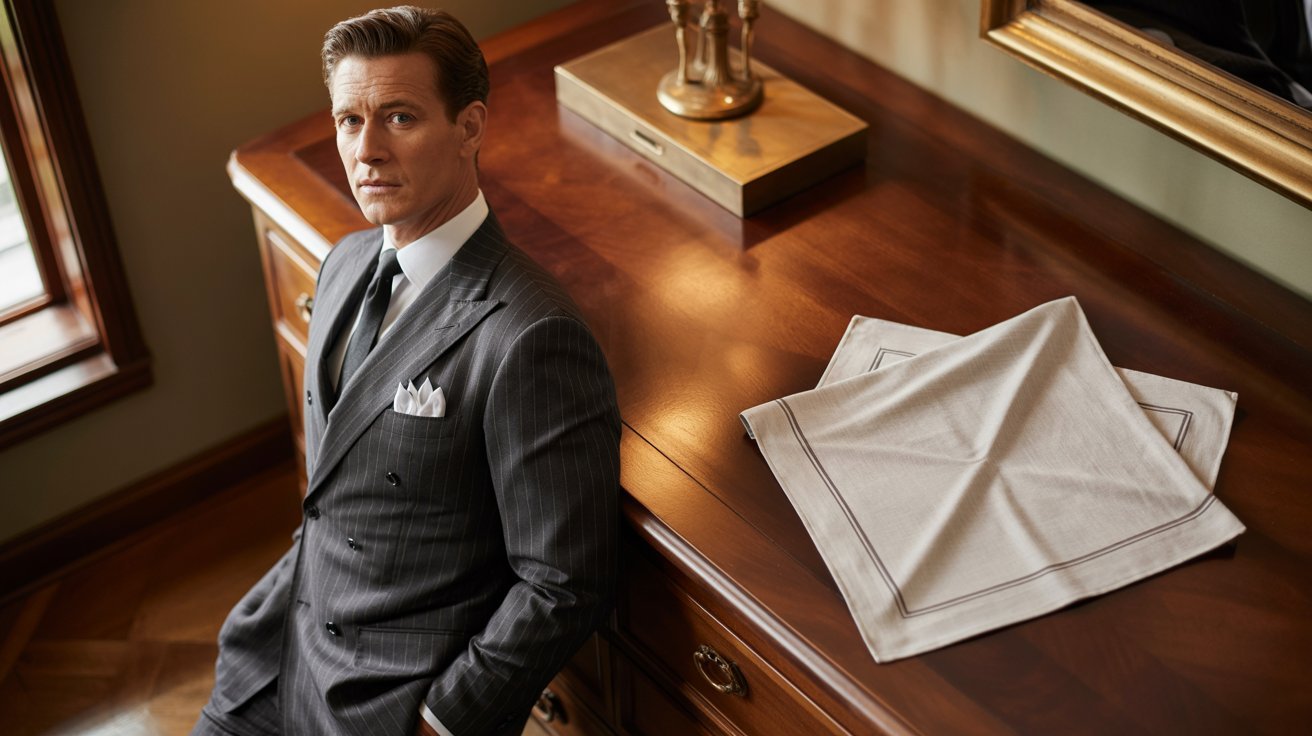
A small fabric piece can change how you look or solve a messy problem.
Many people mix up a pocket square and a handkerchief. They look similar but serve very different purposes.
In this article, you will learn what each item is, how they differ in size, material, and use, and when to use one over the other.
By the end, you will know exactly which one to reach for and why. No guesswork. No confusion. Just clear, practical answers.
What Is a Pocket Square?
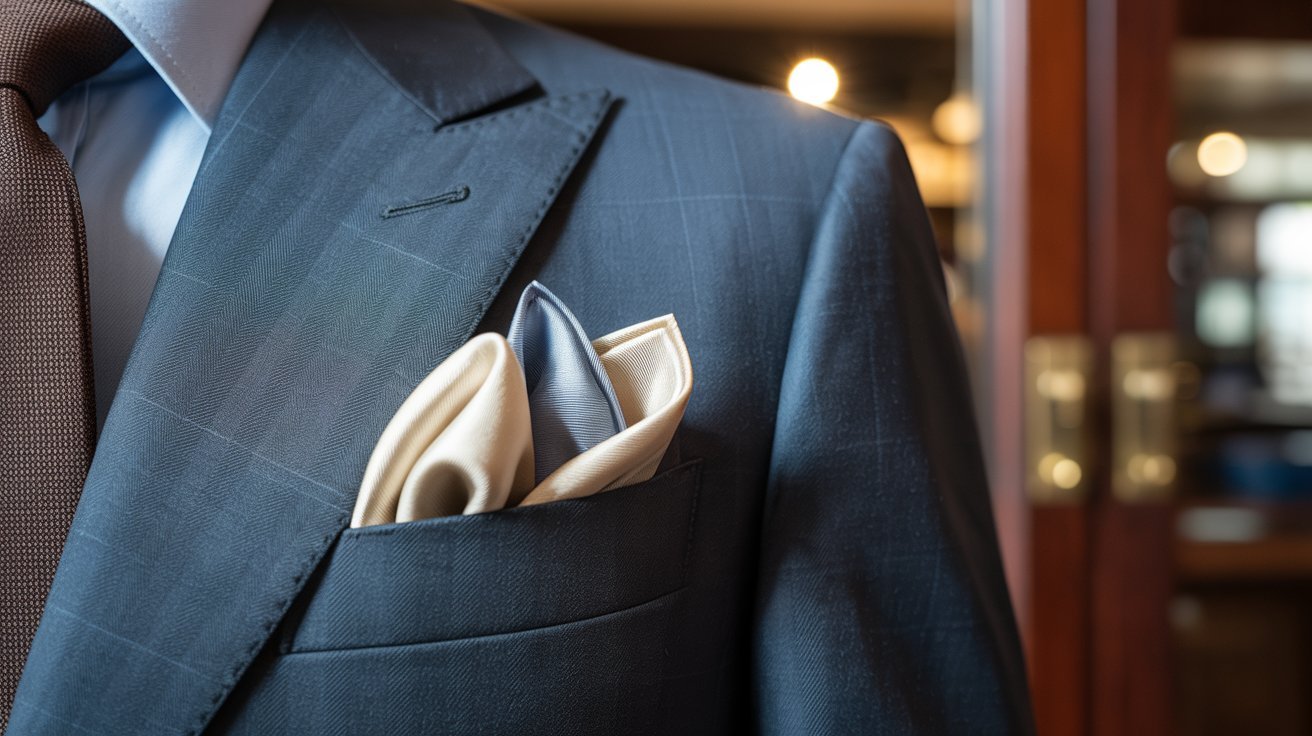
A pocket square is a fashion accessory worn in the chest pocket of a suit or blazer.
A pocket square is all about appearance. It sits in the breast pocket of a suit jacket. You fold it in different ways to add style to your outfit. It is not meant for wiping your hands or face.
Pocket squares come in silk, linen, cotton, and wool. Silk works best for formal events like weddings or black-tie dinners.
Linen and cotton suit casual or semi-formal looks. Wool pocket squares are less common but work well in cooler months with heavier suits.
The fold style changes how formal or relaxed you appear. A flat fold looks clean and sharp. A puff fold feels more laid-back. The right fold depends on the event and your personal style.
What Is a Handkerchief?
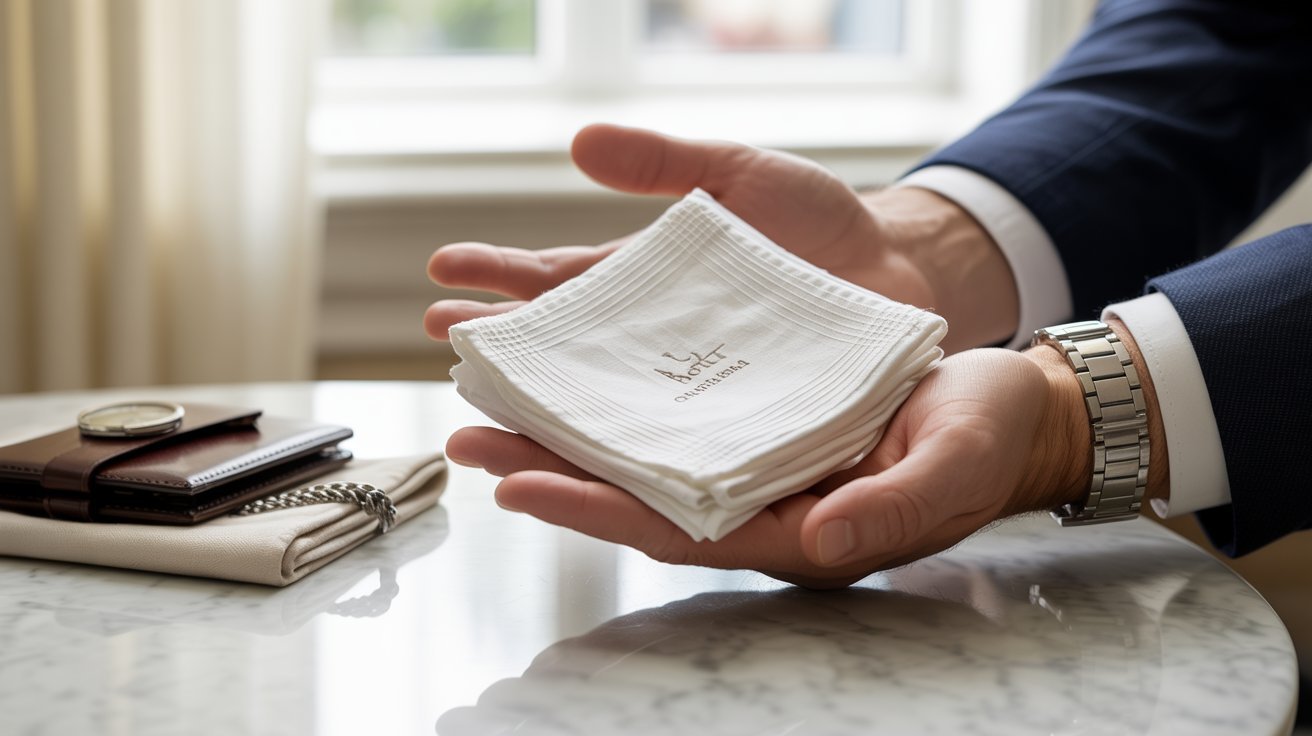
A handkerchief is a practical cloth used for everyday needs like wiping hands, face, or nose.
A handkerchief is a functional item. People carry it in a trouser pocket or bag. It is used for blowing the nose, wiping sweat, or cleaning up small messes during the day.
Most handkerchiefs are made from cotton or linen. Cotton is soft, absorbent, and holds up well after many washes.
Linen is a bit sturdier and dries faster. Both materials are gentle on the skin and built for repeated use.
Unlike a pocket square, a handkerchief is never really meant to be seen. It stays folded in your pocket until you need it. It is a simple, practical item that has been part of everyday carry for centuries.
Pocket Square vs Handkerchief: Quick Comparison Table
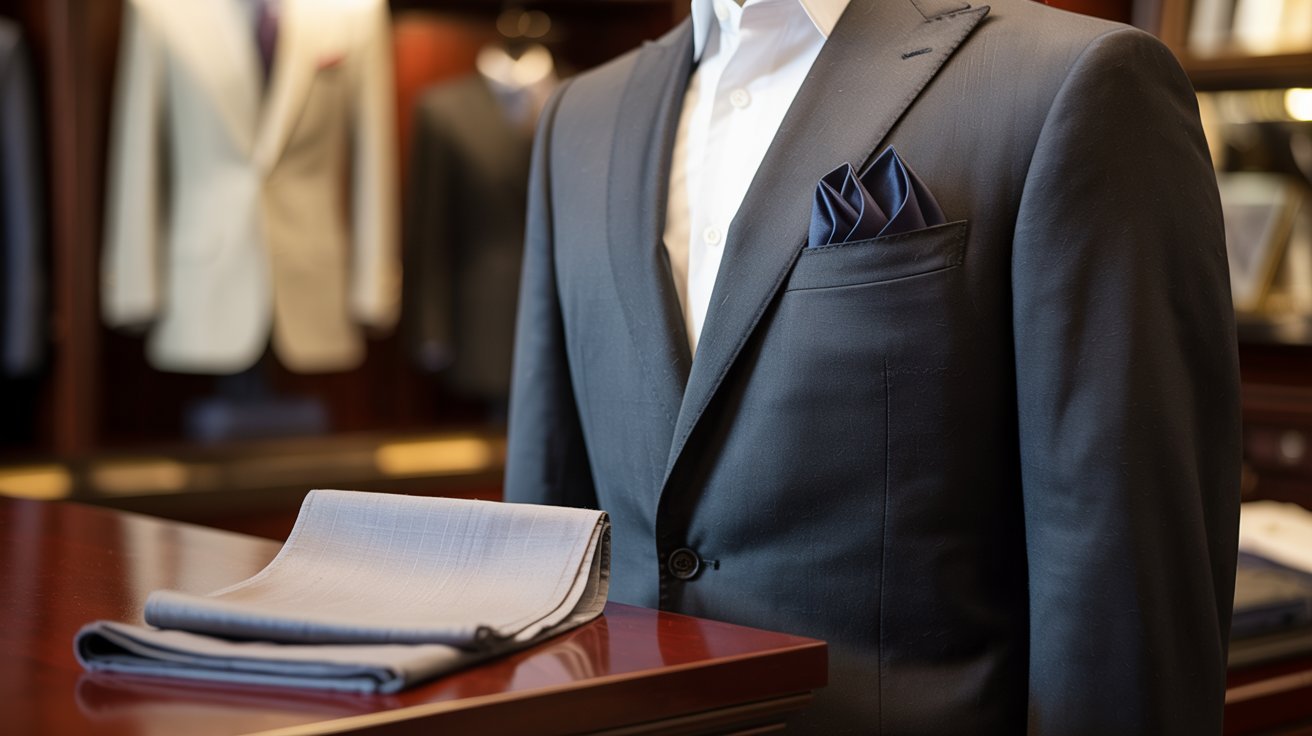
Here is a side-by-side look at how these two items differ in size, material, and purpose.
| Feature | Pocket Square | Handkerchief |
|---|---|---|
|
Purpose |
Fashion accessory |
Practical daily use |
|
Placement |
Suit breast pocket |
Trouser pocket or bag |
|
Material |
Silk, linen, cotton, wool |
Cotton, linen |
|
Size |
10–17 inches |
12–16 inches |
|
Washing frequency |
Occasional |
Regular |
|
Folding style |
Decorative folds |
Simple fold |
As you can see, both items may look similar but they serve very different roles in your wardrobe.
Pocket Square vs Handkerchief: Key Differences Explained
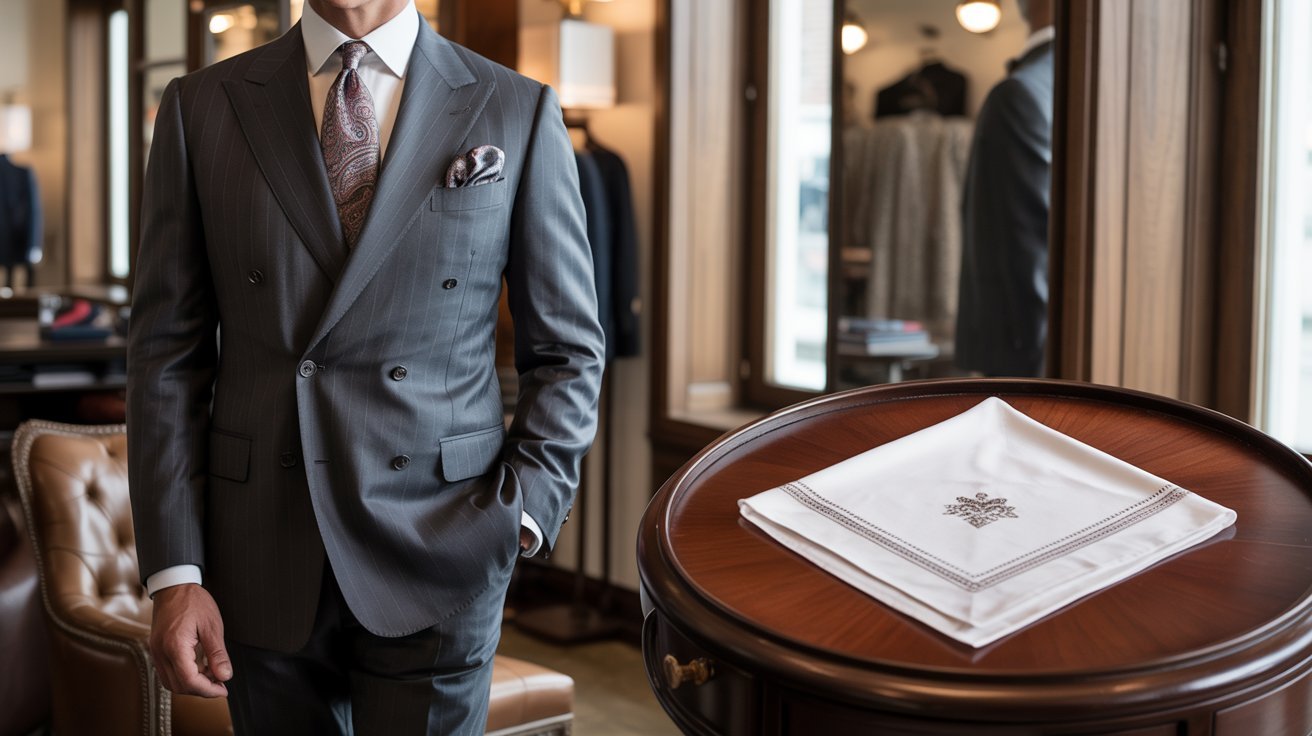
Let us break down the most important differences between these two items clearly.
Purpose and Function
A pocket square and a handkerchief may look alike, but they serve completely different roles in your daily life.
Style vs Practical Use
The pocket square has one job to make your outfit look put-together. The handkerchief is used throughout the day for sweat, sneezes, and small spills. It is a tool, not a decoration.
Where Each Is Typically Worn
A pocket square lives in the breast pocket of a suit jacket. A handkerchief stays out of sight in your trouser pocket, coat pocket, or bag. You take it out when needed, then put it back.
Pocket Square vs Handkerchief Size Differences
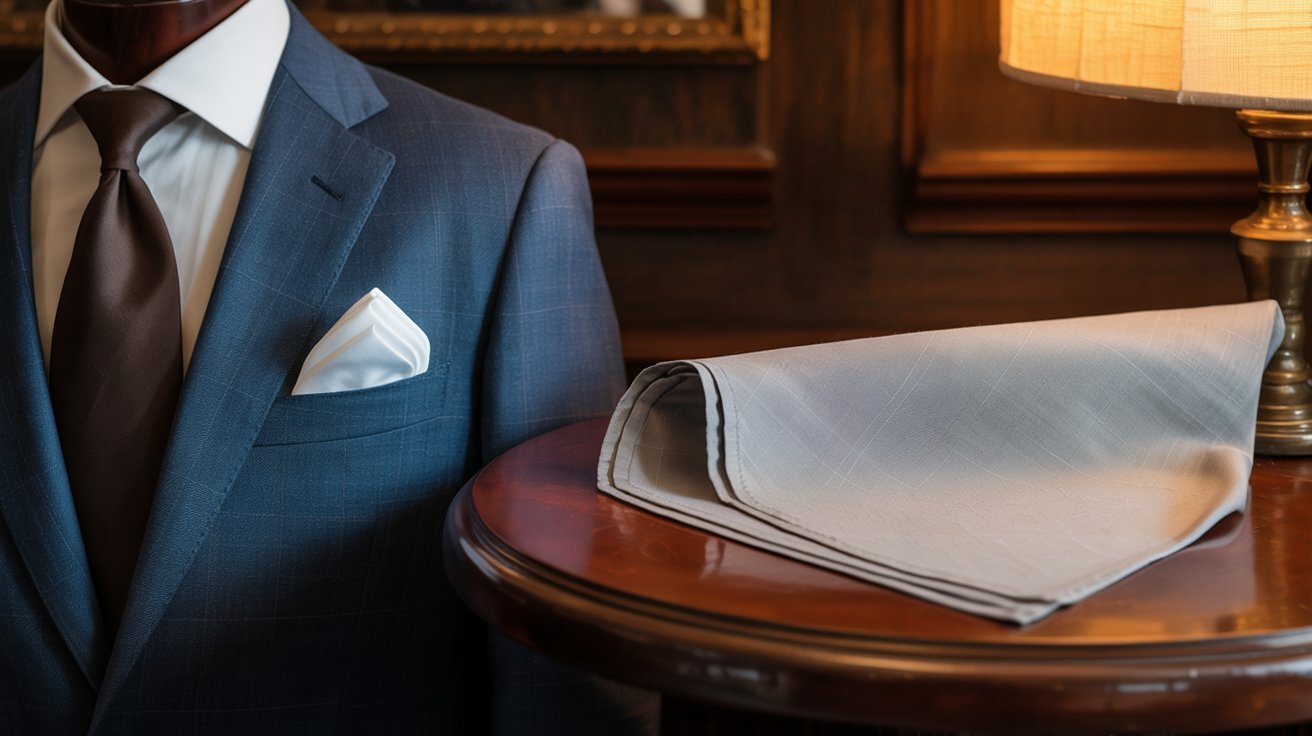
Size affects both how something looks and how useful it is.
Standard Pocket Square Size in Fashion
Most pocket squares range from 10 to 17 inches square.
A smaller size gives a subtle, clean look. A larger one allows for creative folds. The right size depends on your pocket depth and preferred fold style.
Typical Handkerchief Size and Usability
Handkerchiefs are usually between 12 and 16 inches square.
This gives enough fabric for practical use. You need room to fold it multiple times and still have a clean section available.
Why Size Matters for Appearance and Function
The right size makes a clear difference.
A pocket square that is too large will bunch up and look messy. A handkerchief that is too small will not do its job. Match the size to the purpose and both items will work well.
How to Use a Pocket Square Properly
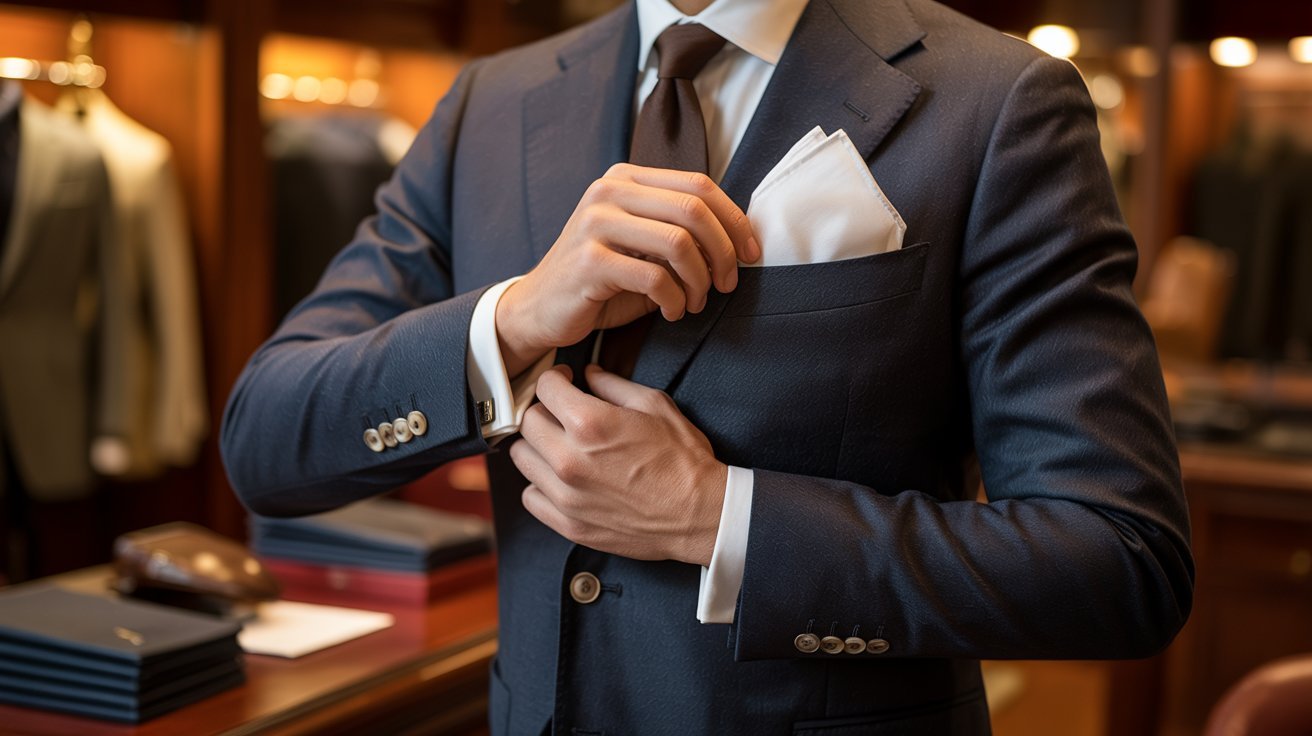
Using a pocket square the right way makes your whole outfit look more polished.
Placement in the Suit Jacket
Always place the pocket square in the breast pocket, never in a side or trouser pocket.
Push it in gently so just the right amount shows above the edge. Too much looks sloppy. Too little means it is barely visible.
Popular Pocket Square Folds
There are several folds, each giving a different look.
The flat fold is clean and simple, great for formal settings. The puff fold works well for casual events. The one-point and two-point folds are popular for business or semi-formal occasions.
How to Use a Handkerchief Properly
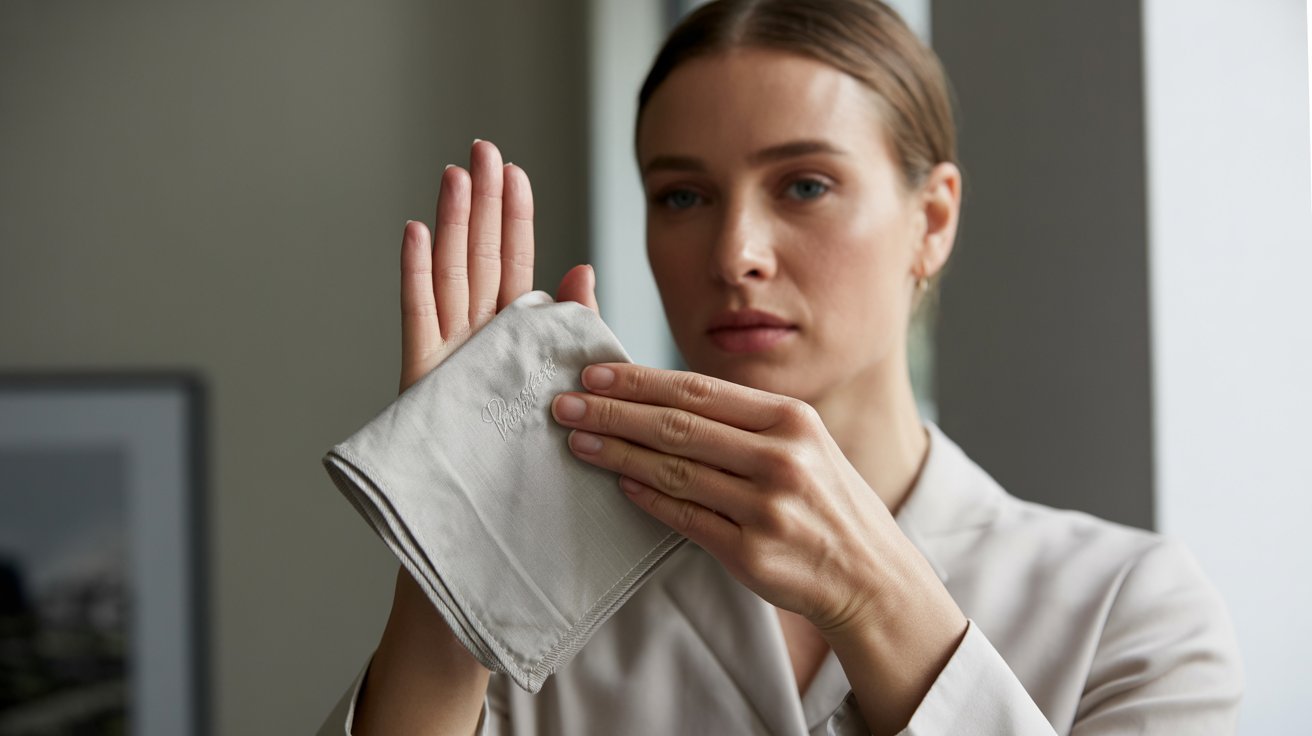
A handkerchief is most useful when you know how to carry and maintain it.
Everyday Practical Uses
A handkerchief is helpful in many daily situations.
Use it to wipe your hands, dab sweat from your forehead, or handle a runny nose. It is a simple item that handles small problems throughout the day.
Where to Carry a Handkerchief
The best place is your trouser pocket.
Keep it folded neatly for easy access. Some carry it in a coat pocket or bag. Avoid placing it in your breast pocket if you are also wearing a pocket square.
Common Mistakes to Avoid
Small mistakes with these two items can affect both your style and hygiene.
- Using a handkerchief as a fashion accessory in a breast pocket, as it lacks the structure of a proper pocket square
- Using a pocket square to wipe your face or hands, since it is not made for that
- Choosing silk for a handkerchief, as silk is not absorbent enough for practical use
- Picking an oversized pocket square that creates bulk in the pocket
- Ignoring outfit coordination and occasion when selecting a pocket square
Pocket Square vs Handkerchief: When to Use Each
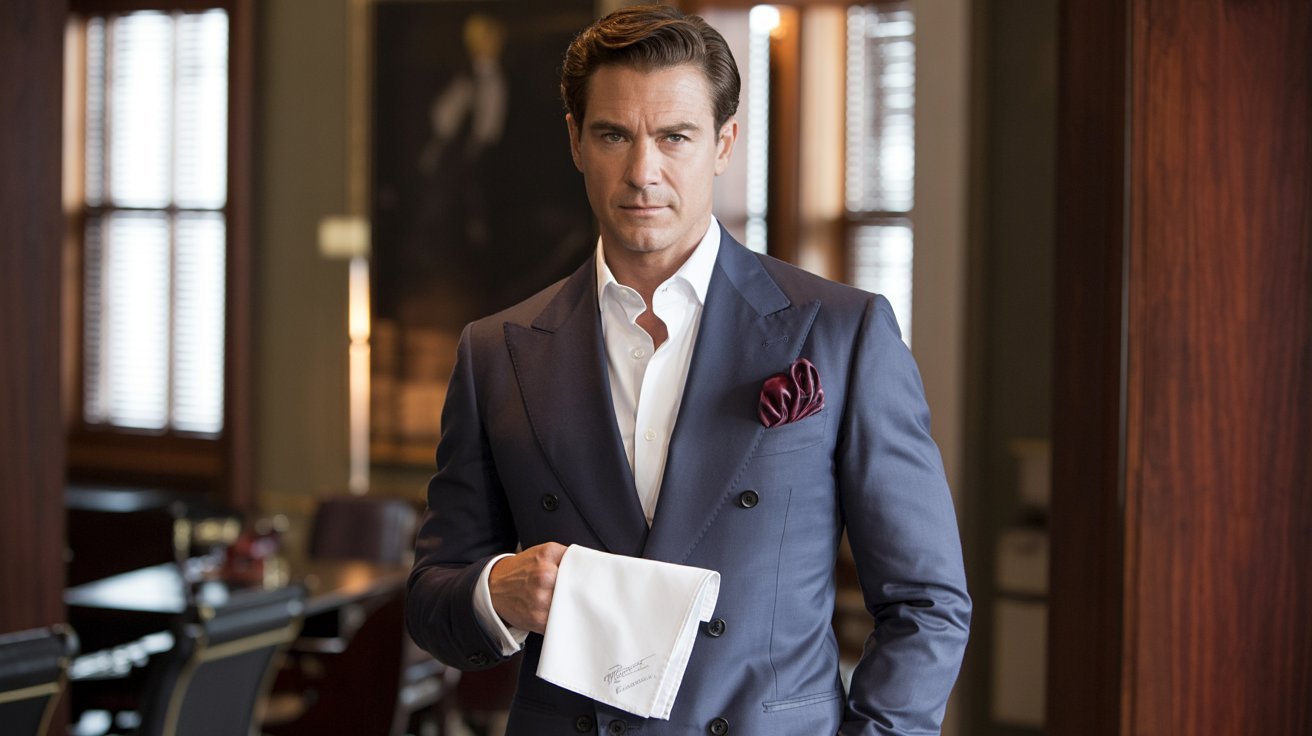
Knowing when to use each item saves you from awkward situations.
Situations for Wearing a Pocket Square
A pocket square is right when you want to look sharp.
Wear one at weddings, business meetings, or formal dinners. It shows you pay attention to how you present yourself.
Situations for Carrying a Handkerchief
A handkerchief is right when you need something practical.
Carry one during allergy season, travel, or long outdoor events. It is a small item that solves real problems.
Can One Replace the Other?
In short, no.
A pocket square is not built for practical use. A handkerchief can sit in a breast pocket, but it will not hold a clean fold like a proper pocket square. Use both for what they were made for.
Tips for Choosing Between Pocket Square and Handkerchief
These tips will help you make the right choice every time.
- Match the pocket square with your outfit and occasion
- Choose cotton handkerchiefs for durability and absorbency
- Avoid using silk pocket squares for practical purposes
- Keep size and pocket type in mind for comfort and appearance
- Maintain a balance between style and functionality
Conclusion
I used to think a pocket square and a handkerchief were the same thing until I pulled out a silk pocket square to wipe my face at a summer wedding. Not my finest moment.
Once I understood the difference, dressing felt easier and smarter. Each item has its place, and using them correctly makes a real difference.
Now it is your turn. Think about your next outfit or your daily bag and decide which one you actually need. Drop a comment below and share how you use them.
Frequently Asked Questions
Is a pocket square the same as a handkerchief?
No, they are not the same. A pocket square is a fashion item for the breast pocket, while a handkerchief is a practical cloth for everyday use like wiping hands or nose.
Can you use a handkerchief as a pocket square?
You can, but it is not ideal. Handkerchiefs lack the crispness and structure of a proper pocket square and may not hold a clean fold well.
What size is ideal for a pocket square?
The most common size is between 10 and 17 inches. A 10 to 12 inch pocket square fits most suit pockets and gives a clean look without bulk.
What is the best material for a handkerchief?
Cotton is the best choice. It is soft, absorbent, durable, and easy to wash. Linen is also a solid option for a slightly sturdier feel.
Do you need both a pocket square and a handkerchief?
Yes, if you wear suits regularly and want a practical daily option too. They serve different purposes and work best when used for what each is made for.