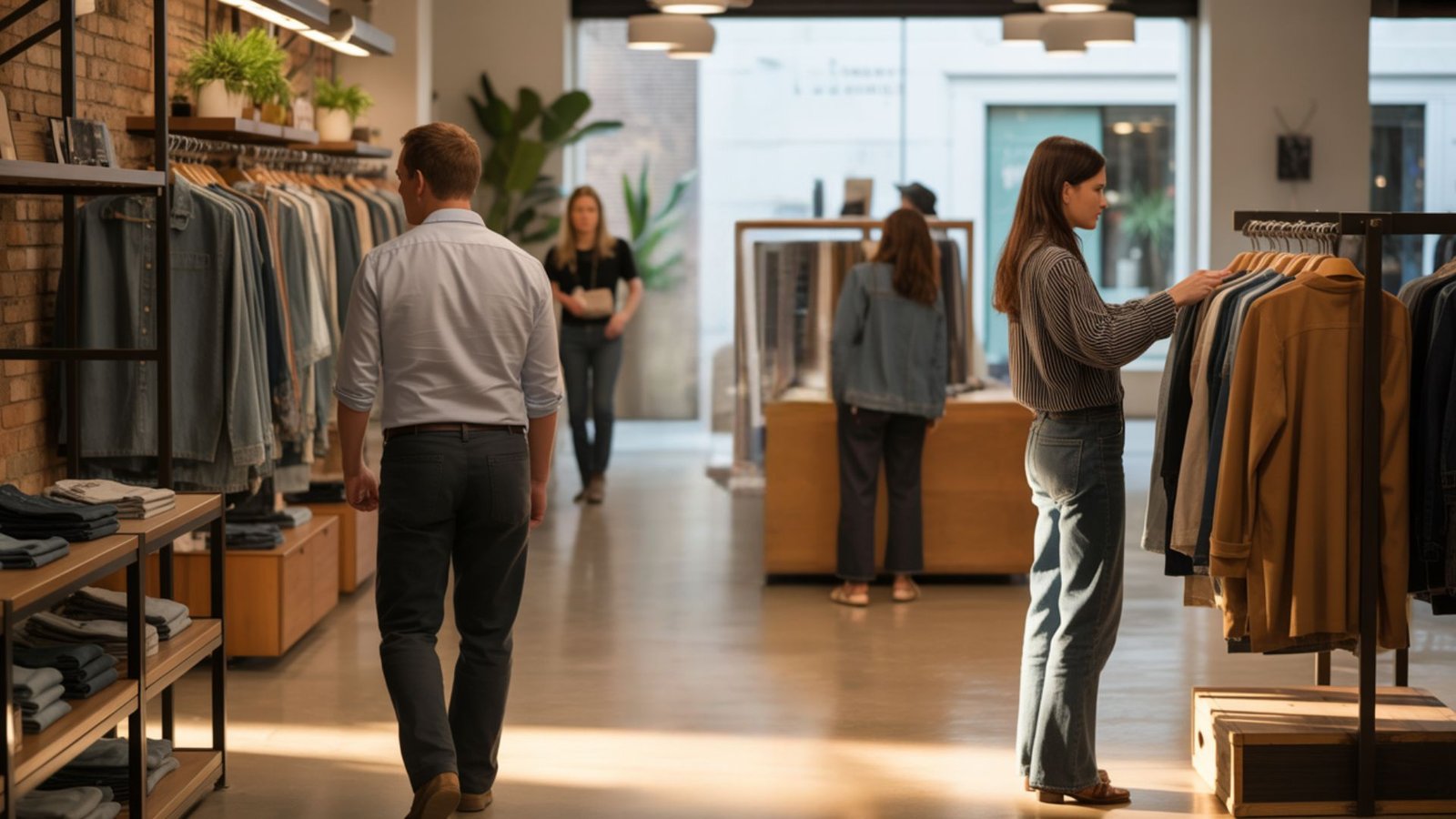
You walk into Madewell and see prices that make you think twice. A basic tee for $45? Jeans for $128? This must be better than regular fast fashion, right?
Wrong. The truth about Madewell might surprise you.
Many shoppers believe Madewell offers a nicer option compared to stores like H&M or Zara. The higher prices and clean store design make it feel more responsible.
The brand positions itself as thoughtful and quality-focused. But looks can fool you.
In this post, you’ll learn the real story behind Madewell. We’ll look at how the brand operates, what it hides, and why asking “Is Madewell fast fashion?” leads to an answer most people don’t expect.
We’ll cover labor practices, sustainability claims, and what the premium prices actually buy you. By the end, you’ll know exactly what you’re supporting.
Is Madewell Fast Fashion? The Truth
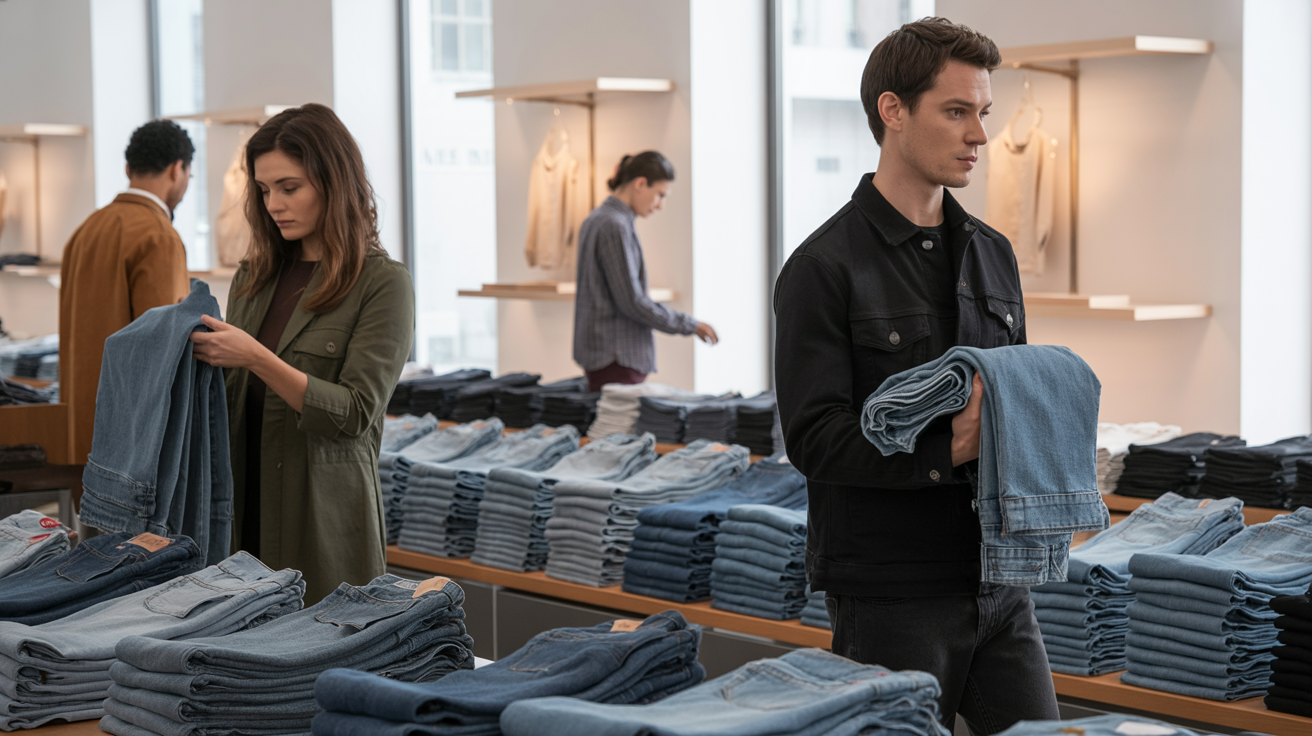
Yes, Madewell is fast fashion. The higher prices don’t change that fact.
Madewell moves more slowly than Zara or H&M, but it follows the same basic business model.
The brand releases new items constantly, copies current trends, and makes clothes in huge amounts. These are the clear signs of fast fashion operations.
The brand wants you to think it’s different. The marketing focuses on quality and careful choices.
But when you look at how Madewell actually runs its business, the question “Is Madewell fast fashion?” has a clear answer. The company just puts a nicer face on the same practices that define fast fashion.
What Makes Madewell a Fast Fashion Brand
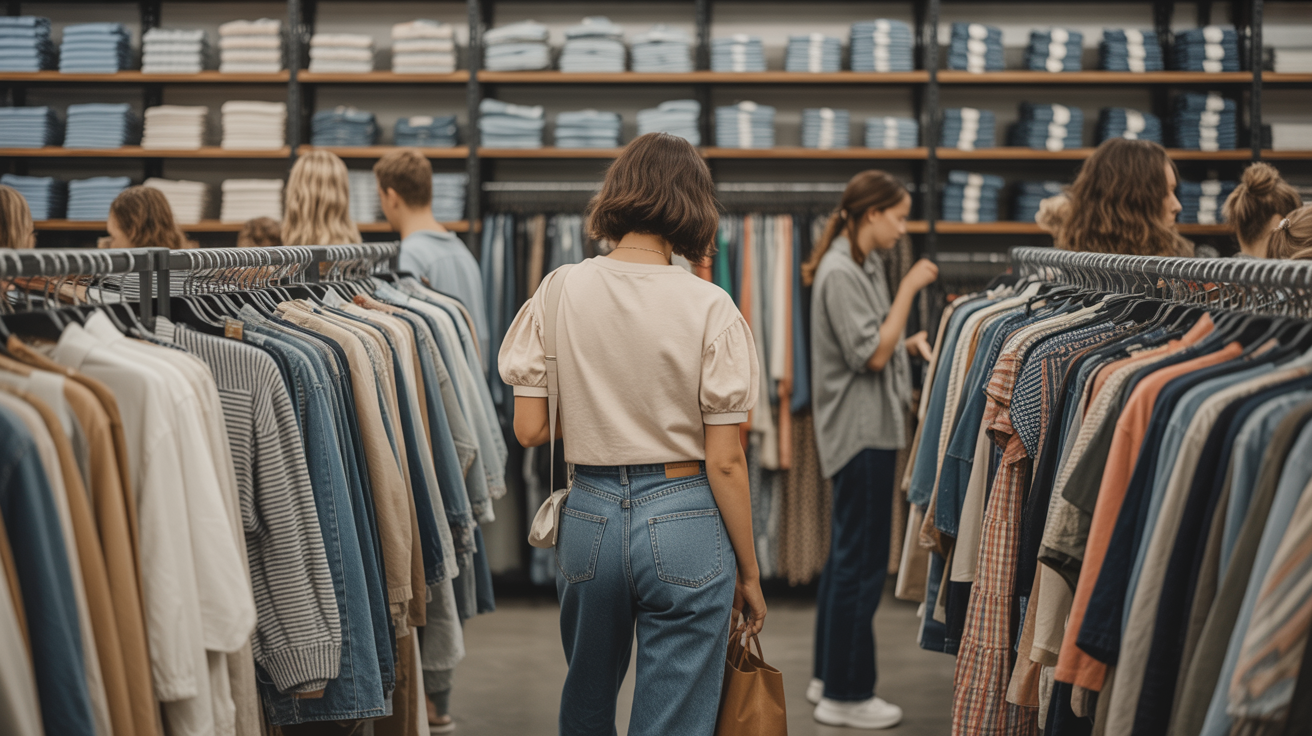
When people ask if Madewell is fast fashion, they need to look at specific business practices. Three main factors prove Madewell operates just like typical fast fashion brands.
New Collections Drop Every Few Weeks
Madewell releases four major seasonal collections each year. That sounds normal until you count the smaller drops.
The brand adds new capsule collections every few weeks. These mini releases bring fresh items to stores constantly. This schedule keeps shoppers checking back often, worried they’ll miss something. It’s the same strategy that H&M and Zara use to drive sales.
Copying Trends Rather Than Creating Timeless Pieces
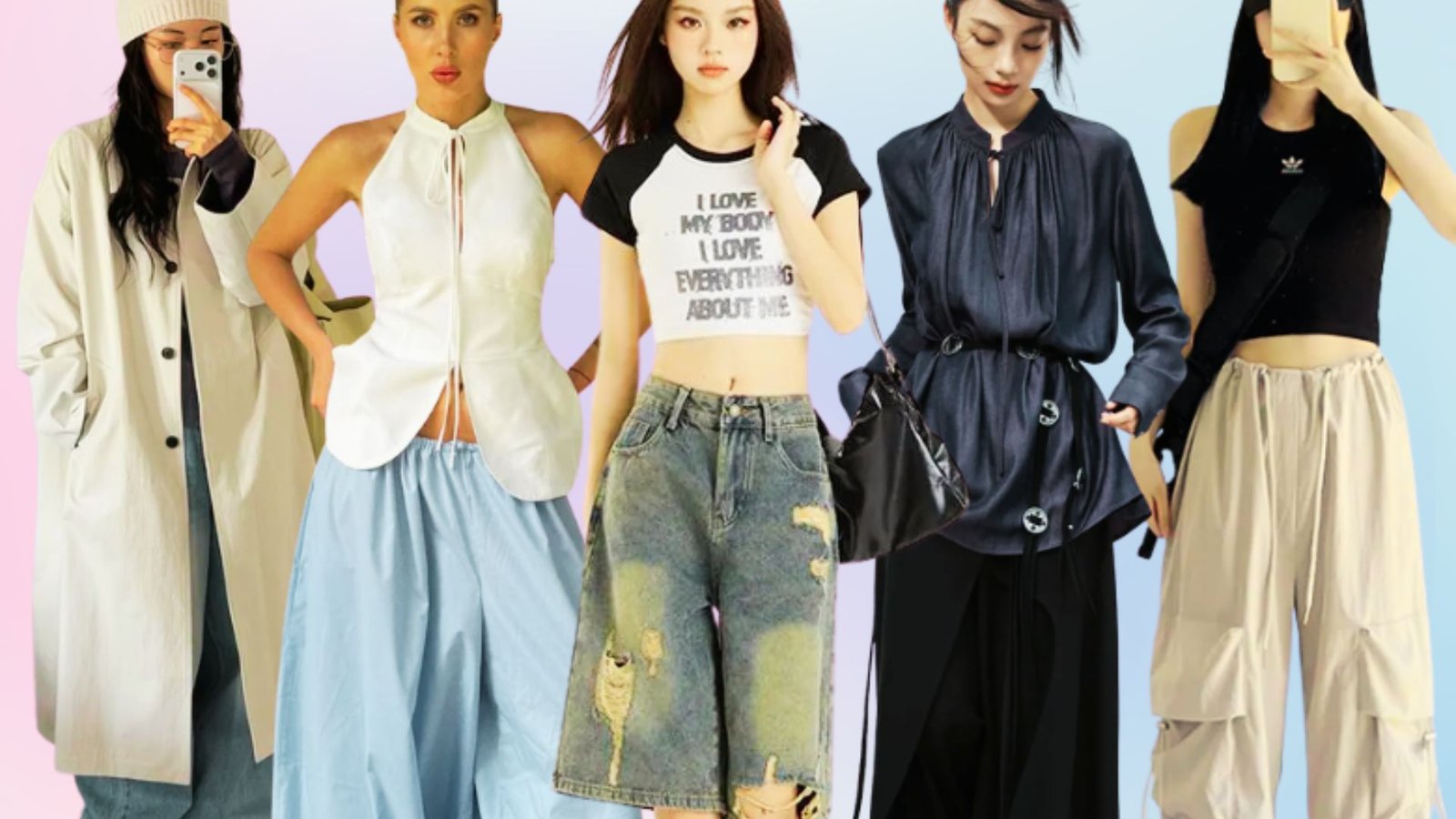
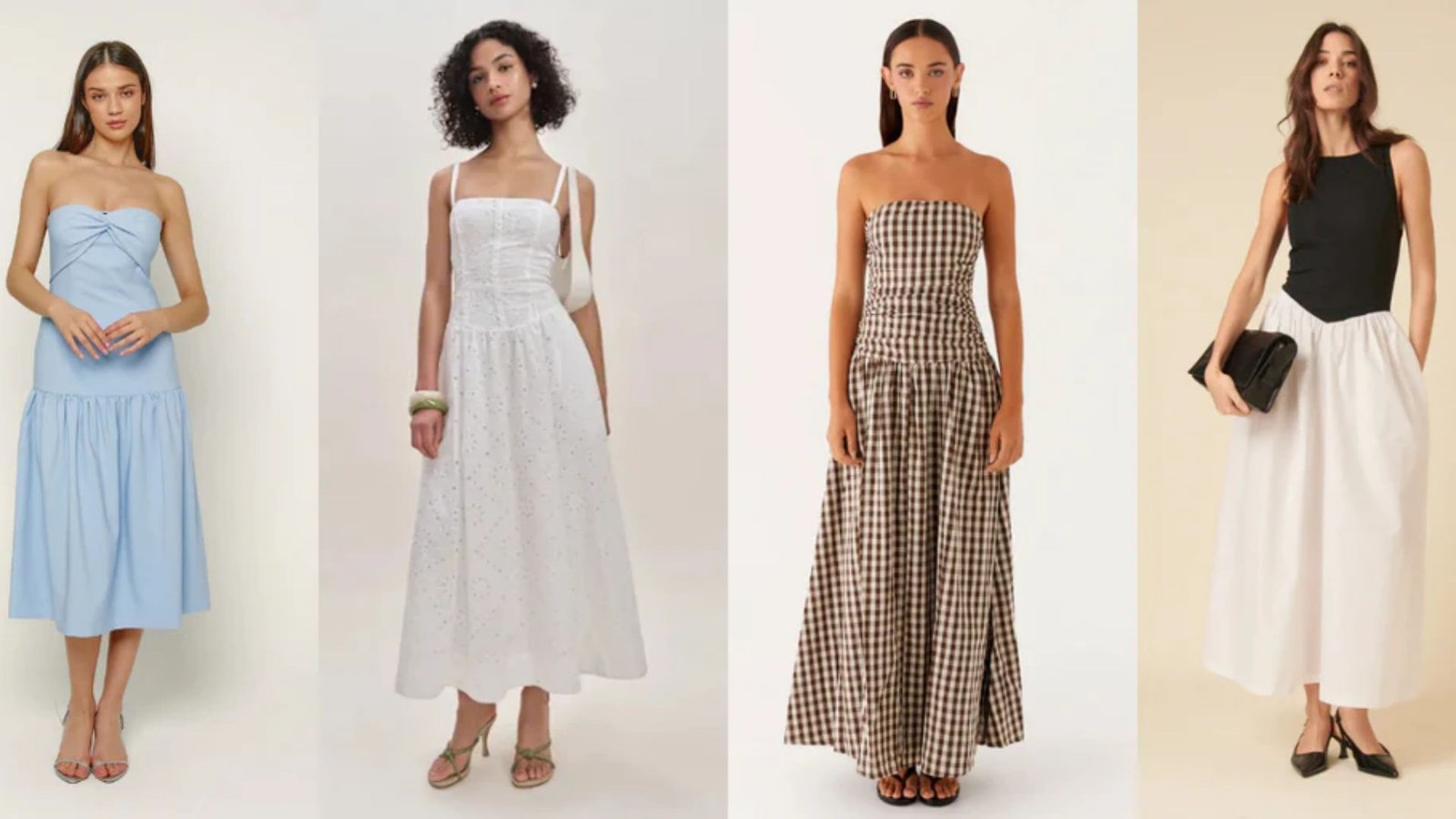
Walk into Madewell, and you’ll see whatever is popular right now. Wide leg jeans? They have them. Puff sleeves? Check. Prairie dresses? Of course.
Madewell watches what appears on runways and Instagram, then quickly makes similar versions.
The focus stays on what’s trendy today, not what you’ll want to wear in five years. Real, timeless design takes a back seat to what’s selling this season.
High Volume Production Behind the Scenes
Madewell belongs to J.Crew Group, a massive retail company. This gives them access to large-scale manufacturing systems.
The brand runs hundreds of stores across North America. Each location stocks thousands of products. To fill all those shelves and keep up with frequent new releases, Madewell must produce clothing in very high volumes. That’s not how slow, careful fashion works.
The Brand Image Problem: What Madewell Wants You to Think
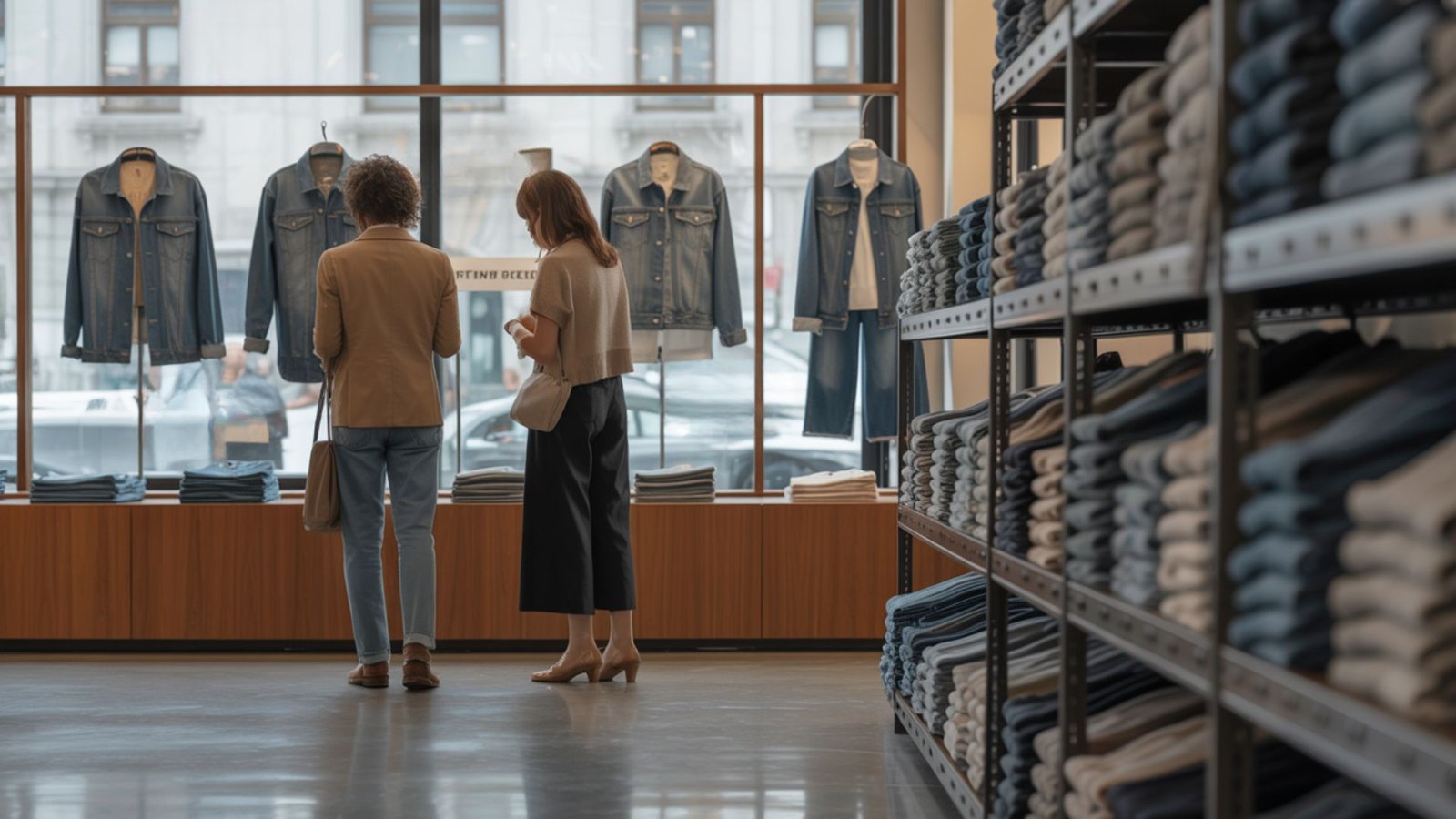
Madewell works hard to distance itself from the fast fashion label. The marketing tells a very different story from reality.
Marketing as “Quality” and “Conscious”
High prices make shoppers assume better practices. A $50 shirt must mean fair wages and good materials, right?
Madewell promotes its denim recycling program and talks about sustainability efforts. These messages suggest the brand cares about doing the right thing.
But price tags and nice words don’t equal ethical production. Many people wonder if Madewell is fast fashion when they see these mixed signals, and the answer lies in actions, not advertising.
Why the Premium Label Is Misleading
Some Madewell products do use better materials. The denim especially gets attention for its quality.
But better fabric in some items doesn’t change the core business. Madewell still relies on constant sales to move products.
The brand runs promotions almost every week. These frequent discounts push customers to buy on impulse and buy more than they need. That’s fast fashion behavior with a higher starting price.
Labor Practices: Where Madewell Falls Short
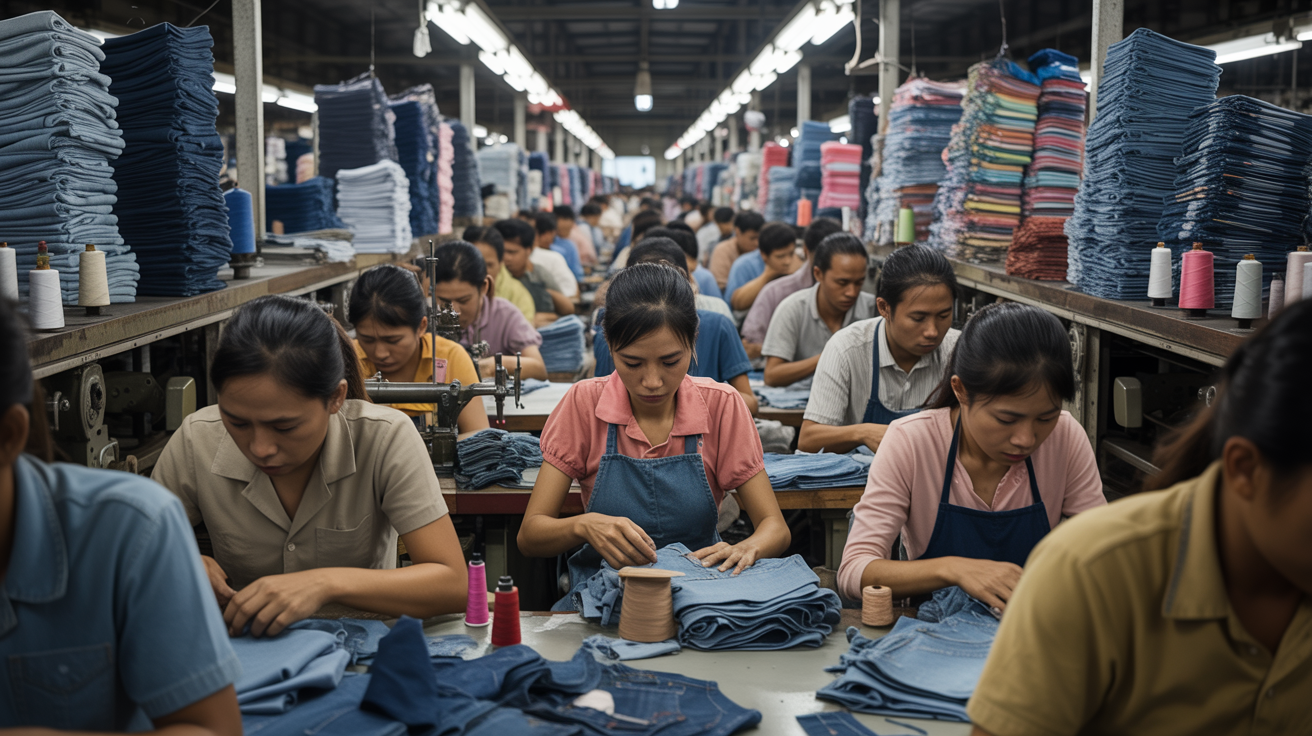
Questions about Madewell’s fast fashion often miss the human cost. The labor practices reveal major problems.
The Living Wage Gap
Madewell makes most of its clothes in China and Vietnam. Factory workers in these countries earn very low wages.
The pay falls far below what’s needed to cover basic living costs in those areas. Madewell has never made public promises about fair wages. There’s no evidence that workers earn enough to support their families with dignity. This matches the labor practices of typical fast fashion companies.
Lack of Supply Chain Transparency
Madewell shares limited information about its factories. The company provides partial supplier lists but leaves out important details.
Factory conditions remain mostly unknown to shoppers. Audit results stay private. When brands hide this information, it usually means there’s something they don’t want you to see. Real transparency means showing the full picture, good and bad.
Sustainability: Good Marketing, Limited Action
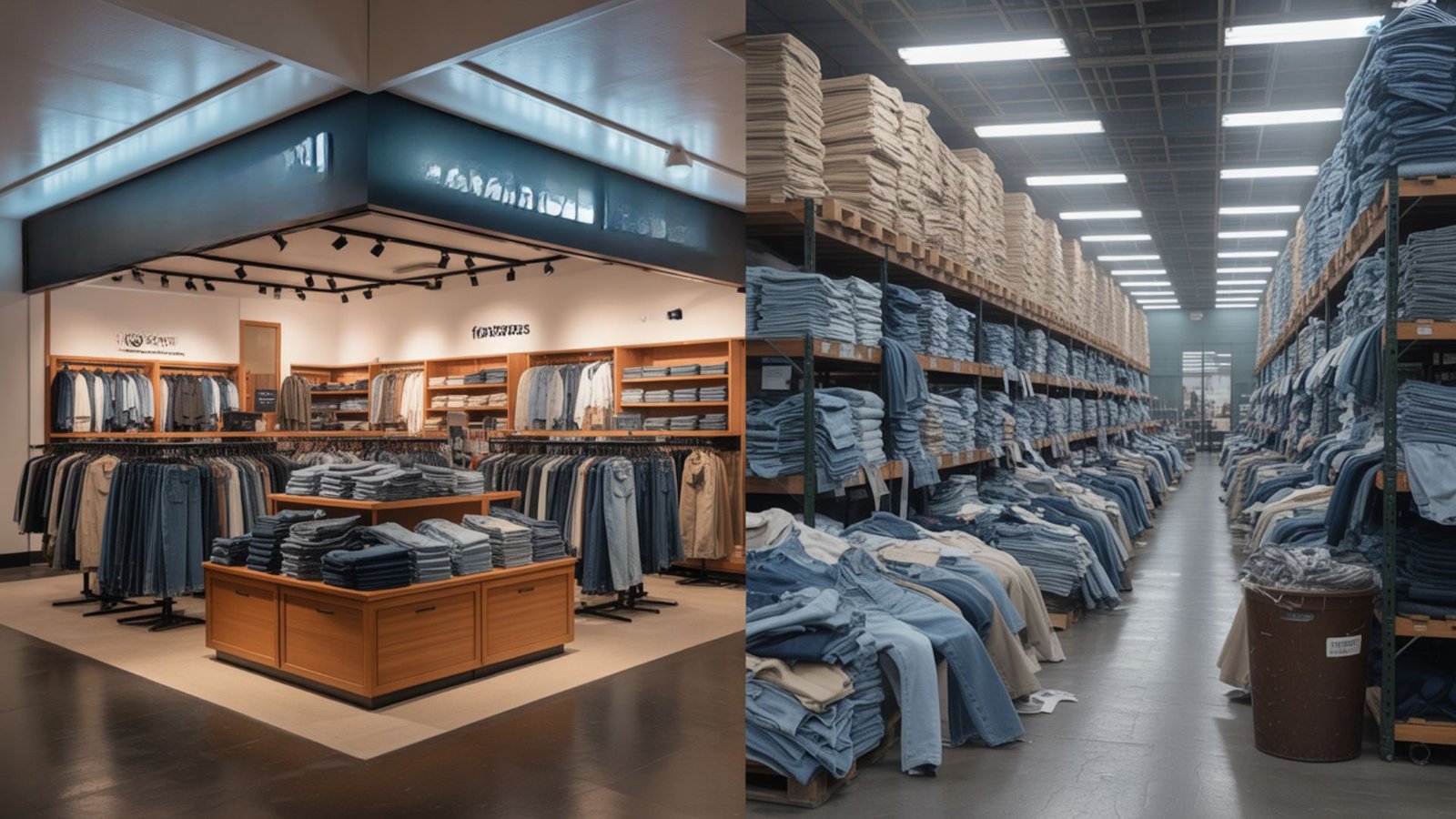
The sustainability messaging at Madewell sounds great. The actual progress tells a different story.
Most Products Still Use Conventional Materials
Only 30 to 40 percent of Madewell products include better materials. That means more than half still rely on resource-heavy fabrics.
The majority of items use conventional cotton, which needs lots of water and pesticides. Progress on switching to organic cotton has been very slow. For a brand that markets itself as conscious, these numbers don’t add up.
The Denim Recycling Program Isn’t Enough
Madewell’s denim take-back program gets lots of attention. Customers can bring old jeans to stores for recycling.
It’s a popular program, but the scale is tiny compared to how many new jeans Madewell sells.
This initiative doesn’t address the main issue: making too much stuff in the first place. Critics point to this as an example of greenwashing, where brands look green without making real changes.
Missing Environmental Reports
Madewell doesn’t share data about water usage. There are no specific numbers on carbon emissions.
The brand sets vague long-term goals without clear steps to reach them. When you wonder if Madewell’s fast fashion is based on environmental impact, the lack of reporting itself tells you something.
Truly responsible brands measure and share their footprint openly.
What Madewell Gets Right (To Be Fair)
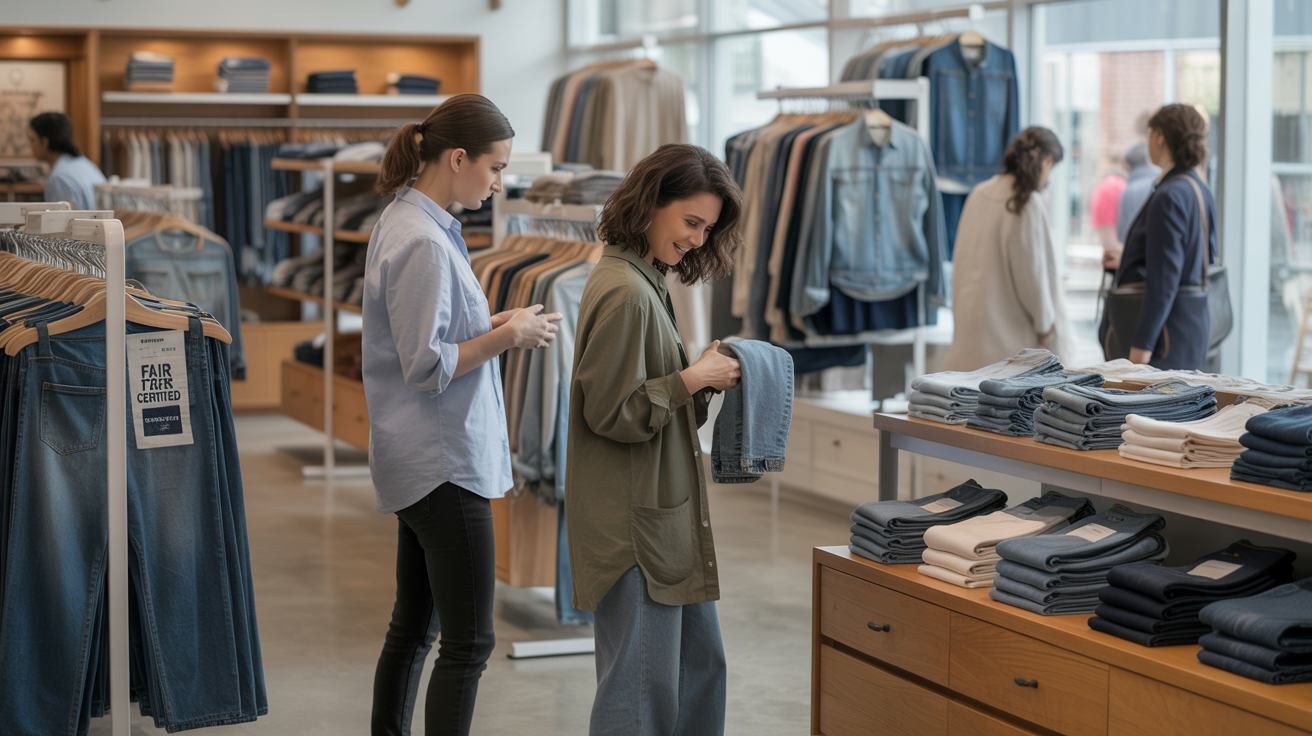
Not everything about Madewell deserves criticism. The brand does better than rock bottom fast fashion in a few ways.
- Quality beats ultra-cheap options. Many items do last longer than what you’d find at Forever 21 or Shein.
- Some denim comes from Fair Trade-certified factories, meaning better conditions for those specific workers.
- The brand puts more focus on sustainability than its parent company, J.Crew, even if that focus remains limited.
- Basic pieces like tees and sweaters can work well if you wear them for many years.
These positives exist, but they don’t offset the major problems. When people say Madewell is fast fashion, these good points don’t change the overall answer.
Should You Buy from Madewell?
The choice depends on your priorities and how you approach shopping.
Madewell might make sense if you’re buying quality basics you’ll wear for years. A well-made pair of jeans worn 100 times has less impact than cheap ones worn 10 times. But you need to actually keep and use those items for the math to work.
If ethics and sustainability matter most to you, look elsewhere. Better options exist at similar or lower prices. The question isn’t just whether Madewell is fast fashion, but whether you want to support that business model.
When you do shop at Madewell, be thoughtful. Buy only what you need and will actually wear. Avoid sale impulse purchases. Consider secondhand Madewell items instead of new ones. These choices help reduce the harm, even if they don’t eliminate it.
Conclusion
So, is Madewell fast fashion? Yes, despite what the marketing suggests.
The gap between brand image and actual practices is wide. Higher prices and nice store displays don’t change the business model underneath. Madewell follows the same playbook as other fast fashion brands, just with better packaging. The brand produces high volumes, copies trends quickly, and keeps workers on low wages.
Understanding this truth helps you make informed choices. You have power as a consumer. Demand real change by asking hard questions and supporting brands that back up their claims with action. Vote with your wallet by choosing secondhand or truly ethical brands.
The next time you consider shopping at Madewell, you’ll know exactly what you’re getting. That knowledge matters more than any marketing message. Being informed means you can shop according to your values.
Frequently Asked Questions
How Does Madewell Compare to J.Crew?
Both brands share the same parent company and follow similar practices. Madewell has stronger sustainability branding and messaging. But their core supply chain policies are nearly the same. The main difference is marketing, not actual operations.
Are Madewell Jeans Worth the Higher Price?
The quality is better than budget fast fashion brands. Some Madewell jeans come from Fair Trade-certified factories. However, the price mostly reflects branding and marketing costs, not just ethical practices. You’re paying for the name as much as the product.
Does Shopping Sales at Madewell Make It More Sustainable?
No, sales actually encourage overconsumption. Buying less is always more sustainable than buying more, regardless of discounts. Lower prices don’t change the environmental and social impacts of production. Sales just make it easier to buy things you don’t really need.
What Brands Offer a Similar Style With Better Ethics?
Everlane provides more transparency about costs and factories. Patagonia has strong sustainability commitments and detailed reporting. People Tree offers fair-trade certified clothing. You can also buy Madewell secondhand to avoid supporting new production while getting the style you want.
Can Fast Fashion Brands Ever Become Truly Sustainable?
The current business model conflicts with real sustainability. True change would require producing and selling much less. That hurts profits, so most brands won’t do it. Gradual improvements help, but don’t solve the core problem of overproduction and overconsumption.