
Have you ever put on a suit jacket and felt something just wasn’t right?
Understanding how should a suit jacket fit can completely change how you look and feel.
In this guide, I’ll walk you through the key areas to check, how different body types can wear jackets confidently, and much more.
From shoulders to sleeves, and collars to vents, small adjustments make a noticeable difference.
Speaking from years of experience helping men find the right fit, I’ll share practical tips that make jackets feel natural and comfortable, not restrictive.
Let’s get started with all the learnings to know about yur perfect fit.
Understanding the Basics of Suit Jacket Fit

Understanding the basics of suit jacket fit starts with knowing the difference between size and fit.
Size is just a number on a label, but fit determines how the jacket complements your body and moves with you.
A proper fit balances comfort and mobility, allowing you to sit, reach, and move naturally without feeling restricted.
The silhouette should remain clean, avoiding pulling at buttons or gaping at seams, while proportions align with your shoulders, chest, and waist.
Even millimeters matter, as small adjustments can drastically improve appearance. A well-fitted jacket shapes your frame, improves posture, and makes you feel confident without squeezing or restricting.
Key Areas to Check for a Perfect Fit
A suit jacket looks best when key areas fit properly. Shoulders, chest, length, sleeves, collar, and back all affect comfort, style, and confidence.
1. Shoulders

The shoulder seam should sit exactly at your natural shoulder edge. Too wide causes sagging, and too tight feels like biting into your skin.
Men with broad, narrow, or sloped shoulders may need minor adjustments to maintain a clean, balanced look that moves naturally.
2. Chest and Buttoning
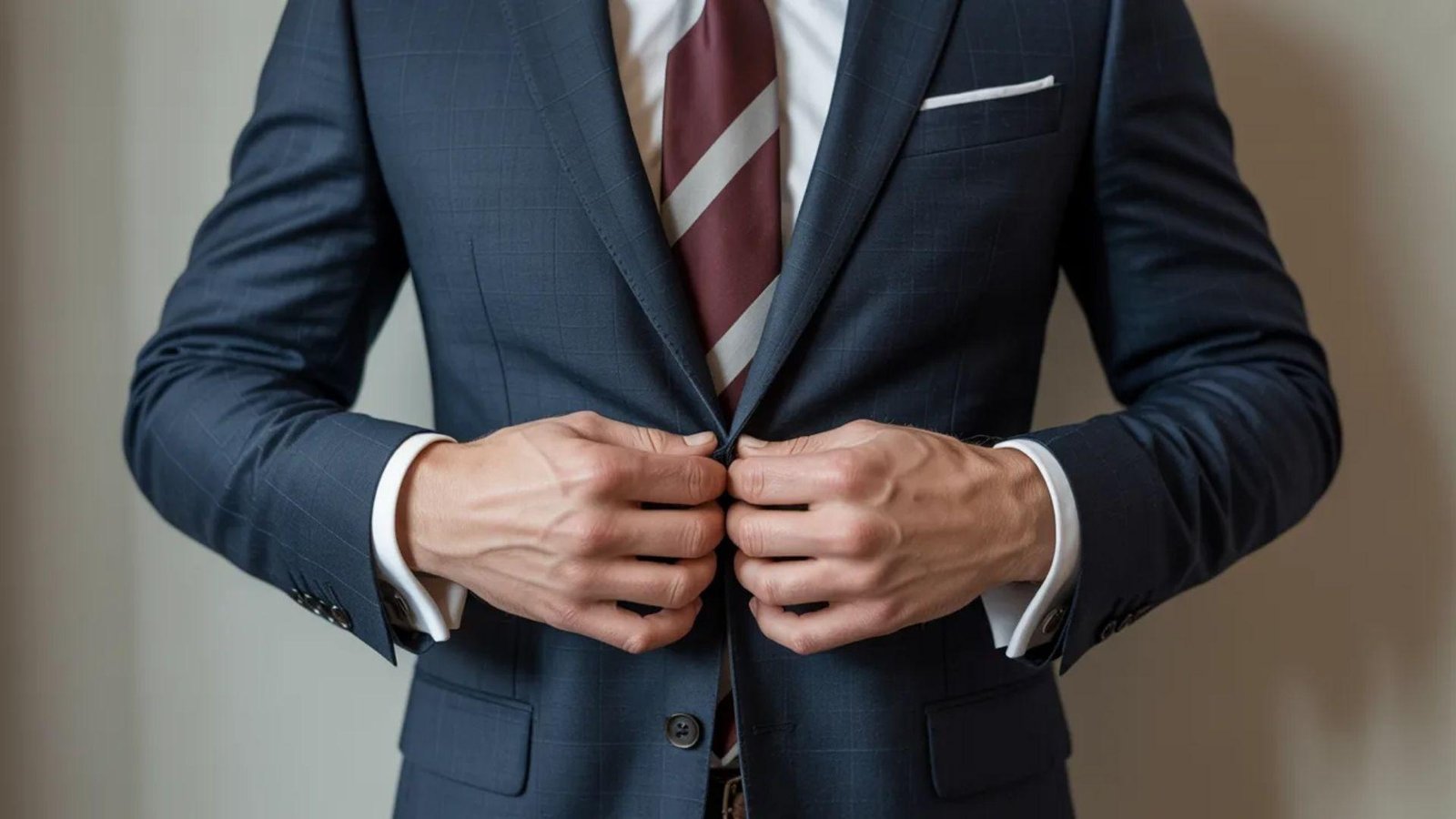
A jacket should close smoothly without forming an X-shaped crease at the buttons. There should be space roughly equal to one fist between your torso and the fabric.
This ensures the jacket feels snug without restricting movement or creating bulges around the chest or waist.
3. Jacket Length

The jacket generally ends near mid-crotch and should cover the seat completely. Shorter men may need slightly shorter jackets, while taller men may prefer longer cuts.
Correct length keeps the silhouette balanced, making the proportions of your upper and lower body look even.
4. Sleeve Length
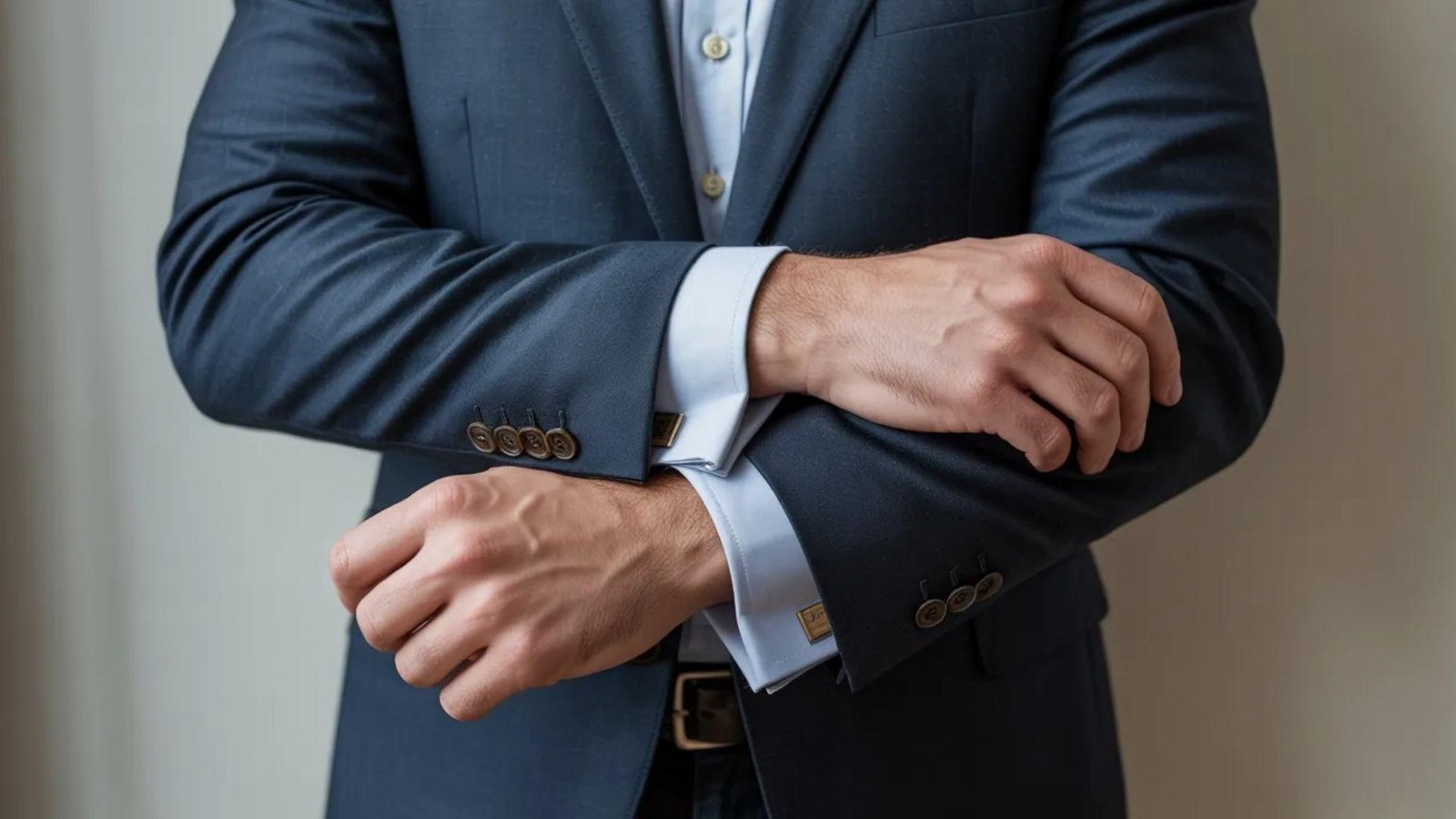
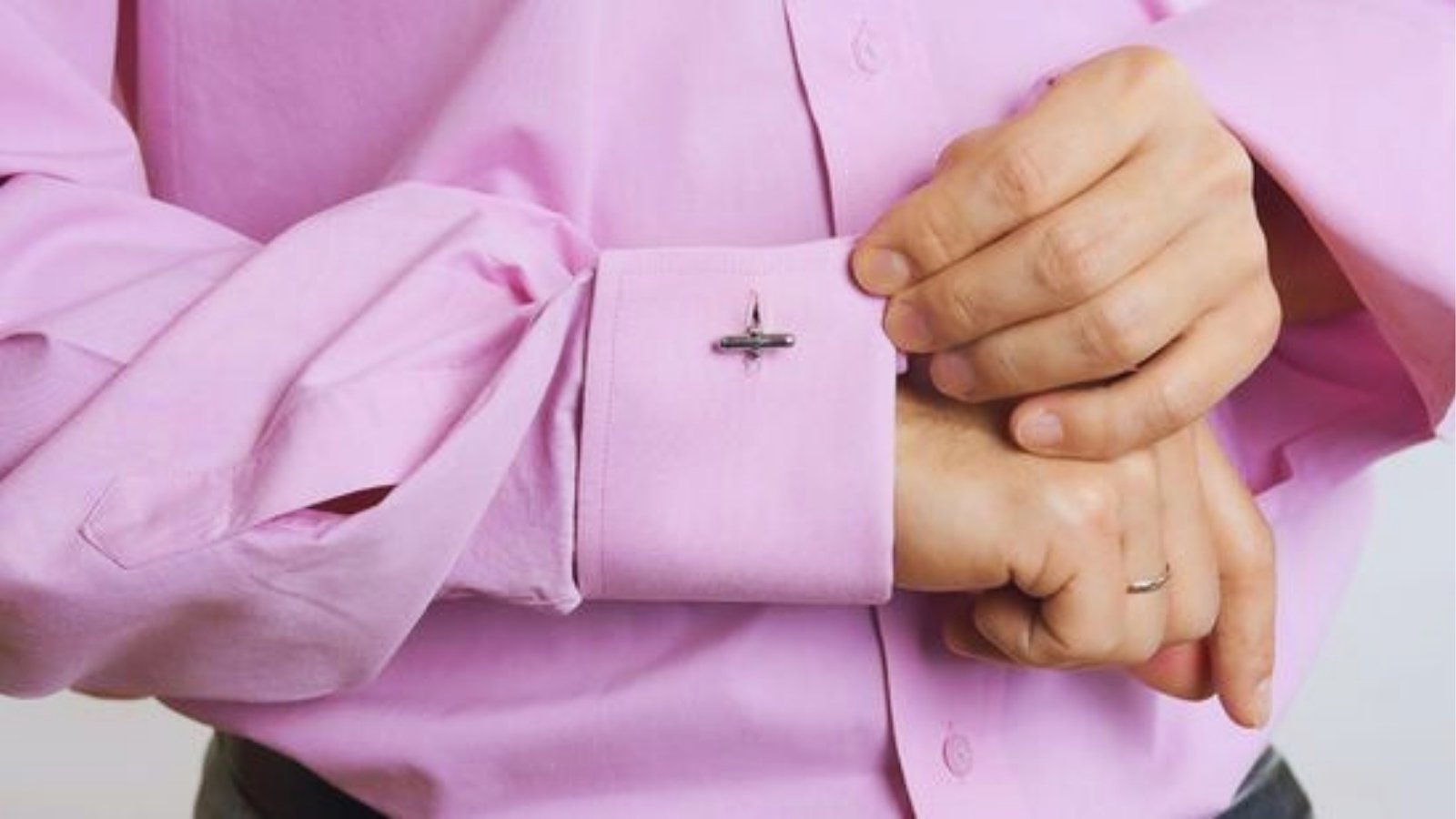
Sleeves should end at the wrist bone and reveal about half an inch of shirt cuff. Men with shorter or longer arms can adjust the sleeve length for proper fit.
Correct sleeves keep the jacket proportional and allow natural arm movement without bunching.
5. Collar Fit
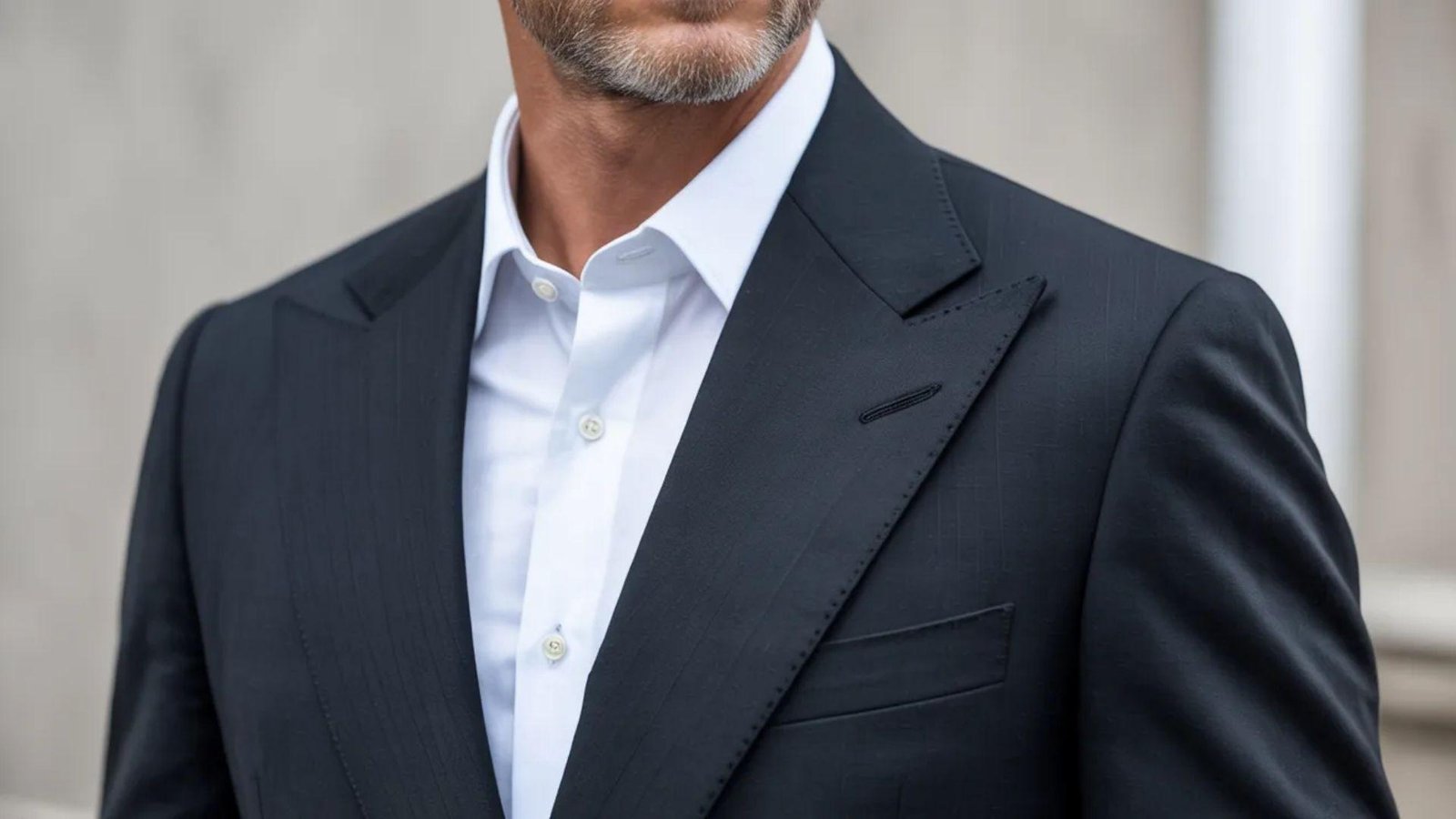
The jacket collar should rest flat against the shirt collar without gaping or pulling at the back of the neck.
Proper collar fit frames your face, maintains a smooth line along the shoulders, and ensures that the jacket sits comfortably without awkward gaps when moving.
6. Back and Vents
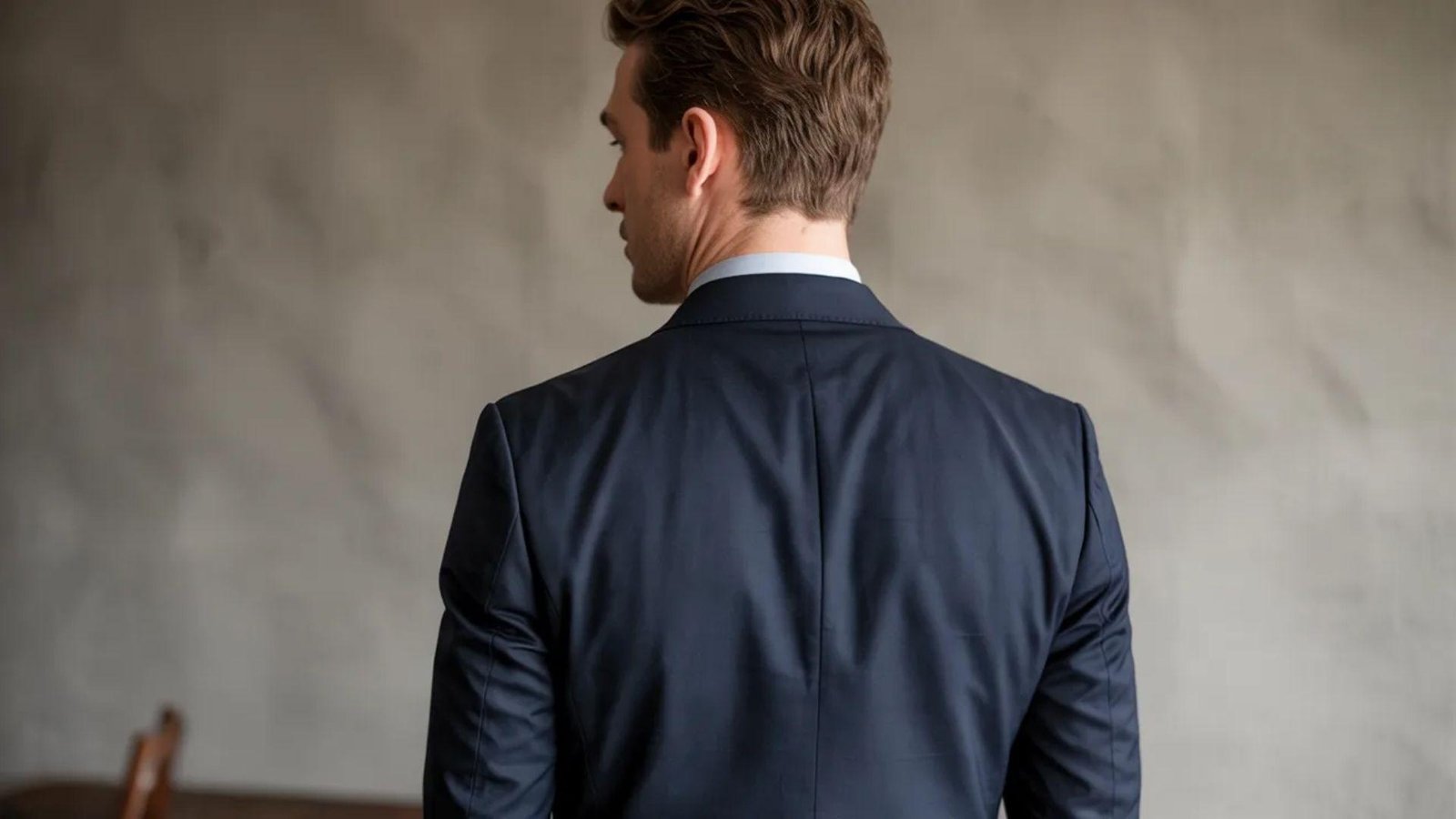
The back of the jacket should lie smooth without horizontal folds. Horizontal creases often show poor fit. Single or double vents affect how the jacket drapes and moves.
Choosing the right vent style helps with mobility and keeps the jacket looking clean when sitting or walking.
Suit Jacket Fit for Different Body Types
A jacket fits best when it follows your body’s natural lines. The right style and adjustments create comfort and a balanced look.
1. Slim Build

Slim builds need jackets that follow their frame without adding bulk. Too loose jackets can look sloppy and reduce shape.
- Choose a jacket that sits close but allows movement.
- Avoid oversized or baggy jackets that hide the body’s natural lines.
- Keep proportions balanced by pairing with fitted trousers.
2. Athletic/Muscular Build
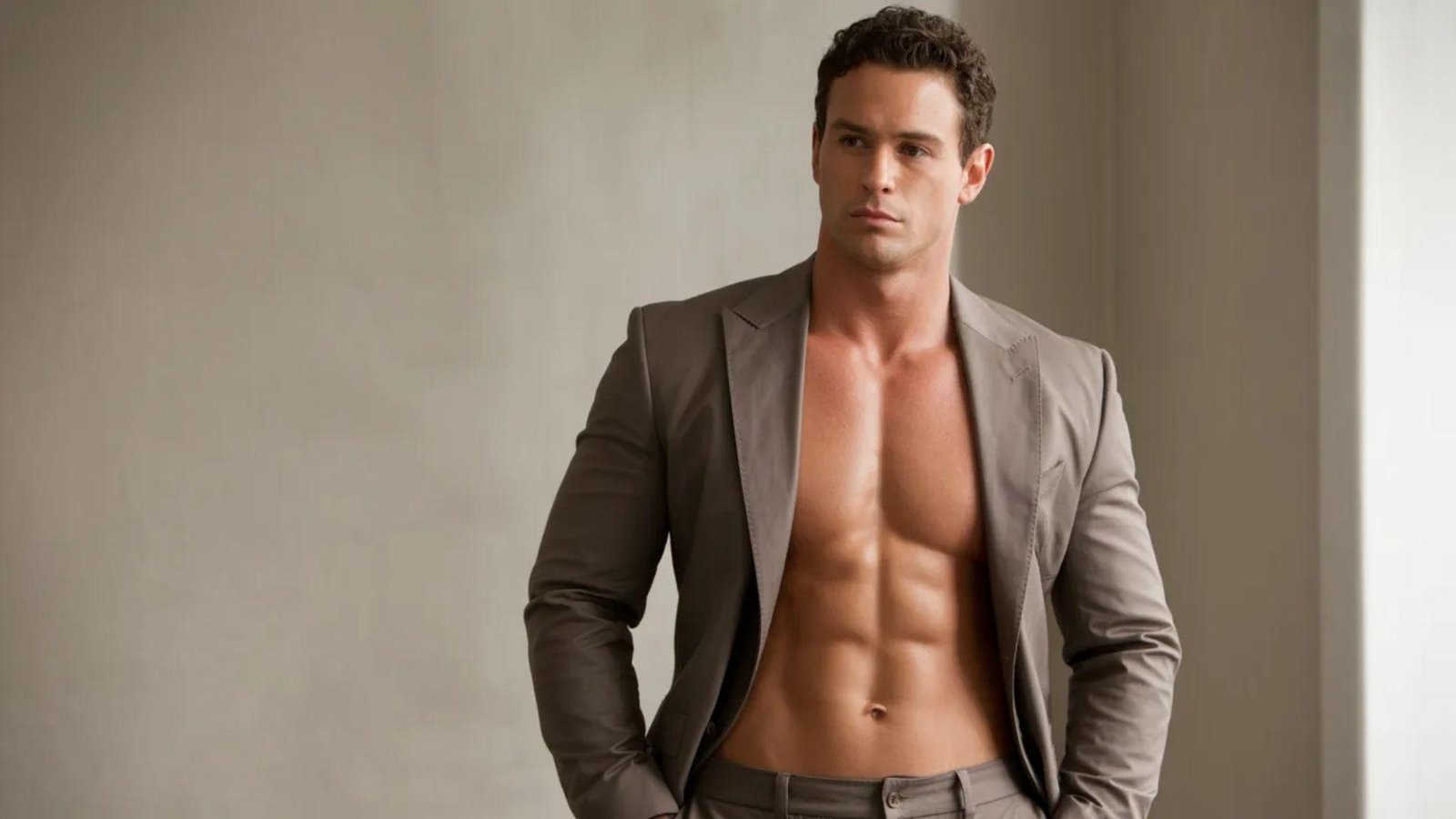
Muscular shoulders and chest require jackets that allow movement and close comfortably. Poor fit can cause gaps or tightness.
- Adjust shoulder seams to match the natural shoulder width.
- Ensure buttons close without gaping across the chest.
- Select fabrics with slight stretch or careful tailoring for comfort.
3. Broad or Larger Build

Broader bodies need jackets that minimize bulk and maintain a clean silhouette. Boxy jackets can make the shape appear uneven.
- Single-breasted jackets usually create a smoother look.
- Avoid double-breasted or overly padded designs that add width.
- Layer lightly to maintain balance without adding extra bulk.
4. Shorter Individuals

Shorter men benefit from jackets that do not overwhelm the frame. Correct length and lapel width help proportions.
- Avoid jackets that extend far below the seat.
- Choose narrower lapels to suit smaller frames.
- Keep visual lines vertical to create the appearance of added height.
5. Tall Individuals

Tall men need to ensure jackets maintain proportional balance. Poor lapel or sleeve size can exaggerate length.
- Avoid extra-long sleeves or wide lapels that distort proportions.
- Consider minor tailoring for balanced jacket length.
- Select jacket styles that complement height without looking oversized.
Choosing the right fit for your body type keeps your jacket looking sharp and comfortable.
Common Fit Mistakes and How to Avoid Them
Avoiding common fit mistakes keeps your jacket looking sharp and feeling comfortable.
| Common Mistake | How to Avoid It |
|---|---|
| Shoulders too wide or narrow | Check that the shoulder seam aligns with your natural shoulder edge. |
| Sleeves too long or short | Ensure sleeves end at the wrist bone, showing about ½ inch of shirt cuff. |
| Jacket too tight at chest or waist | Button the jacket comfortably; there should be room for one fist between torso and fabric. |
| Oversized or boxy fit | Choose a fit that follows your body shape without excess fabric or bulk. |
| Errors when shopping off-the-rack | Try the jacket on, move arms, sit, and walk to spot tightness, gaping, or folds. |
Spotting these errors before buying ensures a well-fitting jacket every time.
Maintaining the Fit Over Time
Keeping your suit jacket in shape ensures it stays comfortable and sharp over time.
Proper care: Regularly clean and press your jacket according to fabric instructions. Avoid over-washing or harsh detergents to prevent stretching, shrinking, or damage.
Seasonal tailoring adjustments: Check your jacket each season for minor changes in fit. Small alterations can keep the jacket comfortable and proportional as your body changes.
Storing suits: Hang your jacket on a wide, shaped hanger to maintain shoulders and structure. Use garment bags for long-term storage to protect fabric and shape.
Simple care, adjustments, and proper storage help maintain the jacket’s fit for years.
Tailoring vs Off-the-Rack
Knowing when to choose off-the-rack or tailoring helps you get a jacket that fits well and looks polished.
| Option | When to Choose | Key Tips |
|---|---|---|
| Off-the-Rack | For a ready-to-wear jacket that fits reasonably well. | Check shoulders and chest, minor tweaks may help. |
| Custom Tailoring | For a precise fit or specific style needs. | Adjust shoulders, chest, waist, sleeves, and lapels. |
| Minor Alterations | To improve fit with small changes. | Shorten sleeves, take in waist, or adjust hem. |
Even small alterations can make a big difference, ensuring comfort and a clean, balanced look.
Tailoring Tips for the Perfect Fit
Proper tailoring keeps your jacket comfortable and looking sharp.
Minor vs. major adjustments: Minor changes include sleeves, waist, or hem. Major changes involve shoulders, chest, or overall structure. Knowing the difference sets realistic expectations.
Finding a reliable tailor: Choose an experienced tailor with good reviews. Check past work and ask about their skill with both small and complex fixes.
Alteration costs: Minor adjustments are affordable; major changes can be expensive. Understanding limits helps avoid wasted time and money.
Even small adjustments can make a noticeable difference in fit and appearance.
Final Thoughts
Understanding how should a suit jacket fit goes beyond the size label. The right fit balances shoulders, chest, sleeves, and length for comfort and a clean look.
I’ve seen how small adjustments, whether off-the-rack tweaks or minor tailoring, can make a big difference.
A well-fitting jacket moves with your body, feels natural, and boosts confidence. Paying attention to these details ensures you always look sharp and comfortable.
Try on your jacket today. Notice what feels off and adjust it for a fit that truly works for you!
Frequently Asked Questions
How Often Should I Replace My Suit Jacket?
A well-maintained jacket can last 5-10 years. Replace it sooner if fabric wears out, seams tear, or the fit changes significantly.
Can I Wear the Same Jacket for Different Seasons?
Yes, lighter fabrics work for warm months, and wool or lined jackets suit cooler seasons. Layering helps adapt the jacket year-round.
Is It Okay To Mix Suit Jackets With Different Pants?
Yes, pairing jackets and pants from different suits is fine if the color, texture, and fabric complement each other.
Should I Worry About Jacket Fit If I Plan to Sit Often?
Yes, ensure enough room in the chest and shoulders. Proper vents and minor adjustments prevent creasing and discomfort when seated.
How Do I Know If a Vintage Jacket Will Fit?
Check shoulder width, chest, and sleeve length. Vintage sizing often differs from modern measurements, so try it on or measure carefully before buying.