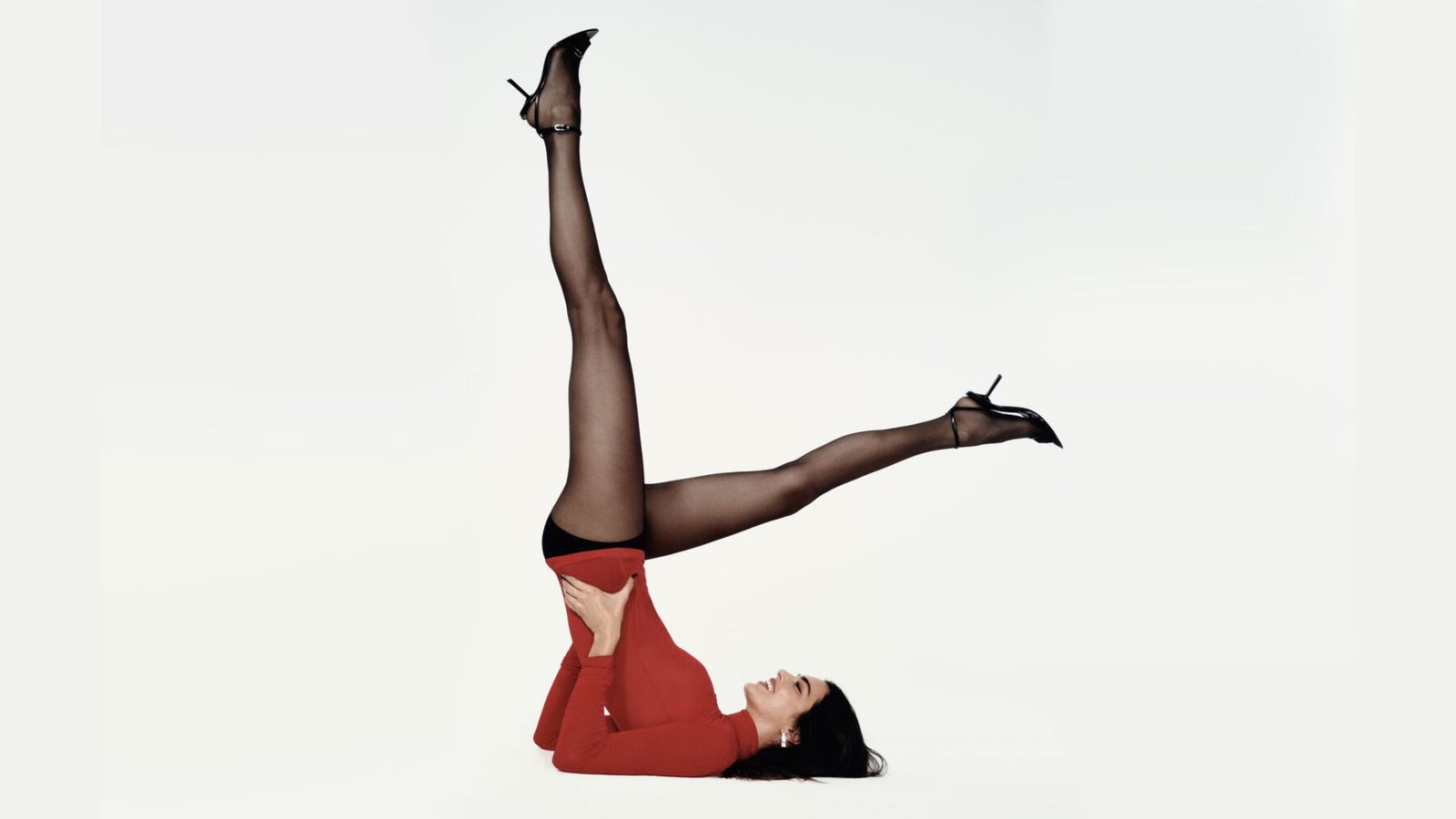

I wore heels to a baby shower at 18 weeks pregnant, and by the time I got home, my feet were swollen and my back had other opinions about my outfit choices.
Can you wear high heels while pregnant?
The short answer is: it depends, but there are real risks you need to know about.
In this article, I’ll walk you through what the research says, when heels become unsafe, what they could mean for your body and your baby, and what mistakes to avoid.
As someone who has written extensively on pregnancy wellness, I want to give you honest, clear information so you can make the best choice for you.
And trust me, what I found out about the third trimester surprised even me.
The Truth About Heels and Pregnancy
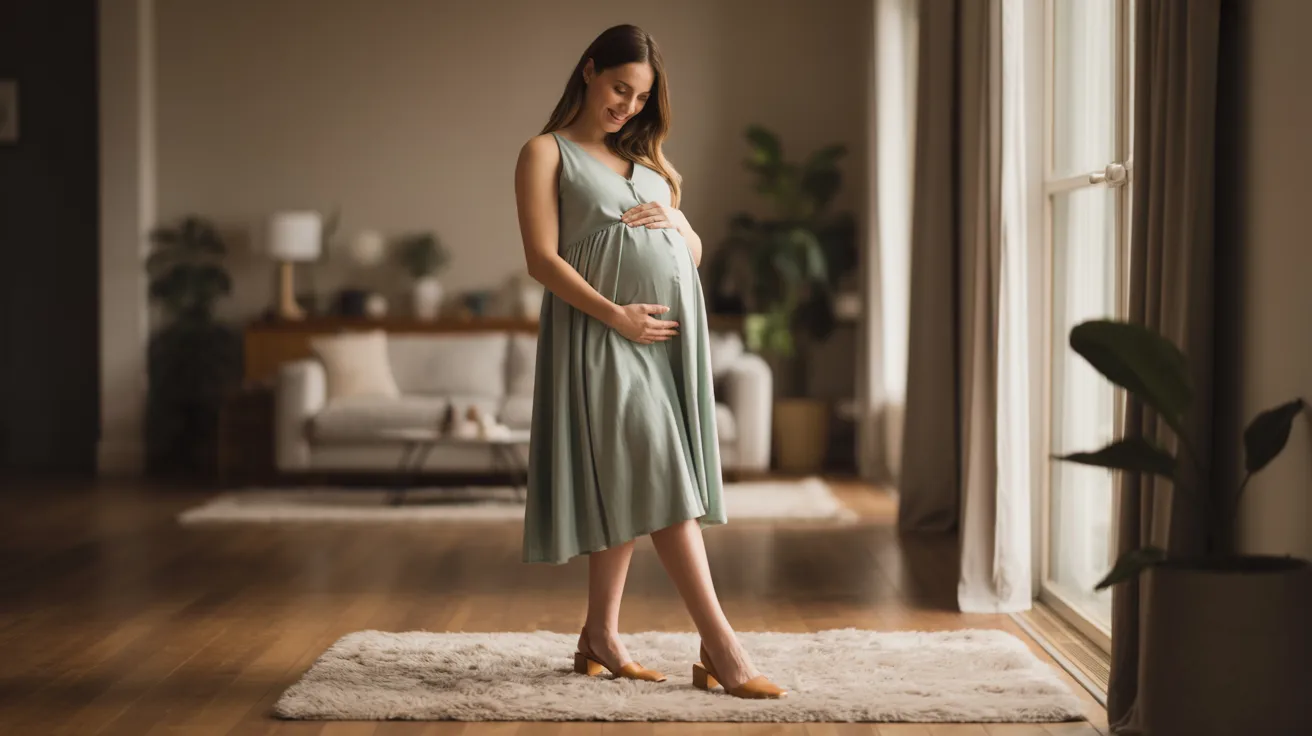
Pregnancy changes your body faster than most people expect.
Your center of gravity shifts, your ligaments loosen, your feet swell, and your balance becomes less reliable over time. Most doctors suggest limiting heel height as pregnancy progresses.
Low block heels of one inch or less are generally safer than stilettos or wedges over two inches. Many women wear heels in early pregnancy without any issues.
The problems tend to show up later, when balance becomes harder and the body is under more physical pressure. The key is knowing your limits and not pushing through discomfort.
Why Wearing Heels During Pregnancy Becomes Risky
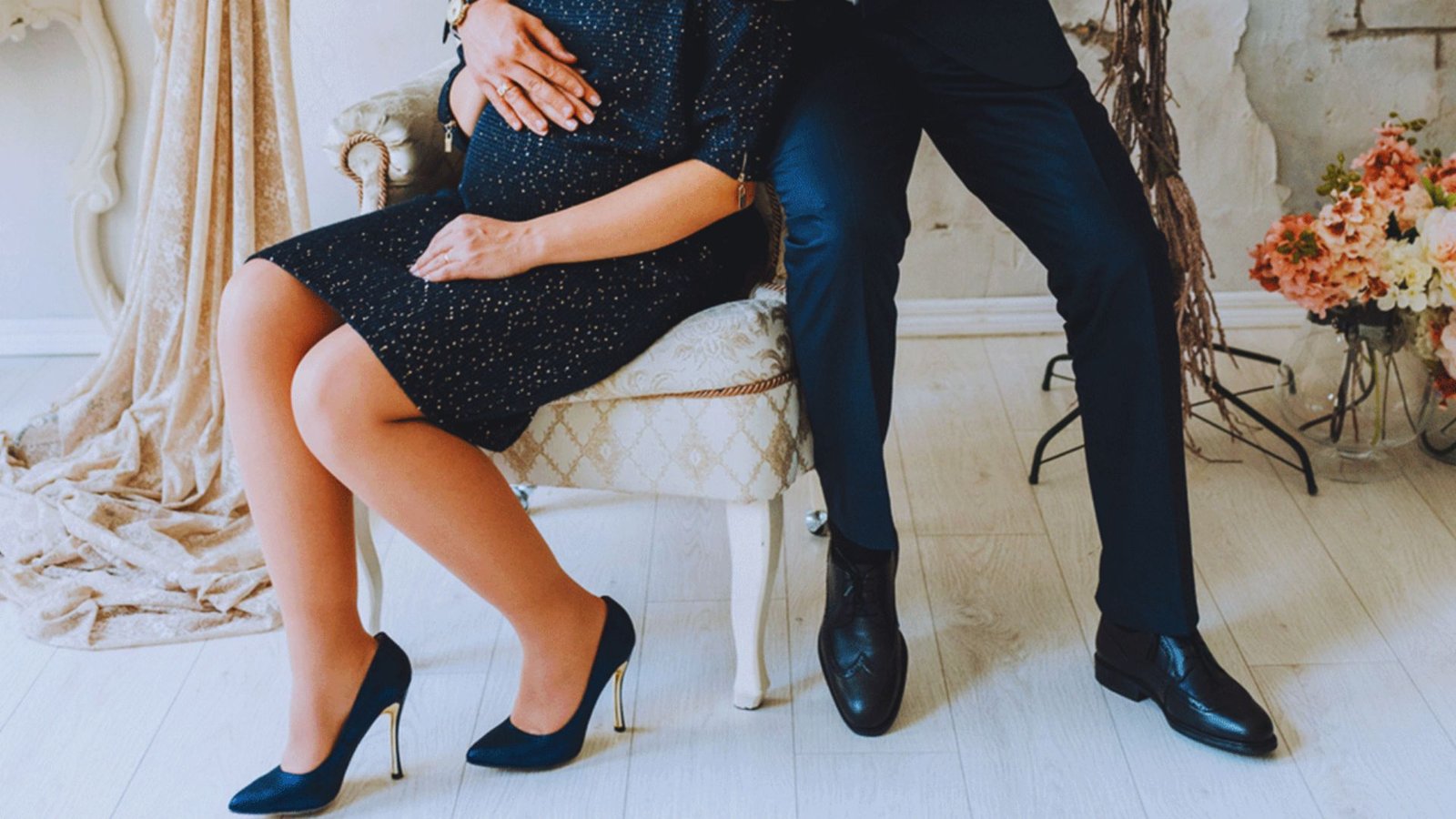
Your changing body shifts your balance and puts new stress on your joints, making heels harder and riskier to wear.
Relaxin loosens your joints to prepare for childbirth, but it also makes your ankles less stable.
As your belly grows, your center of gravity moves forward, putting more pressure on your lower back, hips, and knees. Heels multiply that pressure.
Swollen, wider feet no longer fit the same way in heels they once wore comfortably. All of this adds up quickly.
Potential Risks of Wearing High Heels While Pregnant
Wearing heels during pregnancy does more than just hurt your feet. Here is what can actually go wrong.
Increased Risk of Slipping and Falling
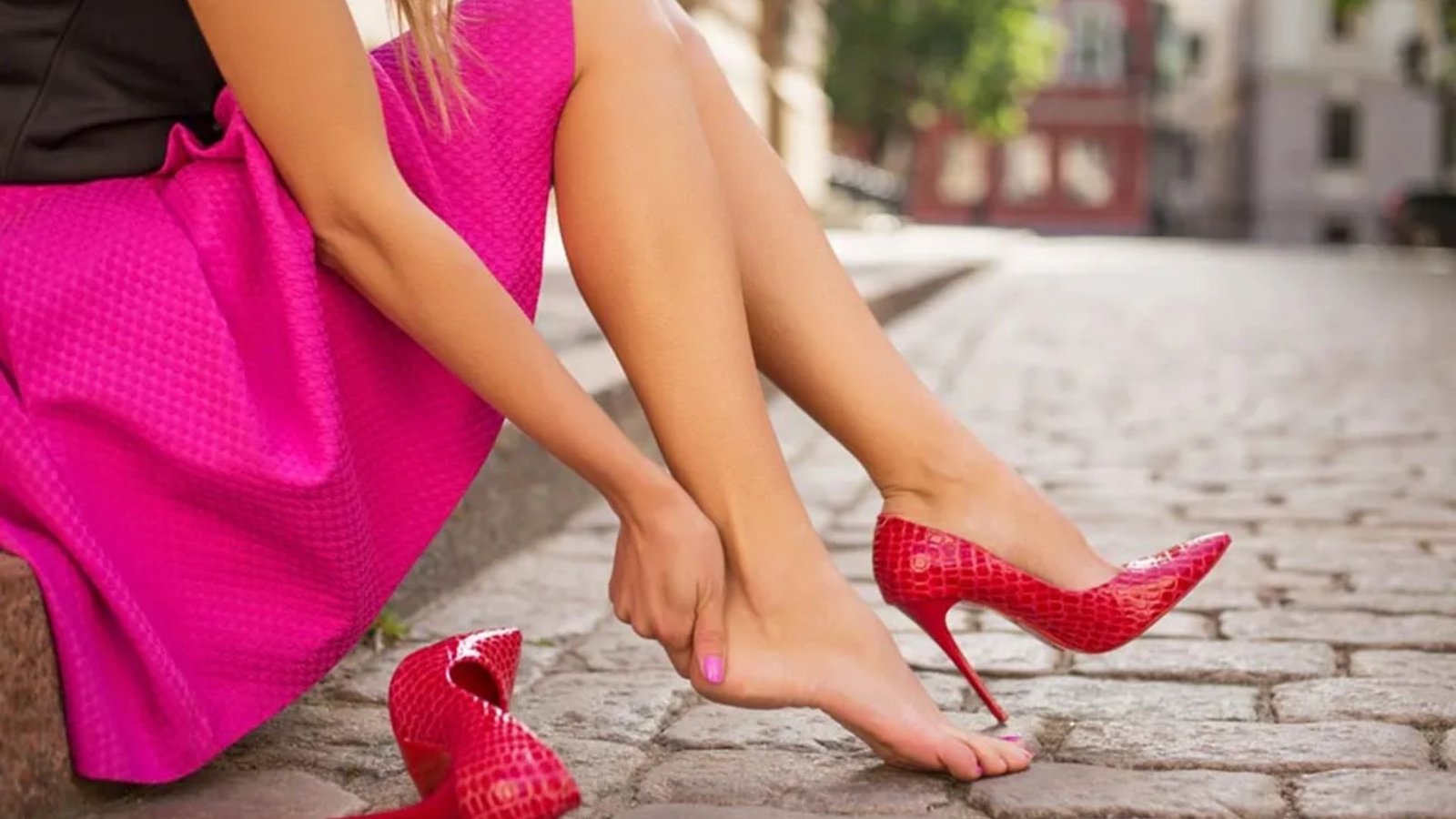
Falls are the biggest concern. Heels raise your center of gravity, making it easy to lose footing on wet floors or uneven surfaces.
A fall during pregnancy can cause placental abruption, early labor, or serious injury.Even a small stumble that felt harmless before pregnancy can have much bigger consequences now.
Back Pain and Pelvic Pressure
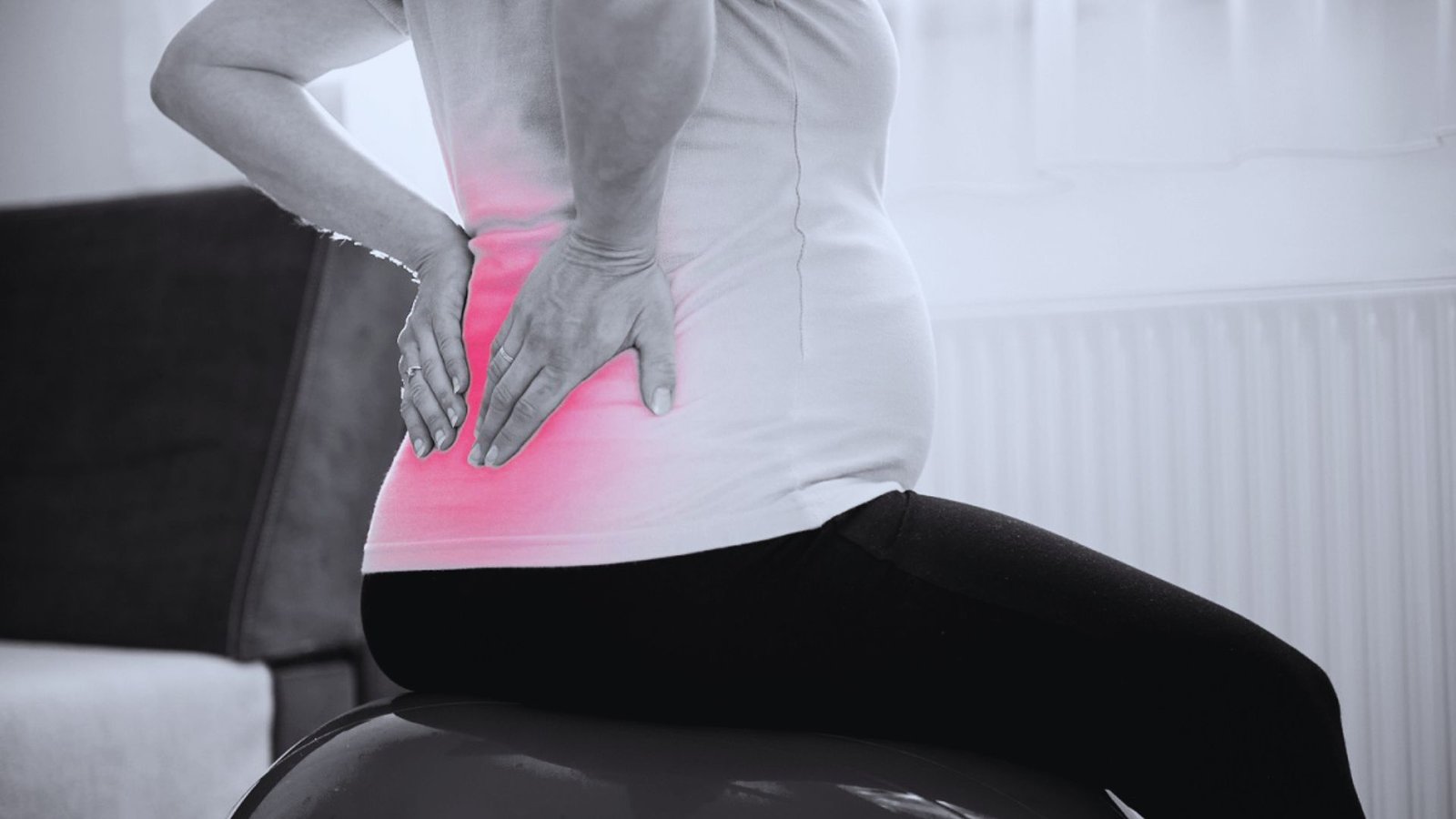
Heels tilt your pelvis forward and force your lower back to arch more. Your back is already strained from extra weight in front.
Short periods in heels often cause sharp lower back pain or constant pelvic aching.
Over time, this added strain can make everyday tasks like walking or sleeping significantly more uncomfortable.
Knee and Ankle Joint Strain
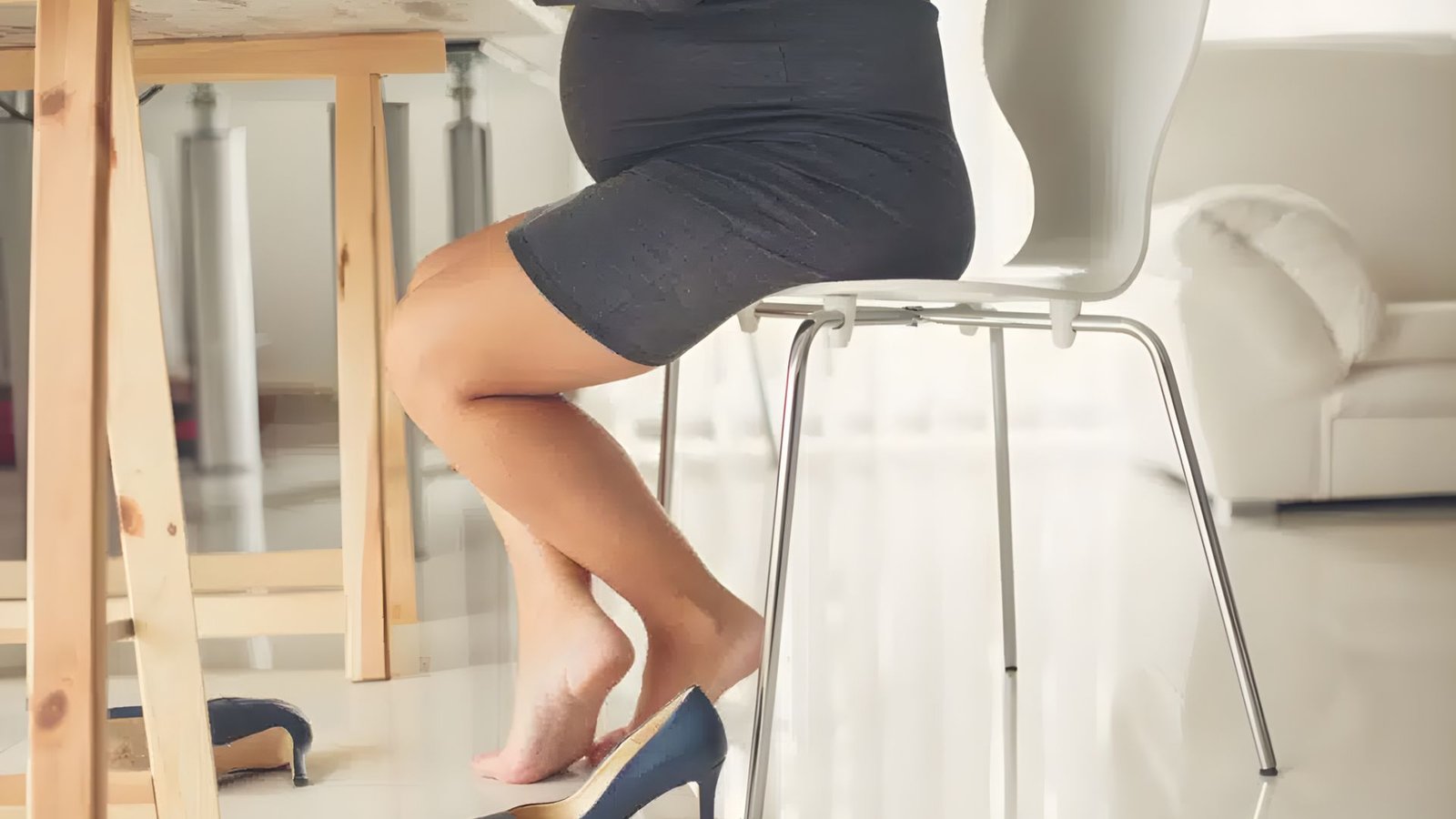
Heels shift your weight to the front of your foot and change how your knees absorb impact.
With relaxation already loosening your joints, your knees and ankles are far more vulnerable to strain.What feels like minor discomfort now can turn into longer lasting joint pain if ignored.
Swelling and Foot Discomfort (Especially in Third Trimester)
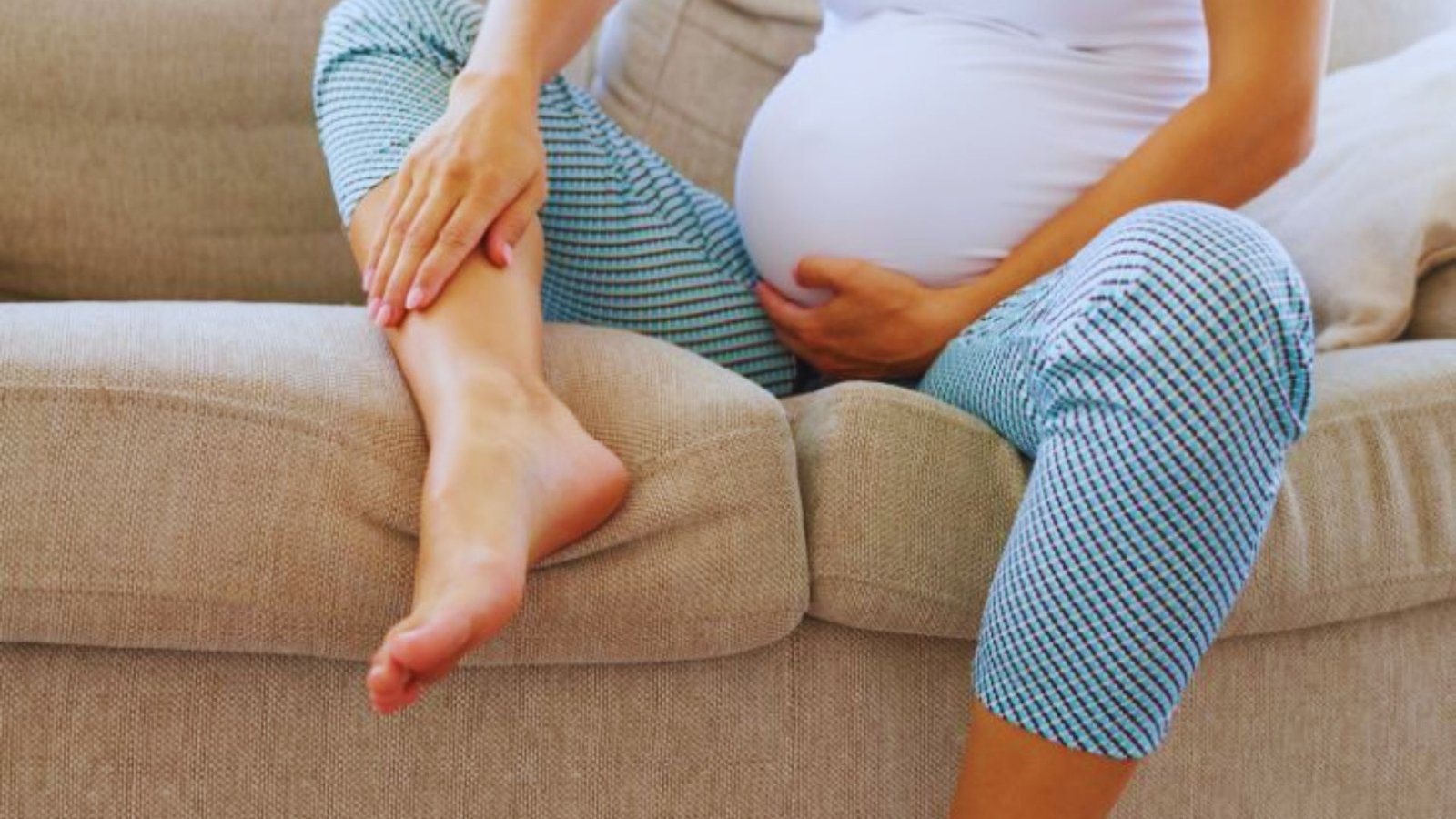
Swollen feet and heels do not mix well. Heels restrict blood flow and compress the foot, making swelling worse. Tight shoes on swollen feet cause pain, blisters, and pressure sores.
By the third trimester, many women find their feet have changed so much that their favorite heels simply do not fit anymore.
Varicose Veins and Circulation Issues
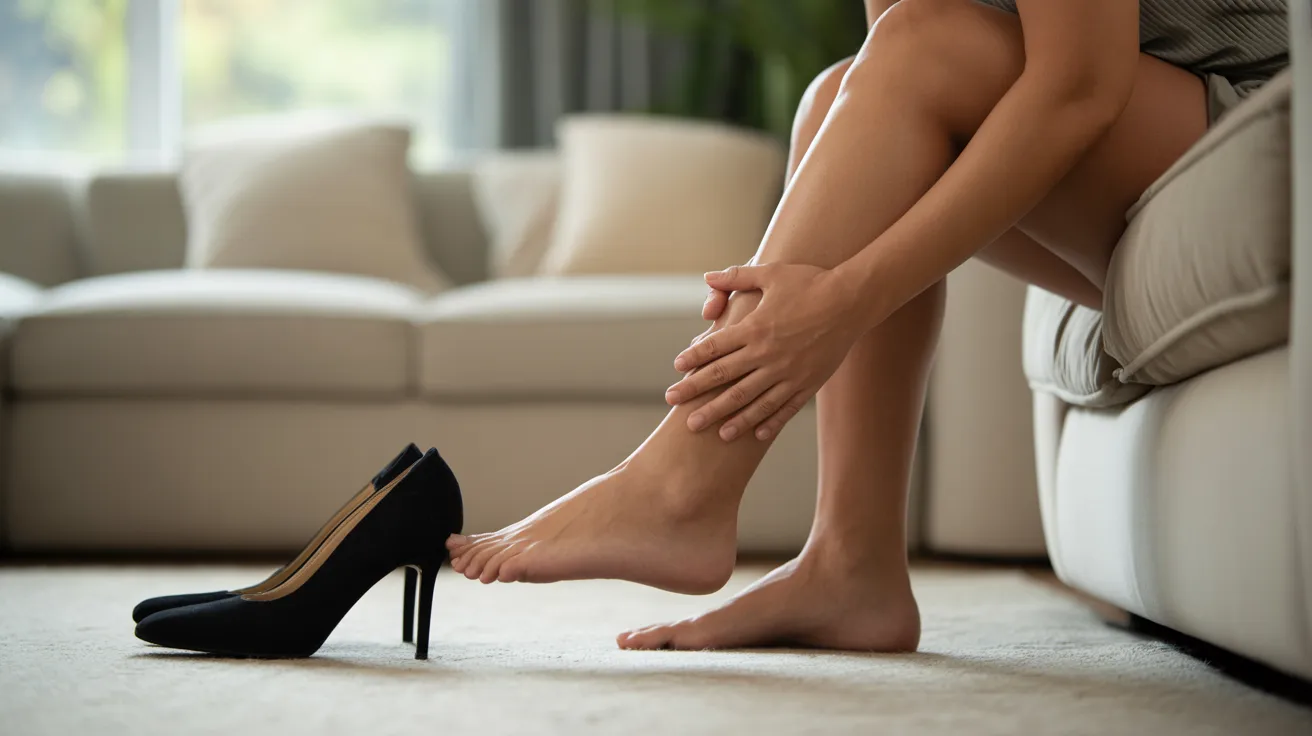
Pregnancy already puts pressure on leg veins. Heels restrict circulation in the lower legs, increasing the risk of varicose veins and ongoing discomfort.
Poor circulation in pregnancy is not just uncomfortable, it can also lead to heaviness and aching that stays with you long after the day is over.
Foot Pain and Long-Term Foot Structure Changes
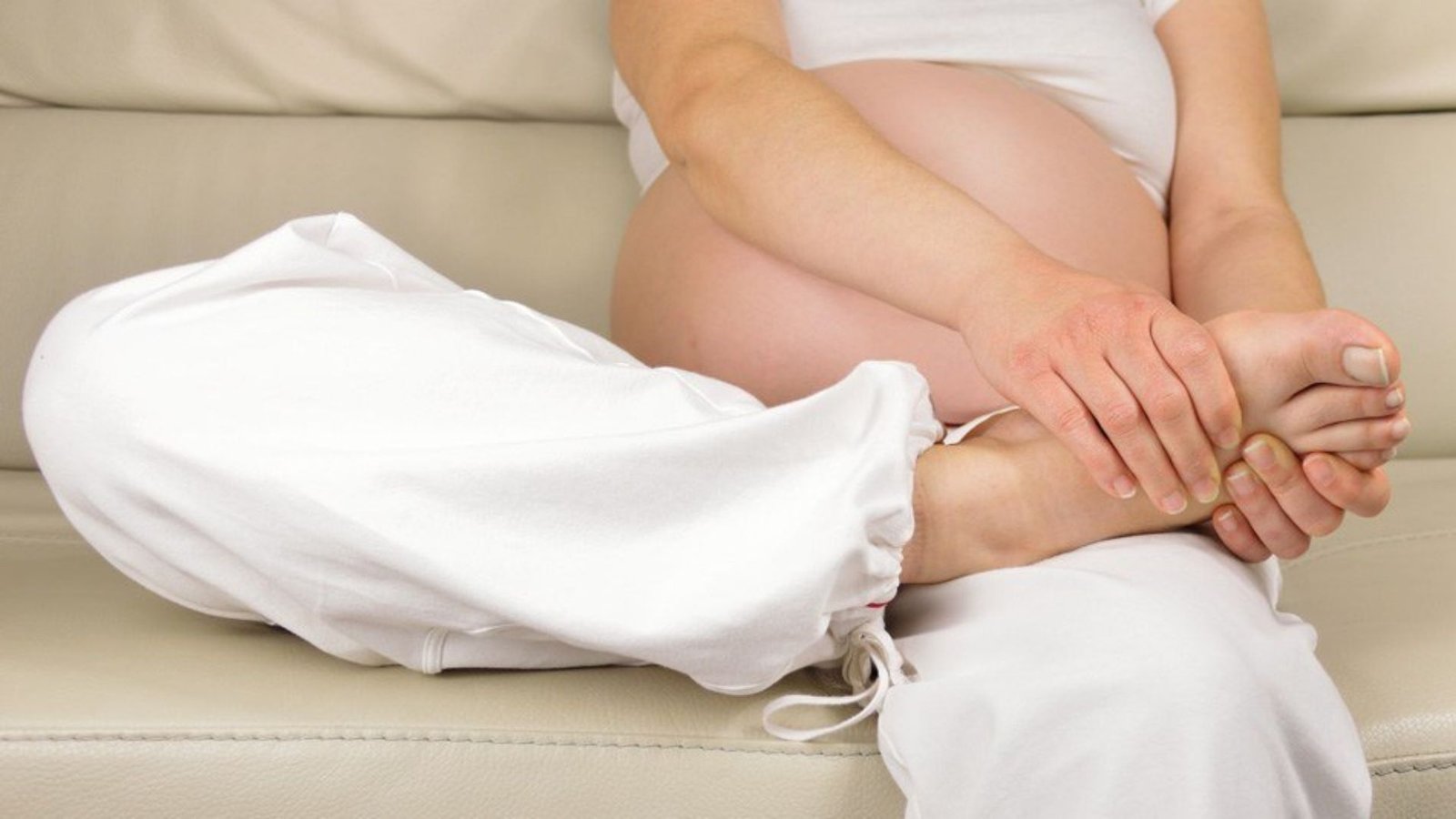
Heels add extra pressure to feet that are already stretching and shifting. This can trigger plantar fasciitis and contribute to lasting changes in foot arch and structure.
Some women find that their feet never fully return to their pre-pregnancy shape, and regular heel use during pregnancy can make that more likely.
When Are High Heels Most Unsafe During Pregnancy?
The risk does not stay the same throughout pregnancy. It grows with every passing week.
Wearing Heels in Early Pregnancy vs Later Pregnancy
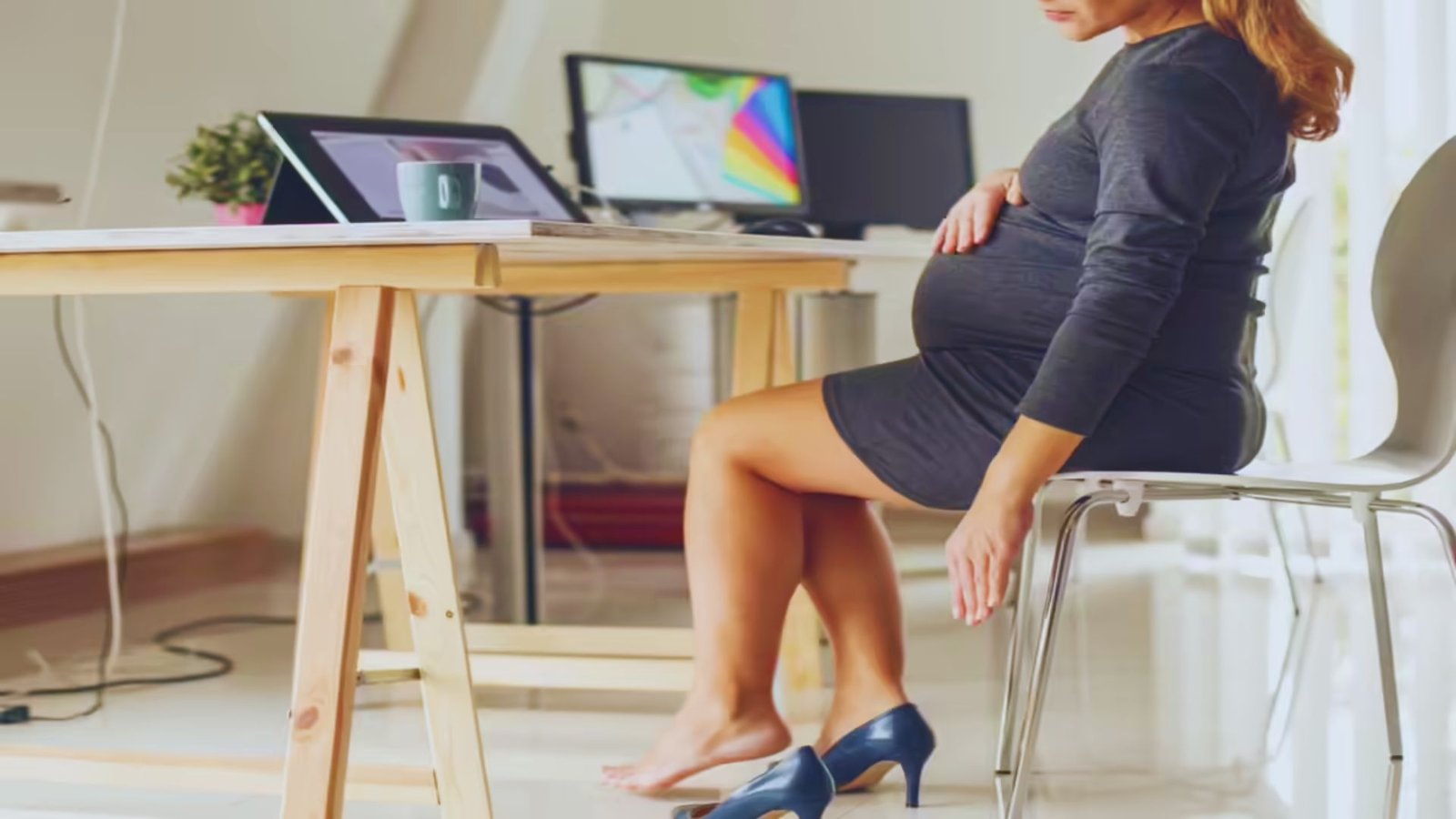
In the first trimester, your body has not changed dramatically. Balance is mostly intact and feet have not yet swollen.
Many women wear heels early on without immediate problems. However, relaxing is already loosening your joints, so your ankles may not be as stable as they feel.
Why Second Trimester Onward Becomes Harder (20 to 24 Weeks)
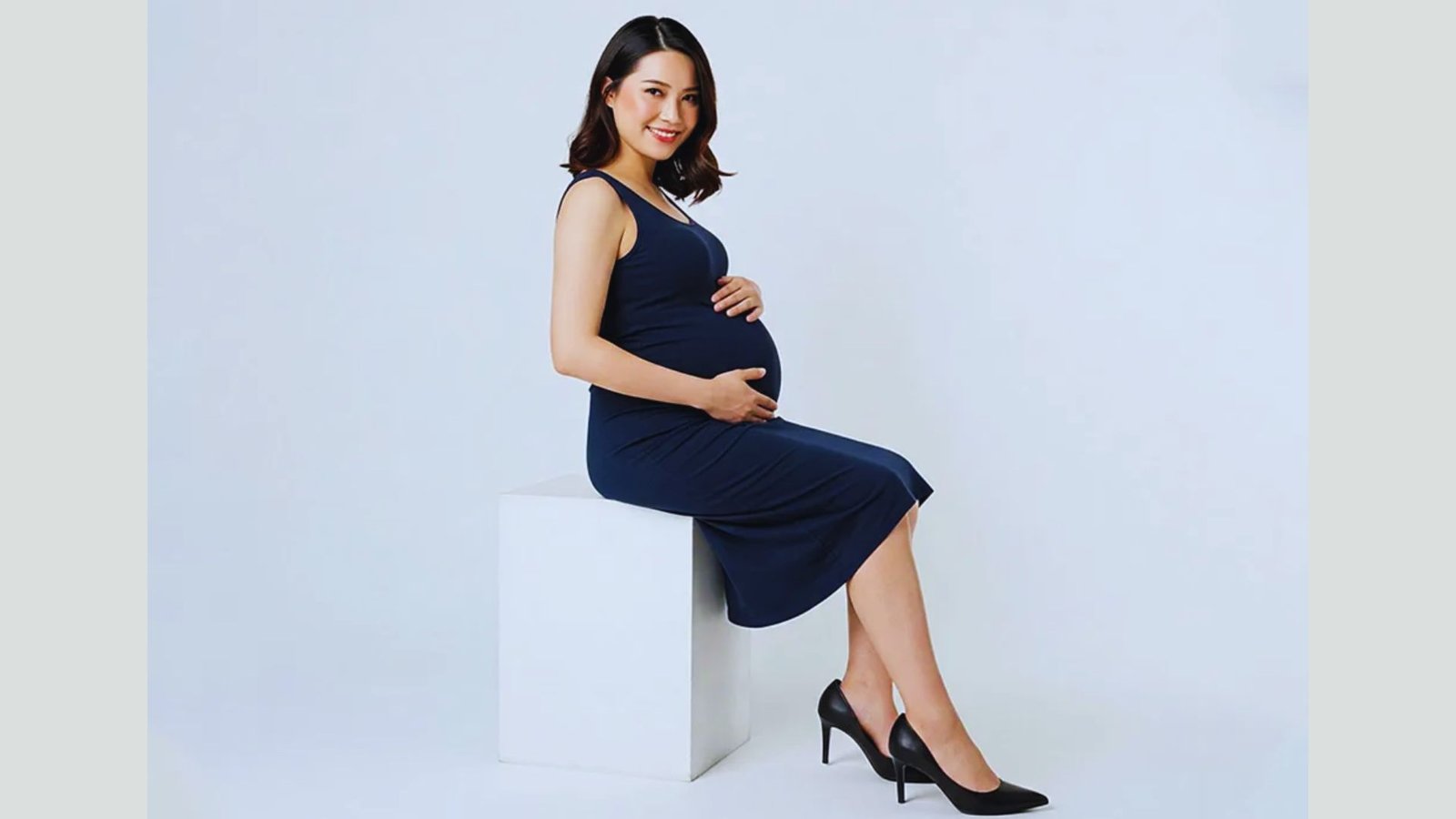
By 20 to 24 weeks, your belly is clearly visible and balance has shifted noticeably. Back pain often picks up around this point, and heels make it worse.
Most healthcare providers start recommending flat, supportive shoes around this time.
Why Third Trimester Is the Riskiest Time for Heels
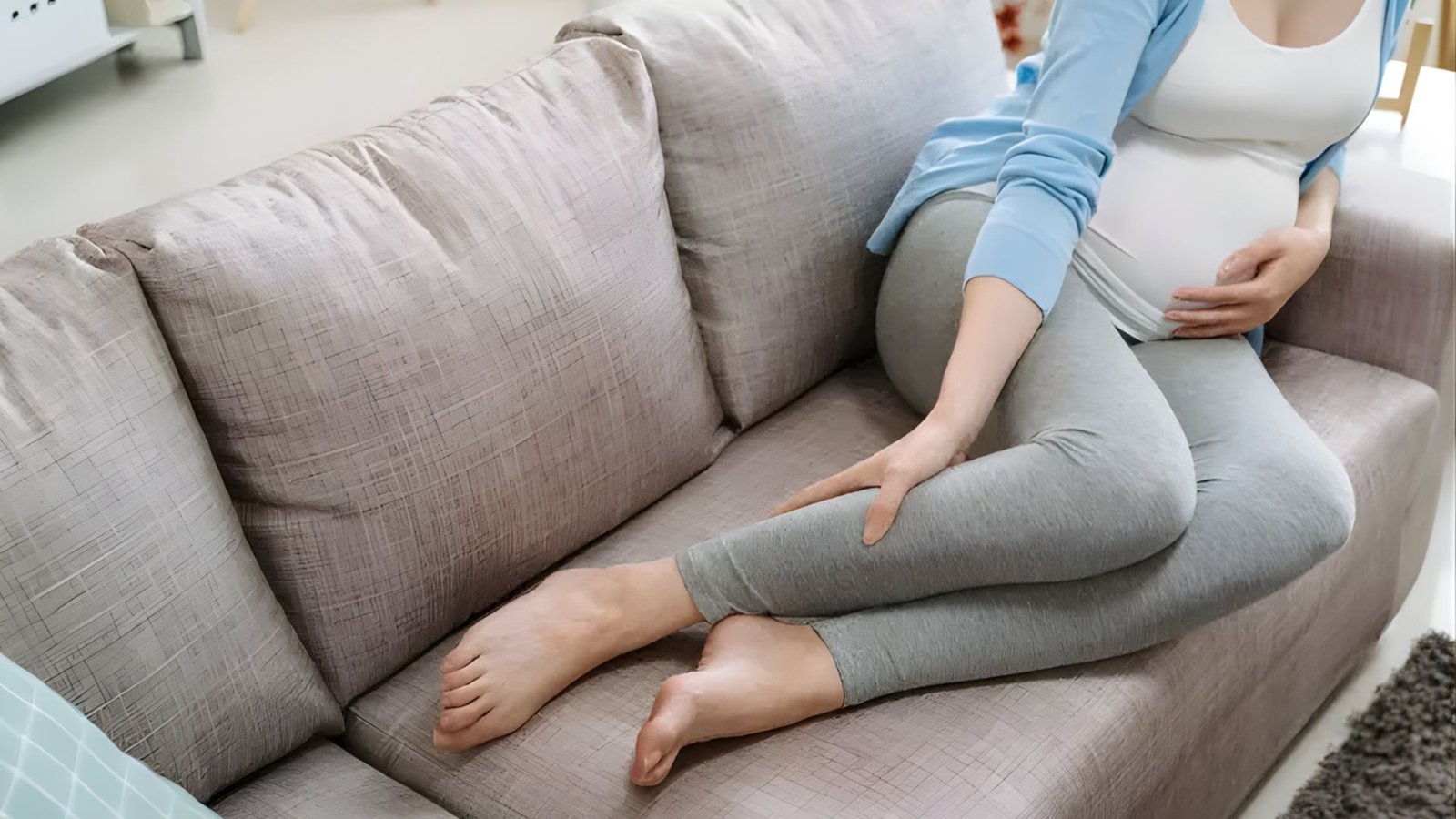
The third trimester brings the highest risk. Your belly is largest, swelling is at its peak, and your balance is significantly affected.
Your joints are at their loosest, and your body is working hard just to carry the extra weight. Most doctors strongly advise against heels in the third trimester.
Can Wearing High Heels Harm the Baby?
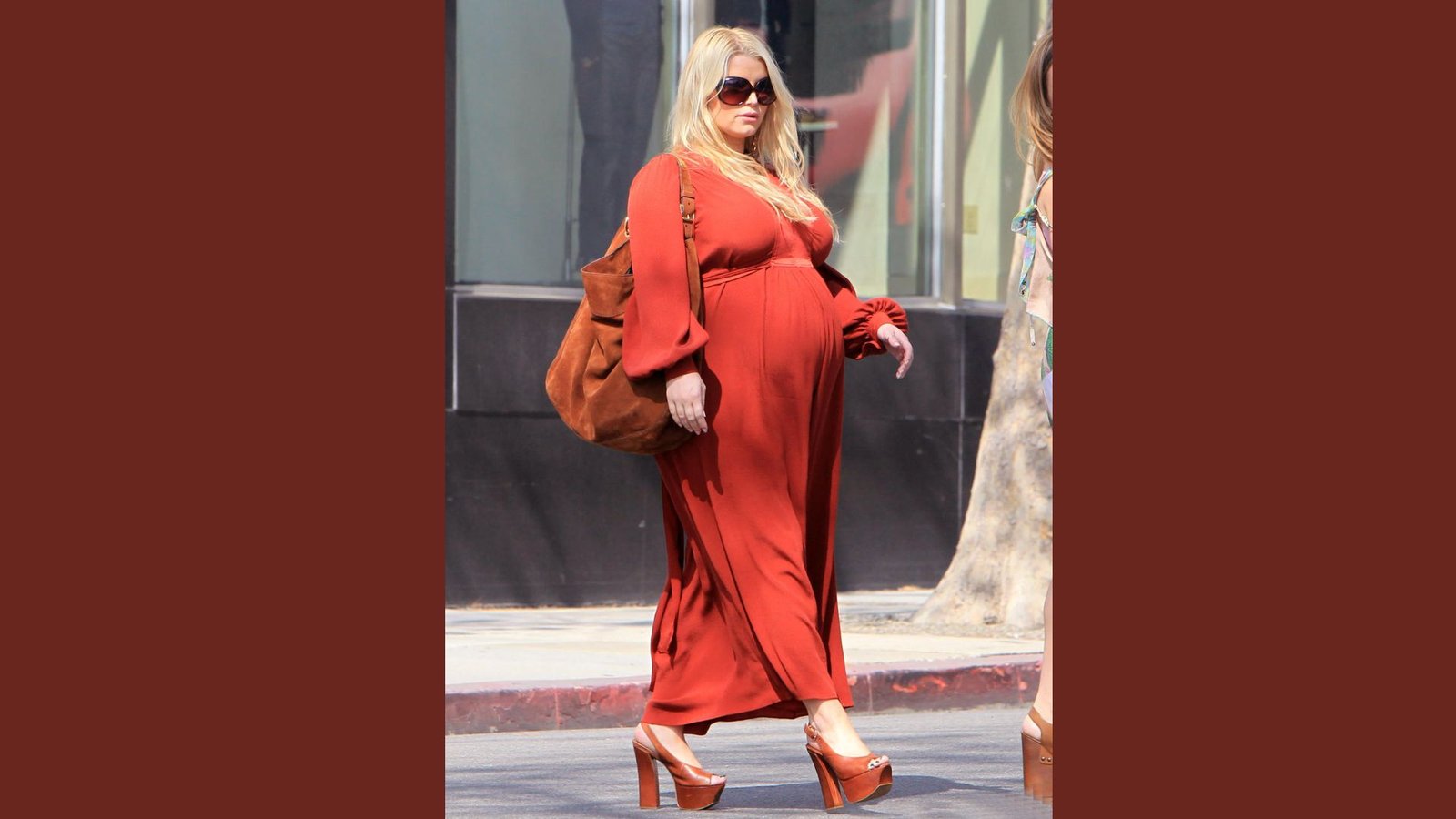
Heels do not directly touch or pressure the baby, but the indirect effects still matter.
If you fall while wearing heels, the impact could cause placental separation, premature labor, or physical trauma to the abdomen. That is the most serious risk to the baby.
Heels also affect your posture, which may influence how the baby sits in the womb during later pregnancy.
Restricted circulation from tight shoes does not cut off the baby’s blood supply, but it does affect your overall health and comfort.
Heels are not directly harmful, but the risks they create for you make them worth avoiding.
Mistakes to Avoid When Wearing Heels During Pregnancy
Knowing what not to do is just as important as knowing when to stop.
- Wearing heels too long. Your back and joints will feel it. Bring flats to switch into.
- Going too high. Keep heels under two inches with a wide base.
- Ignoring pain. Pain is a signal. Swap to flats straight away.
- Risky surfaces. Wet floors and uneven ground are far more dangerous in heels. Skip them.
- No backup pair. Feet swell during the day. Always carry flats.
Small choices add up. The more careful you are now, the better your body will feel later.
Conclusion
If you have been wondering about wearing high heels while pregnant, I hope this gave you the clarity you needed.
Giving up heels temporarily is not easy, I get that. But your comfort and safety matter more right now.
Personally, supportive flats saved my back more times than I can count. Listen to your body, it always knows best.
Found this helpful? Drop a comment below, share it with an expecting friend, or check out our related pregnancy wellness posts.
Frequently Asked Questions
Is it safe to wear one-inch heels during pregnancy?
They are lower risk but can still strain your back. Keep wear time short.
Can wearing heels cause a miscarriage?
No direct link, but falling in heels can cause serious complications.
When should I stop wearing heels during pregnancy?
Around 20 weeks. By the third trimester, avoid them completely.
What shoes are best during pregnancy?
Supportive flats with arch support, a wide toe box, and non-slip soles.
Can heels affect the baby’s position in the womb?
Yes. Poor posture from heels can make it harder for the baby to get into the right birthing position.