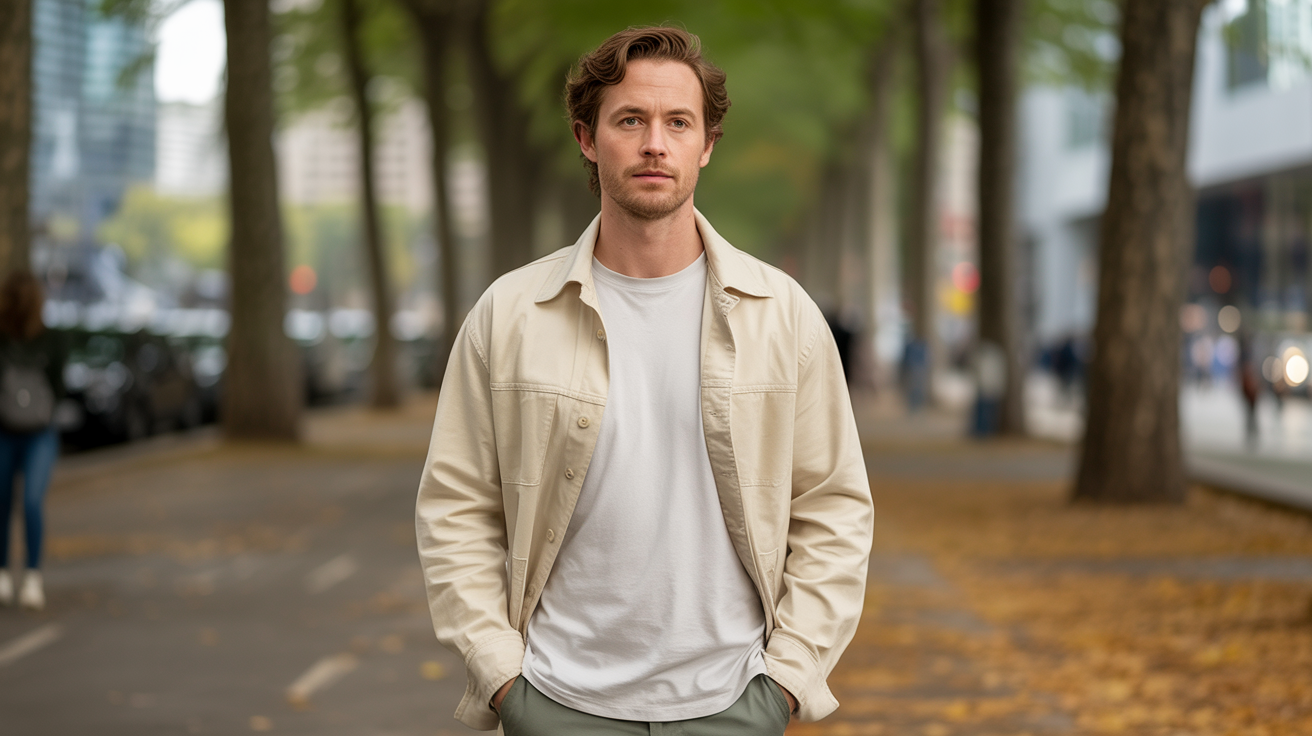
Ever stood in front of your closet wondering what to wear when the weather can’t make up its mind? You’re not alone.
Those tricky days between seasons leave many of us confused about the right layer to grab. One minute it’s cold, the next it’s warm, and you’re stuck carrying extra clothes.
This is where the shacket comes in. It’s become one of the most talked-about clothing items in recent years, and for good reason. This shirt-jacket hybrid solves the layering problem that so many people face.
In this guide, you’ll learn everything about this versatile piece. We’ll cover what makes it special, how to wear it, and why it might be the answer to your layering problems.
By the end, you’ll know if a shacket belongs in your wardrobe and how to choose the right one.
What Is a Shacket?
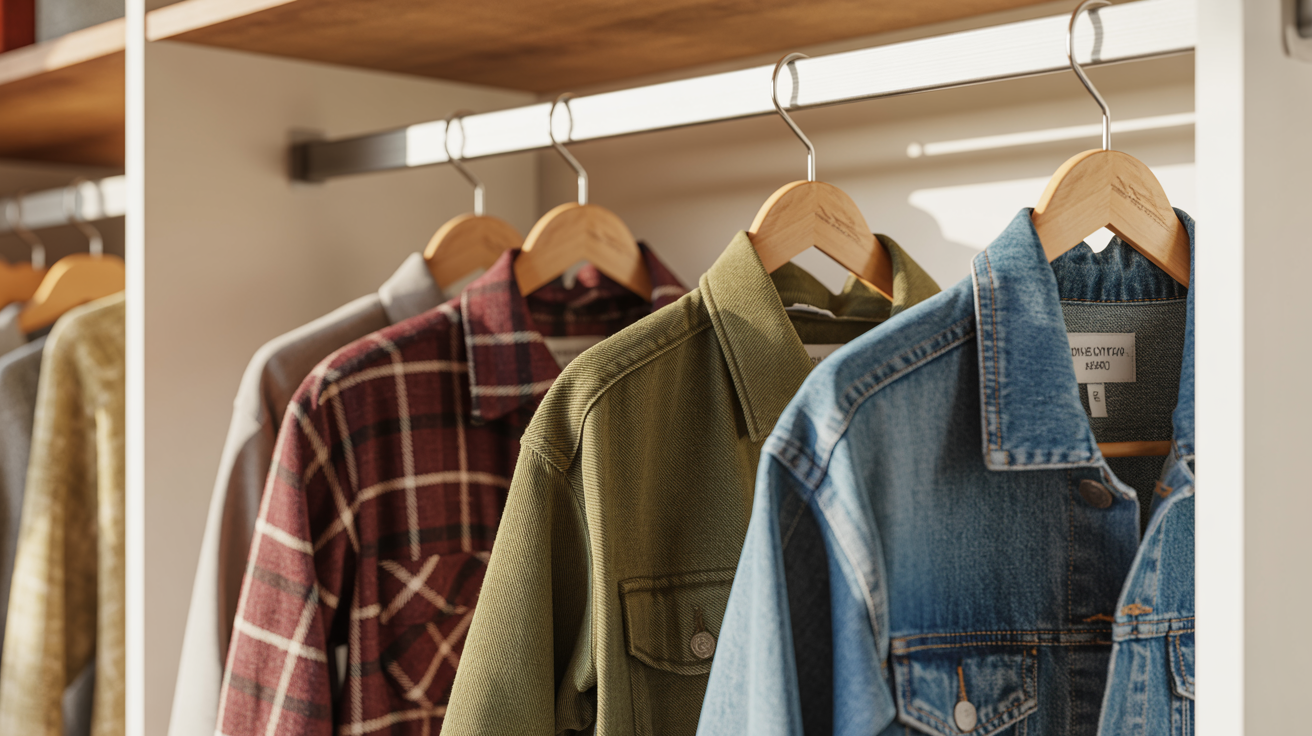
So, what’s a shacket exactly? The name gives you a big clue. It’s a combination of “shirt” and “jacket,” creating something that falls right between the two.
Think of it as heavier than a regular shirt but lighter than a full jacket. It has the button-down style of a shirt with the warmth and structure of a jacket. This middle ground makes it incredibly useful for those in-between weather days.
Most jackets are made from sturdy materials like flannel, cotton twill, or denim. These fabrics give it enough weight to keep you warm without making you feel weighed down. The material choice also makes shackets durable enough for regular wear.
Key Features That Make It Different
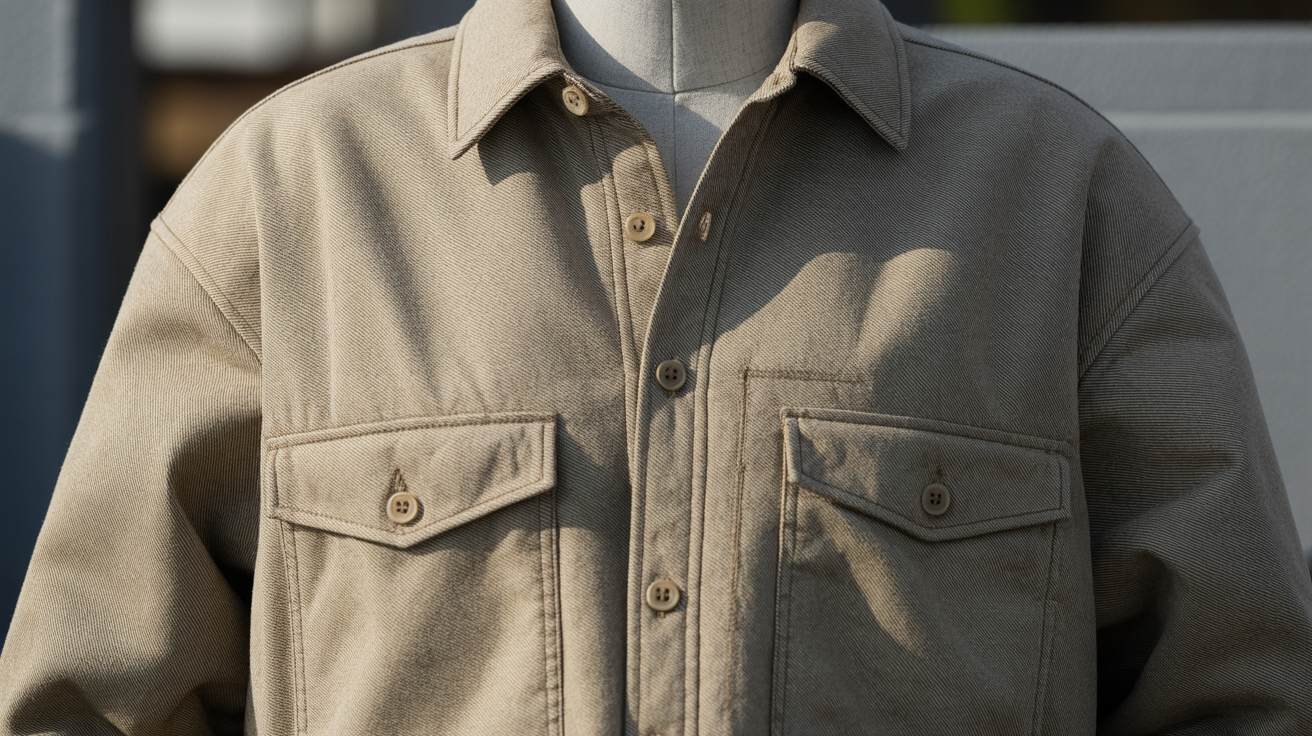
When you look at a shacket, several features stand out. These details separate it from both regular shirts and heavy jackets.
The main characteristics include:
- A button-down front that runs the full length
- A structured collar similar to a shirt
- Chest pockets and sometimes hand pockets
- A relaxed, roomy fit that allows for layering
- Thicker fabric than a typical shirt
- Some weather resistance, depending on the material
These features work together to create a piece that’s both practical and comfortable. The relaxed fit means you won’t feel restricted when moving around.
The buttons and pockets add functionality while keeping the look casual and approachable.
Why Shackets Have Become So Popular
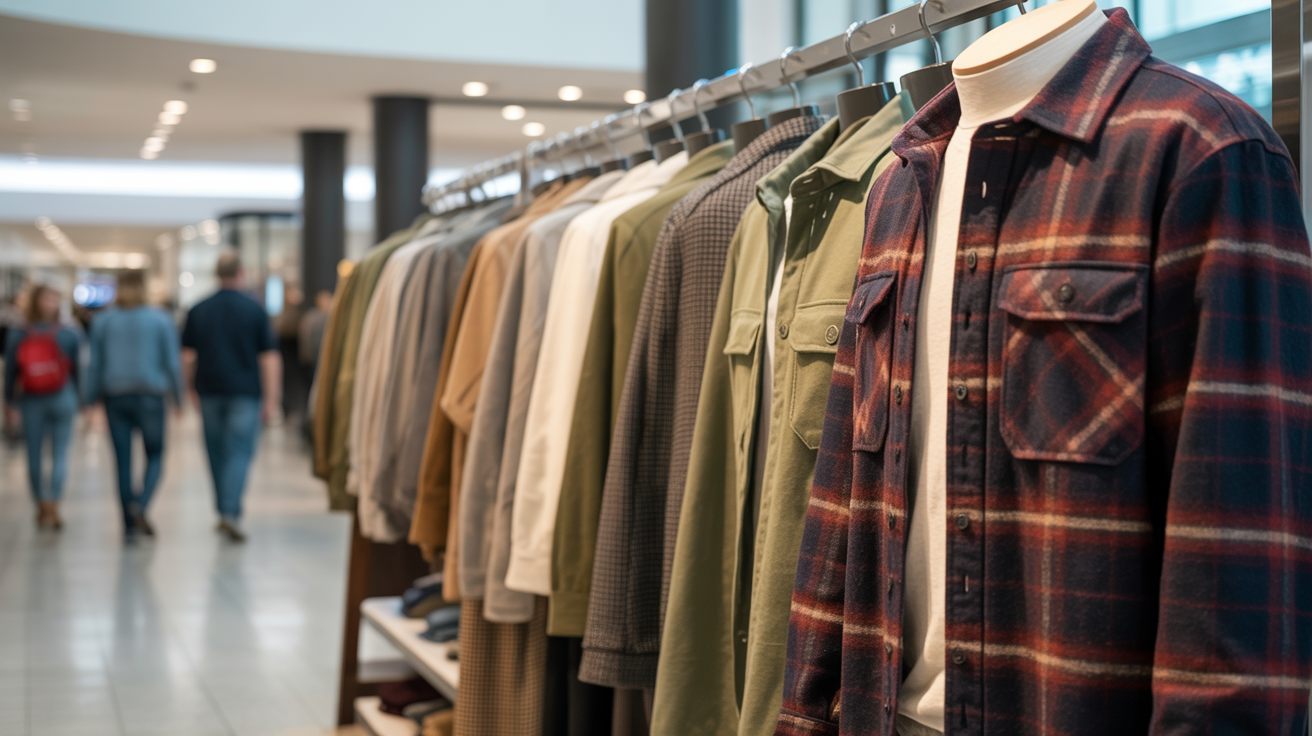
The rise of the shacket makes sense when you think about what people need from their clothes. There’s often a gap in our wardrobes between light shirts and heavy winter coats.
Shackets fill that gap excellently. They give you warmth without the bulk of a thick jacket. You can move freely, reach for things, and stay comfortable all day long.
Another reason for their popularity is versatility. You can wear them across multiple seasons and for different occasions. Plus, they work for everyone regardless of gender, making them a truly flexible wardrobe option.
When and Where to Wear a Shacket

Understanding when to reach for your shacket helps you get the most use out of it. The right timing can make all the difference.
Great Weather Conditions
Shackets shine during specific weather situations. Knowing these conditions helps you plan your outfits better.
The best times to wear a shacket include:
- Spring and fall, when temperatures fluctuate
- Days when the forecast shows changing conditions
- Cool mornings that warm up by afternoon
- Evenings when temperatures drop, but it’s not freezing
- Mild winter days in warmer climates
These situations call for something more than a shirt but less than a heavy coat. That’s exactly what a shacket provides.
Ideal Occasions
Beyond weather, certain activities and settings work great with shackets. The casual nature makes them appropriate for many situations.
Ideal occasions for wearing a shacket:
- Running errands or meeting friends casually
- Outdoor activities like fishing or tailgating
- Casual office environments or remote work
- Manual labor jobs that need durable clothing
- Weekend relaxation at home or locally
- Coffee shop visits or casual dining
The key is that shackets work best in relaxed settings. They’re too casual for formal events but great for everything else.
How to Style Your Shacket
Once you know what a shacket is and when to wear it, the next step is styling. There are countless ways to make this piece work for your personal style.
Casual Everyday Looks
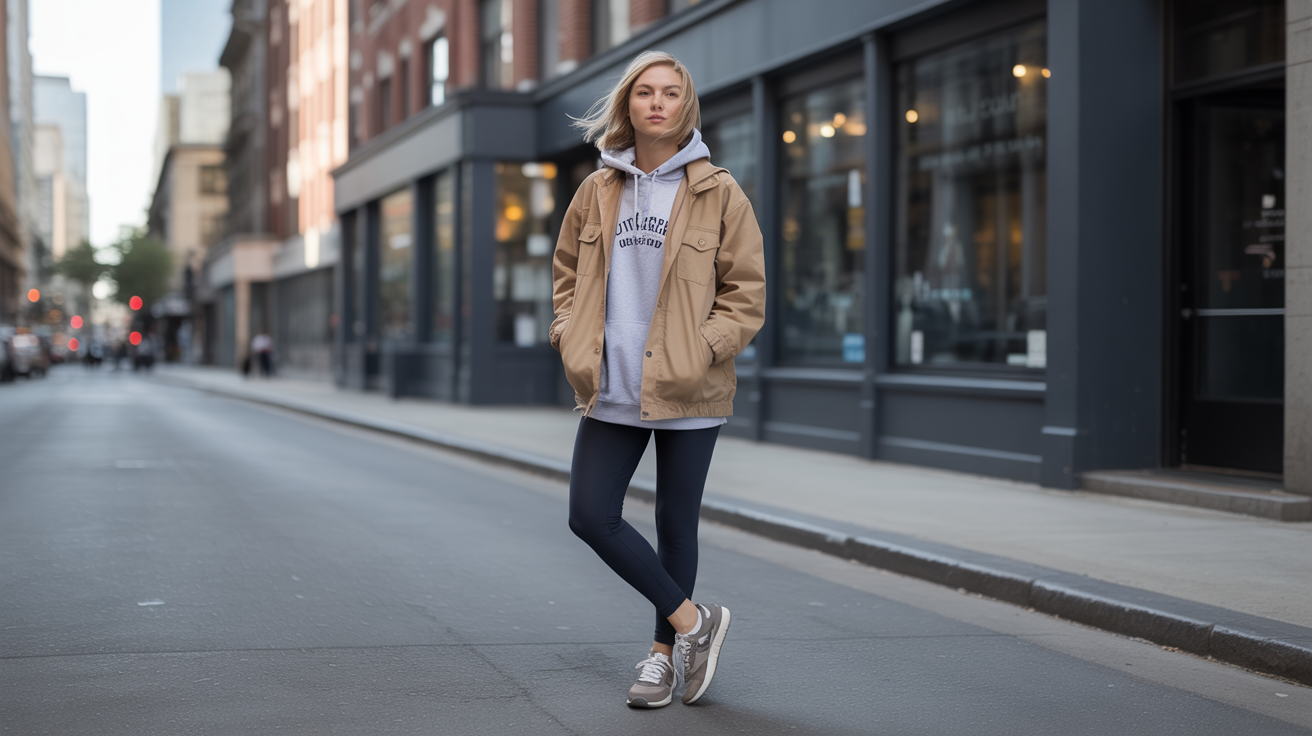
The easiest way to wear a shacket is with your basic casual pieces. This creates a laid-back look that works for most daily activities.
Pair your shacket with jeans and a simple t-shirt underneath. This combination is foolproof and comfortable. Add sneakers, and you’re ready for almost anything your day throws at you.
For extra comfort, try wearing it over leggings and a hoodie. This works great for running errands or relaxing on weekends. Keep accessories simple with a basic watch or simple jewelry.
Dressing It Up
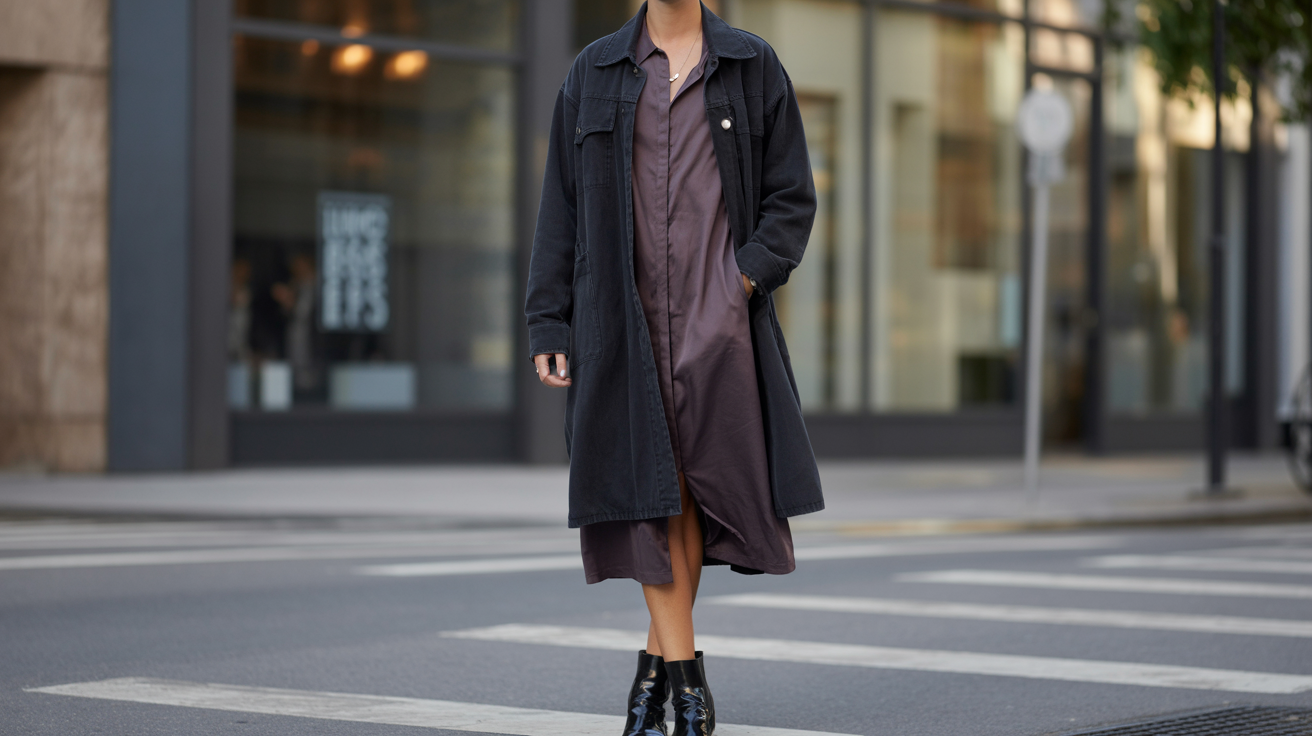
You can also make a shacket look more put-together. The right combinations can take it from casual to smart casual.
Try wearing your shacket with chinos or dress trousers instead of jeans. This immediately makes the outfit look more intentional. Choose darker colors or solid patterns for a cleaner appearance.
Women can layer shackets over dresses for an interesting contrast. This mix of feminine and casual creates a balanced look. Finish with loafers or ankle boots to complete the polished appearance.
Layering Techniques
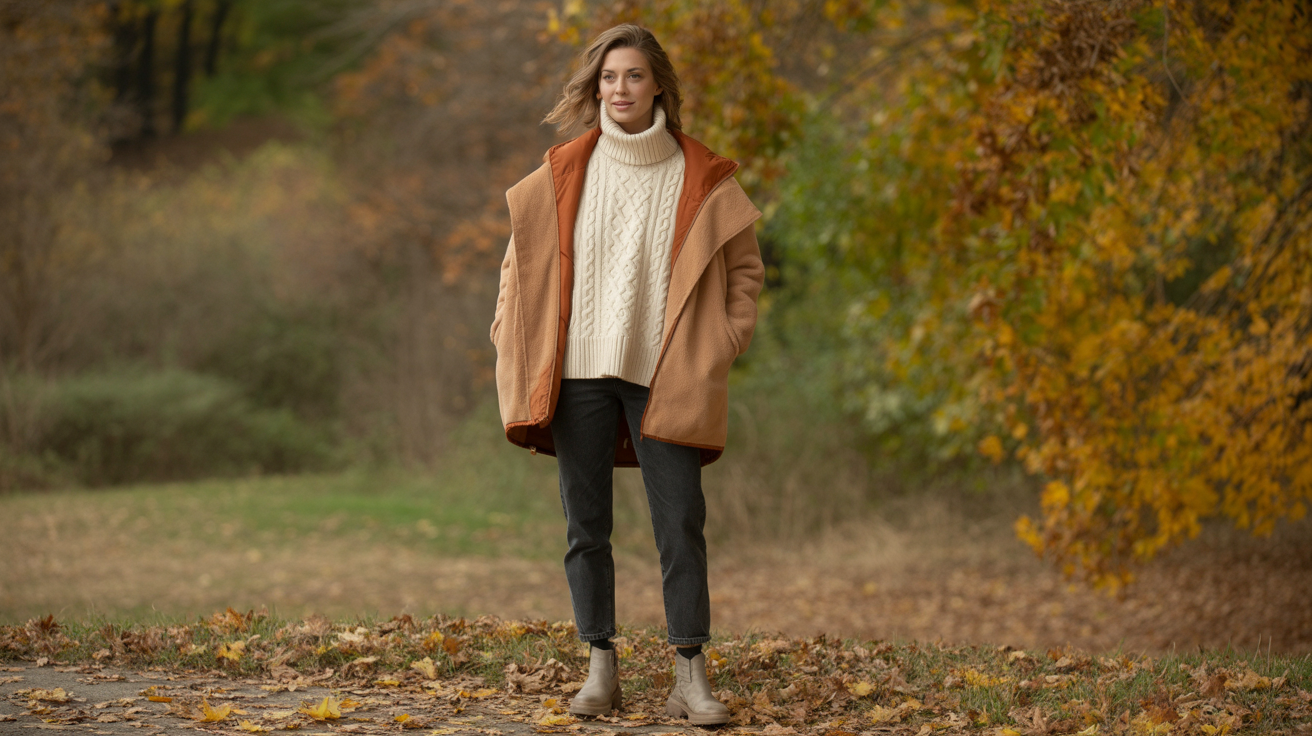
Layering is where jackets really show their value. They work both as a middle layer and an outer layer.
In cooler weather, wear your shacket over turtlenecks or knit sweaters. This adds warmth while creating visual interest in your outfit. The different textures work well together and keep you comfortable.
For very cold days, use your shacket as a middle layer under a heavier coat. This gives you extra warmth without adding too much bulk.
You can also pair it with shorts and tights during season changes for a transitional look.
Color and Pattern Choices
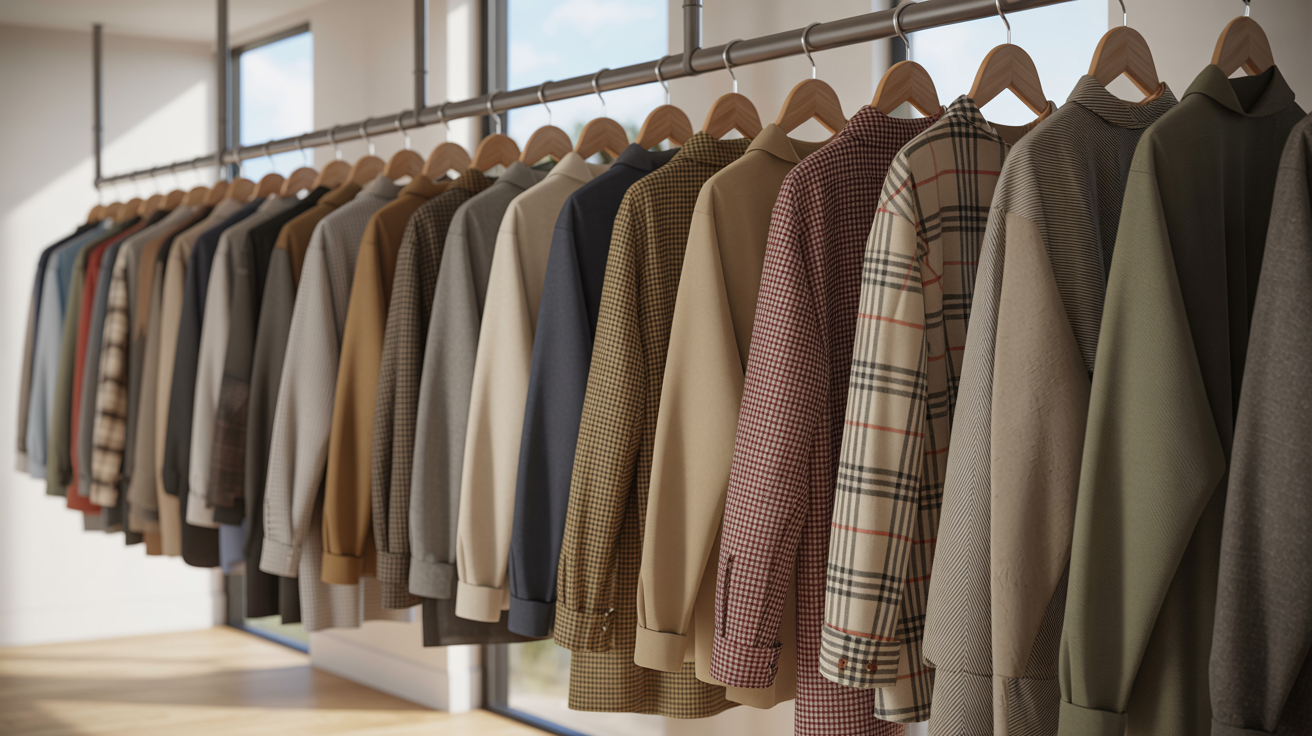
The colors and patterns you choose affect how easy your shacket is to style. Some options are more versatile than others.
Neutral colors like gray, beige, navy, and olive green match almost everything in your closet. These make great first jackets because you can wear them constantly.
They work with all your existing clothes without much thought.
Bold patterns like plaid or checks make more of a statement. These work well when you want your shacket to be the focus of your outfit.
Keep the rest of your clothes simple when wearing patterned jackets. You can also create monochrome looks by matching your shacket color to your other pieces.
Choosing the Right Shacket for Your Needs
Not all shackets are created equal. Finding the right one depends on how you plan to use it.
Material Considerations
The fabric of your shacket determines how warm it is and where you can wear it. Different materials serve different purposes.
Flannel shackets offer the most warmth and work great for cold weather. They have a soft feel and classic look that many people love. The thickness keeps you cozy during chilly days.
Cotton twill options are lighter and work better for milder weather. They’re breathable and comfortable for longer wear. Some shackets come with lining for extra warmth in the winter months.
Fit and Sizing
Getting the right fit matters more with shackets than regular shirts. You need room for layering without looking sloppy.
Your shacket should allow you to wear a sweater or hoodie underneath comfortably. There should be enough room in the shoulders and chest to move freely.
Reach your arms forward and up to make sure nothing feels tight.
Avoid shackets that are too big or too small. Oversized can look messy, while tight defeats the purpose. You want that comfortable, relaxed fit that shackets are known for.
Work vs. Leisure Options
Think about where you’ll wear your shacket most often. This helps you pick the right style and construction.
For manual labor or outdoor work, look for shackets with durable construction and reinforced stitching. These can handle regular wear and washing. Choose darker colors that won’t show dirt as easily.
Office settings call for cleaner colors and simpler patterns. Solid colors in navy, gray, or black work well in professional environments. Some shackets are versatile enough to work in both settings.
Conclusion
Now you know what a shacket and why so many people have added them to their wardrobes. This versatile piece solves the common problem of in-between weather dressing without the hassle of heavy coats or the chill of thin shirts.
From casual weekends to work days, shackets adapt to your needs. They layer well, look good, and provide just the right amount of warmth. The comfort and practicality make them worth considering for anyone who struggles with seasonal transitions.
If you’ve been wondering what a shacket is and if you need one, the answer is probably yes. Try one out and see how often you reach for it.
You might be surprised at how quickly it becomes your go-to layer for those tricky temperature days.
Frequently Asked Questions
Can You Wear a Shacket in Summer?
Yes, but choose lightweight materials like cotton twill. They work well for cool summer evenings or air-conditioned spaces. Skip the heavy flannel options during hot months.
How Do You Wash and Care for a Shacket?
Check the care label first. Most cotton and flannel shackets can be machine-washed in cold water. Hang dry or tumble on low heat to prevent shrinking.
What’s the Difference Between a Shacket and an Overshirt?
These terms are often used in the same way. Both describe shirt-jacket hybrids. The main difference is just the name, with a shacket being more commonly used in North America.
Are Shackets Only Made from Flannel?
No, shackets come in many materials. You’ll find them in denim, corduroy, cotton twill, wool blends, and synthetic fabrics. Flannel is just the most popular option.
How Much Should You Spend on a Quality Shacket?
Expect to pay between $30 $150 for a good shacket. Price depends on material quality, brand, and construction. Mid-range options around $50 to $80 offer good value.