Figuring out what to wear to court makes most people anxious.
You want to look respectful, not overdressed or careless. And you definitely don’t want your outfit working against you before you’ve said a single word.
I put this guide together after researching courtroom dress codes and real expectations across different case types.
Here’s what you’ll find: court outfit ideas for men and women, role-specific advice for defendants, witnesses, victims, and jurors, seasonal tips, and a clear list of what to avoid.
Legal professionals consistently point to appearance as one of the first things judges and jurors notice. Your clothes send a signal before you speak.
I’ll make sure that signal works in your favor.
Why Your Court Outfit Matters More Than You Think
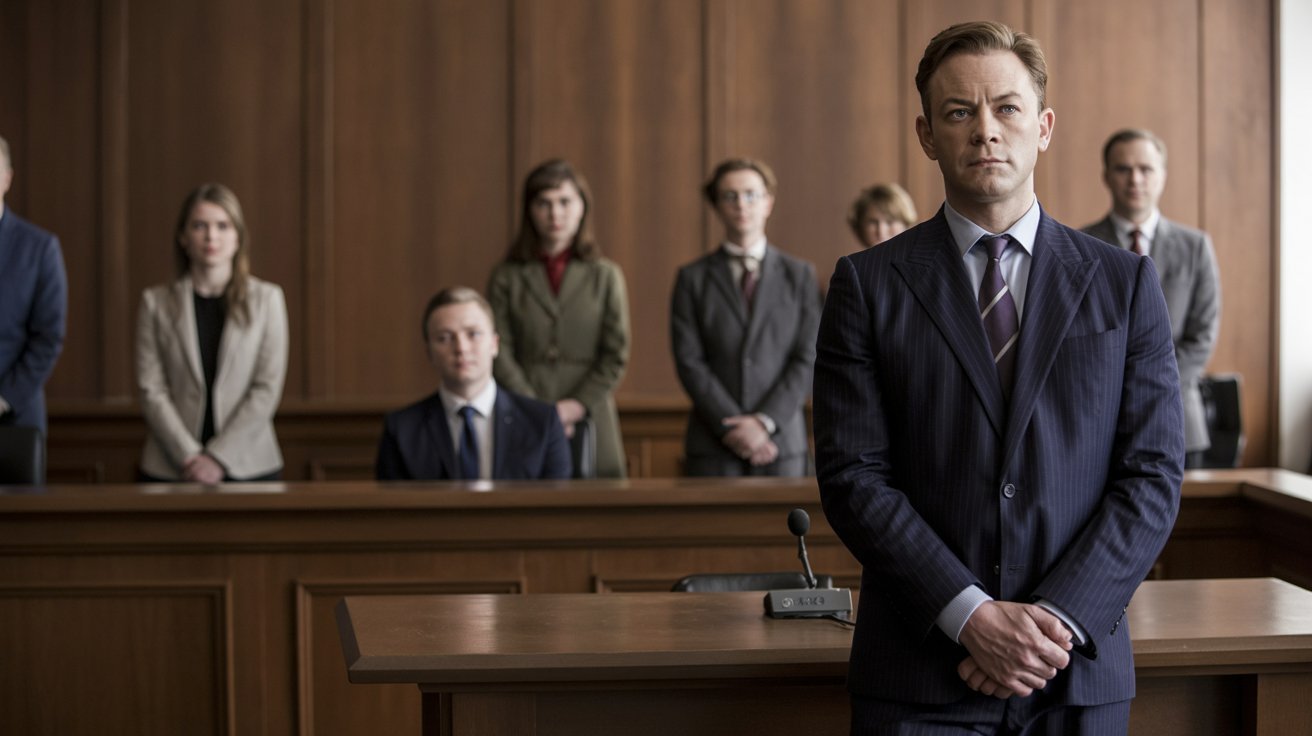
First impressions in court are formed fast. Judges, jurors, and opposing attorneys all read your appearance before you say a word.
I’ve come across accounts of people being asked to change before proceedings resumed.
In many courts, judges have the authority to address inappropriate attire before the session continues. That kind of disruption affects your credibility immediately and is hard to recover from.
Dressing appropriately shows respect for the process and for the people in that room. Legal professionals often recommend erring on the side of formality. When in doubt, overdress.
Court Dress Code Basics: What to Wear to Court Properly
There’s no single universal rule, but most courts expect formal or business casual attire.
Here’s what that looks like in practice:
- Clothes should be clean, pressed, and well-fitting
- Stick to subtle tones: black, navy, grey, white, or beige
- Avoid loud prints, neon, or graphic designs
- Cover tattoos where possible
- Keep cologne and perfume very light
The goal is a non-distracting appearance that reads as calm, prepared, and professional.
What to Wear to Court for Men
Keep it clean, keep it simple, and let your outfit say “I take this seriously.”
Best Men’s Court Outfit Ideas

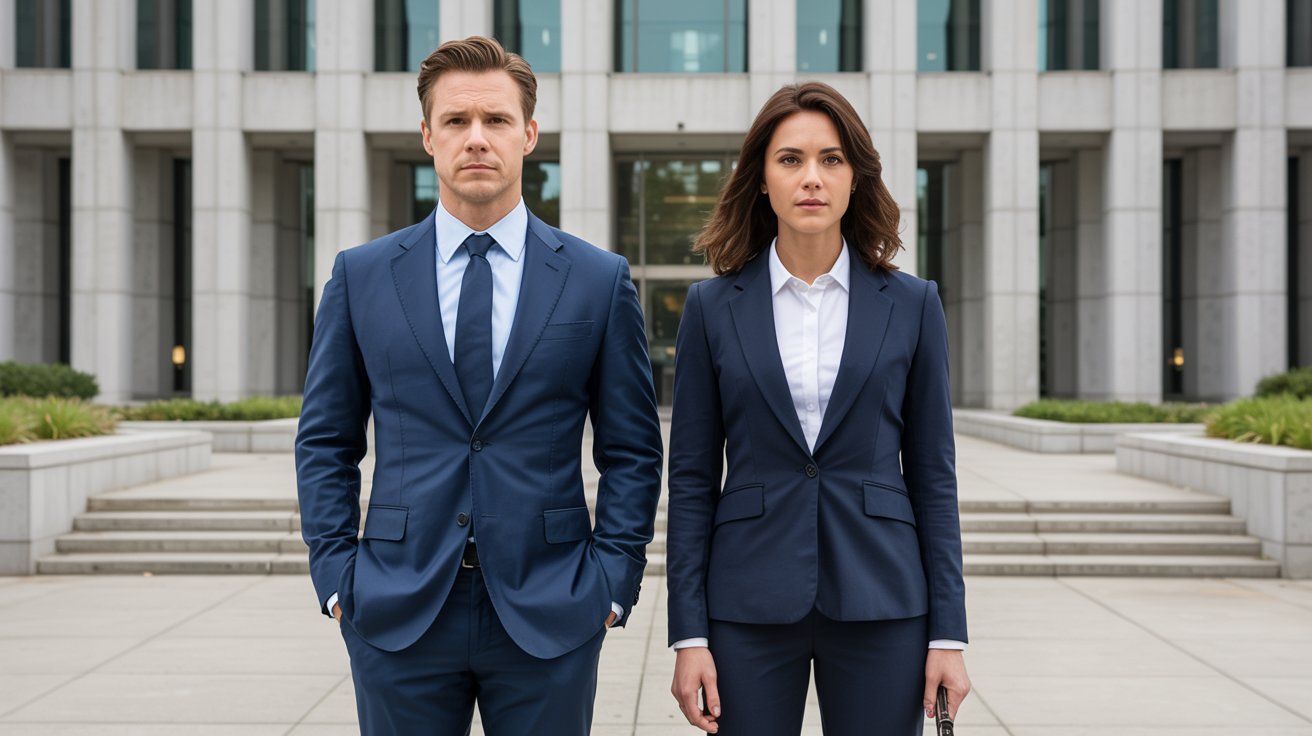
A navy or grey suit is the strongest choice. If you don’t own one, a collared dress shirt with dark dress trousers works well. Make sure everything fits properly. Baggy or too-tight clothing both send the wrong message.
Stick to solid colors or subtle patterns. A tie is optional but adds a layer of formality for serious hearings.
Shoes and Accessories
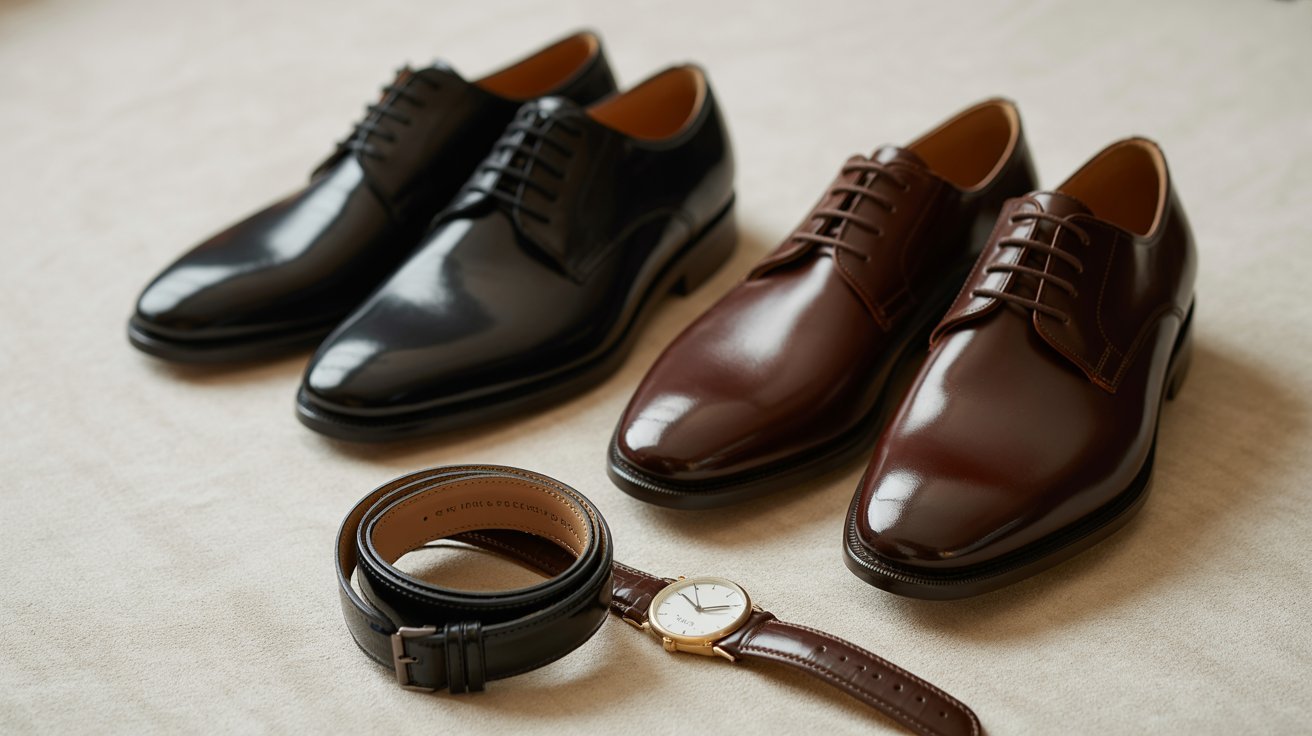
Wear closed-toe leather shoes in black or brown. Keep them clean and polished. A watch is fine. Skip large chains, bold rings, or anything that draws attention away from the proceedings.
Match your belt to your shoes if possible. Small details like this show you put in effort.
What Men Should Avoid
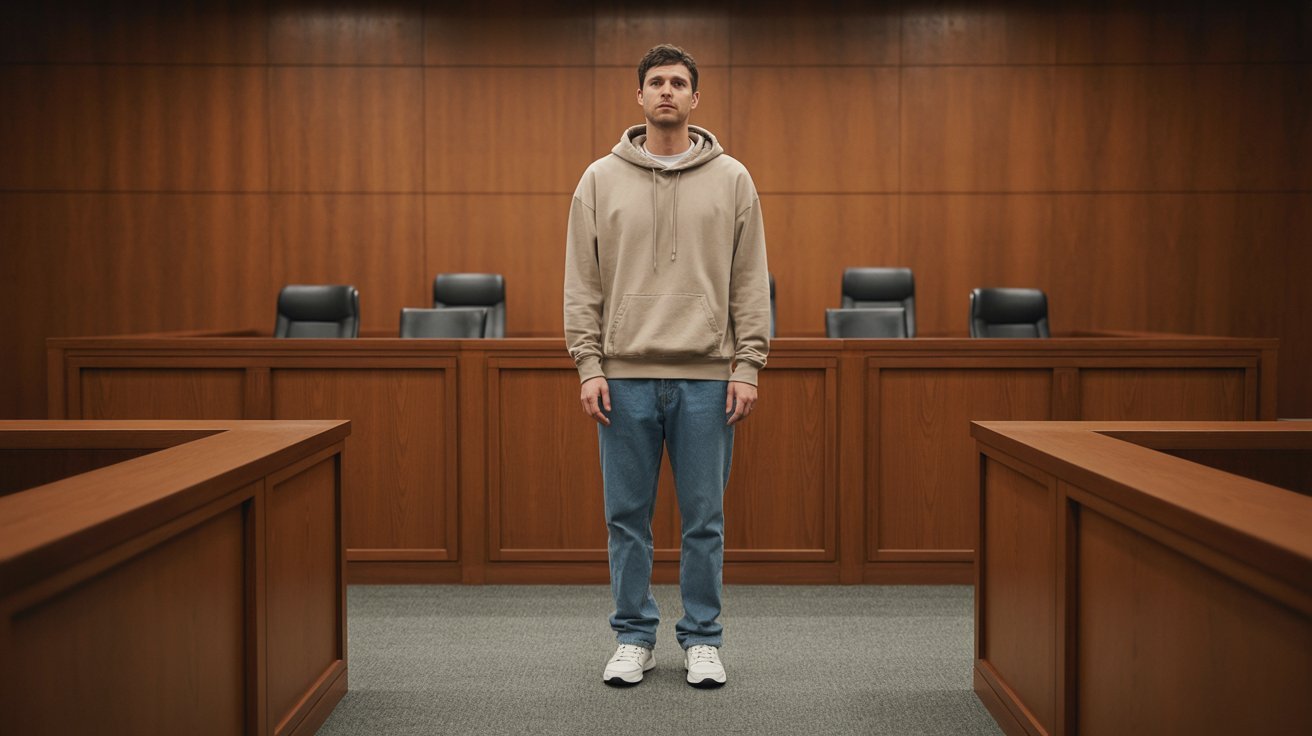
- Jeans, shorts, or sweatpants
- T-shirts, hoodies, or graphic tees
- Sneakers or flip-flops
- Caps or hats of any kind
- Strong cologne
What to Wear to Court for Women
Simple, professional, and modest goes a long way in any courtroom setting.
Best Women’s Court Outfit Ideas
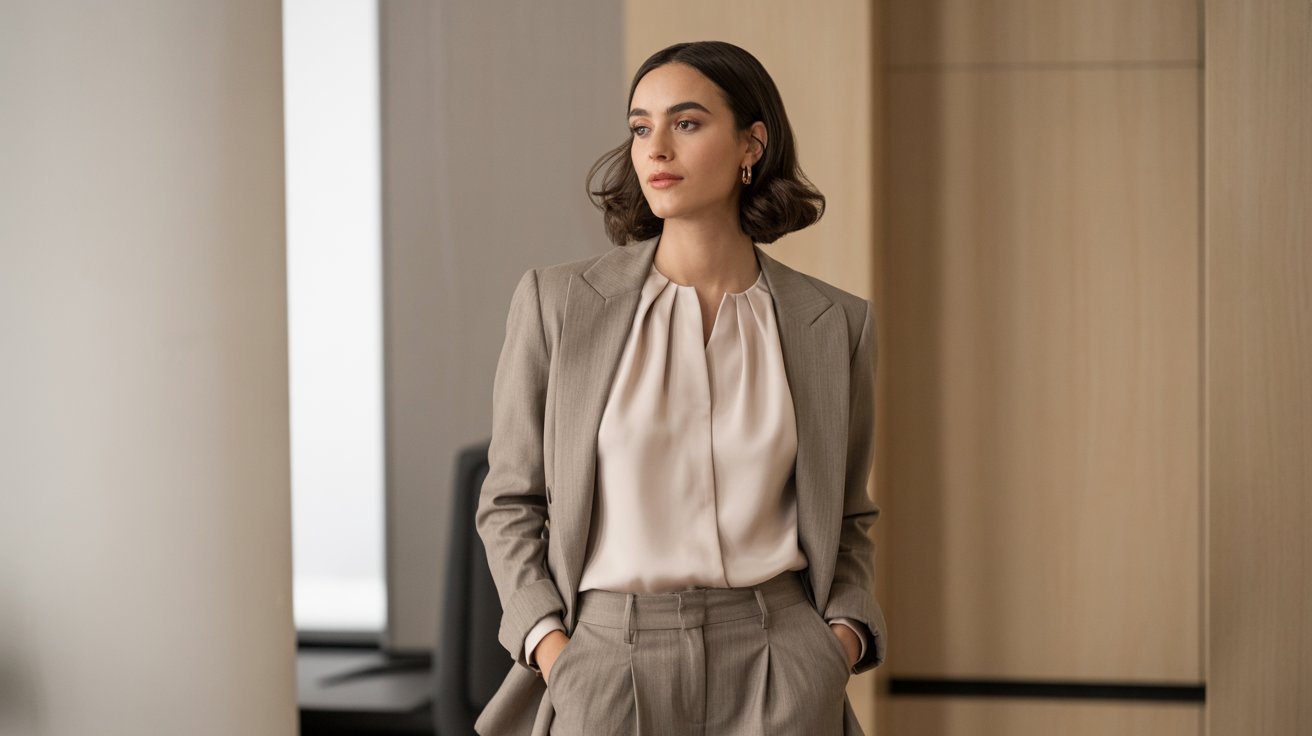
A blouse with dress pants or a knee-length skirt is a reliable choice. A modest dress in a solid muted color works just as well. Avoid anything too tight, too short, or low-cut.
A blazer adds structure and professionalism to almost any outfit. Courtroom attire for women doesn’t need to be complicated. Neat and appropriate is enough.
Footwear and Accessories
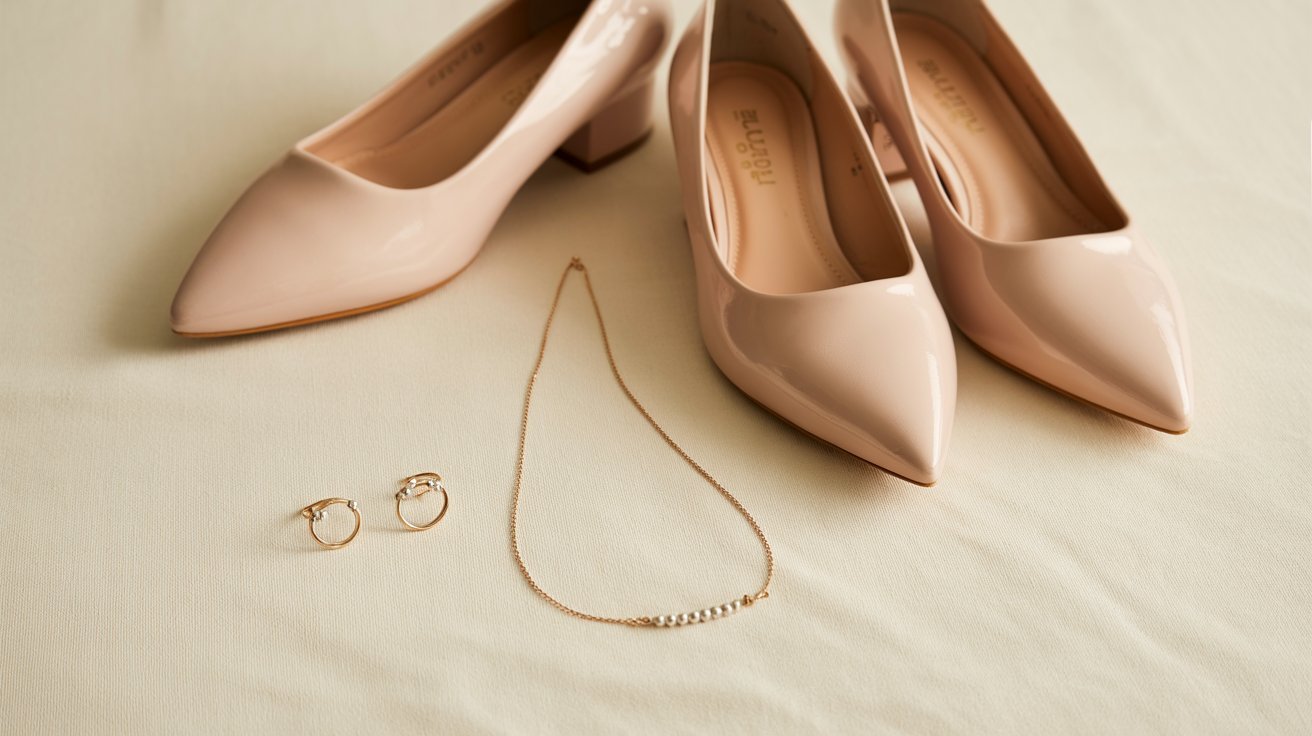
Closed-toe flats or low heels are the safest option. Comfort matters since hearings can run long. Keep jewelry minimal. Small earrings and a simple necklace are fine.
Avoid large statement pieces that pull focus away from what’s happening in the room.
What Women Should Avoid
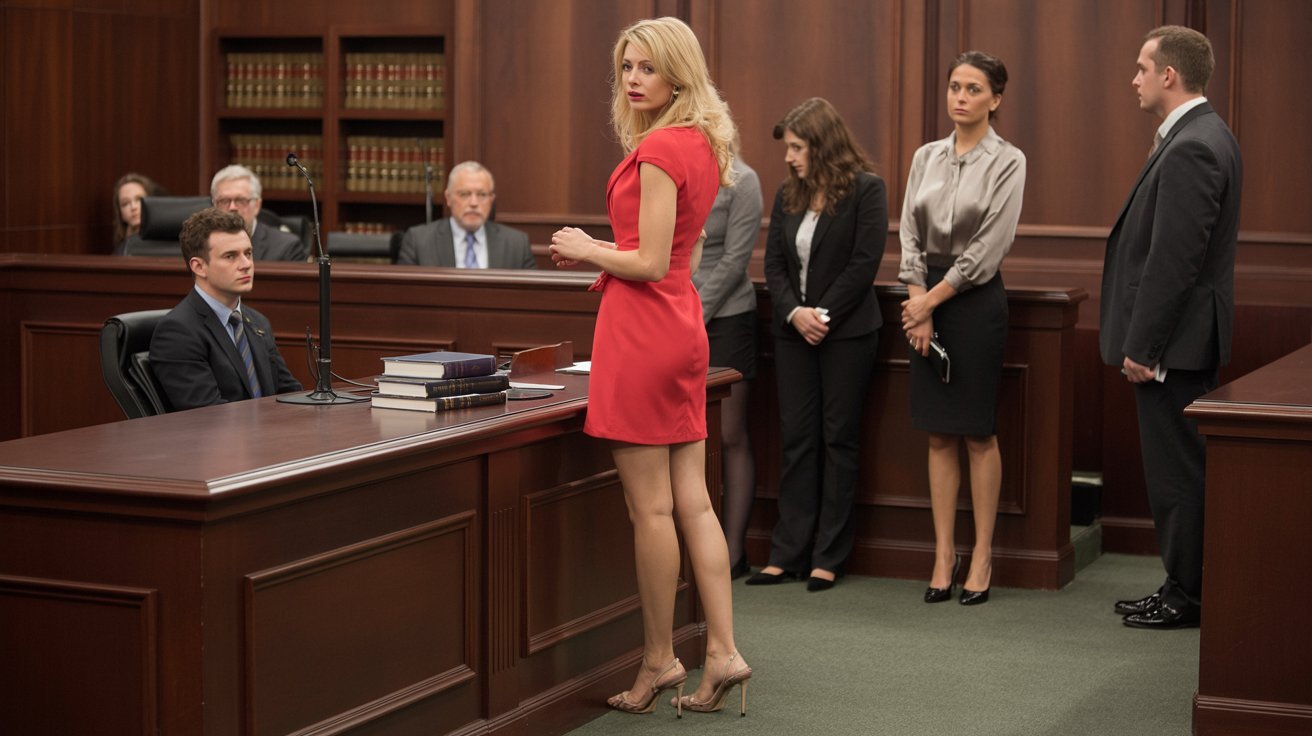
- Revealing or form-fitting clothing
- Casual dresses, sundresses, or beachwear
- Open-toe sandals or very high heels
- Bold makeup or dramatic hairstyles
- Heavy perfume
Simple Court Outfit Examples
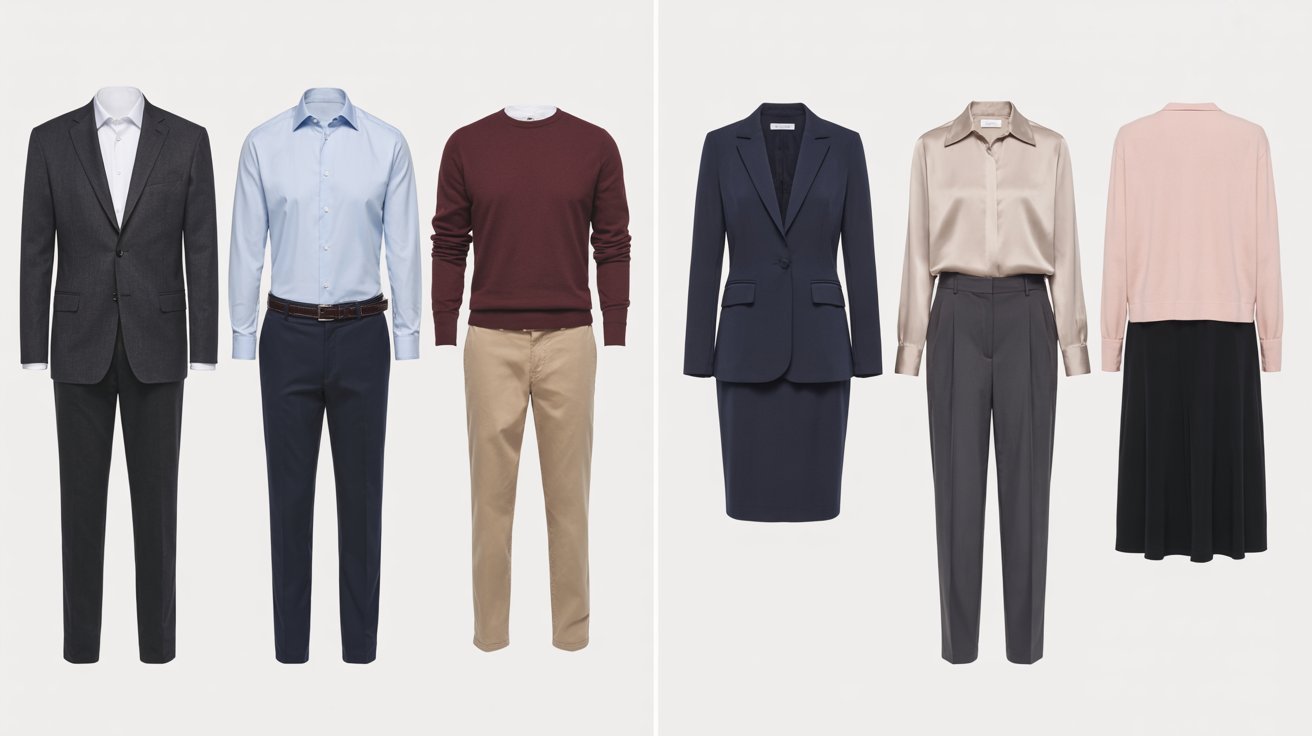
Sometimes seeing it laid out clearly makes all the difference.
Men:
- Navy suit + white dress shirt + black leather shoes
- Light blue button-down + dark trousers + brown belt + loafers
- White dress shirt + charcoal slacks + black oxfords
Women:
- Black blouse + grey dress pants + closed-toe flats
- Knee-length navy dress + blazer + low block heels
- White button-down + dark trousers + simple stud earrings
None of these require spending a lot. A clean, well-put-together look is what matters.
What to Wear to Court Based on Your Role
Your role in the case changes the level of formality that makes sense.
Defendant: Dress as formally as possible. A full suit or conservative dress in understated tones is ideal. You’re the one being observed most closely in that room.
Witness: Business casual works well. A neat dress shirt or blouse with dress pants is appropriate. You want to look credible and composed.
Victim: Comfortable but professional. A clean, modest outfit in a subdued color is enough. The goal is to look calm and trustworthy.
Juror: Follow business casual guidelines. Avoid anything too casual or visually distracting. You’re part of the court’s process and should dress like it.
What to Wear to Court Depending on the Case Type
Criminal court calls for the highest level of formality. A full suit or formal dress in a conservative cut is the standard here.
For family or civil court, business casual is fine. Dress pants, a neat top, and clean shoes cover it well.
For traffic court or small claims, less formality is needed, but a polished look still applies. Don’t treat a minor case as a reason to show up underprepared.
Respectful courtroom attire applies across all case types. The stakes may vary, but the impression you make doesn’t.
What Not to Wear to Court: Common Courtroom Attire Mistakes
These are the most frequent errors people make when dressing for court:
- Jeans, joggers, or casual shorts
- T-shirts with logos, slogans, or graphics
- Revealing clothing of any kind
- Athletic wear or gym shoes
- Wrinkled or stained clothing
- Oversized jewelry or loud accessories
- Strong perfume or cologne
You don’t need expensive clothes. You just need an understated, appropriate look that fits well.
What to Wear to Court in Summer and Winter
Summer: Choose lightweight fabrics like cotton or linen in professional cuts. Light, muted colors work well. Bring a light jacket since most courtrooms are heavily air-conditioned, even in warm months.
Winter: Layer thoughtfully. A blazer under a coat or a neat sweater with dress trousers works well for colder weather. Keep outerwear clean and presentable since you’ll carry it into the building.
The season changes the fabric, not the formality. A put-together court outfit stays professional year-round.
How to Present Yourself in Court (Beyond What You Wear)
Your clothes matter, but so does everything else you bring into that room.
Arrive early. Walking in late already costs you credibility before the session starts. Being on time signals respect for the process.
Silence your phone and put it away completely. Sit up straight. Keep your expression calm and neutral, even when things feel tense.
Speak clearly when addressed. Stay composed. Legal professionals note that composure consistently influences how a speaker is perceived, regardless of what’s being said.
Your outfit, posture, and attitude all work together. Together, they shape how everyone in that room reads you.
Conclusion
Now you know exactly what to wear to court and how to present yourself with confidence.
The core rules stay consistent: subdued colors, clean clothes, closed-toe shoes, and minimal accessories. Nothing loud, nothing casual, nothing that pulls focus.
You don’t need a designer wardrobe. You just need to plan ahead. Lay your outfit out the night before, make sure it fits well, and give yourself time to get it right.
Now that you have a full picture on how to dress for court across different roles and seasons, which outfit in your wardrobe do you think already meets the standard?
Frequently Asked Questions
Is it okay to wear jeans to court?
Jeans are considered too casual for any courtroom setting. Dress trousers or well-fitted formal pants are a far more appropriate choice.
What colors work best as courtroom attire?
Subtle, muted tones like black, navy, grey, and white work best. They look professional without drawing unnecessary attention during the proceedings.
Do I need to wear a suit to court?
A suit is ideal but not always required. Clean, well-fitting business casual clothing is acceptable in most court settings depending on the case type.
What should a defendant wear to court?
Defendants should aim for the most formal outfit possible. A suit or conservative dress in understated colors shows respect and seriousness to everyone in the room.
Can I wear open-toe shoes to court?
Closed-toe shoes are strongly preferred in courtrooms. They align with the professional standard that most court dress codes expect across all case types.