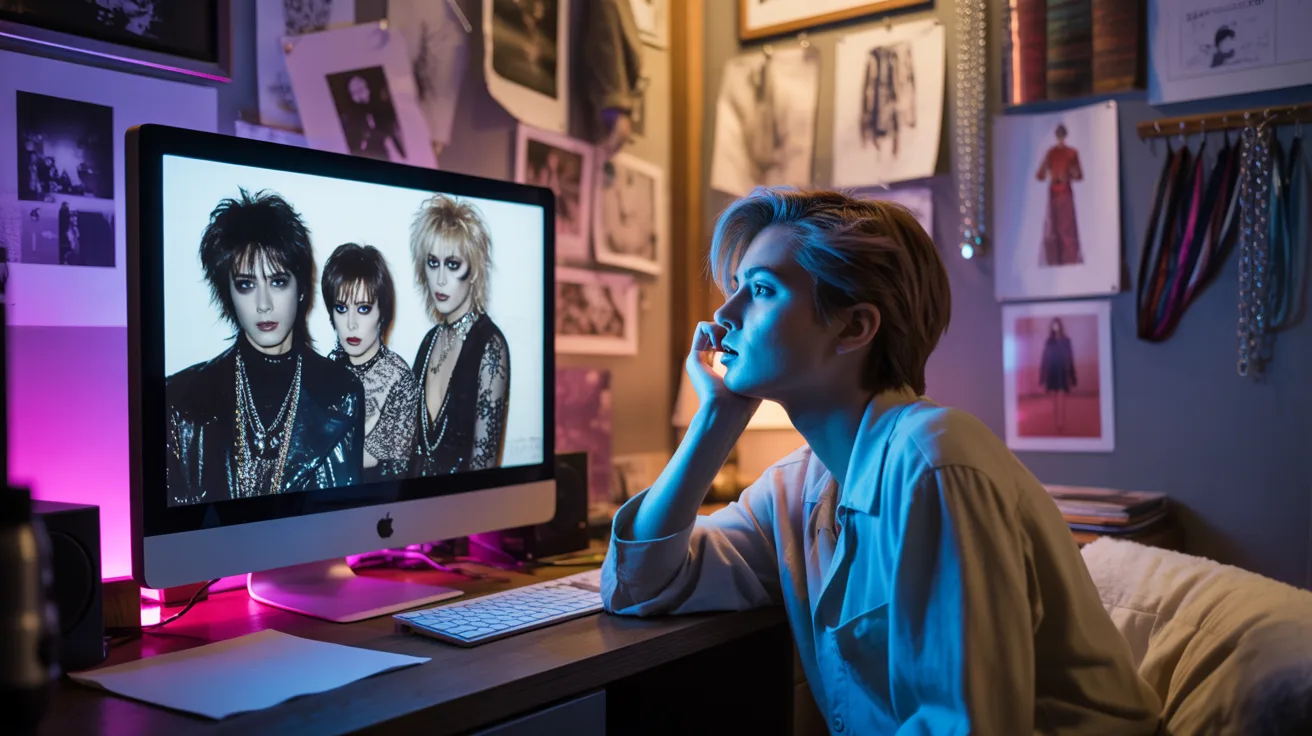
I was scrolling through old Japanese rock videos when something stopped me completely. The outfits. The makeup. The sheer confidence.
That was my first real look at Vkei fashion, and I couldn’t stop thinking about it.
So I went deep. I researched what is Vkei fashion, where it came from, and why it still pulls people in decades later. What I found was bigger than I expected.
This guide covers the styles, history, and cultural meaning behind Vkei fashion.
By the end, you might see fashion very differently.
What Is Vkei Fashion?
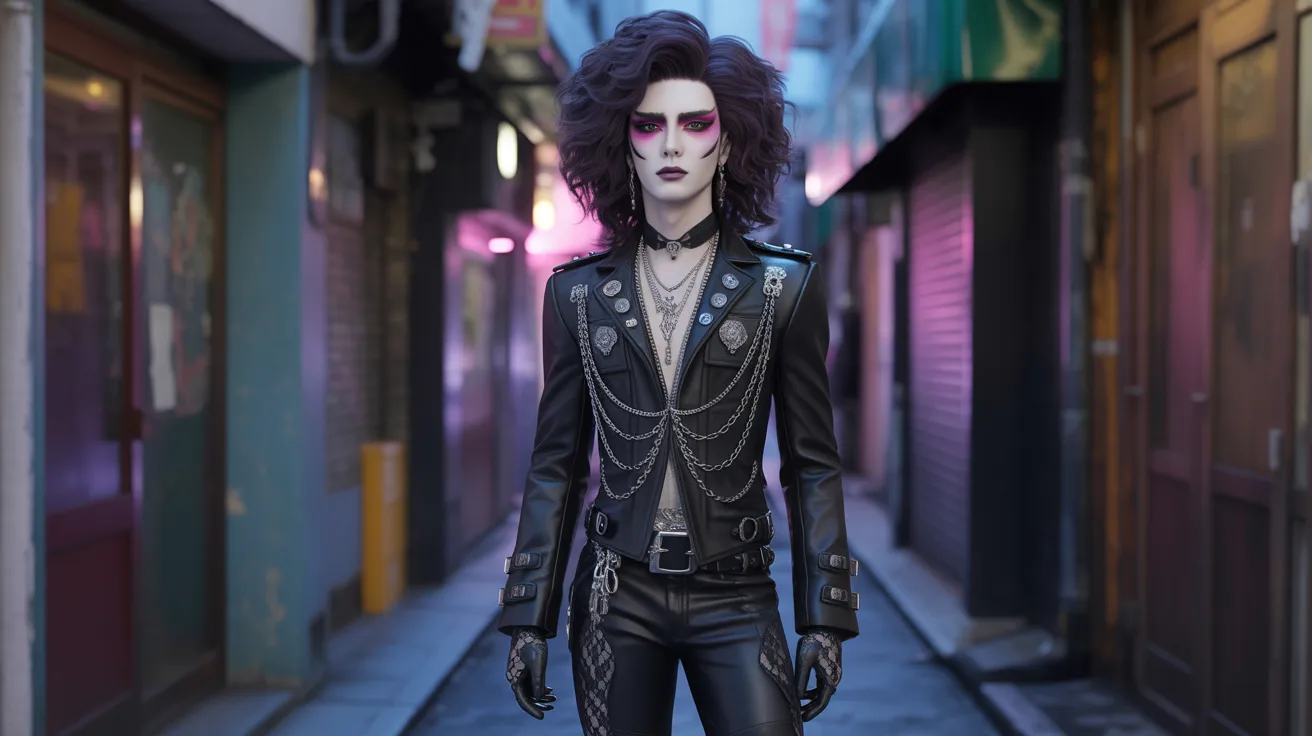
Vkei fashion, short for Visual Kei fashion, started in Japan’s rock music scene during the mid-1980s.
Bands like X Japan and Buck-Tick made theatrical, high-drama styling a core part of their identity. The look was just as important as the music.
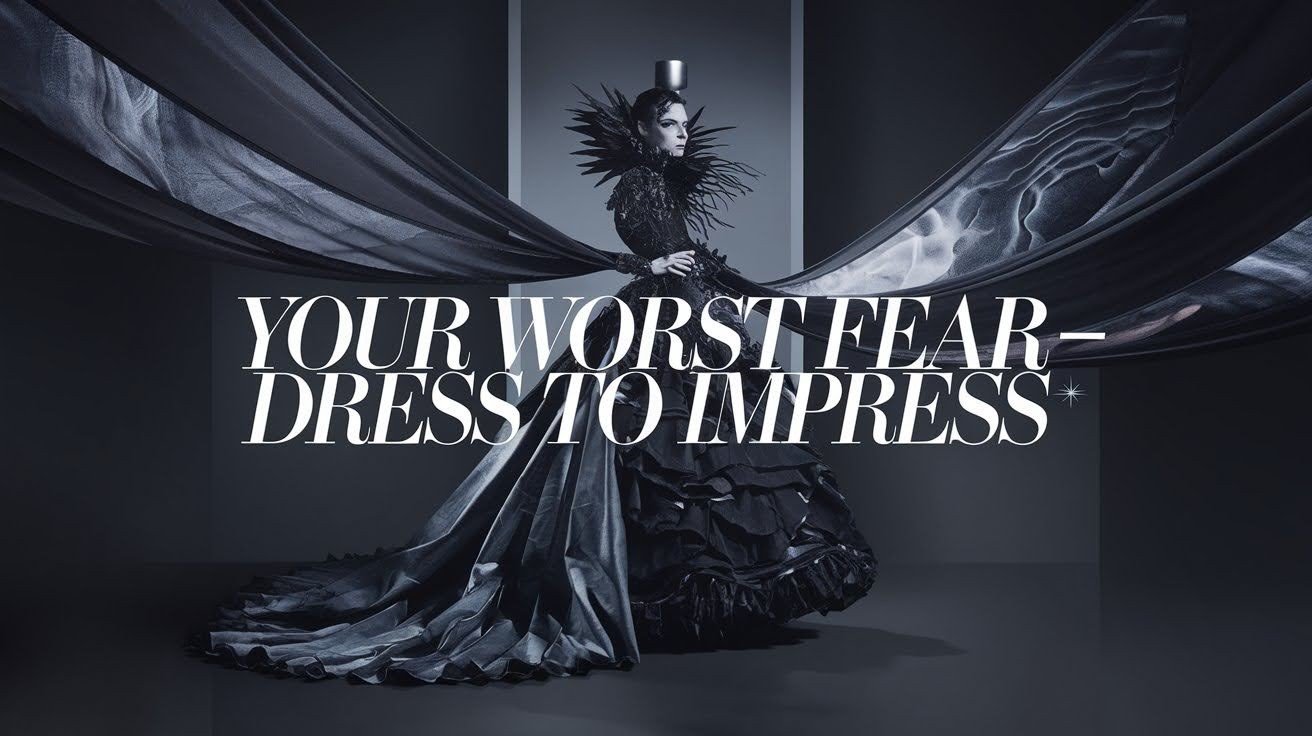
At its core, Vkei fashion is about self-expression. It mixes avant-garde fashion with Japanese street fashion influences, pulling from gothic, punk, glam rock, and traditional Japanese imagery.
No two looks are exactly the same.
One of the most notable features of Vkei fashion is its gender-fluid styling. Men wear skirts, corsets, and heavy makeup. Women style themselves in sharp, structured silhouettes.
The lines between masculine and feminine disappear completely.
Vkei fashion is often confused with cosplay or gothic styles. But it’s different. Cosplay is costume-based role-play.
Gothic fashion leans into darkness and Victorian imagery. Vkei fashion is a living subculture fashion movement tied to music, community, and identity.
11 Popular Vkei Fashion Styles Explained
Vkei fashion isn’t one single look. It’s a whole spectrum of styles, each with its own mood, color story, and cultural meaning.
Here are the 11 most popular styles you should know.
1. Oshare Kei
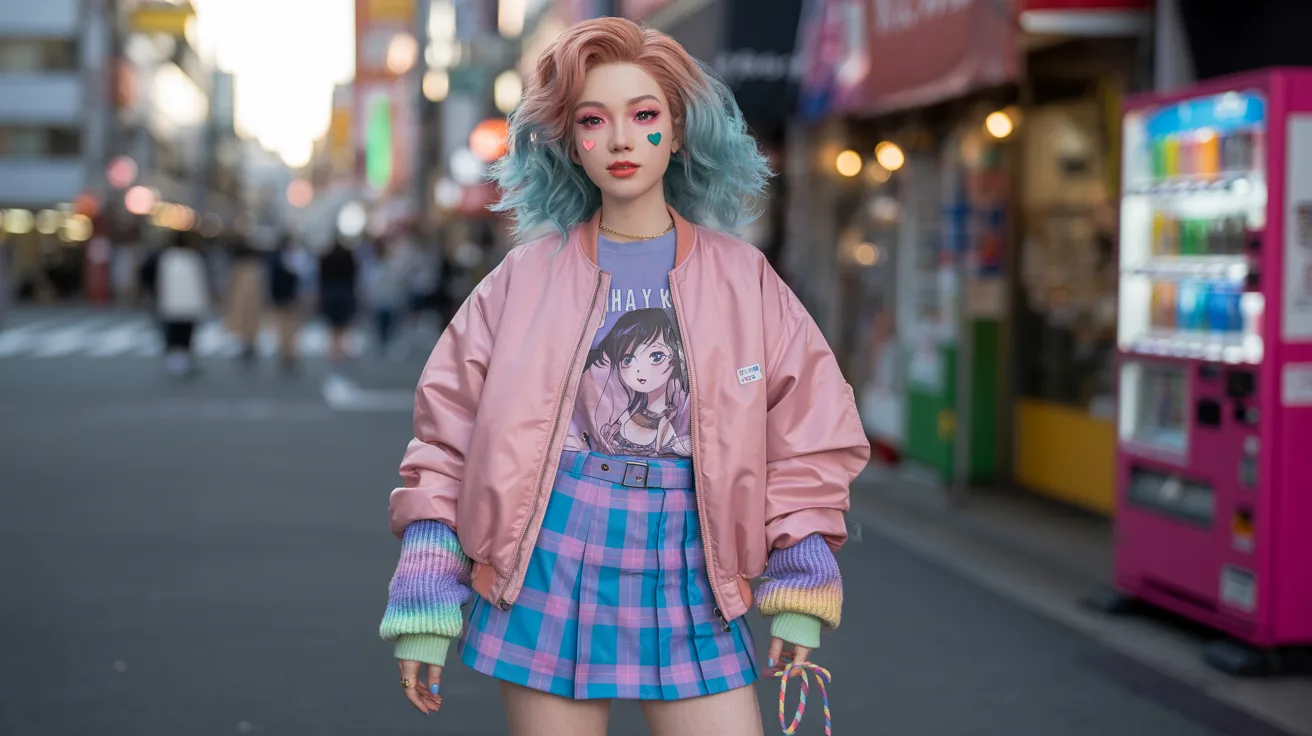
Oshare Kei is the bright, happy side of Vkei fashion. Think candy colors, playful prints, and pop-inspired accessories. It feels more cheerful than most other Vkei styles.
Bands like An Cafe helped bring Oshare Kei to a wider audience. The style is approachable and fun, making it a great starting point for newcomers.
You’ll see lots of layering, bold shoes, and colorful hair in this style. It’s energetic, expressive, and unapologetically loud.
2. Kote Kei
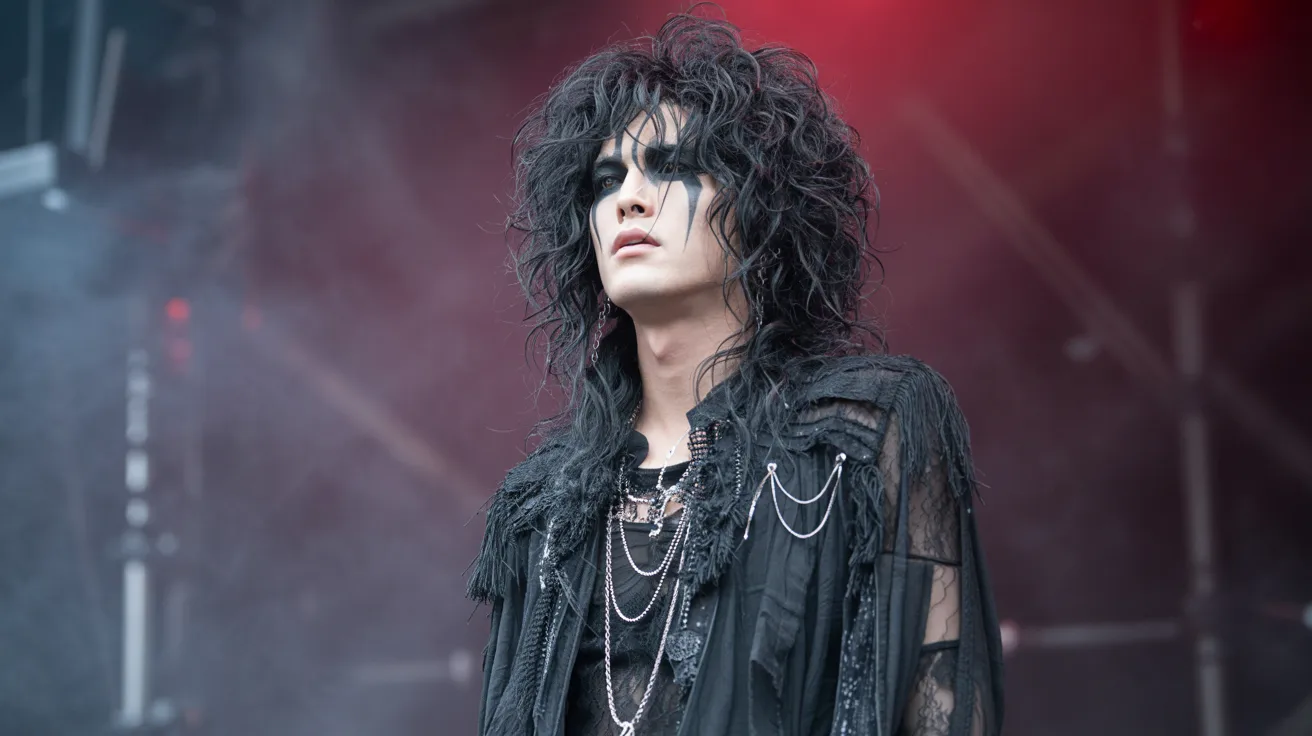
Kote Kei is where Vkei fashion began. It’s the original, traditional style rooted in darkness, drama, and heavy theatrical makeup.
Black clothing, wild backcombed hair, and sharp eyeliner define this look. Bands like early X Japan are the blueprint for Kote Kei.
This style carries deep emotional weight. It’s raw, intense, and connects directly to the roots of the Visual Kei movement.
3. Nagoya Kei
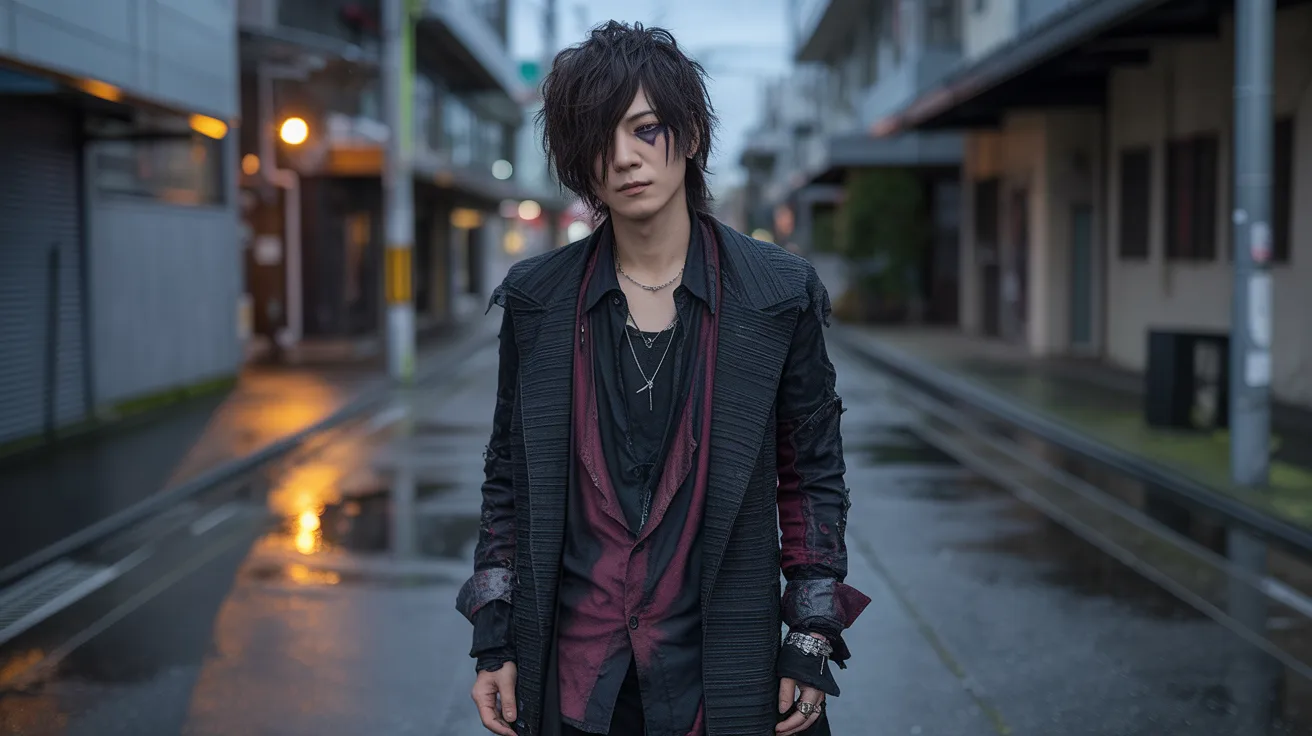
Nagoya Kei comes from the Nagoya music scene and leans into moody, melancholic vibes. The styling is darker and more subdued compared to other Vkei styles.
You’ll notice muted tones, heavy layering, and an overall sense of emotional depth. It’s less theatrical but just as intentional.
Bands like Deadman and Kuroyume shaped this style. It appeals to fans who want Vkei fashion with a more introspective feel.
4. Eroguro Kei
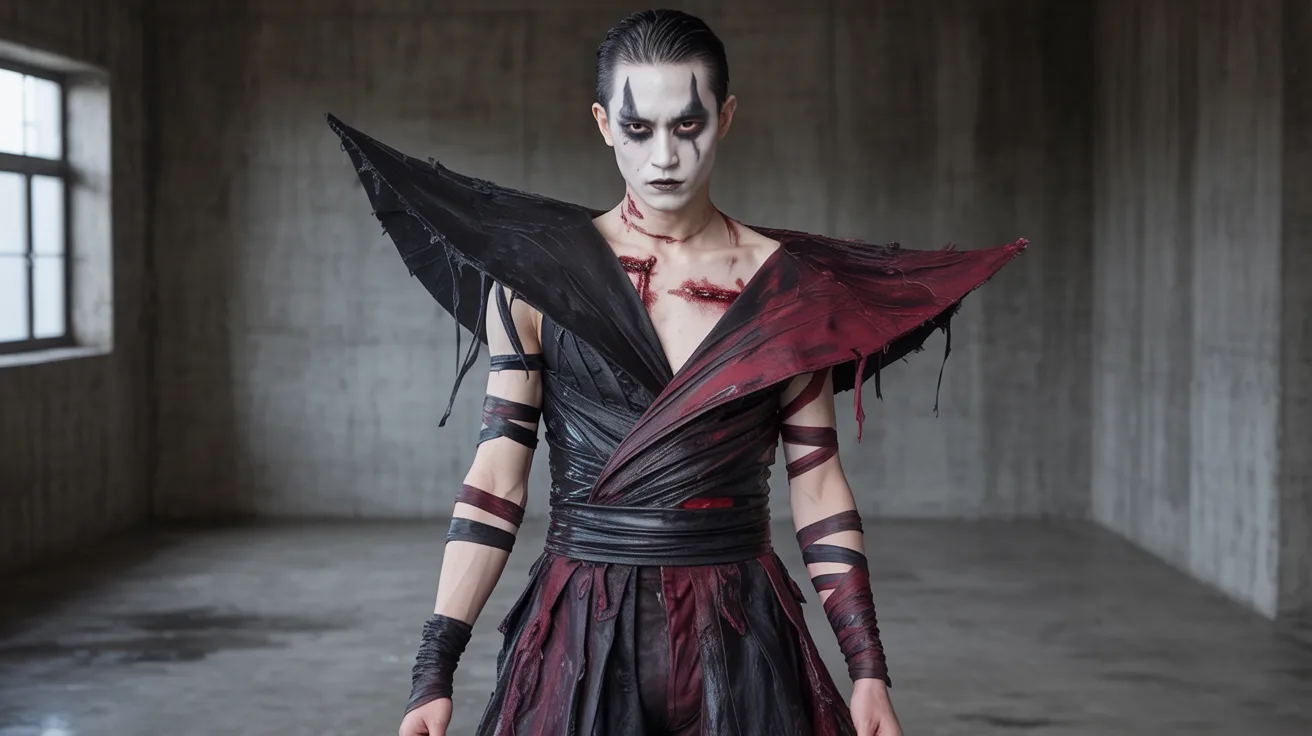
Eroguro Kei blends erotic and grotesque elements into an art-forward fashion statement. It takes inspiration from Japanese “ero guro” art, which explores taboo and visceral themes.
The styling often includes fake blood, bandages, exaggerated wounds, and provocative silhouettes. It’s deliberately unsettling and meant to challenge comfort zones.
This isn’t everyday fashion. It’s closer to wearable performance art. Bands like Kaya and D=OUT have explored this territory.
5. Angura Kei
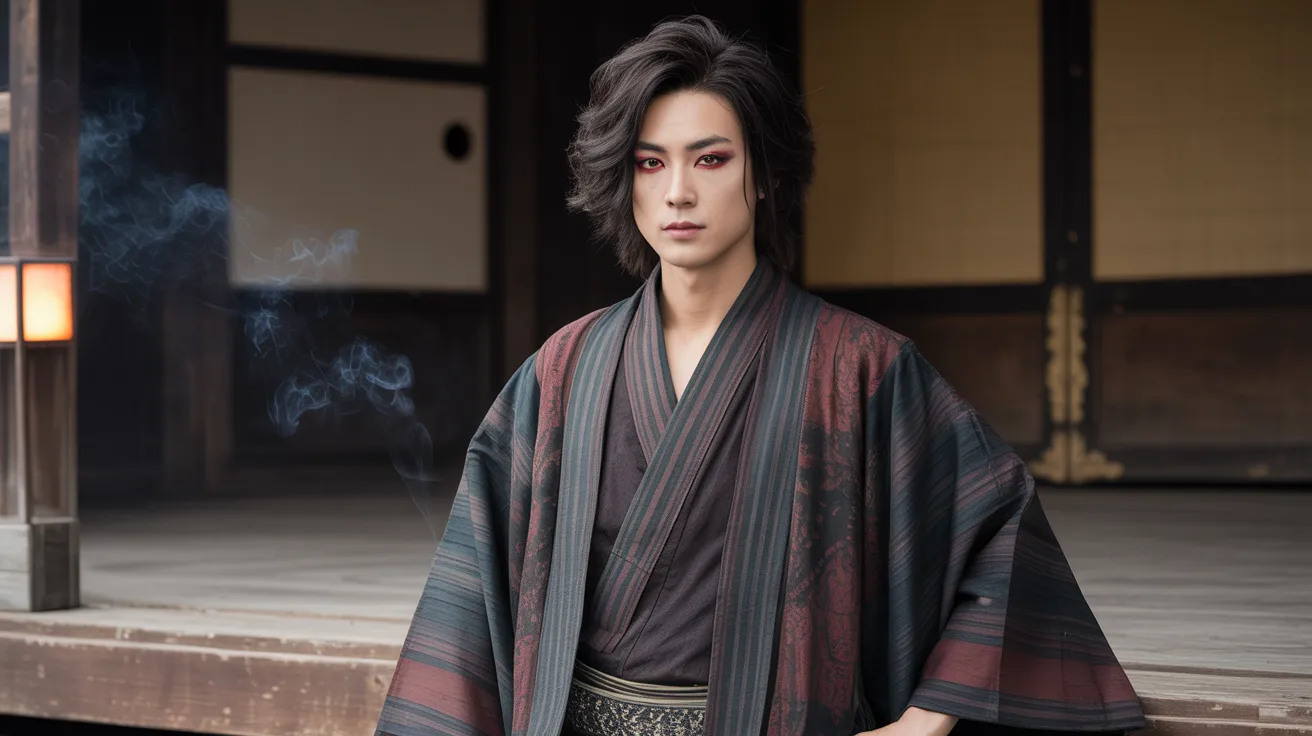
Angura Kei draws from underground Japanese theatre and traditional cultural imagery. It feels rooted in history, folklore, and a certain quiet darkness.
You’ll see kimono-inspired cuts, traditional Japanese patterns, and deep, earthy color palettes. The overall mood is haunting but culturally rich.
It’s one of the most intellectually layered styles in Vkei fashion. Less mainstream, but deeply respected within the subculture.
6. Kuro Kei
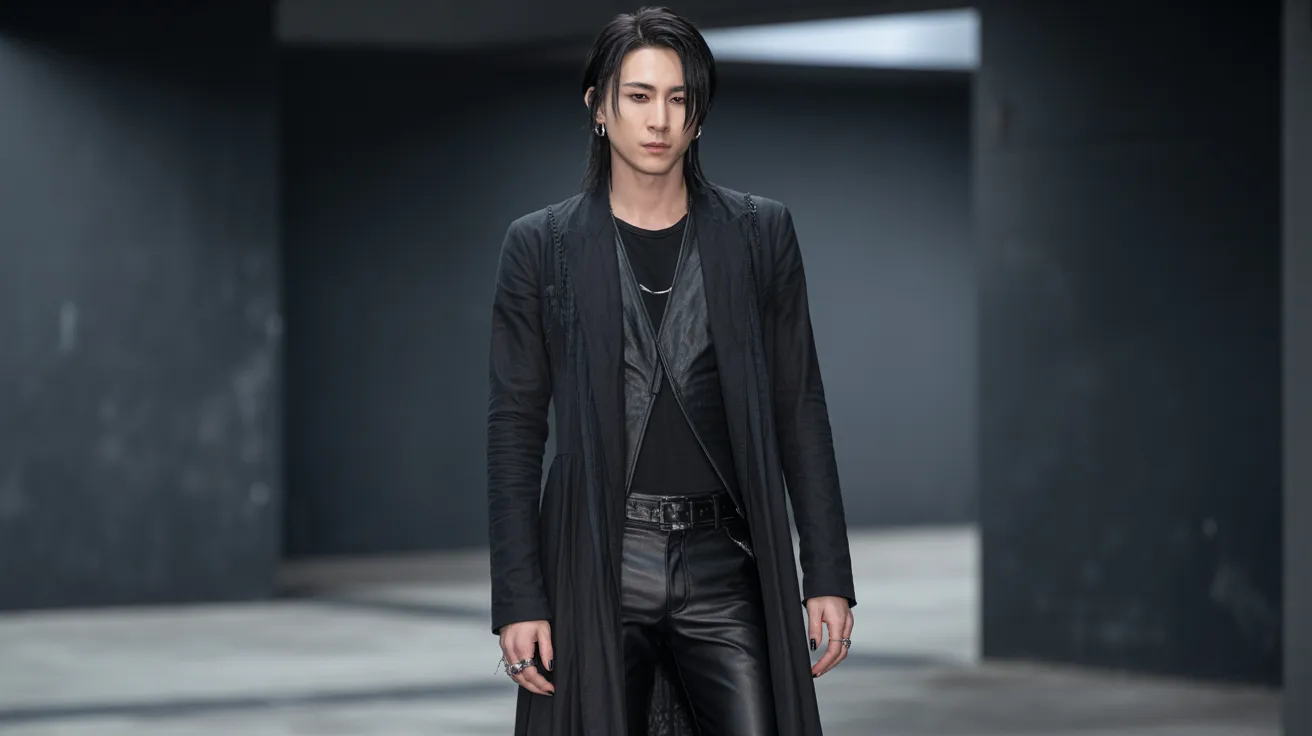
Kuro Kei keeps it simple. Everything is black. The drama comes from texture, silhouette, and detail rather than color.
This style strips Vkei fashion down to its most minimal form. It’s clean, sharp, and confident without needing excess.
Layering different black fabrics, mixing matte and shiny finishes, and strong accessories are how Kuro Kei wearers make their looks stand out.
7. Shiro Kei
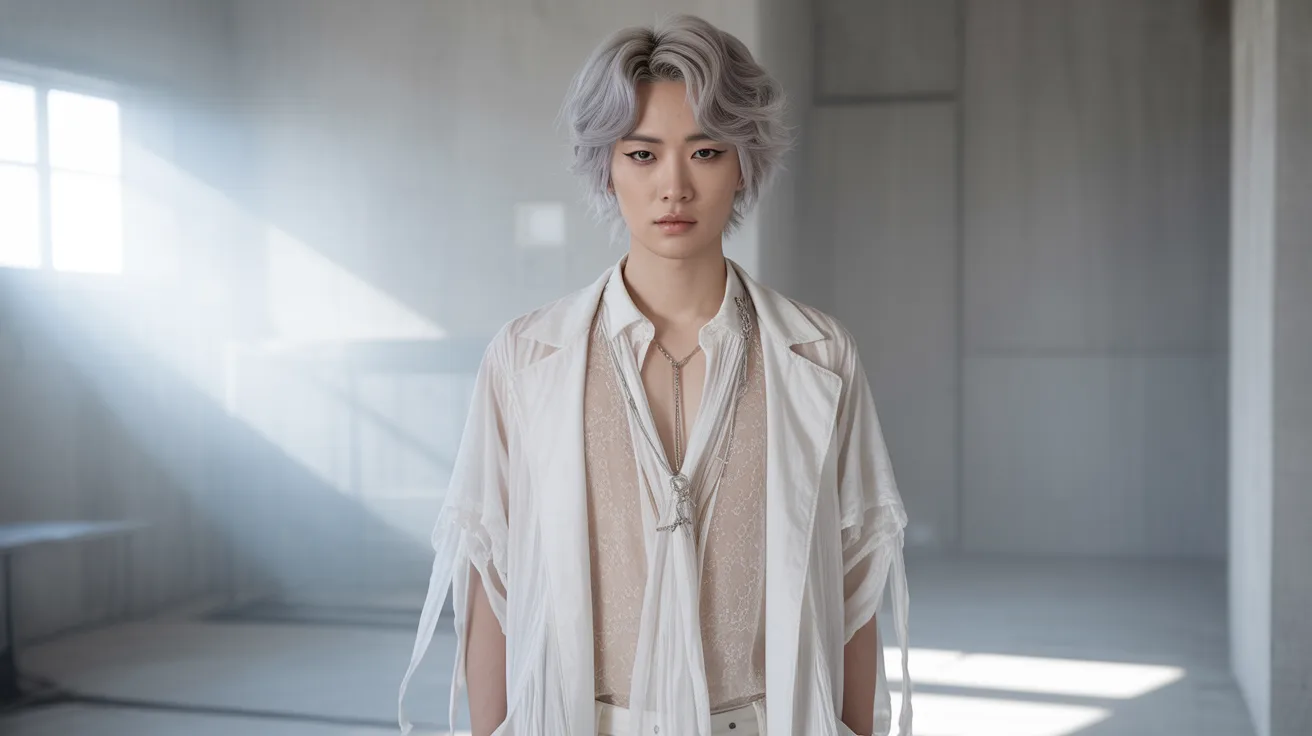
Shiro Kei is the white version of Kuro Kei. All-white or pale outfits create an otherworldly, almost ghostly effect.
The styling often includes white lace, light fabrics, and soft, flowing silhouettes. It’s delicate in appearance but bold in impact.
Shiro Kei sits in an interesting space within Vkei fashion. It feels both fragile and intentional at the same time.
8. Gothic Kei
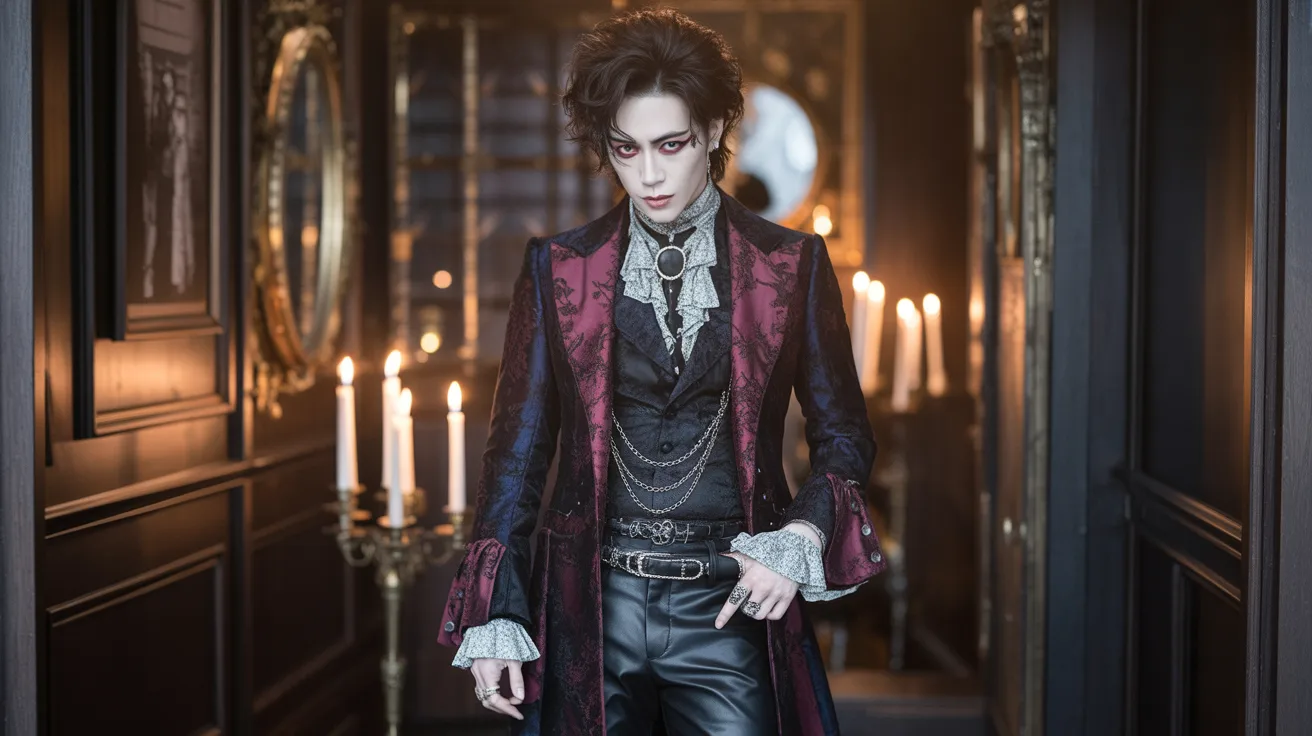
Gothic Kei brings Victorian-era inspiration into the Vkei fashion world. Think ruffled shirts, long coats, velvet, and deep jewel tones.
It shares some overlap with Western gothic fashion but is distinctly Japanese in its execution. The theatricality is dialed up considerably.
This style appeals to fans of dark romance, historical fashion, and dramatic silhouettes. Bands like Malice Mizer are the defining reference point here.
9. Cyber Kei
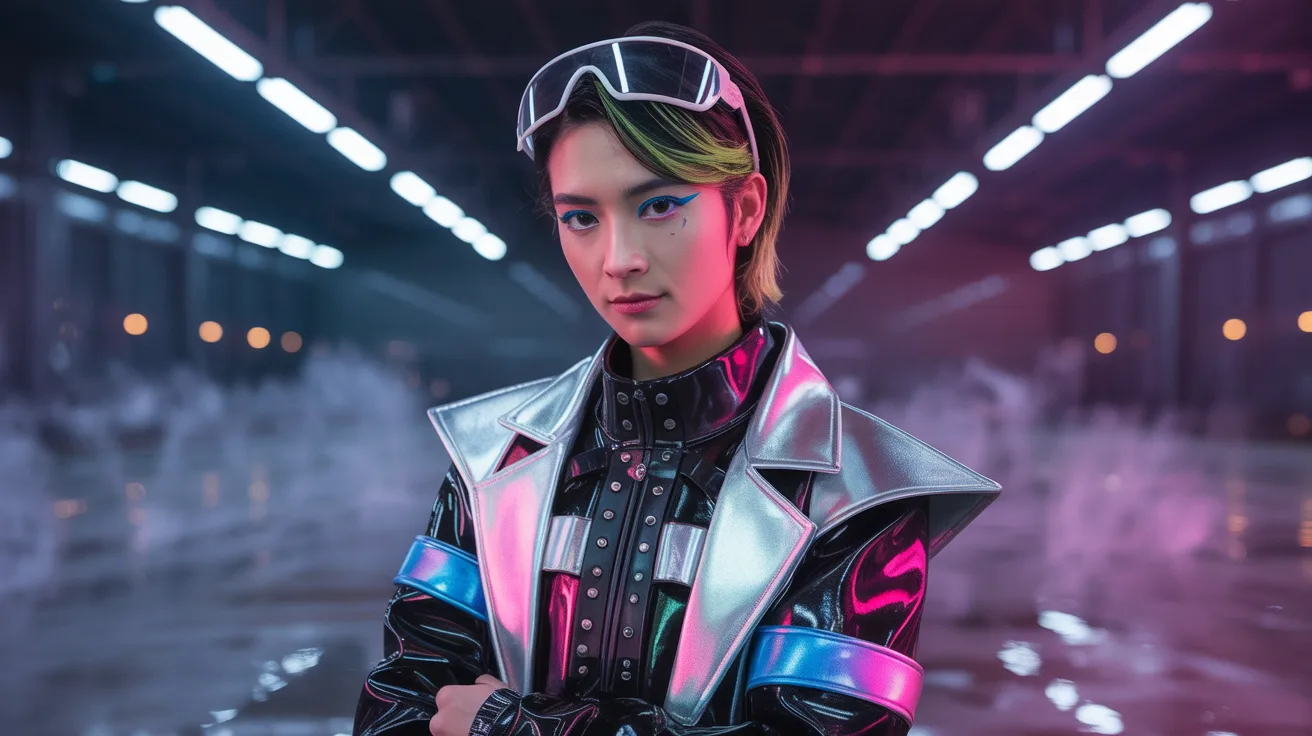
Cyber Kei mixes industrial elements with futuristic fashion. Neon colors, metallic fabrics, and tech-inspired accessories define this style.
It feels like Vkei fashion stepped into a science fiction world. Sharp lines, bold cuts, and high-contrast color combinations are central to the look.
Cyber Kei is one of the more forward-thinking styles in the Vkei fashion spectrum. It shows how the subculture keeps pushing into new creative territory.
10. Aristocrat Kei
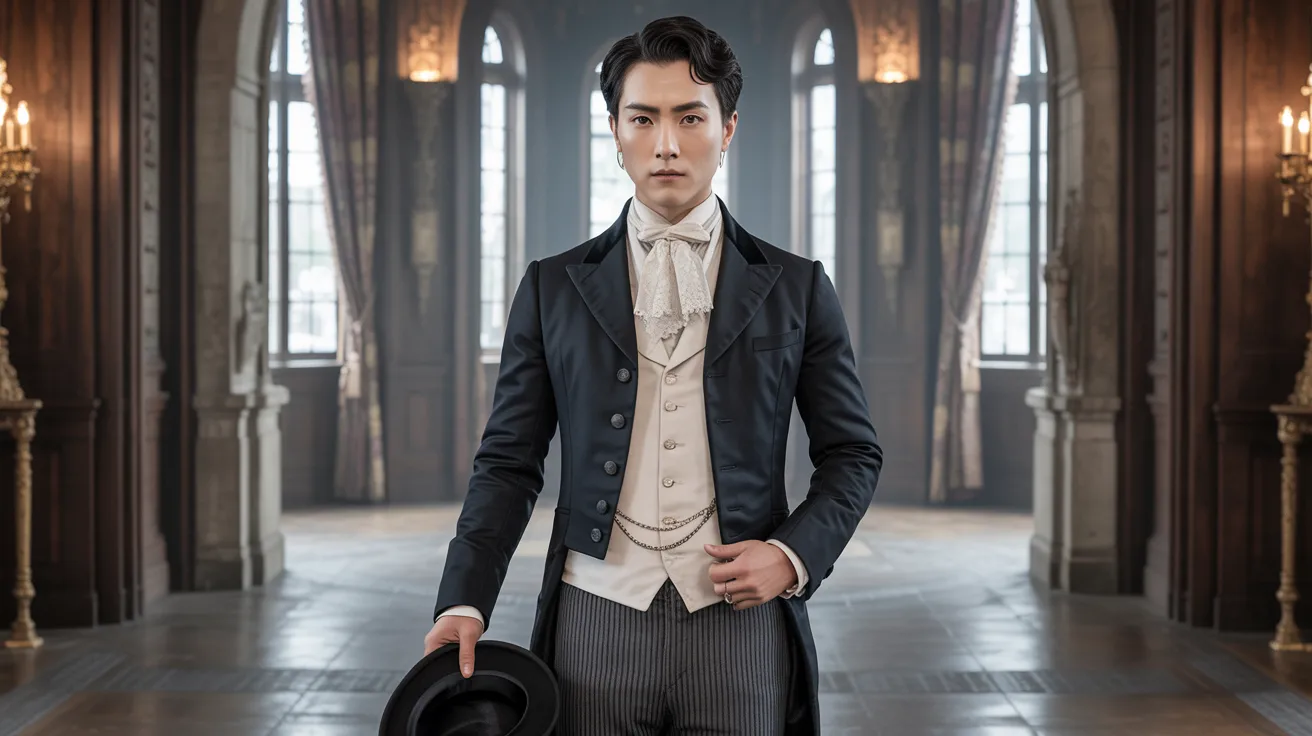
Aristocrat Kei pulls from historical European fashion, particularly 18th and 19th century nobility. The look is composed, detailed, and deliberately refined.
Frock coats, lace cravats, top hats, and structured silhouettes bring this style to life. It’s one of the most visually composed looks in Vkei fashion.
The mood is serious and controlled. Unlike some other styles, Aristocrat Kei doesn’t rely on excess. It focuses on precision and historical detail.
11. Punk-Inspired Vkei
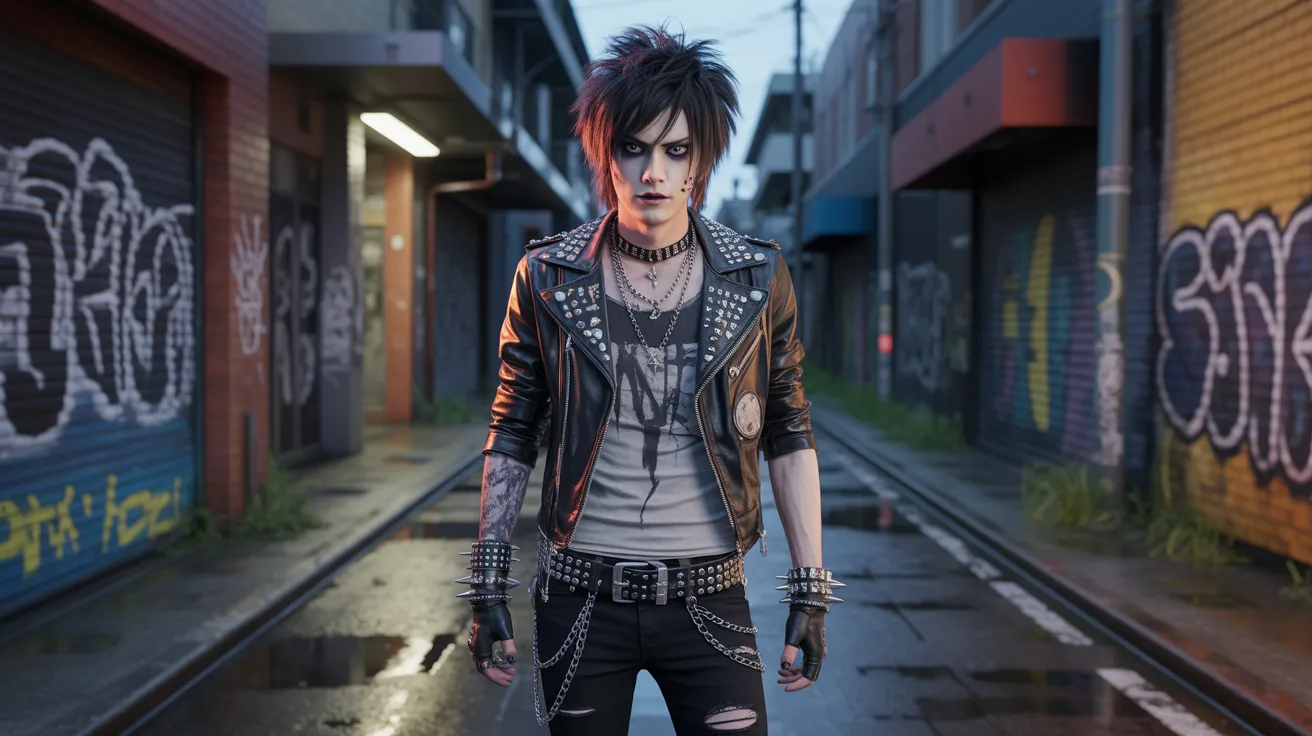
This style sits right at the crossroads of Vkei fashion and Western punk rock. Ripped clothing, leather, safety pins, and studs meet Japanese visual excess.
The energy is aggressive and loud. It borrows from classic punk but layers on the theatricality that defines Visual Kei.
If you love punk music and want to bring it into a Vkei context, this style gives you the most direct way in.
Key Characteristics of Vkei Fashion
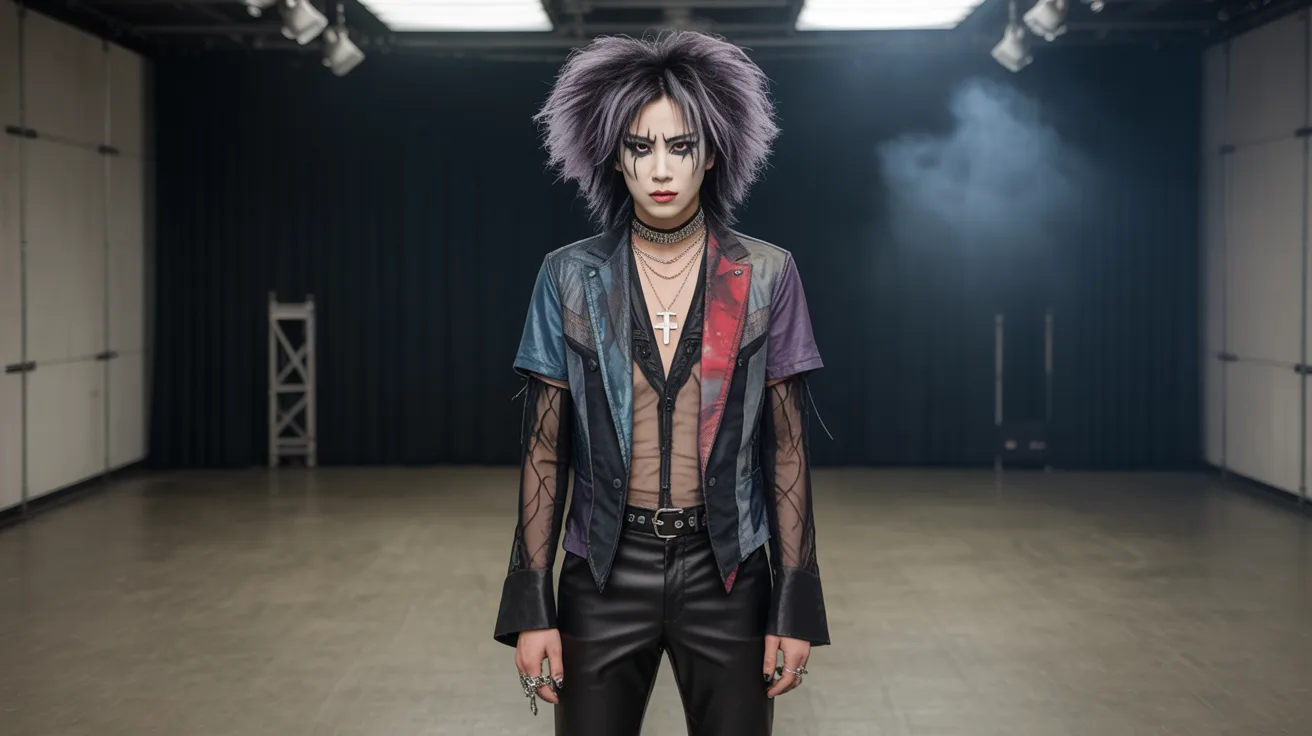
Vkei fashion is easier to recognize than it is to define. Certain core elements show up across almost every style, no matter how different they look from each other.
Here are the key features that define Vkei fashion:
- Dramatic makeup including heavy eyeliner, bold eyeshadow, and face paint
- Big, styled hair often teased, colored, or sculpted into extreme shapes
- Gender-fluid clothing mixing traditionally masculine and feminine pieces
- Layered outfits with multiple textures, fabrics, and silhouettes at once
- Theatrical accessories including chokers, chains, crosses, and ornate jewelry
- Dark or high-contrast color palettes with occasional bursts of vivid color
- Custom or DIY elements that make each outfit personal and intentional
- Strong connection to music with outfits often reflecting band vibe
These elements don’t all need to appear in every outfit. But together, they form the visual language of Vkei fashion. Once you know what to look for, you’ll spot it immediately.
Vkei Fashion Men: Breaking Gender Norms in Style
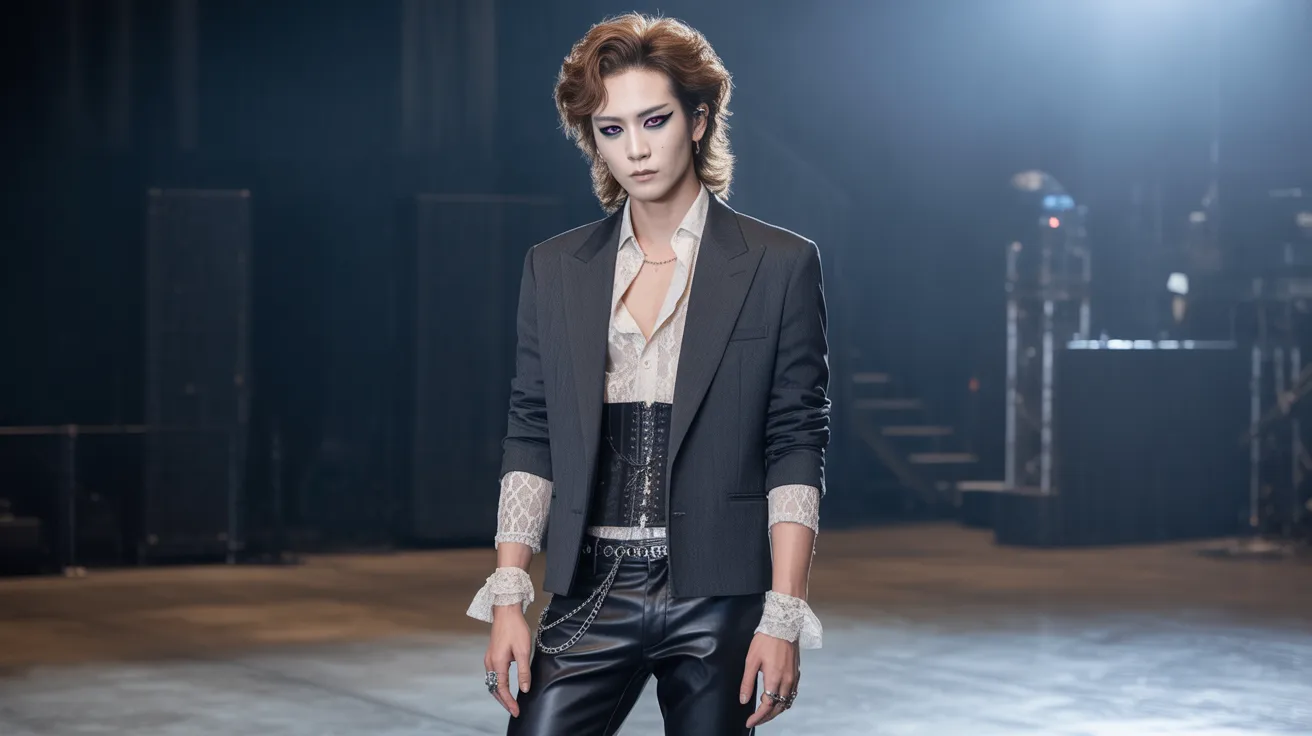
In Vkei fashion, men have always worn what they want. Skirts, corsets, lace blouses, heavy makeup, and heeled boots are all standard. There are no apologies.
This is one of the most radical aspects of Vkei fashion men’s styling. It challenges what society expects men to wear and replaces those rules with personal expression.
The makeup side of Vkei fashion men’s looks deserves its own attention. Full foundation, sharp eyeliner, colored contacts, and sometimes even lip color are all common choices. It’s not costume. It’s identity.
The influence of Vkei fashion men’s styling has spread far beyond Japan. You can see its echo in modern K-pop visuals and J-rock acts that push gender presentation in similar ways. Artists across Asia have borrowed from this playbook directly.
What makes Vkei fashion men’s approach so significant is that it normalized androgynous style long before it became a mainstream conversation.
The subculture was doing this in the 1980s and 1990s, decades ahead of wider cultural shifts.
Cultural Significance of Vkei Fashion
Vkei fashion has always meant more than clothing. It was, and still is, a statement about identity, music, and belonging.
Here’s why Vkei fashion carries real cultural weight:
- It gave Japanese youth in the 1980s a way to express rebellion through visual art
- It connected music and fashion into a single, inseparable form of communication
- It influenced Harajuku street style and helped shape global alternative fashion communities
- It created online communities that kept the subculture alive across generations
- Social media platforms, especially TikTok and Instagram, have sparked a new wave of interest in Vkei fashion globally
- It challenged traditional Japanese gender roles at a time when that was genuinely radical
- It opened space for LGBTQ+ expression within a culture where that conversation was rarely public
Vkei fashion didn’t just influence other styles. It helped shift how entire communities thought about identity and self-expression. That’s not a small thing.
The revival through social media is particularly interesting. Young fans across the US, Europe, and Latin America are discovering Vkei fashion brands, building outfits, and connecting with communities that their parents never had access to.
Conclusion
Vkei fashion changed how I see personal style. It showed me that clothing can carry real meaning.
The best part? You don’t need to be a musician or live in Japan to wear it. Pick one style that excites you. Start small. Build from there.
I’d love to know which Vkei style you’re most drawn to. Drop it in the comments below.
And if you found this guide helpful, share it with someone who loves alternative fashion. Let’s keep this community growing.
Frequently Asked Questions
What is Vkei fashion?
Vkei fashion, or Visual Kei fashion, is a Japanese subculture style that originated in the 1980s rock music scene. It combines dramatic makeup, theatrical clothing, gender-fluid styling, and avant-garde fashion into a form of artistic self-expression deeply connected to music and identity.
Is Vkei fashion only for musicians?
No. While Vkei fashion started with Japanese rock bands, it has always extended to fans and everyday wearers. Anyone can adopt this style as a form of personal expression, regardless of whether they play music.
Can men wear Vkei fashion?
Absolutely. Vkei fashion men’s styling has always included skirts, corsets, makeup, and lace. Gender-fluid dressing is central to the culture, not an exception to it.
What are the main Vkei fashion brands?
Some well-known Vkei fashion brands include h.NAOTO, Black Peace Now, Moi-même-Moitié, and PUTUMAYO. These Japanese labels have long catered to the Vkei and alternative fashion communities.
How is Vkei fashion different from cosplay?
Cosplay involves dressing as a specific fictional character for events or performances. Vkei fashion is a real subculture style worn as everyday identity and personal expression, not tied to any single character or franchise.