Goth fashion is more than just black clothing. It is a culture, a mindset, and a way of standing out.
In this guide, you will find 23 types of goth styles explained clearly. This article breaks it all down in simple terms whether you are new to goth or exploring a new direction.
We cover what goth culture actually means, key fashion and makeup elements, every major goth style explained, and practical styling tips.
Goth fashion is more than just black clothing. It is a culture, a mindset, and a way of standing out. If you want a deeper breakdown of its origins and evolution, you can readGothic fashion history.
In this guide, you will find 23 types of goth styles explained clearly.
What is Goth Culture and Fashion?
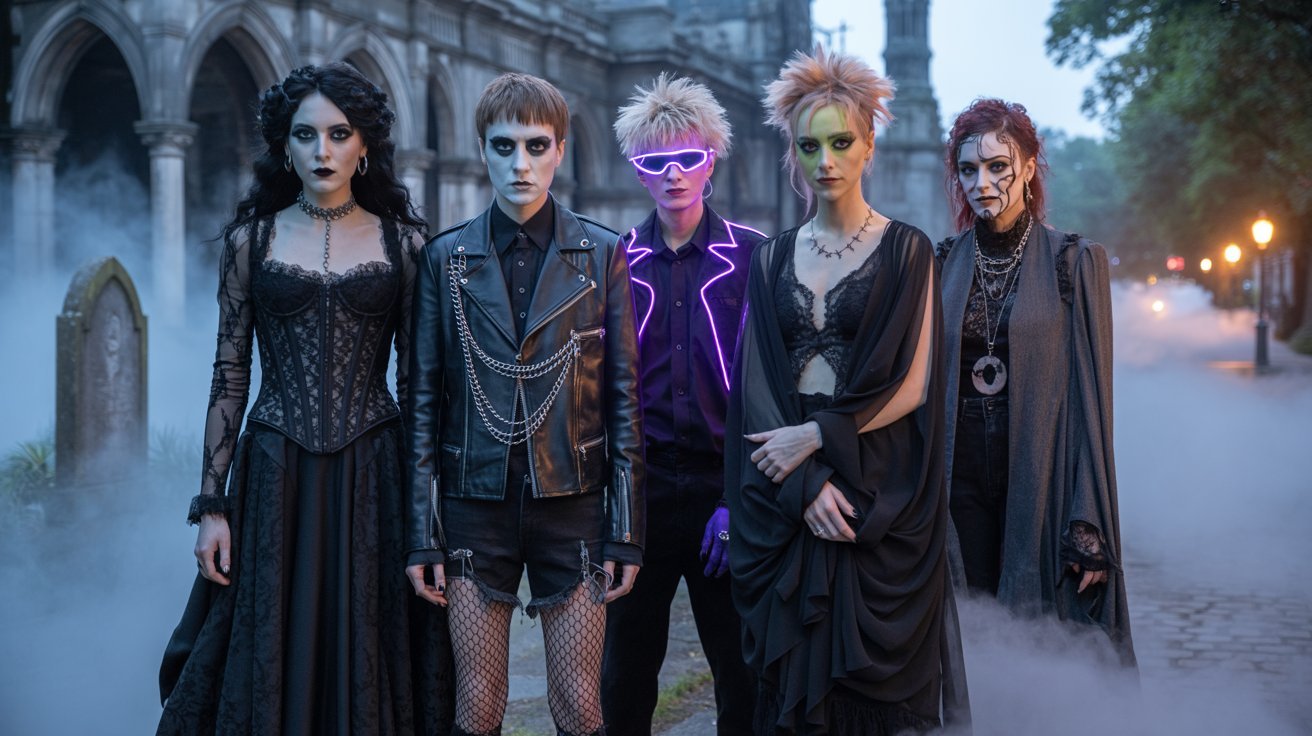
Goth is a subculture that grew from music, art, and a shared love for the darker side of life.
Goth started in the late 1970s and early 1980s. It grew out of the post-punk music scene in the UK.
Bands like Bauhaus, The Cure, and Siouxsie and theBanshees shaped the sound and look of early goth. Their music was dark, moody, and raw. Fans began dressing to match that energy.
Goth is not just about fashion. It is built on three main pillars. Music refers to dark, atmospheric bands that shaped the culture from the start.
Fashion reflects clothing that expresses a personal and often dramatic style. Philosophy covers a love for art, literature, history, and self-expression.
Key Characteristics of Different Types of Goth
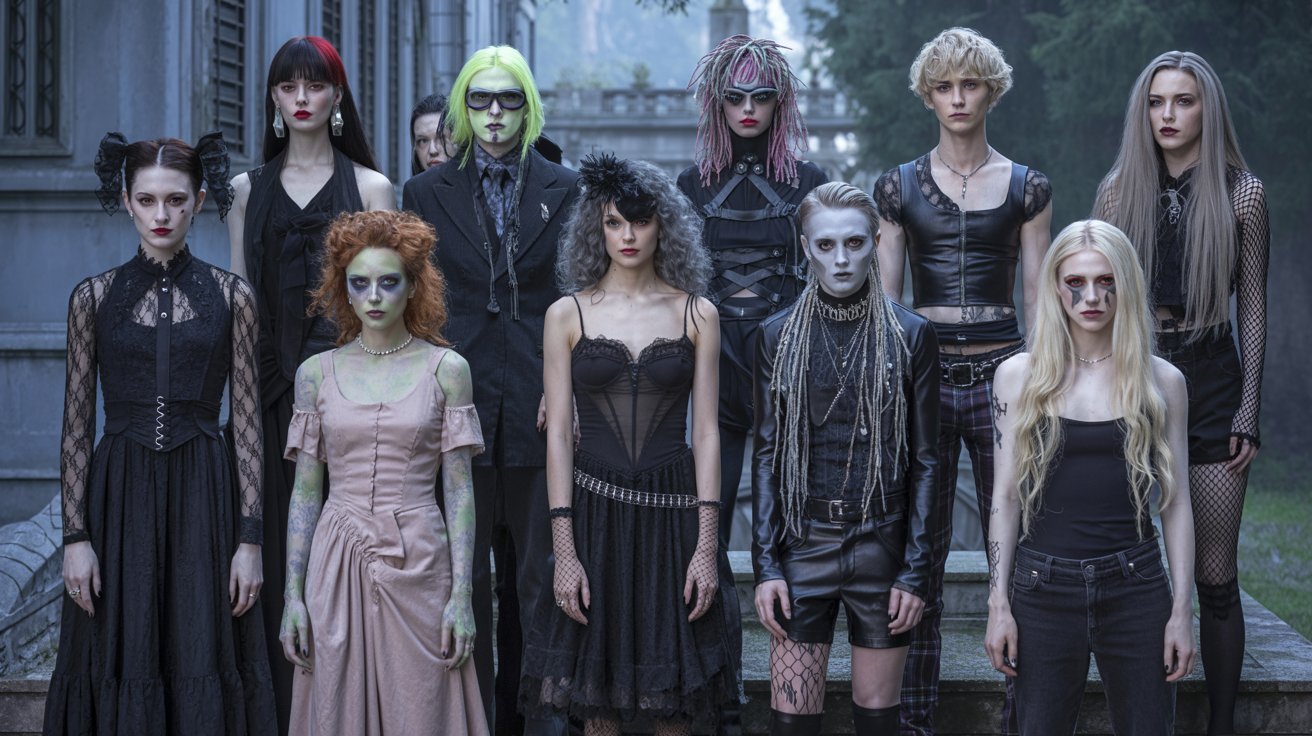
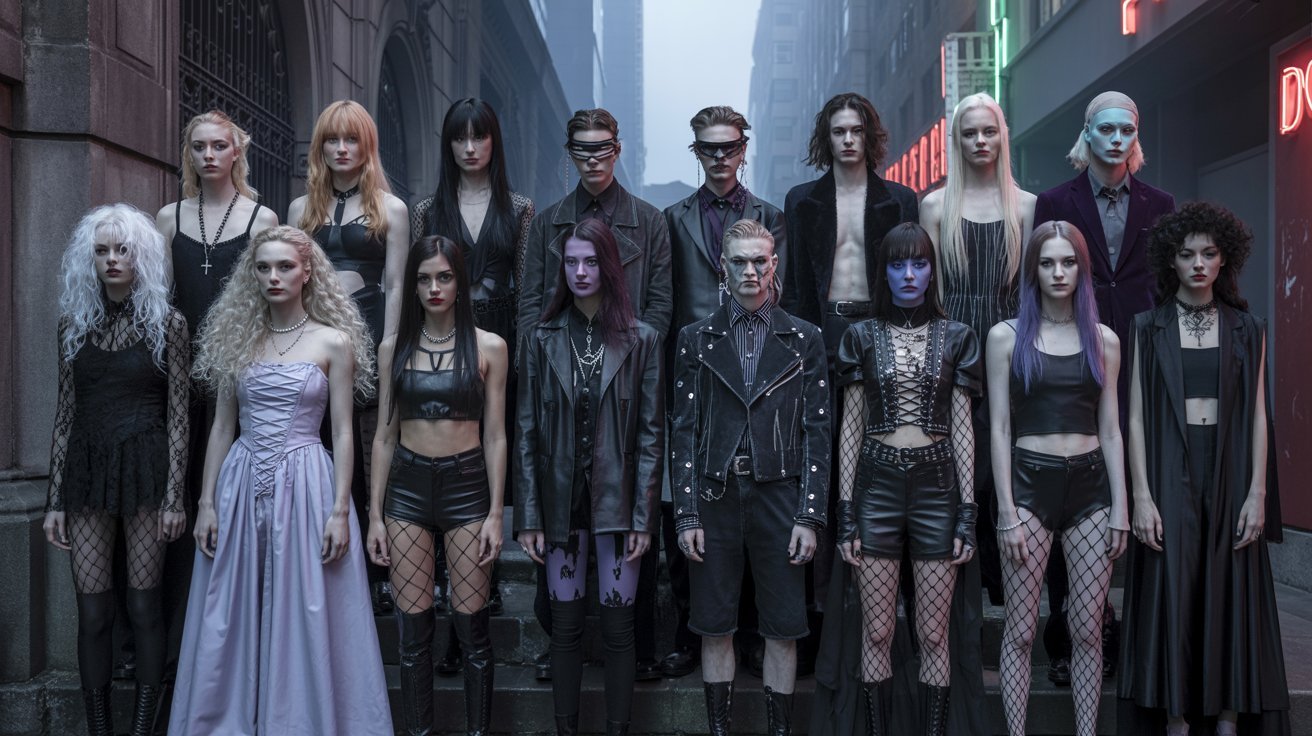
Every goth style shares some common ground, even if the details look very different.
Dark Color Palettes and Layered Textures
Black is the foundation of most goth fashion. But it goes far beyond that. Deep purples, blood reds, and forest greens often appear too.
Layering is a big part of the look. Goths mix textures like lace, leather, velvet, and mesh to create depth and contrast.
Types of Goth Makeup Styles
Makeup varies a lot depending on the style. Some types of goth use dramatic makeup with bold eyeliner, dark lips, and pale foundation.
Others keep it more minimal with just a dark lip or smoked-out eye. The goal is always to reflect your personal vibe.
Accessories and Symbolism
Accessories play a major role in goth identity. Common pieces include ankhs and crosses that carry symbolic meaning, chokers that frame the neck and add edge, and long gloves, rings, and layered necklaces. Each piece tells a story about the wearer.
Hair Trends Across Goth Styles
Hair is another key part of the look. Big, teased hair is classic in trad goth. Sleek, straight hair fits nu goth. Colorful streaks suit pastel goth. There is no one rule. Your hair is part of your expression.
Types of Goth Styles Explained
There are more goth styles than most people realize. Here is a full breakdown of all 23.
1. Pastel Goth
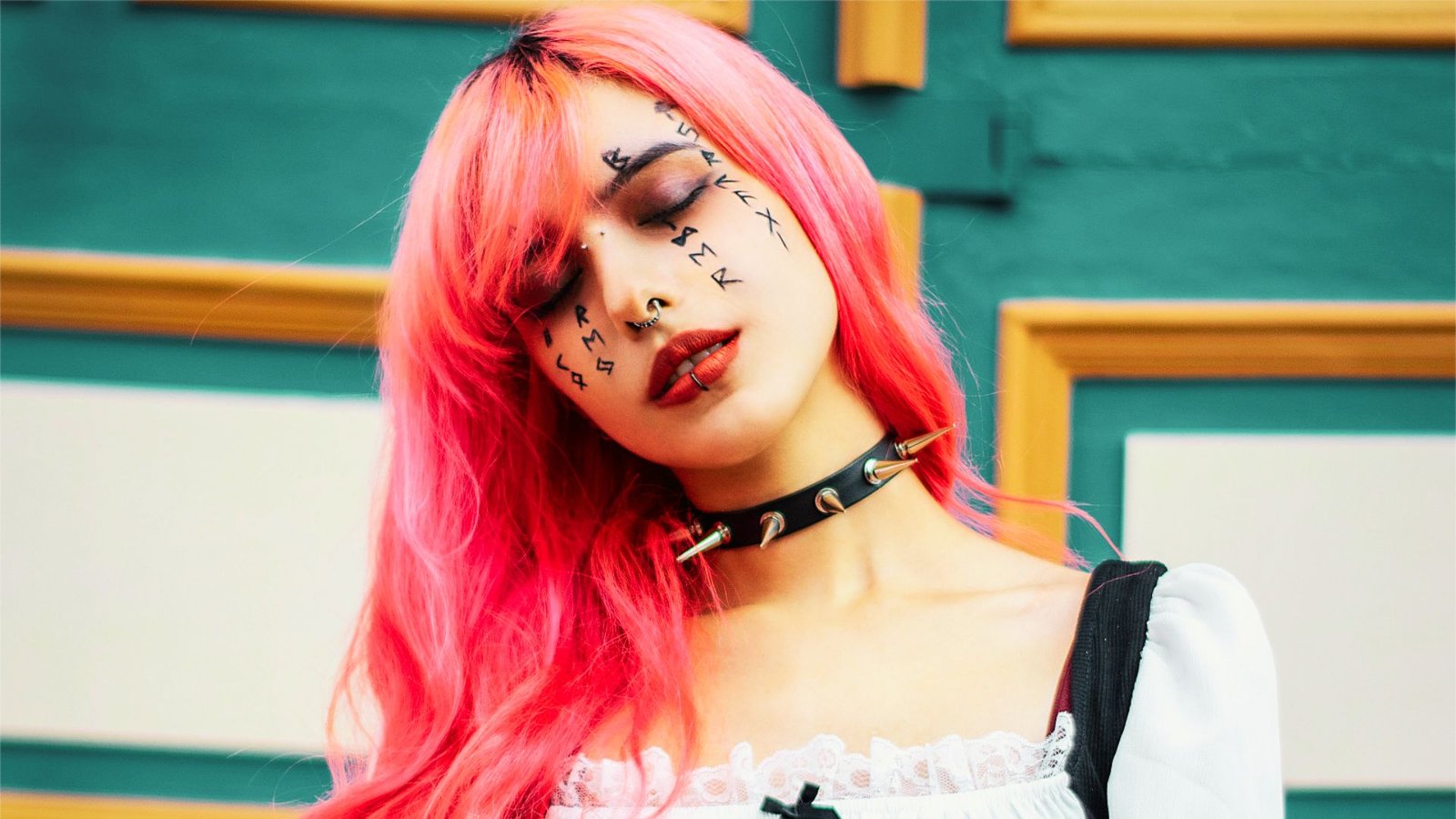
Pastel goth blends dark themes with soft, sugary colors. Think pink, lavender, and mint paired with skulls, bats, and creepy cute imagery.
It started in Japan and spread through online communities. The contrast between sweet and dark is what makes it stand out.
2. Traditional Goth (Trad Goth)
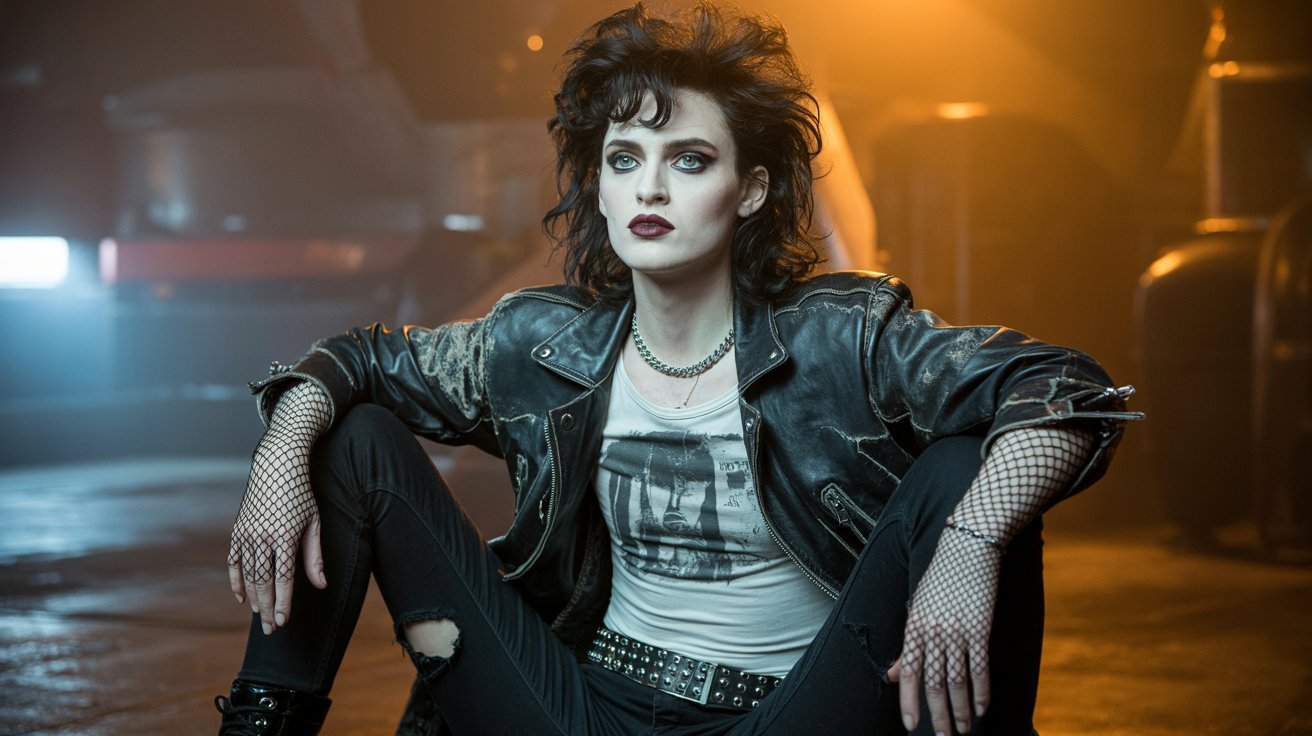
Trad goth is the original. It pulls straight from the early 1980s post-punk scene. Big hair, fishnet, leather jackets, band tees, and heavy eyeliner define this look.
If you love Bauhaus and The Sisters of Mercy, this is your starting point.
3. Victorian Goth
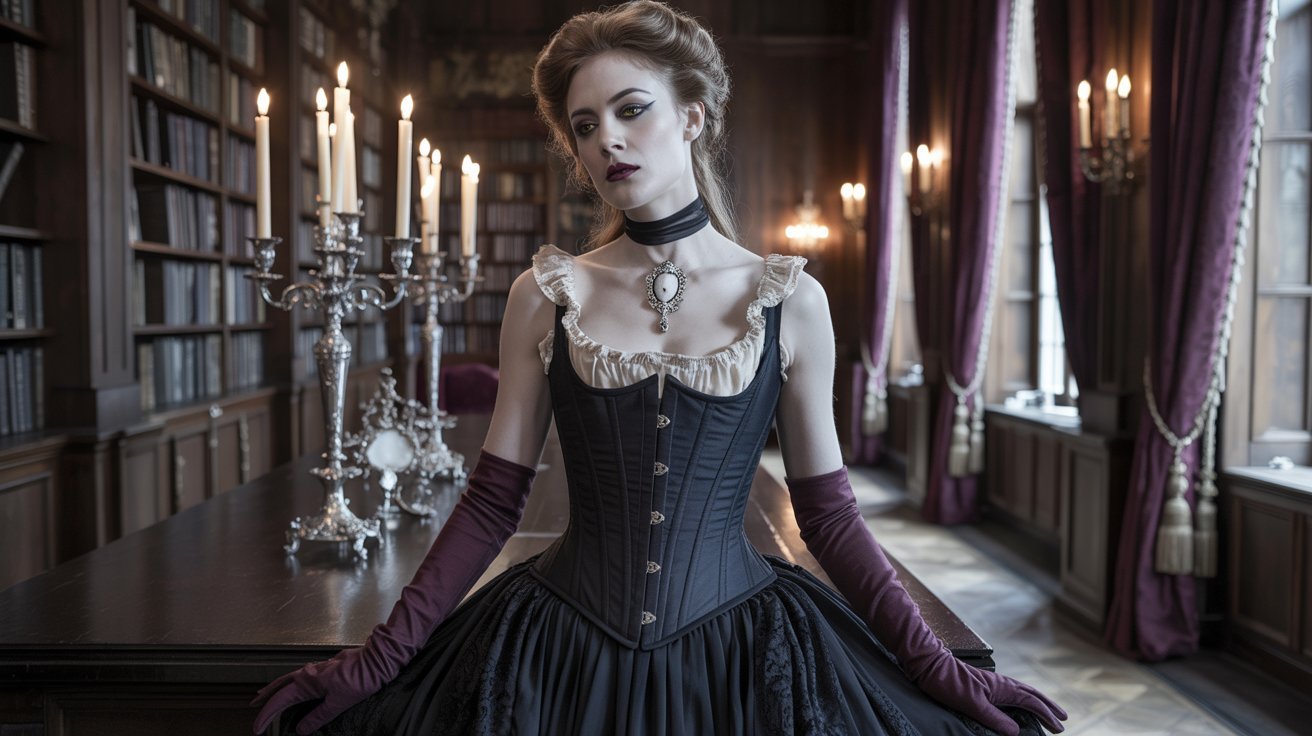
Victorian goth takes ideas from 19th-century fashion. Corsets, long skirts, ruffled blouses, and lace gloves are key pieces.
The look is formal, dramatic, and dark. It often draws from Gothic literature like Dracula and Frankenstein.
4. Punk Goth (Deathrock)
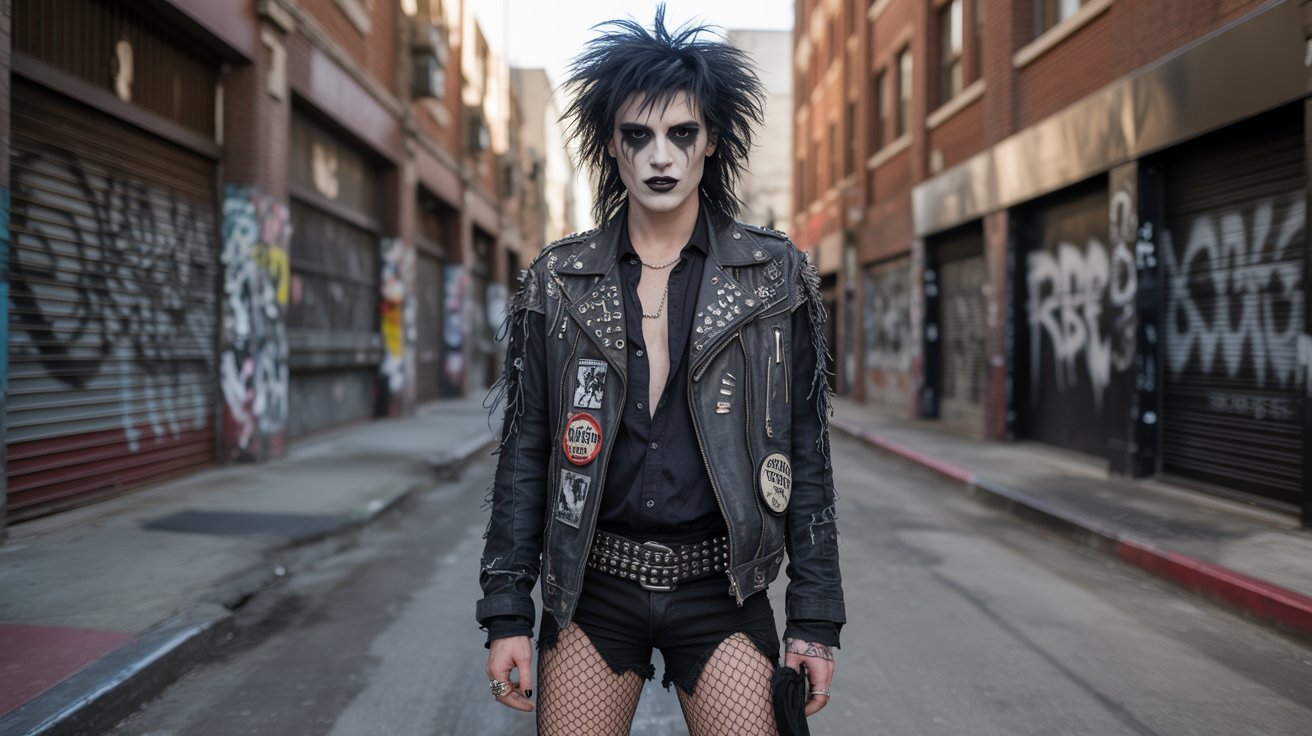
Deathrock is the rawer, more rebellious side of goth. It mixes goth with punk. Torn clothing, band patches, safety pins, and bold makeup are all part of the style.
It has roots in the Los Angeles punk scene of the early 1980s.
5. Emo Goth
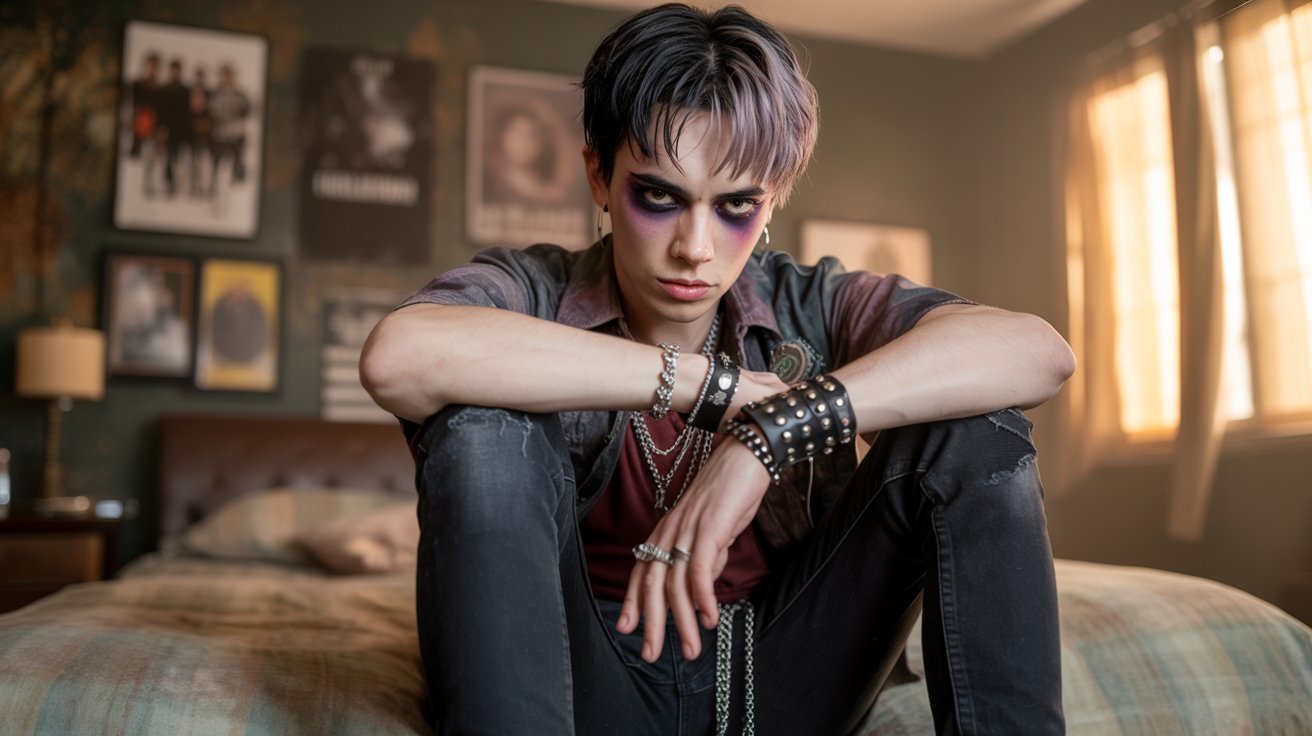
Emo goth sits right between emo and goth. It carries the emotional depth of emo music with the darker visual style of goth.
Skinny jeans, band shirts, heavy eyeliner, and side-swept hair define this look. It was huge in the mid-2000s and is making a comeback.
6. Gothic Lolita
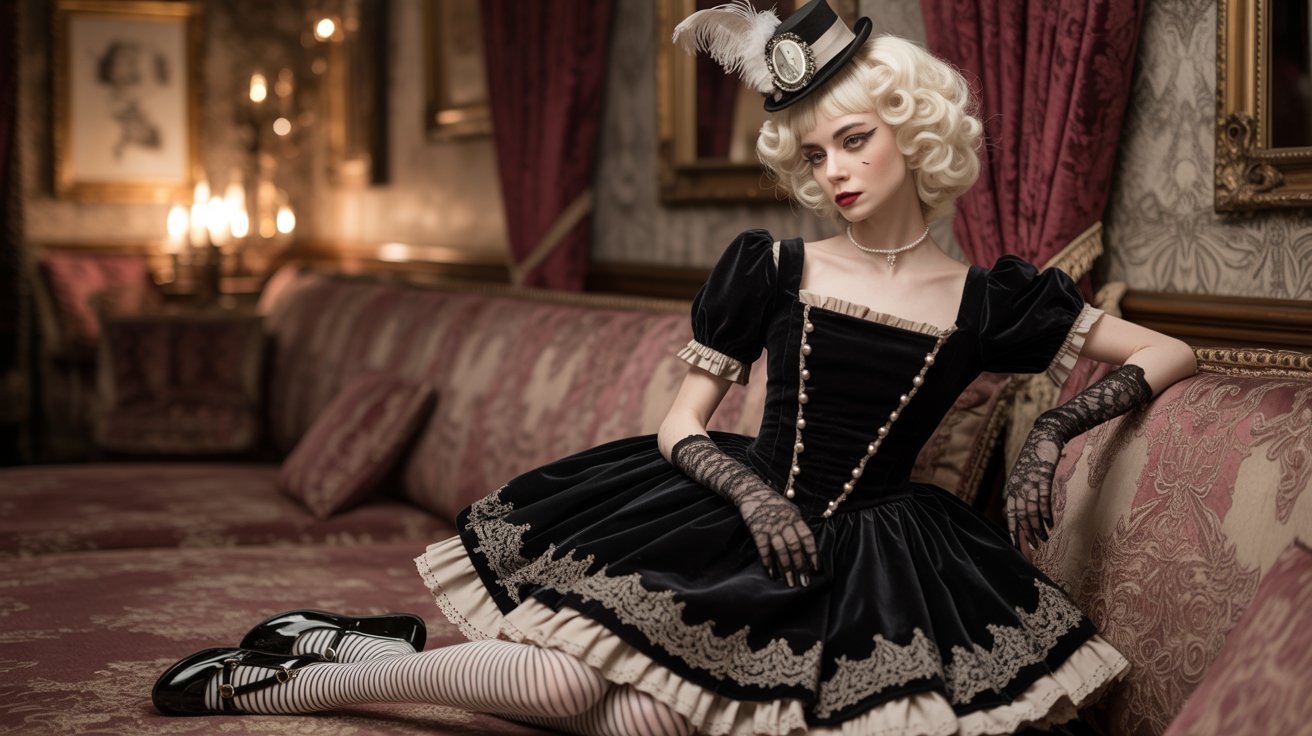
Gothic Lolita comes from Japan. It blends Victorian doll fashion with goth sensibility. Puffed skirts, lace trim, Mary Jane shoes, and dark color schemes are the hallmarks.
It is detailed, structured, and very deliberate in its styling.
7. Mall Goth
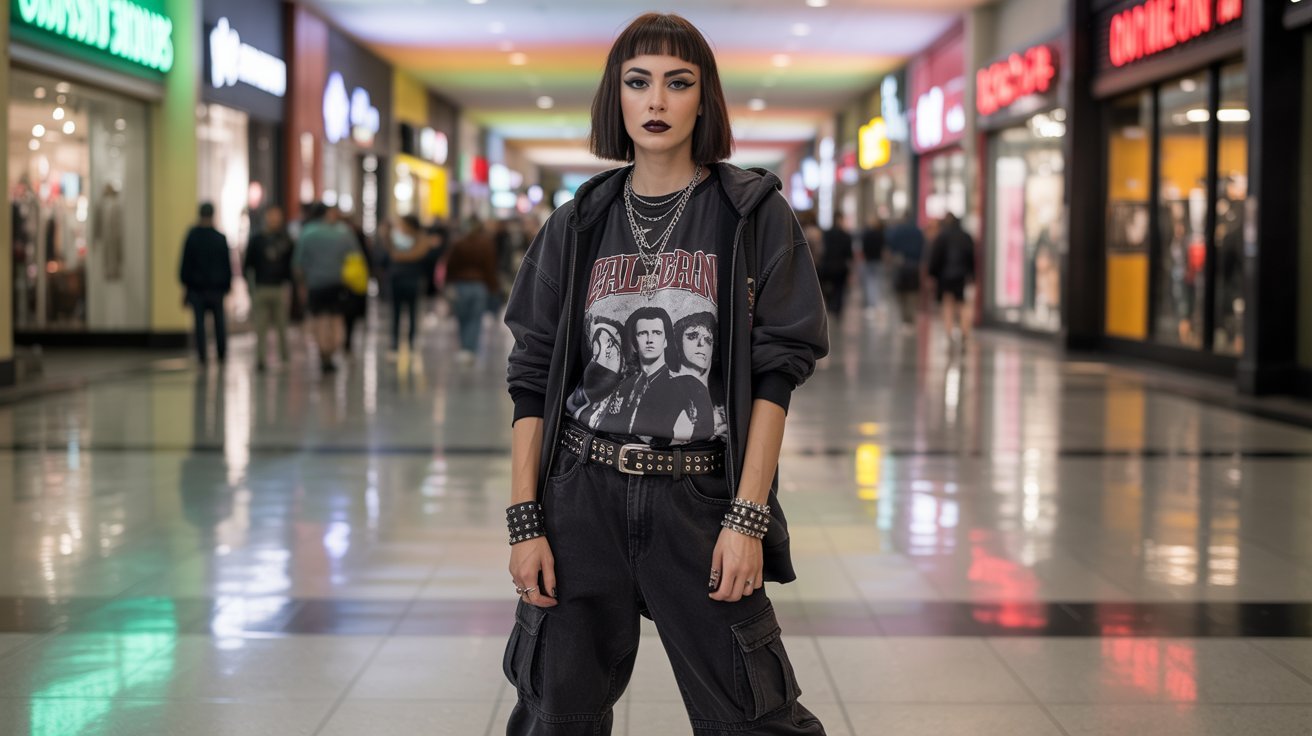
Mall goth was the mainstream version of goth that took over in the late 1990s and early 2000s. It was accessible, affordable, and often bought from stores like Hot Topic.
Baggy pants, chain accessories, platform shoes, and band tees are the staples. Many people got their start here.
8. Military Goth
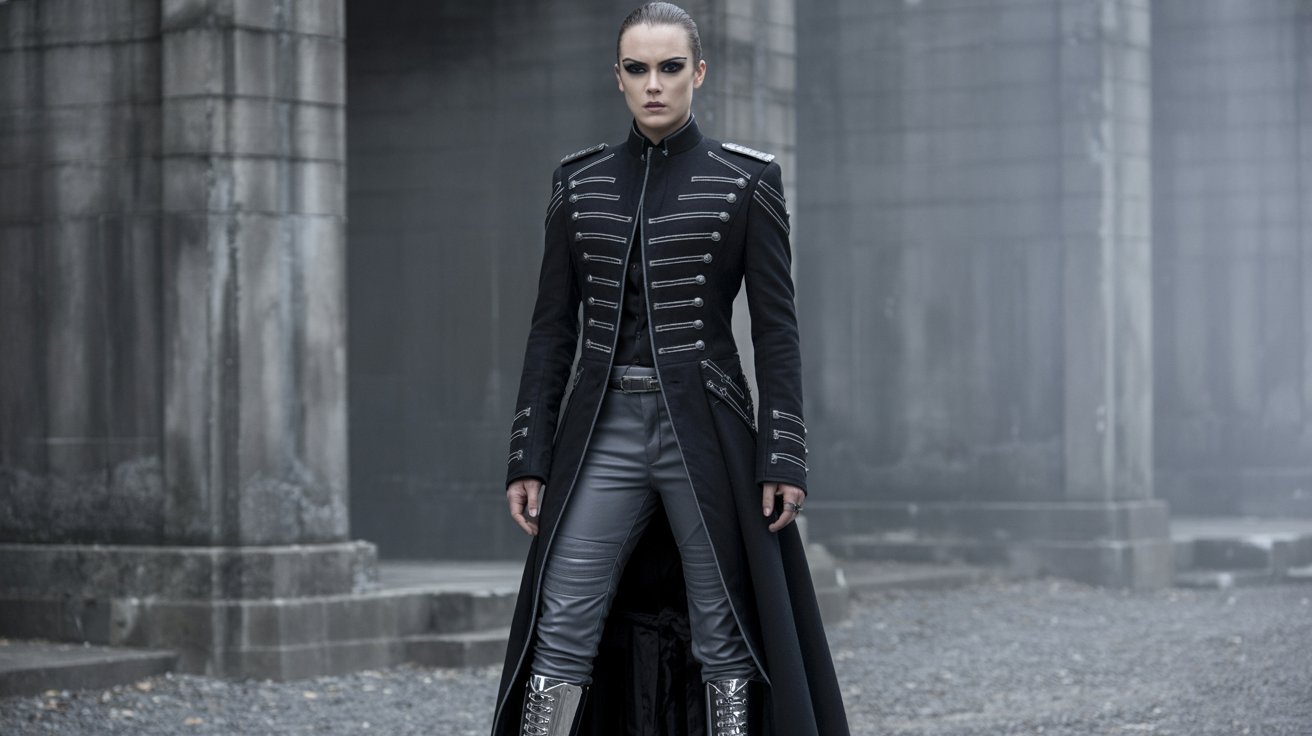
Military goth combines dark fashion with structured military details. Think long coats, boots, epaulettes, and utility belts.
The palette stays dark but the silhouette is sharp and commanding. It has a strong, authoritative energy.
9. Nu Goth
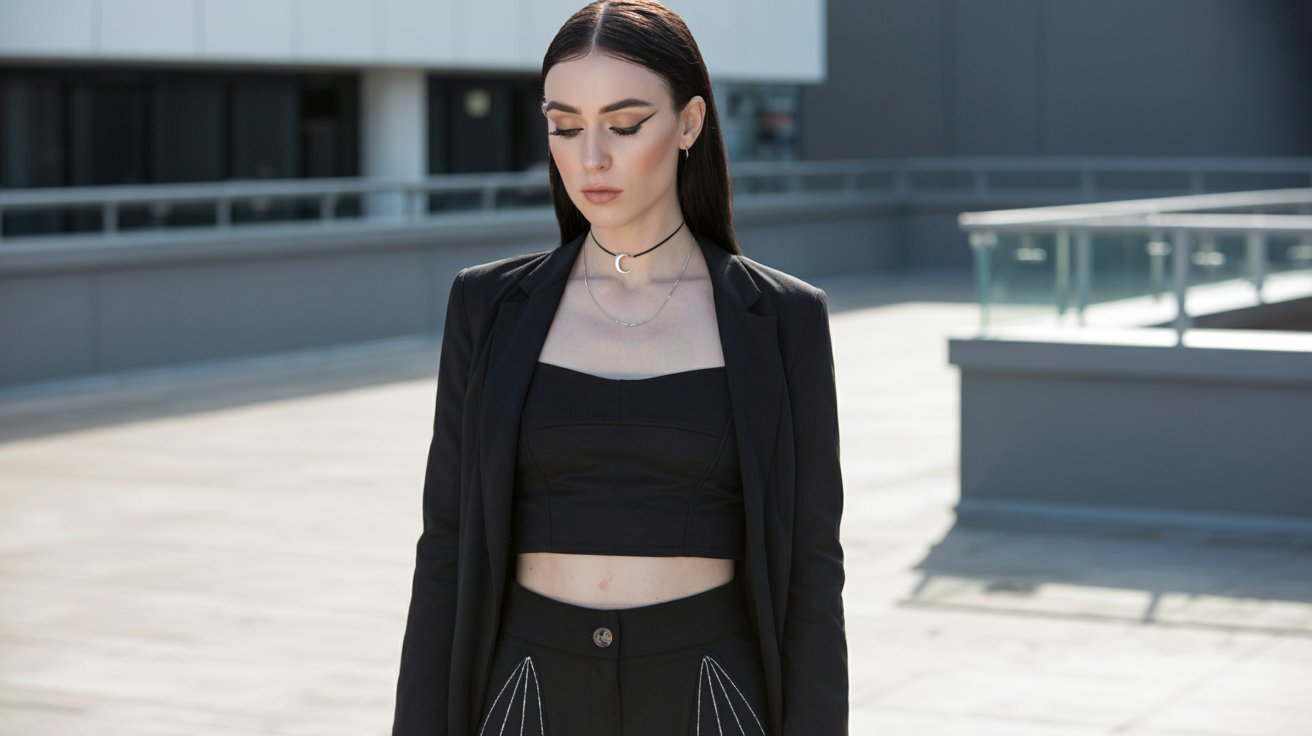
Nu goth is a modern version of goth built for the social media era. It is minimalist and clean compared to older styles.
Occult symbols, simple black clothing, pointed boots, and flat accessories define the look. Witchcore often overlaps with nu goth.
10. Boho Goth
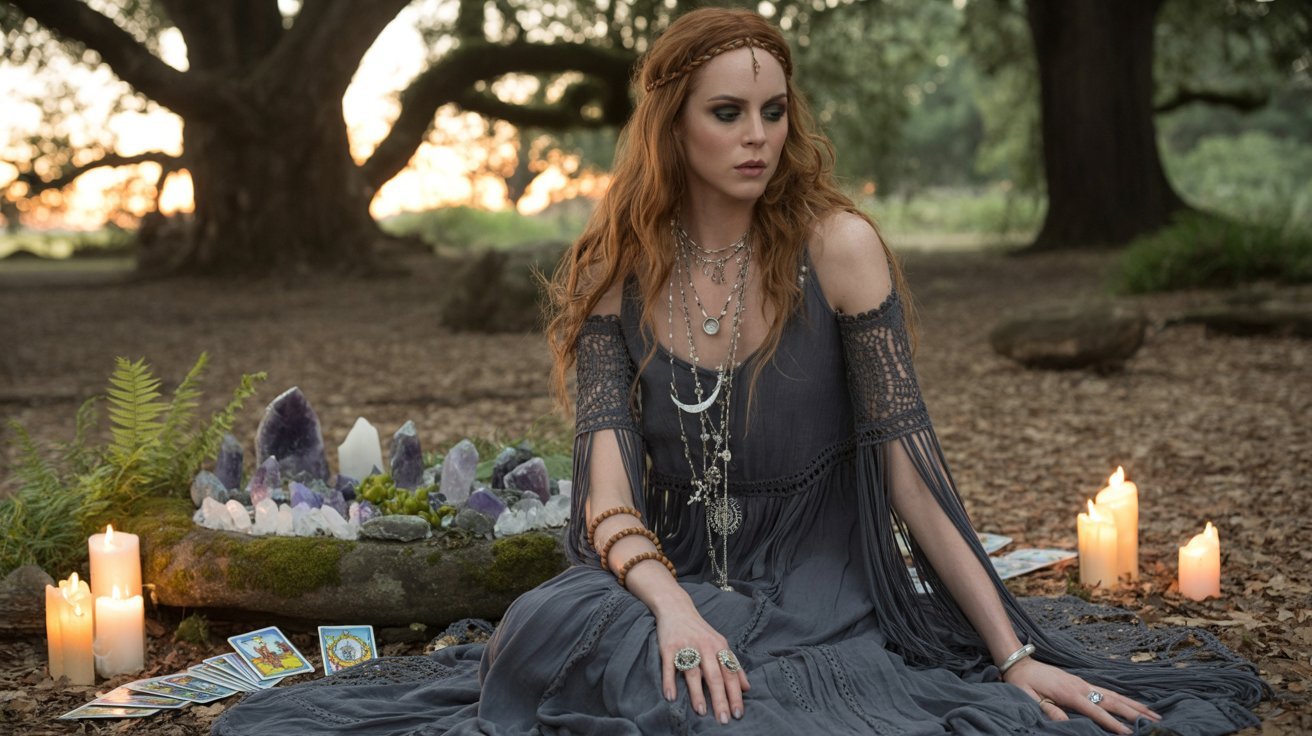
Boho goth mixes bohemian and goth elements. Flowy fabrics, earthy tones, fringe, and crystal jewelry appear alongside dark themes.
It is softer and more nature-influenced than most goth styles. Tarot cards and mystical symbols often play a role.
11. Perky Goth
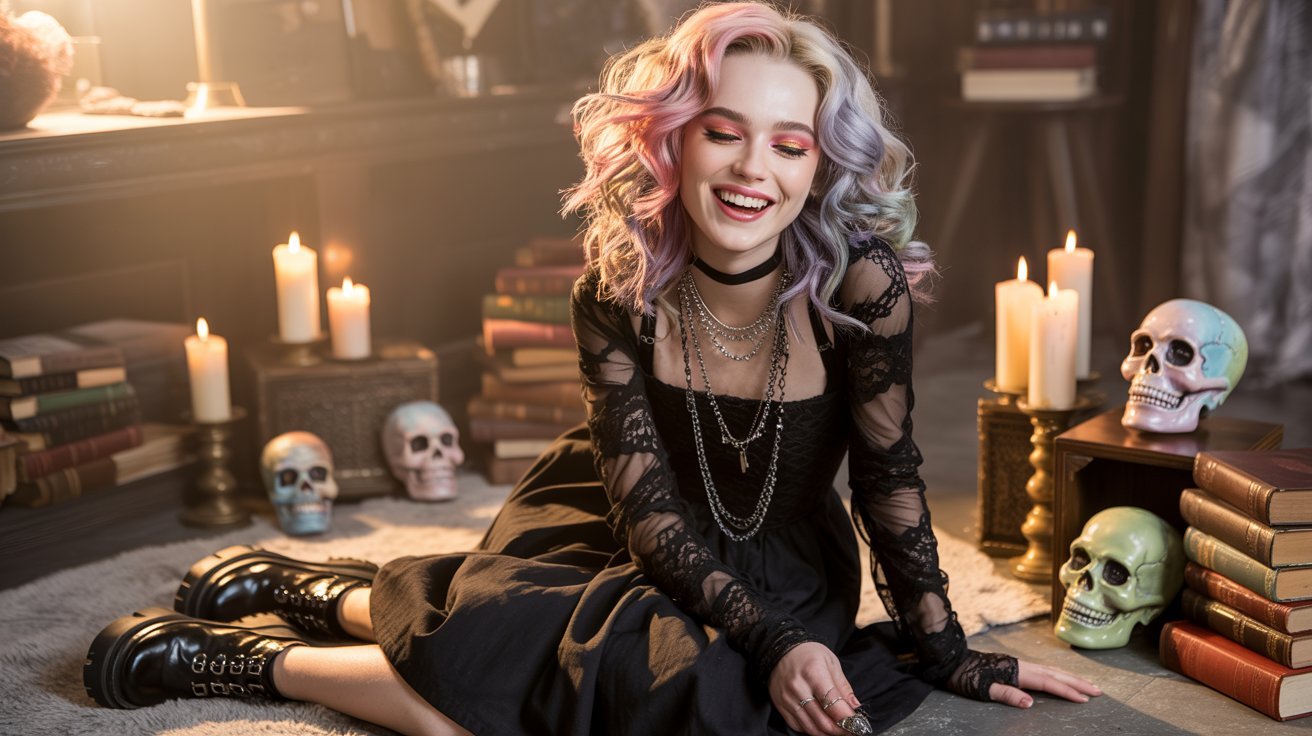
Perky goth is all about contrast. The person loves goth culture but brings a positive, upbeat energy to it.
They might wear dark clothing while smiling and joking. The philosophy is that you can love dark things and still be a happy, playful person.
12. Romantic Goth
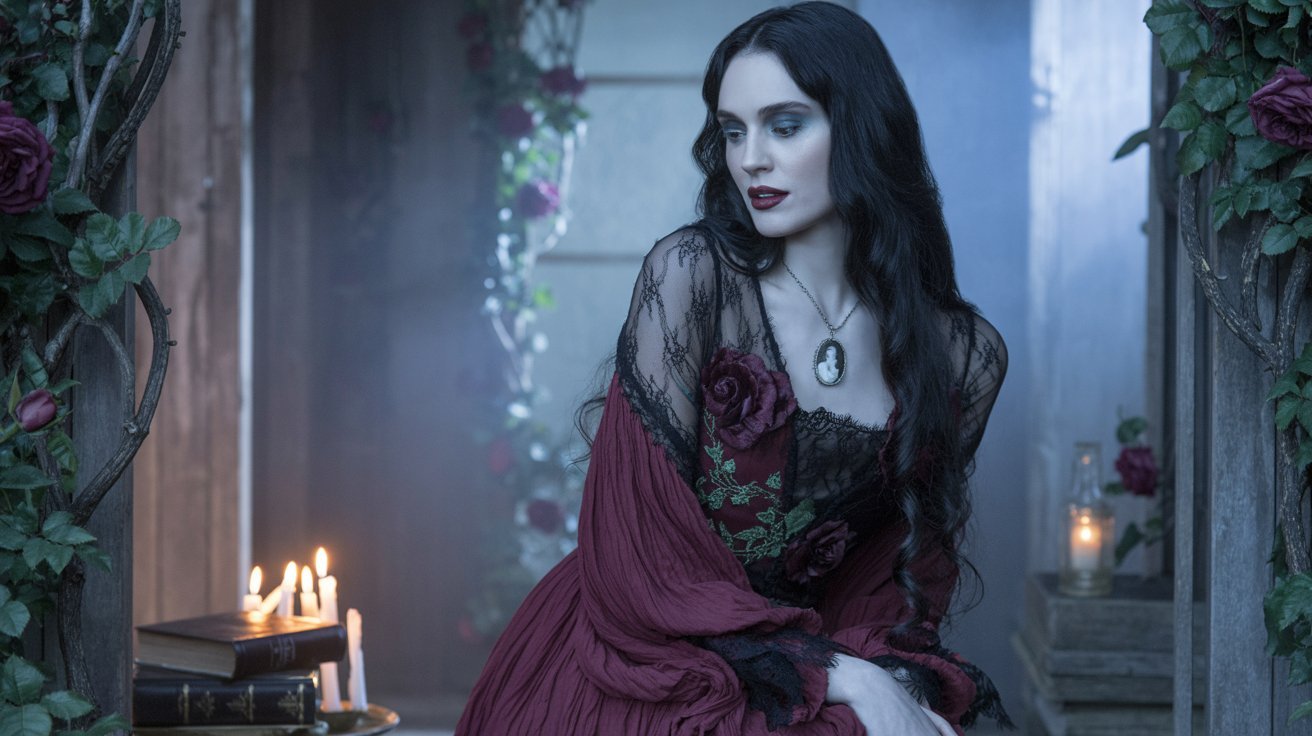
Romantic goth draws from Gothic literature and Victorian romanticism. Dark florals, flowing fabrics, deep reds, and poetic imagery define the look.
It is moody, passionate, and highly personal. This style feels like something out of a Poe story.
13. Soft Goth

Soft goth takes the edge off traditional goth. It keeps the dark color palette but makes it more wearable and low-key.
Simple black outfits, subtle accessories, and minimal makeup create a look that is goth-influenced without being overwhelming.
14. Steampunk Goth
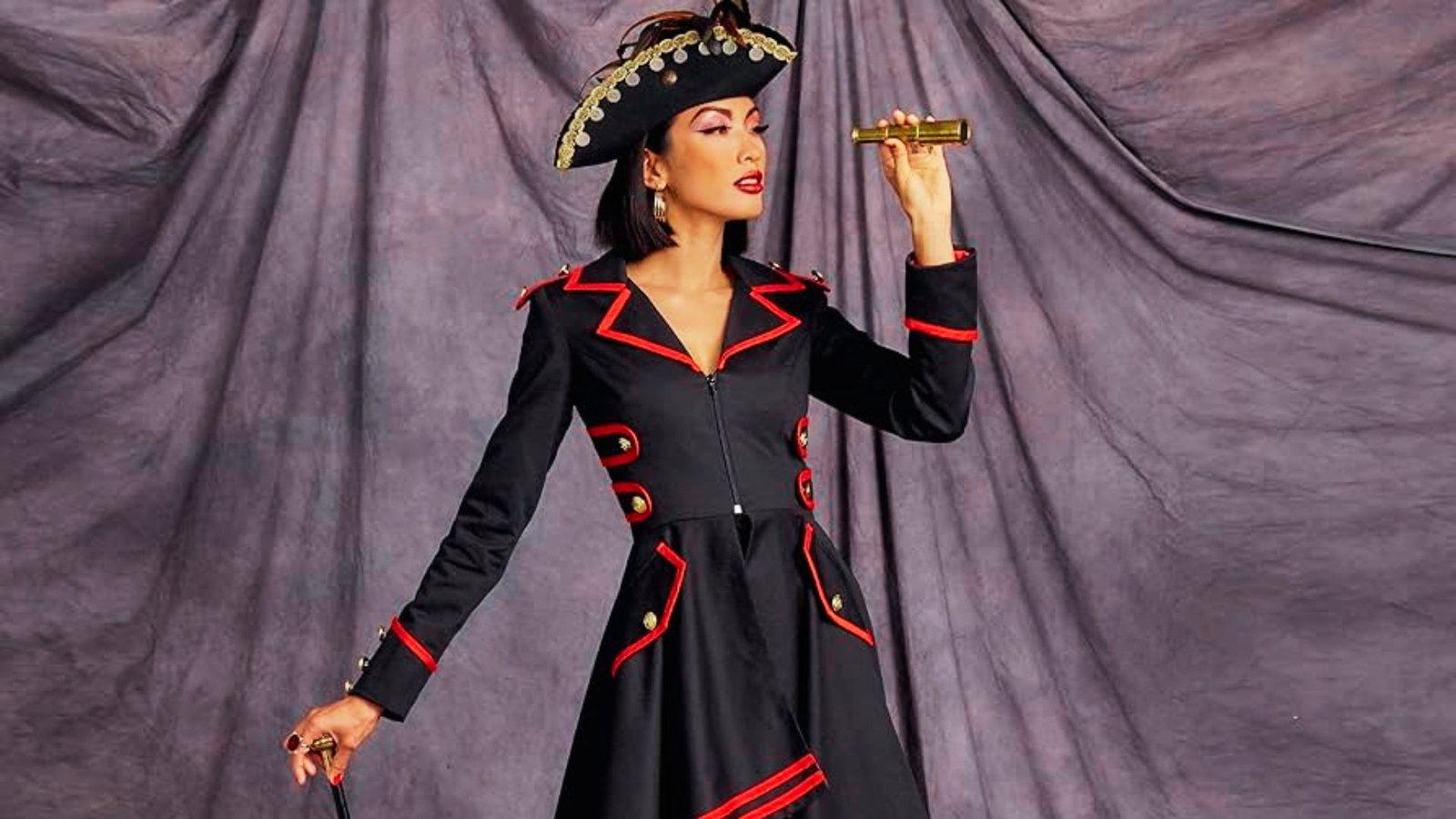
Steampunk goth blends Victorian fashion with industrial and mechanical themes. Gears, goggles, corsets, top hats, and clock accessories are central to the look.
It is creative, detailed, and often involves a lot of DIY work.
15. Cyber Goth

Cyber goth is futuristic and loud. Neon colors, PVC clothing, gas masks, platform boots, and synthetic dreadlocks create a striking visual.
It pulls from industrial music and rave culture. The energy is intense and unapologetic.
16. Vampire Goth
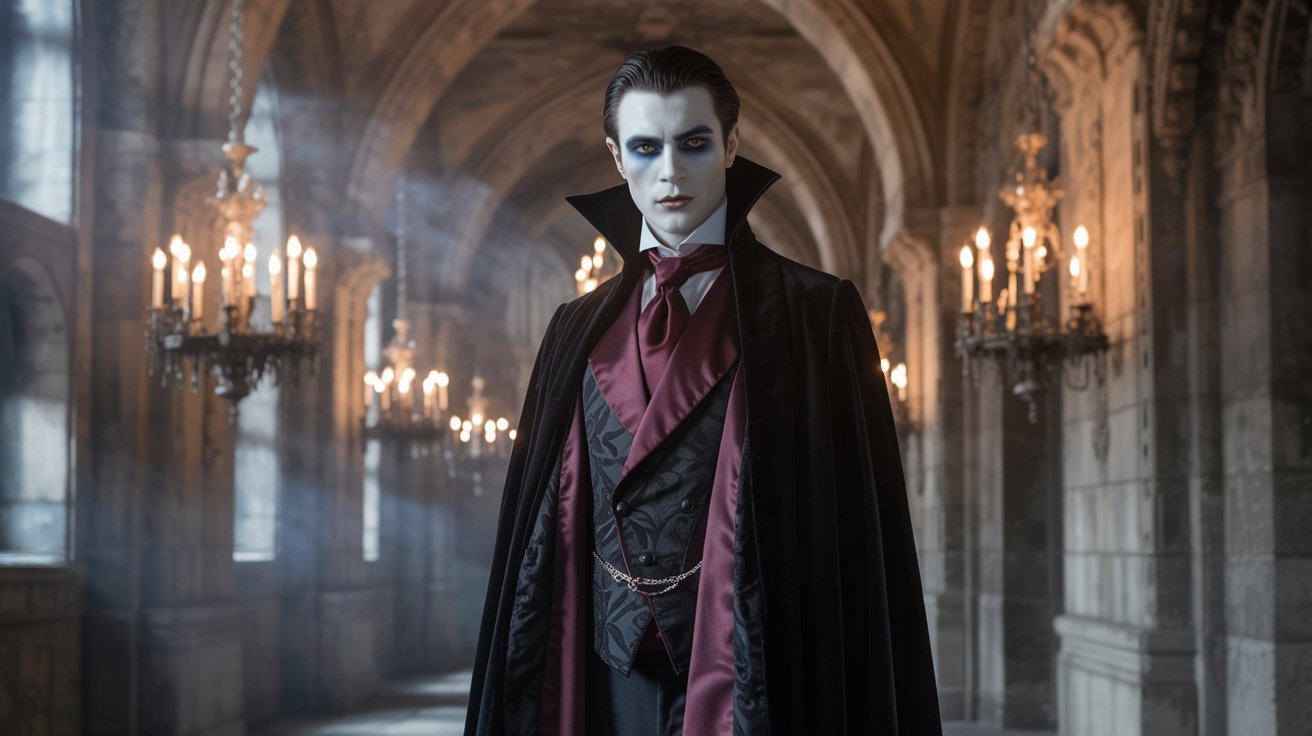
Vampire goth leans fully into vampire mythology. Long capes, fangs, dramatic collars, blood-red accents, and pale skin tones define the look.
It is theatrical and immersive. Fans of Anne Rice and classic horror films love this style.
17. Glam Goth
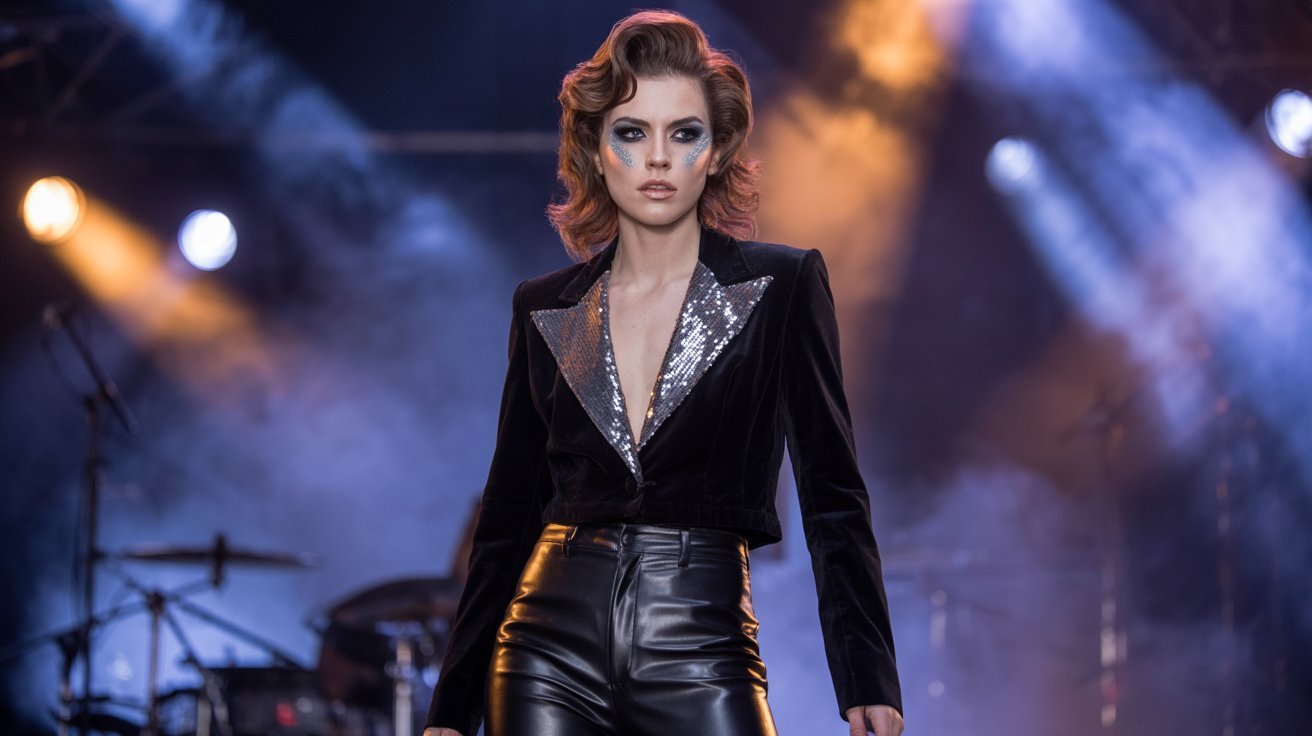
Glam goth mixes the drama of glam rock with goth sensibility. Think David Bowie meets The Sisters of Mercy.
Bold makeup, glitter, platform shoes, and dark but flashy clothing make up the look. It is dark but wants to be seen.
18. Health Goth

Health goth is one of the more recent styles. It blends goth with athletic wear. Dark sportswear, technical fabrics, and minimalist design create a look that is functional but still goth in spirit.
It started as an internet movement around 2014.
19. Whimsigoth
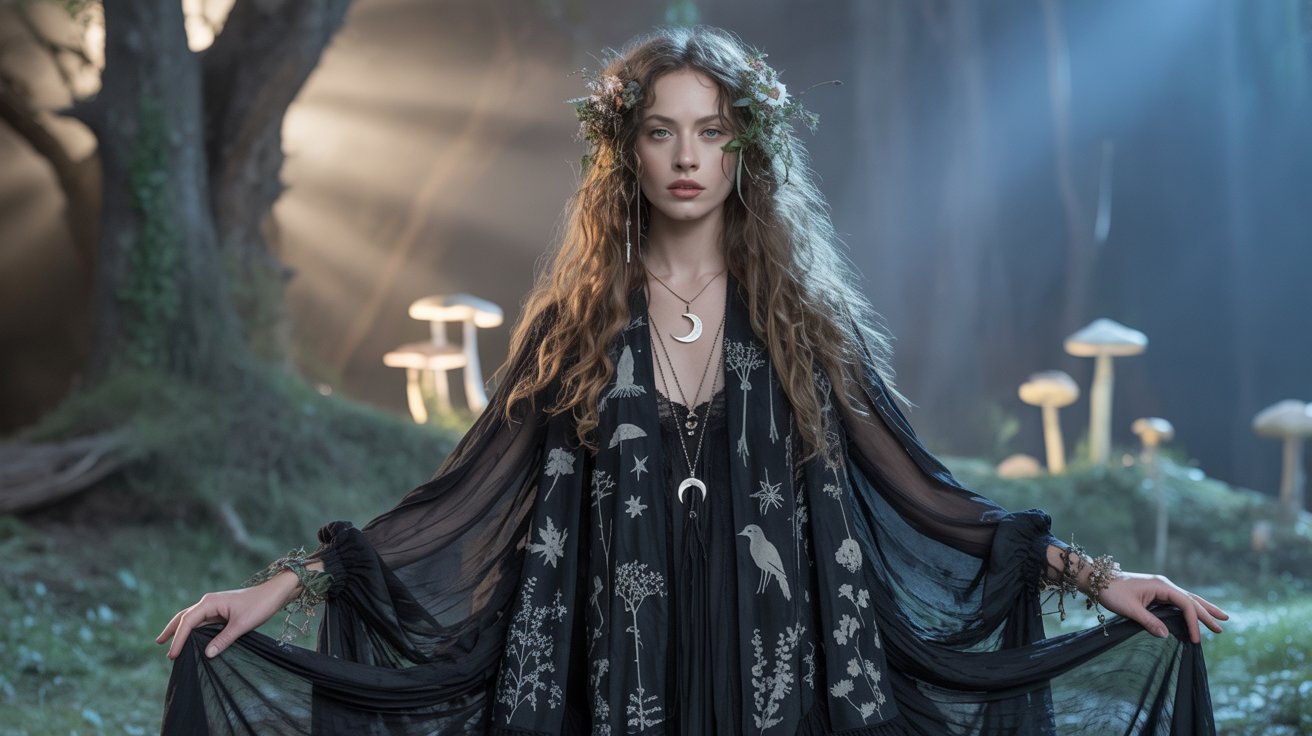
Whimsigoth is playful and dark at the same time. It mixes fairy tale imagery with goth themes.
Mushrooms, crows, moons, and botanical prints appear alongside dark clothing and witchy accessories. It feels like a dark fairy tale brought to life.
20. Aristocrat Goth
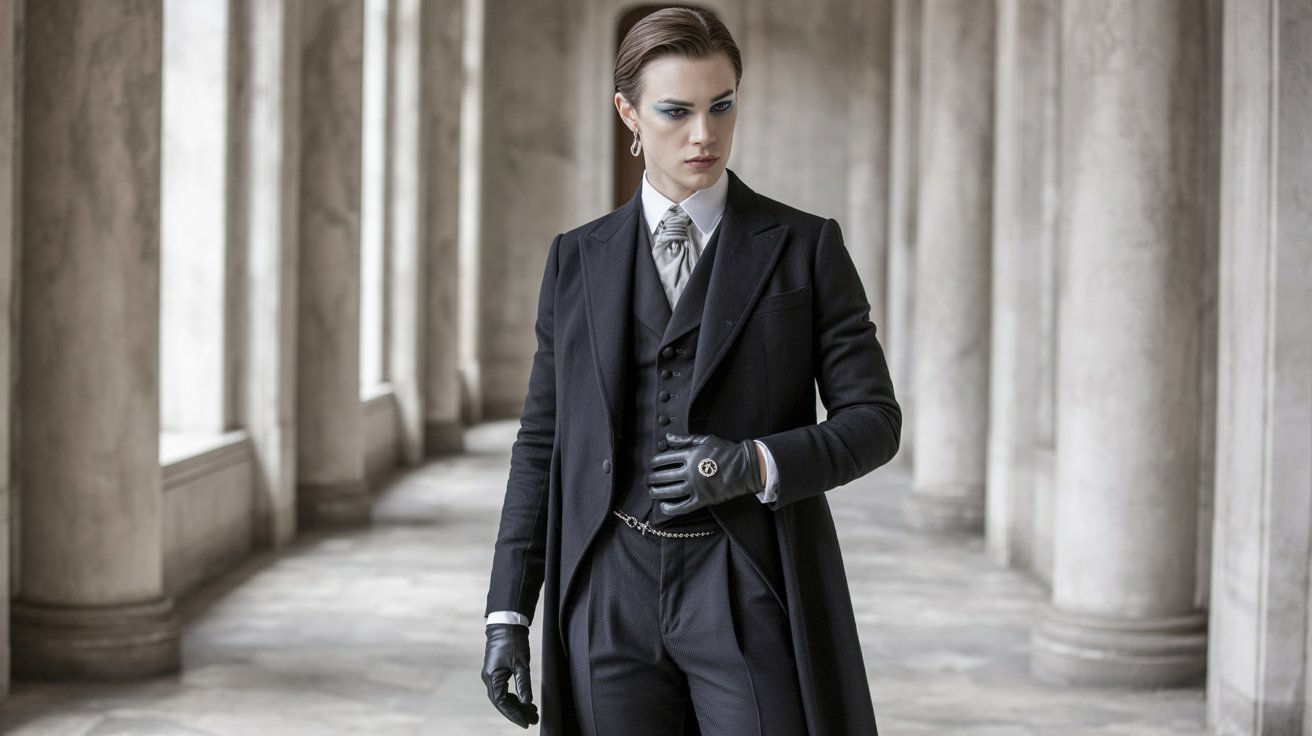
Aristocrat goth is formal and refined. It draws from high fashion and historical aristocracy. Long structured coats, fitted trousers, cravats, and white dress shirts define the look.
It is less theatrical than Victorian goth and more understated.
21. Haute Goth (Avant-Garde Goth)
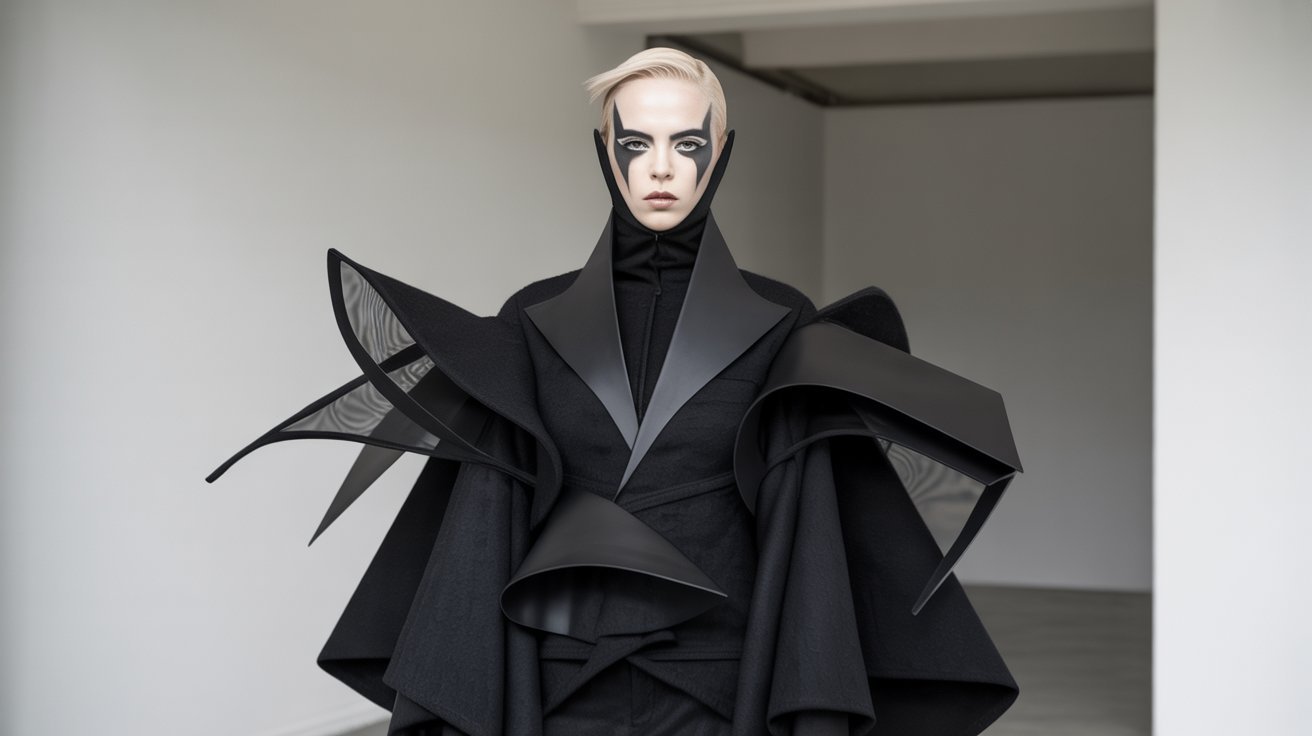
Haute goth pushes goth into high fashion territory. It takes cues from avant-garde designers like Rick Owens and Yohji Yamamoto.
The shapes are architectural and unexpected. It is goth as art.
22. Fairy Goth (Faegoth)
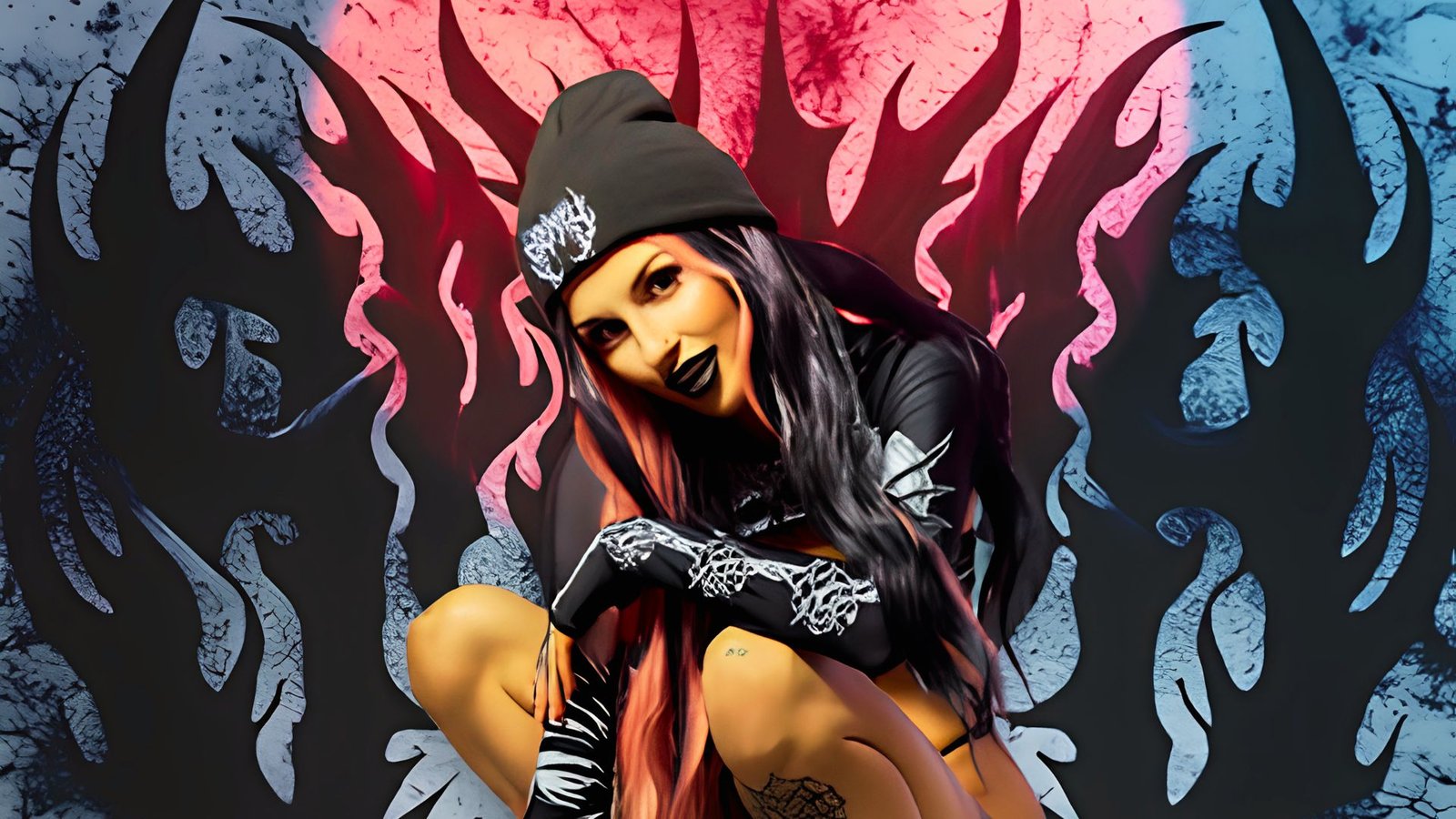
Fairy goth blends the world of fairies with goth culture. Flowy fabrics, nature-influenced accessories, dark floral prints, and pointed ears or wings are part of the look.
It is imaginative and leans into fantasy themes.
23. Industrial Goth
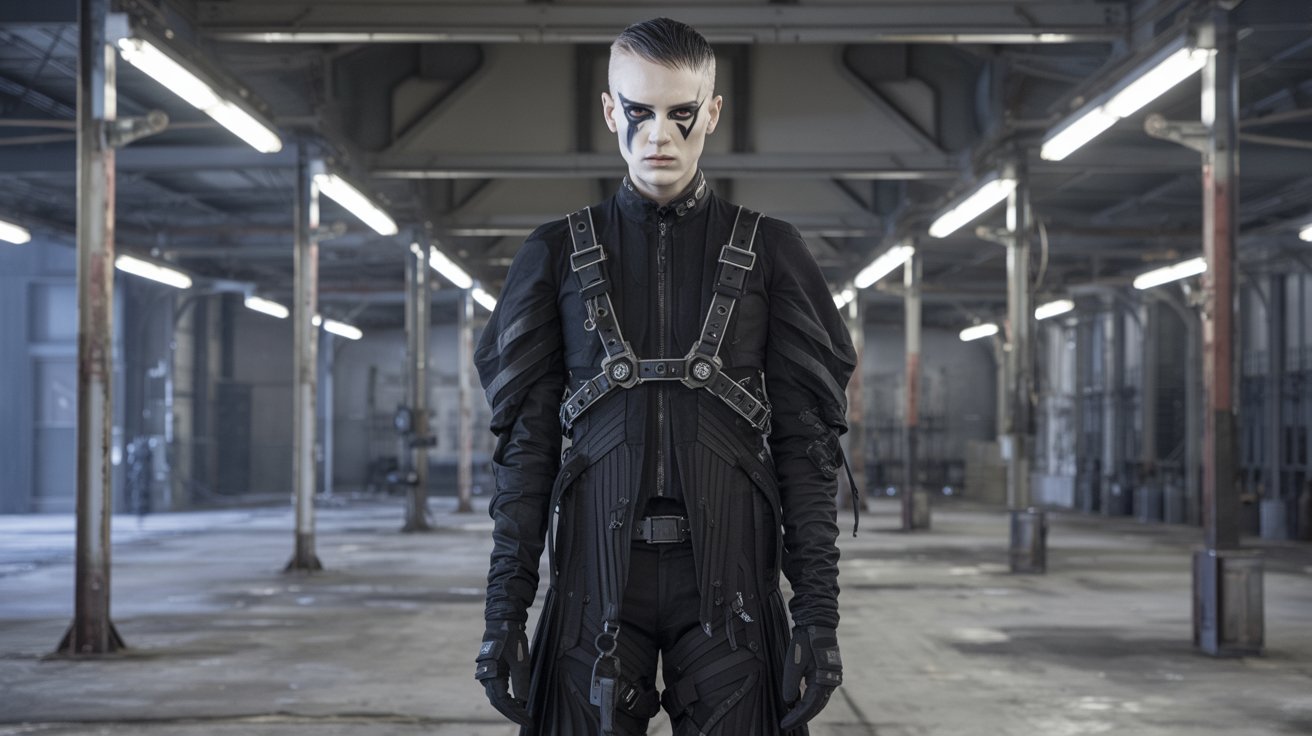
Industrial goth is dark, aggressive, and machine-influenced. It pairs with industrial music from acts like Nine Inch Nails and Skinny Puppy.
Heavy boots, military-style clothing, dark technical fabrics, and bold makeup create a harsh, angular look.
Tips for Styling Different Types of Goth
You do not need to spend a lot of money or follow strict rules to build a goth look.
- Start with basic black wardrobe pieces like jeans, tees, and a jacket
- Mix textures like lace, leather, and mesh to add depth to your outfit
- Use accessories like chokers, rings, and layered necklaces to define your style
- Try different makeup looks to find what matches your chosen goth type
- Shop at thrift stores and DIY pieces to save money and stay original
- Blend two or more goth styles together if you feel drawn to more than one
- Focus on confidence and self-expression rather than following strict rules
Conclusion
Goth is one of the most personal subcultures out there. No two people look exactly alike, and that is the whole point.
I remember feeling lost when I first got into goth. There were so many styles and I did not know where to start. Over time, I realized that mixing what felt right was always better than copying a look exactly.
Your version of goth is valid. Now go build it.
If this guide helped you, drop a comment below and share which type of goth speaks to you most!
Frequently Asked Questions
What are the most popular types of goth?
Traditional goth, pastel goth, and nu goth are among the most widely recognized styles today. They each have large, active communities online and offline.
Can you mix different types of goth styles?
Yes, absolutely. Many people blend two or more styles to create something personal. There are no strict rules that say you must stick to just one.
Are goth styles expensive to follow?
Not at all. Thrift stores, DIY projects, and budget-friendly brands make goth fashion very accessible. You can build a strong wardrobe without spending a lot.
What is the easiest goth style for beginners?
Soft goth and nu goth are great starting points. Both are minimalist and easy to build with basic black clothing and a few key accessories.
What are the different types of goth looks?
Goth looks range from dramatic and theatrical to soft and minimal. Each type has its own color palette, clothing choices, makeup style, and overall vibe that sets it apart.