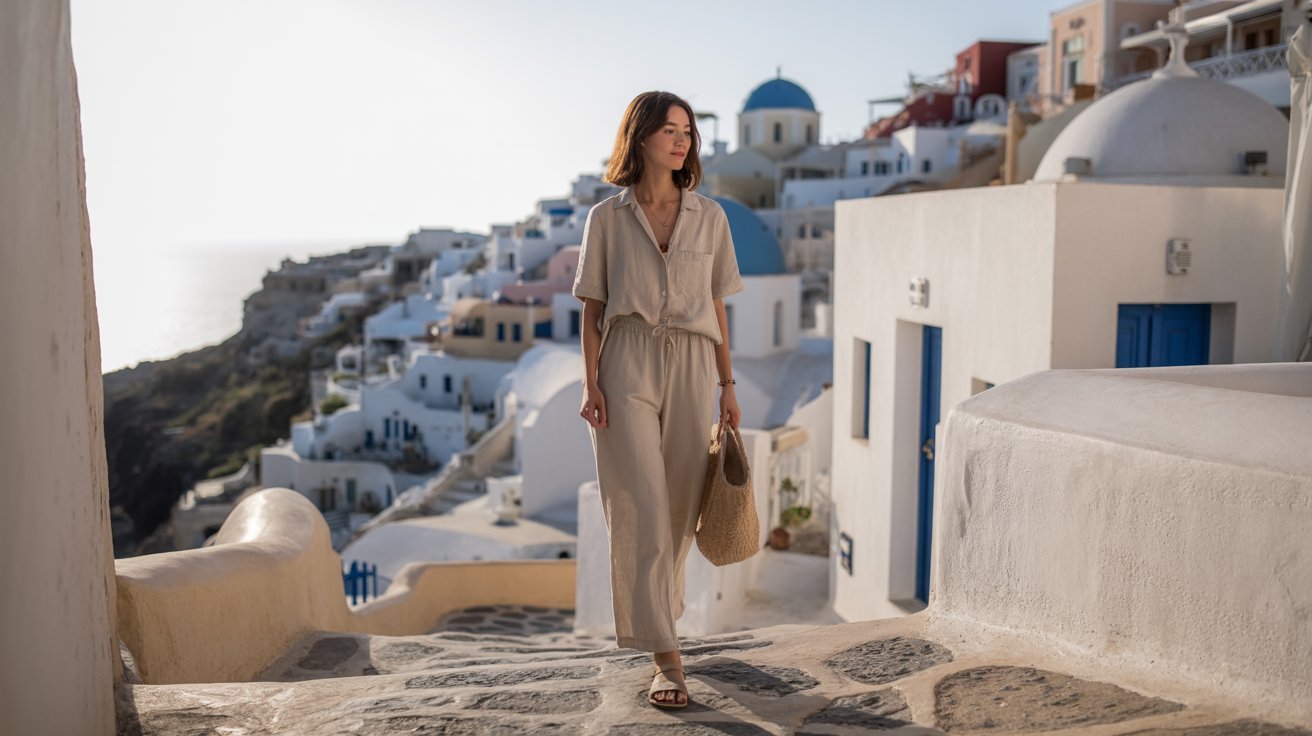
I packed all wrong for Greece on my first trip. Wrong fabrics, too many bags, and I stood out as a tourist the moment I stepped off the plane.
So I put this guide together to help you avoid that. Greece clothing style is about comfort, practicality, and fitting in, not keeping up with trends.
In this blog, I cover what defines local style, how it shifts by season, a full packing list, traditional versus modern looks, a tourist versus local comparison, and what to wear at specific destinations like Athens and Santorini.
This guide is based on time spent across Athens and multiple Greek islands, combined with direct observation of how locals actually dress day to day.
What Defines Greece Clothing Style Today?
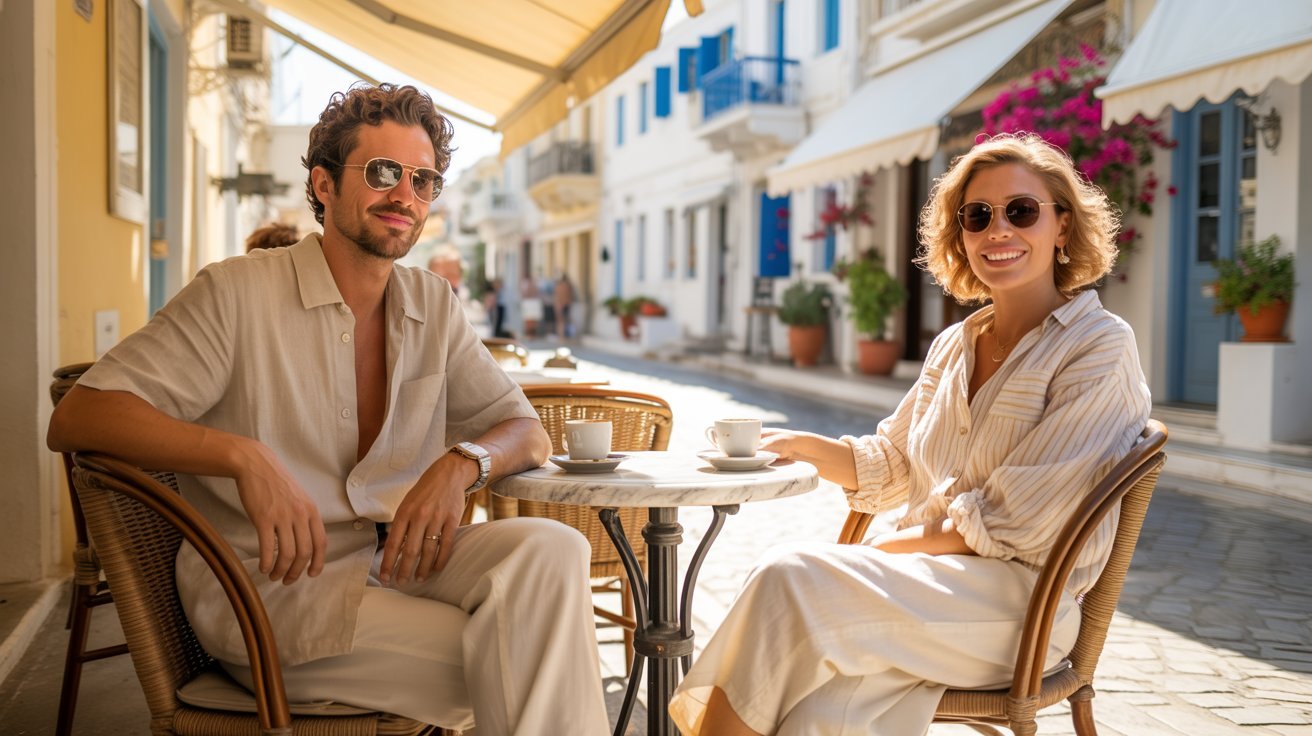
Greece clothing style is built on breathable fabrics, neutral tones, relaxed fits, and a balance between comfort and understated appeal.
It reflects Mediterranean practicality more than trend-driven fashion.
Locals do not chase looks. They dress in ways that work for the heat, the cobblestones, and long evenings outdoors. Clean, simple, and well-fitted. That is the core of it.
Greece Clothing Style by Season
The right outfit changes a lot depending on when you visit, so plan around the season, not just the destination.
Spring (March to May)

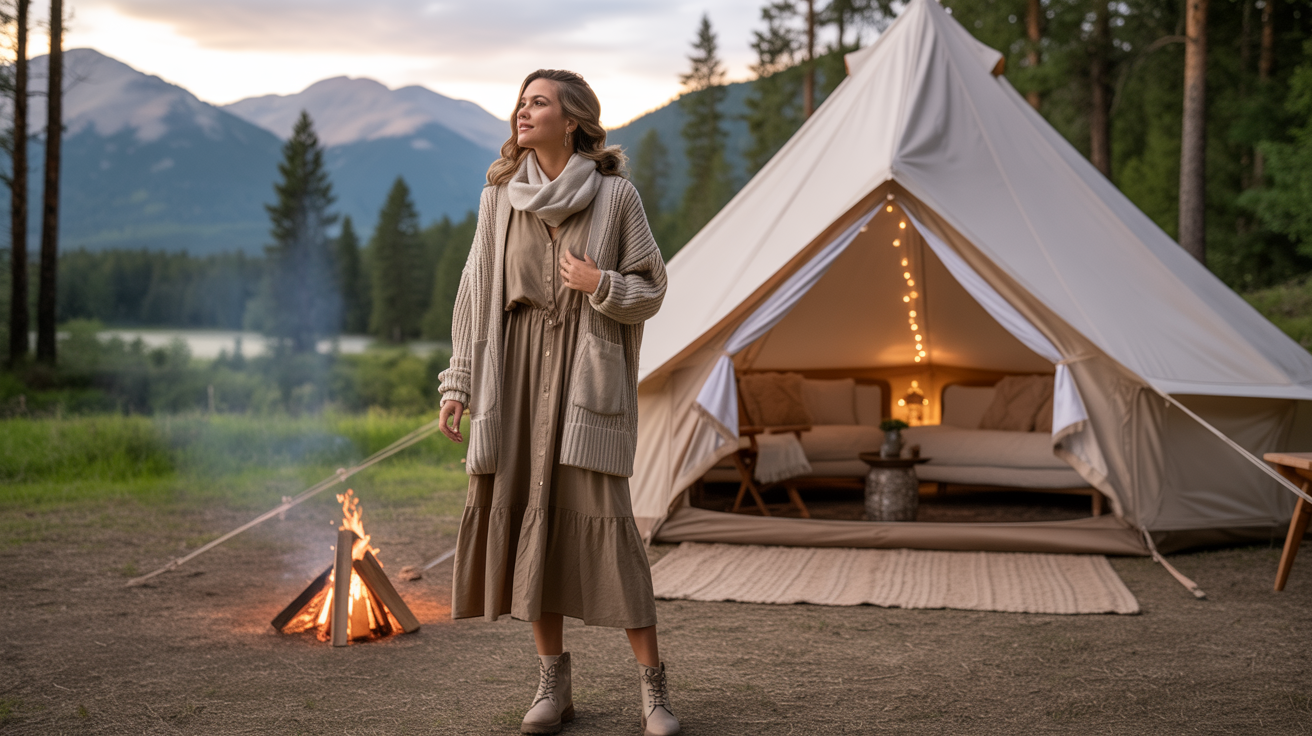
Spring is mild but inconsistent. Mornings stay cool while afternoons warm up fast. Light jeans, cotton trousers, and a cardigan work well. Comfortable walking shoes are a must.
Greece Clothing Style Summer Outfits (June to August)
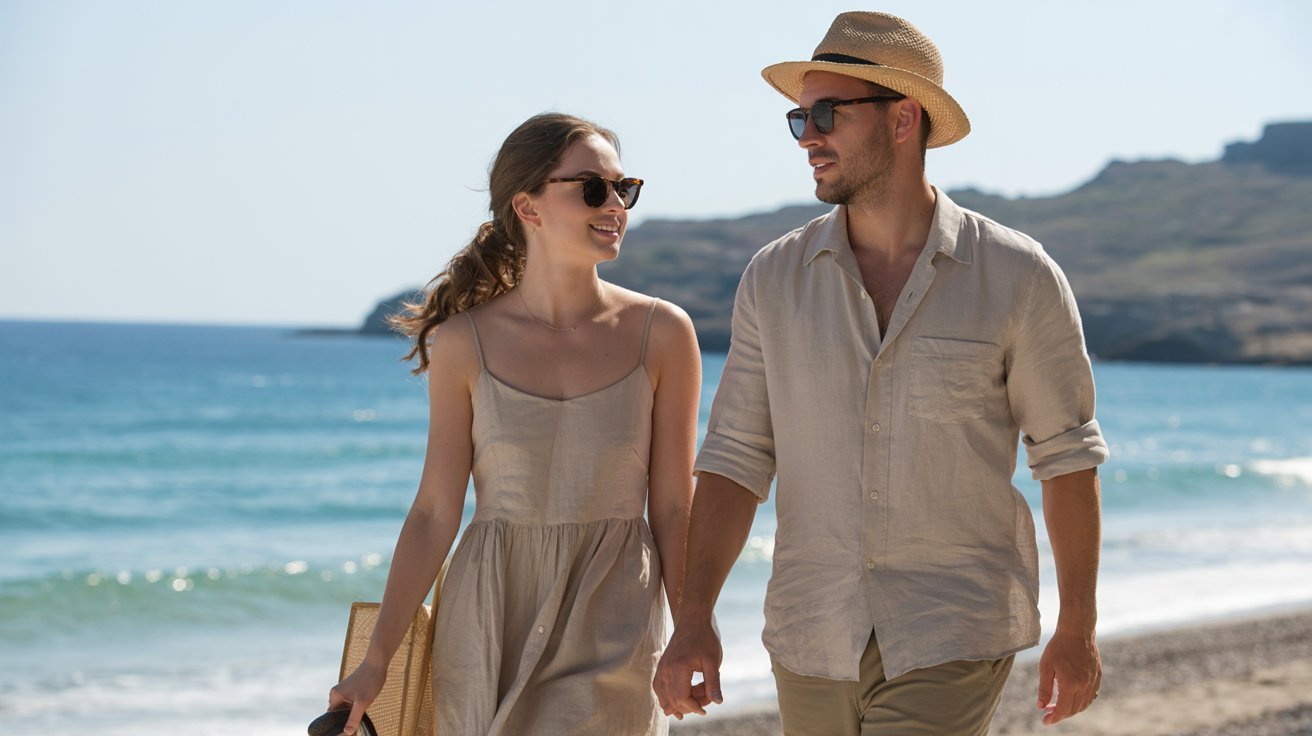
Greece clothing style in summer is all about linen and loose cotton. Anything else and you will overheat fast. Sundresses, linen shirts, and flat sandals are the standard local look. A wide-brimmed hat and sunglasses are part of the daily outfit here, not an afterthought.
Fall (September to November)
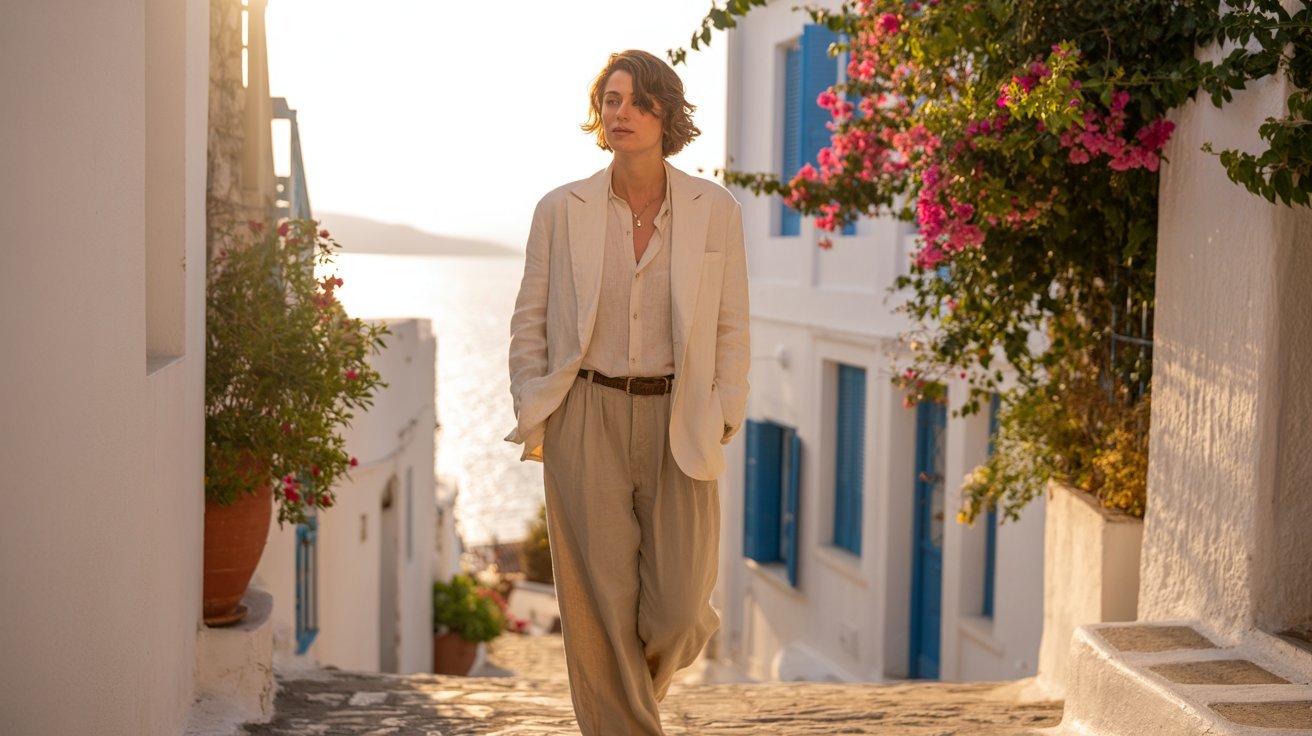
Early fall still carries summer heat. By October, evenings cool down noticeably. A denim jacket or a linen blazer handles both. One layer takes you from a beach town to dinner without overthinking it.
Winter (December to February)
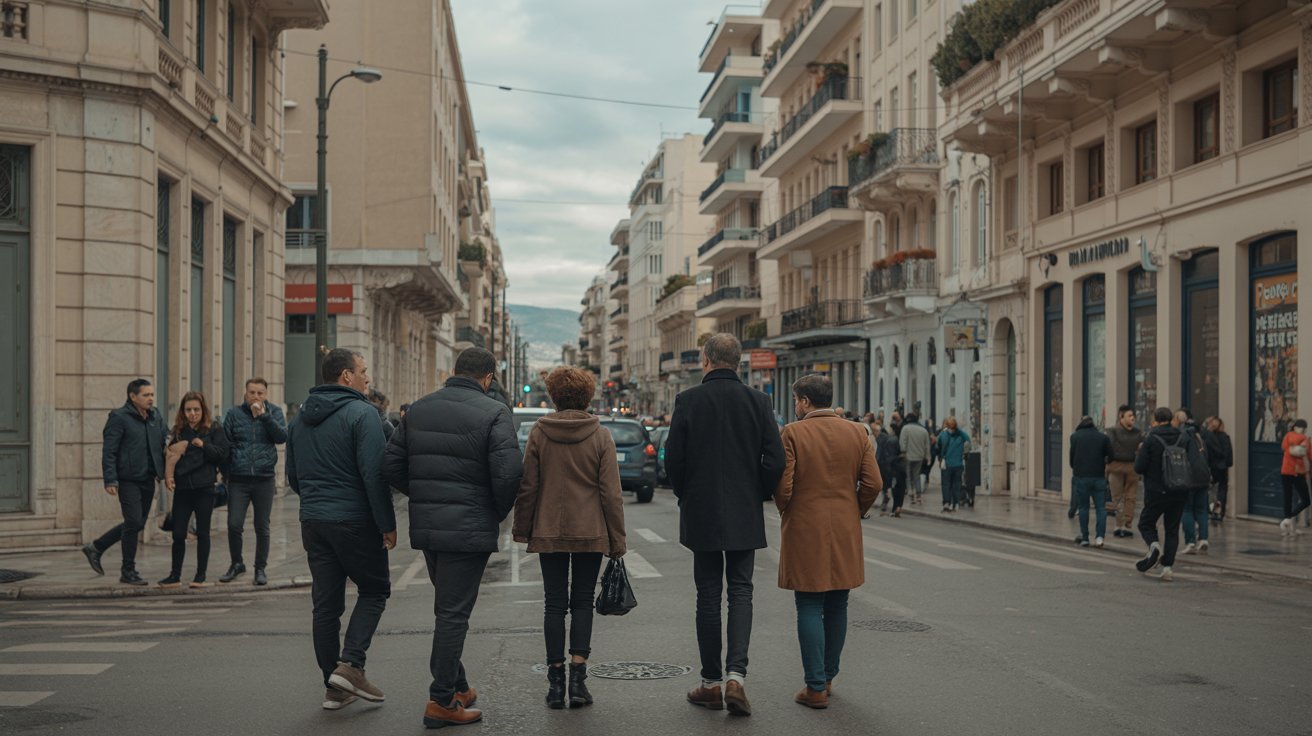
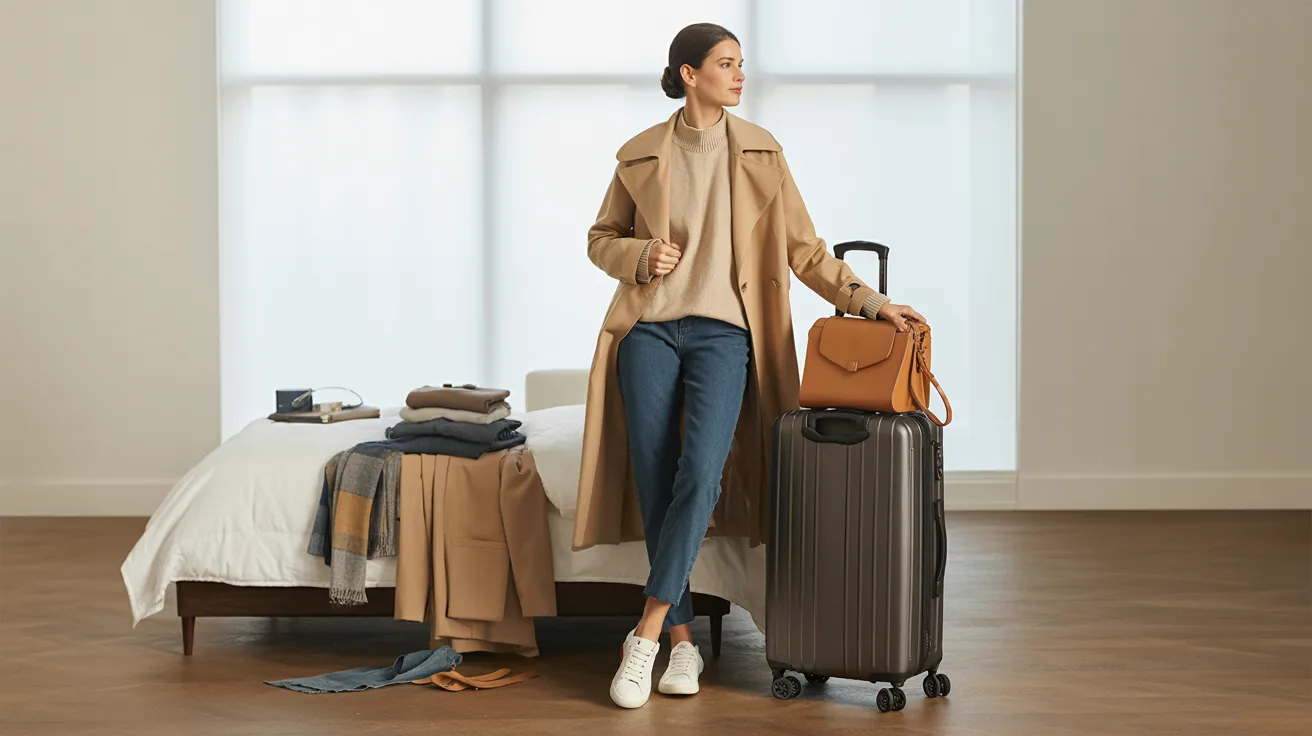
Athens gets genuinely cold in winter. Locals wear coats, scarves, and boots. Pack like you would for a mild European winter and leave the resort wear behind.
Traditional vs Modern Greece Clothing Style
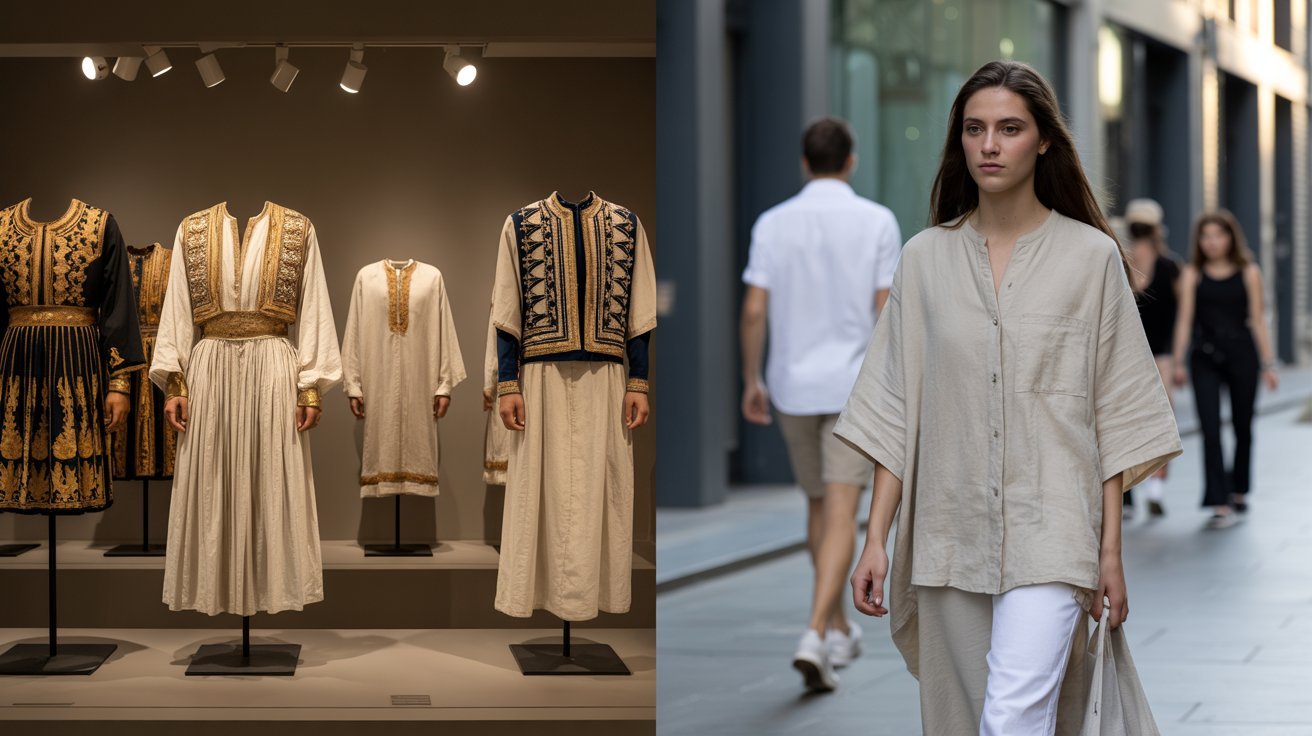
A lot of people searching Greece clothing style are also curious about the cultural side. That is worth covering properly.
Traditional Greek clothing varied by region. It typically included embroidered tunics, layered skirts, handwoven textiles, and regional patterns tied to festivals and rural life. You can still see these at folk events and museums across the country.
Modern Greece clothing style has shifted toward Mediterranean minimalism. Linen, simple cuts, neutral palettes, and practical footwear have replaced the layered traditional pieces for everyday wear.
The thread connecting old and new: quality over flash. That has always been part of dressing in Greece.
Tourist vs Local Greece Clothing Style
Here is the fastest way to see the gap between how tourists and locals actually dress. These differences are small but noticeable the moment you land.
The local approach is not about spending more. It is about choosing better.
| Tourist Look | Local Look |
|---|---|
|
Loud prints |
Neutral tones |
|
Flip flops in the city |
Leather sandals |
|
Athletic wear everywhere |
Smart casual basics |
|
Backpacks |
Totes or crossbody bags |
|
Over-packed outfits |
Clean, minimal layers |
|
Branded logowear |
Plain, well-fitted basics |
One swap from that left column to the right can shift how you read in a crowd instantly.
Greece Clothing Style Packing List for Tourists (5 to 7 Day Trip)
This packing list covers the Greece clothing style for tourists visiting for five to seven days. It works across beach days, city walks, and evening outings without overpacking.
Greece Clothing Style for Women
Linen or cotton sundresses. Light trousers or cropped pants. A wrap or cotton scarf. Low-heeled sandals. One smart-casual outfit for evenings. A swimsuit and a cover-up.
Greece Clothing Style for Men
Linen shorts and trousers. Light cotton shirts in neutral tones. One collared shirt for evenings. Sandals and a clean pair of sneakers. A light layer for cooler nights.
Unisex Essentials
Sunglasses. A wide-brimmed hat. A crossbody or day bag. A light rain layer for spring or fall travel.
Outfit Ideas to Blend in with Locals
For daytime sightseeing: linen trousers, a plain cotton tee, and leather sandals. Simple and practical.
For evenings: swap the tee for a clean button-down or a slip dress. Greeks keep it easy but neat.
For island hopping: a cotton cover-up over a swimsuit, flat sandals, and a woven tote. Earthy tones that echo the coastal landscape always look intentional here.
What NOT to Wear in Greece (Tourist Mistakes to Avoid)
Flip flops in the city ruin your feet on cobblestones and give you away immediately. Loud graphic tees go against the understated local approach.
Sleeveless tops or shorts at churches and monasteries will get you turned away. Always carry a wrap.
Beach clothes off the beach are a common mistake. A bikini top in a market or café is a local pet peeve that is easy to avoid.
Greece Clothing Style for Popular Destinations
Greece clothing style shifts depending on where you are. Matching your outfit to the location matters more than most travelers expect.
Athens
Athens is a real city. Locals dress like any Southern European urban crowd. Smart casual is the norm. Good walking shoes matter because the streets are long and uneven.
Santorini and Mykonos
These islands attract a fashion-forward crowd. Flowy dresses, linen sets, and strappy sandals fit in naturally. White and off-white pieces against the iconic island backdrop are practically the local uniform.
Greek Islands (General)
Smaller islands are relaxed. Light and practical beats stylish every time. A sun hat, flat sandals, and a cover-up cover most situations.
Religious Sites and Monasteries
Cover your shoulders and knees without exception. Carry a scarf in your bag every single day so you are never caught off guard.
Fabrics and Colors That Define Greece Clothing Style
Linen leads. It breathes, looks clean, and handles heat without clinging to your skin.
Cotton is a close second. Avoid polyester in summer as it traps heat and moisture fast.
The core color palette of Greece clothing style: white, off-white, sand, terracotta, olive green, and navy.
These tones mirror the landscape and sit naturally in the local light. Neons and loud florals pull attention for the wrong reasons.
Footwear Guide: Walk Like a Local
Leather sandals are a Greece staple worn everywhere from markets to evening walks.
For sightseeing, cushioned walking shoes or low sneakers hold up better on cobblestones.
Skip heels in island towns. The streets simply are not built for them.
Accessories That Complete the Look
A woven tote or simple leather bag works far better than a backpack for day trips. A straw or raffia hat is practical and fits local style naturally. Keep jewelry minimal.
One or two pieces are enough.
A lightweight scarf covers three needs: sun protection, evening warmth, and coverage at religious sites.
Style Tips to Instantly Look Less Like a Tourist
Buy one local piece when you arrive. A linen shirt from a market shifts the whole outfit.
Keep your palette neutral. Fit matters more than price.
A well-fitted plain outfit reads better than expensive logowear every time.
Observe before you dress. Walk around on day one and see what people are actually wearing. Then adjust.
Conclusion
Greece clothing style comes down to a few reliable rules.
Linen and cotton over synthetics. Neutral tones over loud prints. Leather sandals over flip flops in the city. Covered up at religious sites. Smart casual for evenings.
That formula works across every part of Greece in every season.
The locals here do not overthink it, and neither should you. Pack light, dress simply, and pay attention to where you are.
This guide covers everything from traditional roots to modern local looks, seasonal shifts, and destination-specific advice.
You have all the tools to avoid the tourist traps and dress with intention.
Now it is over to you: which section surprised you mos
Greece clothing style explained with packing lists, outfit ideas, and tips to dress like a local, not a tourist
Greece Clothing Style: How to Dress Like a Local
ALT TEXT: Greece clothing style with neutral linen outfit in Santorini streets
I packed all wrong for Greece on my first trip. Wrong fabrics, too many bags, and I stood out as a tourist the moment I stepped off the plane.
So I put this guide together to help you avoid that. Greece clothing style is about comfort, practicality, and fitting in, not keeping up with trends.
In this blog, I cover what defines local style, how it shifts by season, a full packing list, traditional versus modern looks, a tourist versus local comparison, and what to wear at specific destinations like Athens and Santorini.
This guide is based on time spent across Athens and multiple Greek islands, combined with direct observation of how locals actually dress day to day.
What Defines Greece Clothing Style Today?
ALT TEXT: Modern Greece clothing style with neutral tones and relaxed linen outfits
Greece clothing style is built on breathable fabrics, neutral tones, relaxed fits, and a balance between comfort and understated appeal.
It reflects Mediterranean practicality more than trend-driven fashion.
Locals do not chase looks. They dress in ways that work for the heat, the cobblestones, and long evenings outdoors. Clean, simple, and well-fitted. That is the core of it.
Greece Clothing Style by Season
The right outfit changes a lot depending on when you visit, so plan around the season, not just the destination.
Spring (March to May)
ALT TEXT: Spring outfit in Greece with light layers and casual European style
Spring is mild but inconsistent. Mornings stay cool while afternoons warm up fast. Light jeans, cotton trousers, and a cardigan work well. Comfortable walking shoes are a must.
Greece Clothing Style Summer Outfits (June to August)
ALT TEXT: Summer outfits in Greece with linen clothes and beachside style
Greece clothing style in summer is all about linen and loose cotton. Anything else and you will overheat fast. Sundresses, linen shirts, and flat sandals are the standard local look. A wide-brimmed hat and sunglasses are part of the daily outfit here, not an afterthought.
Fall (September to November)
ALT TEXT: Fall outfit in Greece with light layers and neutral tones
Early fall still carries summer heat. By October, evenings cool down noticeably. A denim jacket or a linen blazer handles both. One layer takes you from a beach town to dinner without overthinking it.
Winter (December to February)
ALT TEXT: Winter clothing style in Athens with coats and scarves
Athens gets genuinely cold in winter. Locals wear coats, scarves, and boots. Pack like you would for a mild European winter and leave the resort wear behind.
Traditional vs Modern Greece Clothing Style
ALT TEXT: Traditional vs modern Greece clothing style comparison
A lot of people searching Greece clothing style are also curious about the cultural side. That is worth covering properly.
Traditional Greek clothing varied by region. It typically included embroidered tunics, layered skirts, handwoven textiles, and regional patterns tied to festivals and rural life. You can still see these at folk events and museums across the country.
Modern Greece clothing style has shifted toward Mediterranean minimalism. Linen, simple cuts, neutral palettes, and practical footwear have replaced the layered traditional pieces for everyday wear.
The thread connecting old and new: quality over flash. That has always been part of dressing in Greece.
Tourist vs Local Greece Clothing Style
Here is the fastest way to see the gap between how tourists and locals actually dress. These differences are small but noticeable the moment you land.
The local approach is not about spending more. It is about choosing better.
| Tourist Look | Local Look |
|---|---|
|
Loud prints |
Neutral tones |
|
Flip flops in the city |
Leather sandals |
|
Athletic wear everywhere |
Smart casual basics |
|
Backpacks |
Totes or crossbody bags |
|
Over-packed outfits |
Clean, minimal layers |
|
Branded logowear |
Plain, well-fitted basics |
One swap from that left column to the right can shift how you read in a crowd instantly.
Greece Clothing Style Packing List for Tourists (5 to 7 Day Trip)
This packing list covers the Greece clothing style for tourists visiting for five to seven days. It works across beach days, city walks, and evening outings without overpacking.
Greece Clothing Style for Women
Linen or cotton sundresses. Light trousers or cropped pants. A wrap or cotton scarf. Low-heeled sandals. One smart-casual outfit for evenings. A swimsuit and a cover-up.
Greece Clothing Style for Men
Linen shorts and trousers. Light cotton shirts in neutral tones. One collared shirt for evenings. Sandals and a clean pair of sneakers. A light layer for cooler nights.
Unisex Essentials
Sunglasses. A wide-brimmed hat. A crossbody or day bag. A light rain layer for spring or fall travel.
Outfit Ideas to Blend in with Locals
For daytime sightseeing: linen trousers, a plain cotton tee, and leather sandals. Simple and practical.
For evenings: swap the tee for a clean button-down or a slip dress. Greeks keep it easy but neat.
For island hopping: a cotton cover-up over a swimsuit, flat sandals, and a woven tote. Earthy tones that echo the coastal landscape always look intentional here.
What NOT to Wear in Greece (Tourist Mistakes to Avoid)
Flip flops in the city ruin your feet on cobblestones and give you away immediately. Loud graphic tees go against the understated local approach.
Sleeveless tops or shorts at churches and monasteries will get you turned away. Always carry a wrap.
Beach clothes off the beach are a common mistake. A bikini top in a market or café is a local pet peeve that is easy to avoid.
Greece Clothing Style for Popular Destinations
Greece clothing style shifts depending on where you are. Matching your outfit to the location matters more than most travelers expect.
Athens
Athens is a real city. Locals dress like any Southern European urban crowd. Smart casual is the norm. Good walking shoes matter because the streets are long and uneven.
Santorini and Mykonos
These islands attract a fashion-forward crowd. Flowy dresses, linen sets, and strappy sandals fit in naturally. White and off-white pieces against the iconic island backdrop are practically the local uniform.
Greek Islands (General)
Smaller islands are relaxed. Light and practical beats stylish every time. A sun hat, flat sandals, and a cover-up cover most situations.
Religious Sites and Monasteries
Cover your shoulders and knees without exception. Carry a scarf in your bag every single day so you are never caught off guard.
Fabrics and Colors That Define Greece Clothing Style
Linen leads. It breathes, looks clean, and handles heat without clinging to your skin.
Cotton is a close second. Avoid polyester in summer as it traps heat and moisture fast.
The core color palette of Greece clothing style: white, off-white, sand, terracotta, olive green, and navy.
These tones mirror the landscape and sit naturally in the local light. Neons and loud florals pull attention for the wrong reasons.
Footwear Guide: Walk Like a Local
Leather sandals are a Greece staple worn everywhere from markets to evening walks.
For sightseeing, cushioned walking shoes or low sneakers hold up better on cobblestones.
Skip heels in island towns. The streets simply are not built for them.
Accessories That Complete the Look
A woven tote or simple leather bag works far better than a backpack for day trips. A straw or raffia hat is practical and fits local style naturally. Keep jewelry minimal.
One or two pieces are enough.
A lightweight scarf covers three needs: sun protection, evening warmth, and coverage at religious sites.
Style Tips to Instantly Look Less Like a Tourist
Buy one local piece when you arrive. A linen shirt from a market shifts the whole outfit.
Keep your palette neutral. Fit matters more than price.
A well-fitted plain outfit reads better than expensive logowear every time.
Observe before you dress. Walk around on day one and see what people are actually wearing. Then adjust.
Conclusion
Greece clothing style comes down to a few reliable rules.
Linen and cotton over synthetics. Neutral tones over loud prints. Leather sandals over flip flops in the city. Covered up at religious sites. Smart casual for evenings.
That formula works across every part of Greece in every season.
The locals here do not overthink it, and neither should you. Pack light, dress simply, and pay attention to where you are.
This guide covers everything from traditional roots to modern local looks, seasonal shifts, and destination-specific advice.
You have all the tools to avoid the tourist traps and dress with intention.
Now it is over to you: which section surprised you most, and what are you changing about your Greece packing list?
Frequently Asked Questions
What is Greece clothing style known for?
Greece clothing style is known for breathable fabrics like linen and cotton, neutral tones, and relaxed fits that suit the warm Mediterranean climate. It leans toward simple and practical over flashy or trend-driven choices.
What did traditional Greek clothing look like?
Traditional Greek clothing included embroidered tunics, layered skirts, and handwoven regional garments tied to local identity and festivals. These pieces varied by region and are still seen at cultural events today.
What is the best fabric for Greece clothing style in summer?
Linen is the top choice for summer in Greece. It breathes well, looks clean, and handles the heat without sticking to your skin the way synthetic fabrics do.
Is there a dress code for visiting Greek islands?
Most islands are casual, but religious sites across all islands require covered shoulders and knees. Carrying a light scarf in your bag every day is the easiest way to stay prepared.
How is Greece clothing style different for men and women?
For women, linen dresses, light trousers, and flat sandals form the core of the local look. For men, it is linen or cotton shirts, simple shorts or trousers, and leather sandals. Both lean toward neutral tones and clean fits.
t, and what are you changing about your Greece packing list?
Frequently Asked Questions
What is Greece clothing style known for?
Greece clothing style is known for breathable fabrics like linen and cotton, neutral tones, and relaxed fits that suit the warm Mediterranean climate. It leans toward simple and practical over flashy or trend-driven choices.
What did traditional Greek clothing look like?
Traditional Greek clothing included embroidered tunics, layered skirts, and handwoven regional garments tied to local identity and festivals. These pieces varied by region and are still seen at cultural events today.
What is the best fabric for Greece clothing style in summer?
Linen is the top choice for summer in Greece. It breathes well, looks clean, and handles the heat without sticking to your skin the way synthetic fabrics do.
Is there a dress code for visiting Greek islands?
Most islands are casual, but religious sites across all islands require covered shoulders and knees. Carrying a light scarf in your bag every day is the easiest way to stay prepared.
How is Greece clothing style different for men and women?
For women, linen dresses, light trousers, and flat sandals form the core of the local look. For men, it is linen or cotton shirts, simple shorts or trousers, and leather sandals. Both lean toward neutral tones and clean fits.