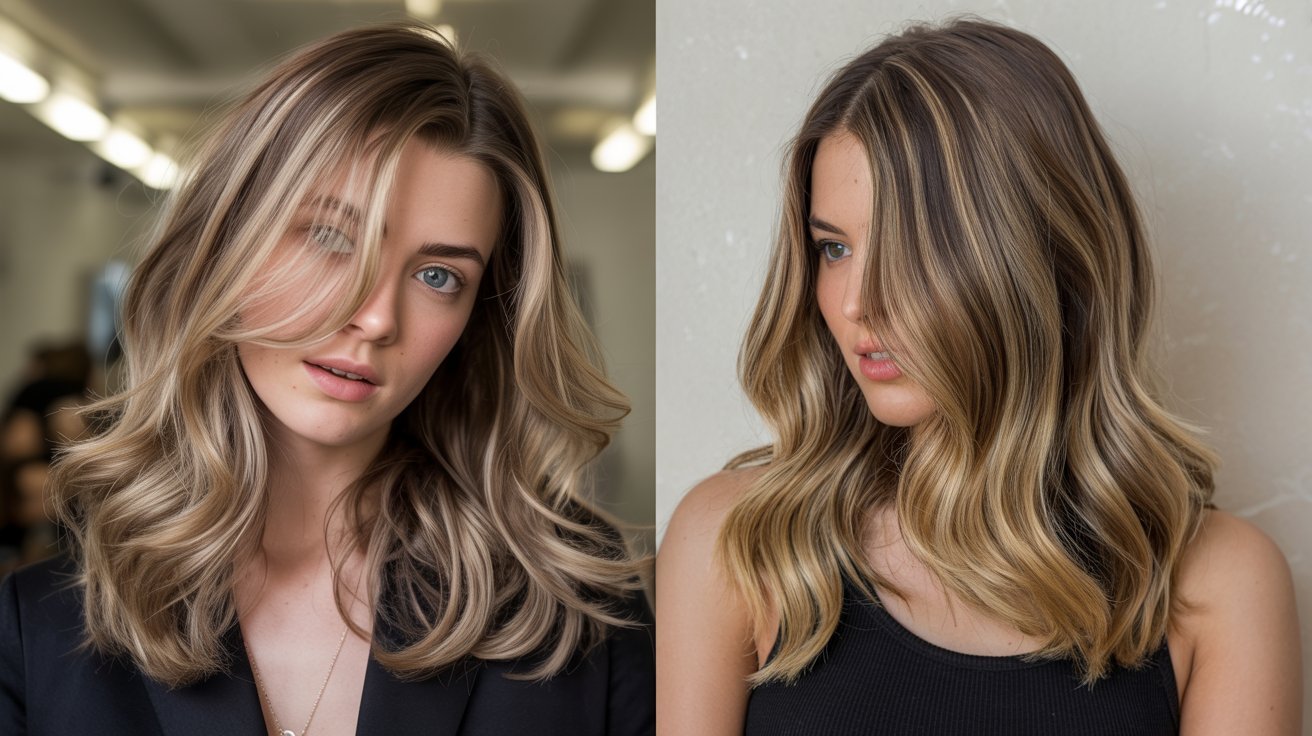
Most people choose the wrong one and end up paying hundreds for results they didn’t actually want. I’ve been there.
You walk in wanting lighter hair and walk out with something that barely shows. Or worse, your ends are fried.
That’s usually what happens when you don’t know the difference between foilyage vs balayage before you book.
In this blog, I cover exactly how both techniques work, which suits your hair type, what they cost over time, and when to avoid each one.
I’ve talked to stylists and done the research.
By the end, you’ll know exactly which one is right for you.
What Is Balayage? (Simple Explanation)
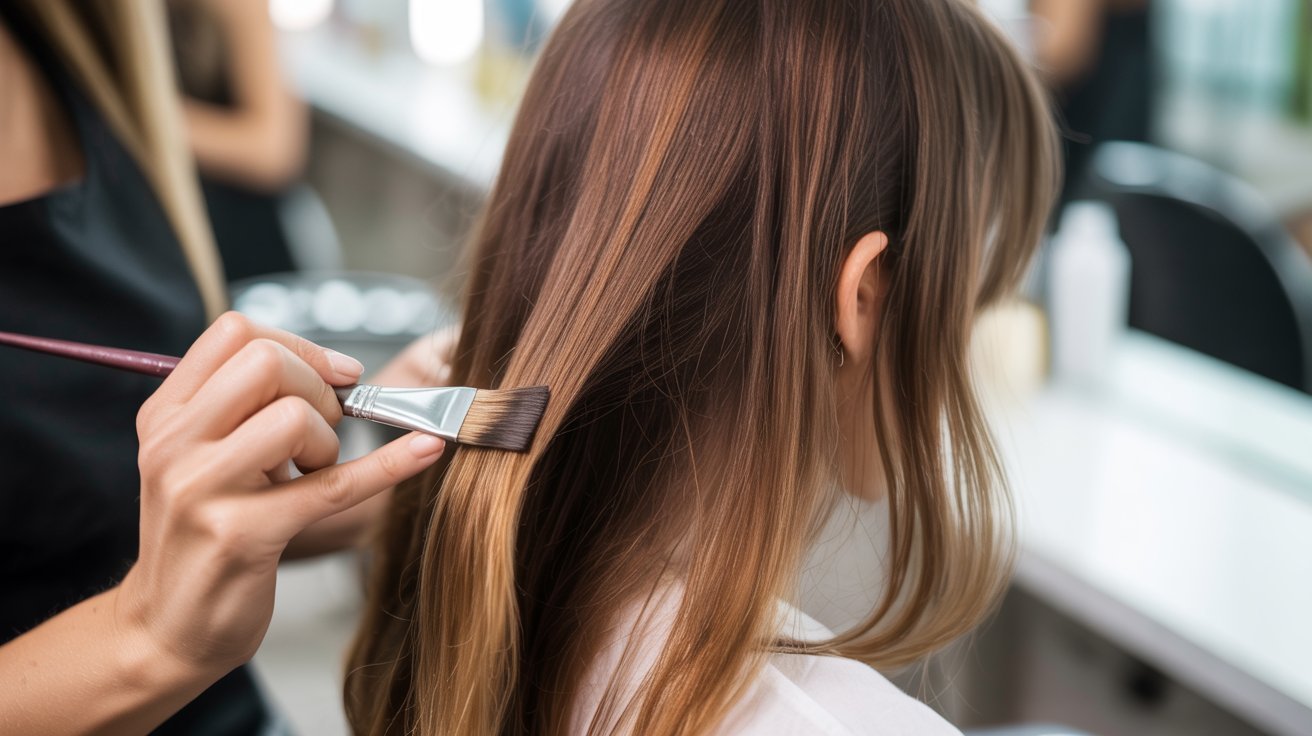
Balayage is a French word meaning “to sweep.” A stylist hand-paints color from mid-shaft to the ends with no foils. It creates a soft, natural-looking finish that blends into your base.
The grow-out looks intentional. On level 3 to 4 dark brown hair, balayage often lifts only one to two levels. That’s why results can look barely noticeable on deeper bases.
Many clients don’t find this out until after they’ve paid.
What Is Foilyage? (Simple Explanation)
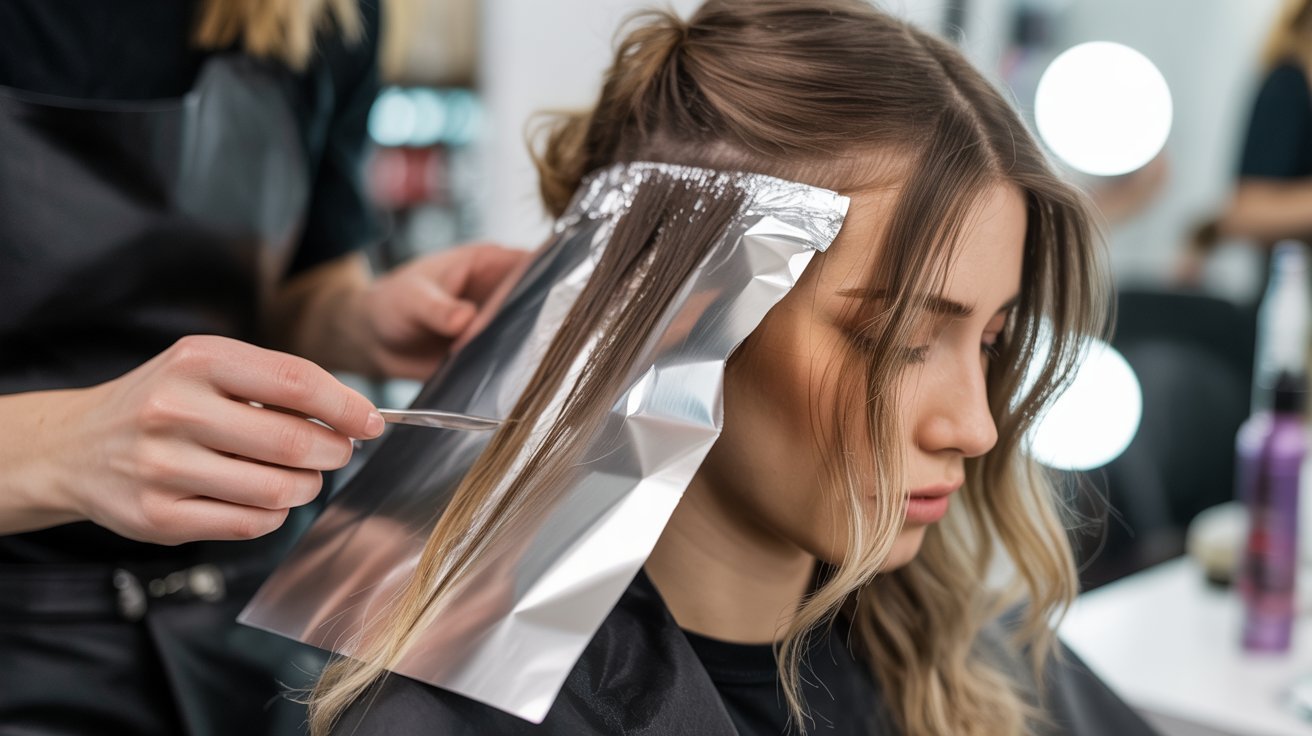
Foilyage is balayage plus foils. The stylist hand-paints color the same way, then wraps sections in foil.
The foil traps heat, which speeds up the process and lifts significantly more. The result is brighter and more defined.
It’s the go-to when dark hair needs a serious lightening boost and balayage alone won’t cut it.
Foilyage vs Balayage: Key Differences Explained
Here’s where the two techniques actually split apart.
Technique
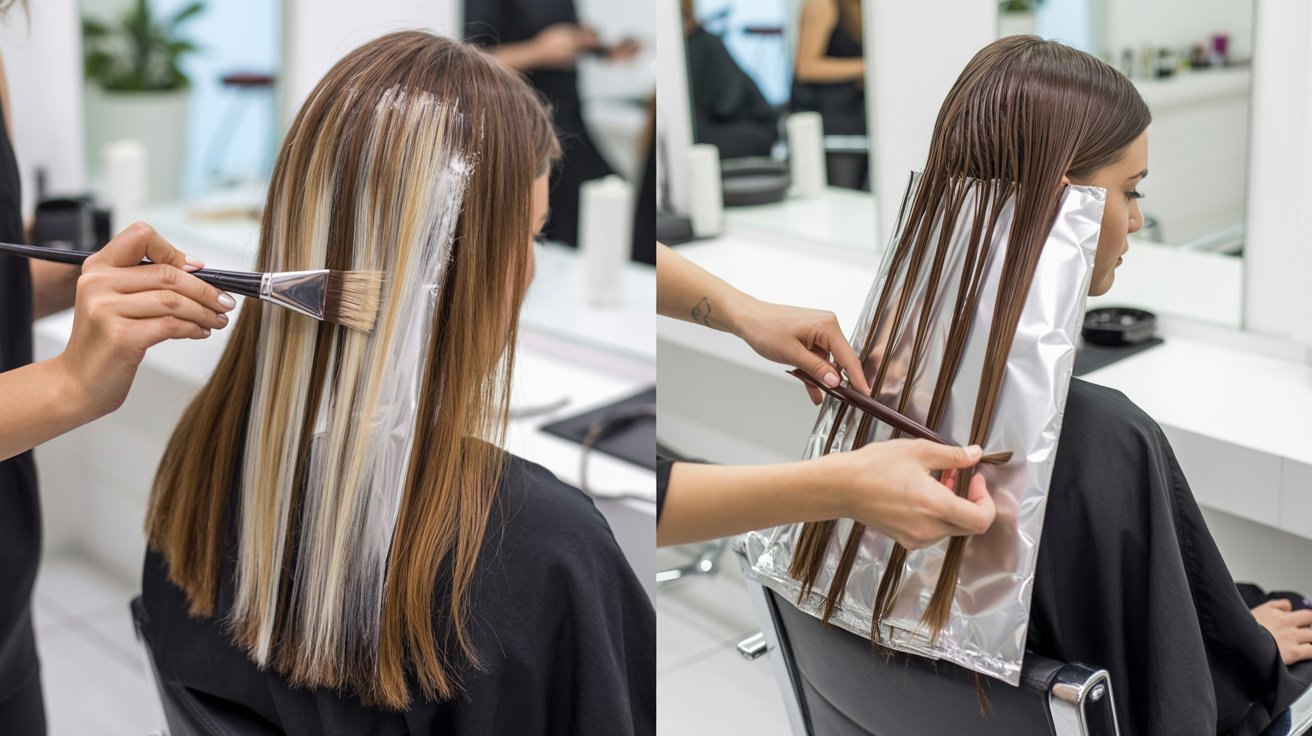
Balayage is painted freehand and develops in open air. Foilyage adds foils after painting. That sealed environment changes how the color lifts completely.
Most salon consultations include a porosity check before recommending foilyage, because high-porosity hair absorbs heat differently and can over-process inside the foil.
Final Look
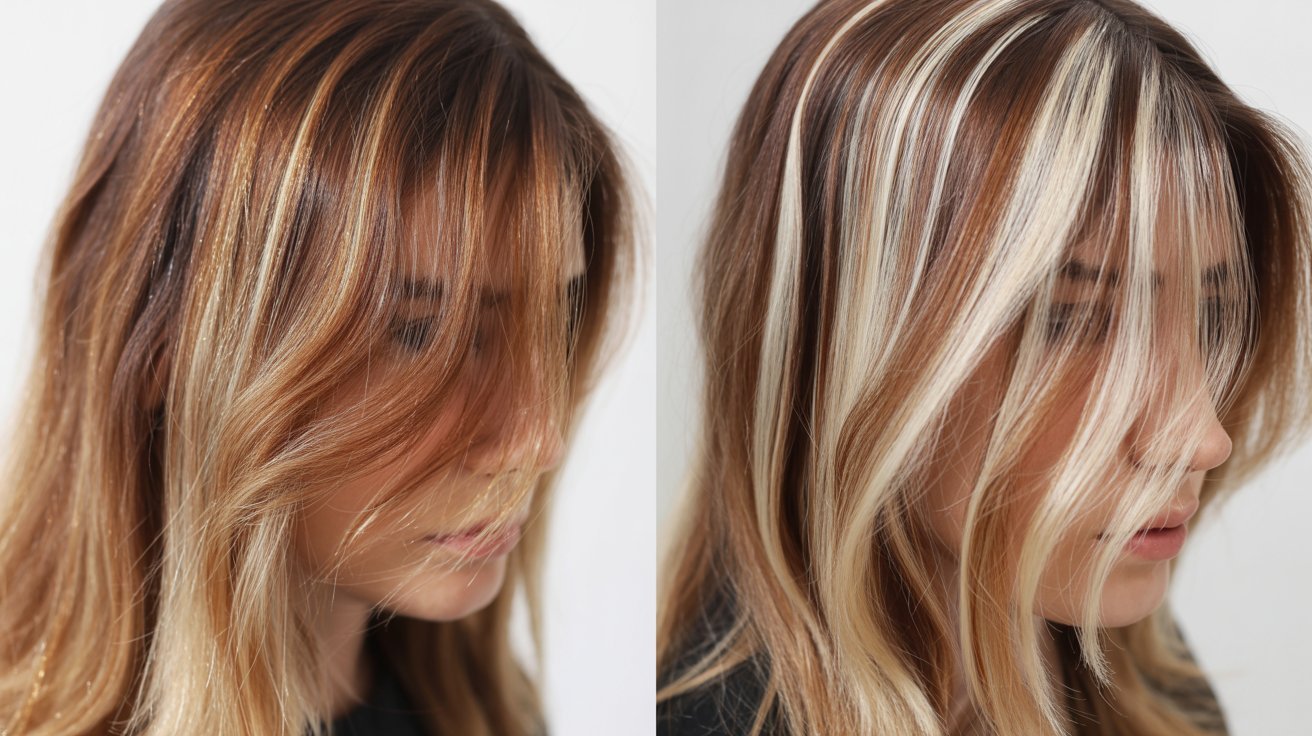
Balayage gives a soft, blended, sun-kissed finish. Foilyage produces brighter, more visible highlights with stronger contrast.
If you want something people actually notice, foilyage delivers that. Balayage is more for “did you get something done?” energy.
Level of Lift
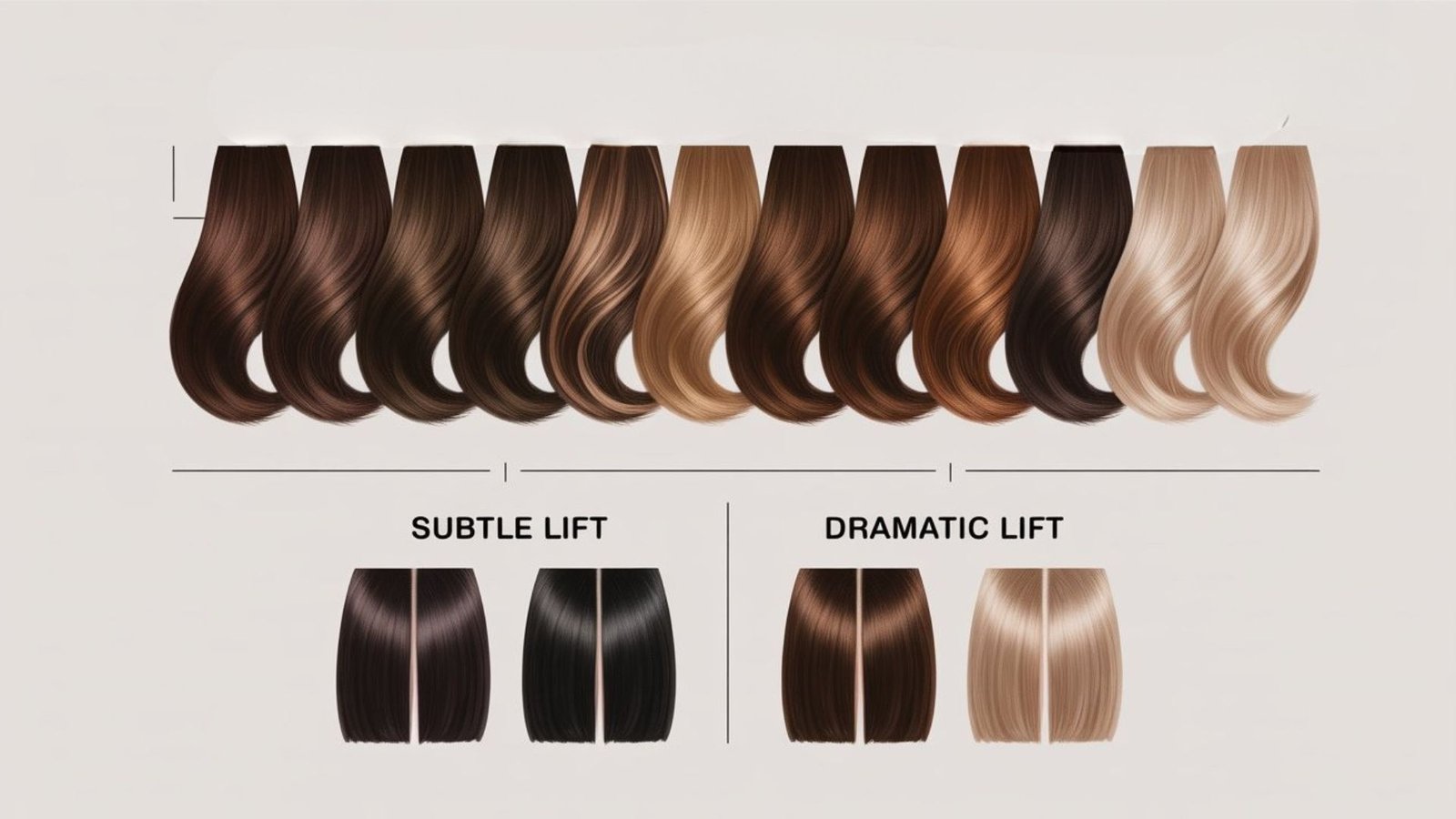
On level 3 to 4 dark hair, balayage may lift only one to two shades. Foilyage can lift three to four shades on the same base.
If you want platinum or a dramatic color change, balayage alone will not get you there.
Processing Time
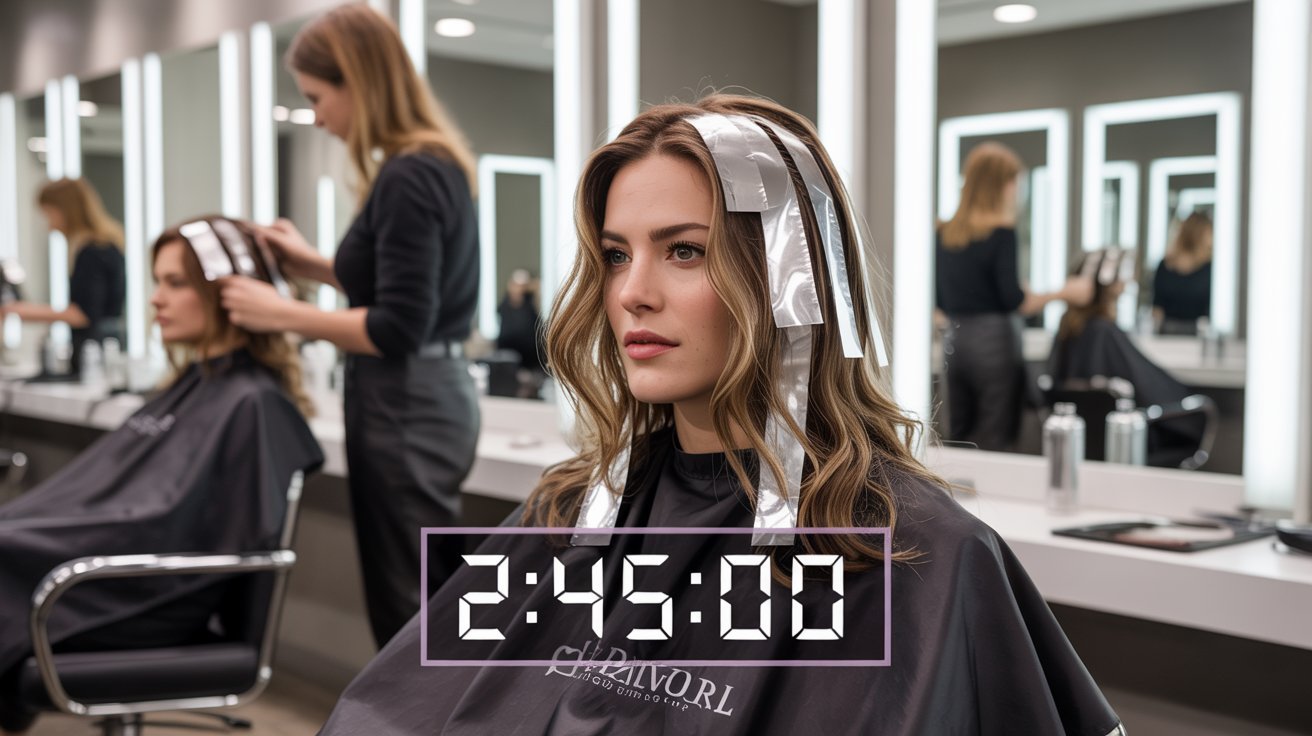
This matters more than people think.
Balayage typically takes 2 to 3 hours from application to finish. Foilyage runs 3 to 5 hours depending on hair thickness and the number of sections.
If you have a long afternoon, foilyage is doable. If you’re booking around a schedule, factor that in.
Hair Types Suitability
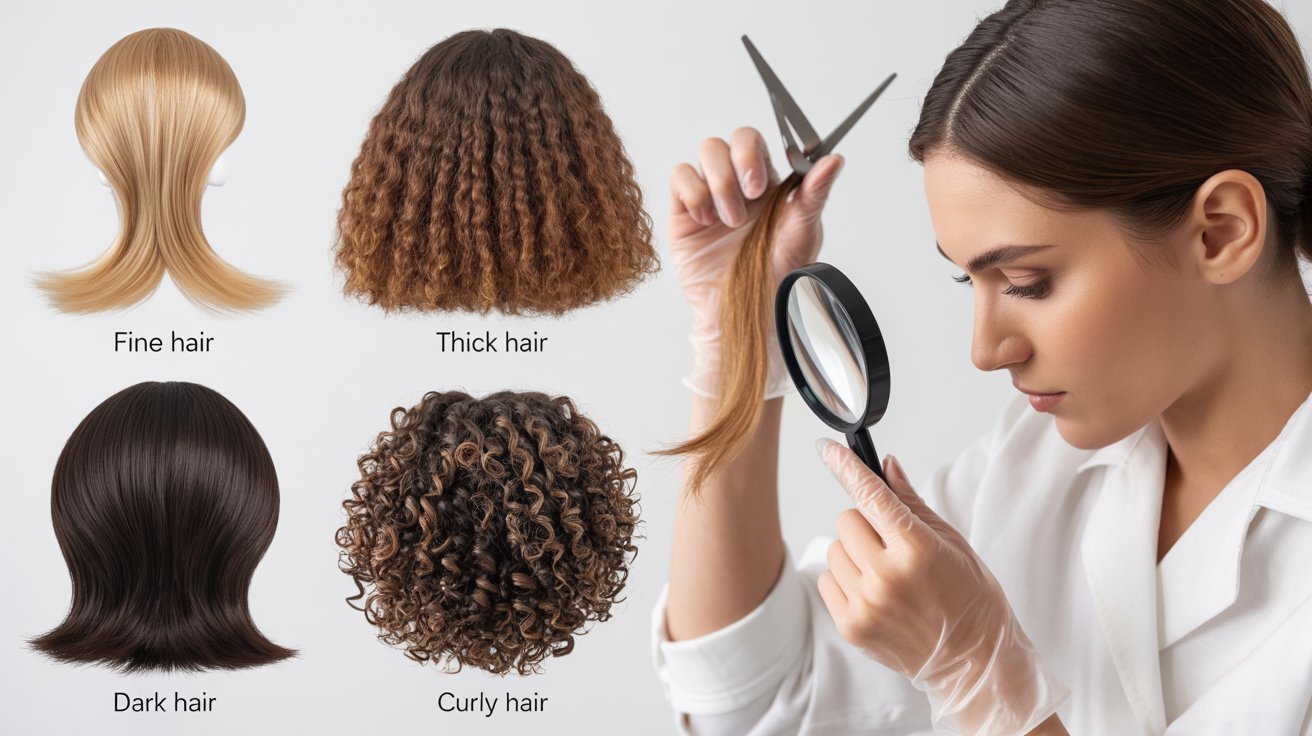
Balayage works well on fine, medium, or already-light hair. Foilyage suits dark, thick, or resistant hair better.
Many stylists avoid foilyage entirely on hair that snaps when wet, because the extra heat and developer will push damaged strands over the edge.
Foilyage vs Balayage: Side-by-Side Comparison
Use this table to make a quick decision before you book.
| Factor | Foilyage | Balayage |
|---|---|---|
|
Technique |
Hand-painted plus foils |
Hand-painted, no foils |
|
Result |
Bright, defined highlights |
Soft, blended look |
|
Maintenance |
Every 12 to 16 weeks |
Every 16 to 20 weeks |
|
Cost |
Higher |
Moderate |
|
Best for |
Dark, thick, resistant hair |
Light to medium hair |
|
Time in salon |
3 to 5 hours |
2 to 3 hours |
Pick the one that fits your hair and your schedule, not just the one that looks good on someone else.
Which Lasts Longer: Foilyage or Balayage?
Balayage lasts longer. Most people go back every 16 to 20 weeks. Because the color blends naturally into the base, the grow-out is hard to spot.
Foilyage needs a refresh every 12 to 16 weeks since defined highlights show new growth faster. If longevity matters to you, balayage wins here.
Which Is Less Damaging for Your Hair?
Balayage is gentler. No foils means no trapped heat and usually a lower-volume developer.
Foilyage involves more heat and often a stronger developer, which can cause dryness or breakage on fragile hair.
A skilled stylist minimizes that risk, but your hair’s starting condition matters just as much as the technique.
Cost Comparison: Foilyage vs Balayage
Cost varies based on your city, hair length, and stylist experience. Here’s a realistic breakdown.
| Factor | Balayage | Foilyage |
|---|---|---|
|
Average cost |
$100 to $200 |
$150 to $300 |
|
Metro city salons |
Up to $250 |
Up to $400 or more |
|
Long or thick hair |
Add $30 to $80 |
Add $50 to $100 |
|
Toner or treatment |
$30 to $60 extra |
$30 to $60 extra |
|
Touch-up frequency |
Every 16 to 20 weeks |
Every 12 to 16 weeks |
Toner and treatments are rarely included in the base price. Always ask for a full quote before you sit down.
Which Costs More Over Time?
This is the part most blogs skip and it’s where the real difference shows.
Balayage costs less per visit and requires fewer visits per year. That adds up.
If you get balayage three times a year at $180 per session, you’re spending around $540 annually.
Foilyage at $250 per session, done four times a year, comes to $1,000 or more before toner.
Over 12 months, balayage is almost always the more affordable option. Foilyage may give you a better result on dark hair, but you’ll pay for that upkeep consistently.
Why People Regret Their Choice
This doesn’t get talked about enough. Most coloring regrets come down to one thing: picking a technique based on photos instead of hair type.
Clients with level 3 dark hair book balayage expecting to look blonde. They leave with barely visible results and feel like they wasted the money. The technique wasn’t the problem. The match was.
On the flip side, clients with fine or damaged hair choose foilyage because they want brighter results. Then they deal with breakage and uneven fading for months. Again, not the technique’s fault.
One stylist I spoke to said it clearly: “I spend more time talking clients out of the wrong choice than actually applying color. If I let everyone get what they asked for without checking their hair first, I’d have a lot of unhappy clients.”
Knowing what your hair can handle before you book saves you money and a lot of frustration.
When You Should NOT Get Foilyage or Balayage
Avoid foilyage if: your hair has already been bleached, breaks easily, is heavily processed, or is very fine. The extra heat and developer will make existing damage worse.
Avoid balayage if: you have level 3 to 4 dark hair and want platinum or bold highlights. You won’t get enough lift, and you’ll likely be disappointed.
Most stylists check porosity and elasticity at the consultation. If yours doesn’t ask about your color history, bring it up yourself.
Foilyage vs Balayage for Different Hair Types
Your hair type often makes the decision before your stylist even says a word.
Dark Hair
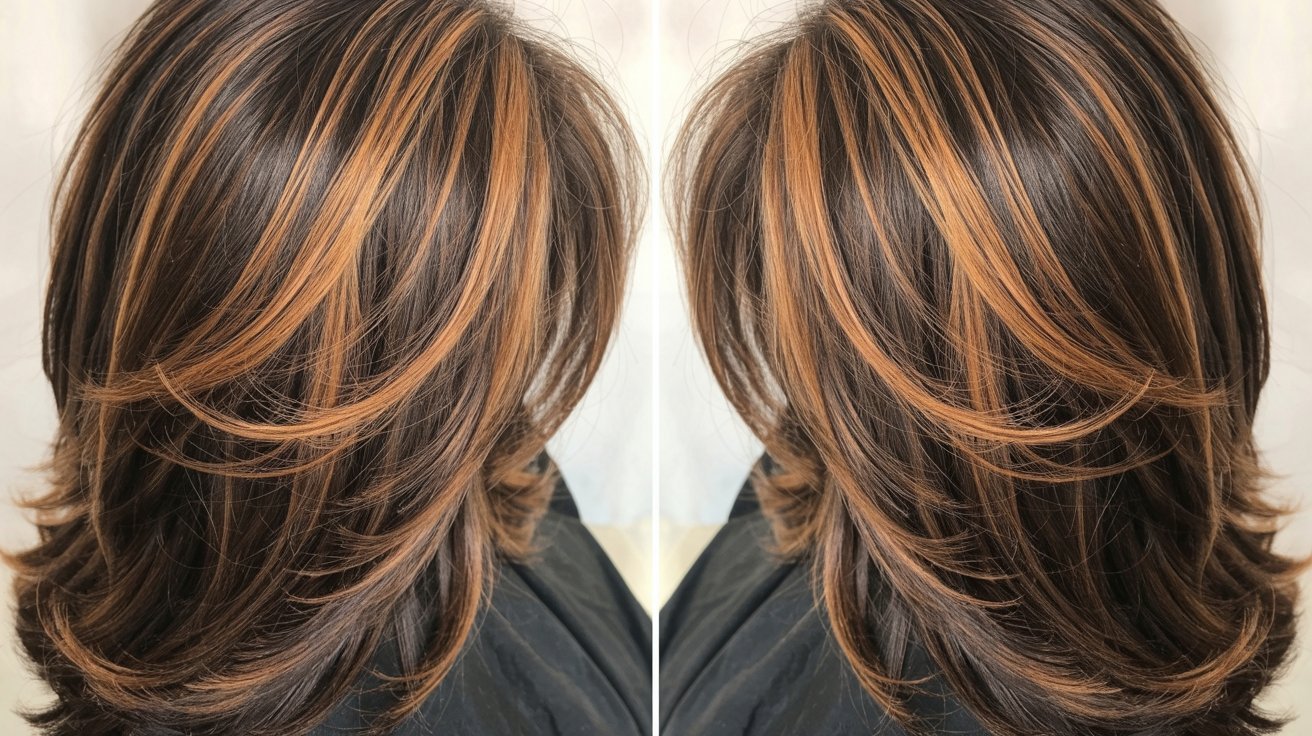
Foilyage is the better choice. On level 3 to 4 hair, you need the lift that only foils can provide. Balayage will likely give you results too subtle to notice.
Blonde Hair
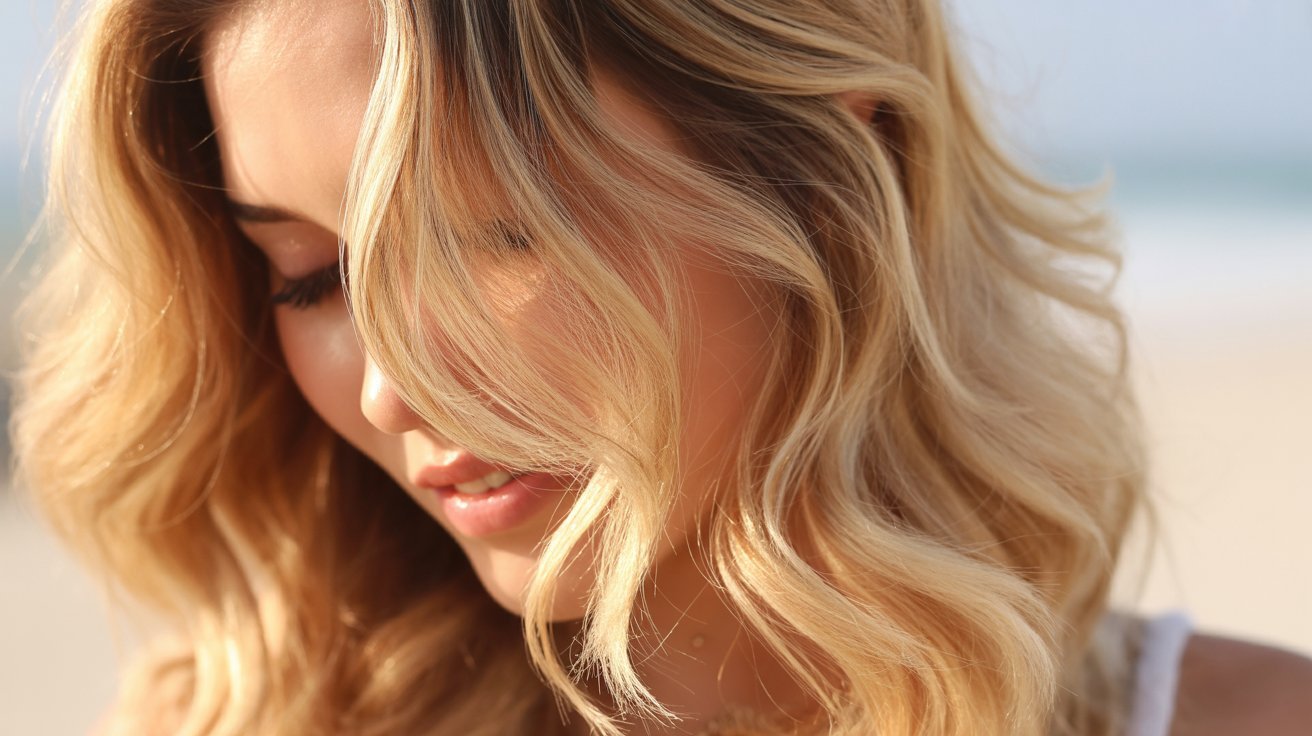
Balayage works well here. It adds dimension without the risk of over-processing lighter strands.
Curly Hair
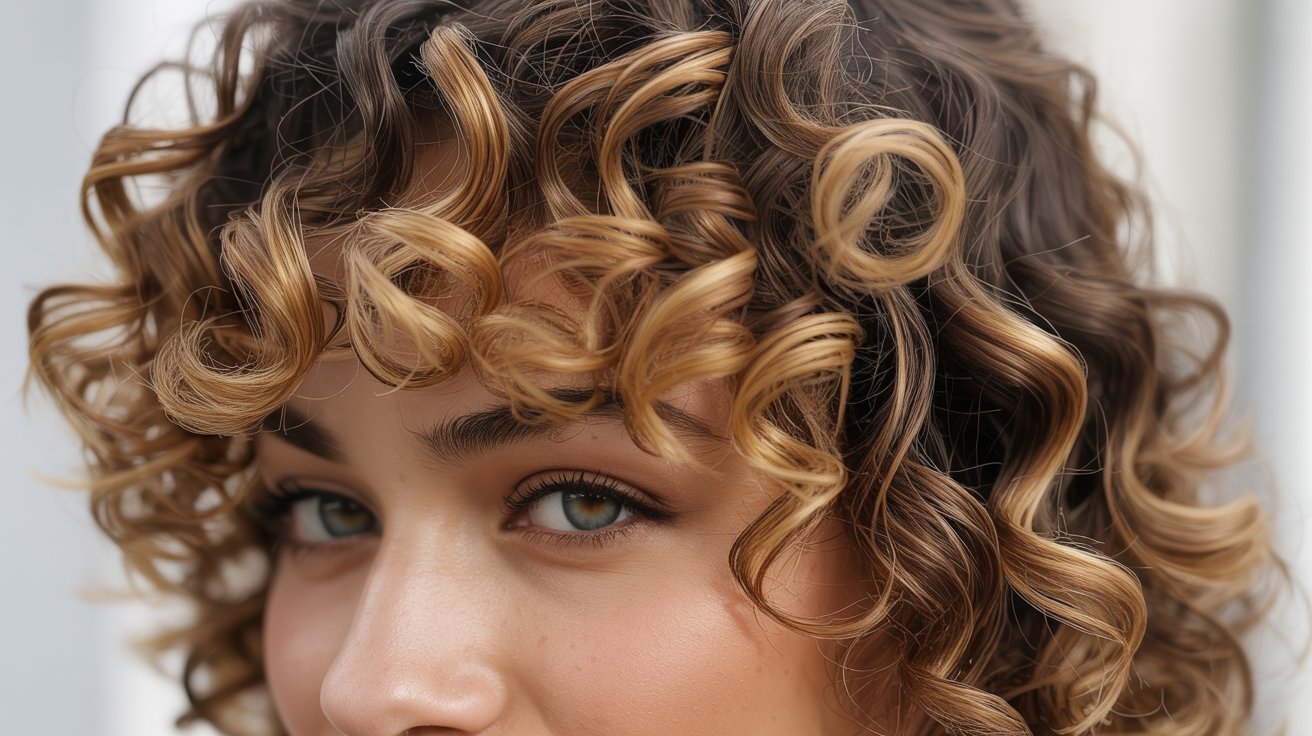
Balayage tends to suit curly hair more. The soft blend follows the natural curl pattern. Foilyage is harder to apply evenly on tight curls.
Fine Hair
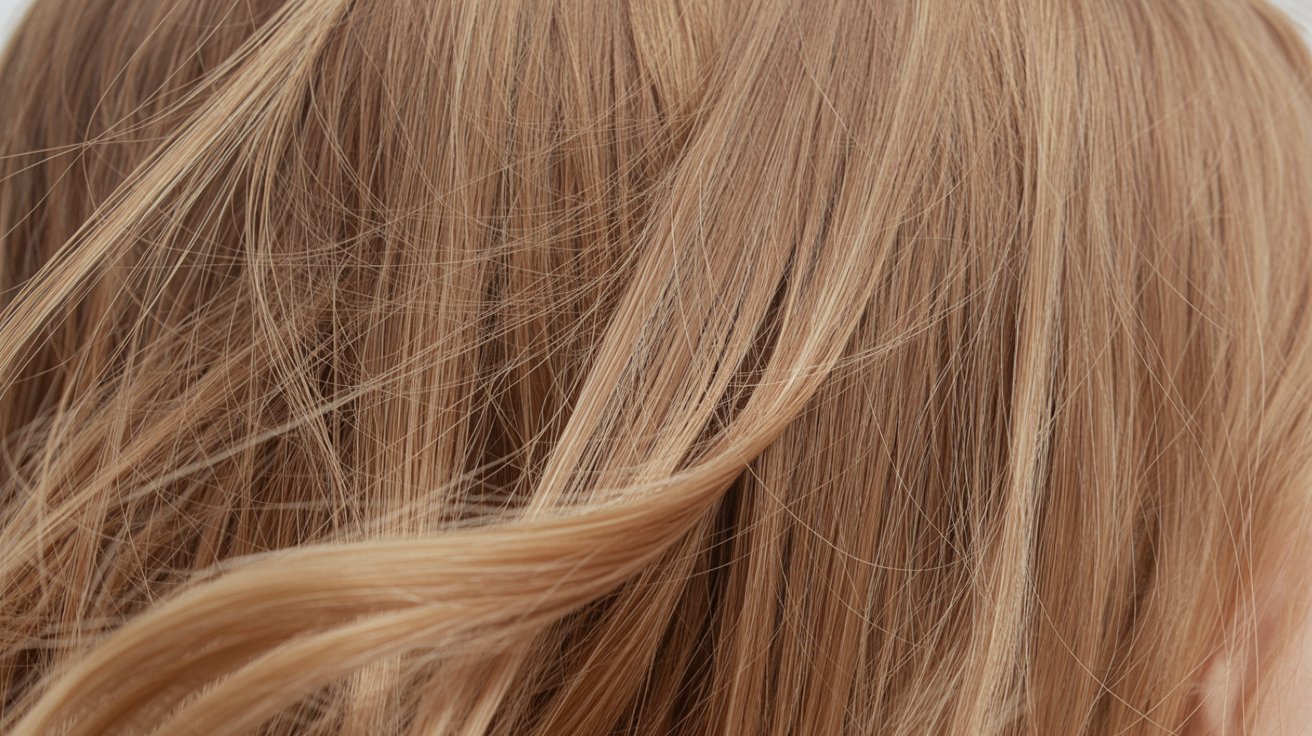
Balayage is safer. Less heat and a lighter developer reduce the risk of breakage.
Previously Colored Hair
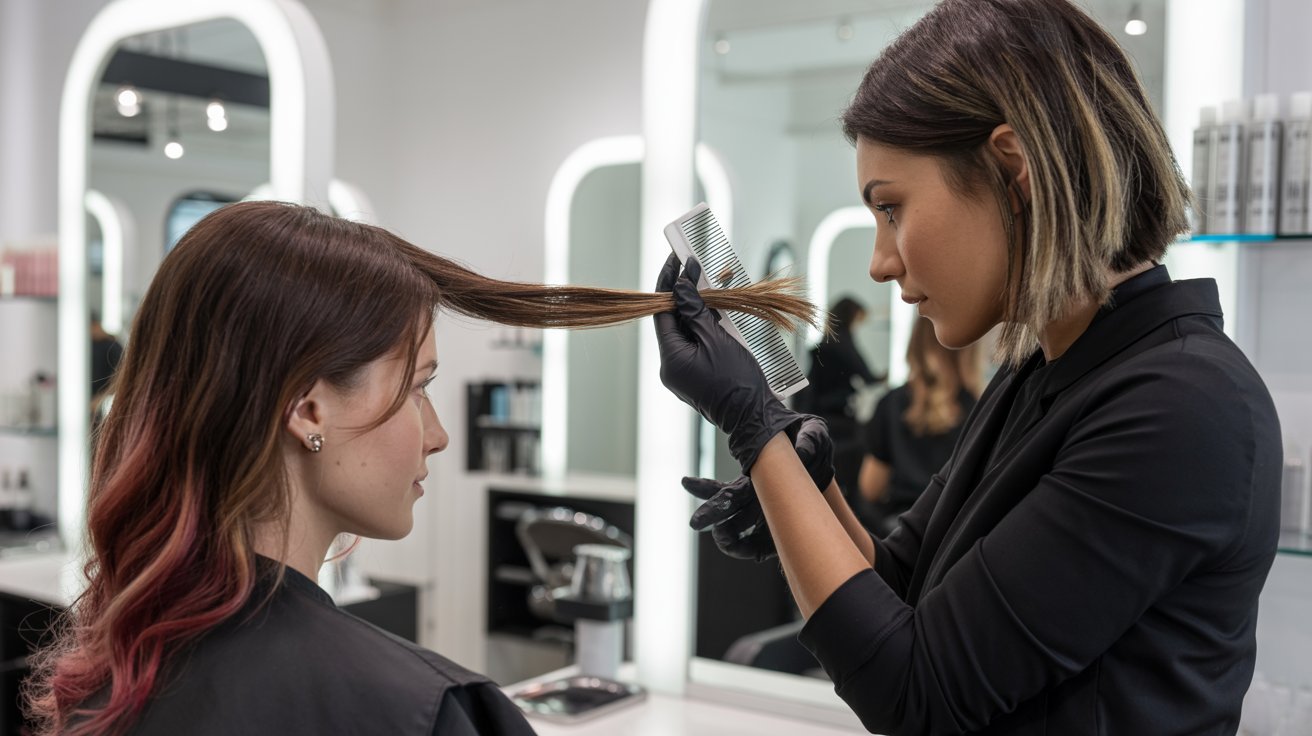
Get a strand test first. Balayage is more forgiving. Foilyage on heavily processed hair can cause serious breakage, especially if previous color has made the hair brittle.
Pros and Cons of Foilyage
Foilyage delivers strong results, but the trade-offs are real.
Pros:
- Lifts dark hair significantly more
- Brighter, more defined highlights
- Faster processing due to foil heat
- Ideal for dramatic color changes
Cons:
- Higher cost per session and annually
- More damage risk on weak hair
- Needs more frequent touch-ups
- Takes 3 to 5 hours in the salon
Pros and Cons of Balayage
Balayage is the most popular highlighting technique for a reason, but it has limits.
Pros:
- Natural, soft finish
- Gentler on hair overall
- Longer-lasting grow-out
- Works on most hair types
Cons:
- Limited lift on dark bases
- Too subtle for anyone wanting bold highlights
- Results can vary widely based on stylist skill
Why Stylists Are Recommending Foilyage More in 2026
Foilyage picked up in salons because clients with dark hair kept leaving balayage appointments disappointed.
The gap between expectation and result was too wide. Foilyage fills that gap.
Stylists now use it as a middle ground between full bleach and soft balayage. It gives visible results without committing to a full bleach process.
How to Ask Your Stylist for the Right Technique
Bring photos. Be specific about the finish you want. Tell your stylist your full color history.
Ask which technique suits your hair right now. Ask for a full price quote upfront, including toner and any treatments.
If they don’t ask about your hair’s condition or history before recommending something, that’s a red flag.
Foilyage vs Balayage: Which One Should You Choose?
Use this checklist before you book:
- Is your hair level 5 or darker? Go with foilyage.
- Do you want subtle, blended color? Choose balayage.
- Is your hair damaged or previously bleached? Stick with balayage.
- Do you want a dramatic lightening result? Foilyage wins.
- Is budget a concern long-term? Balayage costs less per year.
If your hair is dark and you want noticeable lightening, don’t book balayage. You’ll likely be disappointed. Go with foilyage.
Common Myths About Foilyage and Balayage
A lot of what circulates online about these two is either oversimplified or just wrong.
Myth 1: Foilyage is just balayage with foils added. The foils change how the color develops chemically. The result is noticeably different, not just slightly brighter.
Myth 2: Balayage is low-maintenance for everyone. On dark bases, the grow-out can still be very visible. It’s only truly low-maintenance when your starting color is close to the final result.
Myth 3: Foilyage always damages hair. Not always. On healthy hair with the right developer strength, it can be done safely. Damage comes from skipping the consultation.
Myth 4: Both techniques fade the same way. They don’t. The fade pattern and grow-out lines look very different. Foilyage shows new growth faster and more obviously.
Conclusion
Foilyage and balayage are not the same thing, and picking one without knowing your hair type is how people end up with results they regret.
If your hair is dark and you want something that actually shows, foilyage is the right call. If your hair is lighter or fragile and you want something low-key that lasts, go with balayage.
Think about your annual budget too, not just the price of one appointment. Talk openly with your stylist. Bring photos. Ask about your hair’s condition before committing.
The right technique is the one that works for your specific hair, not just the one trending right now.
So, which of these sounds more like what your hair actually needs?
Frequently Asked Questions
Is foilyage better than balayage for dark hair?
Yes, foilyage works better on dark hair because foils provide significantly more lift. On level 3 to 4 dark brown hair, balayage often lifts only one to two shades, which may barely show.
Can I get foilyage on fine hair?
It’s possible but risky. Fine hair is more prone to damage from heat and strong developers, so balayage is usually the safer and gentler option for finer strands.
How long does each technique take in the salon?
Balayage typically takes 2 to 3 hours from start to finish. Foilyage runs 3 to 5 hours depending on hair thickness and the number of foil sections applied.
Does foilyage cost more than balayage over time?
Yes, significantly more. Foilyage costs more per session and requires touch-ups more frequently. Over a full year, you could spend $400 to $500 more on foilyage than balayage.
Which technique is better for previously colored hair?
Balayage is usually safer for previously colored hair. Foilyage on heavily processed hair increases the risk of breakage, so always request a strand test before committing.