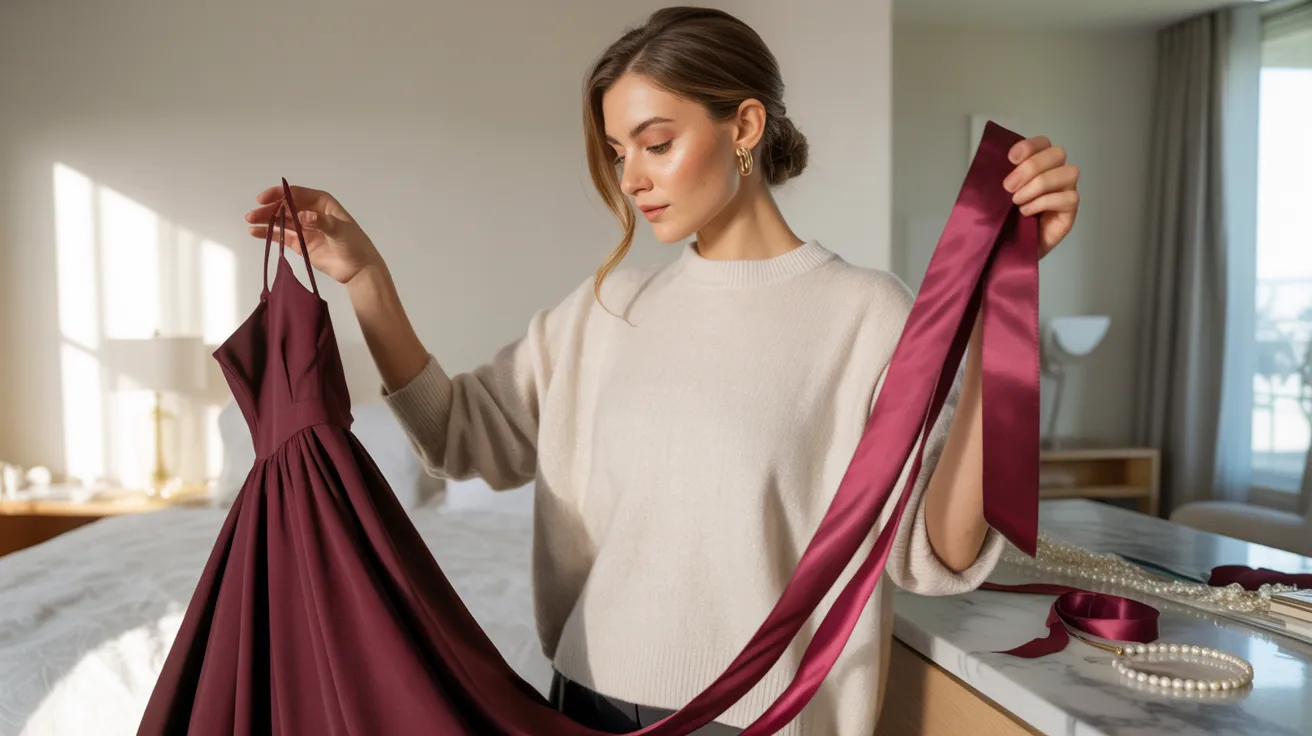
I ordered a burgundy bridesmaid dress once. What arrived looked noticeably different from the wine-colored sash sitting next to it.
That’s when I realized these two shades are not the same thing.
If you’ve been Googling burgundy vs wine color trying to figure out which is which, you’re not overthinking it. The difference is real, and it matters more than most people expect.
The wrong shade can throw off an entire outfit or wedding palette.
By the end of this, you’ll know exactly how to tell them apart and which one actually works for your situation.
Why Do People Confuse Burgundy and Wine Color So Often?
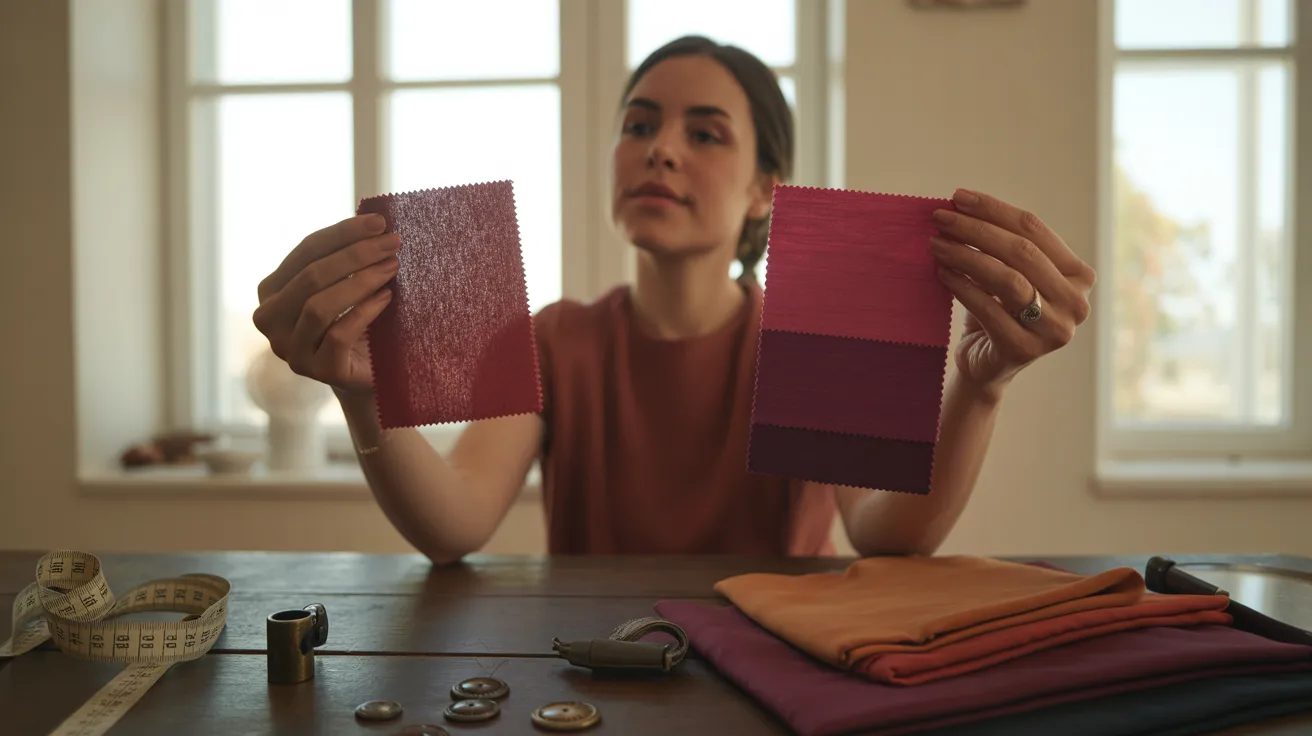
Both shades live in the same deep red-purple family. At a glance, especially on a screen, they can look nearly identical.
The confusion also comes from inconsistent labeling. Different brands name their shades differently, so one company’s “wine” might look like another’s “burgundy.”
Lighting plays a huge role too. Both shades shift under different light conditions, which makes in-person comparisons tricky.
Once you know what to look for, the difference becomes obvious. But until then, it’s genuinely easy to mix them up.
What Is Burgundy Color?
Burgundy is a deep, dark red with strong purple undertones. It takes its name from the Burgundy wine region in France, known for its rich red wines.
It sits on the darker, more muted end of the red-purple spectrum. Think less brightness, more depth.
Burgundy in Fashion
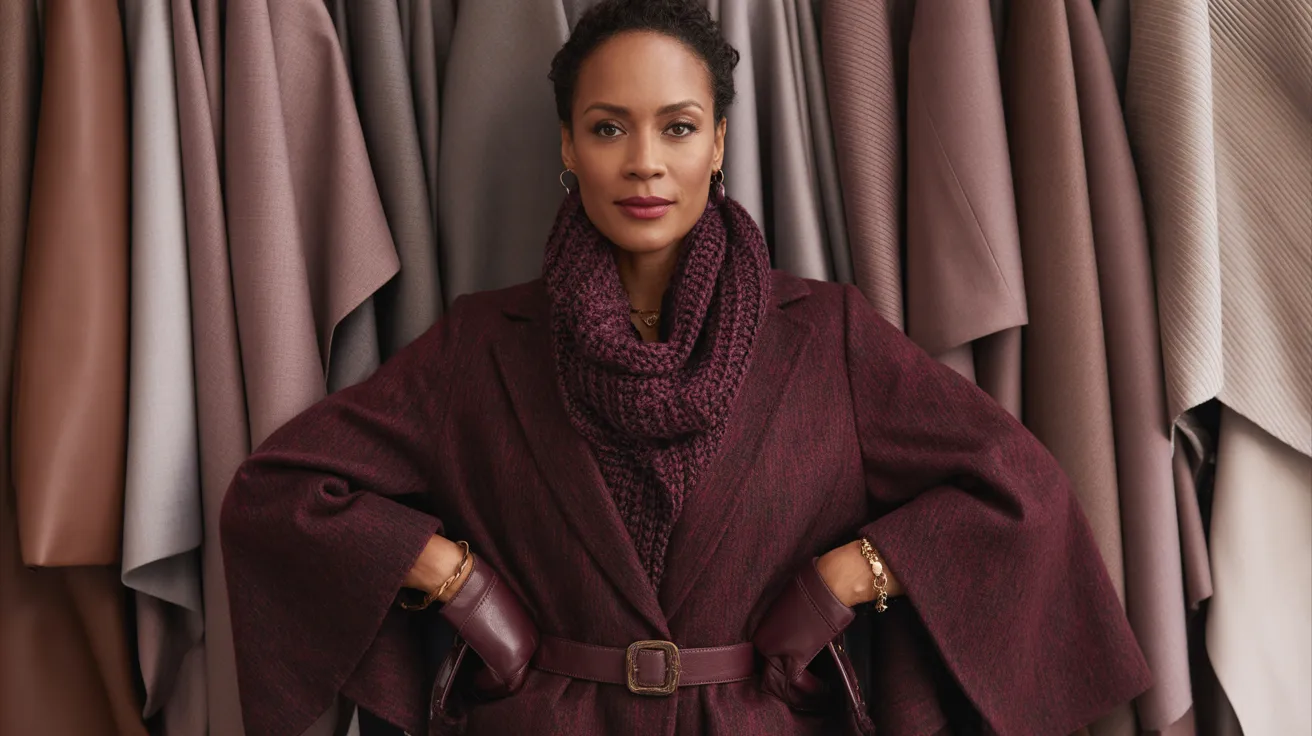
In clothing, burgundy reads as graceful and grounded. It’s not flashy. It has a quiet richness to it that works across many styles.
It suits medium to deeper skin tones particularly well. The cool purple undertones create a flattering contrast without washing out warmer complexions.
Burgundy is a fall and winter staple. It pairs naturally with the season’s textures and layering pieces like wool, leather, and knit.
Many shoppers compare burgundy vs wine color scrubs when choosing professional wear because burgundy looks deeper and more muted, which suits clinical environments well.
Burgundy in Wedding Attire
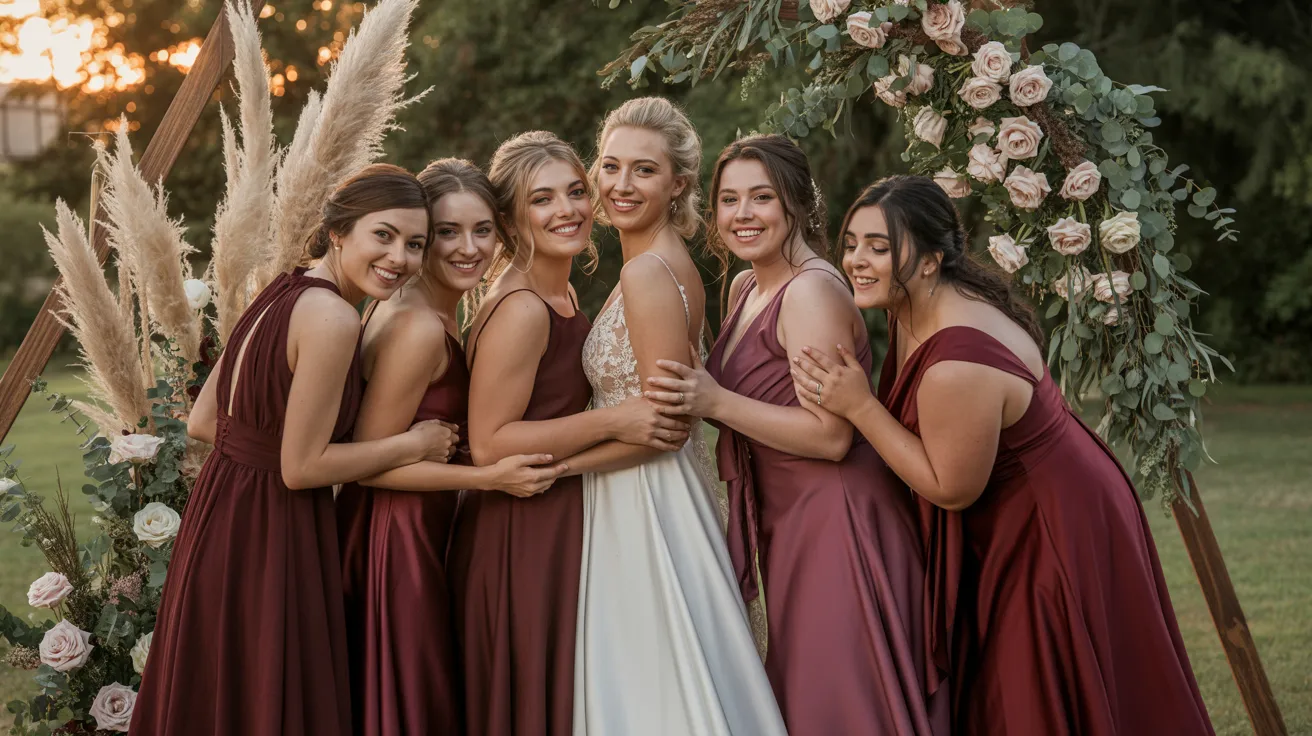
Burgundy is one of the most popular wedding colors, especially for autumn ceremonies. It feels warm, romantic, and grounded without being loud.
It works beautifully in bridal party outfits, particularly paired with greenery, dried florals, or warm-toned bouquets. Pampas grass, eucalyptus, and blush roses are all strong choices alongside it.
It suits both formal ballroom weddings and rustic barn settings equally well. That versatility is a big reason why it’s such a consistent wedding favorite.
Under wedding lighting, burgundy photographs with depth and richness. It holds its color well and rarely looks washed out in photos.
What Is Wine Color?
Wine color is also a deep red-purple, but it leans slightly more red and carries a touch more brightness than burgundy. It mimics the color of red wine in a glass held up to light.
It feels a little warmer and more vibrant than burgundy at first glance.
Wine Color in Fashion
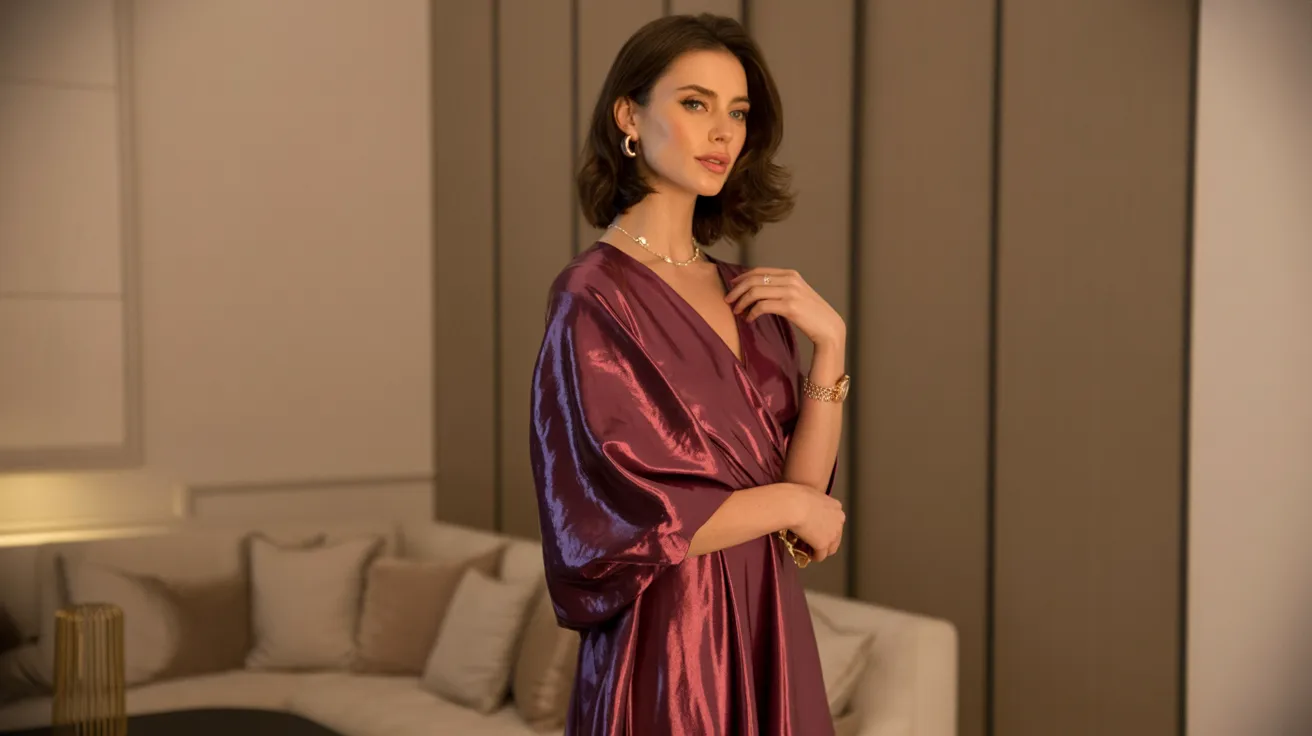
Wine has a richer, slightly more luminous quality. It catches light differently than burgundy and can feel more striking in certain settings.
The key visual difference is brightness. Wine has a little more life to it. Burgundy is more muted and restrained.
Wine pairs well with neutrals like cream, black, and grey. It also works beautifully with metallics, particularly silver and rose gold.
When deciding between a burgundy vs wine color dress, wine often appears richer and more vibrant under indoor lighting, making it a strong choice for evening events.
Wine Color in Wedding Attire
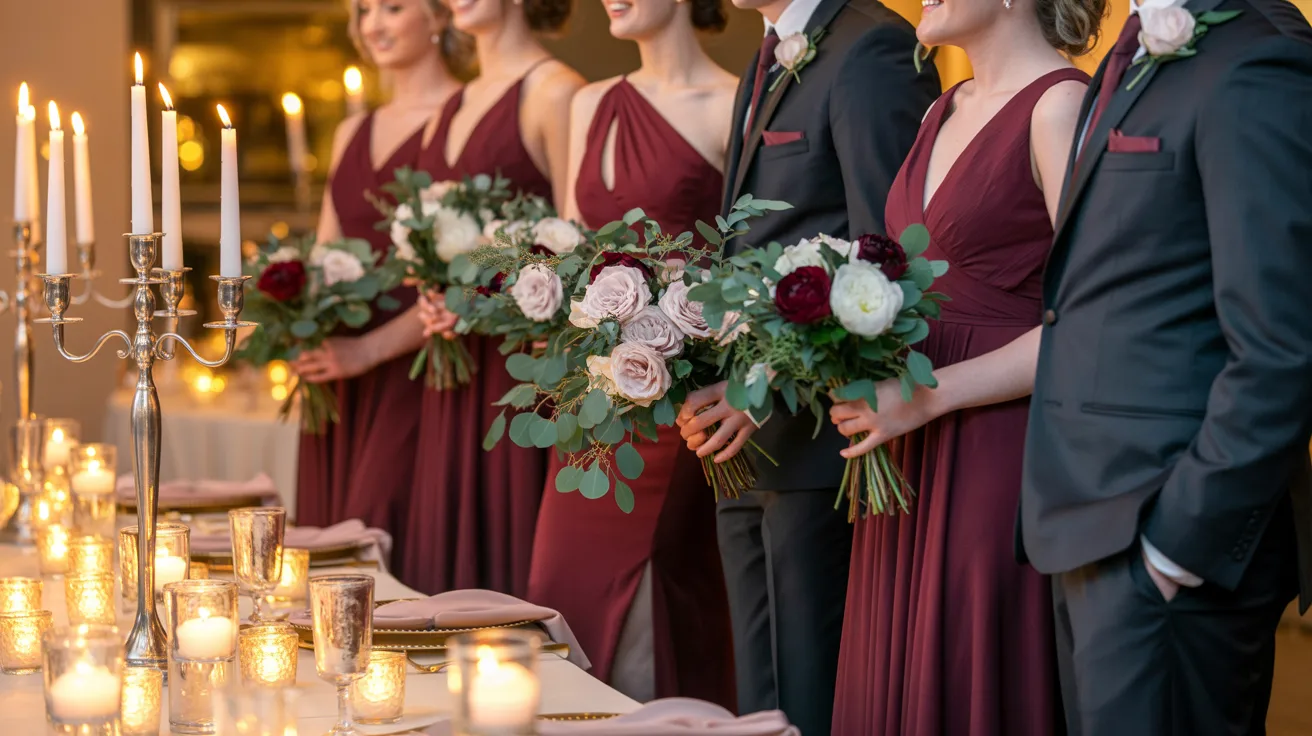
Wine brings a romantic, deeply elegant energy to wedding styling. It feels lush without being overpowering.
It works particularly well in bridesmaid dresses and suits for groomsmen. The slightly warmer tone photographs warmly under indoor and candlelit settings.
Wine pairs well with blush, ivory, silver, and deep green. These combinations create a palette that feels both modern and timeless.
The overall mood wine creates is intimate and refined, ideal for evening receptions and formal celebrations.
Burgundy vs Wine Color: Side-by-Side Comparison
These two shades are close, but the differences matter more than you’d think. Here’s a direct comparison to help you choose.
| Feature | Burgundy | Wine |
|---|---|---|
| Base Undertone | Purple-red | Red-purple |
| Brightness Level | Darker, more muted | Slightly brighter, more vivid |
| Best Fashion Use | Layered fall outfits, professional wear | Evening wear, statement pieces |
| Wedding Vibe | Rustic, classic, grounded | Romantic, elegant, intimate |
| Seasonal Association | Fall and winter | Late fall, winter, evening events |
| Skin Tone Compatibility | Medium to deep skin tones | Warm and medium skin tones |
| Photography Appearance | Deep and rich, holds color well | Warm and luminous under indoor light |
How to Choose Between Burgundy and Wine Color
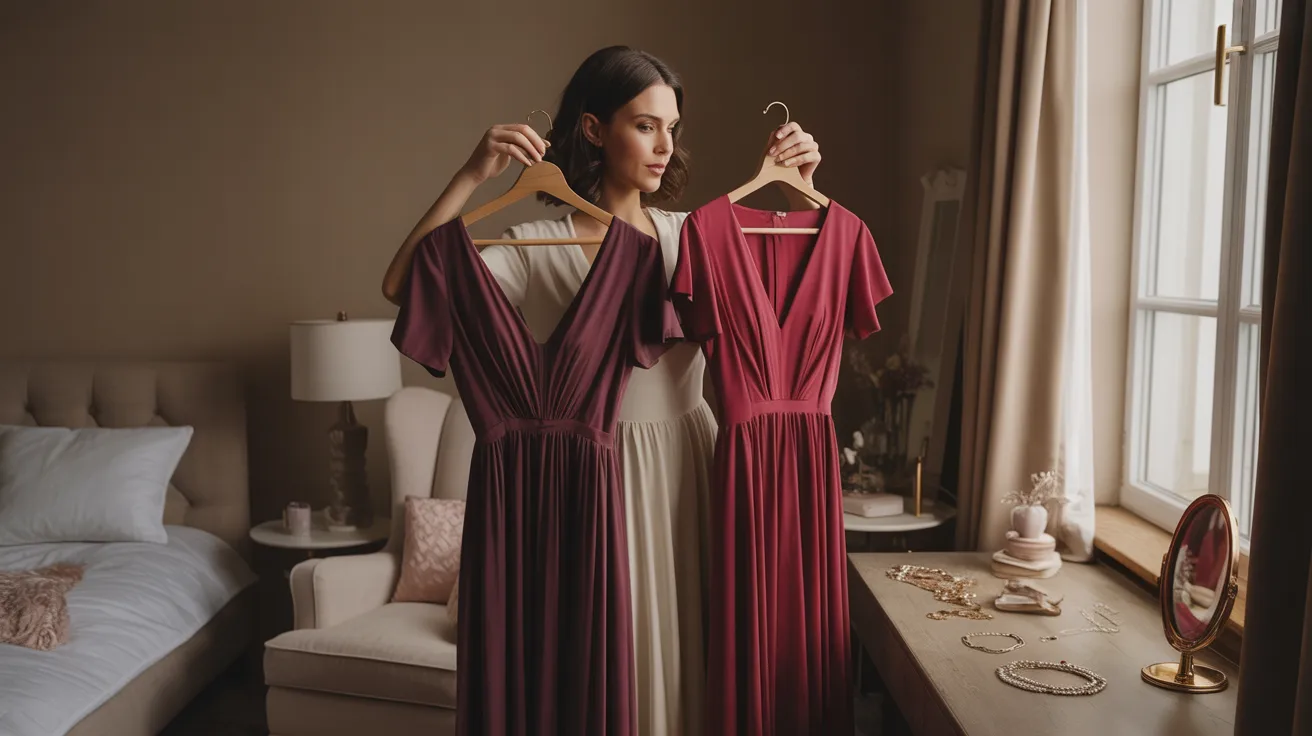
Choosing between these two shades doesn’t have to be complicated. The right choice usually comes down to a few key factors.
- Occasion matters. For casual or daytime events, burgundy’s muted depth feels more relaxed. For formal evenings or weddings, wine’s brightness adds elegance.
- Consider your lighting. Outdoor events in natural light suit burgundy well. Indoor or candlelit settings make wine come alive.
- Think about your personal style. If you gravitate toward understated and classic, burgundy is your shade. If you prefer something with a little more warmth and vibrancy, go with wine.
- Mixing both shades is possible. In a wedding palette, using burgundy for bridesmaid dresses and wine for floral arrangements creates dimension without clashing. In an outfit, keep one shade dominant and let the other appear as an accent.
The simplest rule: hold both colors up to your face or your event space and see which one feels more natural. Your eye usually knows before your brain does.
Conclusion
Getting this choice wrong is more common than you’d think. I’ve done it myself.
But now you have everything you need to tell them apart and pick the right one every time.
Whether you’re styling an outfit, choosing scrubs, or planning a wedding palette, the difference between burgundy vs wine color is worth getting right.
Try the comparison table next time you’re shopping. And if you found this helpful, share it with someone who’s been mixing these shades up.
Still unsure? Drop your question in the comments. I’ll help you figure it out.
Frequently Asked Questions
Is burgundy darker than wine color?
Yes, burgundy is generally darker and more muted than wine. Wine carries a slightly brighter, warmer tone that makes it appear more vivid in certain lighting conditions.
Can burgundy and wine be worn together?
Yes, they can work together when one shade is dominant and the other plays a supporting role. The key is keeping the balance intentional rather than letting them compete.
Which color is better for weddings: burgundy or wine?
Burgundy suits rustic, classic, and outdoor weddings while wine works better for formal evening receptions. The best choice depends on your venue, lighting, and overall wedding aesthetic.
Does wine color look more red or purple?
Wine leans slightly more red than burgundy, but it still carries noticeable purple undertones. The balance between red and purple shifts depending on the specific dye and lighting conditions.
How do I tell burgundy and wine apart in clothing?
Hold both pieces next to each other in natural light. Burgundy will appear darker and more muted while wine will look slightly richer and warmer. The brightness difference is the clearest indicator.