Choosing your wedding dress is one of the biggest decisions you’ll make. The silhouette (the overall shape of the dress) matters more than most brides expect.
I’ve seen so many brides walk in sure about one style and walk out in love with something completely different.
In this post, I’ll break down the a line vs ball gown wedding dress differences so you can shop with confidence. We’ll look at what each style looks like, how they feel to wear, and which one suits your body and venue.
Let’s make this easy for you.
What Is an A-Line Wedding Dress?
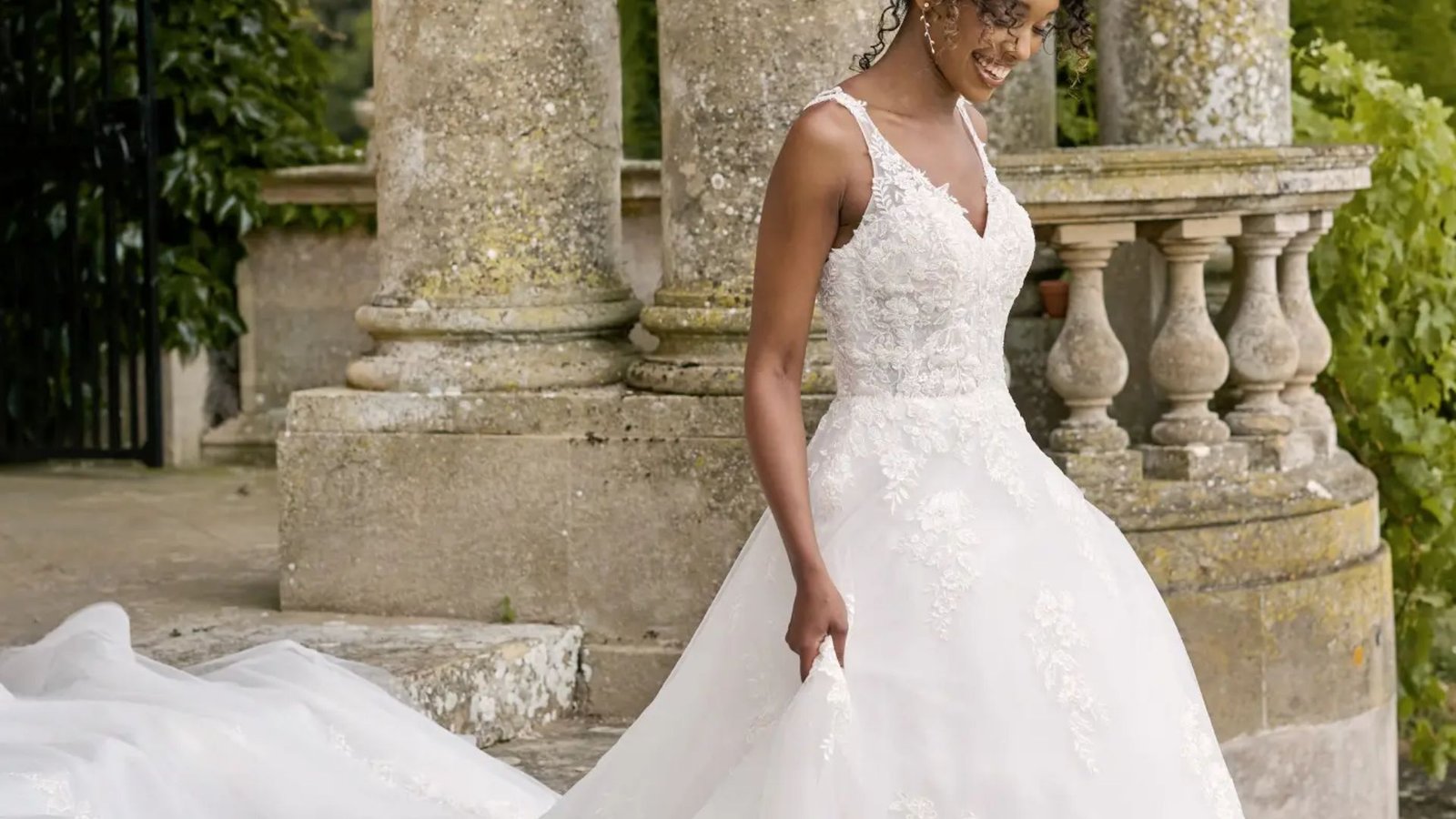
The most popular silhouette in bridal fashion and for good reason.
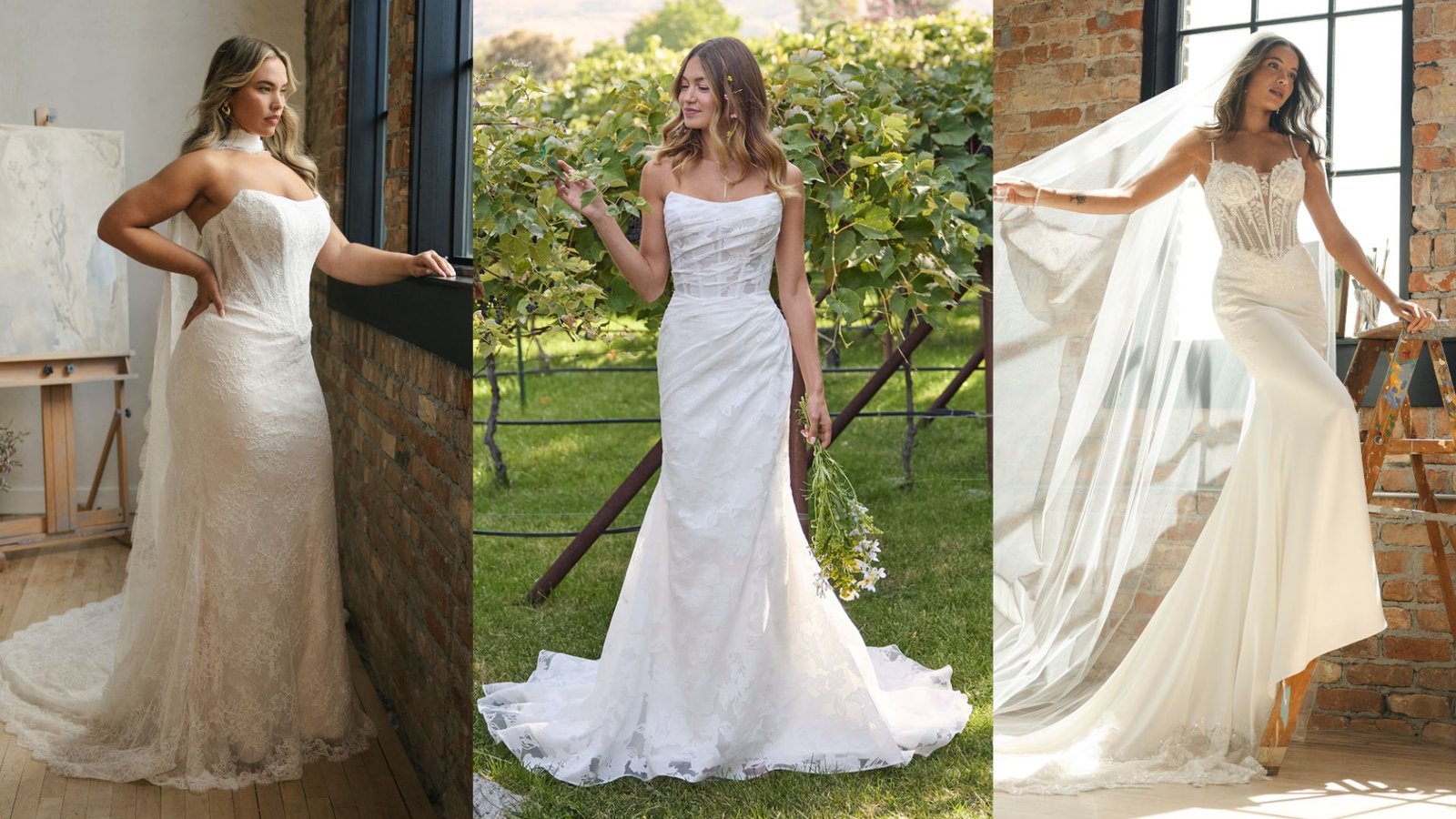
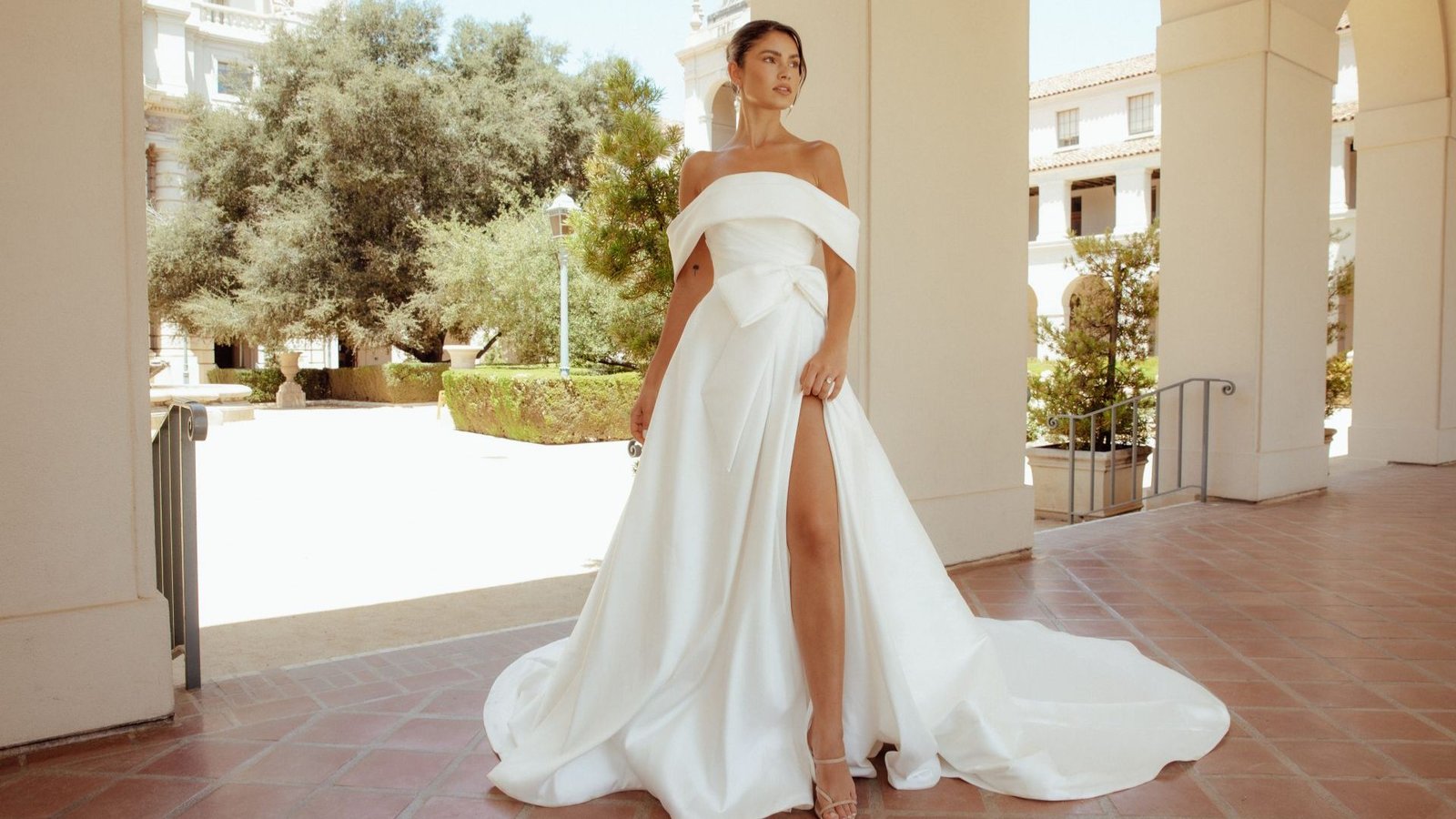
An A-line wedding dress has a fitted bodice that gently flares out from the waist down. The shape looks like the letter “A” when you stand straight. It’s not too tight and not too poofy. The skirt starts to flare slowly from the natural waist and opens up softly by the floor.
These dresses come in many fabrics like chiffon, satin, lace, and Mikado. They work with almost any neckline and look great with or without sleeves.
The biggest reason brides love this style? It flatters almost every body type. It’s also comfortable enough to walk, sit, and dance all day. It suits outdoor weddings, garden settings, barns, and churches without feeling out of place.
What Is a Ball Gown Wedding Dress?
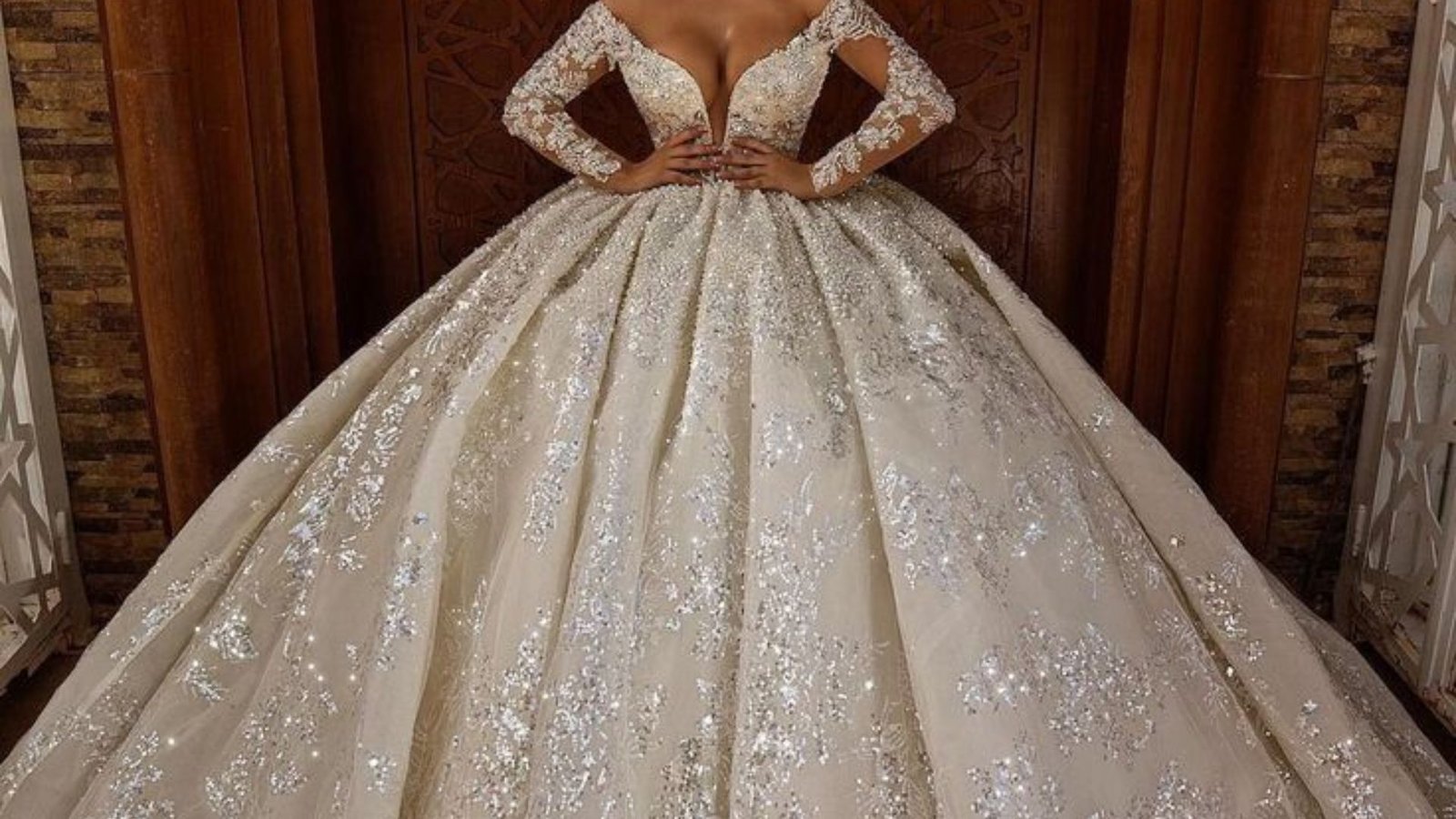
Big, bold, and built to make a statement.
A ball gown wedding dress is what most people picture when they think of a “fairy tale wedding.” It has a fitted bodice with a defined waist and a full, dramatic skirt that flares out right from the waist.
Unlike the A-line’s slow flare, the ball gown skirt pops out immediately, creating a strong contrast between the slim top and the wide bottom.
The skirt is layered with tulle or organza underneath to keep it full and round. Many ball gowns also include embellishments like beading, lace appliqués, or embroidery on the bodice or skirt.
This style gives you a princess-influenced look that’s hard to miss. It’s highly formal and works best at grand venues like big ballrooms or large cathedrals. If you want every eye on you when you walk down the aisle, this silhouette delivers.
A Line vs Ball Gown Wedding Dress Key Differences
Here’s a simple side-by-side look at what sets these two styles apart.
These two dresses may both be white and bridal, but they feel and look very different. Here’s what you need to know.
Skirt Volume and Shape
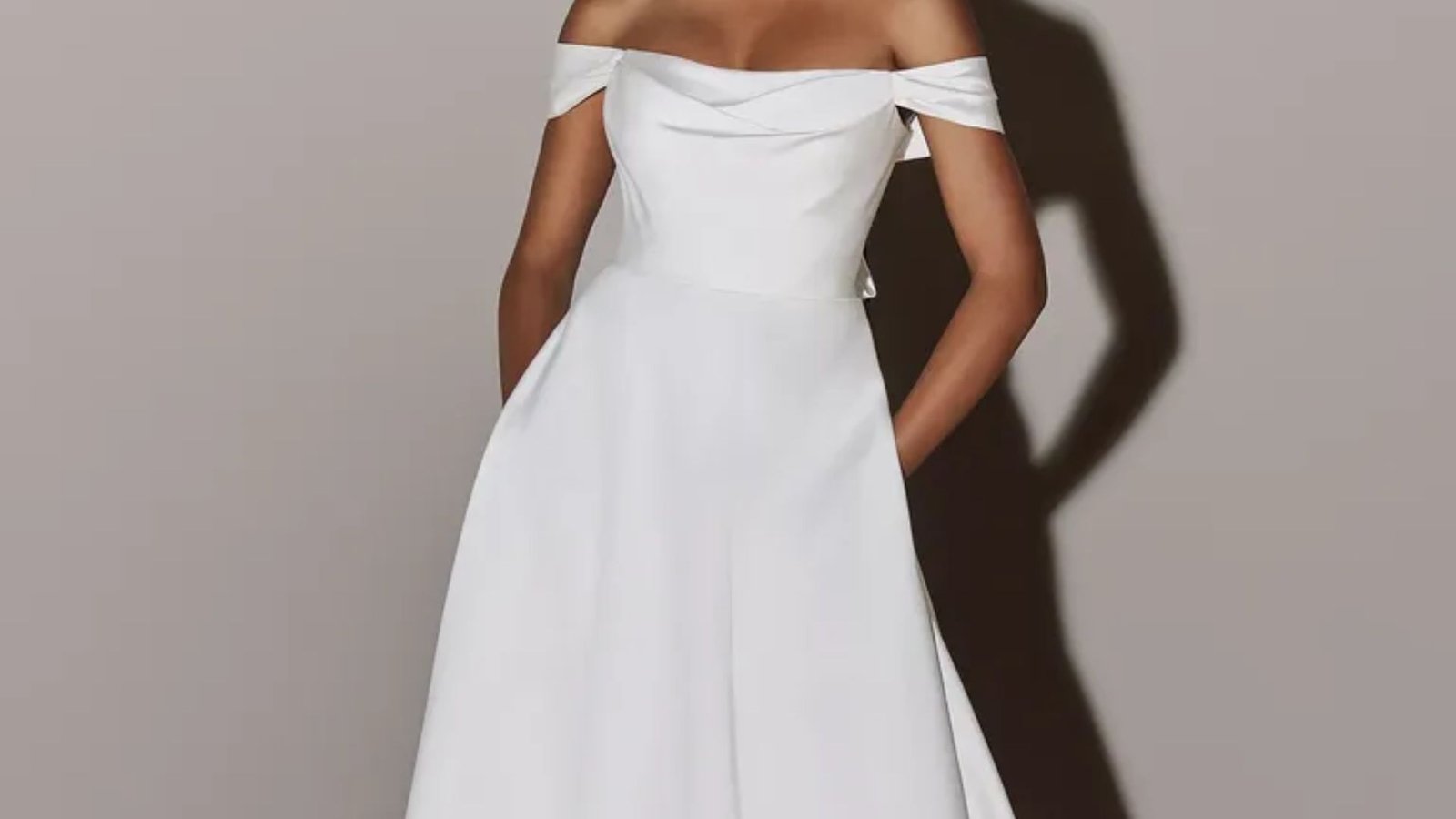
The A-line skirt grows wider slowly. It’s soft and flowing. The ball gown skirt is wide, structured, and dramatic from the moment it leaves the waist. If you want volume, the ball gown wins easily.
Formality Level
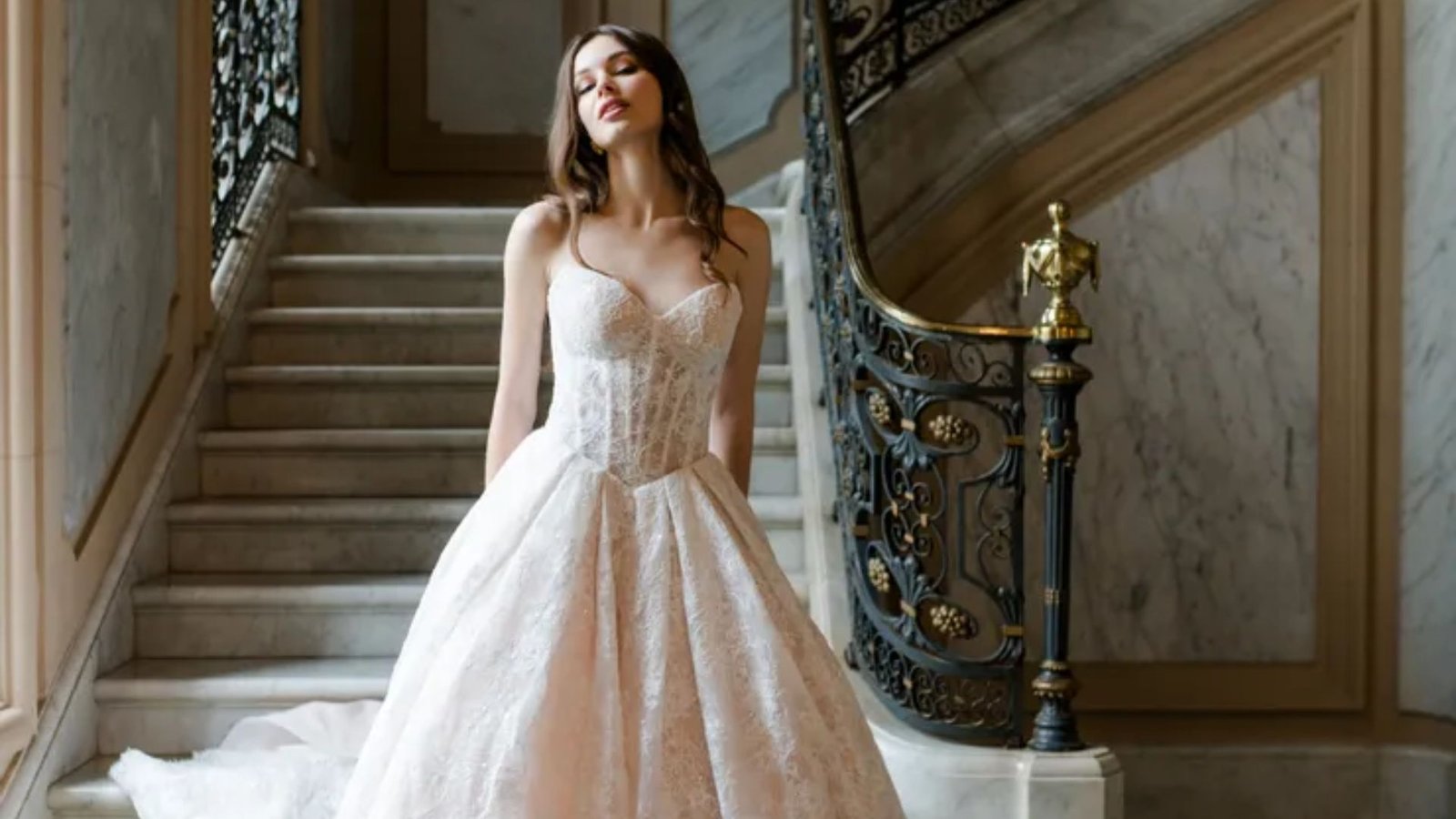
A-line dresses can go from casual beach weddings to formal church settings. Ball gowns are made for formal and traditional ceremonies. Wearing a ball gown at a backyard wedding might feel like too much. Wearing an A-line at a grand ballroom works just fine.
Comfort and Movement
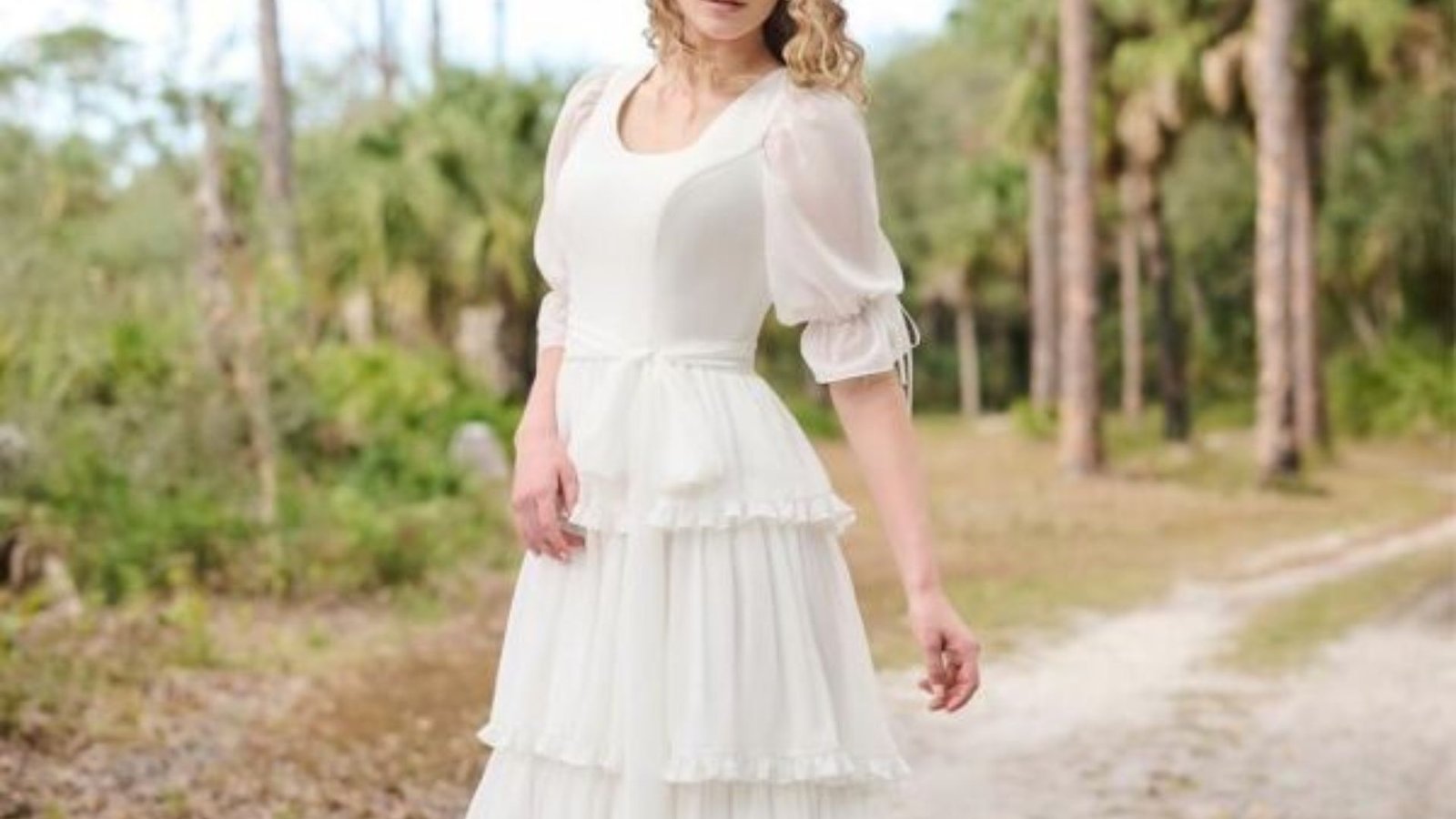
A-line dresses are easy to move in. You can sit down, use the restroom, and hit the dance floor without much trouble. Ball gowns are heavier and more structured. They take up more space and can feel tiring to wear all day.
Body Type Suitability
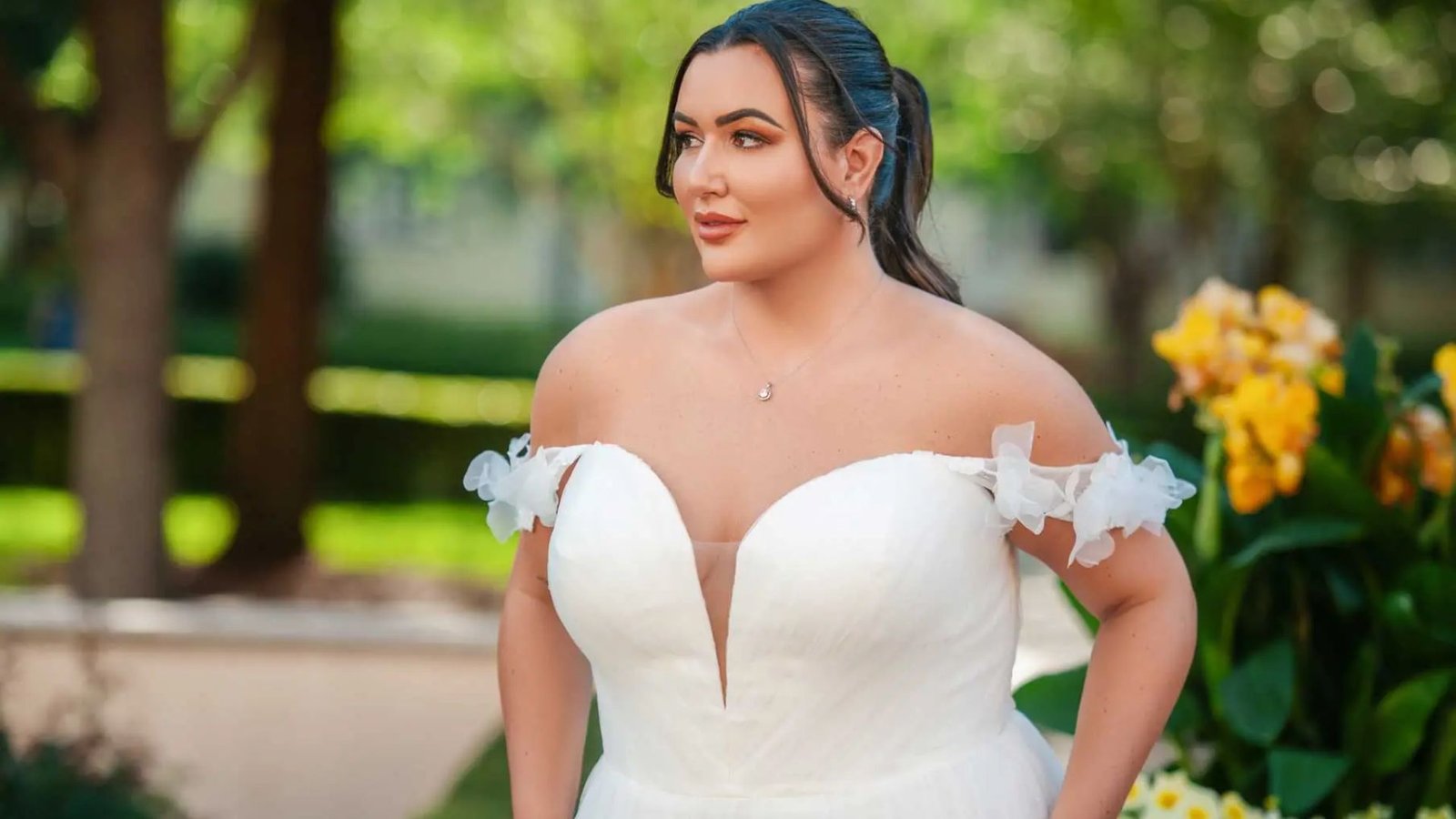
A-line dresses work for most body shapes including petite, tall, curvy, or slim. Ball gowns look great on pear-shaped figures and on brides who want to show off a defined waist. They add volume to the lower half, which can balance out broader shoulders.
Venue Compatibility
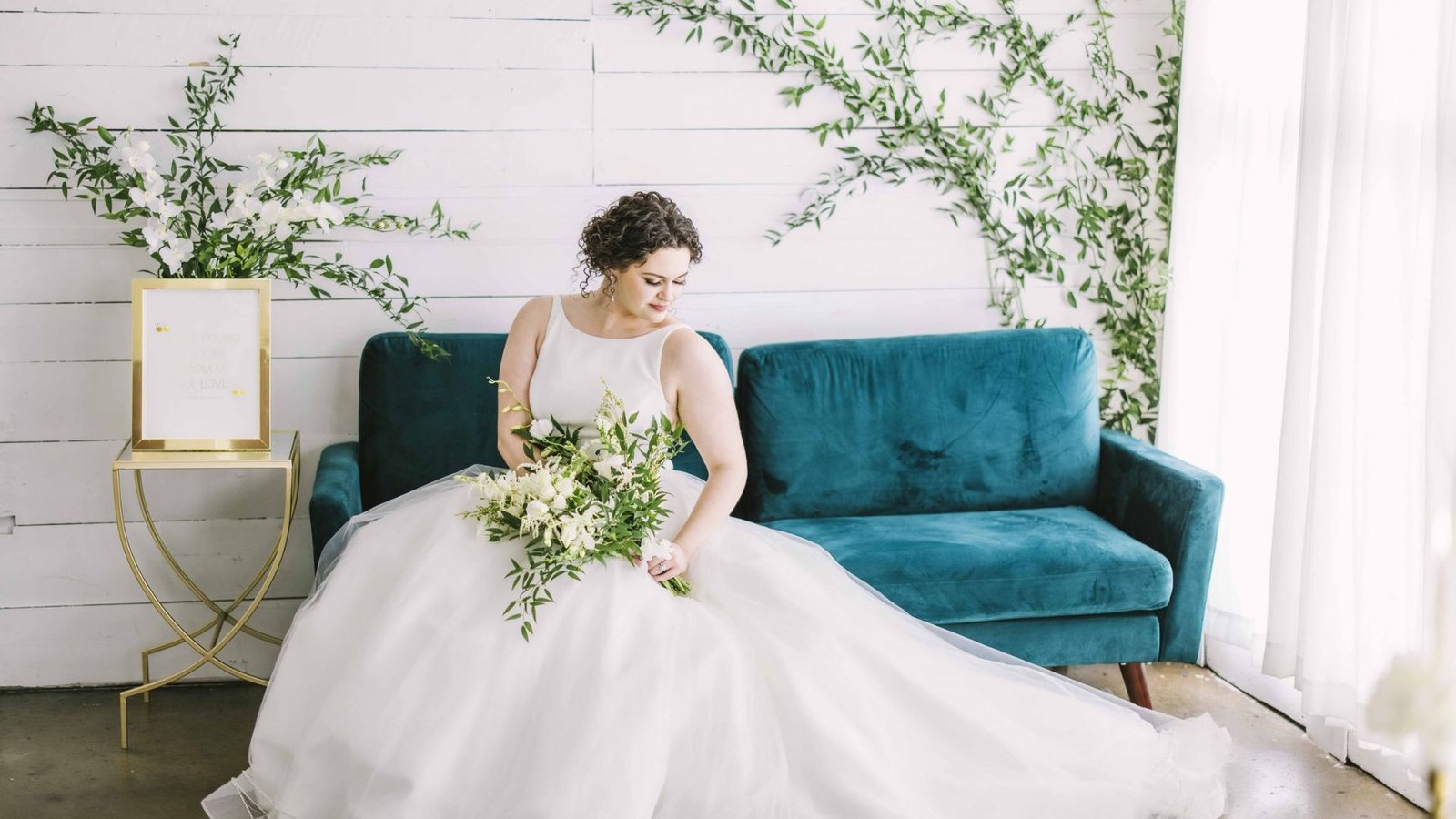
A-line works great for outdoor, garden, rustic, or casual settings. Ball gowns are best for ballrooms, grand churches, and large formal venues.
Pros and Cons Comparison
A quick side-by-side look at how A-line and ball gown dresses compare in comfort, style, and practicality.
|
Feature |
A-Line Wedding Dress |
Ball Gown Wedding Dress |
|
Overall Look |
Classic and elegant with soft structure |
Bold, dramatic, and princess-influenced |
|
Comfort Level |
Comfortable all day long; lightweight and easy to wear |
Heavier due to layered skirt; can feel tiring over time |
|
Mobility |
Easy to walk, dance, sit, and move freely |
Movement requires more effort; wide skirt can restrict motion |
|
Body Type Suitability |
Works for most body types; skims over hips and thighs |
Highlights waist; may overwhelm petite frames if too voluminous |
|
Skirt Volume |
Moderate, gentle flare |
Maximum fullness and dramatic volume |
|
Venue Flexibility |
Suitable for beach, church, garden, or ballroom |
Best for grand ballrooms and formal venues |
|
Statement Factor |
Understated and timeless |
Show-stopping and attention-grabbing |
|
Outdoor Practicality |
Easier to manage on grass or uneven ground |
Large skirt may drag or feel bulky outdoors |
|
Long-Day Wearability |
Comfortable even after many hours |
Can feel heavy and restrictive after extended wear |
How to Choose the Right Silhouette?
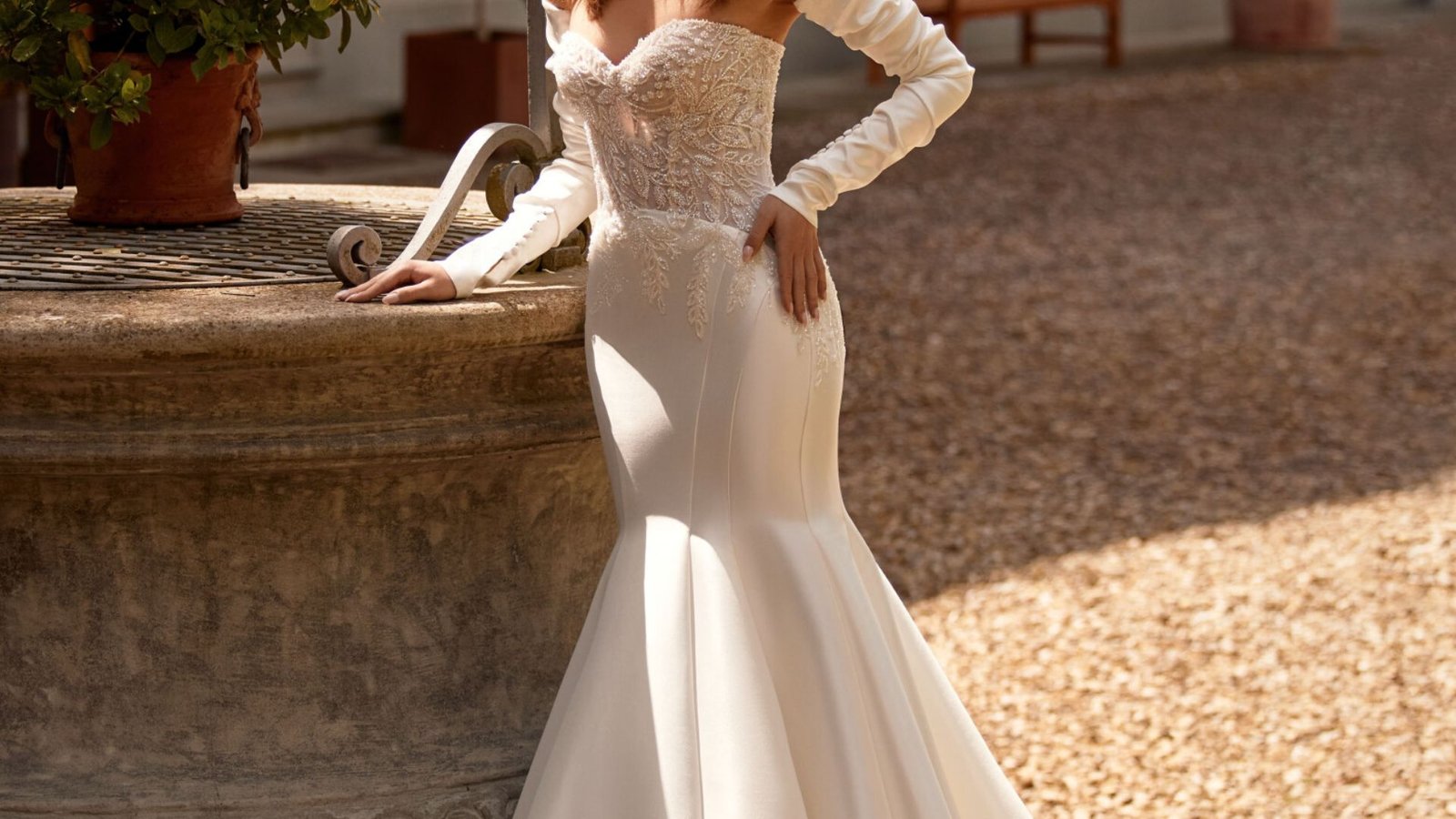
The right dress is the one that fits your life, not just your body.
Start with your body shape. A-lines work for almost everyone, while ball gowns are great for showing off a small waist or adding fullness to the hips.
Next, think about your venue. A grand ballroom calls for something formal. A garden or beach setting works better with something light and easy to move in.
Comfort is also worth thinking about. You’ll wear this dress for 8 to 12 hours, so how it feels matters just as much as how it looks.
Finally, think about your personal style. Want something classic and clean? Go A-line. Want something big and dramatic? Go ball gown. There’s no wrong answer. This is your day.
Tips for Trying On A-Line and Ball Gown Dresses
Don’t skip this step. Trying dresses on tells you what no photo can.
A few simple things can make your fitting go a lot smoother and help you make a more confident choice.
- Try on both styles, even if you already have a favorite in mind. You might be surprised by what you feel in person.
- Walk, sit, and pretend to dance in each dress to see how it feels when you actually move.
- Wear the undergarments and shoes you plan to use on your wedding day so the fit feels as close to real as possible.
- Take photos from the front, side, and back because angles can show you things you miss in the mirror.
- Ask someone you trust for their real opinion, not just what they think you want to hear.
Conclusion
Choosing between an a line vs ball gown wedding dress really comes down to you, your style, your venue, and how you want to feel on your wedding day.
I always say try both before you decide. So many brides come in one style and fall in love with the other. Give yourself that chance.
If this post helped you, drop a comment below and tell me which silhouette you’re leaning toward! Share it with a friend who’s dress shopping too. You’ve got this, and your dress is out there waiting.
Frequently Asked Questions
Can a plus-size bride wear a ball gown?
Yes, absolutely. Ball gowns can look great on plus-size brides. The full skirt creates a balanced silhouette and highlights the waist.
Is an A-line dress good for a garden wedding?
Yes. A-line dresses are one of the best choices for garden weddings. They’re light, easy to move in, and don’t overpower the setting.
Which dress is easier to wear all day?
An A-line is generally easier to wear for long periods. It’s lighter and allows more freedom of movement than a ball gown.
Do ball gowns work for short brides?
They can, but shorter brides should look for ball gowns with a higher waist and less bulk. The right fit can make you look taller.
Can I wear an A-line dress to a formal wedding?
Yes. A-line dresses come in formal fabrics and styles that work well at black-tie or formal weddings. It depends on the fabric and design.