Picking between ivory and white for your wedding dress is harder than it sounds. Most brides don’t realize how much this one choice affects photos, skin tone, and overall feel.
In this guide, you’ll learn what sets ivory and white apart, which shade suits your skin tone best, and how to test and compare before buying.
I’ve spent years covering bridal topics, and I’ve seen this question come up every single time. By the end of this guide, you’ll know exactly what to pick.
Why the Color of Your Wedding Dress Matters
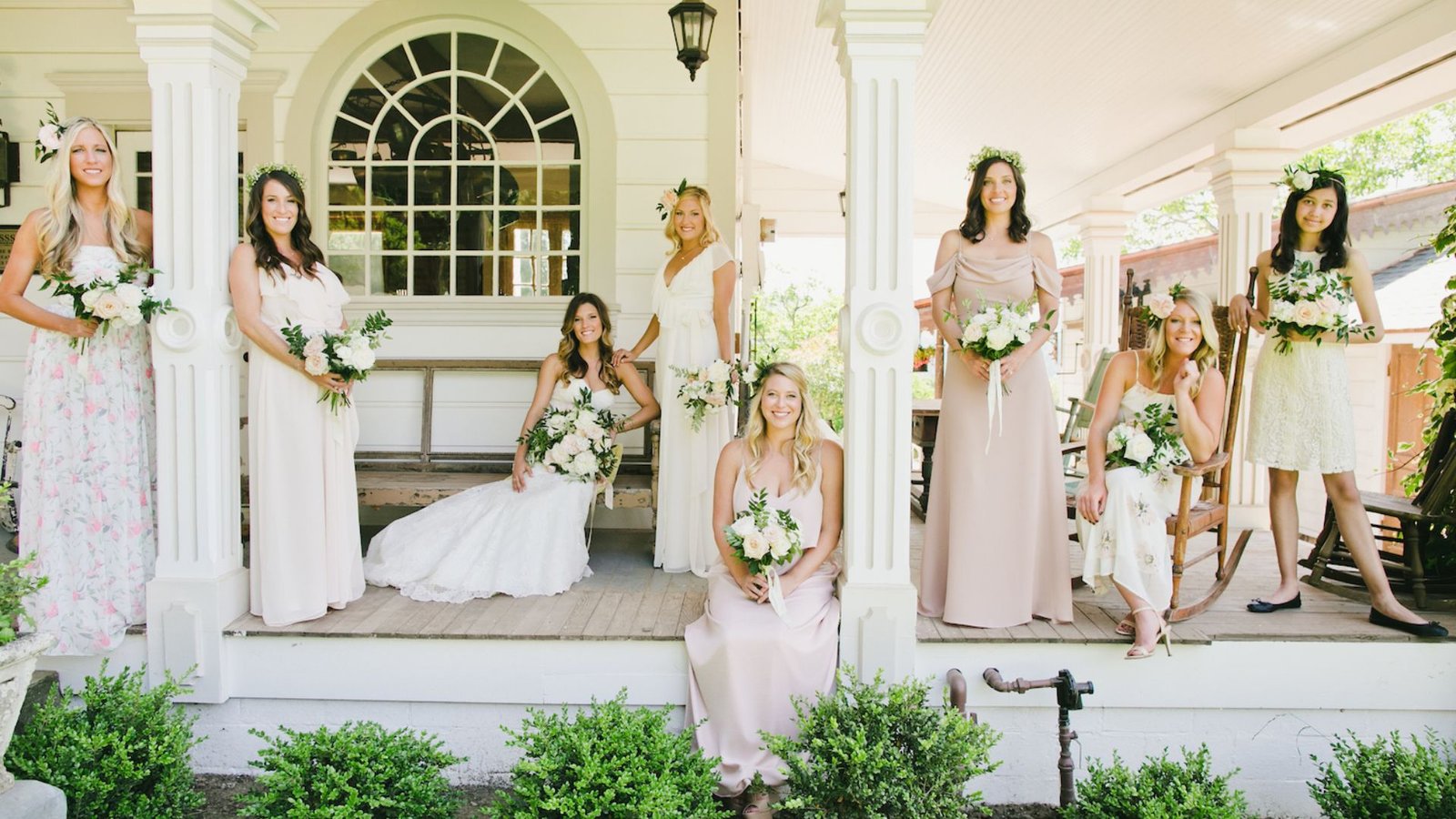
The color of your wedding dress affects how your skin looks in person and in photos. There’s a real difference between bright white and creamy ivory, and picking the wrong one can wash you out.
Cool tones like bright white suit fair skin with pink undertones. Warm tones like ivory work better for medium, olive, and deeper skin tones.
Not sure which one suits you? Hold a white sheet of paper next to your face, then a cream cloth. The one that makes your skin look healthier is your answer.
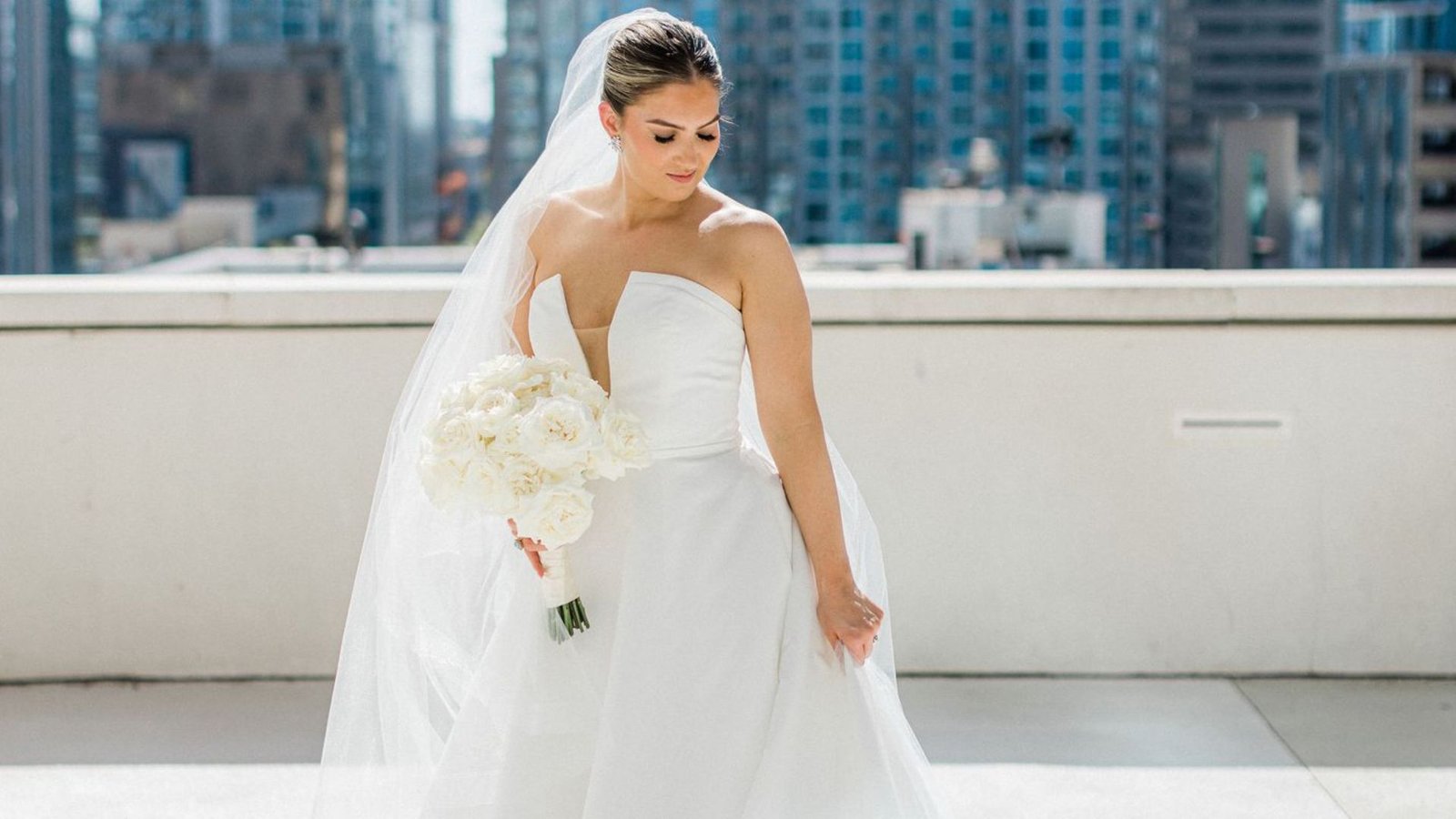
Bright white can overexpose in outdoor photos. Ivory holds its color better in both sunlight and warm indoor lighting. Talk to your photographer before you decide.
What Is a White Wedding Dress?
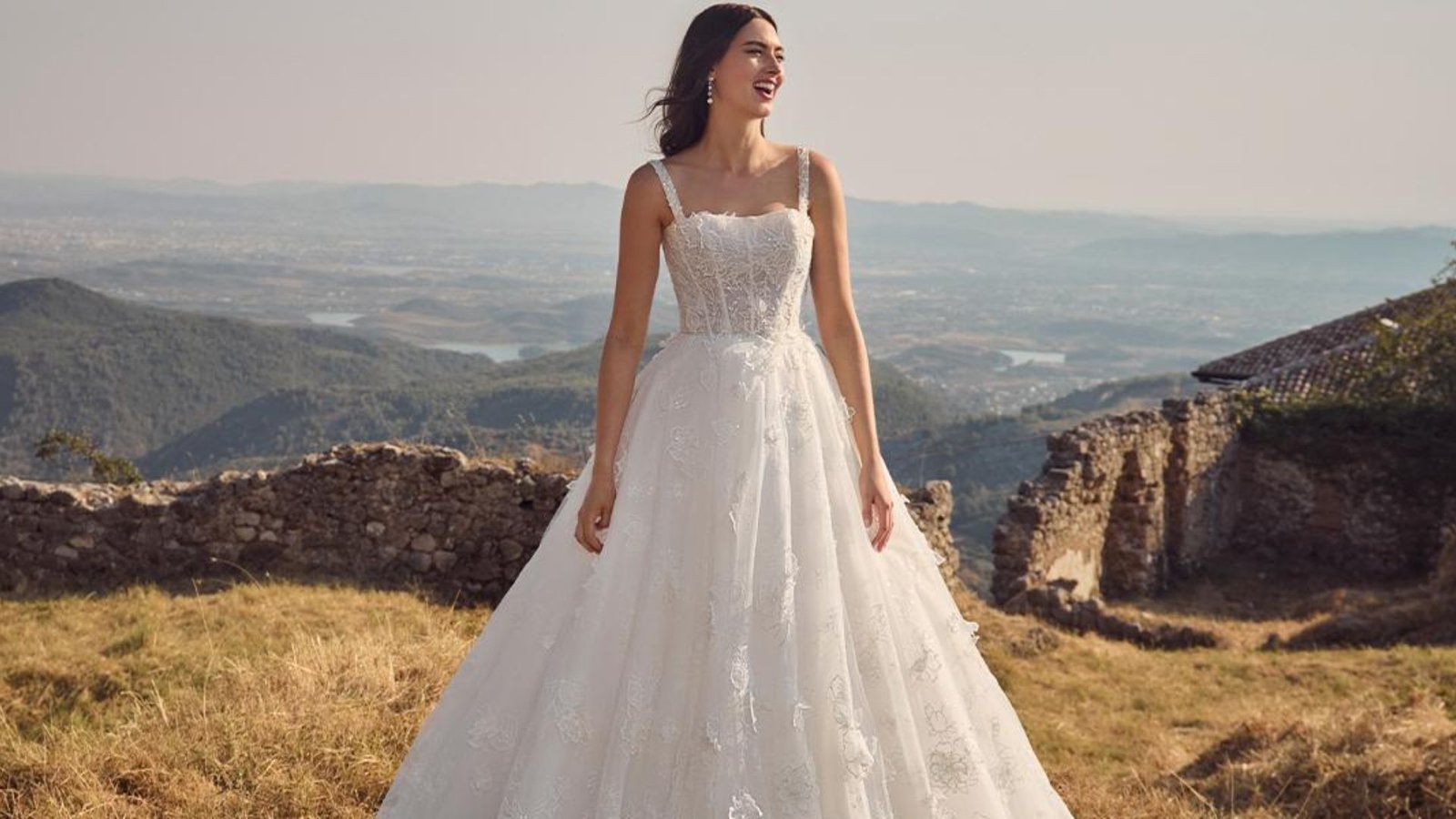
White is the most classic choice for a wedding dress, but the shade you pick makes all the difference.
Shades of White: Pure, Stark, and Natural
White wedding dresses come in more than one shade. Pure white is the brightest with no warmth. Stark white has a blue undertone that looks very crisp. Natural white is slightly softer and sits closer to ivory.
Who Looks Best in White Dresses
White works best for fair or cool-toned skin. Check your wrist veins. Blue or purple means cool undertones. Brides with olive or darker skin can wear white, but natural white tends to work better than stark white.
Popular White Dress Styles
Simple, modern styles look striking in white. Classic or vintage cuts often work better in ivory.
What Is an Ivory Wedding Dress?
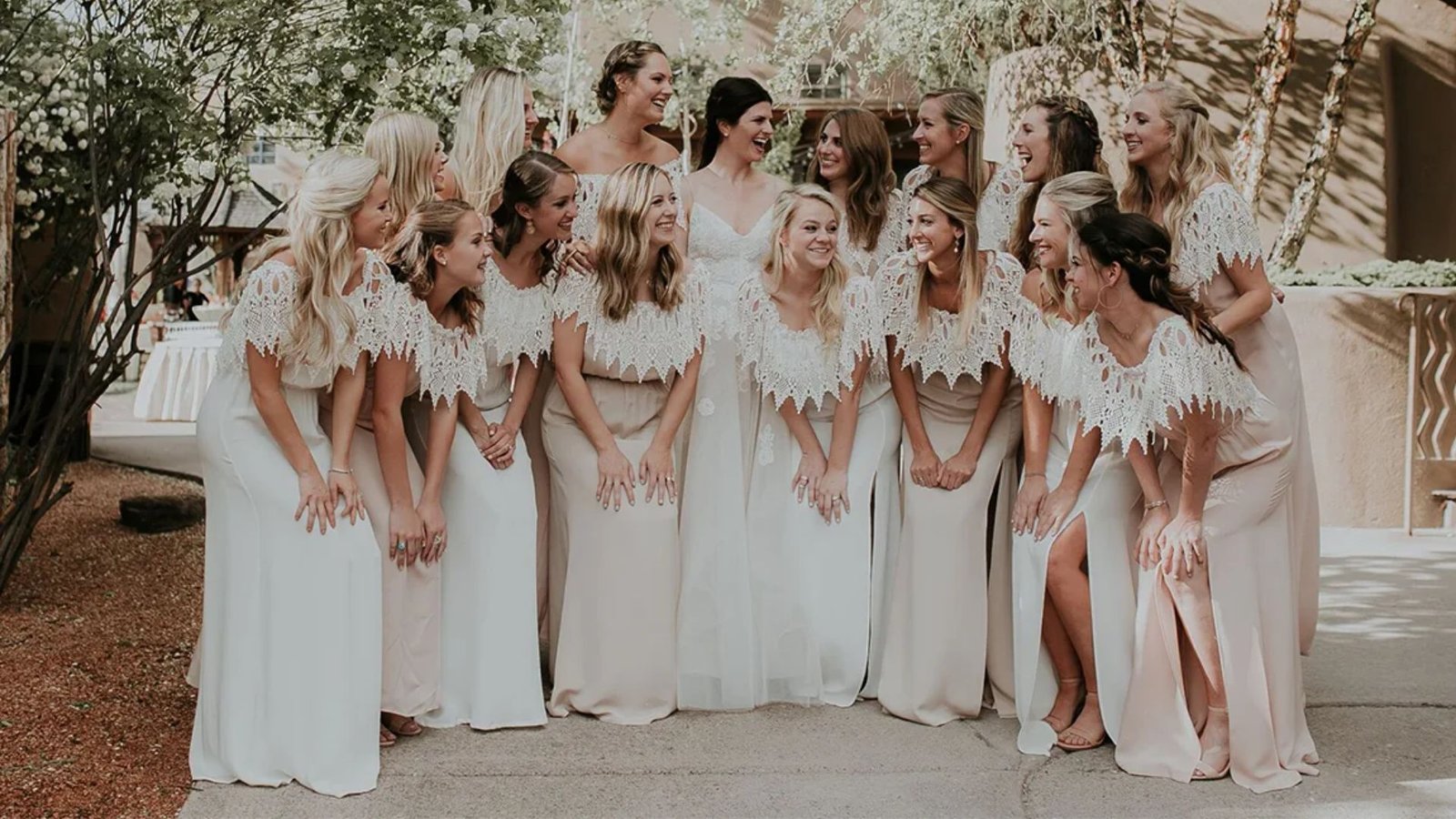
Ivory dresses have warm, creamy undertones that flatter a wide range of skin tones. They’re a popular choice for many brides.
Shades of Ivory: Bone, Cream, Eggshell
Ivory sits between white and cream. Bone has a slightly yellow tone that feels richer. Cream is soft with a beige undertone. Eggshell sits close to white but carries a hint of warmth. Always check these shades in natural light against your skin.
Who Looks Best in Ivory Dresses
Ivory suits warm or neutral undertones. Green or greenish-blue veins mean warm undertones. Medium, olive, and deeper skin tones often look better in ivory than stark white. Fair-skinned brides can wear it too, especially in eggshell or lighter cream.
Popular Ivory Dress Styles
Lace gowns, bohemian styles, vintage silhouettes, and A-line cuts all look great in ivory. It works especially well for outdoor weddings, garden ceremonies, and vintage-themed events.
Key Differences Between Ivory and White
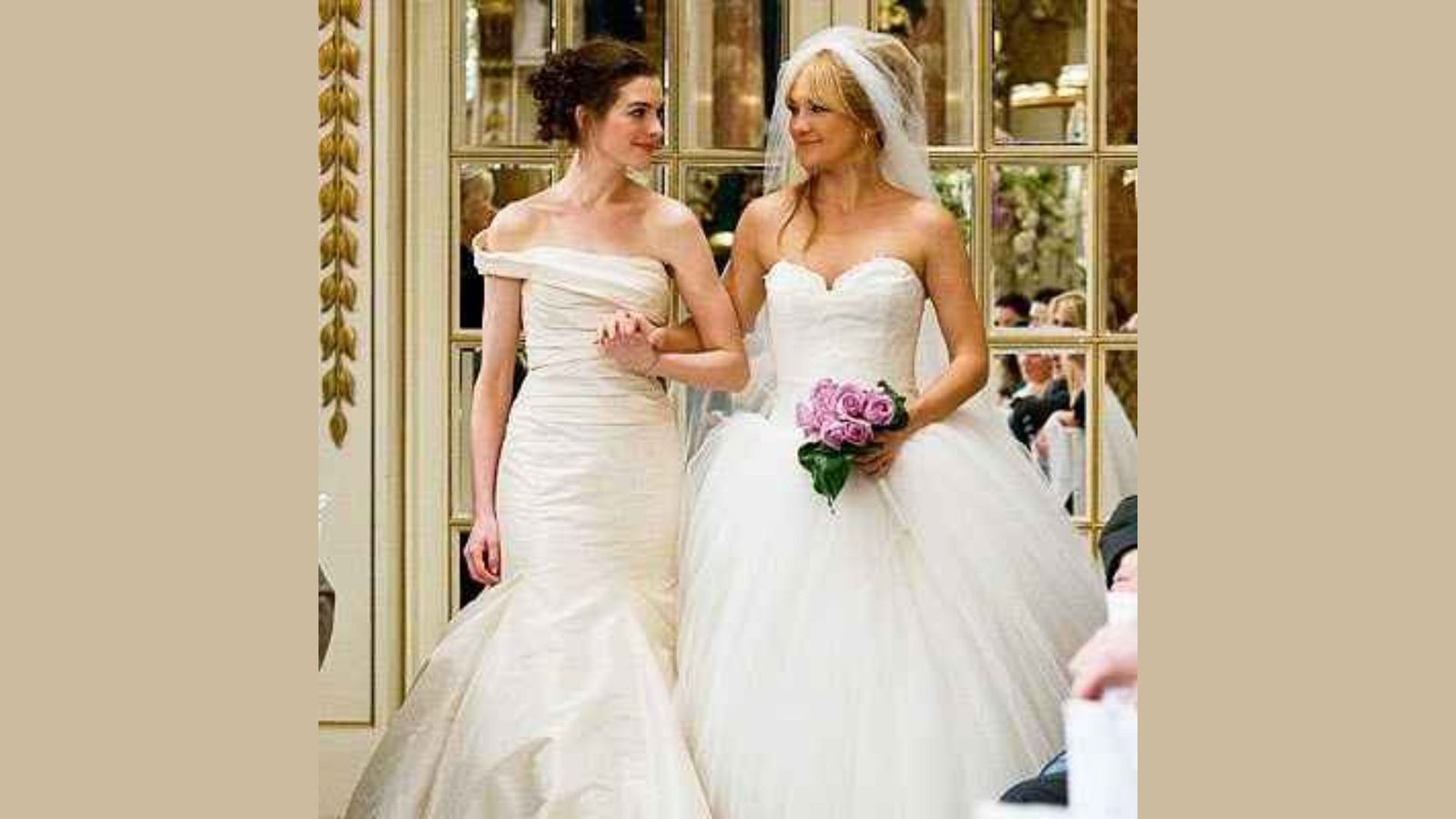
Ivory and white differ in undertone, skin compatibility, how they photograph, and which wedding styles they suit best.
White has cool undertones and looks bright and crisp. Ivory has warm undertones and looks soft and creamy. Place both swatches in natural light and the difference becomes clear right away.
Here’s a quick guide based on skin tone.
| Skin Tone | Best Shade |
|---|---|
|
Fair with cool undertones |
White |
|
Fair with warm undertones |
Ivory or eggshell |
|
Medium or olive |
Ivory or cream |
|
Deep or rich |
Bone or cream ivory |
|
Neutral undertones |
Test both |
White can look washed out in flash photography. Ivory shows more texture and detail, especially in lace fabrics. For outdoor weddings, ivory tends to photograph better.
White suits modern and minimalist weddings. Ivory works better for garden, vintage, and boho settings.
Choosing the Right Ivory or White Shade for Your Skin Tone
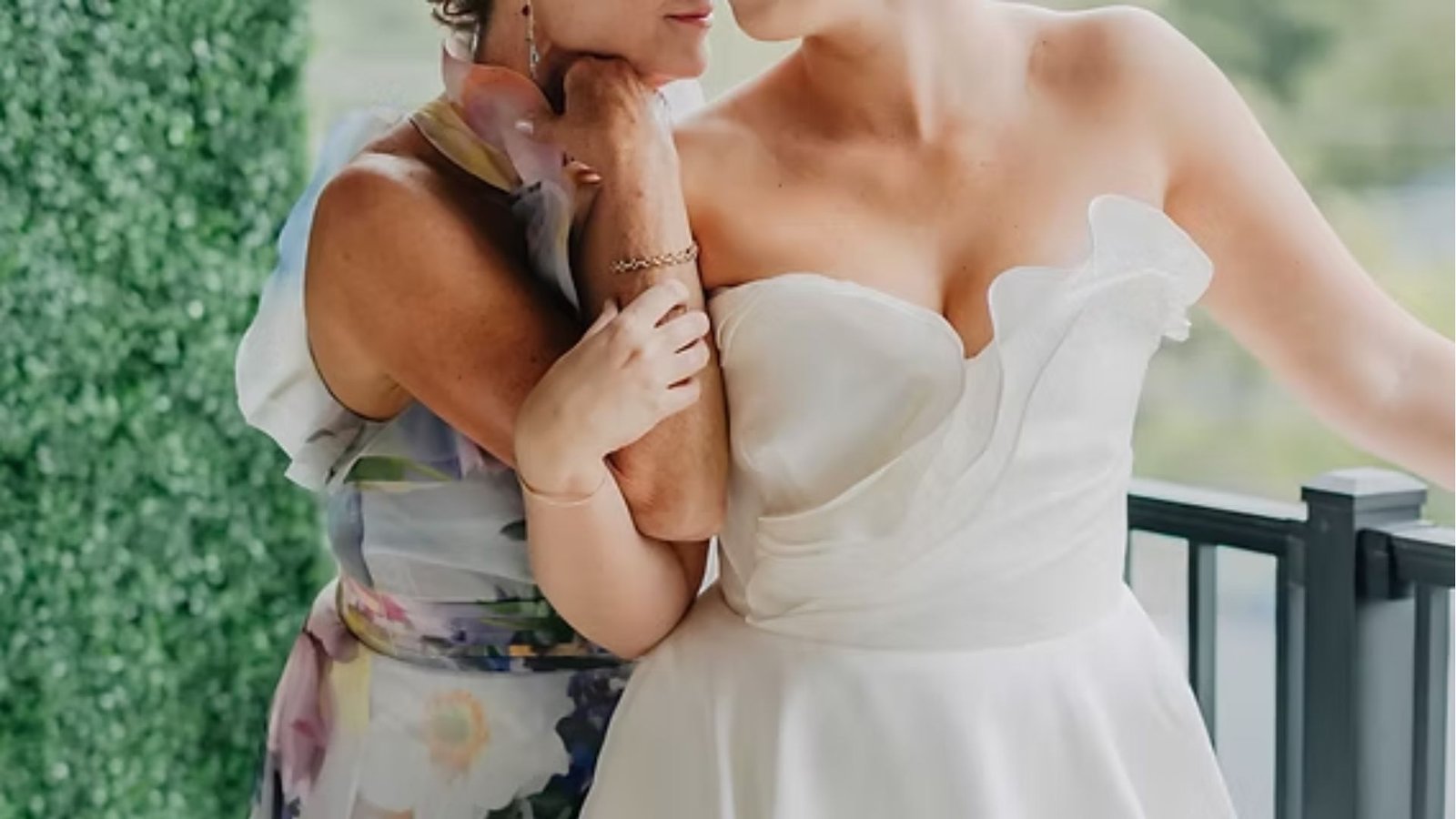
Your skin tone is the biggest factor in choosing between ivory and white. Getting this right makes a noticeable difference in person and in photos.
Check your wrist veins. Blue or purple means cool undertones. Green means warm. Cool undertones suit white. Warm undertones suit ivory or cream.
Never rely on bridal shop lighting alone. Step outside or near a window to see the true shade on your skin.
Ask for swatches in both shades and hold them against your bare skin. The one that makes your skin look even and clear is your answer.
How to Choose the Right Shade for Your Wedding
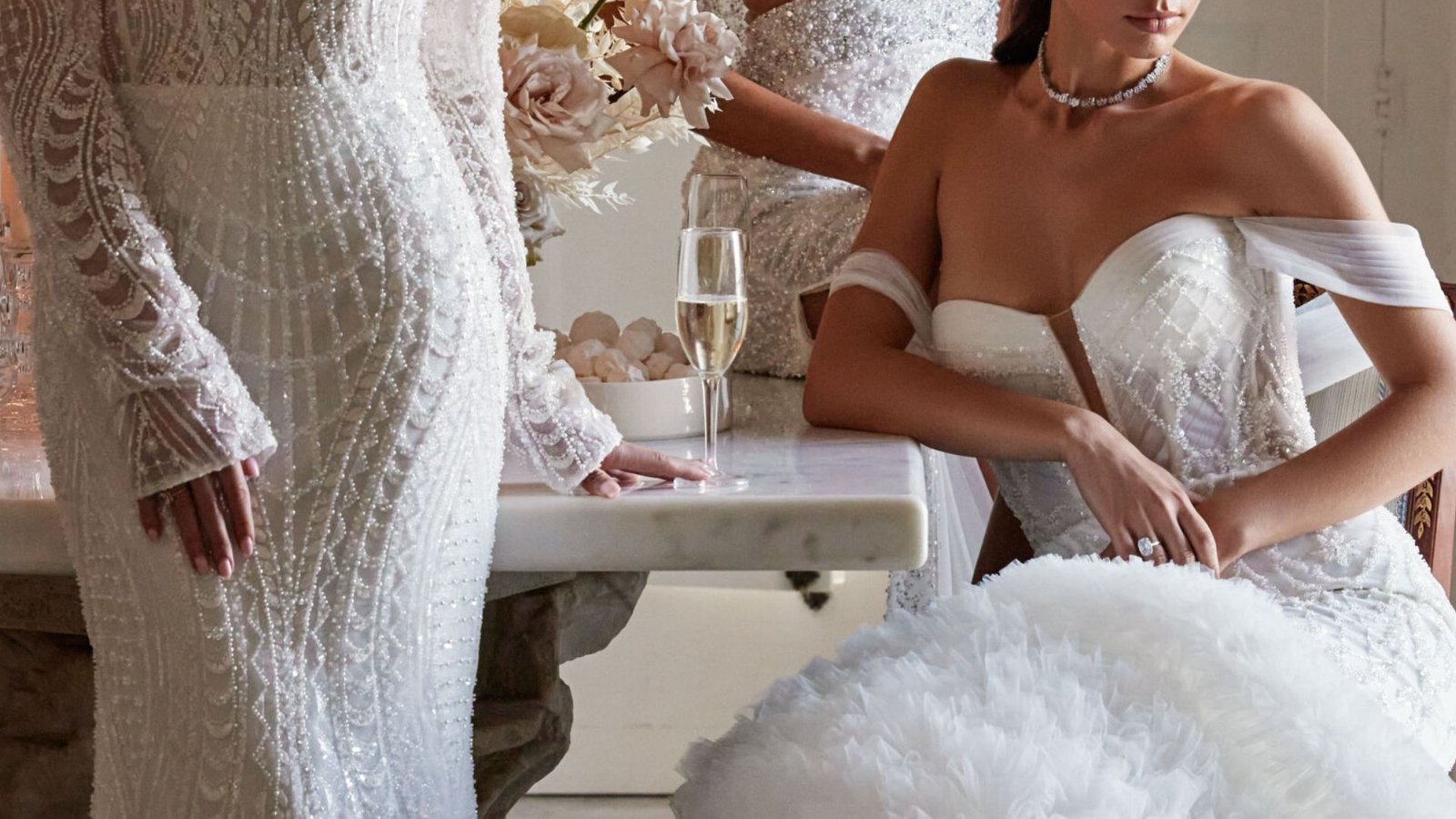
Getting the right shade comes down to testing, planning, and comparison against your skin and setting.
Match Your Shade to the Venue and Theme
Modern venues suit white. Garden and rustic venues look better with ivory. Warm florals pair well with ivory. Cool tones like blue or silver work better with white.
The overall mood of your wedding matters just as much as your skin tone. A sleek city venue calls for the crispness of white, while a countryside setting feels more natural with the warmth of ivory.
Test Your Dress in Natural Light
Always try dresses in natural light. It shows the true shade on your skin.
Indoor lighting in bridal boutiques can distort how a shade truly looks. Step outside or stand near a window before making any final decisions. What looks perfect under artificial light can look completely different outdoors.
Hold Swatches Against Your Skin
Hold swatches next to your skin. The one that looks healthier is your answer.
Comparing shades side by side against your skin removes all the guesswork. The right shade will make your complexion look bright and even, while the wrong one can wash you out or look too harsh.
Match Your Veil and Accessories
Make sure your veil and accessories match your dress shade. A mismatch will show in photos.
Even a slight difference between your veil and gown can stand out in bright photography. Always bring a fabric swatch of your dress when shopping for accessories to make sure everything works together.
Final Tips for Brides
Before you say yes to the dress, these final tips help you make a confident and stress-free color decision.
- Trust your gut over outside opinions. You’re the one wearing the dress.
- If you’re getting a custom dress made, ask your designer to adjust the shade to suit your complexion.
- Always approve fabric samples in natural light before production begins.
- Try on both shades and see how each one makes you feel.
- The dress that makes you feel most like yourself will always be the right choice.
Conclusion
I’ll be honest, I used to think the ivory vs white debate was a bit overthought. Then I saw a bride choose stark white in a warm outdoor setting and watch it wash out completely in every photo. That changed my view fast.
The right shade makes a real difference. It comes down to your skin tone, your setting, and what feels right on you.
Test your options, trust your instincts, and don’t let anyone rush the decision. Did this help? Drop a comment below or share this guide with a bride who needs it.
Frequently asked questions
Is ivory or white better for a summer outdoor wedding?
Ivory tends to work better for outdoor summer weddings. It handles bright natural light well and photographs with more warmth and detail than stark white.
Can I wear a white dress if I have warm skin undertones?
You can, but ivory or natural white will usually look more flattering on you. Stark white can wash out warm skin tones, while ivory complements them more naturally.
Will my ivory dress match a white veil?
Not always. Ivory and white can clash when placed side by side. Try to match your veil shade to your dress, or choose an off-white veil that sits between the two tones.
Does ivory look yellow in photos?
Ivory should not look yellow in professional photos if the shade is true ivory. However, bone or deeper cream shades can read warmer under certain lighting, so always check swatches with your photographer first.
What is the most popular wedding dress color today?
Ivory is currently one of the most popular choices among brides. Its warm tone flatters a wide range of skin tones and works across many wedding styles and settings.