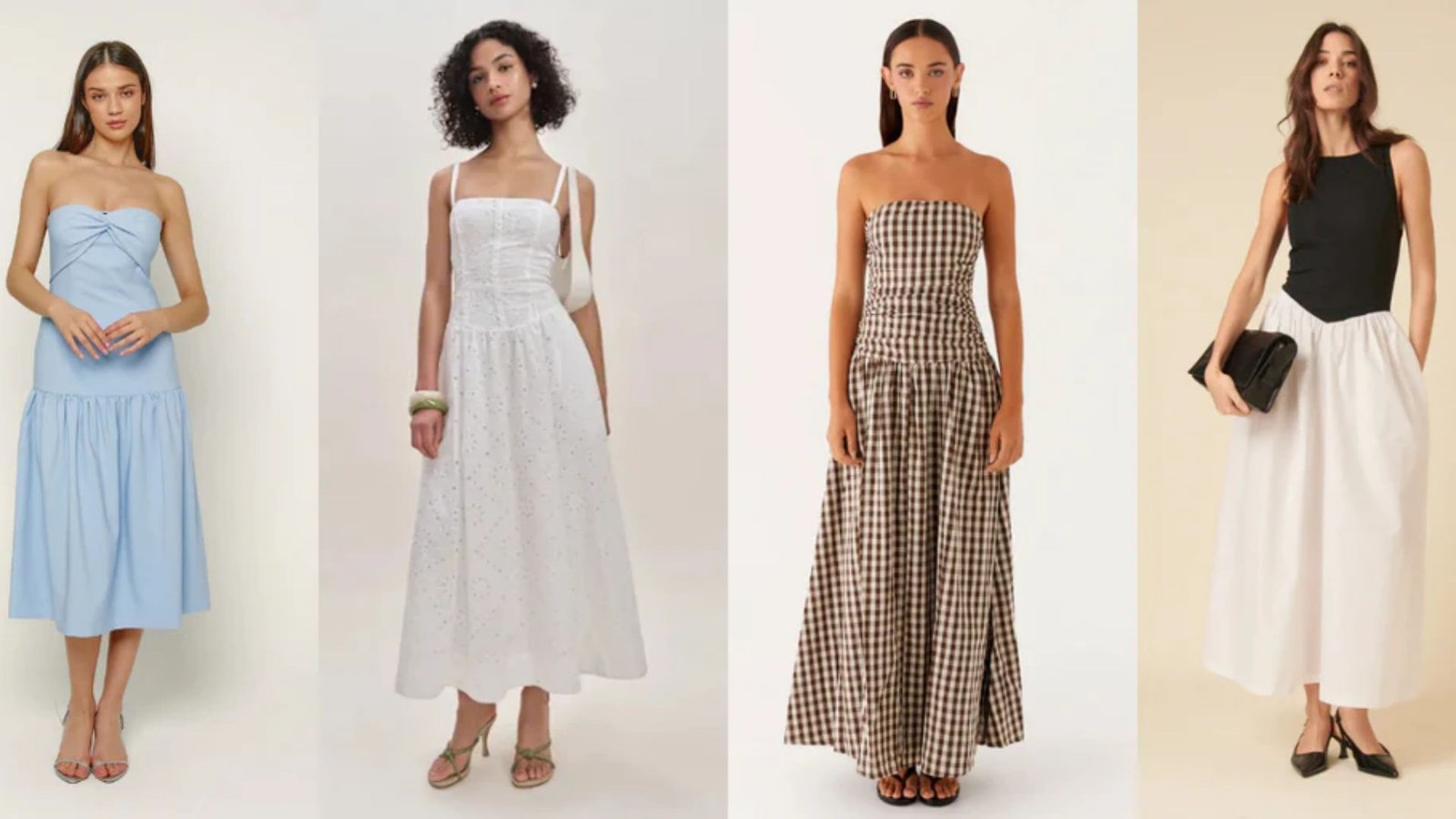
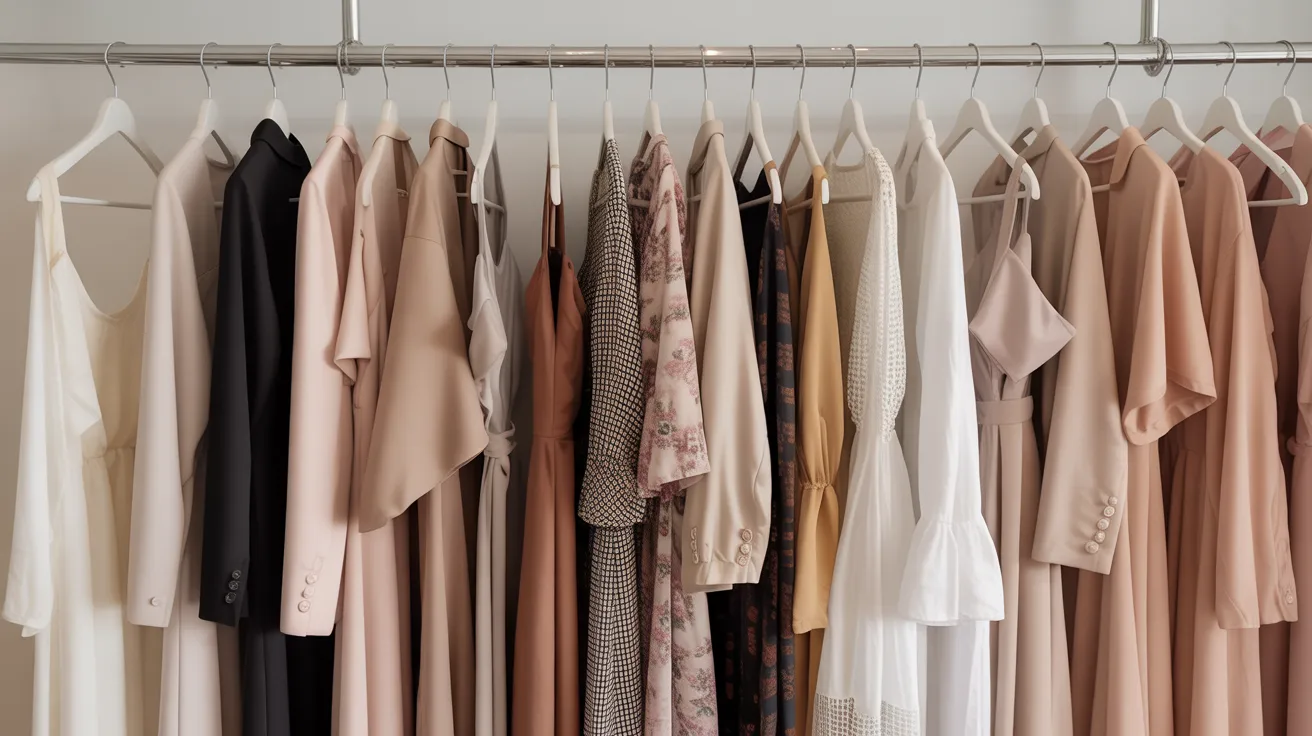
I’ve spent a lot of time staring at dresses, online, in stores, in my own closet, wondering why some work and others just don’t. The answer almost always comes down to the dress type.
In this blog, I’m breaking down 39 popular dress types so you know exactly what you’re looking at and what works for you.
From mini to maxi, bodycon to ball gown, I’ve got it all covered. I’ll help you match the right style to your body, occasion, and personal taste.
Let’s get started.
What Are Dress Types & Why They Matter

Dress types refer to the different silhouettes, lengths, necklines, and fabrics that define how a dress looks and fits.
Knowing the difference matters because the right dress type can flatter your figure, suit the occasion, and make getting dressed so much easier.
Instead of guessing, you’ll shop with a clear idea of what you need. It saves time, money, and a lot of wardrobe regret.
39 Popular Dress Types You Should Know
Here’s a full breakdown of the most popular dress types, from everyday basics to special occasion styles.
1. Mini Dress
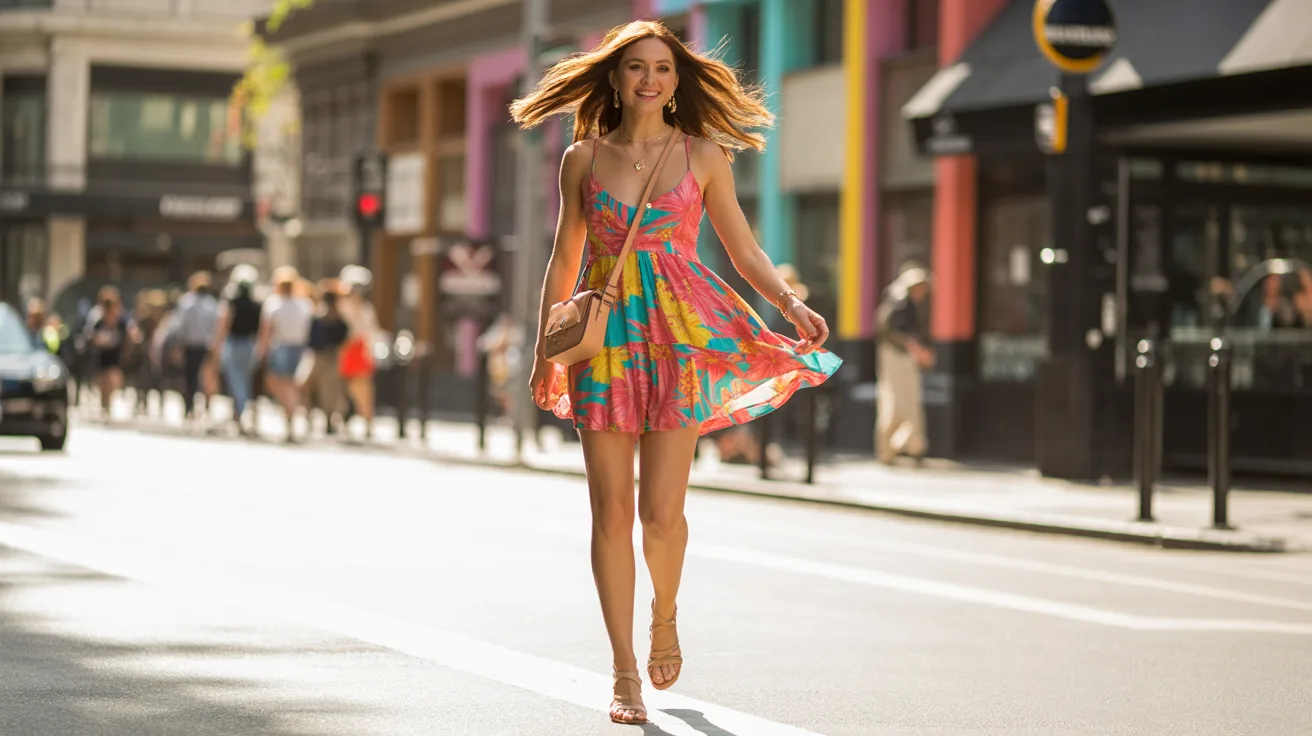
A mini dress hits above the knee, usually mid-thigh. It’s great for casual outings, nights out, or summer days. Pair it with sneakers for a laid-back look or heels to dress it up fast.
2. Midi Dress
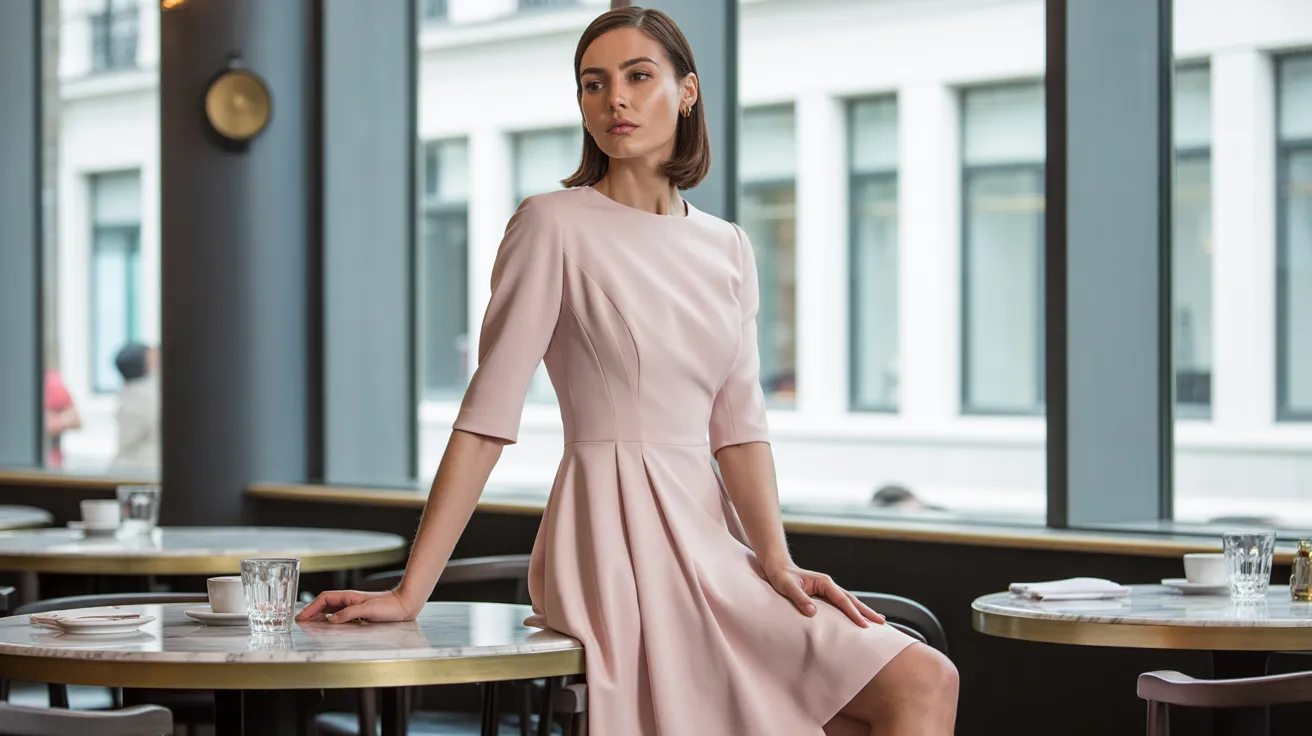
The midi hits between the knee and ankle. It’s one of the most versatile dress types out there. It works for brunch, the office, and even semi-formal events depending on the fabric.
3. Tea-Length Dress
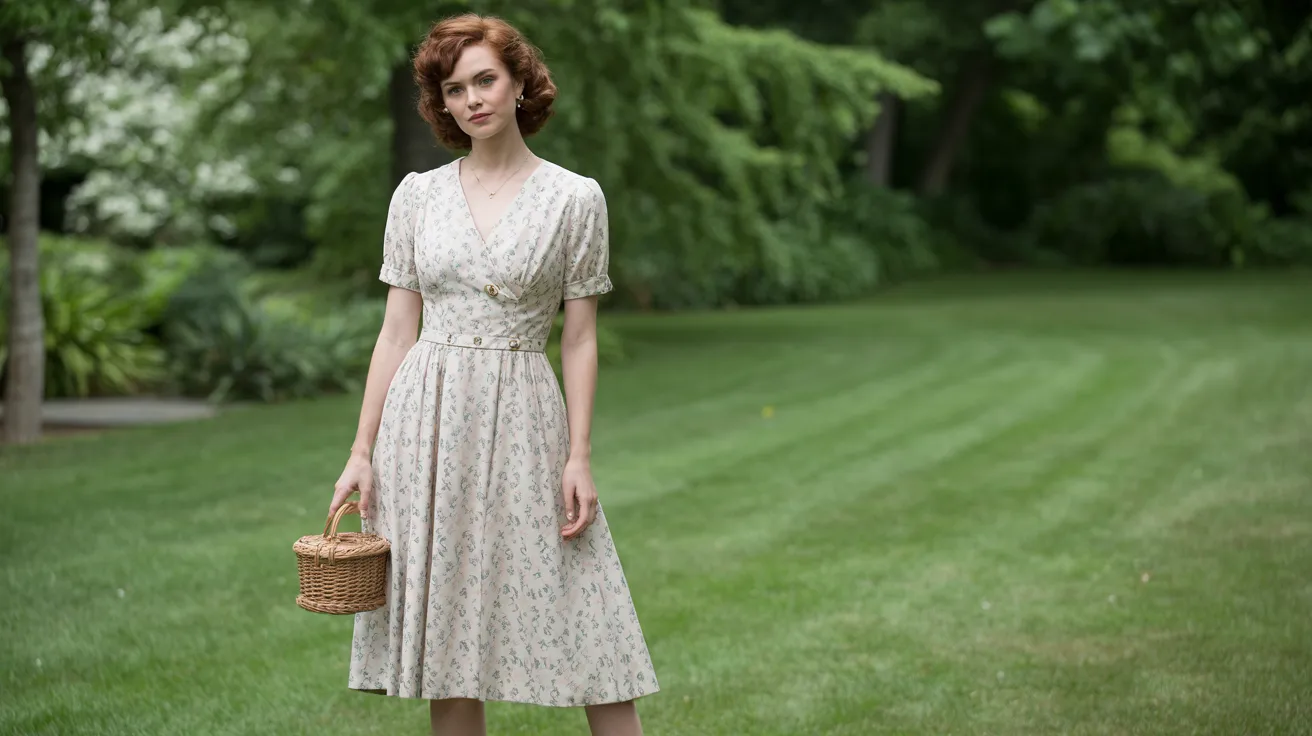
This one falls just below the knee or mid-calf. It has a retro, feminine feel and works well for garden parties, weddings, or vintage-inspired outfits. A timeless option worth trying.
4. Maxi Dress
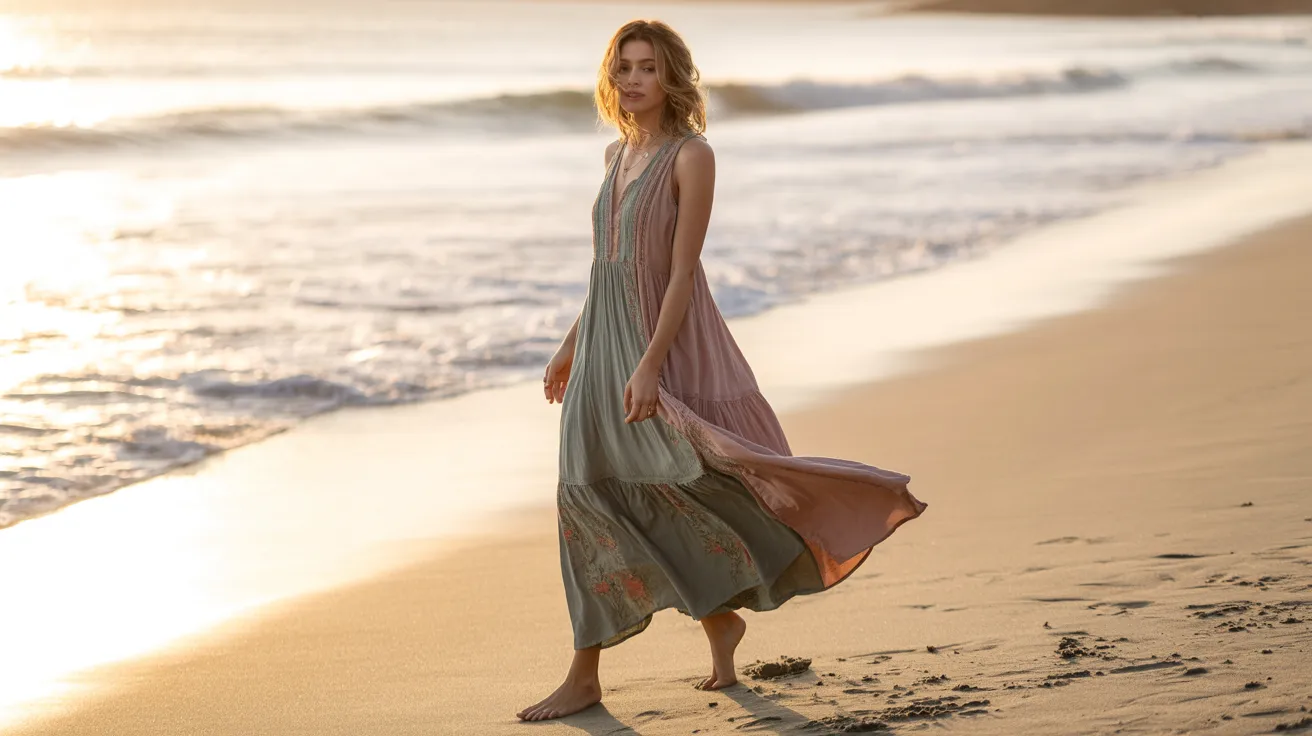
A maxi dress reaches the ankles or floor. It’s relaxed, breezy, and works for beach trips, festivals, or casual evenings.
Choose a fitted top with a flowy skirt for the most flattering silhouette.
5. Floor-Length Gown
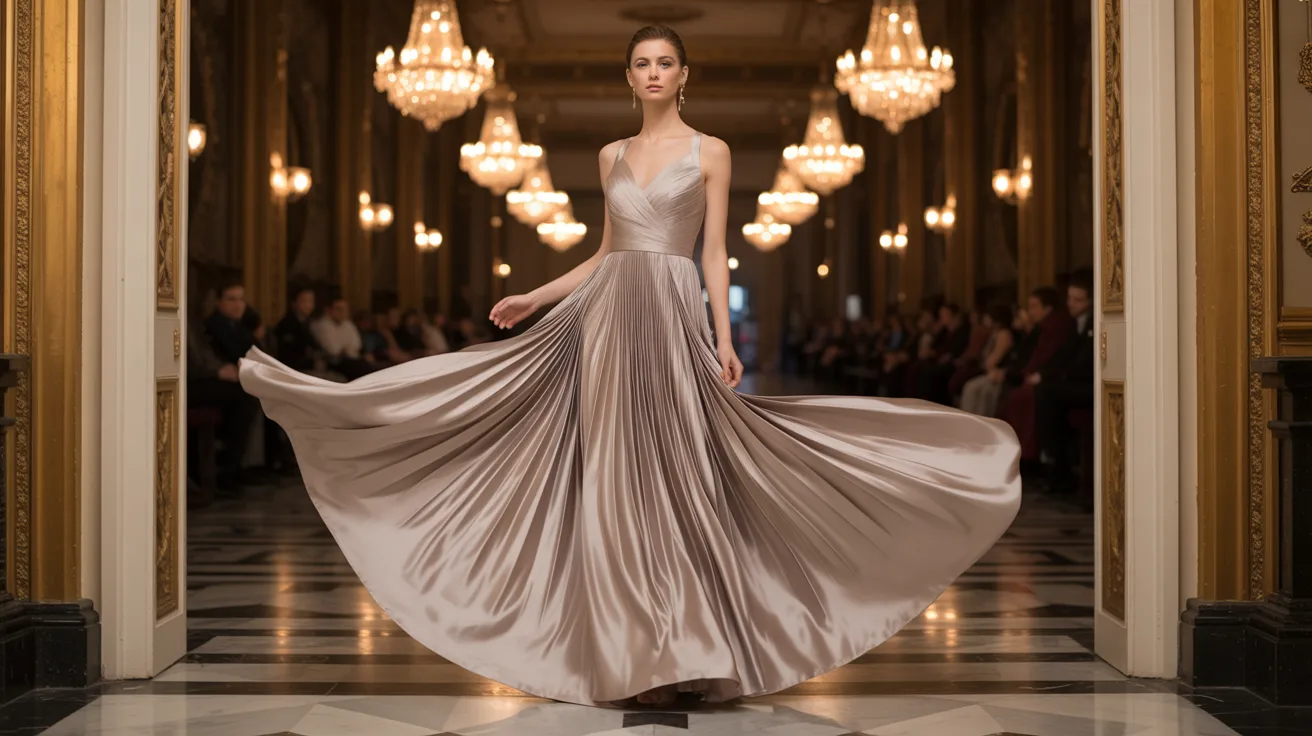
This is the formal version of a maxi. Floor-length gowns are made for galas, black-tie events, and formal weddings.
They typically feature luxe fabrics like satin, velvet, or chiffon for that polished finish.
6. A-Line Dress
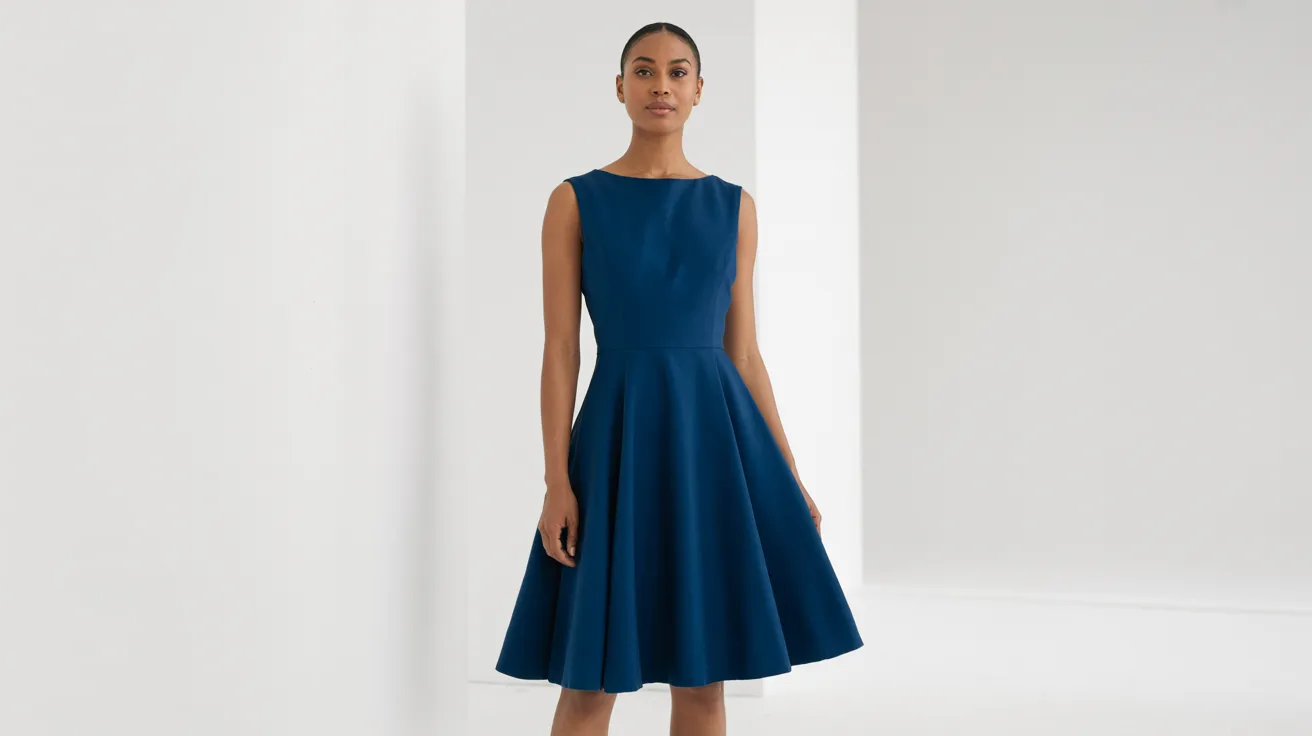
The A-line is fitted at the top and flares out from the waist, shaped like the letter A. It flatters almost every body type, which makes it one of the most popular dress cuts across all occasions.
7. Shift Dress
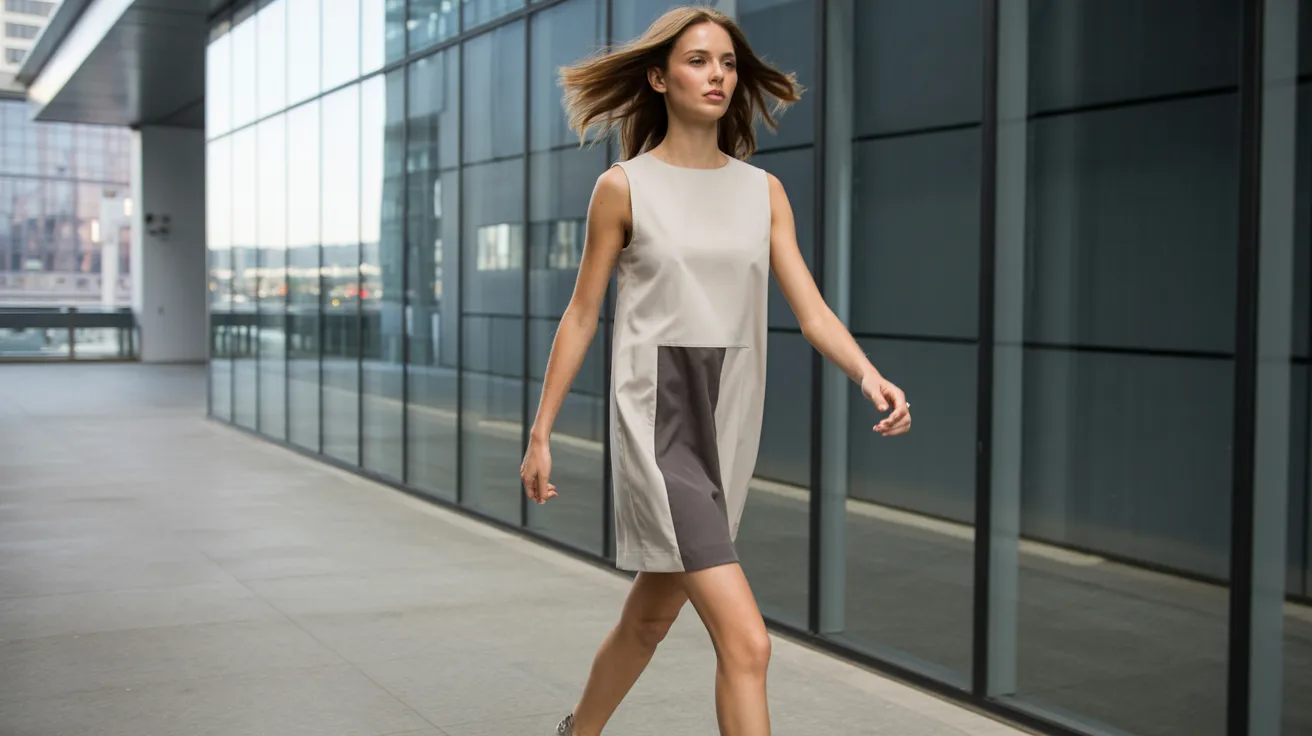
A shift dress is straight, loose, and doesn’t define the waist. It’s minimal and clean in shape. It’s a great go-to for the office or casual days when you want to look put-together without much effort.
8. Fit-and-Flare Dress
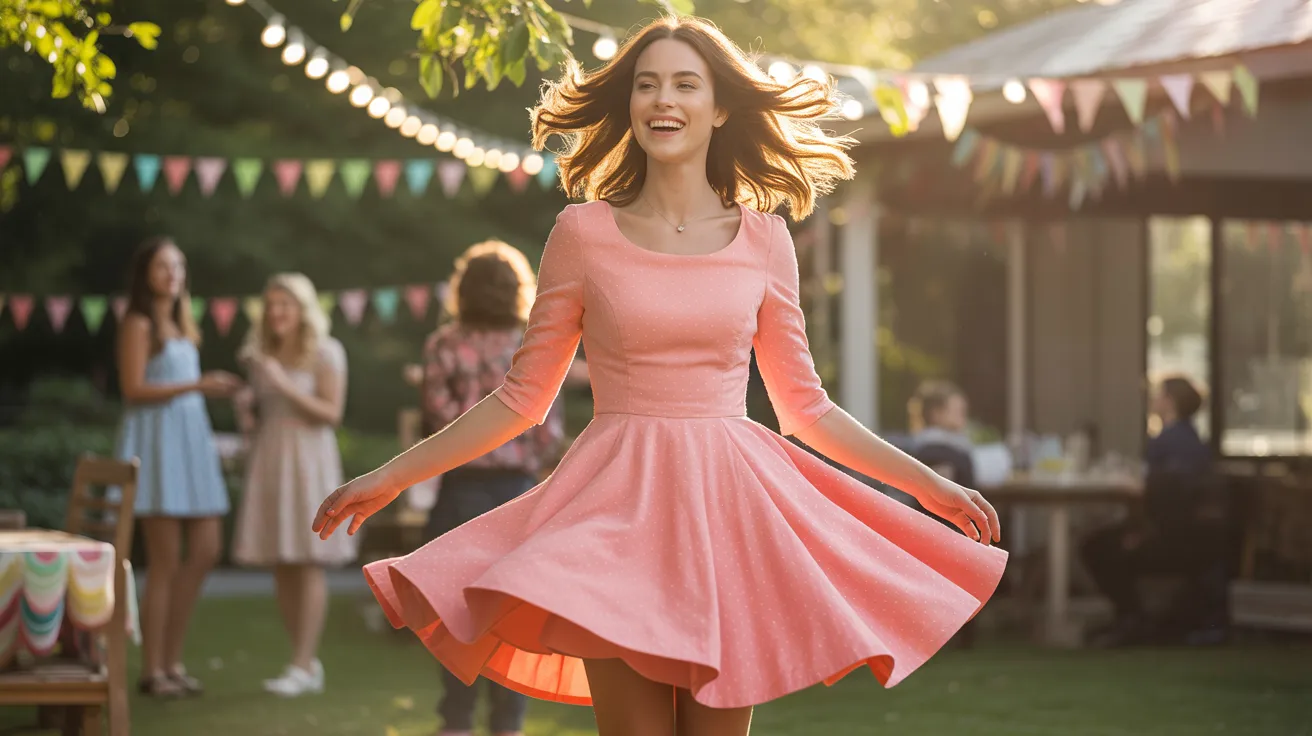
This style hugs the body from the top to the waist, then flares out into a full skirt. It creates a classic hourglass shape.
Great for dates, parties, or any occasion where you want to feel dressed up.
9. Bodycon Dress
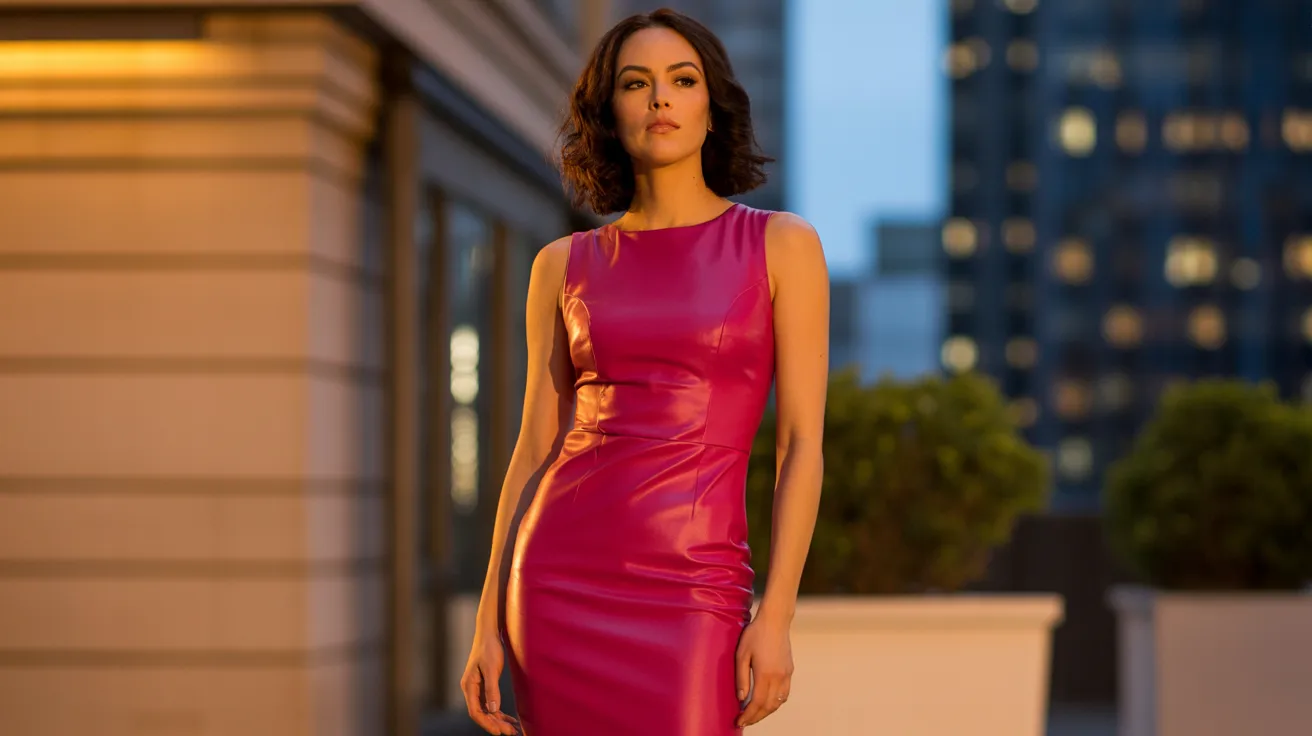
Bodycon means body-conscious, it fits tight from top to bottom. It highlights your curves and works best for nights out or events where you want a bold, confident look.
Stretchy fabric keeps it comfortable.
10. Empire Waist Dress
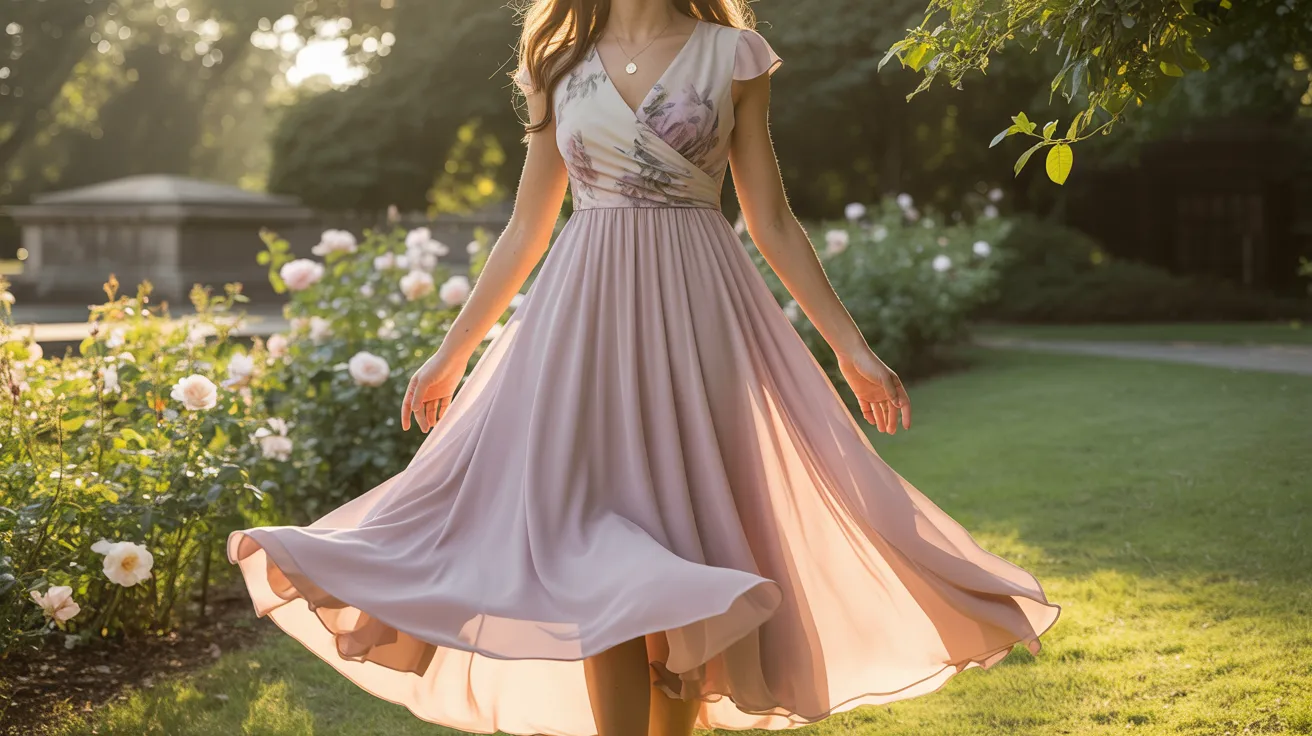
The waistline sits just below the bust, and the rest of the dress flows out. It’s a flattering cut for many body types and a popular choice during pregnancy.
Also looks great in floral or soft fabric.
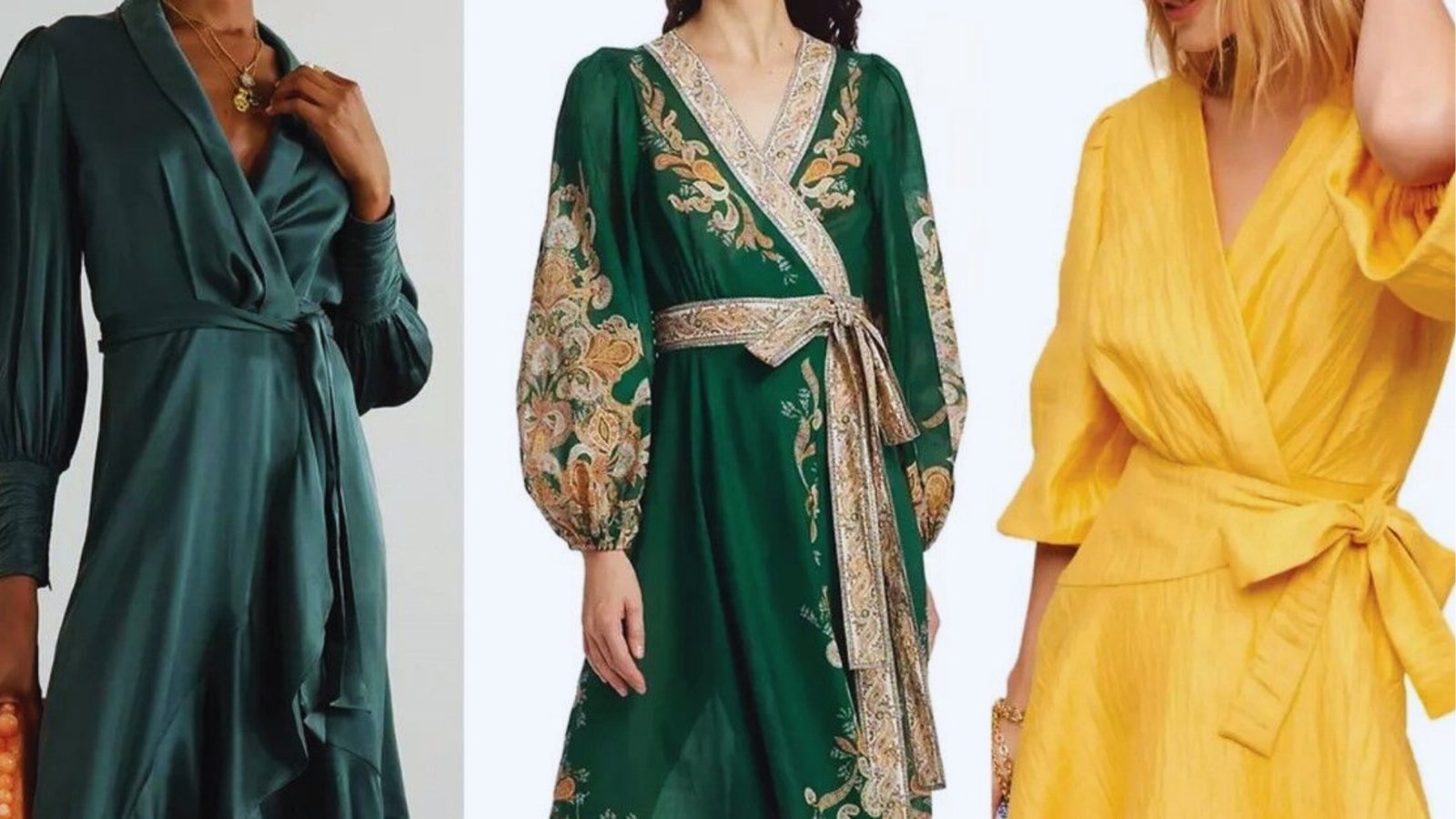
11. Wrap Dress
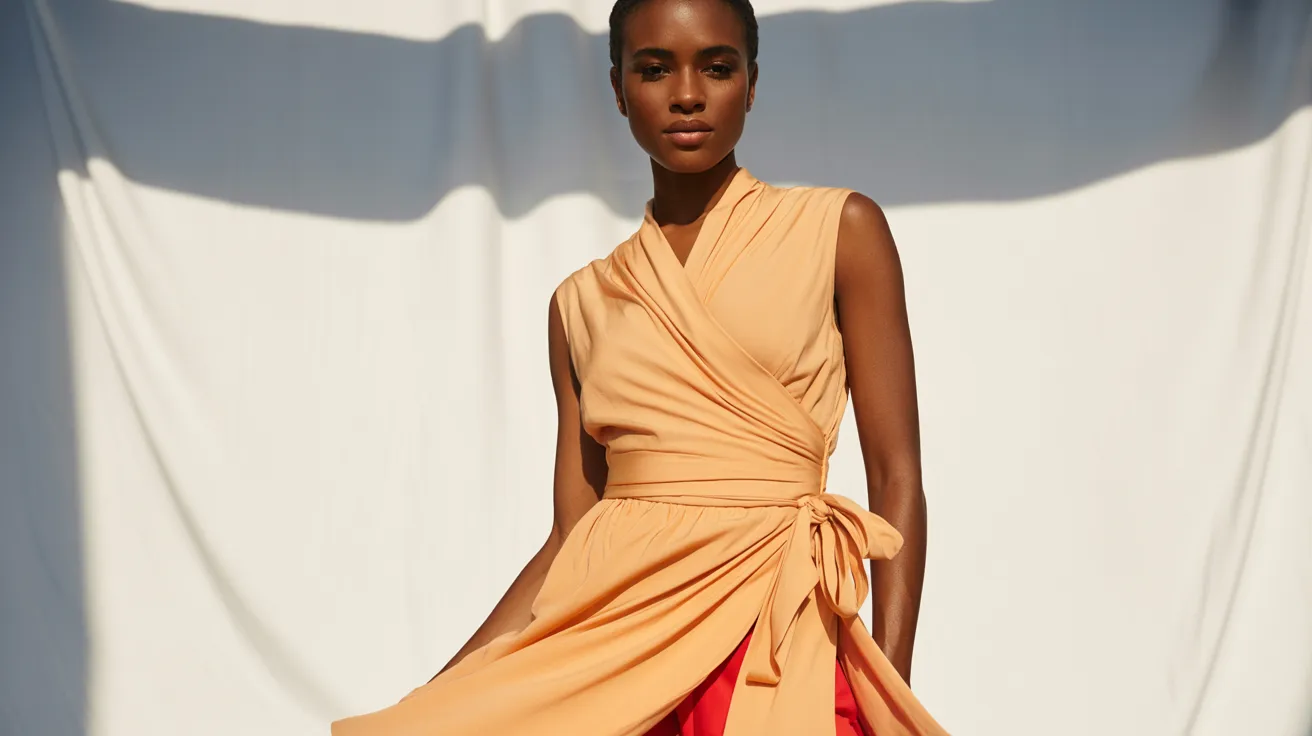
A wrap dress crosses over at the front and ties at the waist. It’s adjustable, which makes it a great fit for different body shapes.
It’s one of those reliable styles that works for so many occasions.
12. Sheath Dress
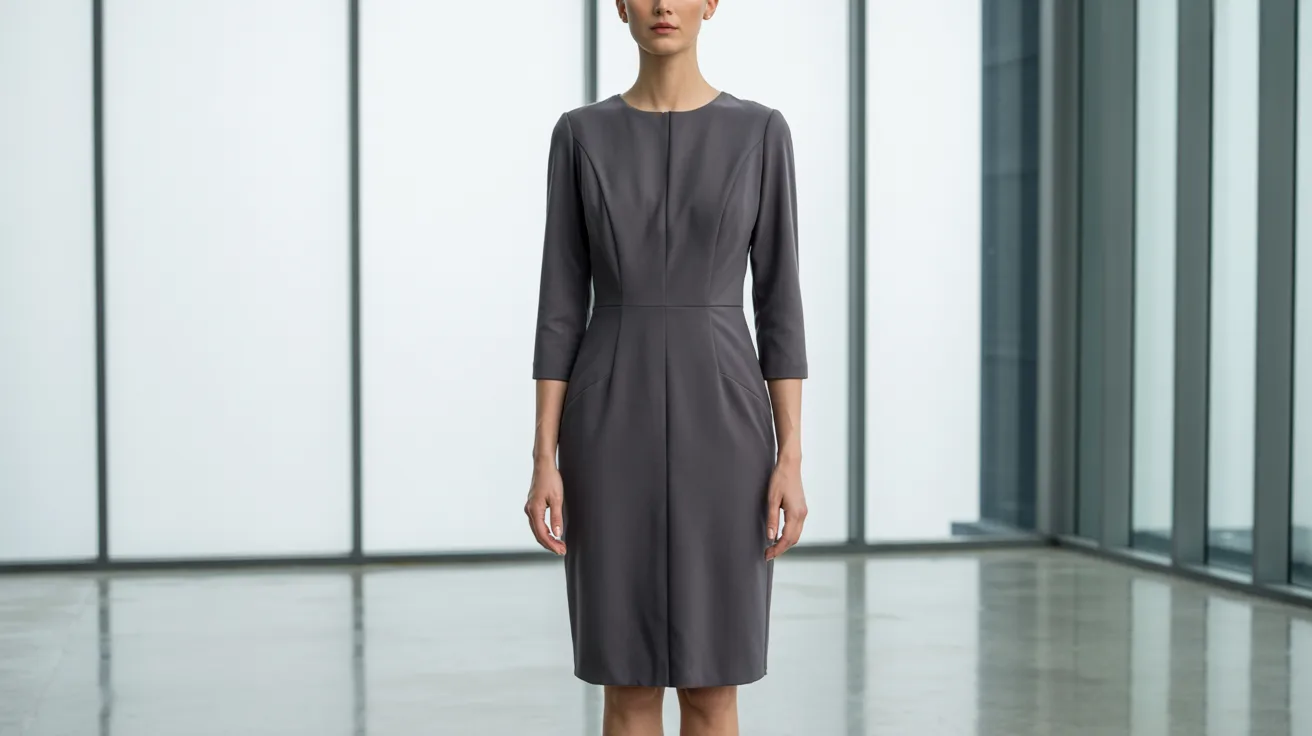
A sheath dress is straight-cut and form-fitting without being tight. It follows the body’s natural silhouette.
A classic choice for the office or formal settings. Usually falls at or just above the knee.
13. Peplum Dress
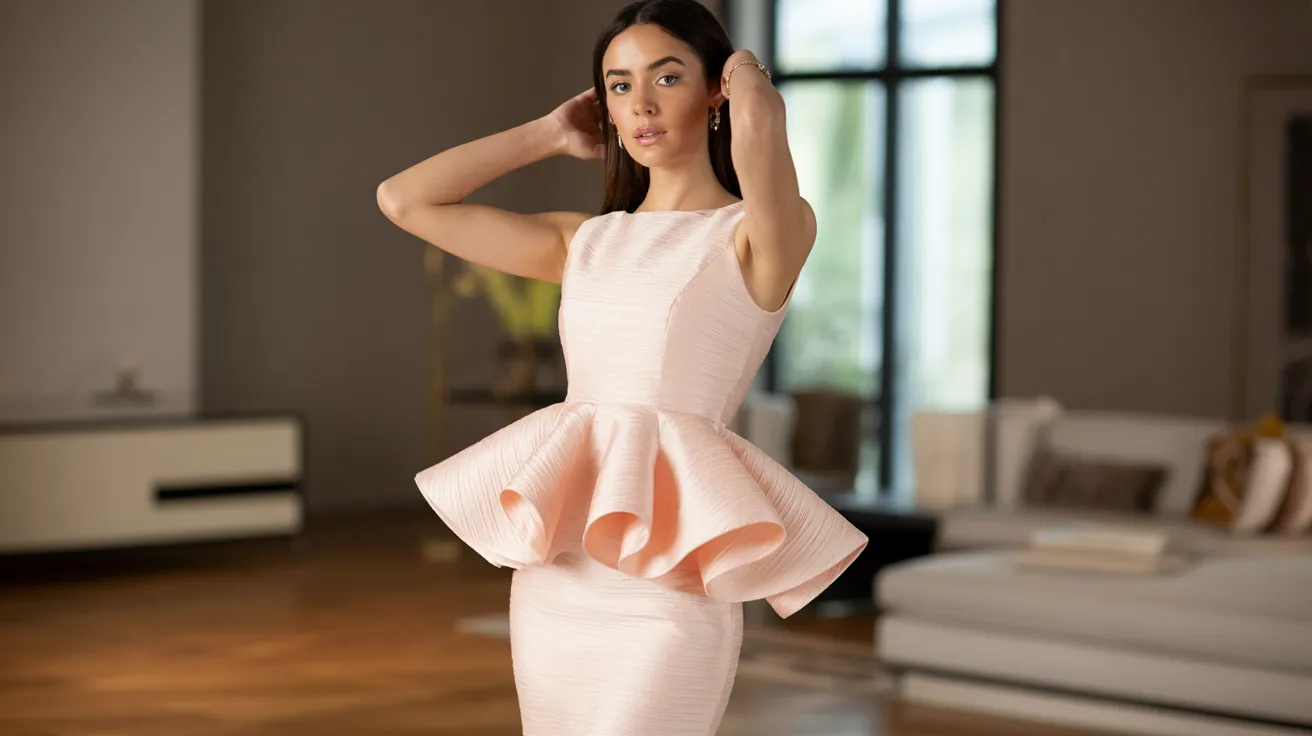
A peplum dress has a ruffled or flared panel at the waist. It adds volume at the hip area and creates a defined waist.
It’s a fun, feminine option for work or semi-formal events.
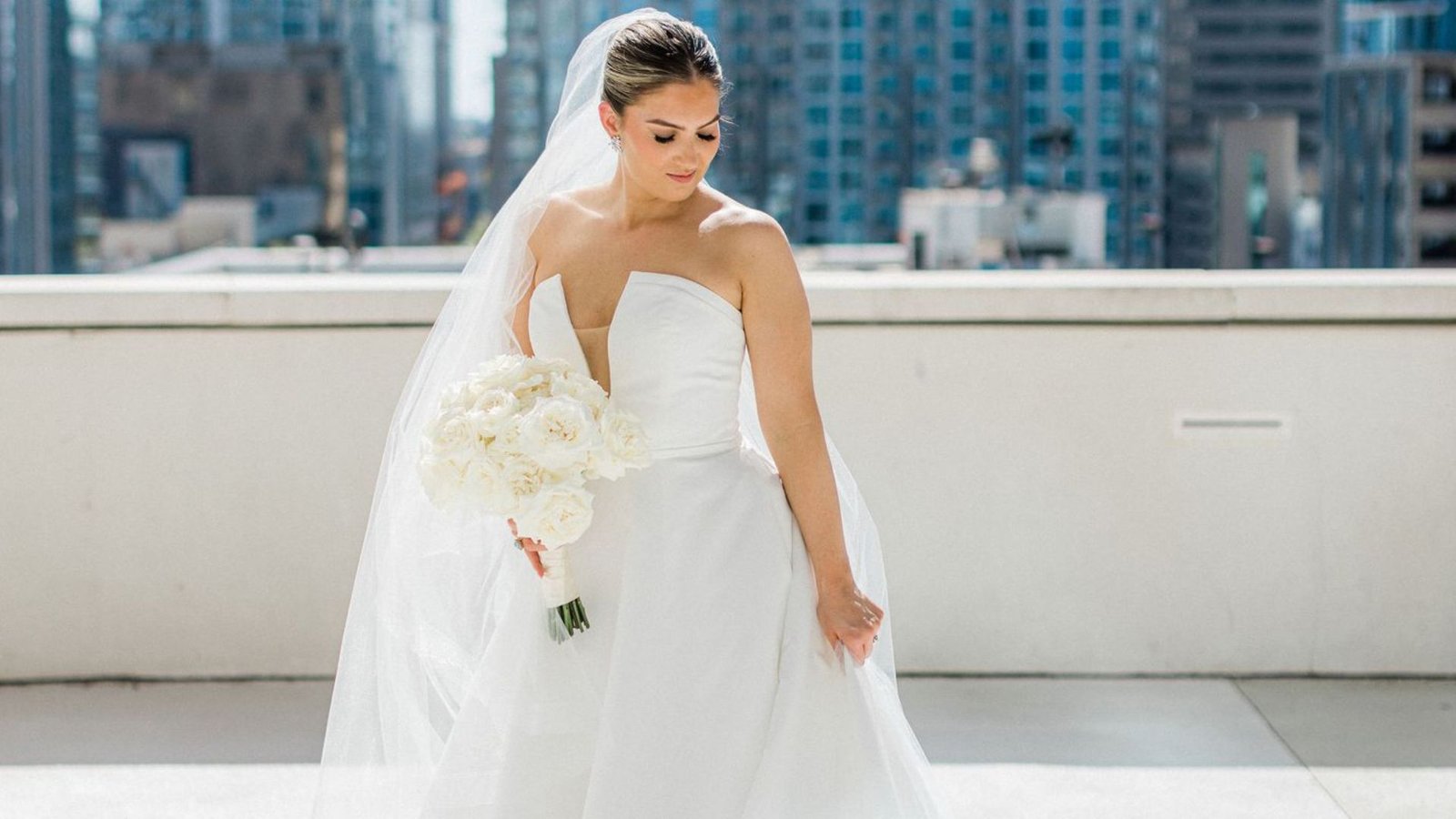
14. Strapless Dress
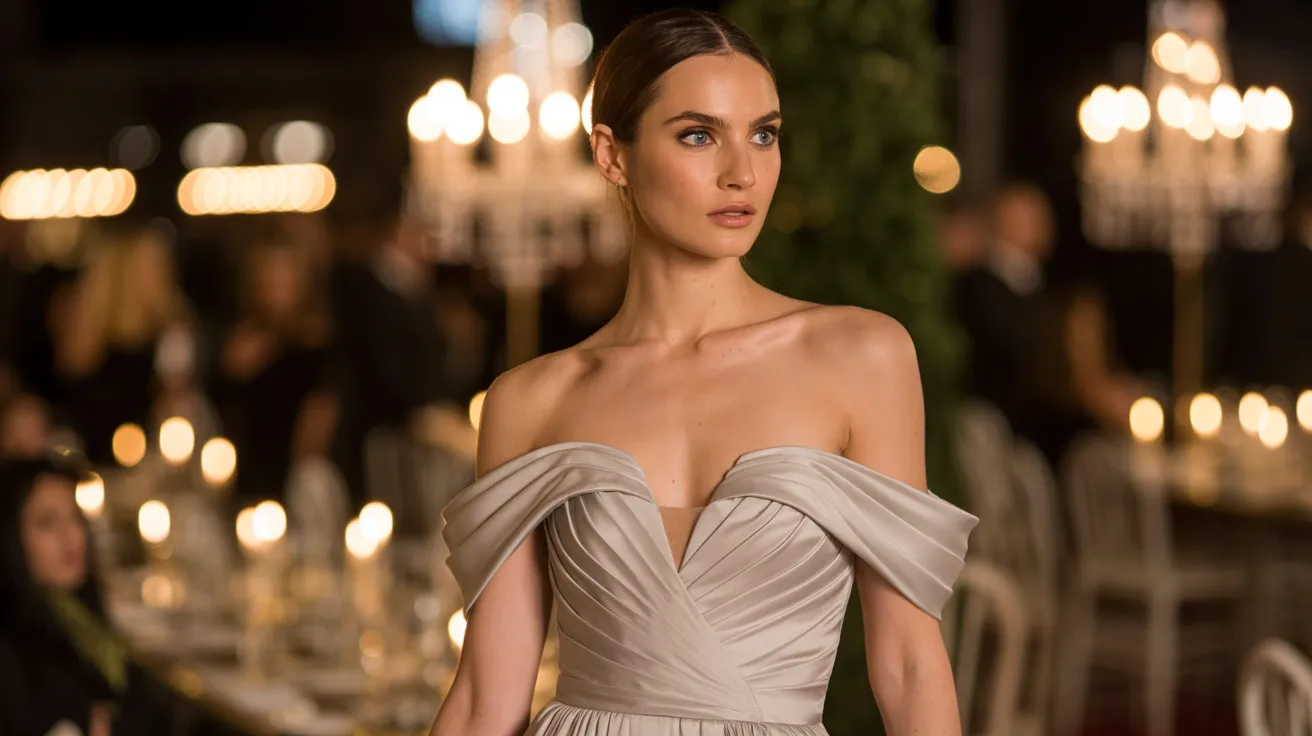
No straps, no sleeves, just a fitted bodice that stays up on its own. Strapless dresses work well for warm weather, formal events, and weddings.
They look great with statement earrings and minimal accessories.
15. Off-Shoulder Dress
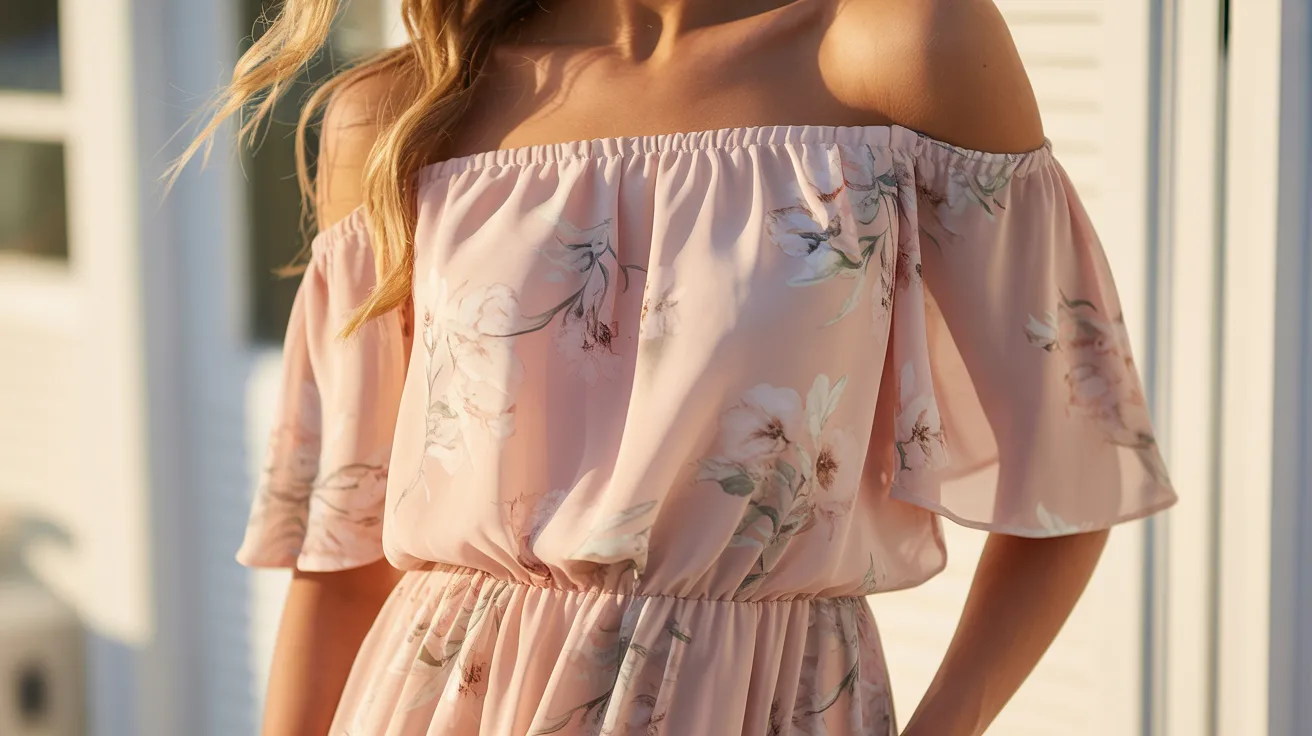
The neckline sits below the shoulders, exposing the collarbone and shoulders. It’s a flirty, romantic style that works for vacations, brunches, and summer events.
Great for showing off your décolletage in a subtle way.
16. One-Shoulder Dress
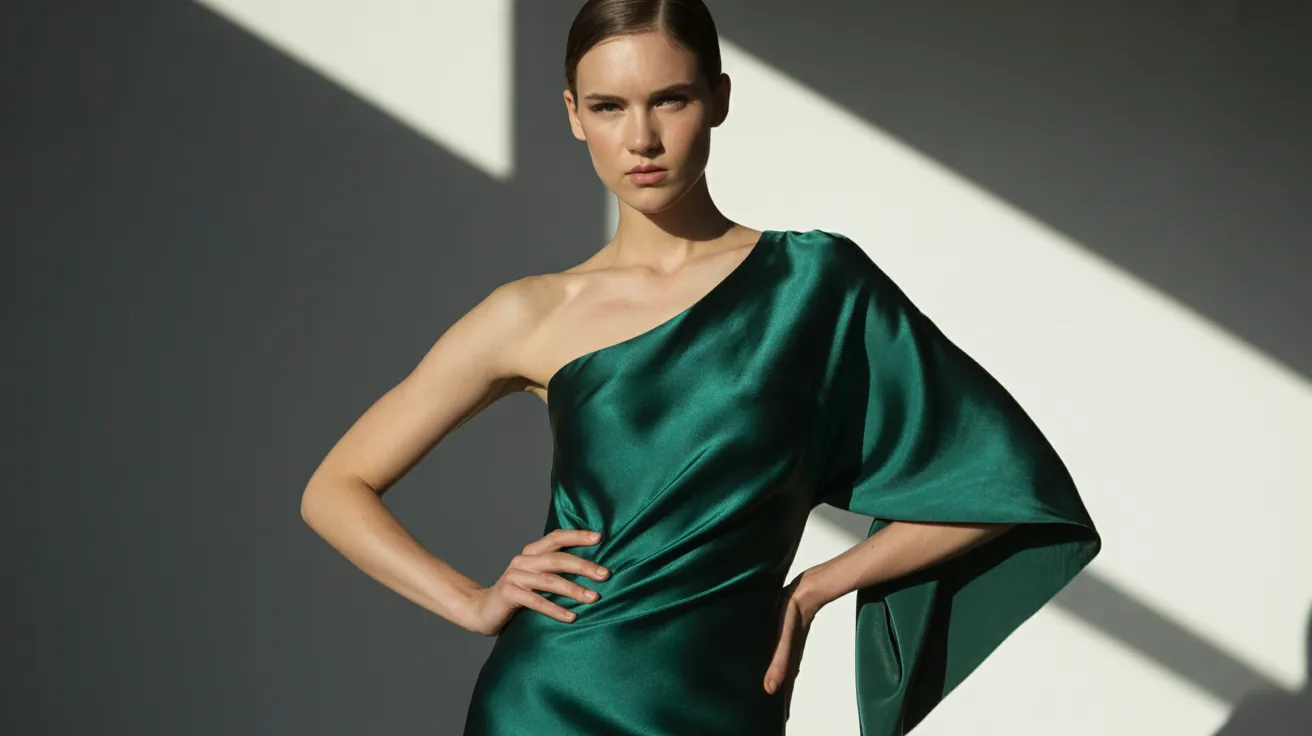
One strap on one side, bare on the other. It’s asymmetric and eye-catching. One-shoulder dresses work for cocktail parties, formal dinners, or any event where you want to stand out with something a little different.
17. Halter Dress
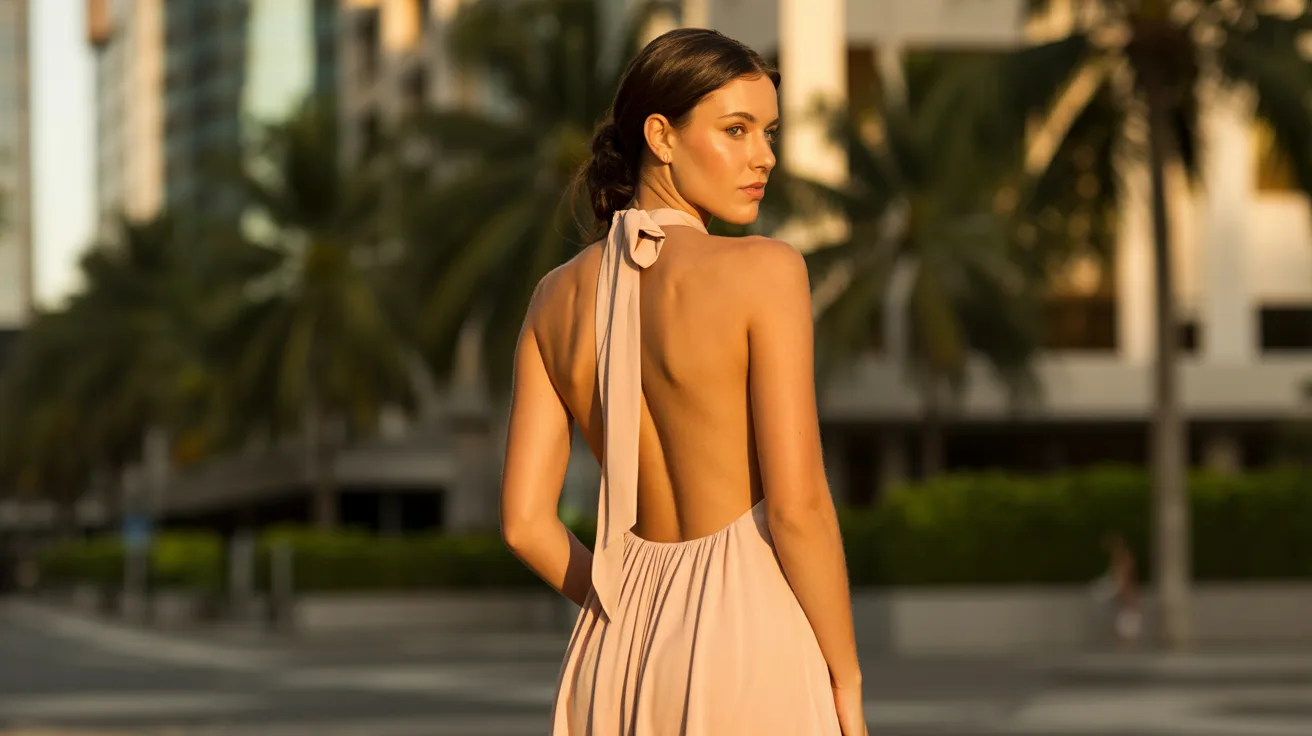
A halter neckline ties or fastens behind the neck, leaving the back and shoulders bare. It’s a great pick for warm weather and works well for beach events, outdoor parties, or casual summer outings.
18. Square-Neck Dress
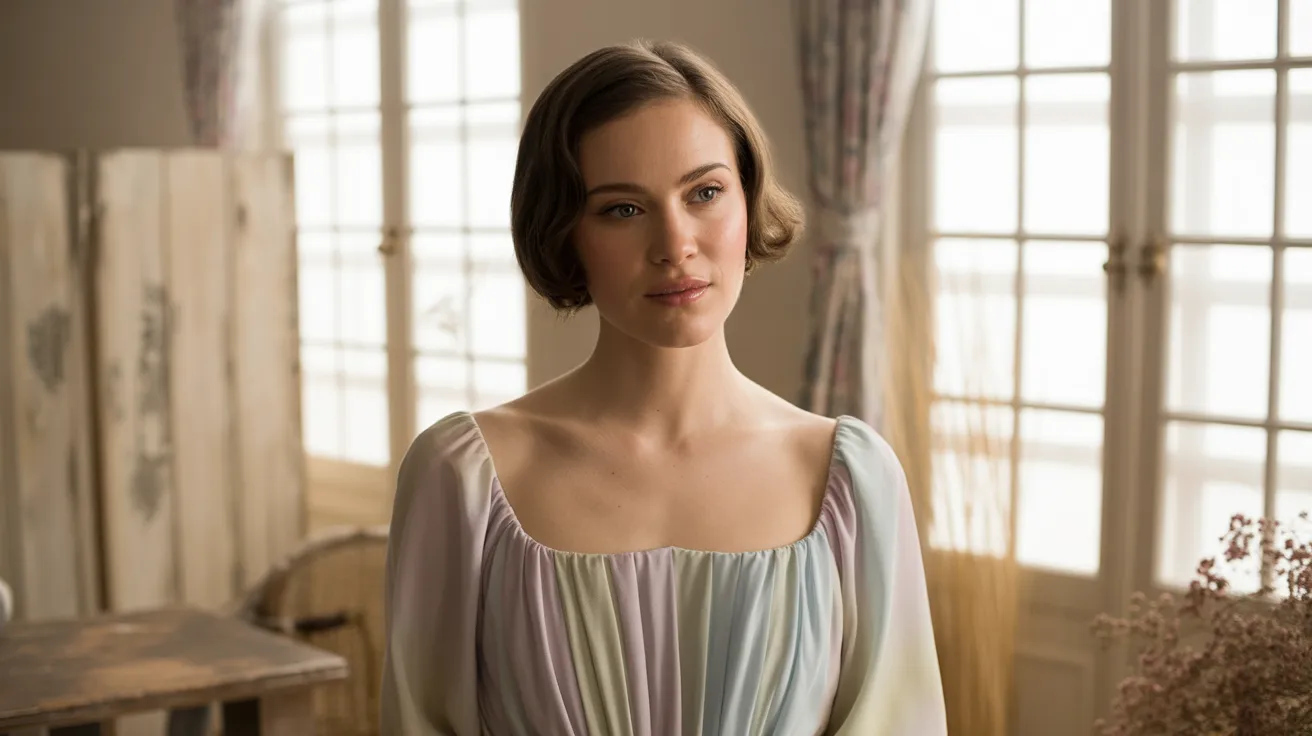
The neckline forms a straight, wide square shape across the chest. It frames the collarbone and shoulders in a very flattering way.
Popular in both casual and dressy styles, especially trending in cottagecore and vintage looks.
19. Sweetheart Neck Dress
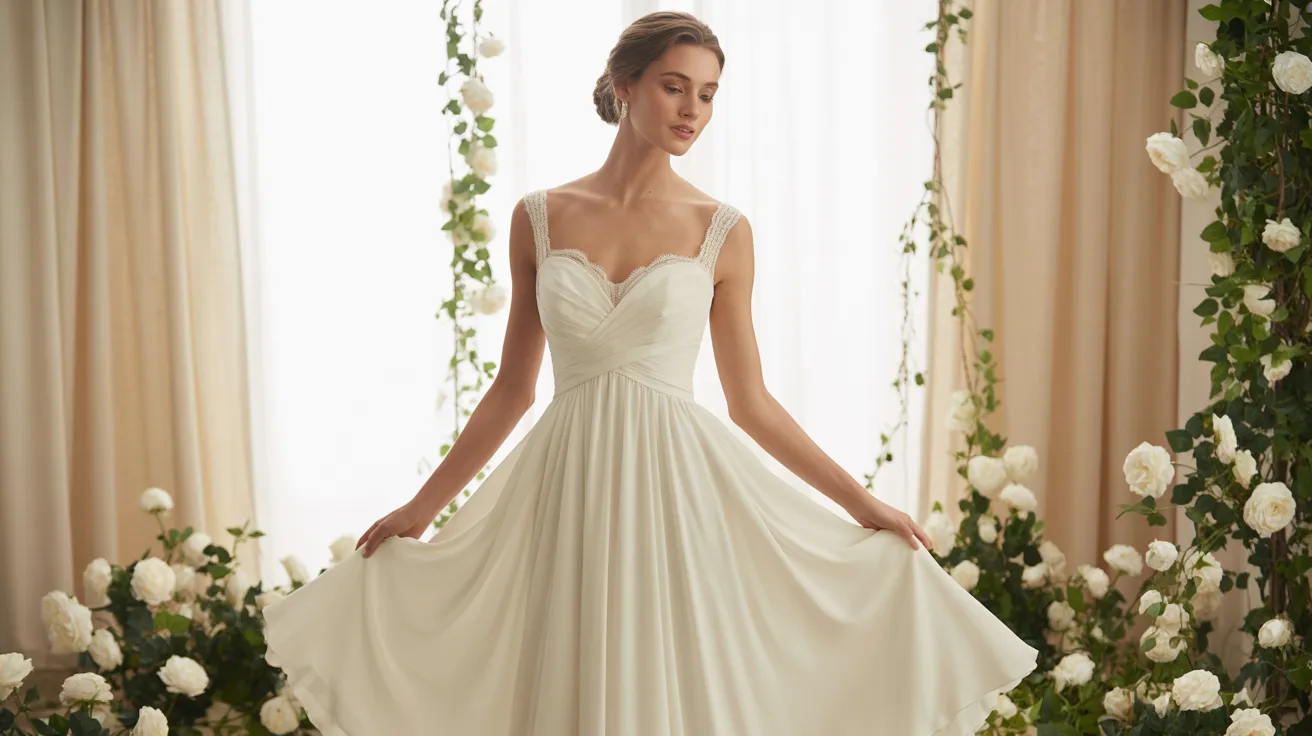
The sweetheart neckline is shaped like the top of a heart. It’s a romantic, feminine cut often seen on formal and bridal dresses.
It draws attention to the chest area and pairs beautifully with updo hairstyles.
20. Long-Sleeve Dress
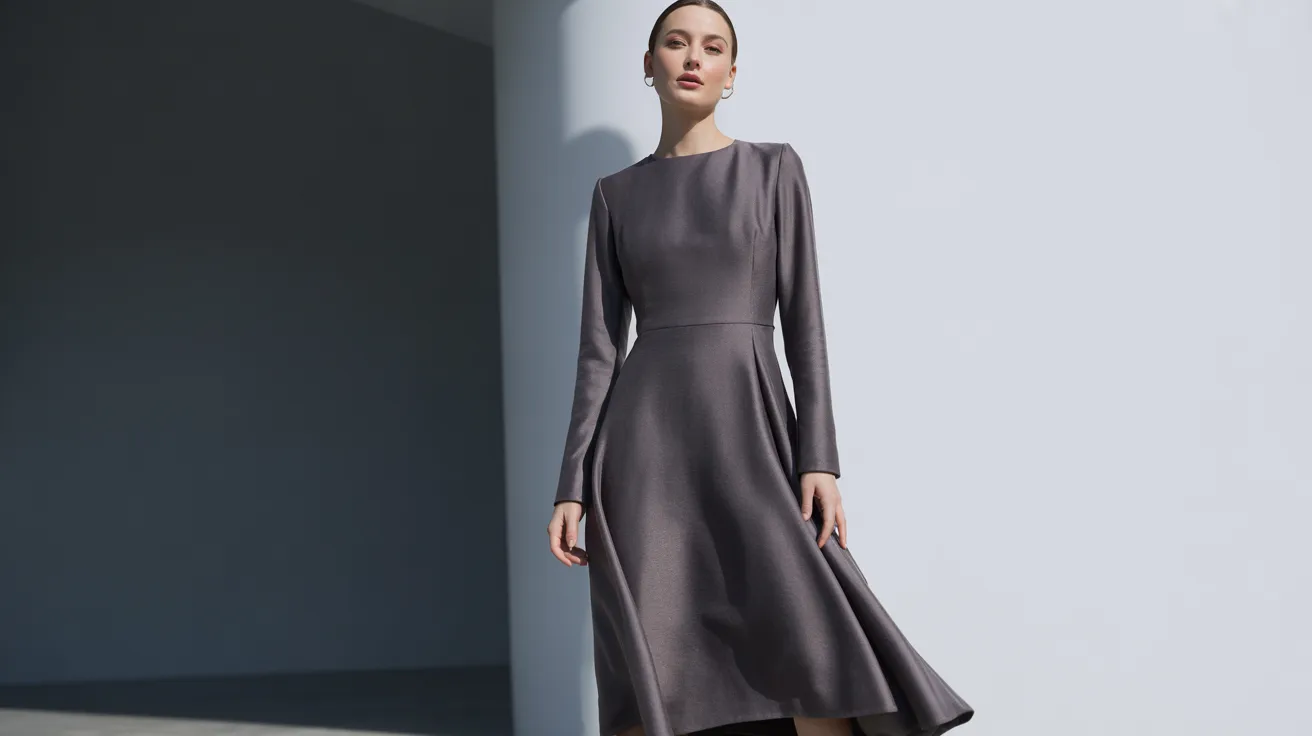
Long sleeves make a dress work for cooler months and formal occasions. From fitted knit to flowing chiffon sleeves, this style is highly adaptable.
It can be casual or dressy depending on the cut and fabric.
21. Cap-Sleeve Dress
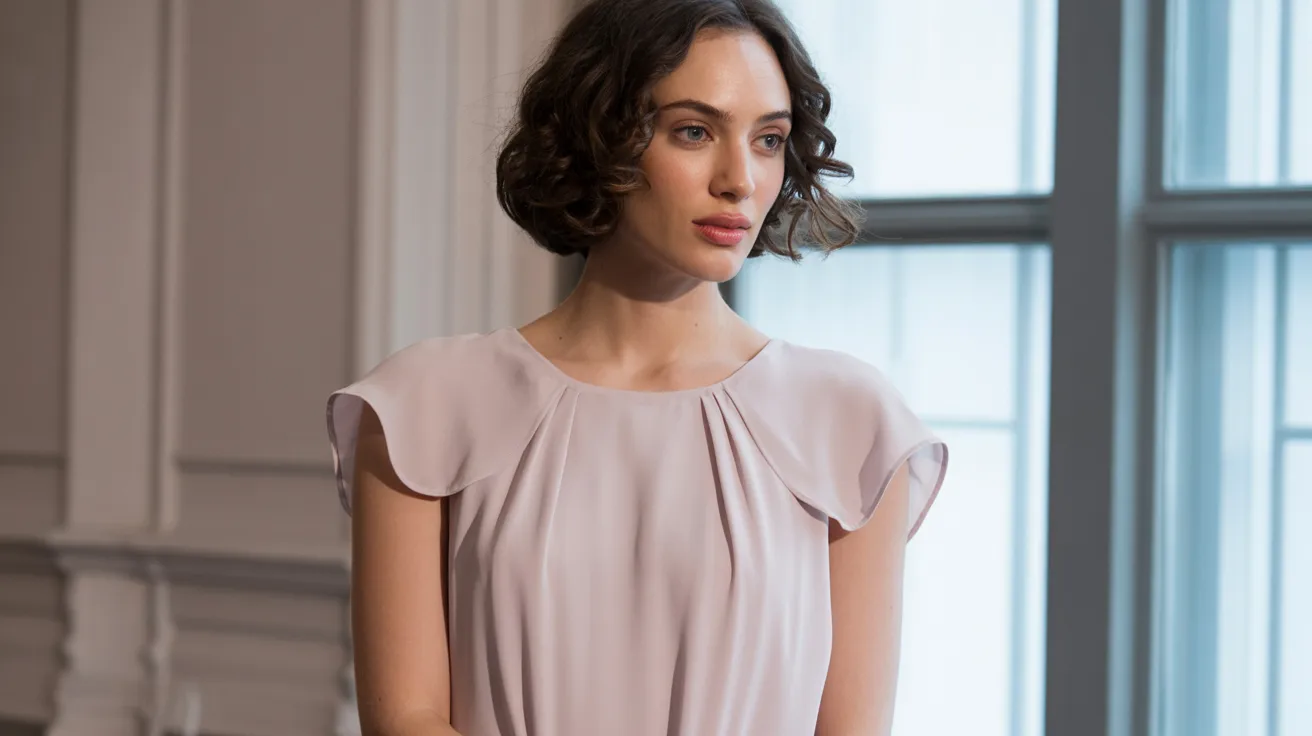
Cap sleeves are tiny, short sleeves that just cover the top of the shoulder. They give more coverage than sleeveless but feel light and airy.
A great option for spring and summer or office-appropriate looks.
22. Sleeveless Dress
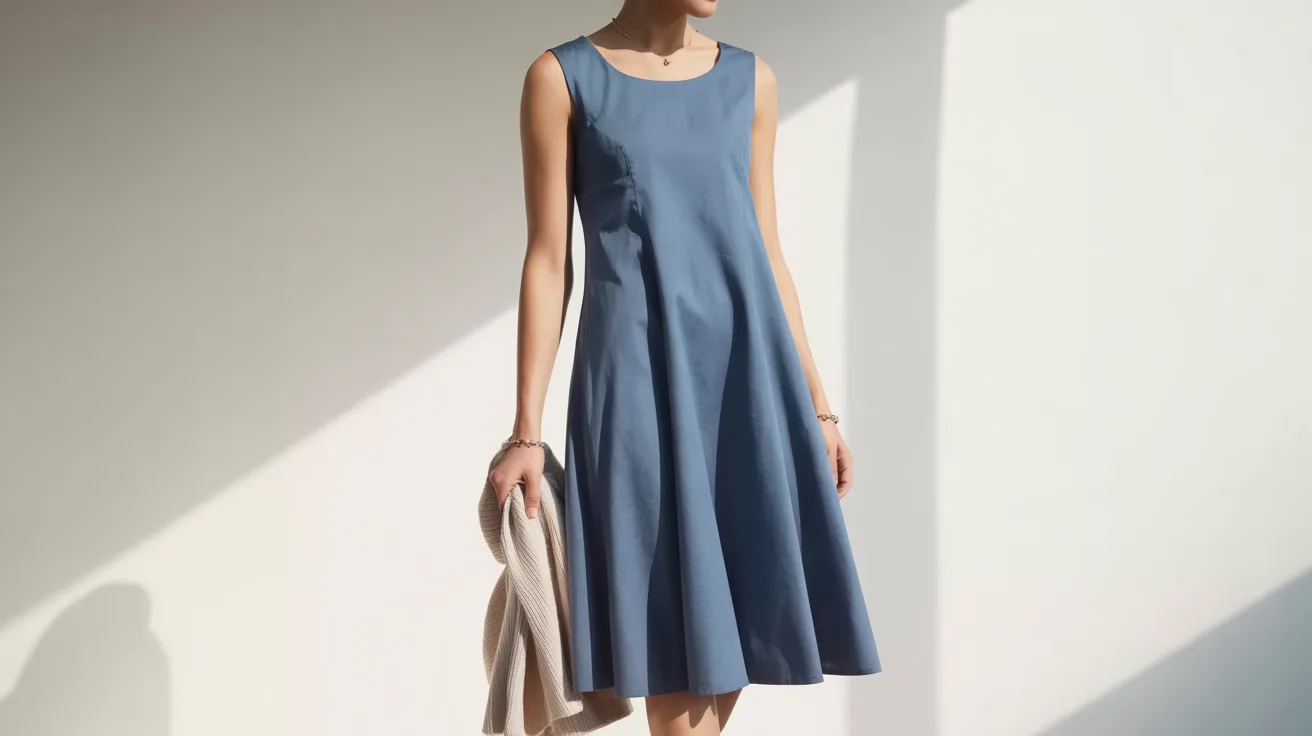
No sleeves, clean lines. Sleeveless dresses are simple and work across seasons, layer them in winter or wear them alone in summer.
They’re some of the easiest styles to dress up or keep casual.
23. T-Shirt Dress
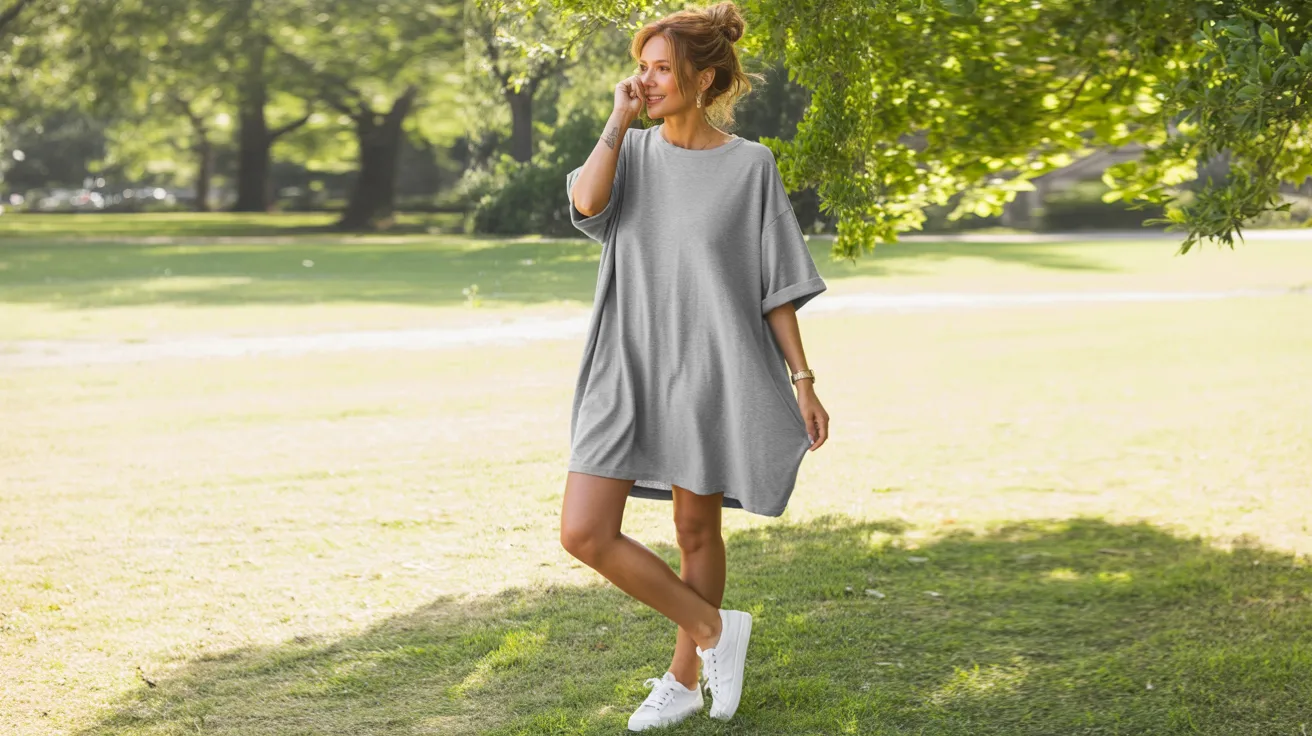
Basically a long, oversized t-shirt worn as a dress. It’s casual, comfy, and easy to style. Great for errands, lazy days, or a laid-back weekend look with sneakers or slides.
24. Shirt Dress
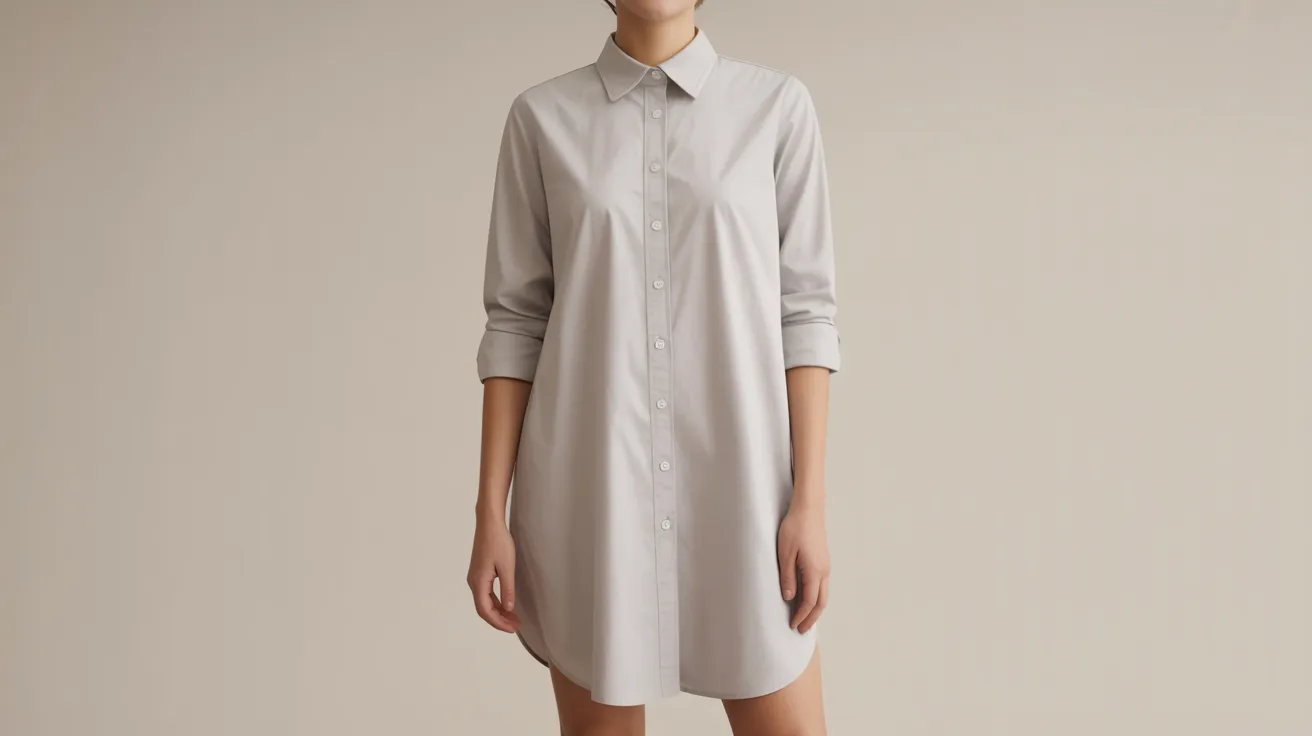
A shirt dress looks like a long button-down shirt. It usually has a collar and buttons down the front. It’s a smart-casual option that works well for the office or a casual day out.
25. Sundress
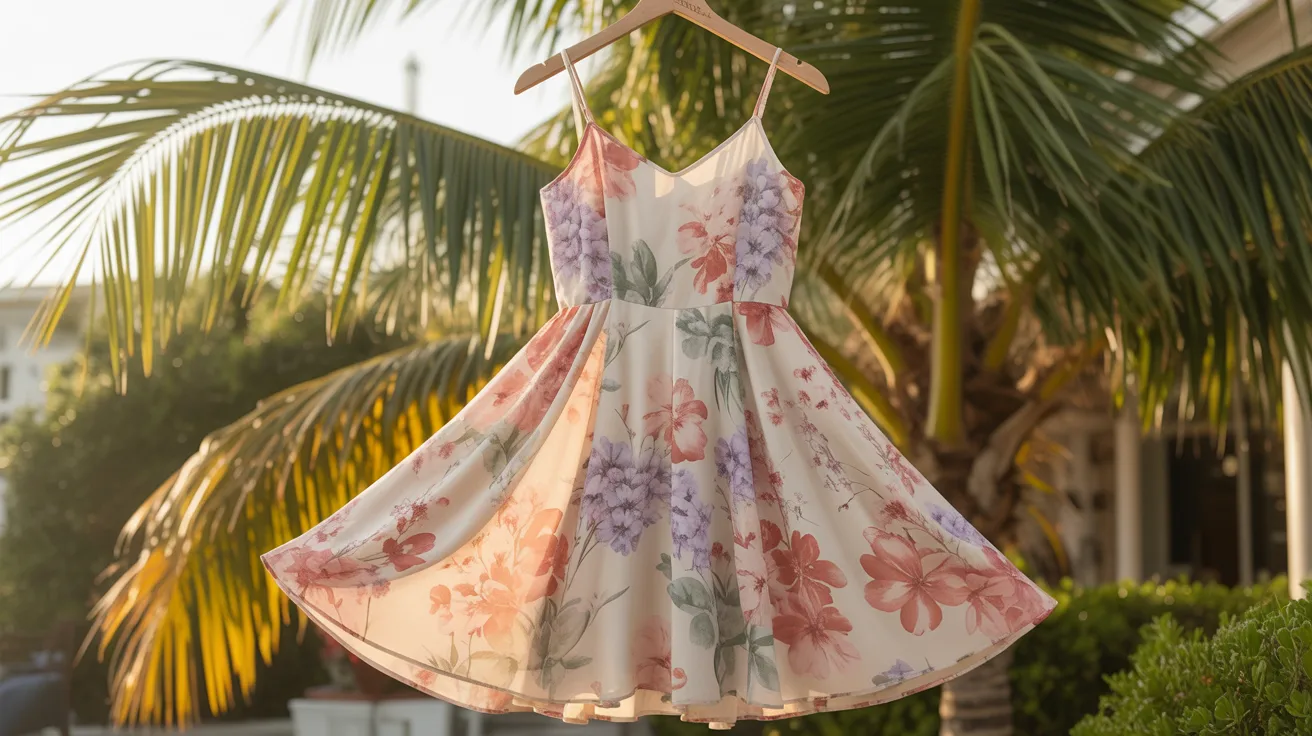
Light, breezy, and made for warm weather. Sundresses are typically sleeveless or have thin straps and come in floral or bright prints.
They’re the go-to for summer days, picnics, and outdoor events.
26. Denim Dress
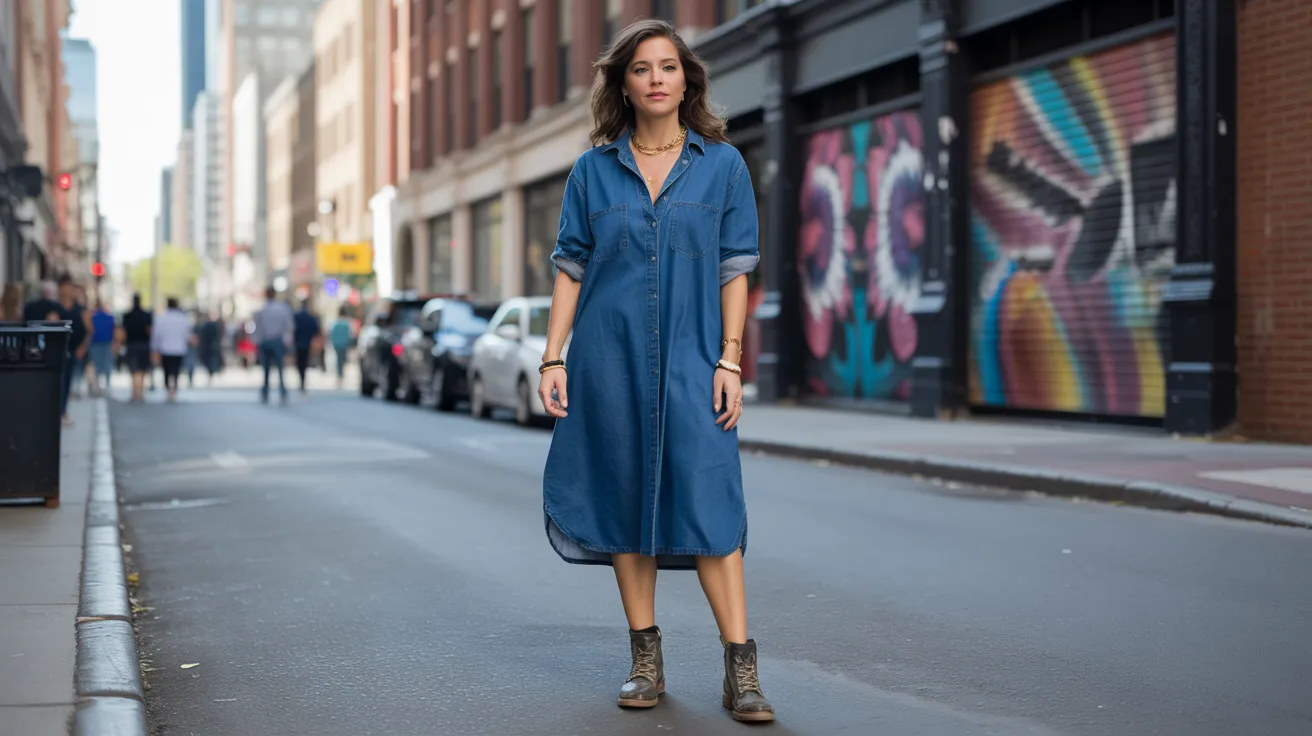
Made from denim fabric, this dress can be casual or edgy depending on the style. It comes in mini, midi, and maxi lengths.
A denim dress is a low-effort outfit that still looks intentional and put-together.
27. Sweater Dress
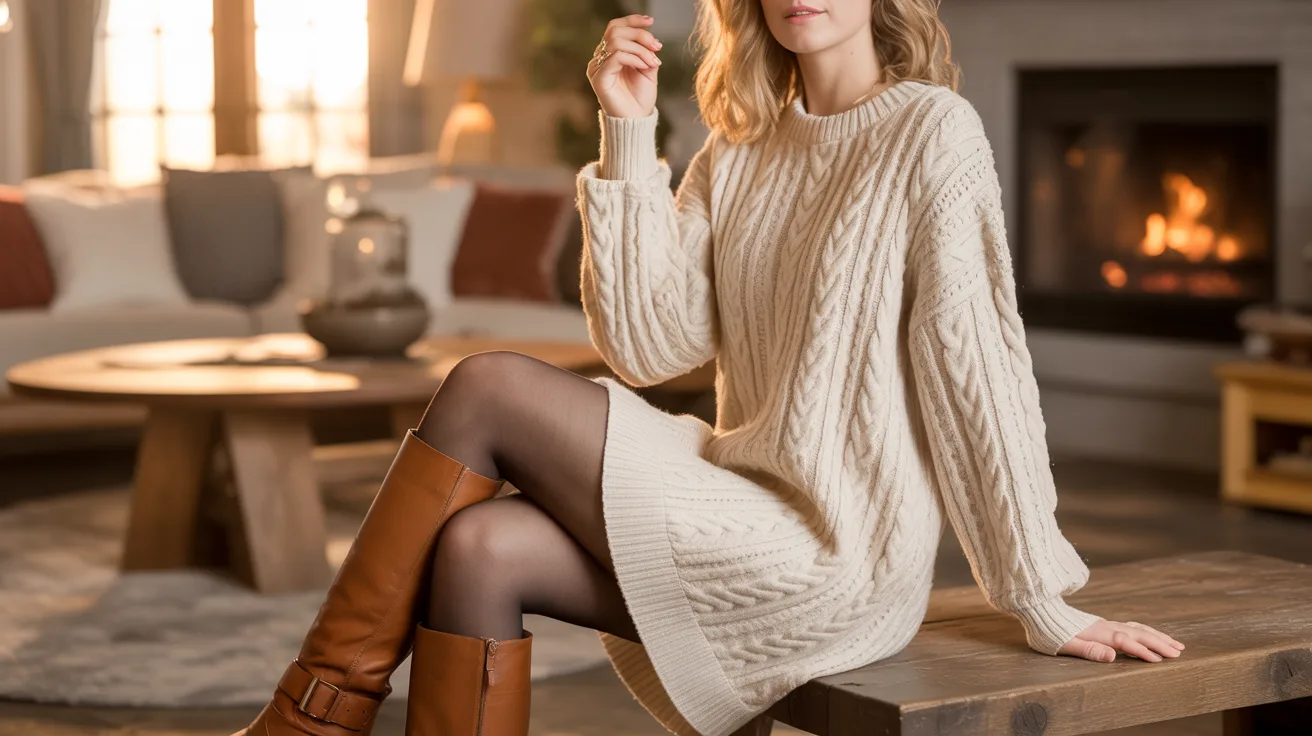
A cozy, knit dress that works for fall and winter. Sweater dresses pair well with boots and tights. They’re warm, comfortable, and one of the easiest cold-weather outfit options you can put together quickly.
28. Tunic Dress
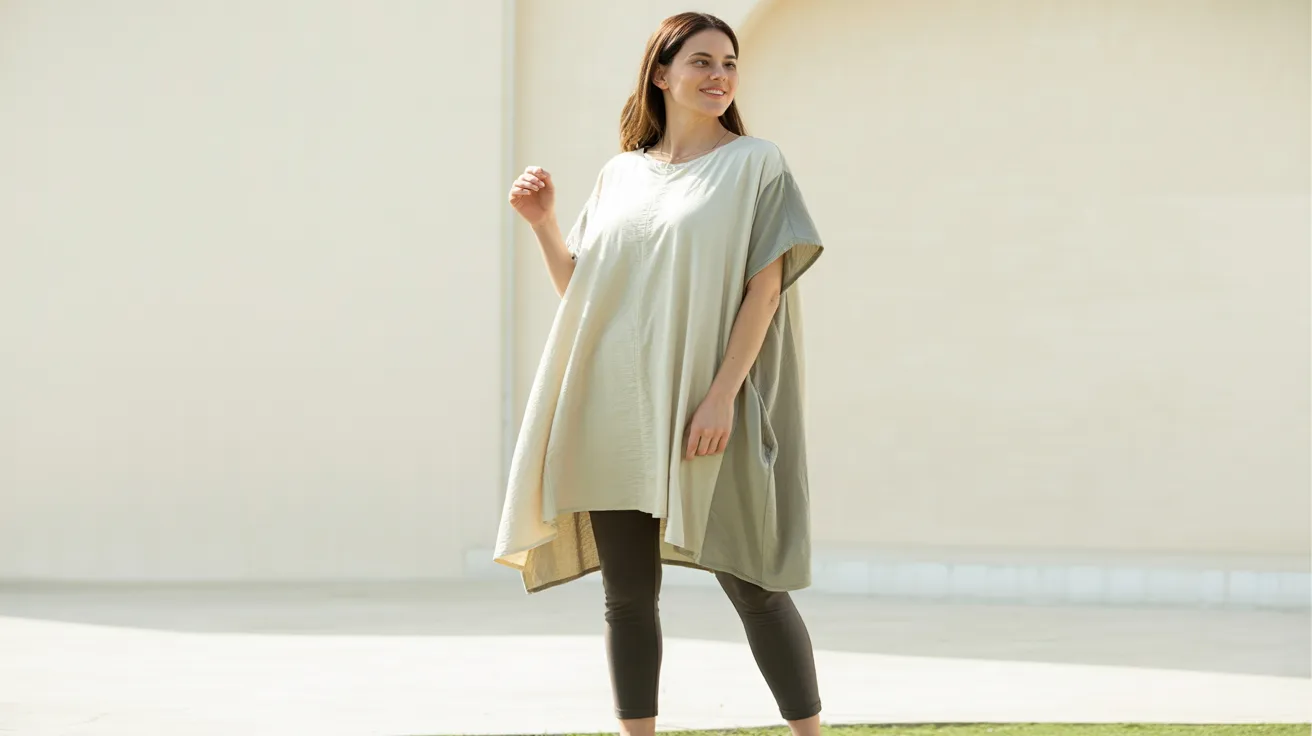
A tunic dress is long and loose, usually hitting mid-thigh or above the knee. It’s a relaxed, flowy option that’s easy to wear. Often styled with leggings or worn alone as a casual everyday dress.
29. Cocktail Dress
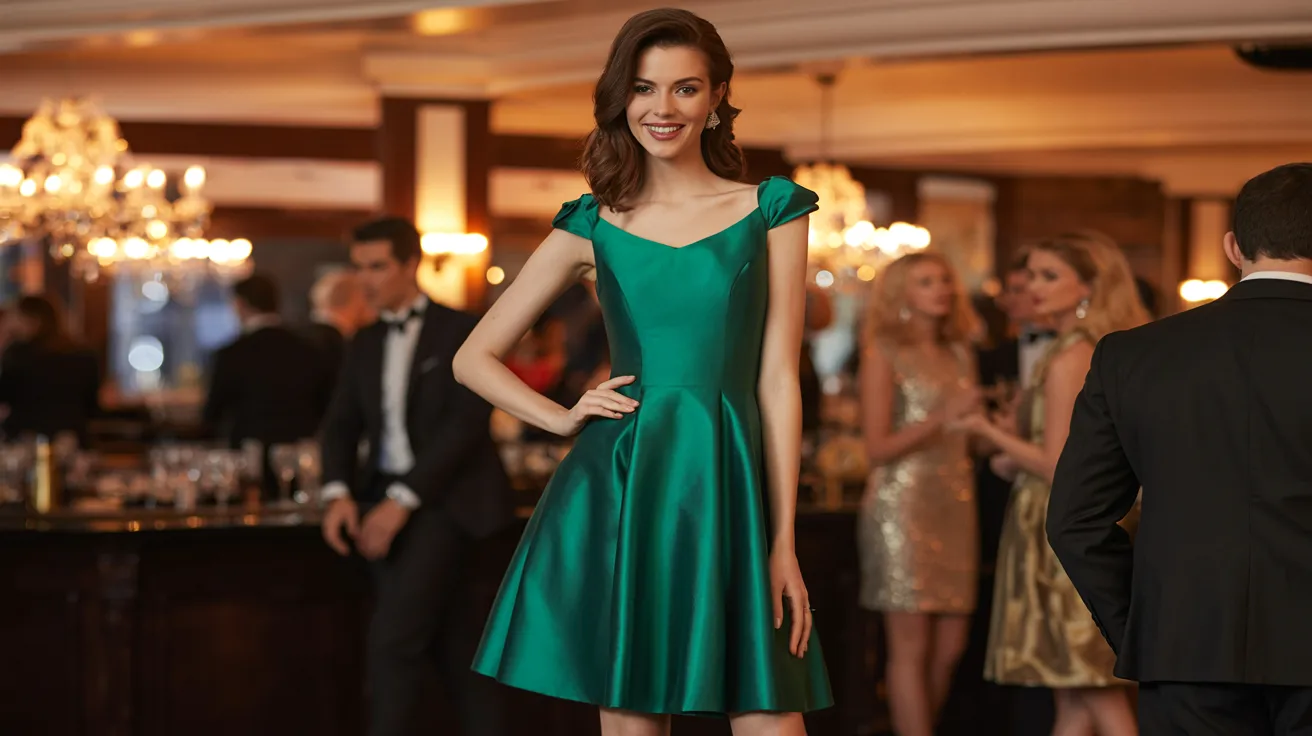
A cocktail dress is semi-formal and usually falls at or above the knee. It’s made for cocktail parties, weddings, work events, and formal dinners.
It strikes the right balance between dressy and not over the top.
30. Evening Dress
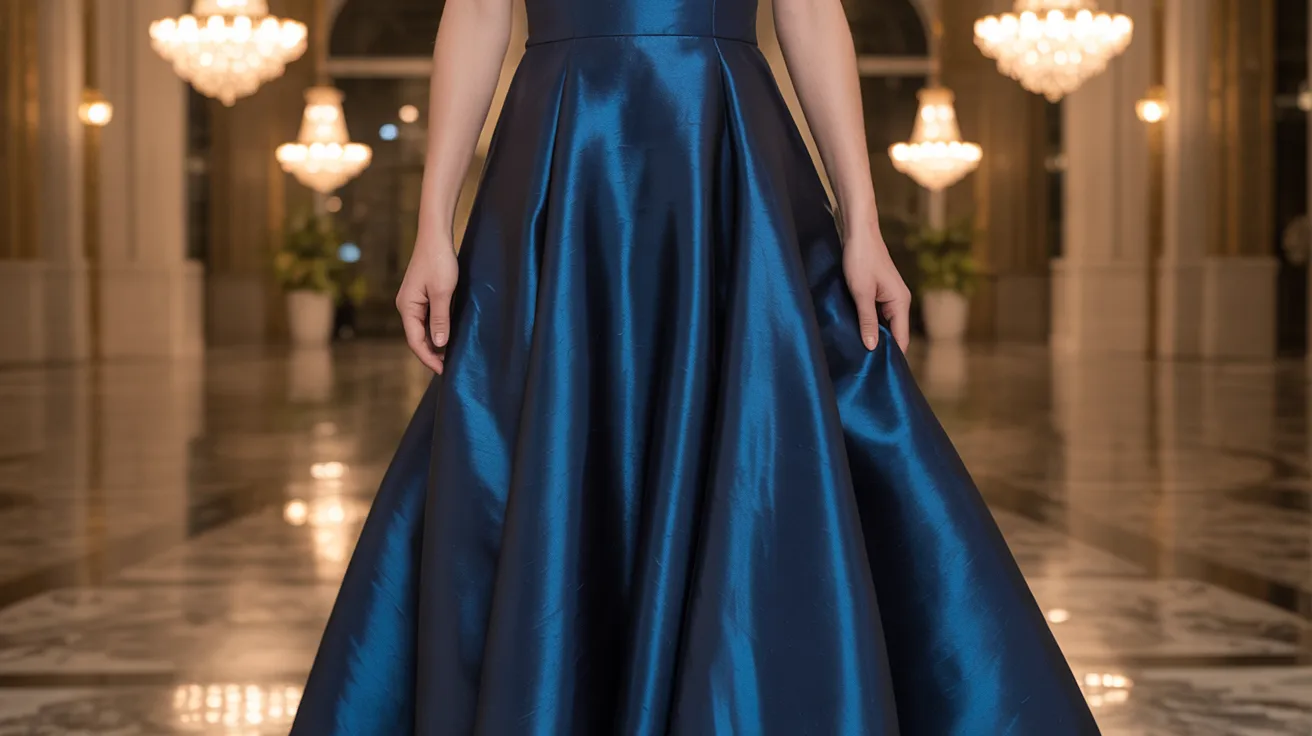
An evening dress is more formal than a cocktail dress but less grand than a ball gown. It’s typically floor-length or midi and made from rich fabrics.
A go-to for galas, theatre nights, and upscale events.
31. Ball Gown
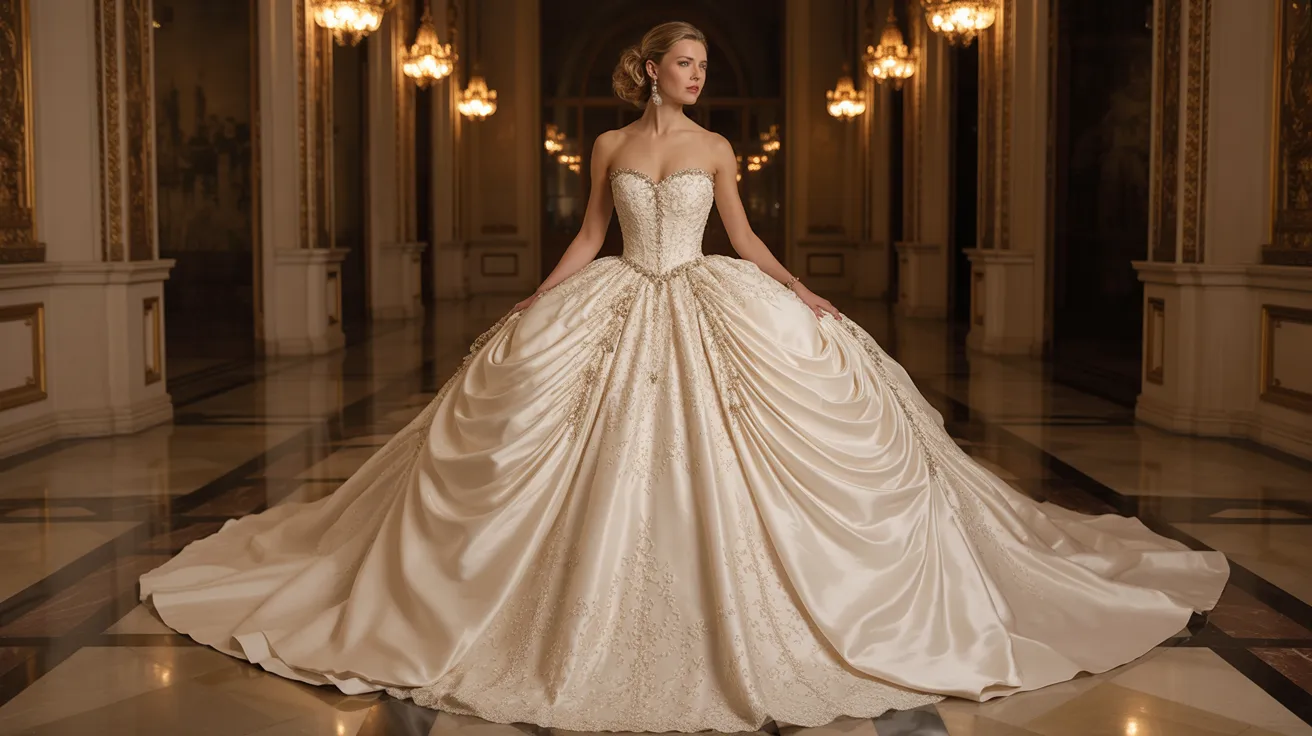
The most formal of all dress types. A ball gown has a fitted bodice and a full, voluminous skirt. It’s made for weddings, proms, and black-tie events.
Think princess-level volume with luxe fabric and structure.
32. Mermaid / Trumpet Dress
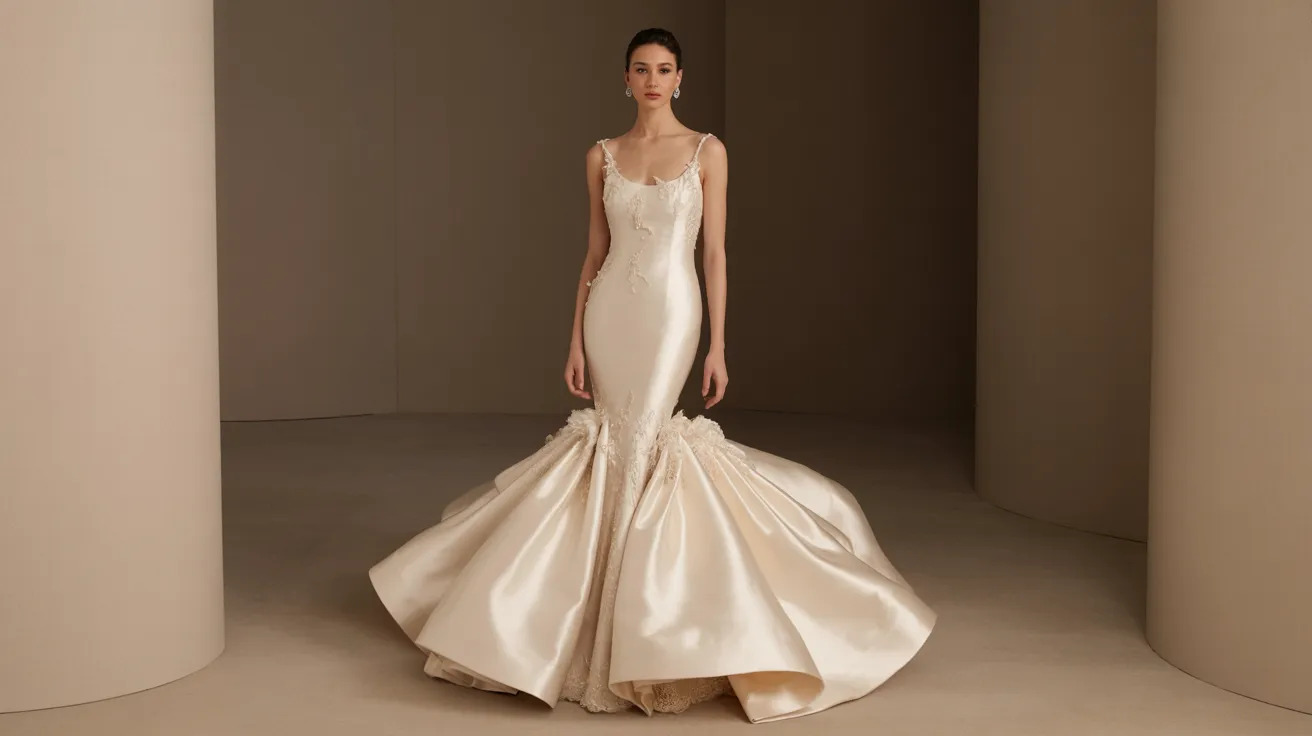
This style fits snugly from the top all the way to the knee, then flares out like a mermaid’s tail. It’s dramatic and form-fitting.
Most popular for weddings and formal occasions where you want a statement silhouette.
33. Slip Dress
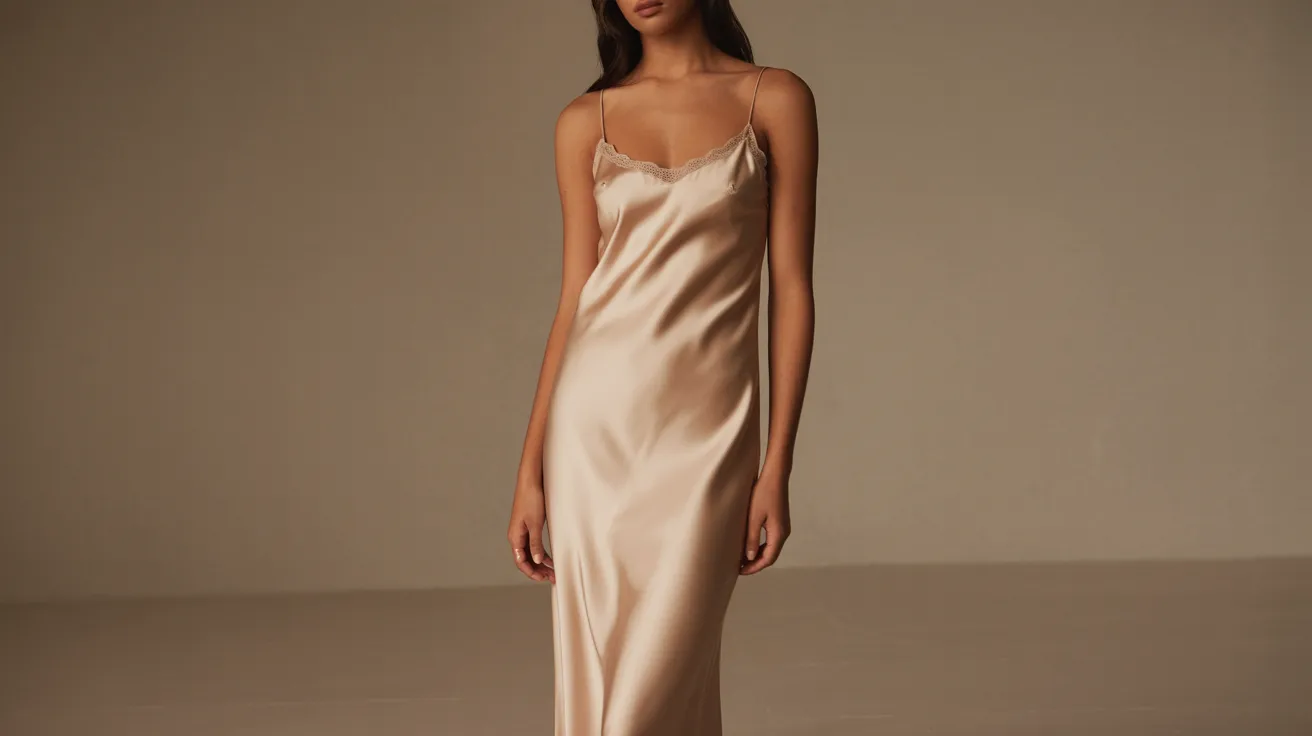
A slip dress is silky, lightweight, and minimal. It hangs straight from thin straps and skims the body.
Originally underwear-inspired, it became a major fashion piece. Works for going out or layered over a tee.
34. Blazer Dress
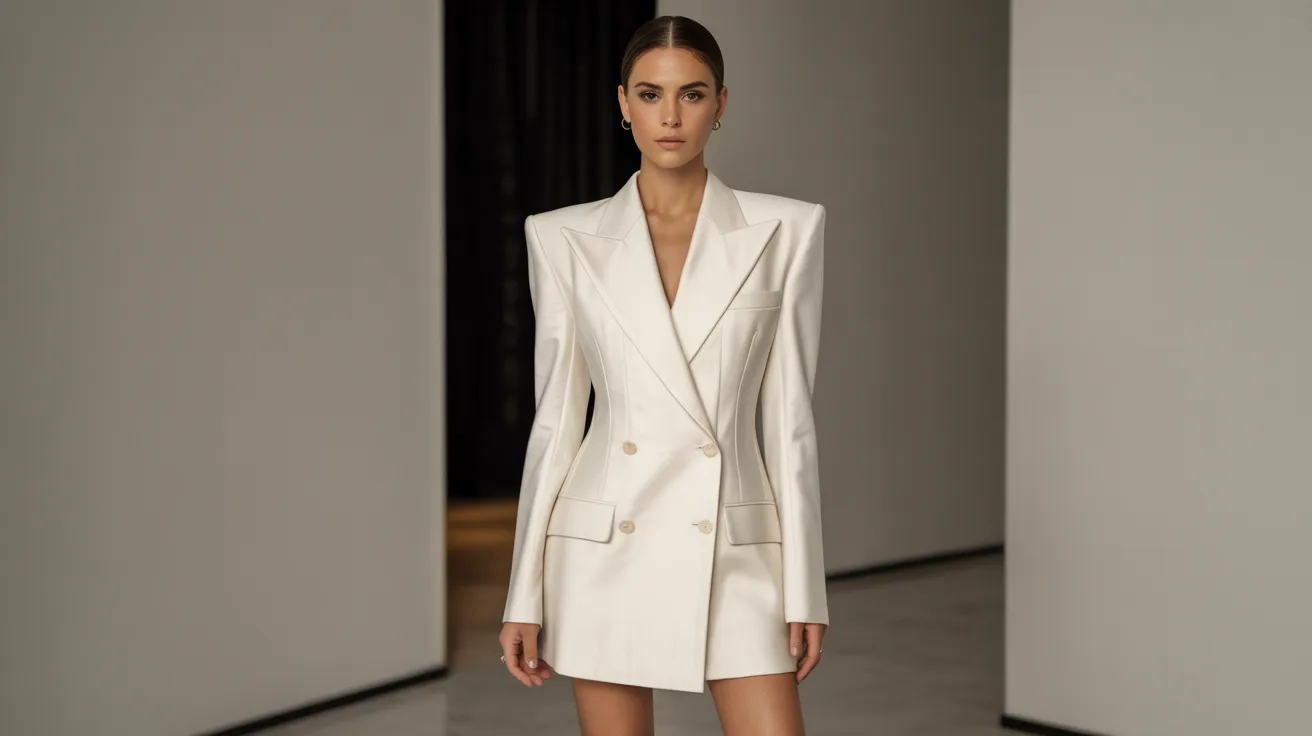
A blazer dress looks like an oversized blazer worn as a dress. It’s structured, sharp, and modern. \
Great for the office, events, or nights out. It’s a power-dressing option that looks effortlessly put-together.
35. High-Low Dress
The hem is shorter in the front and longer in the back. It’s a fun mix of casual and dressy. You get the ease of a shorter length up front with the drama of a longer hem in the back.
36. Asymmetrical Dress
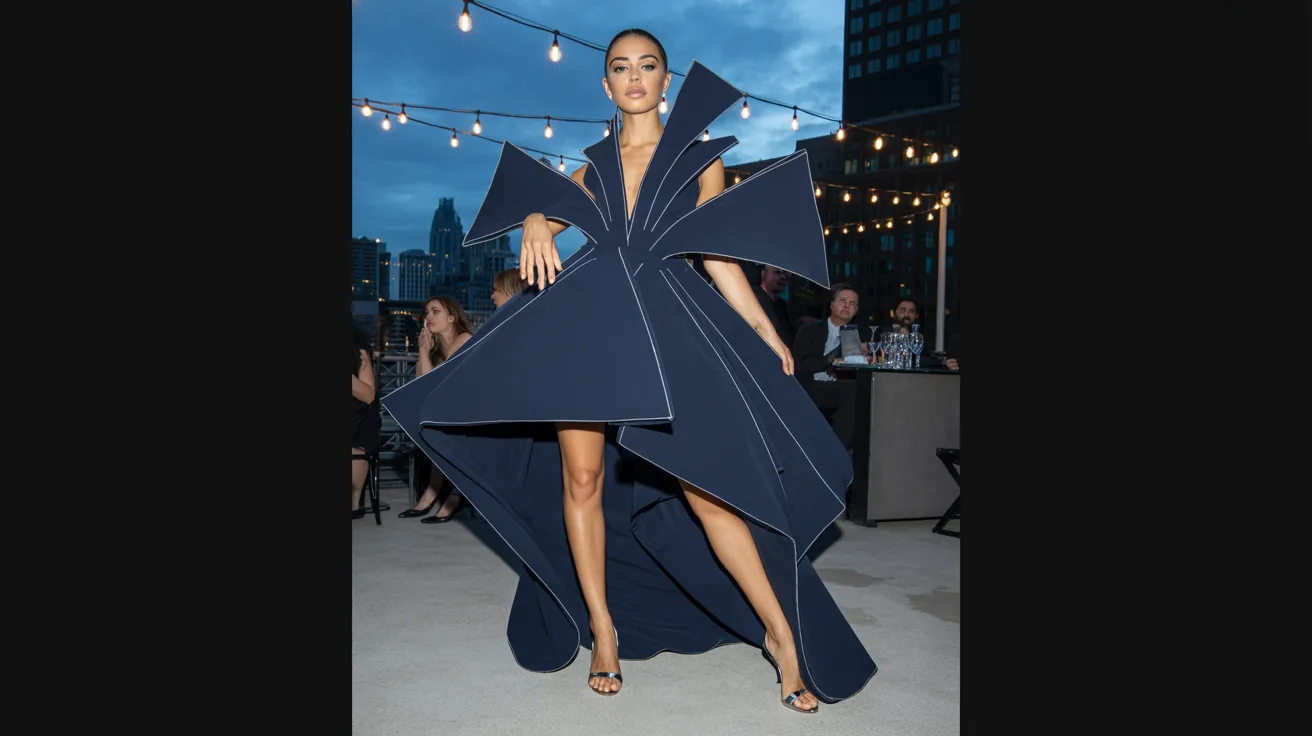
An asymmetrical dress has an uneven hemline, one side higher than the other or a diagonal cut. It adds visual interest without much effort.
It’s a creative, fashion-forward option for events and going out.
37. Cut-Out Dress
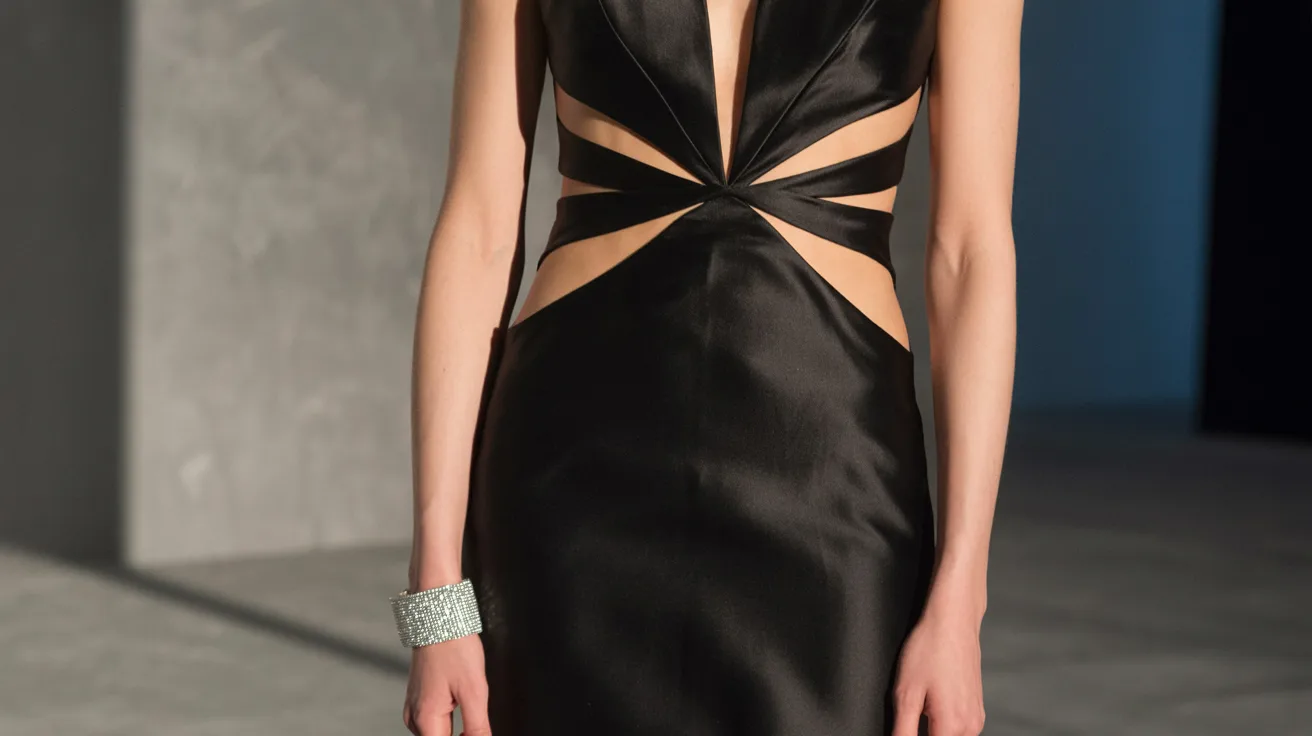
This style features cut-out sections, usually at the waist, sides, or back, that expose skin in a strategic way. It’s bold and trendy.
Works best for parties and events where you want to make a statement.
38. Backless Dress
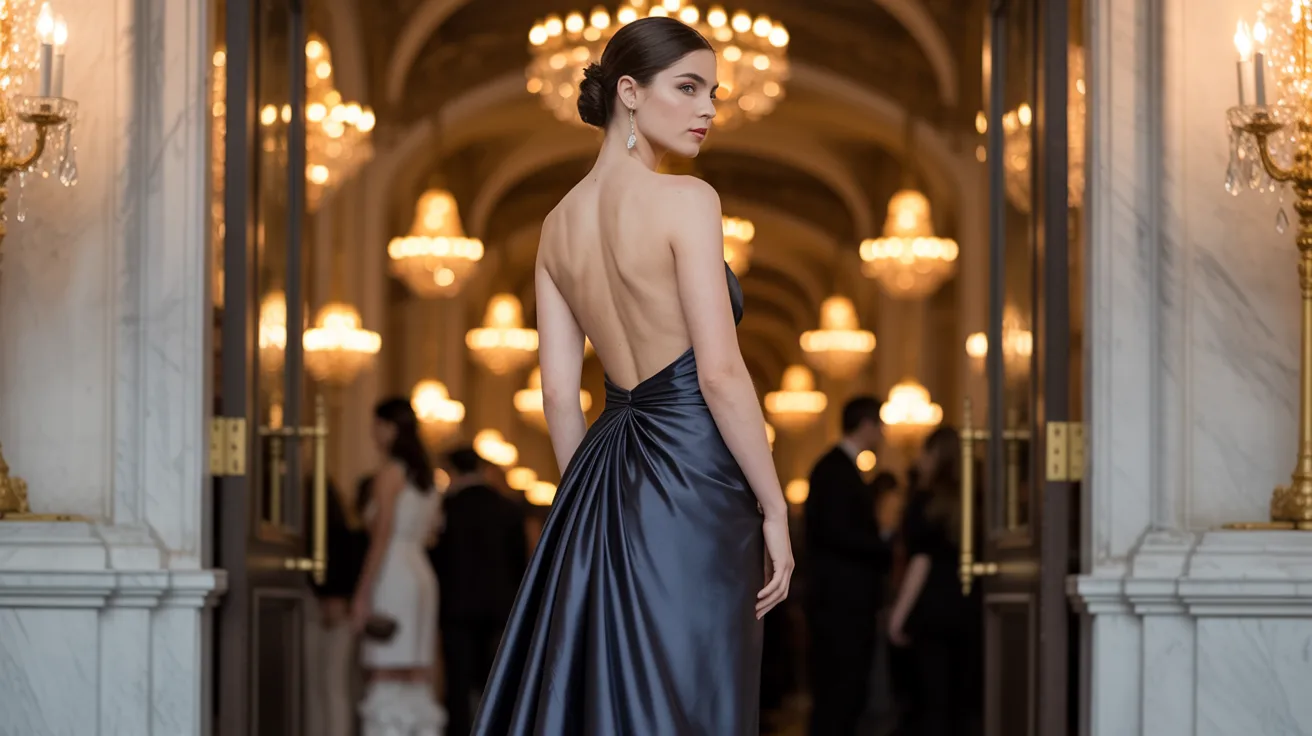
A backless dress has a low-cut back, sometimes dipping all the way to the waist. It’s dramatic and eye-catching from behind.
A great choice for formal events or dinners when you want something show-stopping.
39. Tiered Dress
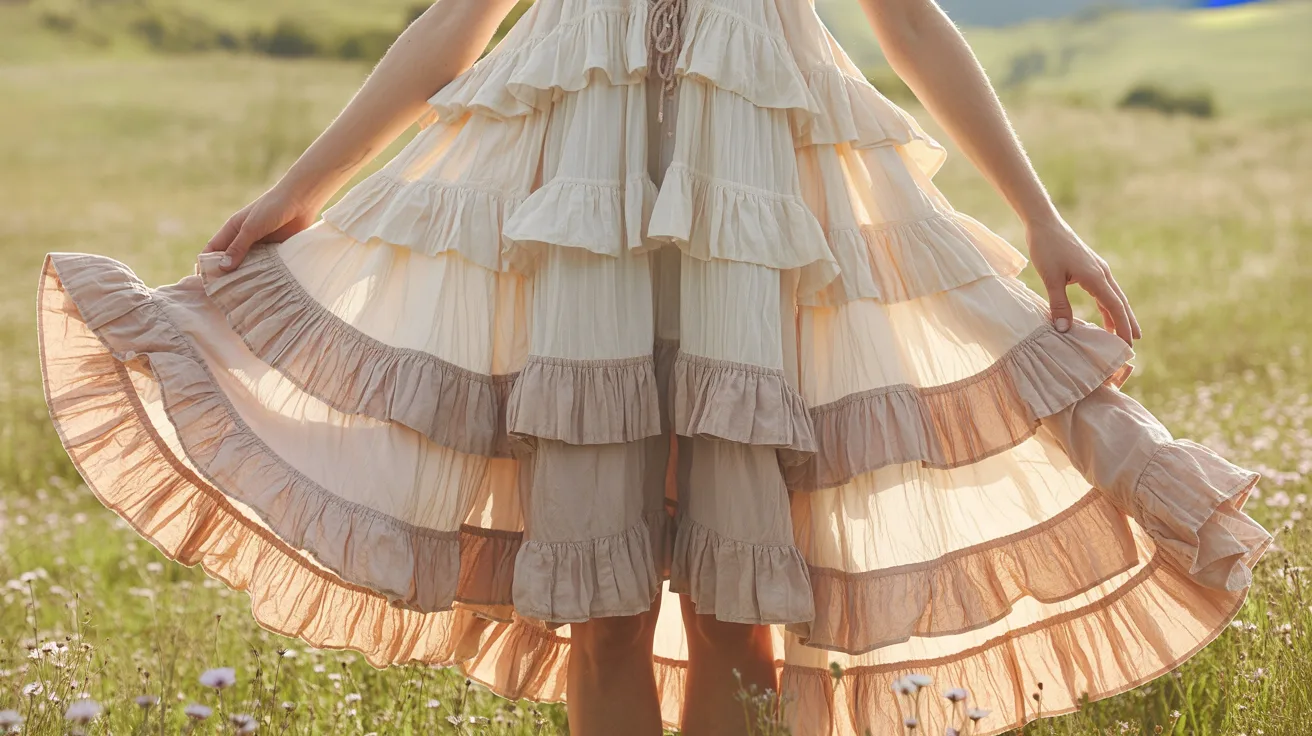
A tiered dress has multiple layers of fabric stacked on top of each other. It adds volume and movement.
It works across casual and formal styles, from a boho sundress to a flowy cocktail option.
Tips to Choose the Right Dress Type
Not every dress works for every occasion, here’s how to narrow it down fast.
- Know your event first. A bodycon is not office wear. A shift dress might not work for a black-tie dinner. Match the dress type to the setting before anything else.
- Think about your comfort level. If you’re not used to wearing strapless, skip it for big events. Wear what feels natural so you’re not tugging and adjusting all night.
- Pay attention to your body shape. A-line and wrap styles work for most shapes. If you want to define your waist, fit-and-flare is a great bet. Go with what makes you feel good.
- Consider the season. Sundresses and slip dresses belong in summer. Sweater dresses and long-sleeve styles are cold-weather picks. Fabric matters just as much as silhouette.
- Don’t overthink it. If you put it on and love it, that’s your answer. Style rules exist to help, not restrict. Wear what makes you feel like yourself.
Conclusion
I’ll be honest, I used to grab whatever dress looked good on the hanger and hope for the best. Half the time it didn’t work.
Once I started paying attention to dress types, getting dressed became so much easier. I hope this list helps you shop smarter and style better.
If you found a dress type that clicked, drop a comment below, I’d love to know which one caught your eye. Share this with someone who could use a style refresh!
Frequently Asked Questions
What dress type is best for everyday wear?
The t-shirt dress, shirt dress, and sundress are all solid picks for everyday use. They’re easy to style, comfortable, and work for most casual settings without too much effort.
Which dress type is most flattering for all body types?
The A-line and wrap dress tend to work well for most body shapes. They define the waist and create a balanced silhouette, which is why they’re so widely recommended across style guides.
What is the difference between a cocktail dress and an evening dress?
A cocktail dress is semi-formal and usually shorter, at or above the knee. An evening dress is longer and more formal, often made from richer fabrics. The occasion usually dictates which one to wear.
Can I wear a bodycon dress to a formal event?
It depends on the event. A sleek, well-fitted bodycon in a rich fabric can work for some formal occasions. But for black-tie or very traditional events, a floor-length gown or evening dress is a safer choice.
What dress type works best for a wedding guest?
A midi dress, A-line dress, or fit-and-flare are all great options for wedding guests. They look polished and put-together without stealing focus. Avoid white, of course, and match the formality of the event.