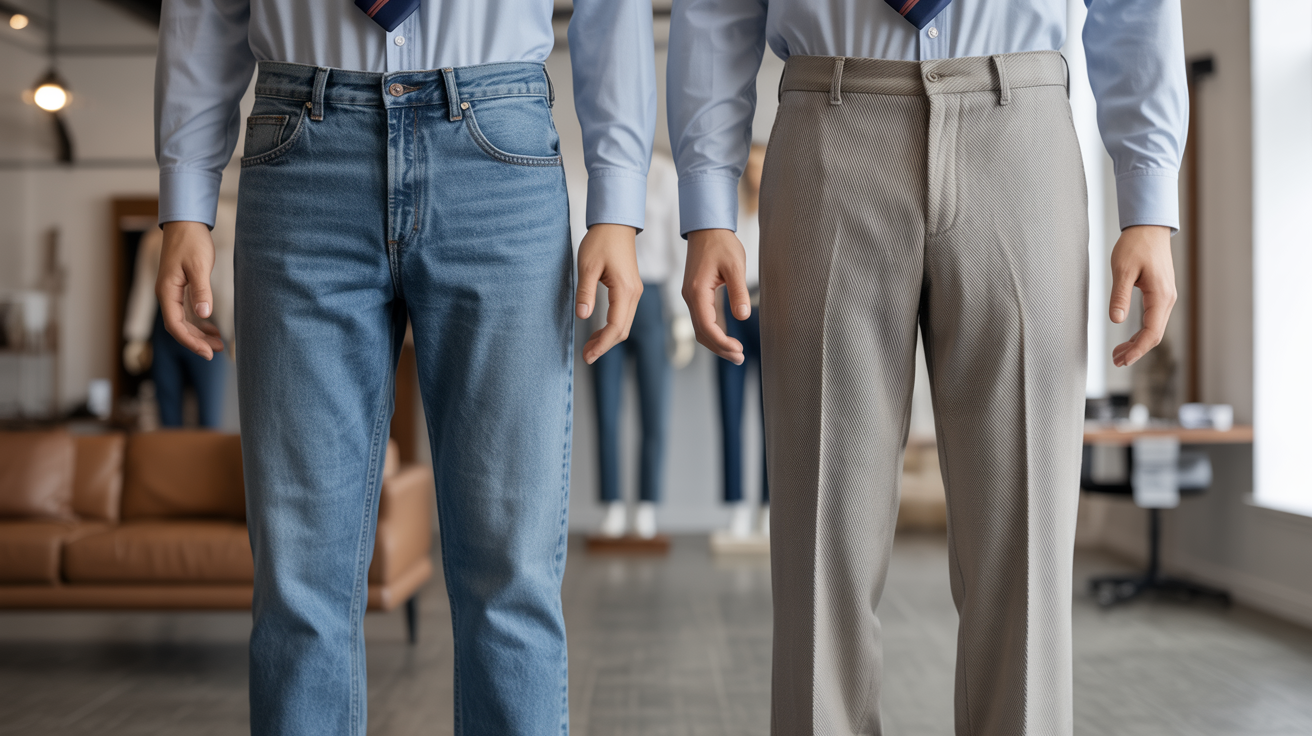
Ever found yourself saying “pants” when you meant “jeans” or the other way around? You’re not alone. Many people use these words without knowing there’s actually a difference between them.
The truth is, while all jeans are pants, not all pants are jeans. This might sound confusing at first, but it’s simpler than you think. These terms get mixed up in everyday conversation, especially since they’re often used to mean the same thing.
In this guide, you’ll learn exactly what makes jeans different from other pants. We’ll cover the history, materials, styles, and when to wear each type. You’ll also get practical tips on care and maintenance for both.
By the end, you’ll know how to choose the right option for any situation. Let’s clear up the confusion once and for all.
What Are Jeans?
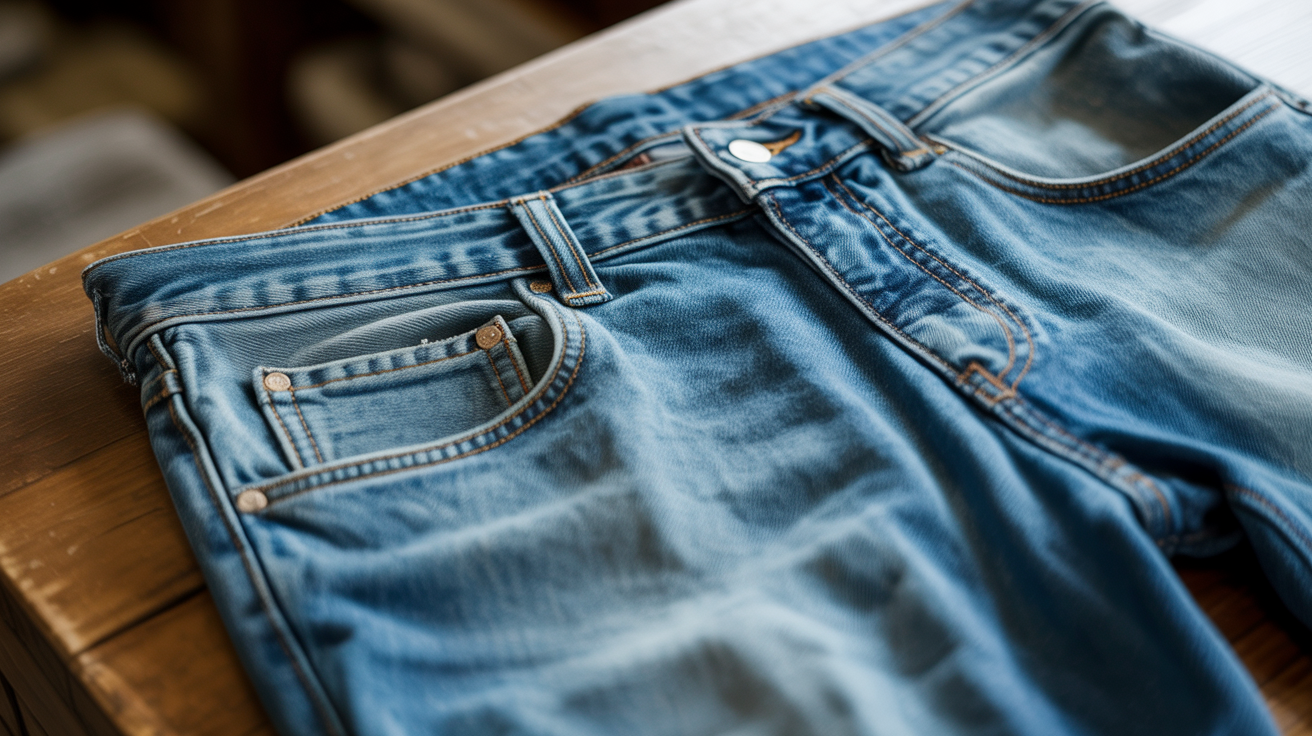
Jeans are a specific type of clothing made from denim fabric. They were first created in the late 1800s for miners who needed tough work clothes that could handle rough conditions.
What makes jeans stand out is their construction. They have reinforced pockets, metal rivets at stress points, and thick seams. The denim fabric itself is woven in a special way that makes it strong and long-lasting.
Over time, jeans moved from being just workwear to everyday fashion. Today, people wear them almost anywhere, from running errands to casual dinners. They’ve become one of the most popular clothing items in the world.
What Are Pants?
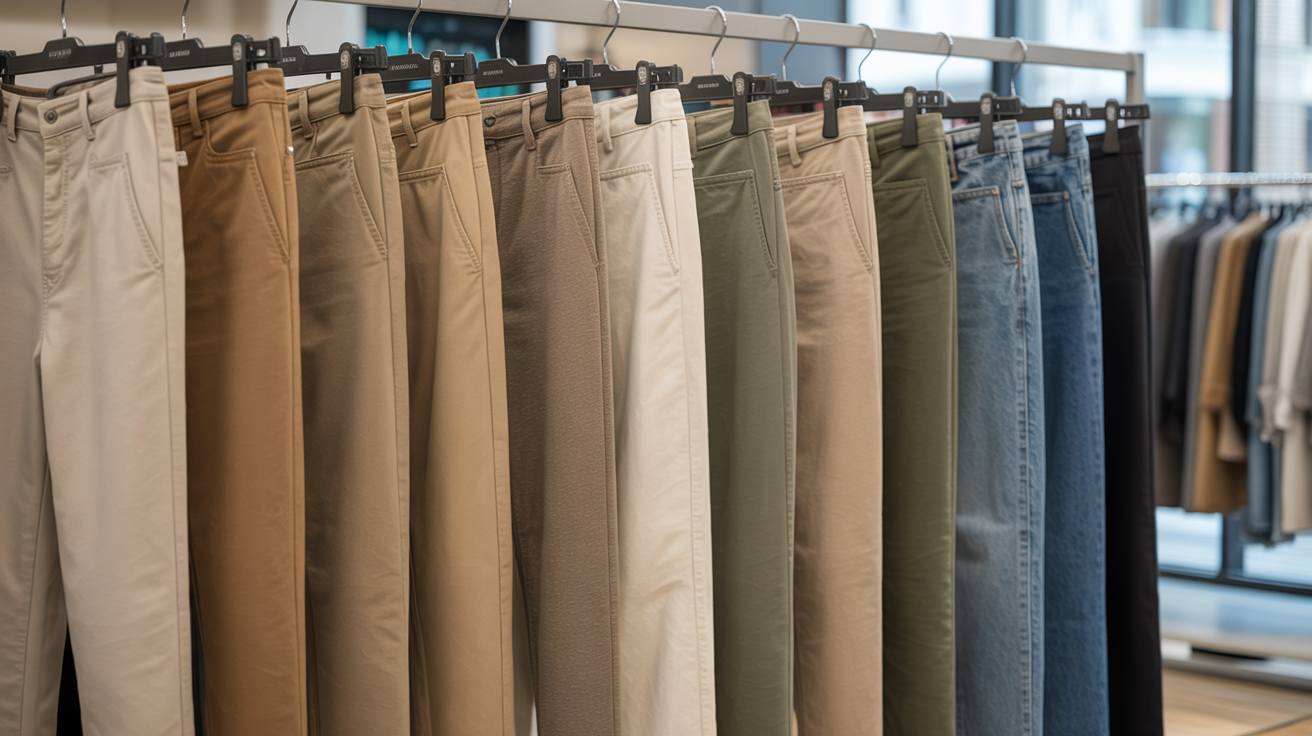
Pants are a broad category of clothing that covers your legs separately from the waist down. The word “pants” can describe any garment with two leg openings, making it a much wider term than jeans.
The word itself has interesting roots and means different things in different countries. In America, pants refer to any leg covering.
In Britain, however, “pants” often means underwear, and they call what Americans know as pants “trousers.”
Here’s the key point: jeans are always pants, but pants aren’t always jeans. Pants include dress slacks, khakis, leggings, sweatpants, and yes, jeans too. It’s like how all dogs are animals, but not all animals are dogs.
Main Differences Between Jeans and Pants
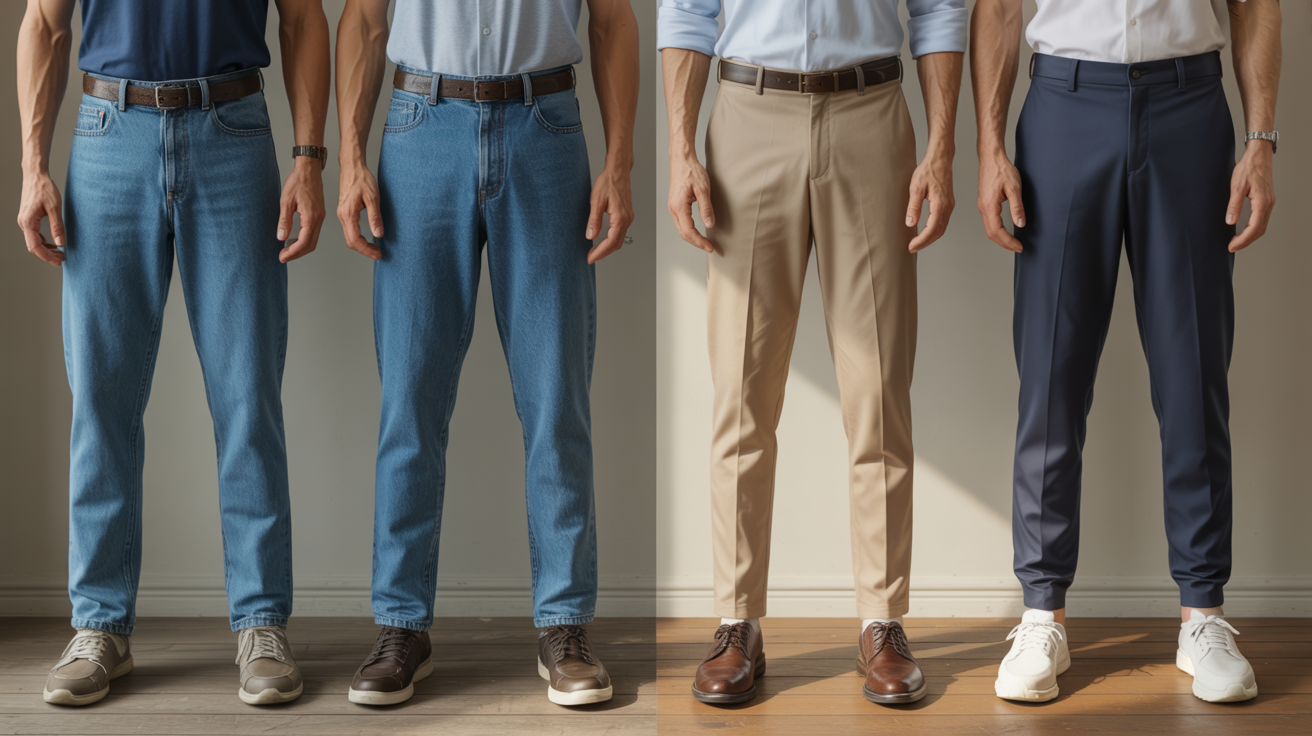
When comparing pants vs jeans, the differences become clear once you know what to look for. Let’s break down what sets them apart.
| Feature | Jeans | Other Pants |
| Fabric | Always denim (cotton twill) | Cotton, wool, linen, polyester, rayon, blends |
| Durability | Very tough, long-lasting | Depends on fabric and how they’re made |
| Style | Usually casual, cuts like skinny, straight, bootcut | Formal to casual (dress pants, chinos, joggers) |
| Colors | Mostly blue denim, some black or other colors | Wide range of colors and patterns |
| Construction | Reinforced with rivets and thick stitching | Standard or light stitching |
| Formality | Casual to smart casual | Can be very formal or very casual |
The fabric is the biggest difference. Jeans must be made from denim, while pants can be made from almost any material. This affects how they feel, how long they last, and where you can wear them.
Jeans typically offer more durability because denim is a tougher fabric. Other pants might be softer, lighter, or more comfortable for certain activities, but they may not last as long with heavy use.
When to Wear Jeans vs Other Pants?
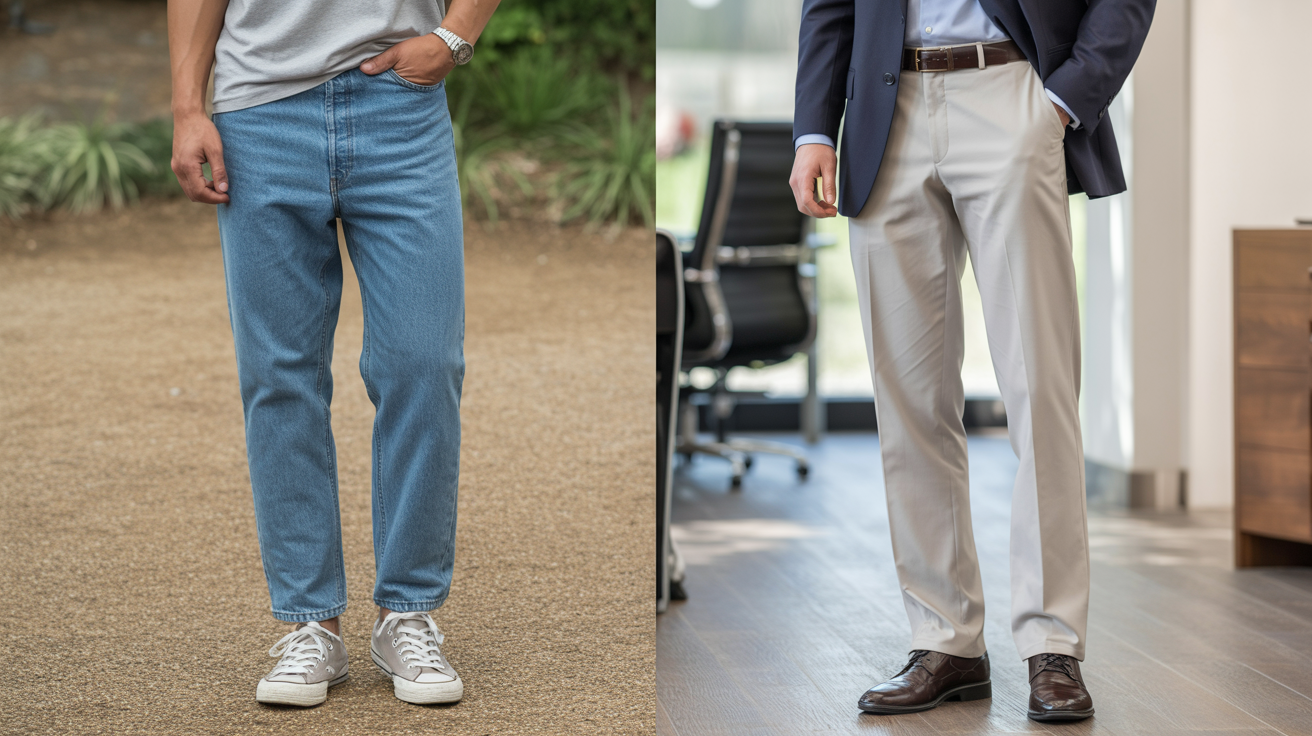
Knowing the pants vs jeans difference helps you dress right for any event.
Occasion Considerations
Jeans work great for casual outings like shopping, hanging out with friends, or going to movies. They’re the go-to choice for relaxed, everyday situations where comfort matters most.
Dress pants belong at business meetings, weddings, job interviews, and formal events. These occasions call for a polished look that jeans usually can’t provide.
Some workplaces allow “business casual” jeans, but traditional offices still prefer dress pants.
Weather and Comfort
Jeans are better for cooler weather and outdoor activities. The thick denim keeps your legs warm and protects against the wind. They’re also good for hiking, camping, or any situation where you might scrape against rough surfaces.
Lighter pants made from linen, cotton blends, or synthetic fabrics work better in hot weather. They let air flow through, keeping you cooler when temperatures rise. Dress pants in lightweight materials are ideal for summer business wear.
Personal Style Preferences
Your own fashion sense plays a big role in the pants vs jeans choice. Some people feel more confident in jeans, while others prefer the clean look of chinos or dress pants.
Both types work with different outfits. Jeans pair well with t-shirts, casual button-ups, and sneakers.
Other pants can be dressed up with blazers and dress shoes or dressed down with polo shirts and loafers. Build your wardrobe with several options, so you’re ready for anything.
Types of Pants Beyond Jeans
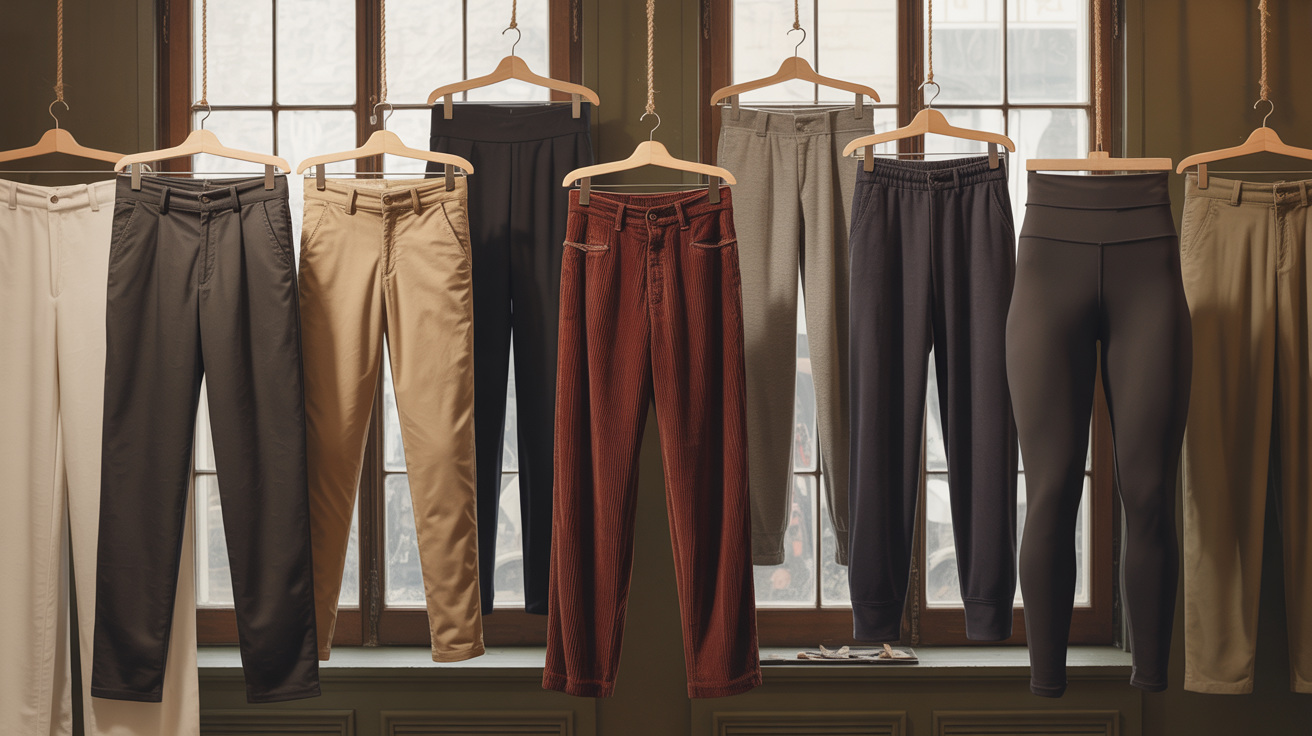
When you think about pants vs jeans, remember that jeans are just one option in a huge category. Many other types exist, each serving different needs.
- Dress pants and slacks are formal options for professional settings. They’re usually made from wool or polyester blends and come in neutral colors.
- Chinos and khakis sit between casual and formal. They’re softer than jeans but more structured than sweatpants, making them great for smart casual events.
- Corduroys have a ridged texture and work well in fall and winter. They’re comfortable and slightly more dressed up than jeans.
- Joggers and sweatpants are the most casual options, meant for exercise or lounging at home. They prioritize comfort over style.
- Yoga pants and leggings are stretchy and form-fitting, designed for workouts but often worn as everyday casual wear.
Each type has its place in your closet. The right choice depends on where you’re going and what feels comfortable to you.
Care and Maintenance Tips
Taking care of your clothes properly makes them last longer. The pants vs jeans debate extends to how you wash and store them, too.
- Spot clean small stains instead of washing the whole garment
- Store pants folded or hung on proper hangers
- Keep them away from direct sunlight to prevent fading
- Don’t overload your washing machine
Following these guidelines helps both jeans and other pants stay in good condition. Proper care means you won’t need to replace them as often.
Conclusion
Understanding pants vs jeans doesn’t have to be complicated. The main thing to remember is that jeans are a specific type of pants made from denim, while pants is the general term for any leg-covering garment.
Jeans offer durability and casual style, making them great for everyday wear. Other types of pants give you more options for formal events, hot weather, or specific activities.
The best approach is to have both in your closet. Keep a few pairs of good jeans for casual days and some dress pants or chinos for when you need to look more polished.
Choose what works for your lifestyle and the occasions you face most often. Comfort and confidence matter more than following strict rules.
Build a wardrobe that includes different styles, so you’re prepared for any situation that comes your way.
Frequently Asked Questions
Can You Wear Jeans to a Job Interview?
It depends on the company culture. Creative or casual workplaces might accept dark, clean jeans, but most traditional offices expect dress pants. When in doubt, choose dress pants to be safe.
How Often Should You Wash Denim Compared to Other Fabrics?
Jeans need washing much less often than other pants, about every 5-10 wears. Other pants, especially dress pants and chinos, should be washed after 2-3 wears to stay fresh and clean.
Are Jeggings Considered Jeans or Leggings?
Jeggings are a mix of both. They have the stretchy feel of leggings but look like jeans with fake pockets and stitching. They’re technically leggings that imitate the appearance of denim jeans.
Why Do Some Workplaces Ban Denim but Allow Other Casual Pants?
Many offices see denim as too casual because of its workwear history. Chinos and khakis look more polished and professional, even though they’re also comfortable. It’s about maintaining a business image.
What Makes Denim Fabric Different from Regular Cotton?
Denim uses a specific twill weave that creates diagonal ribbing. This weaving method makes it thicker and stronger than regular cotton fabric. The indigo dye process also gives denim its signature blue color.