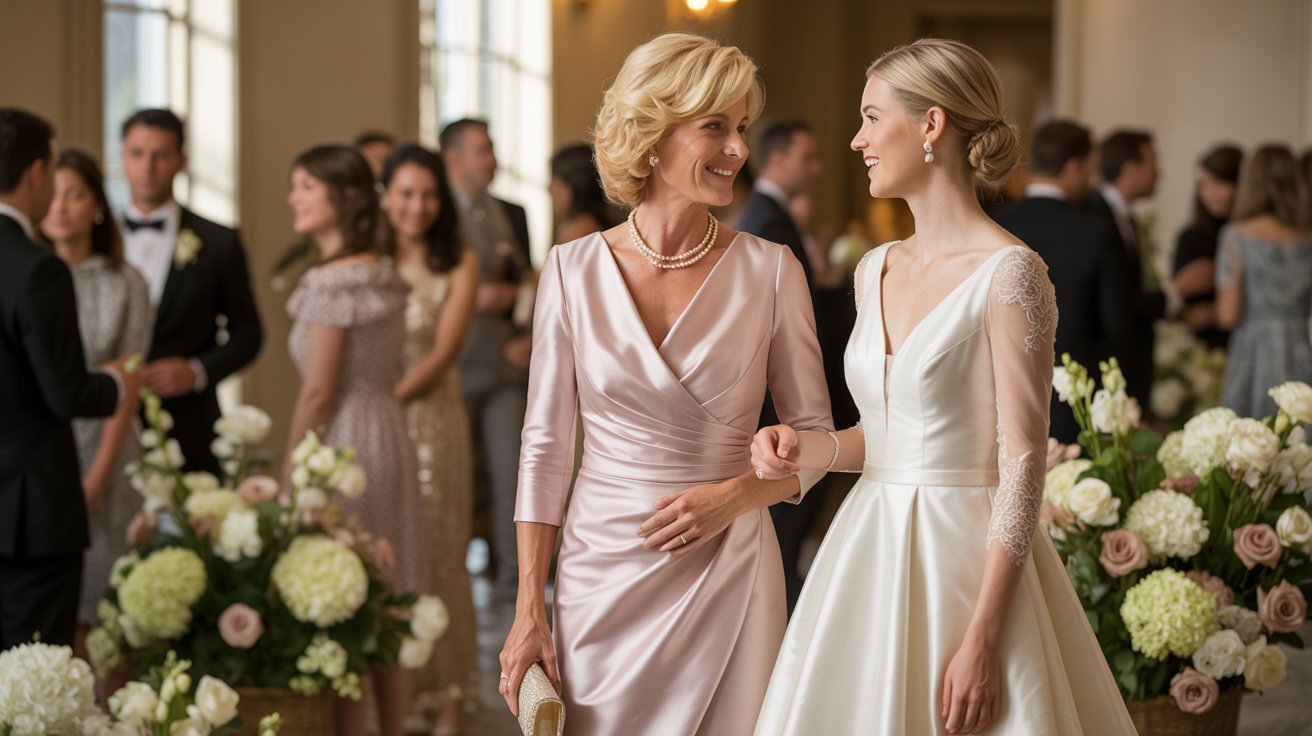
Choosing the right color as the mother of the bride can feel like a lot of pressure. I have seen so many mothers stress over this decision more than anything else about the wedding.
You want to look your best without stepping on anyone’s toes. That is completely understandable.
This guide breaks it all down simply. You will learn what colors work, what to avoid, and how to coordinate with the wedding party and venue.
No confusing advice. Just clear, practical tips you can actually use.
What Color Should the Mother of the Bride Wear?
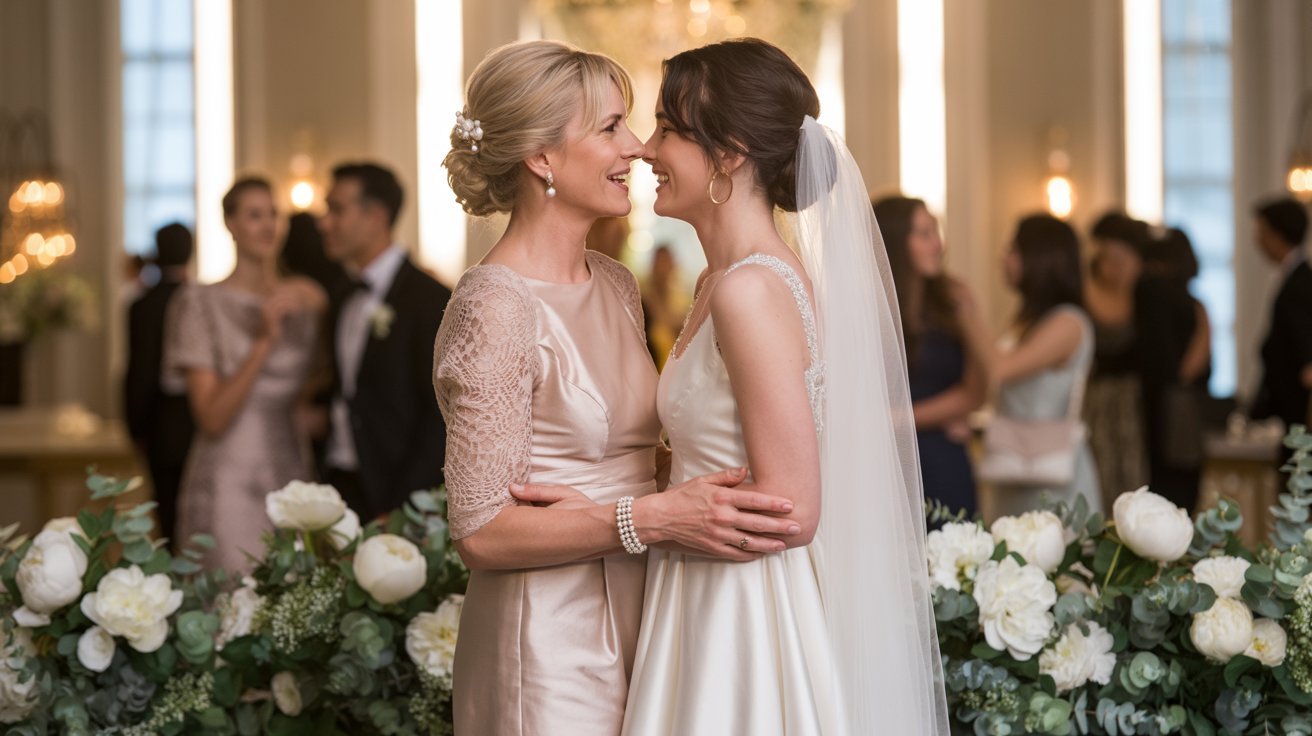
There is no single right answer, but the right approach makes the decision much easier.
The color depends on many factors. The venue, the season, the wedding theme, and the dress code all play a role.
A beach wedding in July calls for something light. A winter black-tie event is a different story.
Talk to the bride early. Some brides have a vision for the full wedding party look. Others are happy to let their family choose freely. A short conversation can save a lot of stress later.
Traditional Color Etiquette for Mother of the Bride
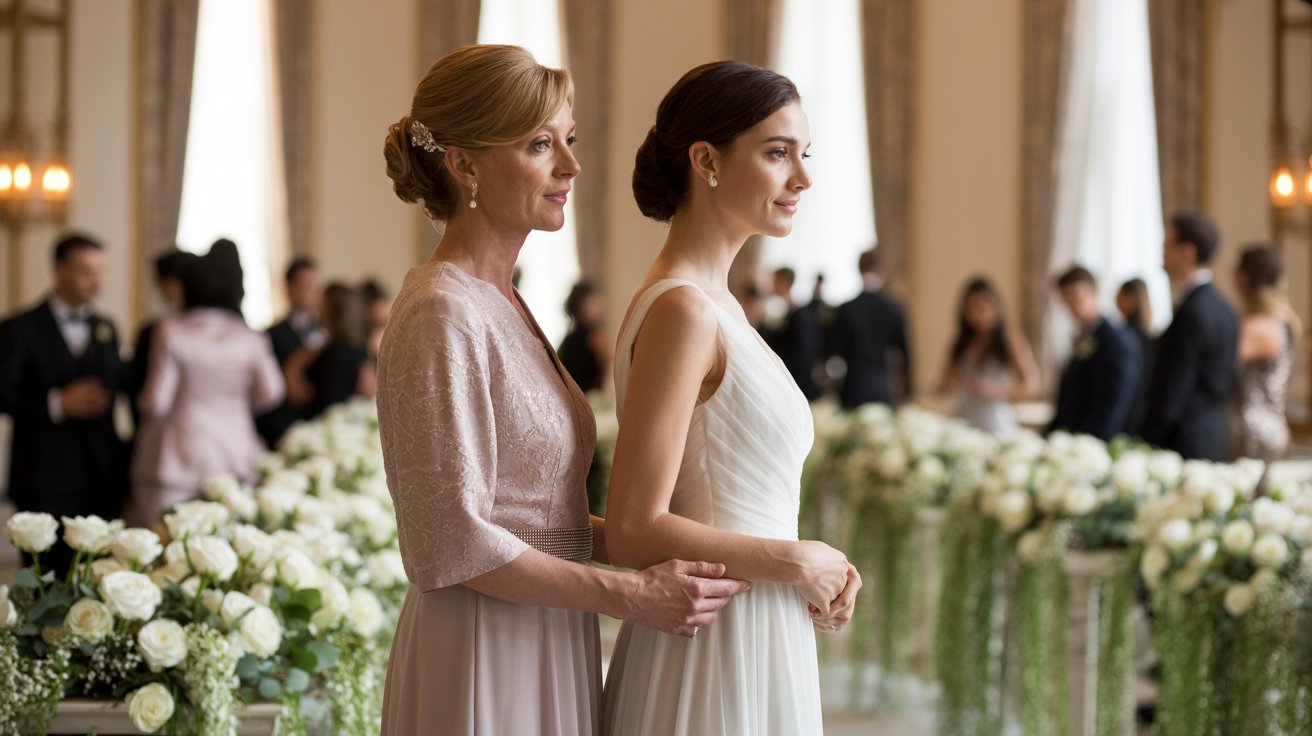
Old wedding rules are giving way to more personal and flexible choices today.
In the past, the mother of the bride was expected to wear a muted, understated shade. Bold colors were seen as too attention-grabbing. White and anything bridal were always off-limits.
Over time, those rules have relaxed. Modern weddings allow more personal expression. Still, the classic rule of avoiding white and not upstaging the bride remains widely respected.
Safe and Classic Color Choices
Tried-and-true shades are popular for a reason: they photograph well and suit most venues.
Neutral and Classic Shades
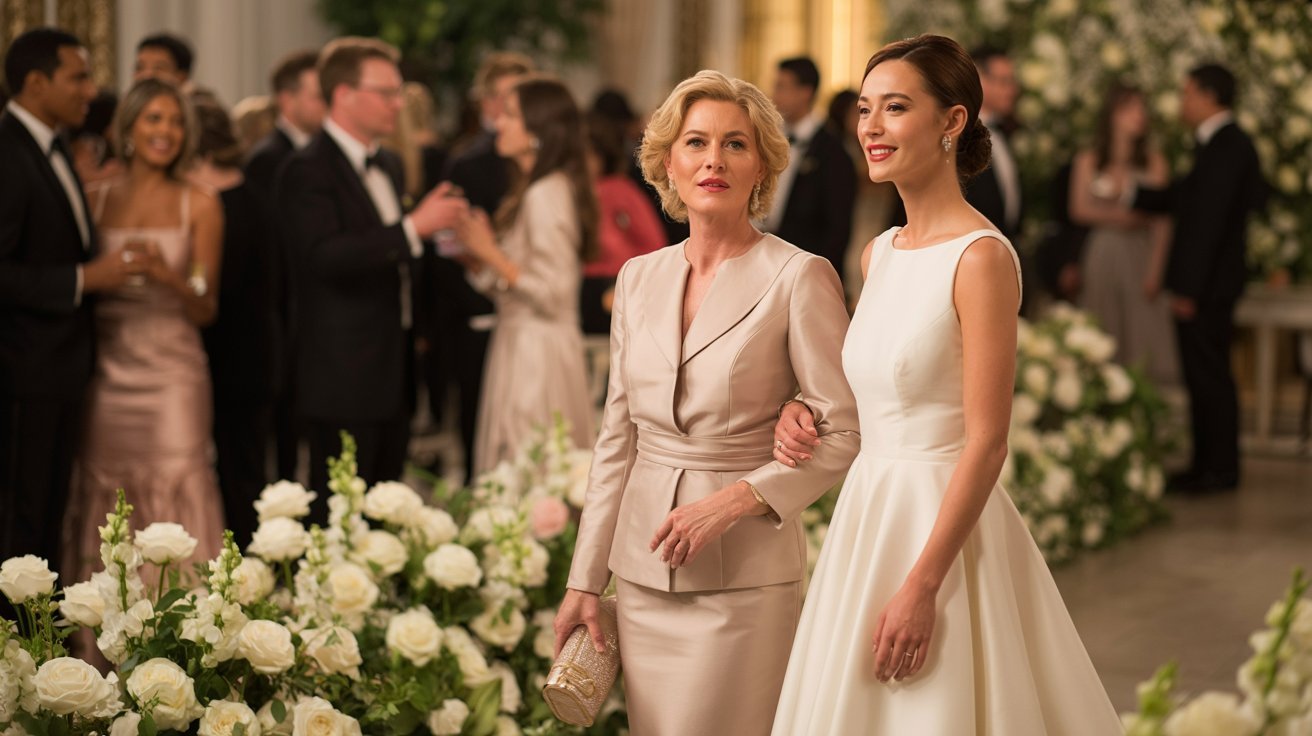
Champagne, taupe, and beige are soft and polished. They pair well with most wedding palettes and work nicely in photos. If you are unsure where to start, these are a safe bet.
Timeless Dark Colors
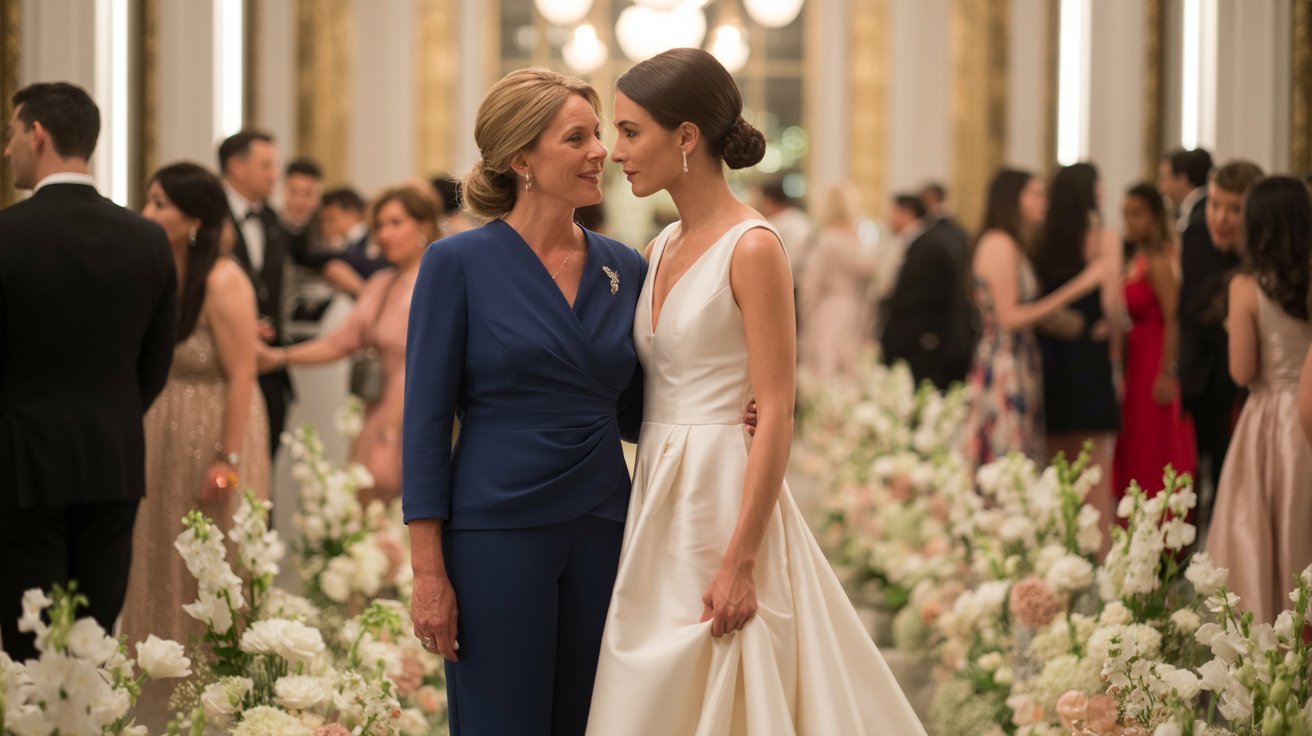
Navy blue, charcoal gray, and burgundy feel put-together and work especially well for fall or winter weddings. They are flattering on a wide range of skin tones and hold up well through a long day.
Soft and Romantic Tones
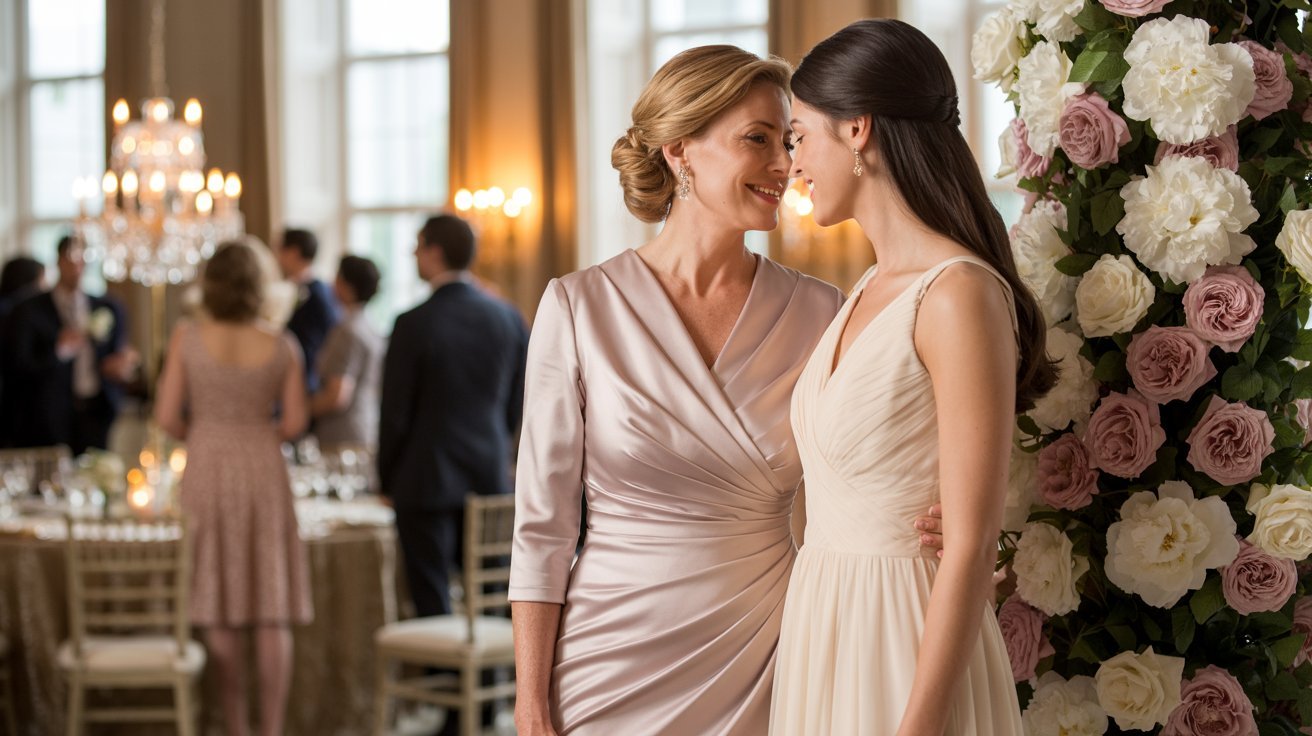
Blush pink, lavender, and soft pastels are lovely for spring and summer events. They feel light and cheerful without being too casual.
Rich Jewel Tones
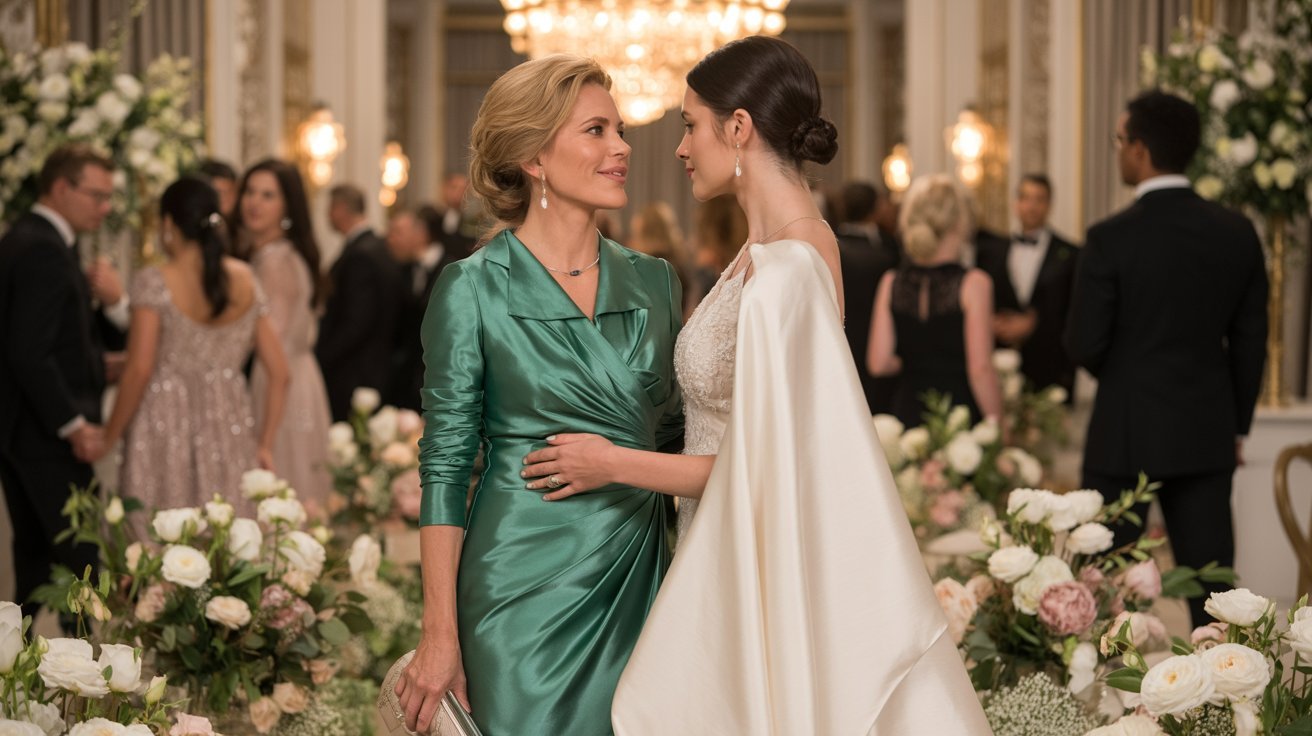
Emerald green, sapphire blue, and deep plum add depth and work best at evening or formal daytime weddings.
Coordinating with the Wedding Theme
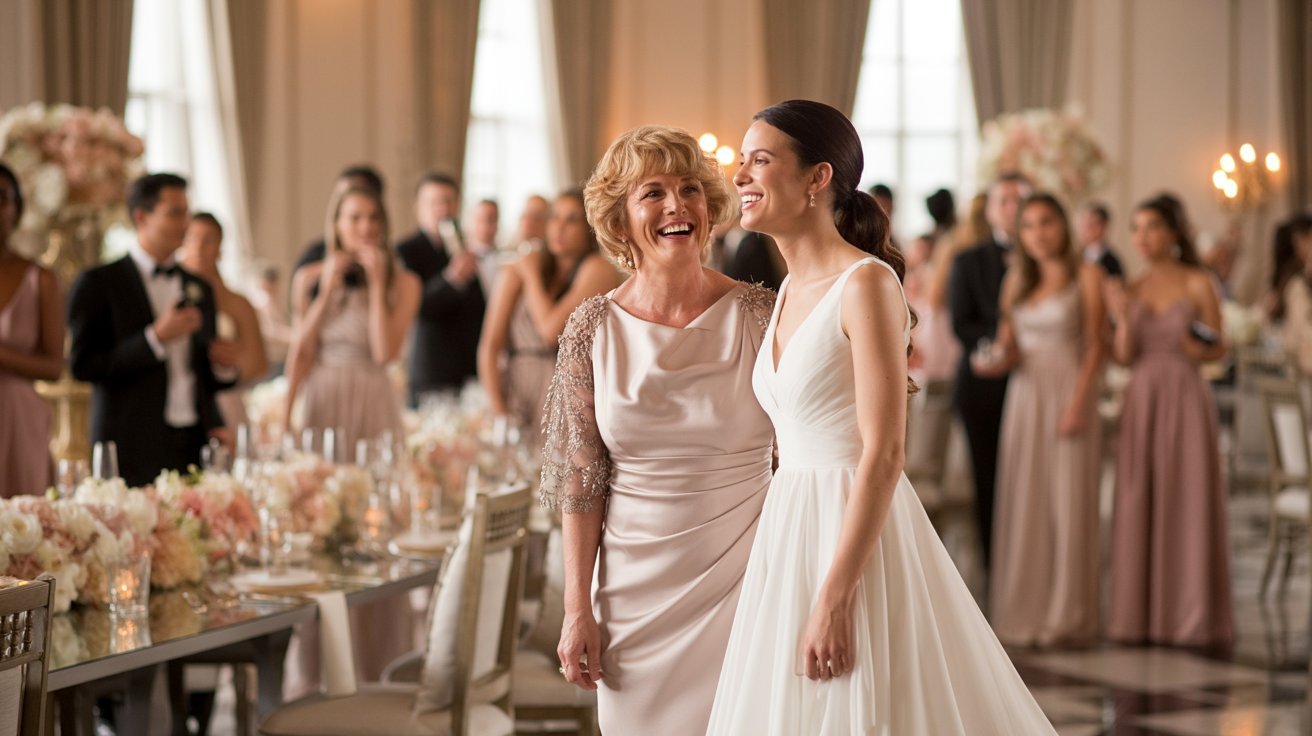
Your outfit should feel like it belongs in the wedding’s overall color story without trying to steal the spotlight.
Matching vs Complementing the Bridesmaids
You do not need to match the bridesmaids. Complementing their color is a smarter move. If they are in dusty rose, a warm nude or soft mauve sits well alongside them without duplicating their look.
Aligning with Wedding Colors
Look at the flowers, table settings, and invitations for color cues. Choosing a shade that fits within that palette shows thoughtfulness. Avoid colors that clash sharply with the decor or wedding party.
Considering the Season and Venue
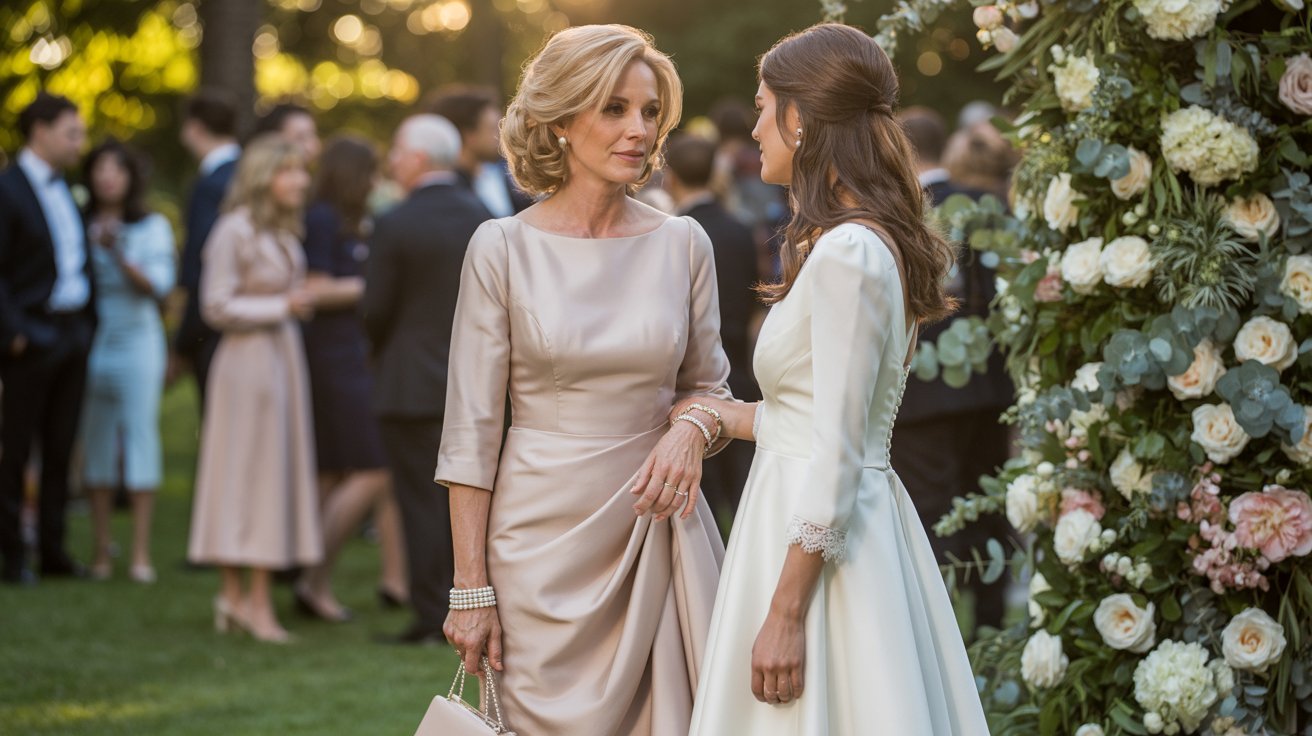
The time of year and the setting of the wedding can tell you a lot about what colors will feel right.
Spring and Summer Weddings
Light pastels, soft florals, and airy hues feel right at home in warmer months. Think blush, sky blue, mint, or soft yellow.
Fall and Winter Weddings
Deeper shades like burgundy, forest green, and navy suit cooler months well. Metallic accents in gold or copper can also add warmth.
Venue-Based Color Choices
Beach weddings suit light, breezy tones. Indoor formal venues call for structured, darker shades. Garden weddings work well with natural, earthy tones and soft florals.
Matching Color with Skin Tone
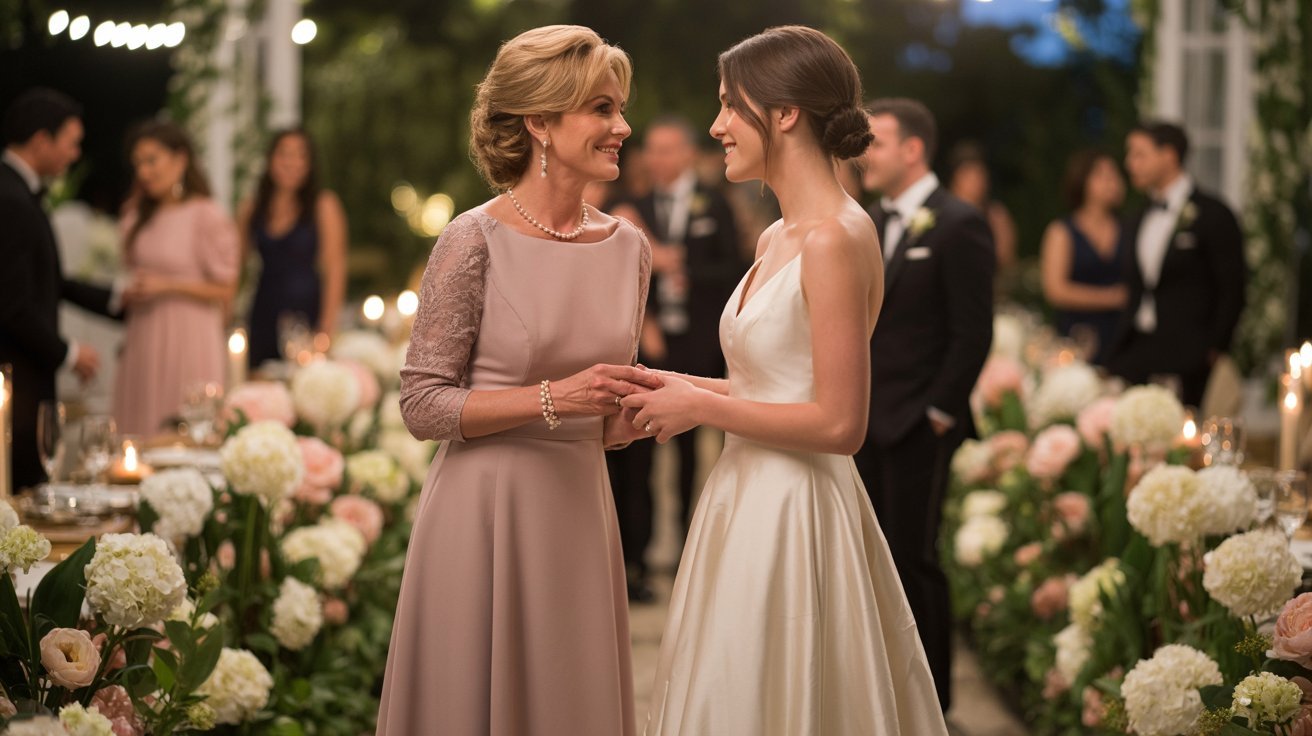
Choosing a color that works with your skin tone will help you look and feel your best on the day.
Fair Skin
Pastels and cool jewel tones like lavender and soft blue tend to be very flattering on fair skin tones.
Medium Skin
Warm neutrals and rich blues work well here. There is a lot of versatility with medium skin tones.
Olive Skin
Earthy tones and warm golds complement olive skin beautifully. Colors with warm undertones tend to work best.
Dark Skin
Bold, vibrant shades and metallics look striking and rich against deeper complexions.
Common Mistakes to Avoid
A few simple missteps can easily be avoided with a bit of planning ahead.
- Wearing white, ivory, or bridal-like shades without the bride’s approval
- Ignoring the wedding dress code
- Clashing with or over-matching the bridal party
- Choosing a color over comfort
- Waiting too long to decide, which limits your options
Coordinating with the Mother of the Groom
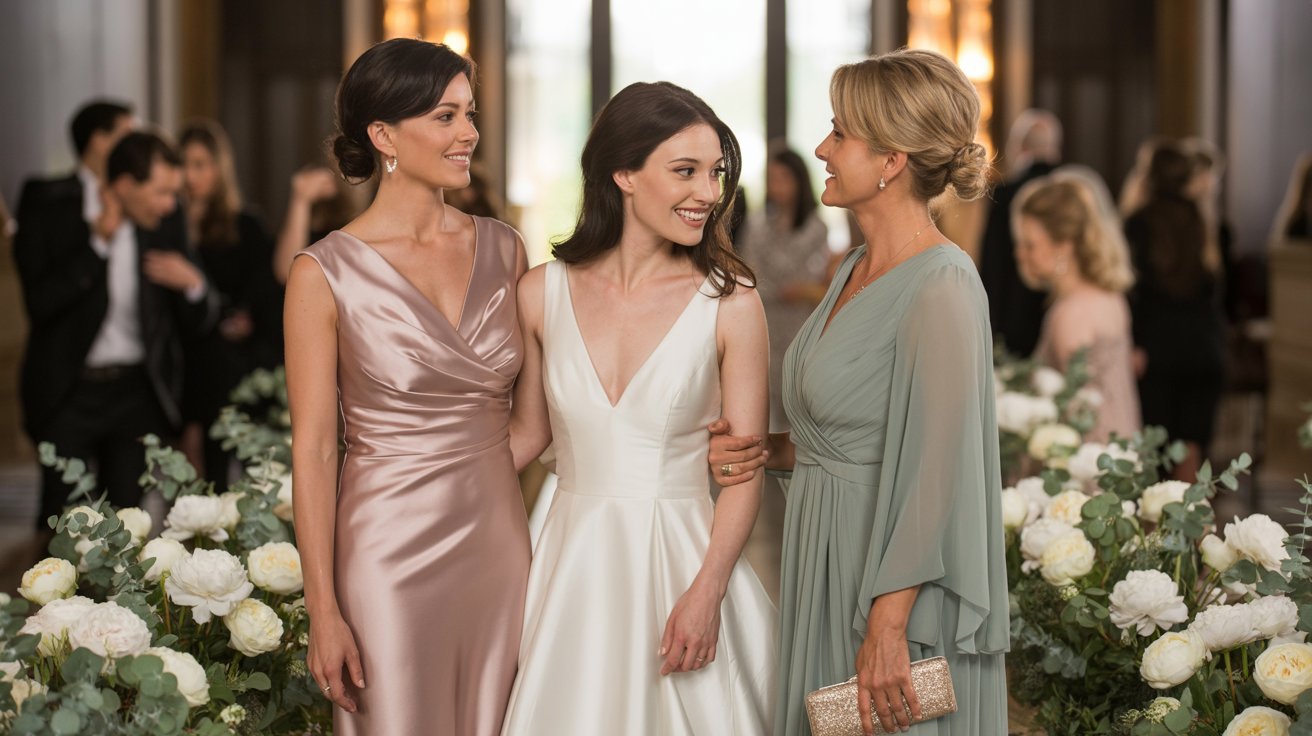
Both mothers should look like they belong at the same wedding without wearing the same thing.
Start the Conversation Early
Reach out and share color ideas before either of you commits to a dress. It avoids any last-minute surprises.
Complement, Do Not Match
If one mother has chosen deep green, the other might pick a complementary shade. Wearing the exact same color can look awkward in photos.
A slight variation in tone is usually enough to create harmony without confusion.
Tips for Choosing the Perfect Color
A few practical steps can make the whole process feel much less overwhelming.
- Talk to the bride first and ask if she has any preferences
- Look at the wedding’s color palette for guidance
- Test colors in natural light before deciding
- Think about how the color will look in photos
- Choose something you feel comfortable and confident in
Conclusion
Choosing the right color as the mother of the bride does not have to be stressful. Focus on coordination, respect a few key etiquette points, and let your comfort guide you.
I always say that when you feel good in what you are wearing, it shows.
Modern weddings have more room for personal expression than ever. Talk to the bride, consider the setting, and trust your instincts. You are going to look wonderful.
Found this guide helpful? Drop a comment below and share what color you are considering for the big day!
Frequently Asked Questions
What color should the mother of the bride wear to a formal wedding?
For a formal wedding, rich shades like navy, charcoal, or jewel tones are great choices. They feel polished and suit the occasion well.
Is there a specific color the mother of the bride must avoid?
White, ivory, and any bridal-looking shade should generally be avoided. These colors are traditionally reserved for the bride alone.
Can the mother of the bride wear the same color as the bridesmaids?
It is better to complement the bridesmaids’ colors rather than match exactly. Wearing the same color can blur the line between family and the bridal party.
Should the mother of the bride match the wedding theme?
Aligning with the wedding’s color palette is a thoughtful choice. You do not need an exact match, but fitting within the overall theme helps everything look cohesive in photos.
Who chooses the mother of the bride’s dress color?
The mother of the bride typically makes the final call, but checking in with the bride early helps avoid any last-minute surprises.